





Introductio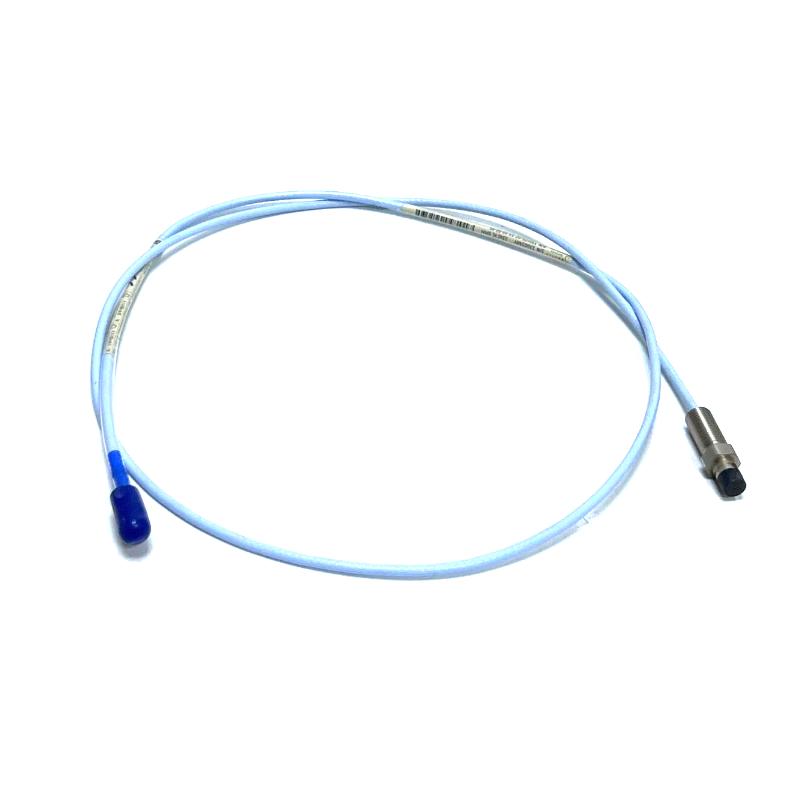 n
n
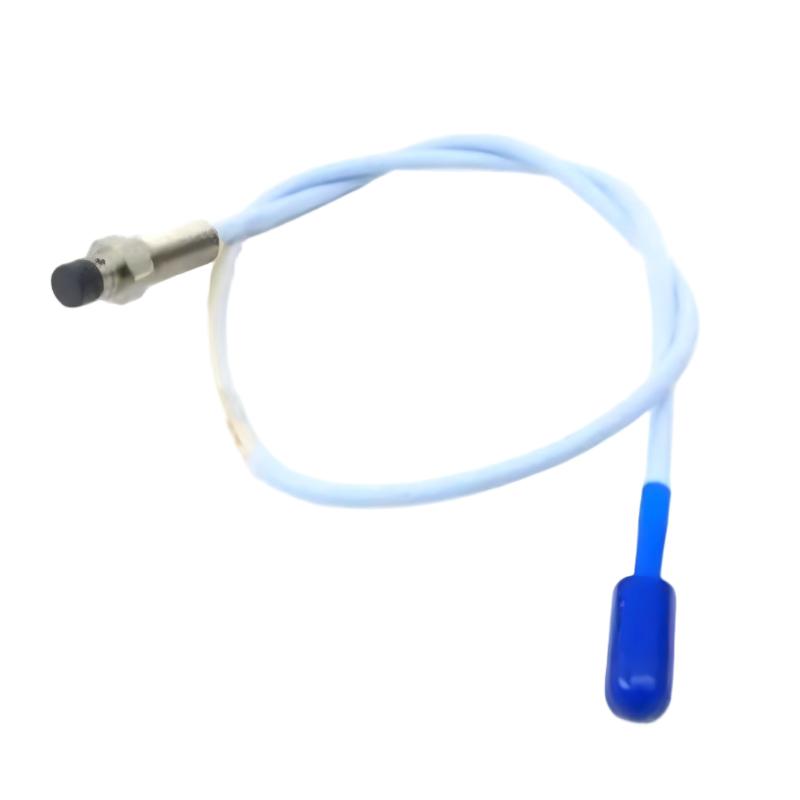
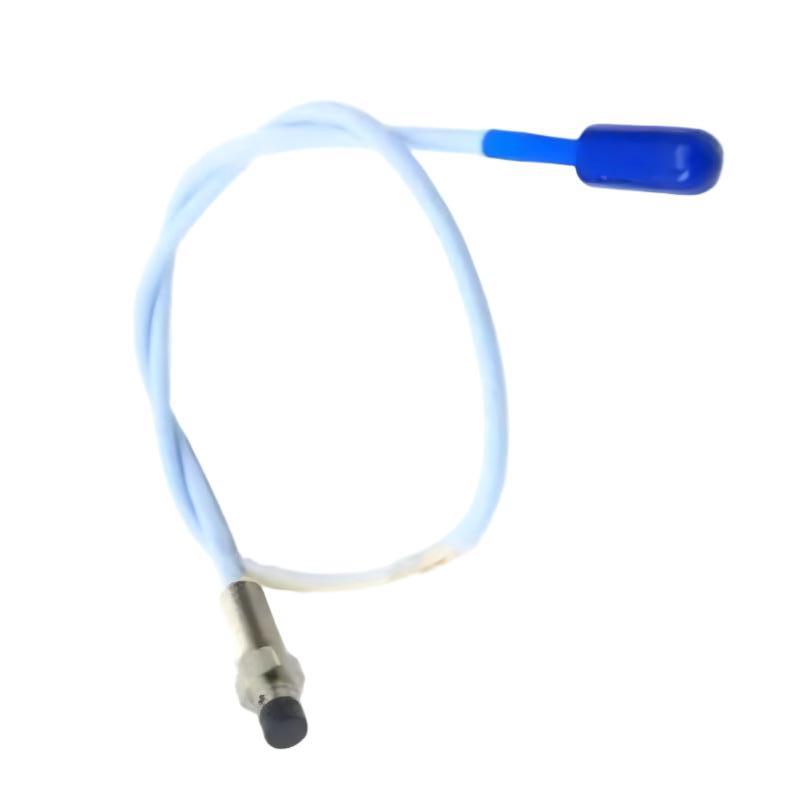
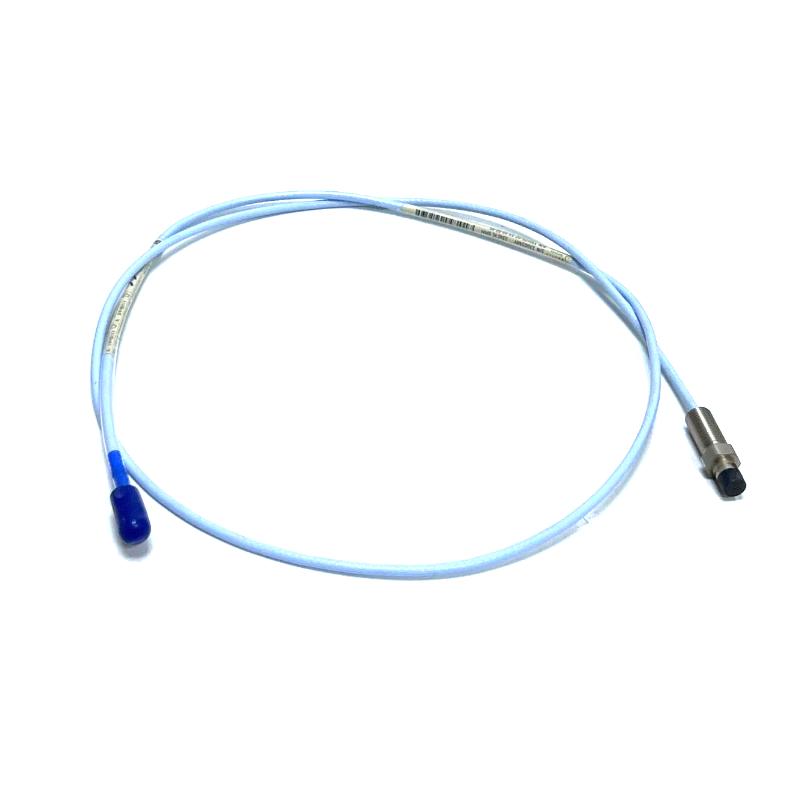
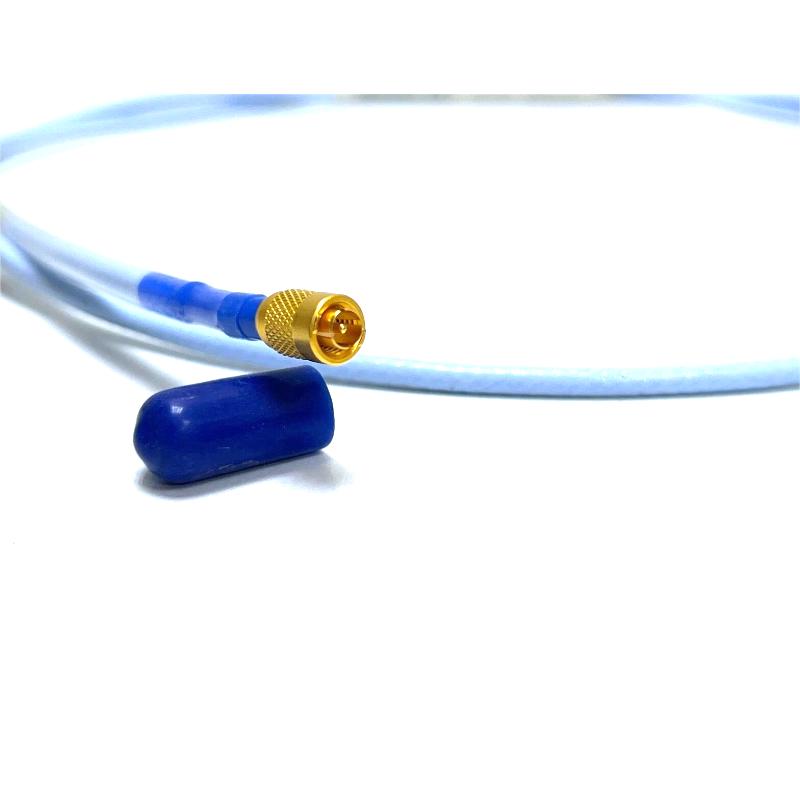
The Bently Nevada 330105-02-12-10-02-05 3300 XL Reverse Mounting Probe is a high-precision sensor designed for monitoring the condition of rotating machinery. It provides accurate shaft displacement, vibration, and proximity measurements, which are essential for predictive maintenance and ensuring safe, reliable operation.
Part of the 3300 XL series, this probe is specifically engineered for reverse mounting applications, suitable for installations where standard probe orientation is not feasible. It features an 8 mm probe diameter, a total length of 1.0 meter, and a weight of 0.323 kg, offering flexibility for installation in larger or hard-to-reach machinery setups.
Technical Specifications
| Parameter | Specification |
|---|---|
| Product Model | 330105-02-12-10-02-05 |
| Series | 3300 XL |
| Sensor Type | 8 mm Reverse Mounting Probe |
| Manufacturer | Bently Nevada |
| Function | Shaft displacement, vibration, and proximity measurement |
| Total Length | 1.0 meter |
| Weight | 0.323 kg |
| Mounting | Reverse orientation for constrained installations |
| Application | Rotating machinery condition monitoring |
The probe delivers highly accurate and reliable measurements, enabling early detection of misalignment, imbalance, and other mechanical issues.
Applications
The 3300 XL Reverse Mounting Probe is commonly used in:
-
Steam, gas, and hydro turbines
-
Electric motors and generators
-
Pumps and compressors
-
Power plants and industrial rotating machinery
-
Predictive maintenance and condition monitoring systems
It supports continuous monitoring of critical machinery, helping to reduce unplanned downtime and extend equipment life.
Advantages
-
High-precision 8 mm probe for accurate shaft monitoring
-
Reverse mounting design for installation flexibility
-
1.0-meter length for larger or hard-to-reach installations
-
Robust industrial performance
-
Enables predictive maintenance and early fault detection
Technical FAQs
Q1: What is the main function of this probe?
It measures shaft displacement, vibration, and proximity to monitor rotating machinery condition.
Q2: What does “reverse mounting” mean?
The probe is designed to be installed in the opposite orientation from standard probes, suitable for constrained or reversed spaces.
Q3: Where is this probe typically installed?
Near the shaft of turbines, motors, pumps, or other rotating equipment.
Q4: Which industries commonly use this probe?
Power generation, oil and gas, manufacturing, and other industrial facilities with critical rotating machinery.
Q5: Why is the 1.0-meter length significant?
It provides flexibility for installation in larger machinery or where longer reach is required.