

ProductPRODUCT
Featured products
Contact Us
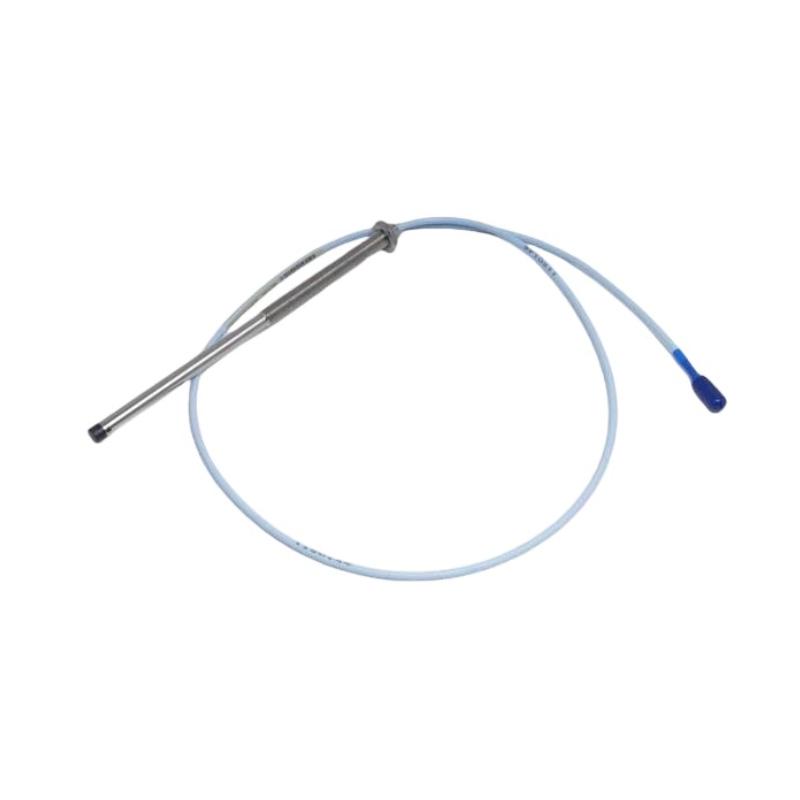
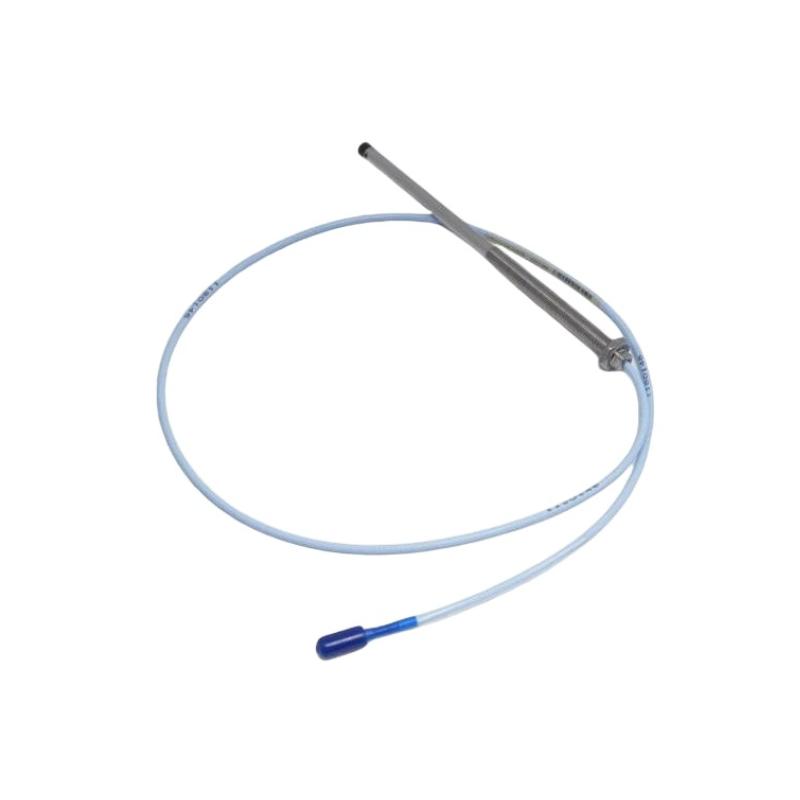
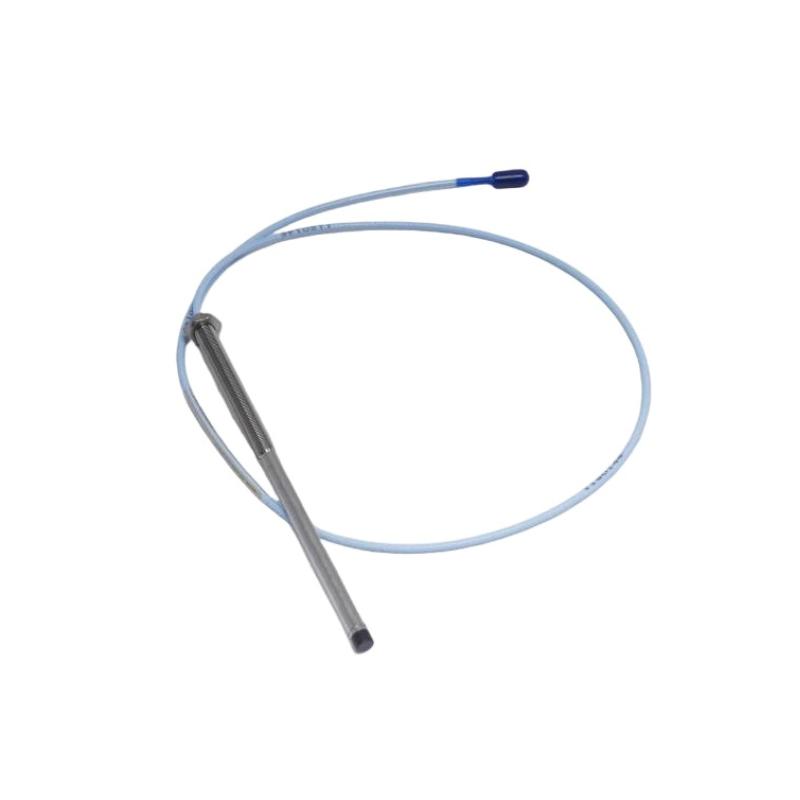
- Bently Nevada
- 330104-00-07-05-11-00
- 3300 XL 8 mm Proximity Probes
- USA
- 12.7 mm * 50 mm
- 0.43kg
- Xiamen, China
- New & In Stock
- T/T, PayPal, Western Union
- 1 Year
- 1-3 Working Days
- DHL, UPS, TNT, FedEx and EMS.
- 24-Hour Service
- COO
- 180
Our advantage

Global Logistics
We have a 10-year logistics and express cooperation agreement, so our products can be shipped to any place in the world.

Brand new and original
Our products are imported in bulk from the place of origin. Because of the cooperative relationship, our products are all original and 100% new.

24-hour service
We provide 7*24 hours service to our customers. We will be there whenever you need us.

Price advantage
All our products are priced very favorably because we have our own warehouse and supply.
| Company Information | |||
| [email protected] | |||
| Mobile | +8615980777398 | ||
| +8615980777398 | |||
| 15980777398 |
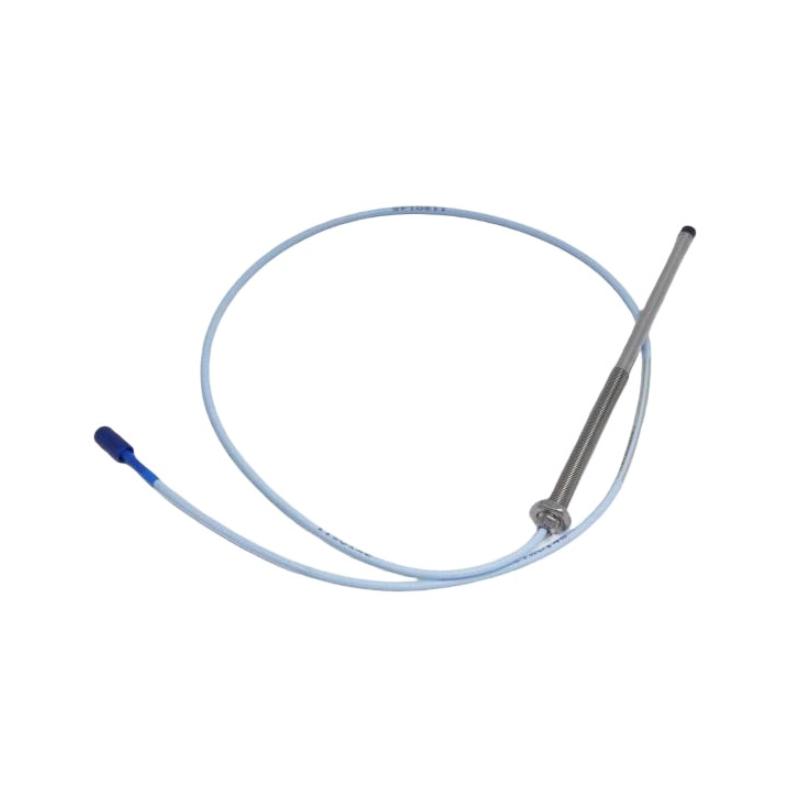
Bently Nevada 330104‑00‑07‑05‑11‑00 – Detailed Product Description, Specifications, Applications, Advantages, and FAQ
Brand and Series
• Brand: Bently Nevada
• Series: 3300 XL Proximity Probe Series
The 3300 XL series is a family of high‑precision eddy current proximity probes designed for industrial machinery condition monitoring. These probes are engineered to measure shaft radial position and vibration on heavy rotating equipment found in power plants, petrochemical facilities, manufacturing plants, and other industrial environments. The 3300 XL series has a long reputation for durability, accuracy, and stable performance under a wide range of operating conditions.
Product Description
The Bently Nevada 330104‑00‑07‑05‑11‑00 is an industrial eddy current proximity sensor that detects small variations in distance between the probe tip and a conductive rotating shaft. These changes are converted into a differential AC signal that can be interpreted by condition monitoring and machinery protection systems.
This particular model includes a specific connector and termination style, identified by the suffix 11‑00, and a moderate cable length that facilitates flexible installation while minimizing signal loss. The probe’s internal components and housing are designed to withstand vibration, thermal cycling, and the contaminants typical of industrial machinery environments.
This proximity sensor is intended for continuous operation and is well‑suited to applications where early detection of machinery issues such as imbalance, misalignment, or bearing wear can prevent unplanned downtime and reduce maintenance costs.
Applications
The 330104‑00‑07‑05‑11‑00 is suitable for a wide range of machinery monitoring scenarios, including:
• Continuous displacement and vibration monitoring on steam turbines used in power generation plants.
• Condition monitoring of gas turbines in mechanical drive or combined‑cycle facilities.
• Monitoring of centrifugal compressors in chemical plants, refineries, and pipeline booster stations.
• Shaft vibration measurement on high‑speed pumps in industrial process, water treatment, or mining operations.
• Journal and bearing clearance monitoring on large electric motors and generators to detect early signs of wear.
• Vibration and radial movement tracking on gearboxes and industrial drive trains to identify imbalance and structural looseness.
Each application benefits from the probe’s consistent signal output and ability to detect small changes in shaft position over time, providing engineers with actionable data that supports machinery protection and predictive maintenance programs.
Advantages
- High Sensitivity: Capable of detecting very small changes in shaft position with accuracy and repeatability.
- Robust Construction: Designed for long service life in industrial environments subject to vibration, shock, dust, and thermal variations.
- Moderate Cable Length: Provides flexibility for routing in plant layouts without excessive signal degradation.
- System Compatibility: Integrates smoothly with 3300 XL series monitoring and protection electronics.
- Stable Signal Output: Delivers consistent differential AC signals that are suitable for accurate data analysis.
- Low Drift Performance: Solid‑state design reduces the need for frequent recalibration.
- Versatile Deployment: Suitable for multiple types of rotating machinery across various industry sectors.
Technical Specifications
| Parameter | Specification |
|---|---|
| Model | 330104‑00‑07‑05‑11‑00 |
| Sensor Type | Eddy Current Proximity Probe |
| Measurement Range | ±3.81 mm (±0.150 in) |
| Frequency Response | 0.5 Hz to 12 kHz |
| Linearity | ±1 % of full scale |
| Probe Body Diameter | 12.7 mm (0.50 in) |
| Probe Length | 50 mm |
| Cable Length | 5 m |
| Connector / Termination | Industrial circular connector (11‑00 configuration) |
| Operating Temperature | –40 °C to +125 °C |
| Weight (kg) | 0.43 |
| Mounting | Threaded barrel or clamp mount |
| Output | Differential AC signal |
| Target Material | Conductive rotating shaft surfaces |
Recommended 5 Related Models (Same Series or Closely Related)
| Model | Measurement Range | Cable Length | Weight (kg) | Notes |
|---|---|---|---|---|
| 330104‑00‑07‑05‑02‑05 | ±3.81 mm | 5 m | 0.43 | Variant with different connector type |
| 330104‑00‑07‑05‑02‑00 | ±3.81 mm | 5 m | 0.43 | Alternate connector configuration |
| 330104‑00‑07‑05‑01‑05 | ±3.81 mm | 5 m | 0.42 | Legacy connector option |
| 330104‑00‑06‑50‑02‑CN | ±2.54 mm | 2 m | 0.35 | Standard range, short cable |
| 330108‑00‑08‑50‑02‑CN | ±3.81 mm | 2 m | 0.41 | Larger range, short cable |
All five models above are part of the same general proximity probe family. Differences include measurement range, cable length, and connector style to suit varied machinery and installation conditions.
Recommended 5 Popular Models (Same Brand)
| Model | Type | Key Parameter | Weight (kg) | Notes |
|---|---|---|---|---|
| 3500/05 | Velocity Vibration Sensor | 0–100 mm/s RMS | 0.50 | Widely used for industrial vibration monitoring |
| 3500/22M | Accelerometer | ±50 g range | 0.45 | High‑sensitivity acceleration sensor |
| 330200‑00‑10‑50‑02‑CN | Proximity Probe | ±2.54 mm, 10 m cable | 0.39 | Moderate cable length variant |
| 3500/72M | Machinery Protection Relay | Multi‑channel protection | 1.20 | Protection and alarm module |
| 330100‑00‑06‑50‑02‑CN | Proximity Probe | ±2.54 mm, standard cable | 0.36 | Base proximity sensor model |
Frequently Asked Questions (QA Format)
QA1: What is the primary measurement function of the 330104‑00‑07‑05‑11‑00?
A1: It measures shaft radial displacement and vibration via an eddy current proximity sensing method, providing a differential AC signal for condition monitoring systems.
QA2: What is the measurement range of this probe?
A2: The measurement range is ±3.81 mm (±0.150 in), suitable for moderate to larger shaft movement applications.
QA3: In what type of environments can this proximity sensor operate?
A3: It is designed for harsh industrial environments with vibration, temperature fluctuations, dust, and exposure to contaminants.
QA4: Why is a specific connector configuration required?
A4: The connector configuration (11‑00) ensures compatibility with specific monitoring electronics and cable harness standards used in plant installations.
QA5: What is the length of the cable, and why is it important?
A5: The cable is 5 m long, allowing flexible routing from the probe to monitoring cabinets without significant signal loss.
QA6: Does this probe require frequent recalibration?
A6: No, the probe has stable signal characteristics and low drift, reducing the need for frequent recalibration; periodic verification with maintenance cycles is sufficient.
QA7: What kinds of machinery benefit from using this probe?
A7: Steam turbines, gas turbines, compressors, pumps, industrial motors, and gearboxes all benefit from accurate displacement and vibration monitoring.
QA8: How precise is the linearity of this probe’s output?
A8: Linearity is within ±1 % of full scale, enabling reliable detection of small displacements across the probe’s operating range.
QA9: How does this sensor contribute to predictive maintenance?
A9: By continuously monitoring displacement and vibration, it provides trends that help detect imbalance, misalignment, and other conditions before they lead to machinery failure.
QA10: Are there installation practices that improve data quality?
A10: Yes, proper alignment of the probe to the shaft, secure mounting, and careful cable routing to avoid bending or interference all contribute to reliable long‑term performance.