

ProductPRODUCT
Featured products
Contact Us
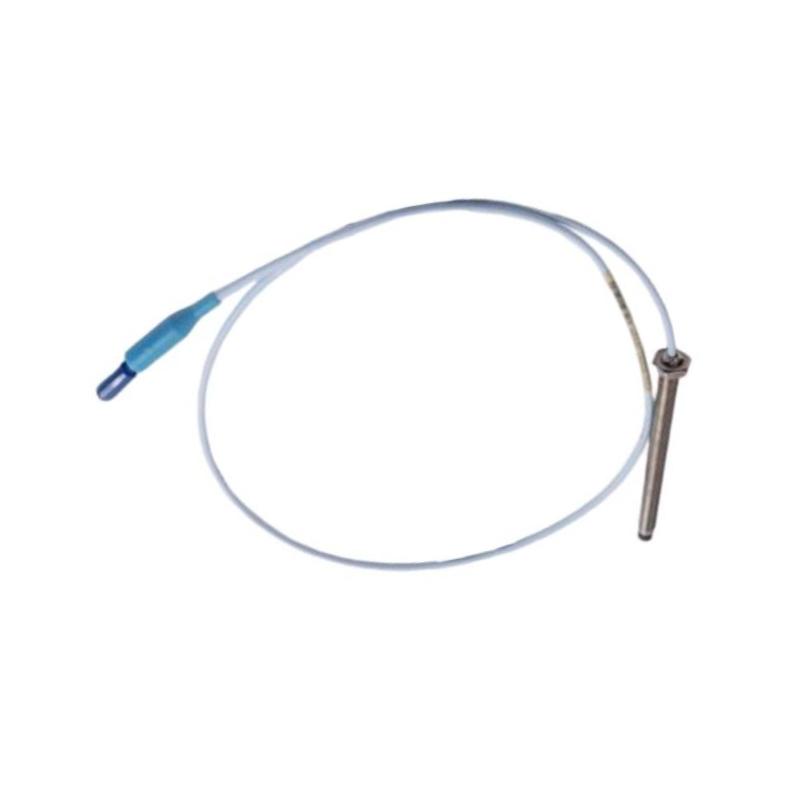
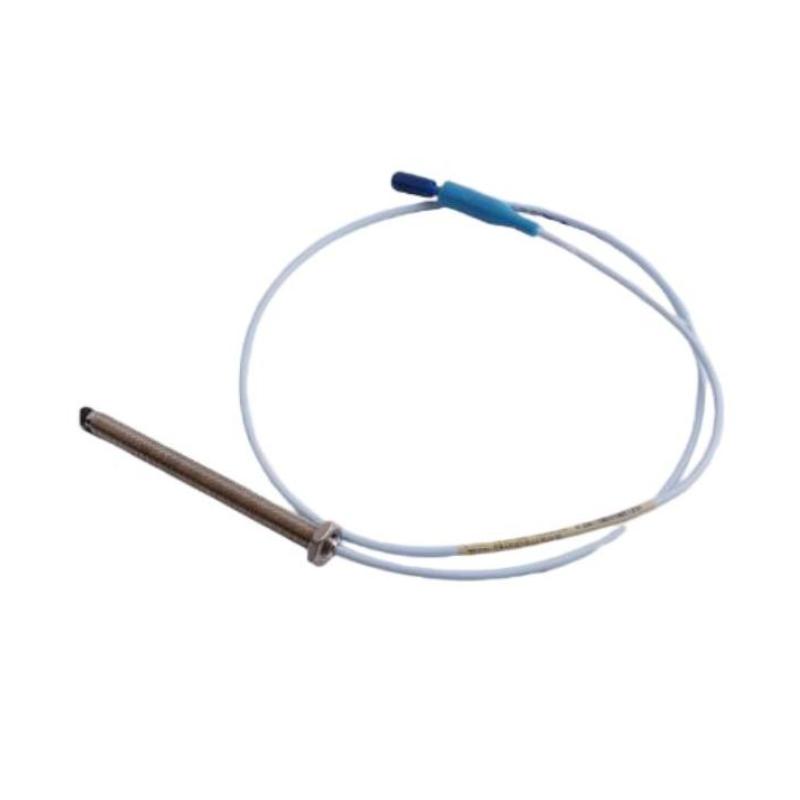
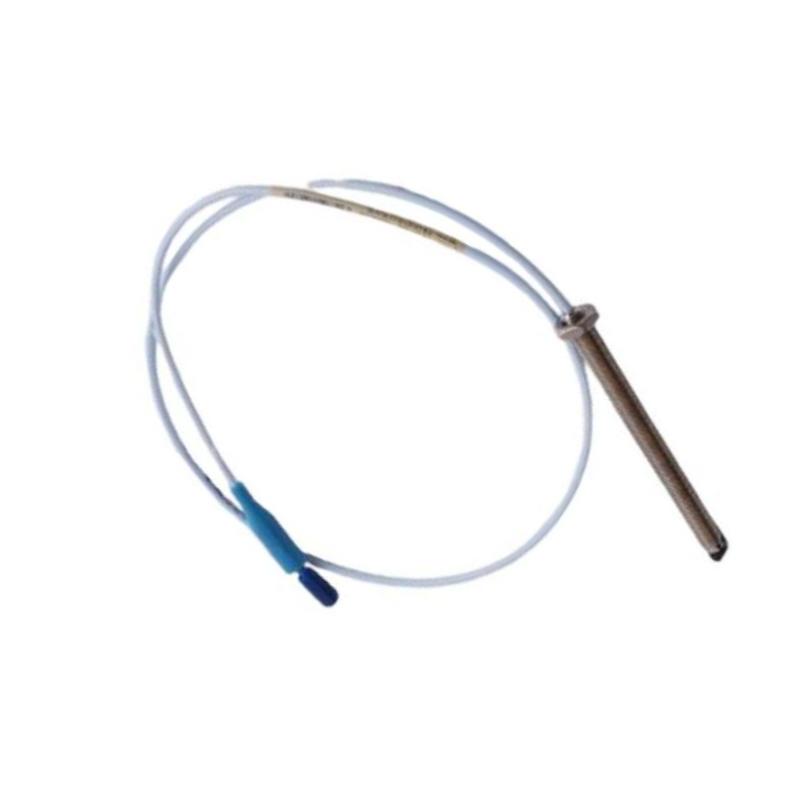
- Bently Nevada
- 330103-03-10-10-11-00
- 3300 XL 8 mm Proximity Probes
- USA
- 80 × 50 × 60 mm
- 0.28kg
- Xiamen, China
- New & In Stock
- T/T, PayPal, Western Union
- 1 Year
- 1-3 Working Days
- DHL, UPS, TNT, FedEx and EMS.
- 24-Hour Service
- COO
- 97
Our advantage

Global Logistics
We have a 10-year logistics and express cooperation agreement, so our products can be shipped to any place in the world.

Brand new and original
Our products are imported in bulk from the place of origin. Because of the cooperative relationship, our products are all original and 100% new.

24-hour service
We provide 7*24 hours service to our customers. We will be there whenever you need us.

Price advantage
All our products are priced very favorably because we have our own warehouse and supply.
| Company Information | |||
| [email protected] | |||
| Mobile | +8615980777398 | ||
| +8615980777398 | |||
| 15980777398 |
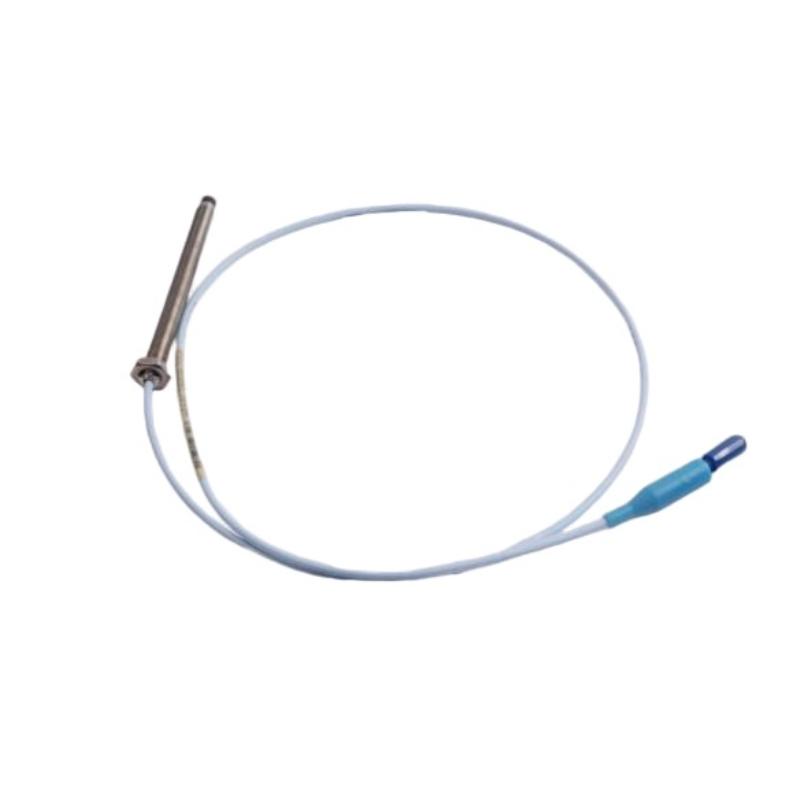
Bently Nevada 330103‑03‑10‑10‑11‑00 Product Profile
Product Overview
The Bently Nevada 330103‑03‑10‑10‑11‑00 is a high‑precision eddy‑current proximity probe used for non‑contact position and vibration measurement in industrial rotating equipment. These sensors form a key part of machine condition monitoring systems, providing real‑time data on shaft position, vibration, and motion characteristics without mechanical contact.
This model belongs to the 3300 XL Proximity Transducer Series, a long‑established line of rugged and reliable proximity probes designed for continuous use in harsh industrial environments. The 330103‑03‑10‑10‑11‑00 variant is tailored for specific shaft clearance and sensitivity requirements, making it suitable for critical rotating machinery where early fault detection and predictive maintenance are essential.
The robust construction and precise sensing capability of this probe ensure long service life, consistent performance, and reduced maintenance costs in high‑duty industrial settings.
Product Parameters
| Parameter | Specification |
|---|---|
| Model | 330103‑03‑10‑10‑11‑00 |
| Series | 3300 XL Proximity Transducer |
| Brand | Bently Nevada |
| Sensor Type | Eddy‑Current Proximity Probe |
| Operating Voltage | 12–24 V DC |
| Detection Range | Typically 1–10 mm (calibration dependent) |
| Frequency Response | Up to 20 kHz |
| Output Type | Analog voltage (proportional to gap) |
| Case Material | Stainless steel |
| Connector Type | Miniature coaxial (ClickLoc™ style) |
| Operating Temperature | -40°C to +180°C |
| Protection Class | Industrial grade, moisture and dust resistant |
| Dimensions (mm) | 80 × 50 × 60 |
| Weight (kg) | 0.28 |
| Mounting Thread | Metric or imperial (variant dependent) |
| Compliance / Standards | Industrial vibration monitoring standards |
Applications
- Rotating Machinery Monitoring – Provides continuous measurement of shaft position and vibration in turbines, compressors, generators, pumps, and motors.
- Predictive Maintenance – Enables early detection of mechanical faults such as imbalance, misalignment, looseness, or bearing defects.
- Power Generation Plants – Monitors critical rotating components to enhance reliability and prevent unplanned outages.
- Oil & Gas Facilities – Used for vibration and position monitoring of compressors, pumps, and processing machinery.
- Heavy Industrial Operations – Ideal for manufacturing, mining, and material processing equipment requiring continuous condition monitoring.
- Process Control Systems – Supplies real‑time displacement data to automation and supervisory control systems.
- Aerospace Ground Test Facilities – Monitors dynamic shaft behavior in engine test stands and heavy rotating rigs.
Product Advantages
- Non‑Contact Measurement
The eddy‑current sensing method eliminates physical contact, reducing wear on both sensor and machinery components, thereby extending service life. - High Accuracy
Provides precise position and vibration measurements critical for early fault detection and condition monitoring. - Rugged Construction
Stainless steel housing ensures mechanical strength and resistance to corrosion, making it suitable for harsh environments. - Wide Temperature Range
Operates reliably across a wide temperature range from ‑40°C to +180°C. - Industrial Protection
The design resists dust and moisture ingress, suited for demanding field conditions. - High‑Frequency Response
Capable of capturing rapid dynamic changes, making it suitable for vibration analysis. - Low Maintenance Requirement
Non‑contact operation reduces friction and mechanical wear, minimizing maintenance. - Versatile Integration
Standardized ClickLoc™ connectors and industry‑wide calibration options simplify installation and system integration.
Related Models in the Same Series
| Model | Key Parameters |
|---|---|
| 330103‑03‑10‑10‑02‑00 | 1–10 mm range, 0.27 kg, analog output |
| 330103‑03‑09‑10‑02‑00 | 1–10 mm range, 0.26 kg, similar sensitivity variant |
| 330103‑03‑08‑10‑01‑00 | 1–10 mm range, 0.25 kg, early series variant |
| 330103‑03‑07‑10‑01‑00 | 1–10 mm range, 0.25 kg, base configuration |
| 330103‑04‑07‑10‑01‑00 | 2–10 mm range, 0.30 kg, industrial heavy‑duty variant |
Popular Models from the Same Brand
| Model | Key Parameters |
|---|---|
| 3300/10‑01‑06‑00 | Power supply module for 3300 system, 0.60 kg |
| 3300/03‑01‑00 | System monitor for multi‑channel proximity networks |
| 3300/65‑03‑01‑00 | Dual probe vibration transducer, 0.50 kg |
| 3500/32‑01 | 4‑channel relay module for 3500 system, 1.2 kg |
| 125720‑01 | Compact 4‑channel relay interface, 0.8 kg |
Frequently Asked Questions (FAQ)
Q1: What is the primary purpose of the 330103‑03‑10‑10‑11‑00 sensor?
A1: It provides non‑contact measurement of shaft position and vibration for rotating machinery monitoring.
Q2: Does this model require physical contact with the machinery shaft?
A2: No, it uses eddy‑current sensing, which detects displacement without contact.
Q3: What are the sensor’s physical dimensions and weight?
A3: It measures 80 × 50 × 60 mm and weighs approximately 0.28 kg.
Q4: What environmental conditions can it withstand?
A4: It operates reliably in temperatures from ‑40°C to +180°C in industrial environments.
Q5: What type of output signal does the sensor produce?
A5: It generates an analog voltage proportional to shaft displacement.
Q6: What industries commonly use this type of sensor?
A6: Power generation, oil & gas, heavy manufacturing, process industries, and aerospace ground testing.
Q7: How is it mounted on machinery?
A7: It is mounted using standard threaded fittings close to the monitored shaft.
Q8: Is this sensor suitable for predictive maintenance?
A8: Yes, it is widely used in condition‑based maintenance systems for early fault detection.
Q9: Does the probe detect fast dynamic changes?
A9: Yes, it supports high‑frequency responses suitable for vibration monitoring.
Q10: Why choose an eddy‑current proximity probe over contact sensors?
A10: Non‑contact operation eliminates wear, improves longevity, and provides accurate dynamic measurements.