

ProductPRODUCT
Featured products
Contact Us
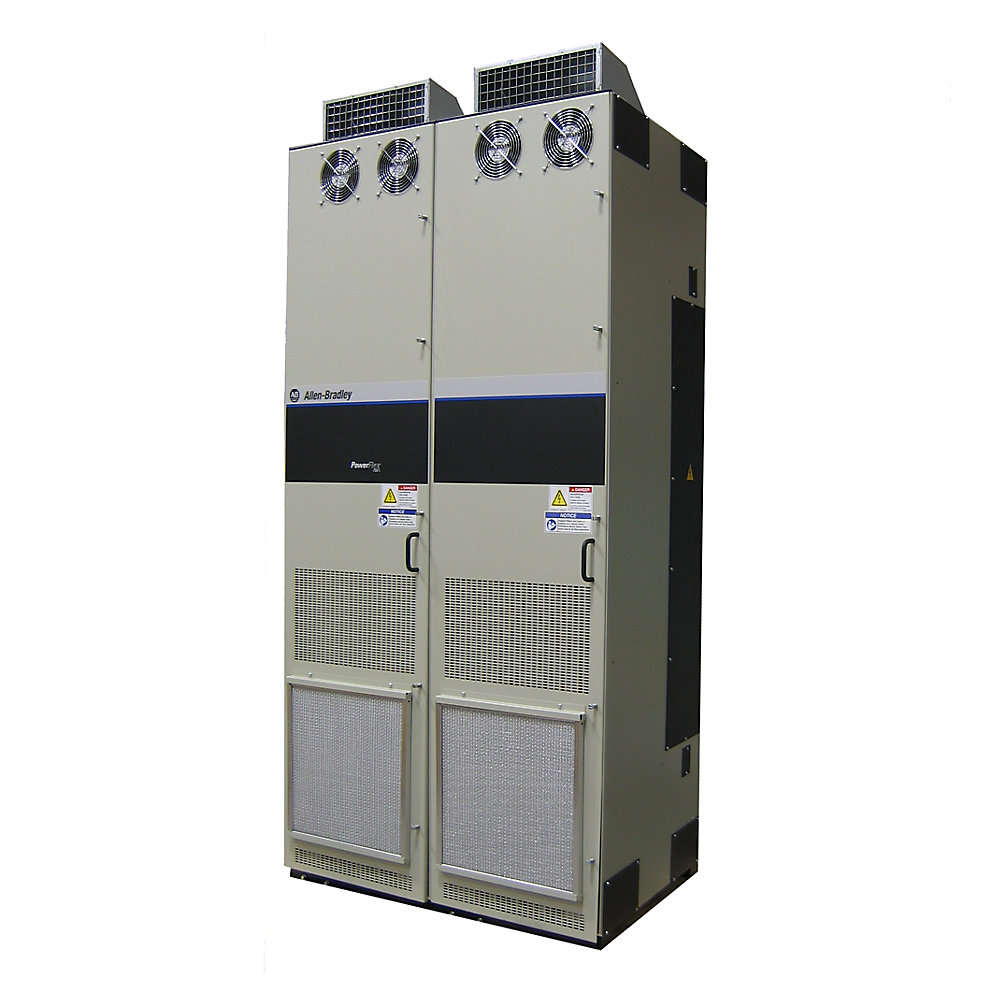
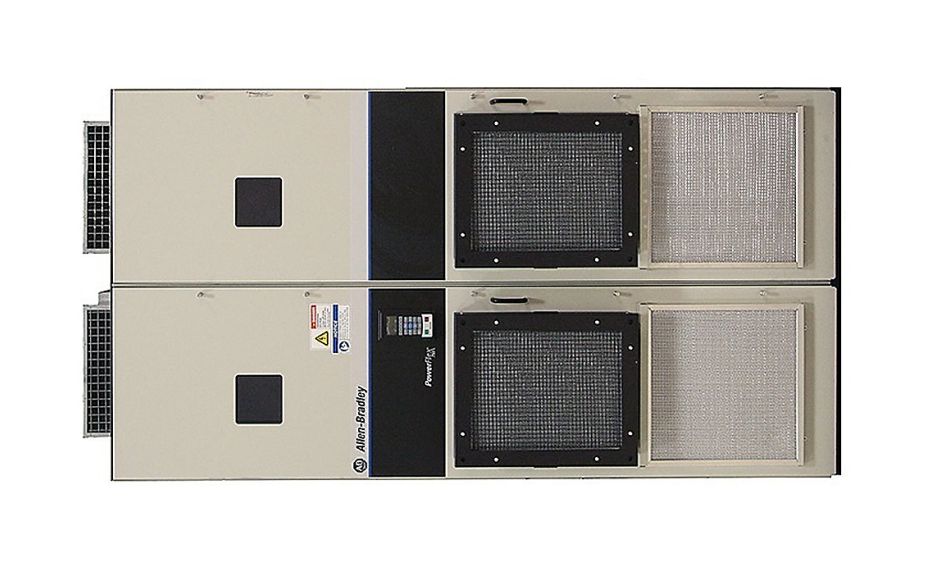
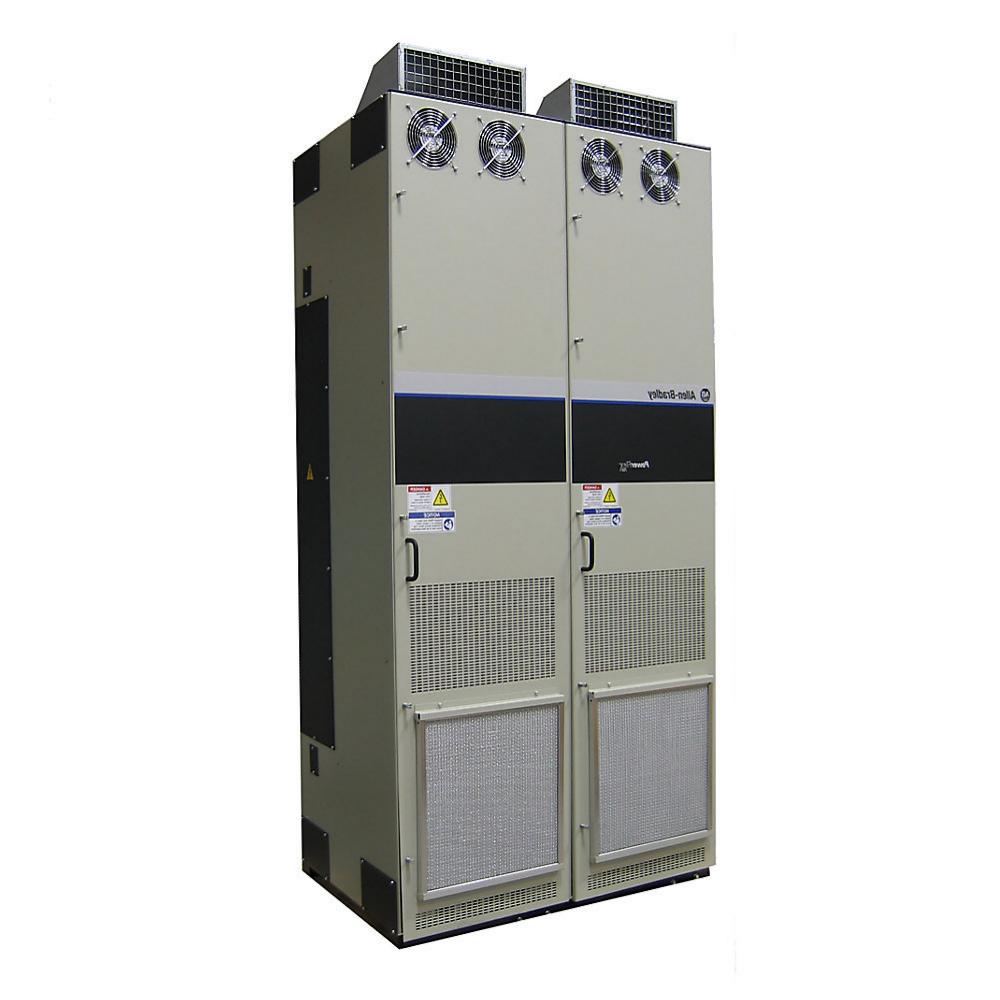
- Allen Bradley
- 20G1F4C585LNDNNNNN
- PowerFlex AC Drive
- USA
- 2453 × 1200 × 800 mm
- 1246kg
- Xiamen, China
- New & In Stock
- T/T, PayPal, Western Union
- 1 Year
- 1-3 Working Days
- DHL, UPS, TNT, FedEx and EMS.
- 24-Hour Service
- COO
- 2
Our advantage

Global Logistics
We have a 10-year logistics and express cooperation agreement, so our products can be shipped to any place in the world.

Brand new and original
Our products are imported in bulk from the place of origin. Because of the cooperative relationship, our products are all original and 100% new.

24-hour service
We provide 7*24 hours service to our customers. We will be there whenever you need us.

Price advantage
All our products are priced very favorably because we have our own warehouse and supply.
| Company Information | |||
| [email protected] | |||
| Mobile | +8615980777398 | ||
| +8615980777398 | |||
| 15980777398 |
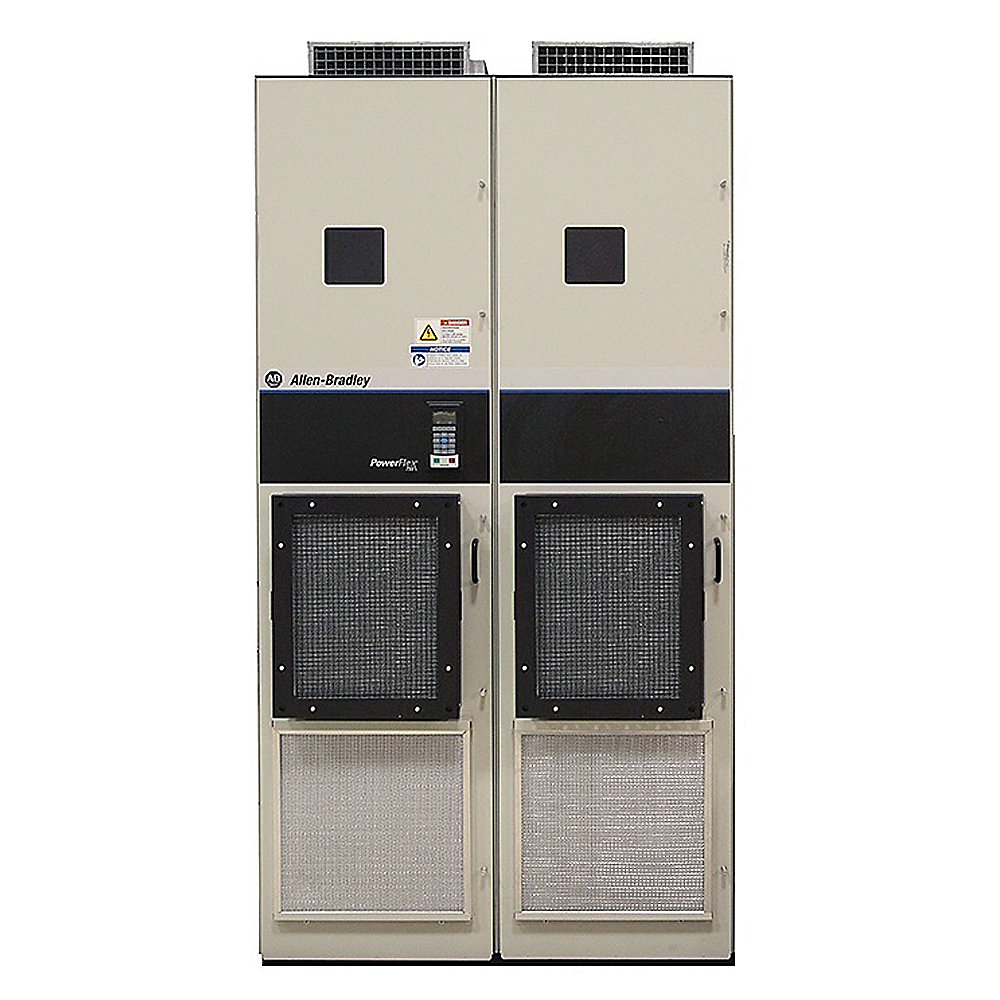
20G1F4C585LNDNNNNN – PowerFlex 755 AFE Regenerative AC Drive
1. Product Overview
The 20G1F4C585LNDNNNNN is a high-power AC drive from the PowerFlex 755 series, designed for demanding industrial motor-control applications.
This model is a 400 VAC, three-phase, AFE regenerative drive configuration with a 644 A current rating and a Frame 8C construction. The AFE configuration is particularly useful in applications where regenerative energy needs to be returned to the electrical supply rather than simply dissipated as heat.
The drive is intended for large industrial motors and high-power machinery. Typical applications include large conveyors, cranes and hoists, test stands, material-handling systems, pumps, fans, process machinery, compressors, and other equipment where controlled acceleration, deceleration, speed regulation, and regenerative operation are required.
Compared with a conventional non-regenerative drive, the AFE arrangement is especially useful for applications that frequently decelerate high-inertia loads. During braking, energy generated by the motor can be transferred back toward the incoming AC system, depending on the complete system design and operating conditions.
The large-frame construction makes this product more suitable for dedicated electrical rooms, industrial drive lineups, and floor-mounted installations than for compact machine-mounted applications.
2. Basic Product Information
| Parameter | Specification |
|---|---|
| Brand | Allen-Bradley |
| Product Series | PowerFlex 755 |
| Product Type | High-Power AC Drive |
| Model | 20G1F4C585LNDNNNNN |
| Drive Configuration | AFE Regenerative |
| Input Voltage | 400 VAC |
| Input Phase | Three Phase |
| Current Rating | 644 A |
| Frame | Frame 8C |
| Cooling | Air-cooled / forced-air |
| Mounting | Large-frame industrial installation |
| Application | High-power industrial motor control |
| Motor Type | Three-phase AC motors |
| Regenerative Function | Active Front End regeneration |
| Control | Variable-frequency motor control |
| Installation Environment | Industrial electrical room / drive cabinet area |
| Typical Application | High-inertia and high-power machinery |
The complete catalog number should be retained when specifying, purchasing, or replacing this drive because the individual catalog-number characters identify important configuration characteristics.
3. Main Technical Parameters
| Parameter | Specification |
|---|---|
| Model | 20G1F4C585LNDNNNNN |
| Series | PowerFlex 755 |
| Input Voltage | 400 VAC |
| Input Phase | 3 Phase |
| Input Type | AFE Regenerative |
| Current Rating | 644 A |
| Frame Size | Frame 8C |
| Drive Type | Regenerative AC Variable Frequency Drive |
| Cooling | Forced-air cooled |
| Motor Control | Adjustable-frequency AC motor control |
| Application Class | High-power industrial |
| Regenerative Operation | Yes |
| Installation | Industrial floor-mounted / cabinet installation |
| Enclosure / Packaging | Configuration dependent |
| Communication | Configuration dependent |
| Feedback | Configuration dependent |
| Motor Power Class | Large industrial motor class |
| Dimensions | Configuration dependent; large Frame 8C cabinet |
| Weight | Configuration dependent; large-frame cabinet |
| Typical Use | Conveyors, cranes, hoists, process machinery, pumps, fans, compressors |
| Service Requirement | Adequate front access and ventilation required |
The 644 A current value and 400 VAC rating are important distinguishing characteristics of this specific catalog number.
The Frame 8C designation indicates that this is a physically large, high-power drive configuration. The exact overall cabinet dimensions and shipping weight can vary with the selected cabinet arrangement and installed options, so the final mechanical drawing should be used for foundation and installation work.
4. Electrical Characteristics
The 20G1F4C585LNDNNNNN operates on a 400 VAC three-phase industrial power system.
Its 644 A current rating places it in the high-capacity range of the PowerFlex 755 family.
The most important characteristic of this model is its AFE regenerative input configuration.
An Active Front End is designed to provide controlled power exchange between the AC supply and the drive DC bus. During motoring operation, electrical energy is supplied to the motor. During suitable regenerative conditions, energy produced by the motor can flow back through the active front end toward the AC supply.
This makes the configuration particularly relevant to machinery with frequent braking or four-quadrant operating requirements.
5. AFE Regenerative Operation
Traditional variable-frequency drives generally use a diode or controlled rectifier input stage. When the motor becomes regenerative, excess energy is normally transferred to a braking resistor or another energy-handling system.
An AFE regenerative drive takes a different approach.
The active front end can control the power flow between the drive and the AC network. When the motor is decelerating and returning energy, the regenerative energy can be transferred back to the electrical system.
This can be particularly useful for:
- High-inertia conveyors
- Cranes
- Hoists
- Elevators
- Test equipment
- Unwind / rewind machinery
- Centrifuges
- Large rotating equipment
- Downhill conveyors
- Repetitive acceleration/deceleration machinery
The practical benefit depends on the operating cycle. A machine that rarely regenerates will not obtain the same benefit as a machine that repeatedly converts mechanical energy back into electrical energy.
6. Product Introduction
The 20G1F4C585LNDNNNNN is intended for applications where a conventional low-power drive is not sufficient and where regenerative operation is an important part of the system design.
Its 644 A rating provides substantial current capacity for large AC motors.
The Frame 8C construction also reflects the high-power nature of the equipment. This is not a compact wall-mounted drive intended for small machinery. It is better suited to a dedicated industrial electrical installation where there is sufficient floor space, ventilation, cable access, and maintenance clearance.
The drive can be integrated into a larger motor-control system together with upstream electrical equipment, control systems, communication networks, and motor feedback equipment.
7. High-Power Drive Construction
Large-frame drives require a different installation approach from small variable-frequency drives.
The installation should provide adequate space for:
- Incoming power connections
- Motor output cables
- Control wiring
- Communication cables
- Cooling airflow
- Front service access
- Inspection
- Maintenance
- Lifting and transportation
- Heat dissipation
Because the drive operates at a high current level, cable selection and termination quality are particularly important.
The electrical system should also be designed with appropriate grounding, protection, disconnect equipment, and short-circuit considerations.
8. Dimensions and Weight
The exact dimensions and weight of the 20G1F4C585LNDNNNNN should be taken from the mechanical drawing for the specific supplied configuration.
| Mechanical Parameter | Specification |
|---|---|
| Frame | Frame 8C |
| Installation | Large industrial cabinet / floor installation |
| Height | Configuration dependent |
| Width | Configuration dependent |
| Depth | Configuration dependent |
| Weight | Configuration dependent |
| Cooling | Forced-air |
| Service Clearance | Required |
| Cable Access | Configuration dependent |
| Lifting Requirement | Required for large cabinet installation |
For engineering planning, this model should be treated as a large high-power cabinet assembly, rather than a small standalone VFD.
The final dimensions and shipping weight can change depending on the exact cabinet construction, power components, options, input/output equipment, and other factory-selected configurations.
For that reason, an installation should not be designed around an assumed single cabinet dimension or weight.
9. Cooling and Thermal Management
At a current rating of 644 A, thermal management is an important part of system design.
The drive uses forced-air cooling to move heat away from the power electronics.
The electrical room should provide sufficient airflow and heat-removal capacity.
Particular attention should be paid to:
- Air intake
- Exhaust airflow
- Cooling fans
- Cabinet ventilation
- Ambient temperature
- Airborne dust
- Filter condition
- Recirculation of hot air
- Room HVAC capacity
If the drive is installed in a high-dust environment, the cooling system should be inspected regularly.
Restricted airflow can increase internal temperatures and may reduce the operating margin of power electronic components.
10. Main Product Features
| Feature | Description |
|---|---|
| High Current Capacity | 644 A class for large industrial motors |
| 400 VAC Input | Designed for 400 V-class three-phase systems |
| AFE Regeneration | Supports controlled regenerative power flow |
| Frame 8C | Large-frame construction for high-power applications |
| Variable-Speed Control | Allows motor speed to be adjusted according to process requirements |
| High-Power Operation | Suitable for large industrial machinery |
| Industrial Control | Designed for integration with automation systems |
| Diagnostic Capability | Provides operating and fault information |
| Feedback Compatibility | Can support feedback-based control configurations |
| High-Inertia Capability | Particularly useful for demanding acceleration/deceleration cycles |
| Floor-Mounted Installation | Suitable for centralized electrical installations |
| Modular Architecture | Supports application-specific options and control arrangements |
11. Product Applications
11.1 Large Conveyors
Large conveyors can generate considerable mechanical energy during deceleration.
In a conventional system, that energy may need to be dissipated through braking equipment.
A regenerative drive can instead return suitable regenerative energy to the AC system.
This can be valuable in:
- Mining conveyors
- Bulk-material conveyors
- Cement plants
- Aggregate handling
- Port equipment
- Long-distance conveyors
- Inclined conveyors
The advantage becomes particularly relevant when a conveyor repeatedly accelerates, decelerates, or operates with substantial load inertia.
11.2 Cranes and Hoists
Cranes and hoists are typical applications for regenerative drives.
When a heavy load is lowered, the motor can operate in a generating mode.
The energy produced during lowering can be transferred through the regenerative drive system instead of being handled solely through resistive braking.
Potential applications include:
- Overhead cranes
- Gantry cranes
- Container-handling equipment
- Industrial hoists
- Lifting systems
- Steel mill cranes
- Port machinery
11.3 Test Stands
Motor test systems can frequently accelerate and decelerate equipment.
A regenerative drive can be useful where the test cycle repeatedly changes motor speed and operating direction.
Typical applications include:
- Motor test benches
- Gearbox test systems
- Mechanical test stands
- Generator testing
- Industrial equipment testing
- High-inertia test machinery
11.4 Centrifuges
Centrifuges can store significant kinetic energy at high rotational speed.
When the centrifuge decelerates, a large amount of mechanical energy can be returned to the drive.
A regenerative configuration can therefore be useful where the machine performs repeated high-speed acceleration and deceleration cycles.
11.5 Unwind and Rewind Machinery
Web-handling equipment can operate in motoring and generating conditions depending on the direction of material movement and tension requirements.
A regenerative drive can provide controlled energy management while maintaining accurate motor speed and torque.
Applications include:
- Steel processing
- Paper processing
- Film production
- Cable manufacturing
- Textile machinery
- Web handling
12. Additional Applications
| Application | Typical Requirement |
|---|---|
| Large Conveyor | High torque and controlled braking |
| Mining Conveyor | High power and regenerative operation |
| Crane | Four-quadrant operation |
| Hoist | Controlled lowering and lifting |
| Centrifuge | High-speed acceleration and regeneration |
| Test Stand | Repeated acceleration/deceleration |
| Elevator | Regenerative braking |
| Rewind Machine | Torque and speed control |
| Unwind Machine | Controlled tension |
| Large Fan | Variable-speed operation |
| Large Pump | Adjustable flow and pressure |
| Compressor | Controlled speed and process output |
| Process Machinery | Speed and torque regulation |
13. Main Advantages
13.1 Regenerative Energy Recovery
The primary advantage of this configuration is its regenerative capability.
When a motor is driven mechanically by the load, it can operate as a generator.
Instead of relying entirely on braking resistors to dissipate this energy, the AFE system can transfer suitable regenerative energy back toward the AC supply.
This can be particularly valuable in machinery with frequent braking cycles.
13.2 Suitable for High-Inertia Loads
High-inertia machinery can require substantial energy during acceleration and can return substantial energy during deceleration.
The regenerative architecture is well suited to this operating pattern.
Examples include:
- Large flywheels
- Heavy conveyors
- Centrifuges
- Hoists
- Cranes
- Large rotating machinery
13.3 Controlled Acceleration and Deceleration
The drive can control the motor’s acceleration and deceleration profile.
This allows engineers to establish controlled ramp times rather than relying on abrupt starting or stopping.
Controlled acceleration can help reduce mechanical shock.
Controlled deceleration can also improve machine behavior during stopping operations.
13.4 Large Motor Capacity
The 644 A current rating provides substantial capacity for high-power industrial motors.
This makes the model suitable for applications where smaller PowerFlex drive configurations cannot provide sufficient output current.
13.5 Reduced Dependence on Braking Resistors
For applications with significant regeneration, a conventional braking resistor can become large and can generate considerable heat.
A regenerative drive provides an alternative energy-handling method.
This can be especially useful when braking occurs frequently.
13.6 Industrial Automation Integration
The PowerFlex 755 architecture is designed for integration with industrial control systems.
Depending on the selected communication and control configuration, the drive can exchange operating commands, speed references, status information, alarms, and diagnostic data with higher-level control equipment.
14. Energy Management Advantages
The energy behavior of the machine should be considered when evaluating this model.
A regenerative drive does not automatically reduce energy consumption in every application.
Its strongest advantage appears when the machine repeatedly produces regenerative energy.
For example, a large conveyor that frequently decelerates can return energy during braking.
A crane can generate energy when lowering a heavy load.
A centrifuge can return energy while slowing down from high speed.
These operating conditions are fundamentally different from a simple constant-speed fan that rarely regenerates.
15. Comparison With a Conventional AC Drive
| Feature | Conventional Drive | 20G1F4C585LNDNNNNN |
|---|---|---|
| Variable Speed | Yes | Yes |
| Motor Control | Yes | Yes |
| High-Power Operation | Application dependent | Yes |
| Regenerative Operation | Usually requires additional equipment | Integrated AFE configuration |
| Braking Energy | Often dissipated | Can be returned to AC system |
| High-Inertia Applications | Suitable with correct braking design | Particularly suitable |
| Four-Quadrant Applications | Additional equipment may be required | Suitable configuration |
| Large Industrial Motors | Yes | Yes |
| Automation Integration | Available | Available |
| Current Rating | Model dependent | 644 A |
16. Installation Advantages
The large-frame configuration is suitable for centralized electrical installations.
Instead of installing a small drive directly on a machine, this type of equipment can be located in a dedicated drive room or electrical cabinet lineup.
This arrangement can provide easier access to:
- Power connections
- Control wiring
- Communication networks
- Maintenance components
- Cooling equipment
- Protective devices
- Drive diagnostics
It also allows large drive systems to be organized systematically within a plant electrical distribution structure.
17. Maintenance Advantages
The drive provides diagnostic information that can assist maintenance personnel in identifying abnormal operating conditions.
Important maintenance information can include:
- Drive status
- Output current
- Motor speed
- Output frequency
- Fault history
- Warning conditions
- Temperature-related information
- Communication status
- Operating conditions
For large industrial equipment, reviewing drive diagnostics can help maintenance teams identify problems before they develop into major production interruptions.
18. Maintenance Recommendations
| Maintenance Area | Recommended Inspection |
|---|---|
| Cooling Fans | Check operation and unusual noise |
| Airflow | Ensure unrestricted ventilation |
| Cabinet Interior | Keep clean and dry |
| Power Terminals | Inspect for heat or looseness |
| Motor Cables | Check insulation and connections |
| Grounding | Verify grounding integrity |
| Control Wiring | Check terminals and connectors |
| Communication | Verify network operation |
| Fault History | Review repeated faults |
| Temperature | Monitor abnormal thermal conditions |
| Mechanical Components | Check cabinet fans and related components |
| Regenerative System | Monitor abnormal DC-bus or line conditions |
Maintenance frequency should be adjusted according to the operating environment.
A clean electrical room and a dusty industrial production area should not necessarily use the same maintenance interval.
19. Motor Selection
Selecting a motor for the 20G1F4C585LNDNNNNN should be based on more than horsepower.
The following information should be checked:
| Motor Parameter | Importance |
|---|---|
| Rated Voltage | Must match the drive application |
| Full-Load Current | Critical for drive sizing |
| Rated Power | Determines motor power class |
| Rated Frequency | Required for correct control |
| Rated Speed | Important for operating range |
| Starting Torque | Important for acceleration |
| Maximum Speed | Important for mechanical safety |
| Minimum Speed | Important for motor cooling |
| Load Inertia | Important for acceleration/deceleration |
| Duty Cycle | Important for thermal sizing |
| Regenerative Duty | Important for AFE selection |
| Motor Insulation | Important for VFD operation |
| Cable Length | Important for electrical design |
For regenerative applications, the load profile is particularly important.
The engineering team should understand not only how much power the motor consumes, but also how much energy it returns during deceleration.
20. Application Selection Guide
| Application Type | Suitability of 20G1F4C585LNDNNNNN |
|---|---|
| Large Conveyor | Very suitable |
| Inclined Conveyor | Very suitable |
| Mining Conveyor | Very suitable |
| Crane | Very suitable |
| Hoist | Very suitable |
| Centrifuge | Very suitable |
| Test Stand | Very suitable |
| Elevator | Suitable |
| Rewind Machine | Suitable |
| Unwind Machine | Suitable |
| Large Pump | Suitable |
| Large Fan | Suitable |
| Compressor | Application dependent |
| Mixer | Application dependent |
| Simple Constant-Speed Motor | May not require regenerative architecture |
The strongest application case is generally a large motor system where speed control and regenerative energy handling are both important.
21. Same-Series and Related Models
The following models are useful comparison choices within the PowerFlex 755 family.
| Model | Series | Voltage Class | Current Class | Configuration | Typical Application | Dimensions | Weight |
|---|---|---|---|---|---|---|---|
| 20G1F4C540LNDNNNNN | PowerFlex 755 | 400 VAC | 540 A class | Regenerative / large-frame configuration | Large conveyors, pumps, process machinery | Large-frame cabinet | Configuration dependent |
| 20G1F4C585LNANNNNN | PowerFlex 755 | 400 VAC | 585 A class | Standard input configuration | Large pumps, fans, conveyors | Large-frame cabinet | Configuration dependent |
| 20G1F4C650LNDNNNNN | PowerFlex 755 | 400 VAC | 650 A class | Regenerative configuration | Large industrial machinery | Large-frame cabinet | Configuration dependent |
| 20G1F4C750LNDNNNNN | PowerFlex 755 | 400 VAC | 750 A class | Regenerative configuration | Large motors and process equipment | Large-frame cabinet | Configuration dependent |
| 20G1F4C920LNDNNNNN | PowerFlex 755 | 400 VAC | 920 A class | Regenerative configuration | Very large industrial motors | Large-frame cabinet | Configuration dependent |
These models are closely related from a product-family perspective.
The most important differences are current capacity and configuration.
When selecting a substitute, the input topology should be checked carefully. A standard-input drive and an AFE regenerative drive are not automatically interchangeable simply because their current ratings are similar.
22. Five Related Model References
| Model | Main Specification | Current Class | Voltage | Configuration | Dimensions | Weight |
|---|---|---|---|---|---|---|
| 20G1F4C540LNDNNNNN | PowerFlex 755 high-power AC drive | 540 A | 400 VAC | LND configuration | Configuration dependent | Configuration dependent |
| 20G1F4C585LNANNNNN | PowerFlex 755 high-power AC drive | 585 A class | 400 VAC | Standard configuration | Configuration dependent | Configuration dependent |
| 20G1F4C650LNDNNNNN | PowerFlex 755 high-power AC drive | 650 A | 400 VAC | Regenerative configuration | Configuration dependent | Configuration dependent |
| 20G1F4C750LNDNNNNN | PowerFlex 755 high-power AC drive | 750 A | 400 VAC | Regenerative configuration | Configuration dependent | Configuration dependent |
| 20G1F4C770LNDNNNNN | PowerFlex 755 high-power AC drive | 770 A | 400 VAC | Regenerative configuration | Configuration dependent | Configuration dependent |
The 540 A model is useful when the required motor current is below the 644 A capacity of the subject model.
The 650 A, 750 A, and 770 A versions provide progressively greater current capacity and may be considered for motors with higher full-load current or more demanding operating conditions.
23. Five Popular Same-Brand Model References
| Model | Series / Product Type | Main Specification | Typical Application | Dimensions | Weight |
|---|---|---|---|---|---|
| 20G1F4C540LNANNNNN | PowerFlex 755 AC Drive | 400 VAC, 540 A class | Pumps, fans, conveyors | Large-frame cabinet | Configuration dependent |
| 20G1F4C585LNANNNNN | PowerFlex 755 AC Drive | 400 VAC, 585 A class | Large industrial motors | Large-frame cabinet | Configuration dependent |
| 20G1F4C650LNANNNNN | PowerFlex 755 AC Drive | 400 VAC, 650 A class | Large process equipment | Large-frame cabinet | Configuration dependent |
| 20G1F4C750LNANNNNN | PowerFlex 755 AC Drive | 400 VAC, 750 A class | High-power machinery | Large-frame cabinet | Configuration dependent |
| 20G1F4C920LNANNNNN | PowerFlex 755 AC Drive | 400 VAC, 920 A class | Very large motor systems | Large-frame cabinet | Configuration dependent |
These models provide a useful range for comparing high-power motor-control requirements within the same product family.
For an actual replacement project, however, the comparison should include the full catalog number, input configuration, enclosure arrangement, current rating, braking/regeneration method, control options, communication modules, and mechanical construction.
24. Difference Between LNANNNNN and LNDNNNNN Configurations
The configuration suffix is important.
The subject model is:
20G1F4C585LNDNNNNN
while a closely related model is:
20G1F4C585LNANNNNN
Although the model numbers look very similar, the configurations should not be treated as identical.
The LND configuration is associated with the AFE regenerative version for this model.
This distinction matters because the input power stage, regeneration behavior, system design, and application requirements can be different.
For replacement work, the original catalog number should therefore be matched as closely as possible rather than selecting a model based only on the 585 A rating.
25. Advantages for Heavy-Duty Industrial Systems
The 20G1F4C585LNDNNNNN can provide several practical benefits in heavy industrial applications.
First, its high current capacity allows it to control large motors without moving immediately into an even larger drive frame.
Second, the AFE architecture provides an effective method for managing regenerative energy.
Third, the PowerFlex 755 platform provides advanced control and diagnostic capabilities suitable for integration into automated industrial systems.
Fourth, its large-frame construction is appropriate for centralized electrical installations where serviceability and system organization are important.
26. Engineering Considerations
When specifying this drive, engineers should evaluate the entire system rather than looking only at the drive current.
Important design questions include:
- What is the motor full-load current?
- What is the motor rated voltage?
- How much regenerative energy is produced?
- How frequently does regeneration occur?
- What is the load inertia?
- How quickly must the motor accelerate?
- How quickly must it decelerate?
- Is four-quadrant operation required?
- What is the available incoming voltage?
- What is the transformer capacity?
- What is the available short-circuit current?
- What cable size is required?
- What cooling capacity is available?
- What communication network will be used?
- What environmental conditions will the drive experience?
These factors determine whether the drive is properly matched to the machine.
27. Recommended Installation Environment
The preferred installation environment is a controlled industrial electrical area.
The following conditions should be considered:
| Condition | Recommendation |
|---|---|
| Ambient Temperature | Within the applicable drive operating range |
| Humidity | Controlled and non-condensing |
| Dust | Minimized |
| Water Exposure | Avoid direct exposure |
| Ventilation | Adequate |
| Heat Removal | Adequate for drive losses |
| Vibration | Controlled |
| Electrical Noise | Proper grounding and cable practices |
| Maintenance Access | Adequate |
| Floor Loading | Suitable for large cabinet weight |
The physical installation should also account for transportation into the building.
Because the equipment is a large-frame assembly, door width, elevator capacity, floor loading, lifting points, and final positioning should be considered during project planning.
28. Technical Benefits at a Glance
| Benefit | Explanation |
|---|---|
| High Current | 644 A capacity for large motors |
| Regeneration | Suitable for returning regenerative energy to the AC system |
| 400 VAC | Fits common 400 V industrial systems |
| Large Frame | Designed for high-power applications |
| Advanced Control | Provides controlled speed and torque |
| High-Inertia Capability | Well suited to demanding acceleration/deceleration cycles |
| Industrial Integration | Suitable for PLC/DCS/SCADA-based systems |
| Diagnostics | Supports troubleshooting and maintenance |
| Flexible Applications | Suitable for many large motor applications |
| Centralized Installation | Suitable for electrical rooms and drive lineups |
29. Final Technical Specification Table
| Category | Specification |
|---|---|
| Model | 20G1F4C585LNDNNNNN |
| Brand | Allen-Bradley |
| Series | PowerFlex 755 |
| Product Type | High-Power AFE Regenerative AC Drive |
| Input Type | AFE Regenerative |
| Input Voltage | 400 VAC |
| Phase | Three Phase |
| Current | 644 A |
| Frame | Frame 8C |
| Cooling | Forced-Air |
| Mounting | Large-frame industrial installation |
| Motor Control | Variable-frequency AC motor control |
| Regenerative Operation | Yes |
| Feedback | Configuration dependent |
| Communication | Configuration dependent |
| Enclosure | Configuration dependent |
| Typical Application | Conveyors, cranes, hoists, centrifuges, pumps, fans, process machinery |
| Height | Configuration dependent |
| Width | Configuration dependent |
| Depth | Configuration dependent |
| Weight | Configuration dependent |
| Service Access | Required |
| Installation | Industrial electrical room / drive cabinet area |
30. Final Product Description
The 20G1F4C585LNDNNNNN is a high-power PowerFlex 755 AC drive configured with an Active Front End regenerative input stage.
With a 400 VAC three-phase input, 644 A current rating, and Frame 8C construction, it is intended for large industrial motor systems where conventional low-power variable-frequency drives are not sufficient.
The most distinctive feature of this model is its regenerative capability.
For applications such as cranes, hoists, large conveyors, centrifuges, test stands, elevators, and other high-inertia machinery, the motor can frequently operate in generating mode during deceleration. The AFE system provides a means of transferring suitable regenerative energy back toward the AC supply.
This makes the model particularly relevant to machinery with repeated acceleration and deceleration cycles.
The large-frame design also makes the drive suitable for centralized industrial electrical installations. Adequate floor space, cooling, cable access, maintenance clearance, and electrical infrastructure should be included during the design stage.
From an application standpoint, the model is most valuable when three requirements occur together: high motor power, precise variable-speed control, and significant regenerative operation.
For a replacement or new installation, the complete catalog number should always be checked because small changes in the catalog number can represent meaningful differences in input topology, enclosure arrangement, current rating, options, and control configuration.
Overall, the 20G1F4C585LNDNNNNN is a high-capacity industrial drive intended for large AC motors and demanding applications where regenerative energy management is an important part of the machine’s operating cycle.