

ProductPRODUCT
Featured products
Contact Us
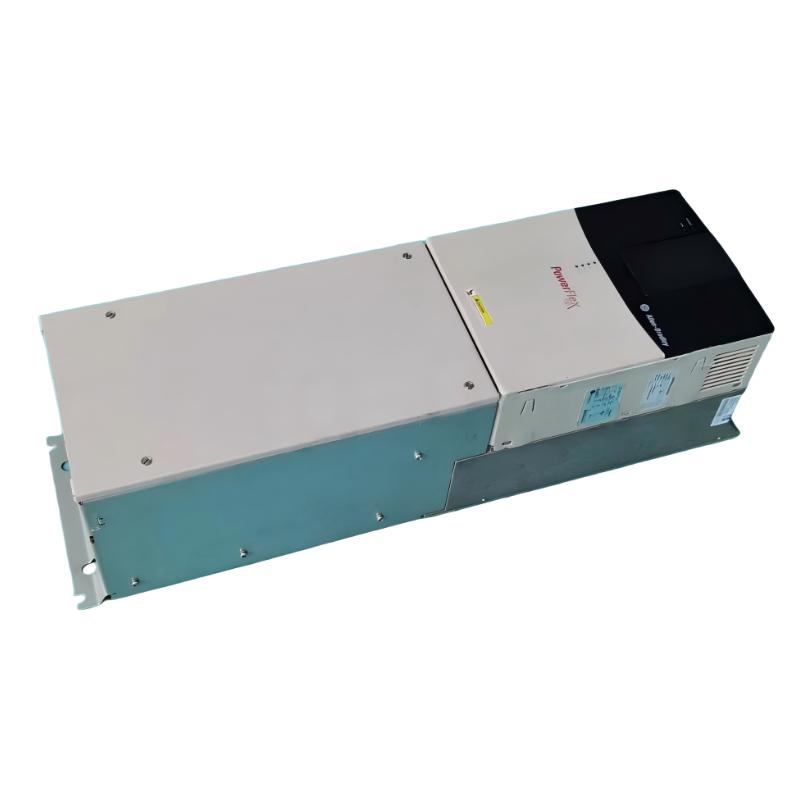
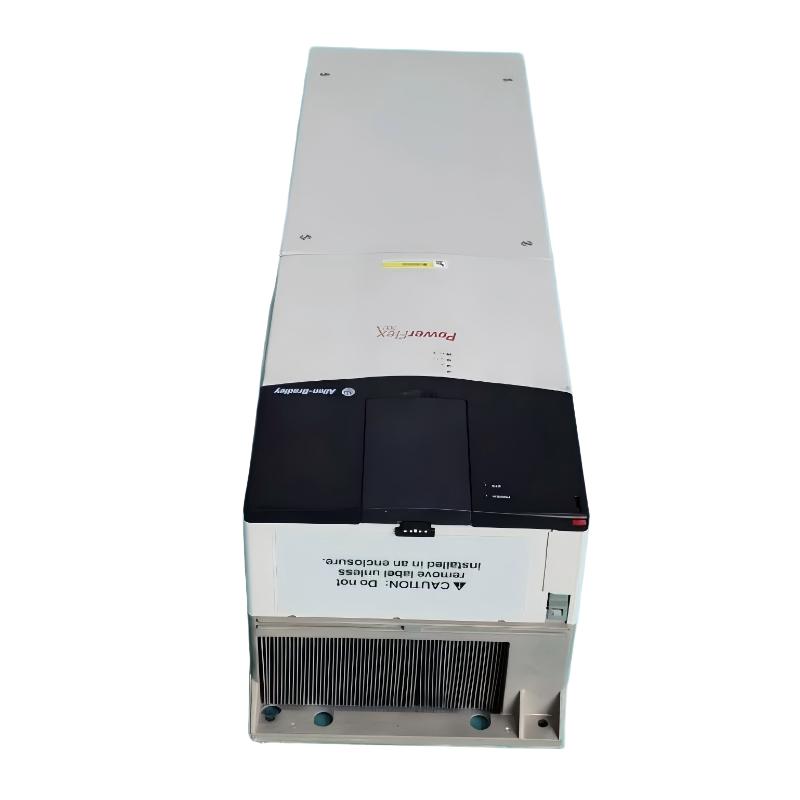
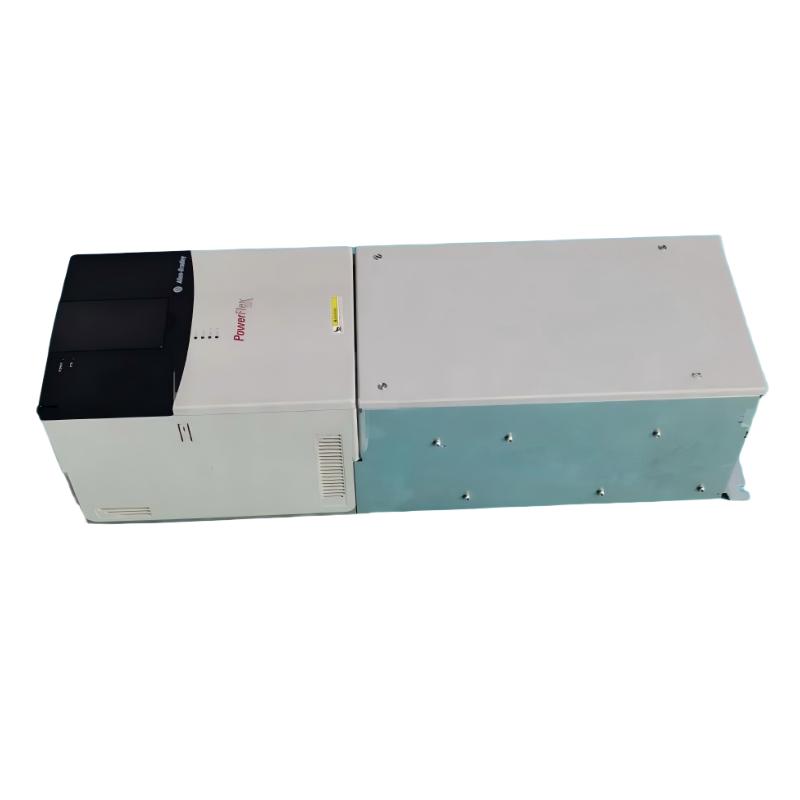
- Allen Bradley
- 20BD248A0ANNANC0
- PowerFlex AC Drive
- USA
- 1828.8 × 711.3 × 487.8 mm
- 229.07kg
- Xiamen, China
- New & In Stock
- T/T, PayPal, Western Union
- 1 Year
- 1-3 Working Days
- DHL, UPS, TNT, FedEx and EMS.
- 24-Hour Service
- COO
- 2
Our advantage

Global Logistics
We have a 10-year logistics and express cooperation agreement, so our products can be shipped to any place in the world.

Brand new and original
Our products are imported in bulk from the place of origin. Because of the cooperative relationship, our products are all original and 100% new.

24-hour service
We provide 7*24 hours service to our customers. We will be there whenever you need us.

Price advantage
All our products are priced very favorably because we have our own warehouse and supply.
| Company Information | |||
| [email protected] | |||
| Mobile | +8615980777398 | ||
| +8615980777398 | |||
| 15980777398 |
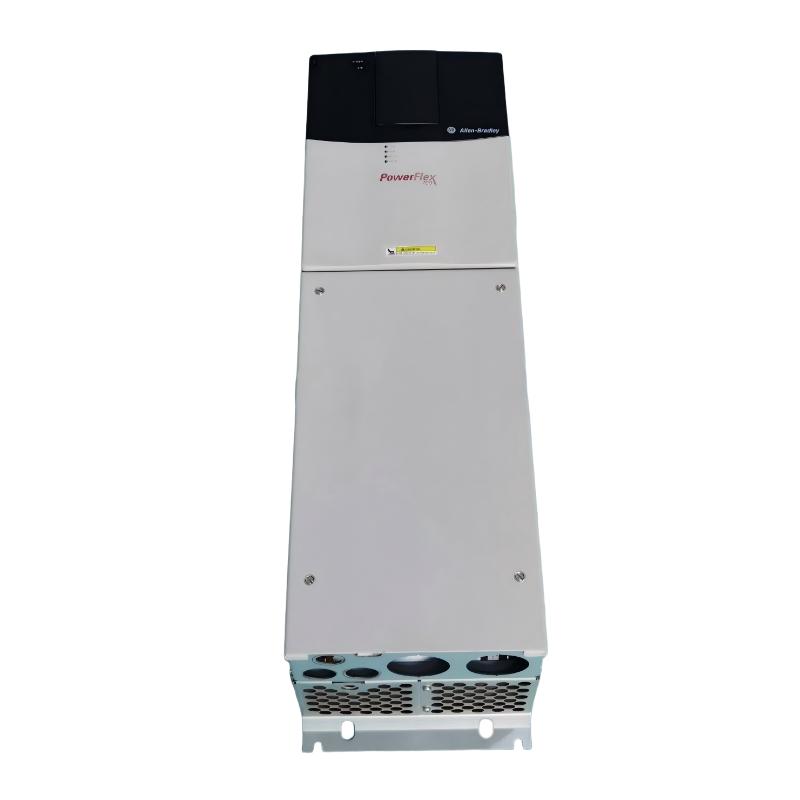
Allen-Bradley 20BD248A0ANNANC0 PowerFlex 700 AC Drive
1. Product Overview
The Allen-Bradley 20BD248A0ANNANC0 is a variable-frequency AC drive in the PowerFlex 700 series. This drive family is designed for industrial motor control, offering adjustable motor speed, controlled acceleration and deceleration, and flexible operation in a wide range of industrial applications.
The PowerFlex 700 series is intended for machinery and process systems that require dependable motor-speed regulation, controlled starting and stopping, and integration into industrial automation equipment. By adjusting the electrical output supplied to a compatible AC motor, a drive can help match motor performance to the actual operating requirements of the machine.
The 20BD248A0ANNANC0 belongs to the higher-current range of the PowerFlex 700 family. Its model designation is associated with a 480 V-class, three-phase AC drive rated at approximately 248 A. Exact performance limits, installed options, and configuration details should be confirmed against the unit’s nameplate and hardware configuration before installation or replacement.
This model is suitable for consideration in industrial applications involving pumps, fans, conveyors, mixers, and other motor-driven machinery. The final suitability depends on the motor nameplate, load characteristics, required overload capacity, environmental conditions, and the drive’s actual installed options.
2. Product Parameters and Technical Specifications
The following table summarizes the principal identification and technical characteristics associated with the 20BD248A0ANNANC0. Specifications that cannot be confidently established without the original product documentation or physical inspection are marked accordingly rather than presented as confirmed facts.
|
Parameter |
Specification |
|---|---|
|
Brand |
Allen-Bradley |
|
Product model |
20BD248A0ANNANC0 |
|
Product family |
PowerFlex 700 |
|
Product type |
Adjustable-frequency AC drive |
|
Main function |
AC motor speed and torque control |
|
Drive voltage class |
480 V AC class |
|
Input power supply |
Three-phase AC |
|
Rated current |
Approximately 248 A; confirm nameplate rating |
|
Typical application |
Industrial three-phase AC motor control |
|
Motor control |
Depends on the selected drive control mode and configuration |
|
Output frequency range |
Confirm the exact model documentation and configuration |
|
Motor power rating |
Depends on duty rating, motor voltage, and application requirements |
|
Normal-duty horsepower |
Not confirmed for this exact catalog configuration |
|
Heavy-duty horsepower |
Not confirmed for this exact catalog configuration |
|
Overload capability |
Confirm the exact drive rating and configured duty |
|
Enclosure / protection rating |
Confirm the installed enclosure and catalog configuration |
|
Frame size |
Associated with a high-current PowerFlex 700 frame; exact frame to be confirmed |
|
Operator interface |
Confirm the installed HIM or other interface options |
|
Communication options |
Confirm the installed communication adapter and option configuration |
|
Feedback options |
Confirm whether a motor-feedback interface is installed |
|
Dynamic braking |
Confirm the exact hardware configuration; do not assume an internal braking transistor or resistor is present |
|
Cooling method |
Confirm the installed drive construction and cooling arrangement |
|
Approximate dimensions (H × W × D) |
Approximately 850 × 403.9 × 275.5 mm for a comparable configuration; not confirmed for this exact suffix |
|
Approximate product weight |
Approximately 72.57 kg for a comparable configuration; not confirmed for this exact suffix |
|
Shipping weight |
Not confirmed |
|
Operating temperature |
Confirm the exact installation manual and derating requirements |
|
Installation environment |
Industrial electrical enclosure or suitable installation location, subject to the unit’s actual protection rating |
|
Mounting method |
Confirm the frame and installation instructions |
|
Product status |
Legacy product family; current availability depends on inventory and supplier |
|
Replacement suitability |
Requires electrical, mechanical, and control-system compatibility checks |
Important technical note: Catalog-number suffixes can identify differences in drive options and supplied hardware. Two drives with similar catalog numbers should not automatically be treated as identical. Before purchasing a replacement, compare the complete model number, nameplate, input and output ratings, enclosure, installed communication hardware, feedback interfaces, and braking configuration.
3. Product Introduction
The 20BD248A0ANNANC0 is designed to regulate the operation of industrial AC motors by varying the frequency and voltage supplied to the motor. Rather than operating a motor continuously at a fixed speed whenever power is applied, a variable-frequency drive allows the motor to run at a speed appropriate to the process.
This capability is valuable in industrial environments where machinery must accommodate changing production requirements, variable material loads, different operating speeds, or controlled start-and-stop sequences. The drive can serve as part of a machine’s motor-control system, working alongside electrical protection devices, control circuits, sensors, and a programmable logic controller where required.
The PowerFlex 700 family was developed for industrial applications that require more than basic motor starting. Depending on the drive’s installed hardware and configuration, the series can support different motor-control approaches, operating commands, monitoring functions, and automation-system interfaces.
For a high-current drive such as the 20BD248A0ANNANC0, proper selection is especially important. The required motor current, load torque, acceleration time, stopping behavior, and duty cycle all influence whether a particular drive configuration is suitable. A motor’s horsepower rating alone is not sufficient to establish compatibility.
The model should therefore be evaluated as a complete drive assembly rather than solely by its catalog number. Its installed options and actual condition can affect how it integrates with the machine, the control system, and the electrical installation.
Main Functions
– Variable-speed control: Adjusts motor operating speed to suit process requirements.
– Controlled acceleration: Allows a motor to accelerate more gradually than it would under direct-on-line starting, subject to the configured ramp and available torque.
– Controlled deceleration: Supports programmed speed reduction and stopping. The appropriate braking method depends on the load and installed drive hardware.
– Motor operation management: Provides drive-based operating control and status information according to the installed configuration.
– Industrial automation integration: Can be incorporated into a machine-control architecture when the necessary control interfaces and communication options are available.
– Process adjustment: Helps equipment operate at different speeds as production requirements change.
– Operational monitoring: Drive status and fault information can help maintenance personnel investigate abnormal operating conditions.
4. Product Applications
The 20BD248A0ANNANC0 can be considered for a range of industrial motor-control applications, provided that the motor and load requirements match the drive’s verified ratings.
4.1 Pumps and Fluid-Handling Systems
Industrial pumps frequently operate under changing flow and pressure requirements. A properly selected variable-frequency drive can adjust pump speed to meet the demands of the process.
Potential applications include industrial water circulation, process-fluid transfer, cooling-water systems, and other fluid-handling installations.
Speed control can reduce unnecessary operation at full speed when the process does not require maximum output. Actual energy savings depend on the pump type, system curve, control strategy, and operating profile.
For pump installations, engineers should evaluate the minimum operating speed, required flow, pressure limits, motor cooling, and the effects of changing speed on the pump and connected piping.
4.2 Fans and Ventilation Equipment
Industrial fans and blowers are commonly used in ventilation, cooling, air circulation, and process exhaust systems.
A variable-frequency drive can regulate fan speed according to airflow or temperature requirements. This allows the control system to adjust equipment output instead of relying exclusively on constant-speed operation and mechanical throttling.
Typical considerations include fan inertia, acceleration and deceleration times, motor cooling at reduced speeds, and the required stopping behavior.
4.3 Conveyor Systems
Conveyors are widely used in manufacturing, material handling, packaging, warehousing, and production-line transport.
A drive can help regulate conveyor speed and provide controlled acceleration and deceleration. This can be particularly useful when materials must be moved at a consistent rate or when abrupt starts and stops could disturb the conveyed products.
Before using this model on a conveyor, verify the required starting torque, conveyor loading, belt or chain characteristics, stopping time, and whether the application requires mechanical holding or a dedicated braking system.
4.4 Mixers and Agitators
Mixing equipment may require different speeds for loading, blending, processing, and discharge.
A variable-frequency drive can provide adjustable operating speeds and controlled transitions between operating conditions. This may help a process maintain consistent mixing behavior when the mechanical design and control strategy support speed adjustment.
The drive must be selected according to the mixer’s starting torque, load variation, operating duration, and any requirements for operation at low speed.
4.5 Industrial Processing Machinery
The PowerFlex 700 family may be considered for selected process machines where motor speed and torque must be controlled as part of a wider automation system.
Examples include selected material-processing machines, industrial machinery, and production equipment with substantial motor loads.
The suitability of the 20BD248A0ANNANC0 depends on the machine’s actual operating requirements and the available control interfaces. The presence of a particular control or communication function should not be assumed without checking the individual unit.
4.6 Large Motor-Driven Equipment
The approximate 248 A current designation places this model in a relatively high-current drive category. It may therefore be relevant when evaluating larger industrial motor systems that require a drive of an appropriate voltage and current rating.
However, a high current rating does not establish that the drive is suitable for every large motor. Continuous current, overload requirements, duty rating, ambient temperature, installation altitude, and cooling conditions must all be considered.
5. Product Advantages
5.1 Adjustable Motor Speed
One of the principal advantages of a variable-frequency drive is the ability to change motor speed to match the process.
This can improve operating flexibility where equipment needs to run at different speeds during different production stages. It can also allow a control system to coordinate motor operation with sensors, operator commands, and other machinery.
5.2 Controlled Starting and Stopping
Direct-on-line starting can subject motors and connected mechanical equipment to sudden changes in torque and acceleration. A suitably configured drive can provide a more controlled start and stop.
This can be beneficial for conveyors, fans, pumps, and other equipment where the acceleration profile affects mechanical stress or process stability.
The actual starting performance depends on the motor, load, drive configuration, and programmed parameters.
5.3 Potential Energy Savings
In applications involving variable-torque loads, particularly centrifugal pumps and fans, reducing motor speed can significantly reduce the power required by the load under suitable operating conditions.
Energy savings are not guaranteed simply by installing a drive. They depend on the process, the amount of speed reduction, the mechanical system, and how the equipment is controlled.
A technical assessment should compare the existing operating method with the proposed variable-speed operating profile.
5.4 Integration Into Industrial Control Systems
PowerFlex 700 drives were intended for industrial motor-control environments in which drive operation may need to be coordinated with other automation equipment.
Depending on the hardware installed, the drive may be integrated through its available control terminals or supported communication options.
For an existing installation, retaining a compatible drive can sometimes reduce the amount of modification needed to the surrounding machine. Compatibility must still be established by comparing the original drive configuration, control wiring, communication interface, and parameter settings.
5.5 Operational Status and Fault Information
Drive-based status and fault information can help maintenance personnel identify conditions that interrupt normal operation.
Depending on the specific configuration, this information can support troubleshooting of motor overloads, drive faults, operating commands, and other monitored conditions.
Correct interpretation of fault codes and status signals requires the appropriate technical documentation and an understanding of the complete machine.
5.6 Suitability for Industrial Duty
The PowerFlex 700 series was designed for industrial motor-control applications. Its intended role is to provide regulated motor operation within a properly engineered electrical and mechanical installation.
For demanding applications, selection should account for the full load profile rather than only the nominal motor rating. This is particularly important where a motor must start under load, accelerate a high-inertia machine, or operate under sustained heavy-duty conditions.
5.7 Potential Benefits When Maintaining Existing Equipment
When a machine has already been engineered around a PowerFlex 700 drive, using the same model or a verified compatible replacement may reduce the need to redesign mounting arrangements and control interfaces.
However, this advantage depends on the condition and configuration of the existing system. An apparently similar replacement may differ in communication hardware, operator interface, braking capability, or other options.
5.8 Maintenance and Lifecycle Considerations
For legacy drive installations, maintenance planning is important. Facilities should record the complete catalog number, electrical ratings, parameter configuration, installed options, and available spare parts.
It is also advisable to document the motor connections, control wiring, communication settings, and machine-specific parameters before replacing a drive.
A replacement decision should consider not only purchase price but also compatibility, commissioning requirements, spare-parts availability, and the consequences of machine downtime.
6. Brand Information
|
Item |
Description |
|---|---|
|
Brand |
Allen-Bradley |
|
Product category |
Industrial automation and motor-control equipment |
|
Main product area |
Variable-frequency AC drives and motor-control systems |
|
Relevant product family |
PowerFlex |
|
Specific series |
PowerFlex 700 |
|
Product model |
20BD248A0ANNANC0 |
|
Intended operating environment |
Industrial machinery and process equipment |
|
Primary purpose |
Regulation of AC motor speed and operation |
Allen-Bradley is an established industrial automation brand associated with motor control, programmable control systems, and factory automation equipment.
For this product, the most important purchasing consideration is the exact drive configuration rather than the brand name alone. The catalog number, electrical ratings, installed options, and physical condition should be checked before the drive is used in an industrial installation.
7. Product Series: PowerFlex 700
The PowerFlex 700 series is an industrial AC drive family intended for applications requiring adjustable-speed motor control and integration into machinery or process systems.
The series includes multiple catalog configurations and electrical ratings. Products within the family should not be assumed to have identical features, even when their housings or catalog numbers appear similar.
Characteristics of the Series
Industrial motor-speed control
PowerFlex 700 drives are designed to regulate AC motor operation according to configured speed references, control commands, and applicable operating limits.
Multiple drive ratings
The series includes different current and voltage ratings to accommodate different motors and industrial loads.
Configuration-dependent functions
Control modes, feedback interfaces, operator interfaces, communication options, and braking arrangements depend on the specific drive configuration.
Use in existing machinery
The series may be found in established industrial installations. When maintaining such equipment, the original wiring and configuration records can be important for selecting a compatible replacement.
Legacy lifecycle considerations
PowerFlex 700 is a legacy drive family. Before purchasing, users should assess the availability of the required model, the condition of any used or refurbished unit, and the long-term service strategy for the machine.
Selection Considerations for the PowerFlex 700 Series
When selecting a drive from this family, verify the following:
1. Supply voltage and phase requirements.
2. Rated motor current and drive output-current capacity.
3. Motor horsepower or kilowatt rating under the applicable duty classification.
4. Required overload capability and duration.
5. Load characteristics, including starting torque and inertia.
6. Available braking functions and the need for external braking equipment.
7. Required control interface and communication protocol.
8. Enclosure rating, cooling, ambient temperature, and installation clearances.
9. Physical dimensions, mounting points, and cable-entry arrangements.
10. Exact catalog number, hardware options, and compatibility with the existing control system.
8. Five Related Models in the Same Series or a Related Product Family
The following models are examples to consider when comparing legacy PowerFlex 700 equipment or evaluating other PowerFlex drives. They are not guaranteed direct replacements for the 20BD248A0ANNANC0.
Electrical ratings, dimensions, and weights vary with the full catalog number, voltage class, frame, enclosure, and options. Where exact information cannot be established reliably without the unit’s documentation, it is marked as not confirmed.
|
No. |
Model |
Product series |
General specification / characteristics |
Dimensions (H × W × D) |
Weight (kg) |
|---|---|---|---|---|---|
|
1 |
20BD180A3ANNANC0 |
PowerFlex 700 |
480 V-class drive; approximately 180 A; exact options to be confirmed |
Approx. 850 × 403.9 × 275.5 mm for a comparable configuration; not confirmed for this exact suffix |
Approx. 71.44; exact variant not confirmed |
|
2 |
20BD180A3ANNAND0 |
PowerFlex 700 |
480 V-class drive; approximately 180 A; exact configuration to be confirmed |
Approx. 850 × 403.9 × 275.5 mm for a comparable configuration; not confirmed for this exact suffix |
Approx. 71.44; exact variant not confirmed |
|
3 |
20BD248A0ANNANA0 |
PowerFlex 700 |
480 V-class drive; approximately 248 A; options must be checked against the complete catalog number |
Approx. 850 × 403.9 × 275.5 mm for a comparable configuration; not confirmed for this exact suffix |
Approx. 72.57; exact variant not confirmed |
|
4 |
20BD248A0ANNANC0 |
PowerFlex 700 |
Reference model; approximately 248 A, 480 V class; verify the nameplate and installed options |
Approx. 850 × 403.9 × 275.5 mm; not confirmed for the exact configuration |
Approx. 72.57; not confirmed |
|
5 |
20BD248A0ANNAND0 |
PowerFlex 700 |
Related catalog-number configuration; electrical rating and suffix-specific options require confirmation |
Not confirmed |
Not confirmed |
How to use this comparison: These entries are intended as a preliminary comparison list, not as a confirmed list of interchangeable units. A difference in the catalog-number suffix can indicate a difference in hardware or options. In particular, do not assume that two units have the same braking capability, communication interface, feedback support, or operator interface simply because the main current designation is similar.
Before ordering a replacement, compare the full catalog number and nameplate against the drive being replaced. Also confirm that the selected unit is appropriate for the motor’s current, voltage, load, and overload requirements.
9. Five Popular Allen-Bradley Models for Broader Comparison
The following table provides a broader comparison with other well-known Allen-Bradley PowerFlex drive models. These products span different drive families and power ranges, so they should be treated as alternatives to evaluate rather than direct replacements.
The exact ratings of each catalog number depend on the complete suffix and voltage configuration. Dimensions and weights are intentionally marked as not confirmed where a dependable exact-model value is unavailable.
|
No. |
Model |
Series |
General parameters and features |
Dimensions (H × W × D) |
Weight (kg) |
|---|---|---|---|---|---|
|
1 |
25B-D024N104 |
PowerFlex 525 |
Compact AC drive; nominal 480 V-class configuration; current and horsepower rating depend on the exact rating and duty |
Not confirmed for the exact configuration |
Not confirmed |
|
2 |
25B-D017N104 |
PowerFlex 525 |
Compact adjustable-frequency drive; 480 V-class model designation; confirm rated current and motor capacity |
Not confirmed for the exact configuration |
Not confirmed |
|
3 |
25B-D010N104 |
PowerFlex 525 |
Compact AC drive for selected industrial motor-control applications; verify voltage, current, and duty rating |
Not confirmed for the exact configuration |
Not confirmed |
|
4 |
22B-D012N104 |
PowerFlex 40 |
Compact AC drive family for general-purpose motor control; verify voltage and output rating against the complete catalog number |
Not confirmed for the exact configuration |
Not confirmed |
|
5 |
22B-D017N104 |
PowerFlex 40 |
General-purpose compact AC drive; suitability depends on supply voltage, motor current, and application requirements |
Not confirmed for the exact configuration |
Not confirmed |
These model numbers are provided for preliminary product-family comparison. Their full ratings and suffix-specific specifications should be confirmed before purchase. A smaller compact drive is not a substitute for a high-current PowerFlex 700 merely because both products control AC motors.
How the Alternative Series Differ
PowerFlex 525
The PowerFlex 525 family is generally associated with compact drives for a variety of machine-level applications. It may be worth considering when designing new equipment or reviewing a smaller motor-control application. However, its current rating, enclosure, communication options, and installation requirements must match the application.
PowerFlex 40
The PowerFlex 40 is another compact drive family associated with general-purpose AC motor control. Its application range and available functions differ from those of the PowerFlex 700 family.
PowerFlex 700
The PowerFlex 700 is the relevant family for the 20BD248A0ANNANC0. When the purpose is to maintain an existing machine, a matching or demonstrably compatible PowerFlex 700 configuration may require fewer changes than a cross-series replacement.
10. Dimensions, Weight, and Installation Requirements
Dimensions and weight are important selection criteria for industrial drives, particularly when replacing equipment in an existing cabinet or machine enclosure.
For the 20BD248A0ANNANC0, a comparable high-current configuration has been associated with approximate dimensions of 850 mm high, 403.9 mm wide, and 275.5 mm deep, with a drive weight of approximately 72.57 kg. These figures should be treated as preliminary reference values rather than confirmed mechanical specifications for the exact suffix.
The distinction matters because the complete installed assembly may differ depending on its frame, enclosure, accessories, and options. Shipping weight may also be greater than the drive’s own weight due to packaging and transport materials.
Before preparing a mounting plate or cabinet, verify:
-
The actual drive height, width, and depth.
-
The position and size of mounting holes.
-
The required top, bottom, and side clearances.
-
The cable-entry and cable-bending space.
-
The drive’s cooling-air path.
-
The total installed weight and support requirements.
-
The enclosure and environmental protection requirements.
-
The dimensions of any separately installed braking or filtering equipment.
For the recommended models in the tables above, dimensions and weights have been left unconfirmed where exact figures are not dependable. These values should be obtained from the applicable mechanical drawing or measured from the actual unit before engineering work proceeds.
11. Important Checks Before Purchasing
Electrical compatibility
Confirm the incoming supply voltage, phase, frequency, and available fault-current conditions. Check the motor nameplate and compare its full-load current with the drive’s rated output current.
Load and duty requirements
Determine whether the application requires normal-duty or heavy-duty operation. High starting torque, frequent acceleration, sustained overload, and high-inertia loads may require a different rating from a simple steady-speed application.
Control-system compatibility
Identify the existing control method, operator interface, digital and analog signals, and communication protocol. Verify which options are physically installed in the candidate drive.
Braking requirements
Determine whether the application requires controlled stopping only or also requires rapid deceleration or braking of an overhauling load. Do not assume that the drive includes the necessary internal braking hardware.
Mechanical fit
Compare the actual dimensions, mounting pattern, weight, and cable-entry arrangements. Similar-looking drives can have different installation requirements.
Condition and service history
For a used or refurbished drive, check its storage history, operating history, fault history, cooling components, terminals, internal condition, and available test documentation. A matching model number does not guarantee that a unit is in working condition.
Commissioning
Before energizing the drive, verify grounding, protection devices, motor connections, control wiring, parameter settings, and the required safety procedures. Commissioning should be performed by qualified personnel following the applicable installation instructions.
12. Summary
The Allen-Bradley 20BD248A0ANNANC0 is identified as a PowerFlex 700 AC drive associated with a 480 V-class, three-phase supply and an approximate 248 A current designation. Its intended role is to provide adjustable-speed motor control for industrial machinery and process equipment.
Its potential benefits include adjustable motor speed, controlled acceleration and deceleration, support for industrial motor-control systems, and improved process flexibility where variable-speed operation is appropriate.
For a reliable purchase or replacement, the most important factors are the complete catalog number, nameplate ratings, motor current, required duty, installed options, braking capability, control-system compatibility, physical dimensions, and actual condition of the unit.
The related-model tables provide starting points for comparing products in the same family and other PowerFlex drive families. They should not be used as proof of interchangeability. In particular, the listed dimensions and weights are preliminary or unconfirmed where exact-model specifications are unavailable. For cabinet design, shipping arrangements, and replacement engineering, use the actual unit’s nameplate and mechanical documentation.