

ProductPRODUCT
Featured products
Contact Us
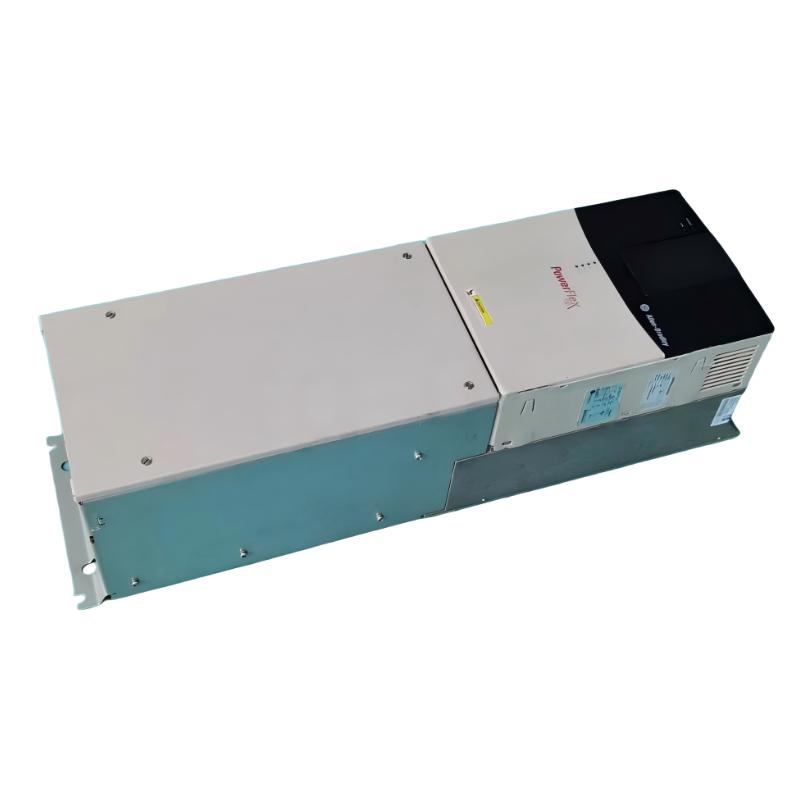
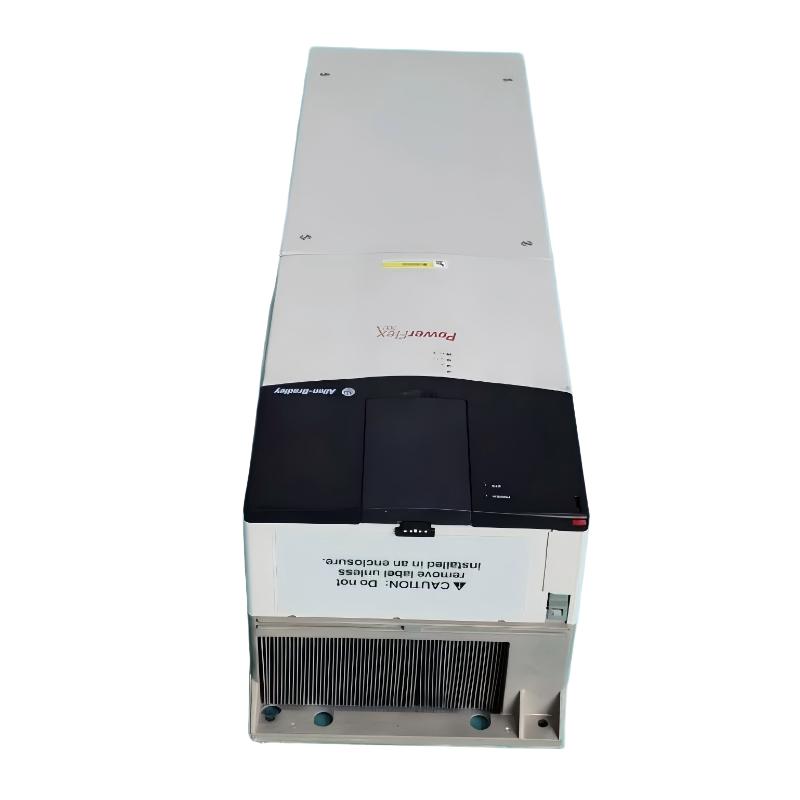
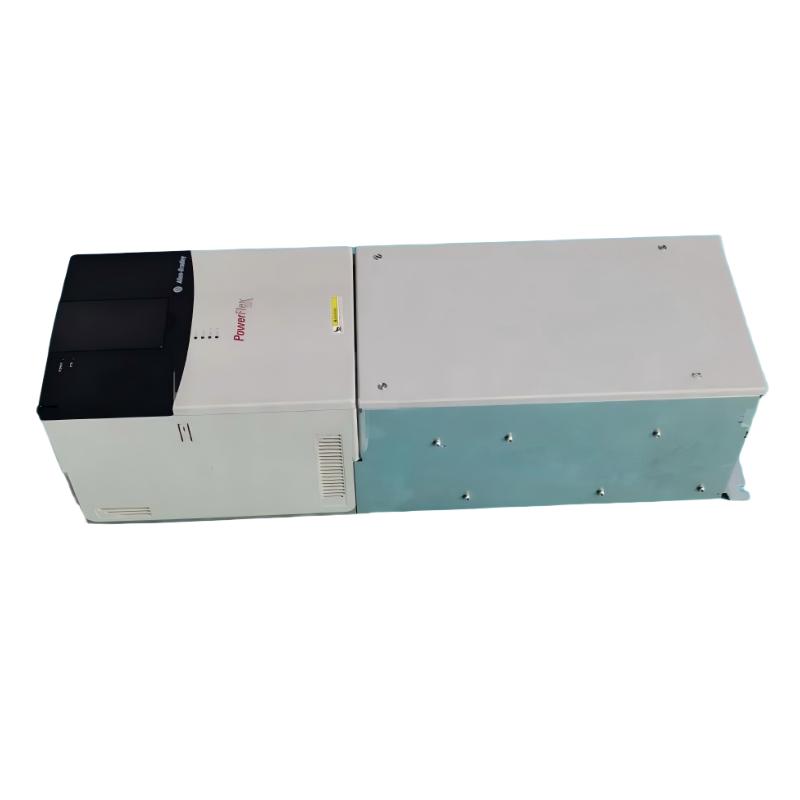
- Allen Bradley
- 20BD248A0ANNANA0
- PowerFlex AC Drive
- USA
- 1828.8 × 711.3 × 487.8 mm
- 229.07kg
- Xiamen, China
- New & In Stock
- T/T, PayPal, Western Union
- 1 Year
- 1-3 Working Days
- DHL, UPS, TNT, FedEx and EMS.
- 24-Hour Service
- COO
- 2
Our advantage

Global Logistics
We have a 10-year logistics and express cooperation agreement, so our products can be shipped to any place in the world.

Brand new and original
Our products are imported in bulk from the place of origin. Because of the cooperative relationship, our products are all original and 100% new.

24-hour service
We provide 7*24 hours service to our customers. We will be there whenever you need us.

Price advantage
All our products are priced very favorably because we have our own warehouse and supply.
| Company Information | |||
| [email protected] | |||
| Mobile | +8615980777398 | ||
| +8615980777398 | |||
| 15980777398 |
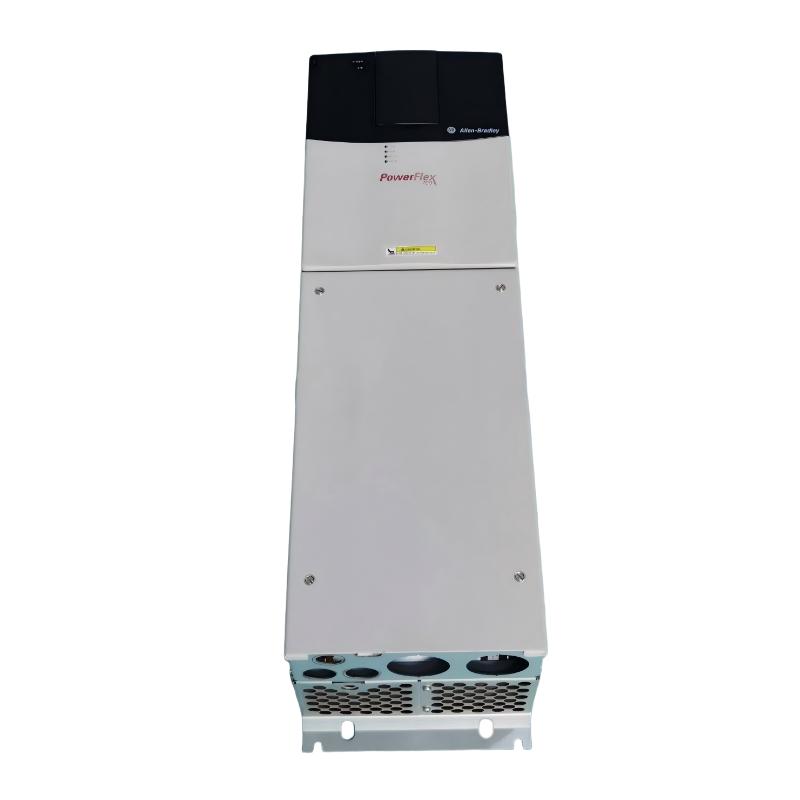
Allen-Bradley 20BD248A0ANNANA0 AC Drive: Technical Specifications, Product Introduction, Applications, Advantages, and Related Models
1. Product Overview
The Allen-Bradley 20BD248A0ANNANA0 is a high-power adjustable frequency AC drive belonging to the PowerFlex 700 series. It is designed for industrial motor speed regulation, torque control, and automation applications where precise control of large AC motors is required.
This model is part of the higher-capacity range of industrial variable frequency drives and is typically used for large motors in heavy-duty machinery, production equipment, material handling systems, pumping systems, ventilation equipment, and process-control applications.
The drive converts incoming three-phase AC power into a controlled output voltage and frequency, allowing the connected motor to operate at variable speeds rather than running continuously at a fixed speed. This improves process flexibility, reduces mechanical stress during starting and stopping, and allows better matching between motor operation and machine requirements.
The 20BD248A0ANNANA0 configuration represents a 480 V AC class drive with a 248 A output-current rating. It is suitable for applications requiring approximately 200 HP normal-duty motor operation or approximately 150 HP heavy-duty operation.
This configuration uses a standard control arrangement without an internal communication module, without internal braking IGBT, and without a built-in braking resistor. External braking solutions may be required for applications involving frequent rapid deceleration or high-inertia loads.
2. Brand and Product Series
| Item | Description |
|---|---|
| Brand | Allen-Bradley |
| Product series | PowerFlex 700 |
| Product family | Adjustable Frequency AC Drive |
| Model | 20BD248A0ANNANA0 |
| Drive type | Variable Frequency Drive (VFD) |
| Application type | Industrial AC motor control |
| Voltage class | 480 VAC |
| Input phase | Three-phase |
| Output current class | 248 A |
| Normal duty rating | Approximately 200 HP |
| Heavy duty rating | Approximately 150 HP |
| Frame size | Frame 6 |
| Enclosure type | IP20 / NEMA Type 1 |
| Control type | Standard control |
| Feedback option | No feedback |
| Communication option | No communication module |
| Brake option | No internal brake IGBT |
| Brake resistor | No built-in braking resistor |
The PowerFlex 700 family is designed for industrial environments where reliable motor control, flexible speed adjustment, and integration with automation systems are required.
The series supports a wide range of motor-control methods, including sensorless vector control and traditional V/Hz control, allowing engineers to select the operating mode that best matches the machine requirements.
3. Detailed Product Parameters
3.1 Electrical Specifications
| Parameter | Specification |
|---|---|
| Model | 20BD248A0ANNANA0 |
| Product series | PowerFlex 700 |
| Input voltage | 480 VAC |
| Input voltage range | Approximately 380–480 VAC class |
| Input frequency | 60 Hz |
| Input phase | Three-phase |
| Output phase | Three-phase |
| Continuous output current | 248 A |
| Output current (1 minute overload) | Approximately 273 A |
| Output current (3 second overload) | Approximately 372 A |
| Normal duty power rating | 200 HP |
| Heavy duty power rating | 150 HP |
| Motor voltage class | Approximately 460 VAC motor applications |
| Maximum output frequency | Approximately 400 Hz |
| Control method | PWM vector control / VHz control |
| Speed regulation | High-performance vector control capability |
| Carrier frequency | 2, 4, 8, 10 kHz selectable |
| Efficiency | Approximately 97.5% |
| Input power rating | Approximately 194 kVA |
| Input current rating | Approximately 233 A |
| Power factor | Approximately 0.98 |
| DC bus voltage | Approximately 648 VDC |
| DC bus overvoltage trip | Approximately 810 VDC |
| DC bus undervoltage trip | Approximately 305 VDC |
| Output voltage | 0 to rated motor voltage |
| Short circuit rating | Up to 200 kA symmetrical (depending on protection configuration) |
| Cooling method | Forced air cooling |
| Protection method | Electronic overload and fault monitoring |
3.2 Control and Interface Specifications
| Parameter | Specification |
|---|---|
| Model | 20BD248A0ANNANA0 |
| Control type | Standard control |
| Human interface module | No HIM / blank plate configuration |
| Communication module | Not included |
| Analog inputs | 2 |
| Analog outputs | 2 |
| Digital inputs | 6 |
| Digital outputs | 3 |
| Encoder feedback | Not included |
| Encoder type support | Available through optional configurations |
| Current limit adjustment | Programmable |
| Acceleration time | Adjustable from 0 to 3600 seconds |
| Deceleration time | Adjustable from 0 to 3600 seconds |
| Stop modes | Coast stop, ramp stop, DC braking, fast braking, S-curve control |
| Motor control modes | Sensorless vector, V/Hz control |
| Fault monitoring | Overcurrent, overvoltage, undervoltage, overload, overheating protection |
| Parameter storage | Programmable drive parameters |
The standard control version is suitable for applications where advanced communication modules or feedback devices are not required.
For applications requiring network communication, encoder feedback, or advanced positioning functions, a different configuration within the same product family may be considered.
4. Mechanical Specifications
| Parameter | Specification |
|---|---|
| Model | 20BD248A0ANNANA0 |
| Frame size | Frame 6 |
| Enclosure rating | IP20 / NEMA Type 1 |
| Cooling method | Forced air |
| Installation method | Cabinet installation |
| Approximate height | 850 mm |
| Approximate width | 403.9 mm |
| Approximate depth | 275.5 mm |
| Dimension format | H × W × D |
| Approximate drive weight | 72.57 kg |
| Approximate packaged weight | Around 100 kg depending on packaging |
| Standalone enclosure dimensions (reference) | Approximately 1828.8 × 711.3 × 487.8 mm |
| Standalone enclosure weight (reference) | Approximately 229.07 kg |
| Operating temperature | 0°C to 50°C |
| Storage temperature | Down to approximately -40°C |
| Relative humidity | 5% to 95%, non-condensing |
| Installation environment | Clean industrial environment |
The physical size and weight make this drive suitable for fixed industrial installations rather than portable equipment.
Because this is a high-power drive, cabinet design should consider ventilation space, cable routing, maintenance access, lifting requirements, and heat dissipation.
5. Product Introduction
The 20BD248A0ANNANA0 is a large-capacity industrial AC drive designed to control high-power motors in demanding applications.
Traditional motor systems often operate at one fixed speed. However, many industrial processes require different speeds depending on production requirements, material conditions, or operating cycles. This drive provides electronic speed adjustment by controlling motor frequency and voltage.
For large industrial motors, controlled acceleration is especially important. Direct starting methods can create high starting currents and mechanical shock. By gradually increasing motor speed, the drive can reduce stress on mechanical components such as belts, couplings, gears, and shafts.
The 248 A output-current capacity allows the drive to handle substantial motor loads. It is commonly associated with applications where stable torque, reliable operation, and long operating periods are required.
The drive supports programmable acceleration and deceleration settings, allowing engineers to optimize machine behavior. Different machines require different response characteristics. A conveyor may require smooth acceleration to protect transported materials, while a pump may require controlled speed changes to prevent pressure fluctuations.
The standard configuration does not include a communication module or encoder feedback. This makes it suitable for applications using traditional control methods or external control systems where advanced networking functions are not necessary.
The drive does not include an internal braking resistor or braking IGBT. Applications involving rapid stopping, frequent braking cycles, or regenerative energy conditions require additional engineering consideration.
6. Main Product Advantages
6.1 High Power Motor Control Capability
The biggest advantage of the 20BD248A0ANNANA0 is its ability to control large industrial motors.
With a 248 A output-current rating, it can support heavy industrial equipment that requires significant motor power. This makes it suitable for large conveyors, pumps, fans, compressors, and production machinery.
6.2 Improved Motor Starting Performance
Large motors can create high mechanical and electrical stress during direct starting.
Using a variable frequency drive allows the motor to start gradually, reducing sudden torque changes and lowering mechanical impact on connected equipment.
This can improve machine reliability and reduce maintenance requirements.
6.3 Adjustable Speed Operation
The drive allows operators and control systems to adjust motor speed according to process requirements.
Benefits include:
- Better production control
- Reduced unnecessary motor operation
- Improved process flexibility
- Reduced mechanical adjustment requirements
6.4 Flexible Motor Control Modes
The drive supports multiple control strategies, including sensorless vector control and traditional V/Hz control.
Sensorless vector control can provide better torque response and speed regulation compared with basic frequency control.
V/Hz control provides a simpler solution for applications where extremely accurate speed control is not required.
6.5 Programmable Acceleration and Deceleration
The ability to configure acceleration and deceleration times allows the drive to adapt to different machine requirements.
Examples:
- Heavy conveyors can start smoothly.
- Pumps can avoid sudden pressure changes.
- Fans can gradually increase airflow.
- Processing equipment can maintain stable operation.
6.6 Industrial Reliability
The drive is designed for industrial environments where continuous operation is required.
Protection functions monitor conditions such as:
- Overcurrent
- Overvoltage
- Undervoltage
- Overtemperature
- Motor overload
These functions help protect both the drive and connected equipment.
6.7 Energy Efficiency Improvement
In variable-load applications, reducing motor speed can significantly reduce energy consumption compared with operating continuously at full speed.
Typical suitable applications include:
- Fans
- Pumps
- Air-handling systems
Actual energy savings depend on the mechanical system design and operating conditions.