

ProductPRODUCT
Featured products
Contact Us
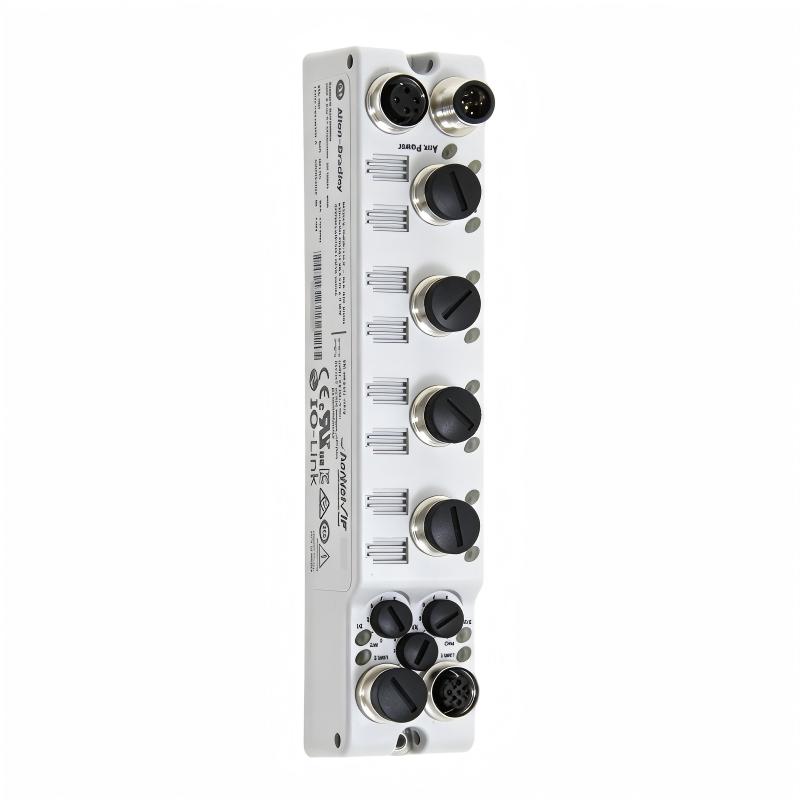
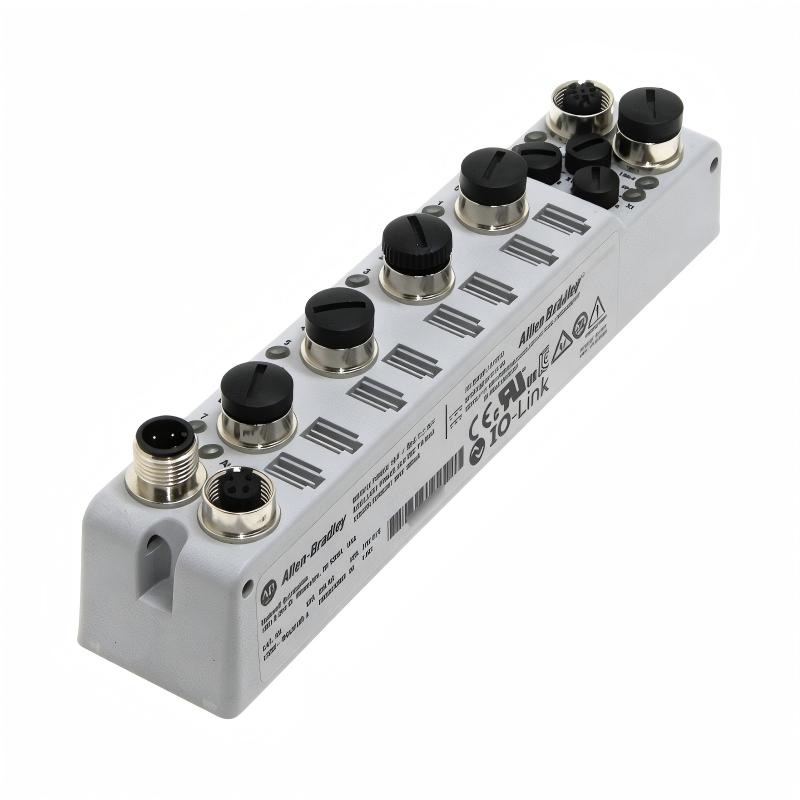
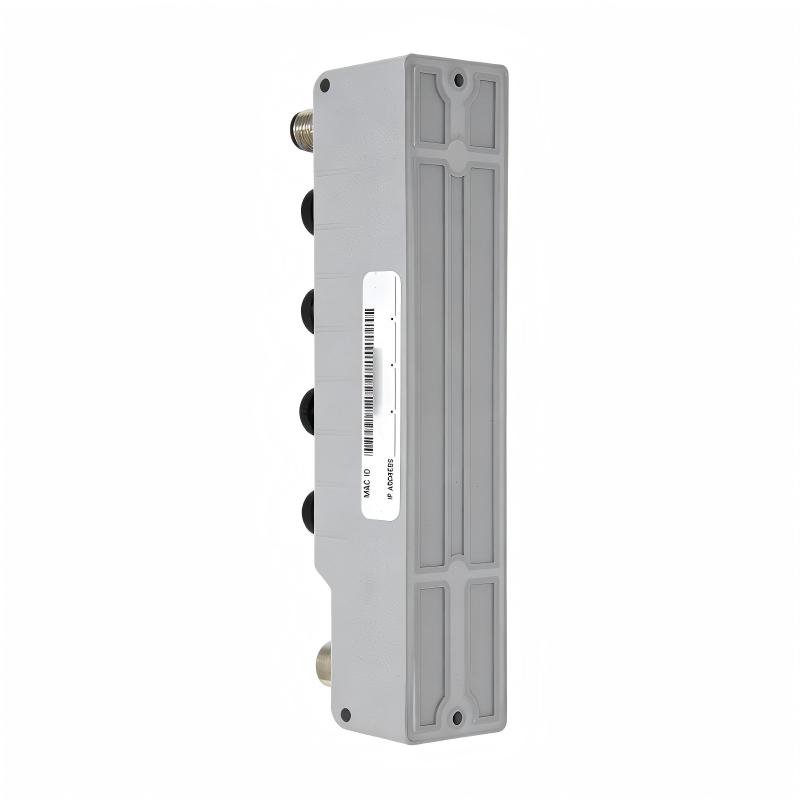
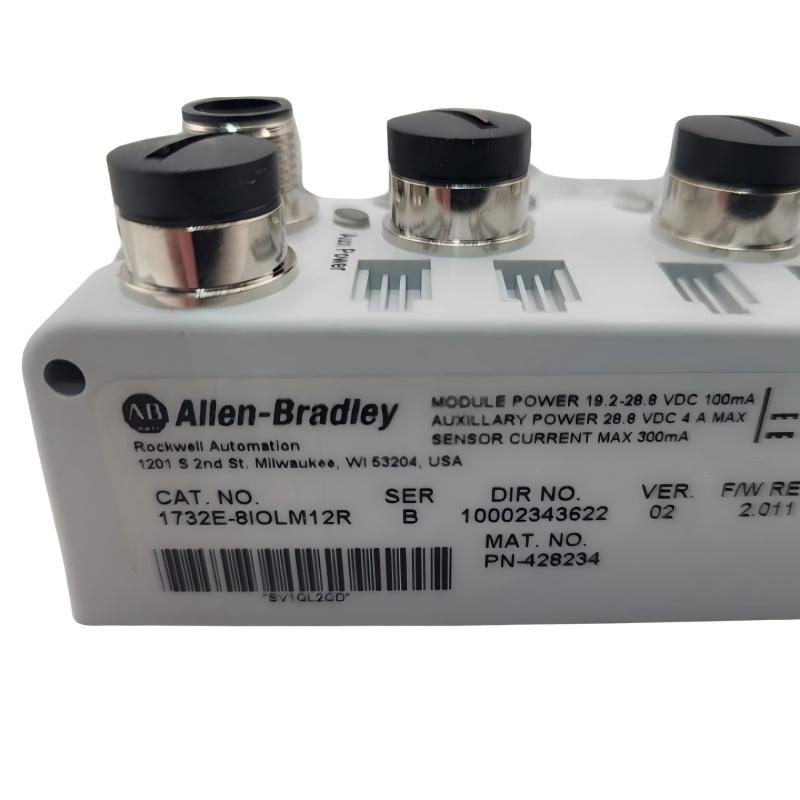
- Allen Bradley
- 1732E-8IOLM12R
- Ethernet/IP ArmorBlock I/O Module
- USA
- 179 x 37 x 43.3 mm
- 0.34 kg
- Xiamen, China
- New & In Stock
- T/T, PayPal, Western Union
- 1 Year
- 1-3 Working Days
- DHL, UPS, TNT, FedEx and EMS.
- 24-Hour Service
- COO
- 5
Our advantage

Global Logistics
We have a 10-year logistics and express cooperation agreement, so our products can be shipped to any place in the world.

Brand new and original
Our products are imported in bulk from the place of origin. Because of the cooperative relationship, our products are all original and 100% new.

24-hour service
We provide 7*24 hours service to our customers. We will be there whenever you need us.

Price advantage
All our products are priced very favorably because we have our own warehouse and supply.
| Company Information | |||
| [email protected] | |||
| Mobile | +8615980777398 | ||
| +8615980777398 | |||
| 15980777398 |
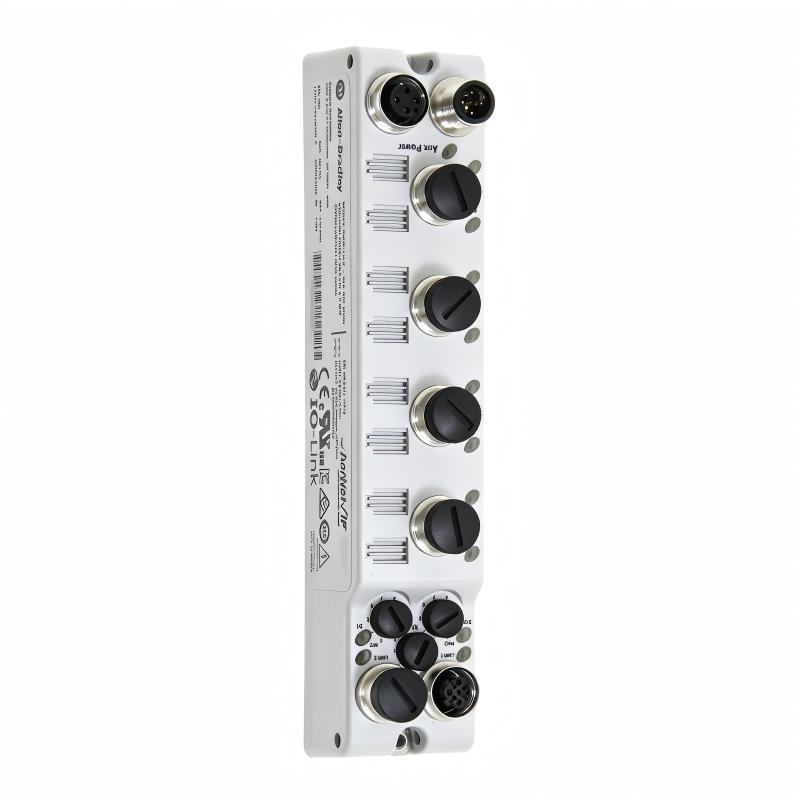
Product Overview
The Allen-Bradley 1732E-8IOLM12R ArmorBlock EtherNet/IP I/O Module is an industrial remote I/O device designed to connect compatible sensors, actuators, and IO-Link devices to an EtherNet/IP-based automation network. Manufactured by Rockwell Automation under the Allen-Bradley brand, this module combines distributed I/O connectivity, IO-Link communication, and diagnostic capabilities in a compact block-style design.
As part of the ArmorBlock product family, the 1732E-8IOLM12R is intended for machine-level installation, allowing automation engineers to position I/O close to field devices rather than routing every signal back to a centralized control cabinet. This architecture can simplify field wiring, support modular machine construction, and help reduce the complexity of distributed automation systems.
The module provides eight IO-Link master channels and dual-port EtherNet/IP connectivity. It supports compatible IO-Link devices and communicates with an industrial controller through an EtherNet/IP network. Its M12 connections are suited to industrial environments where secure, organized field wiring is important.
The 1732E-8IOLM12R can be used in applications such as packaging machinery, material handling systems, automated assembly equipment, and other industrial machines that require distributed sensor connectivity and device-level diagnostics.
For purchasing and maintenance purposes, verify the complete catalog number, connector arrangement, firmware requirements, and controller compatibility before installation.
Technical Specifications
| Parameter | Details |
|---|---|
| Brand | Allen-Bradley |
| Manufacturer | Rockwell Automation |
| Model | 1732E-8IOLM12R |
| Product Family | ArmorBlock I/O |
| Product Type | EtherNet/IP IO-Link Master Module |
| Number of IO-Link Channels | 8 |
| Network Protocol | EtherNet/IP |
| Network Ports | Dual-port Ethernet |
| Ethernet Communication Rate | 10/100 Mbps |
| Supply Voltage | 24 V DC nominal |
| IO-Link Compatibility | IO-Link Version 1.0 and 1.1 |
| IO-Link Port Type | Class A |
| Field Connections | M12 connectors |
| Diagnostic Capability | Supported |
| Dimensions | 179 × 37 × 43.3 mm |
| Weight | 0.34 kg |
| Installation Type | Distributed, machine-mounted I/O |
| Typical Applications | Packaging, assembly, material handling, machine automation |
Note: Dimensions and weight are based on the supplied product information. Confirm the exact mechanical dimensions, required cables, power connections, and installation clearances against the applicable product documentation before mounting.
Function and Working Principle
1. IO-Link Device Communication
IO-Link is a point-to-point communication technology used to connect compatible sensors and other field devices to an IO-Link master. Unlike a conventional discrete signal connection that may communicate only a simple on/off state, IO-Link can support process data, device identification, parameter information, and diagnostic information, depending on the connected device.
The 1732E-8IOLM12R acts as the communication interface between compatible IO-Link devices and the EtherNet/IP automation network. This enables the controller to exchange supported data with connected field devices through the module.
The actual information available depends on the capabilities of the connected sensor or actuator, its IO-Link device description, and the controller configuration.
2. EtherNet/IP Network Communication
EtherNet/IP provides the industrial communication connection between the ArmorBlock module and the control system. The module’s dual-port Ethernet design supports network connectivity options defined by the product and network topology.
In a typical installation, an industrial controller communicates with the module over EtherNet/IP. The controller can then use the configured input and output data to monitor field conditions and coordinate machine operation.
Network topology, addressing, switch configuration, and controller settings must be selected according to the application design.
3. Distributed I/O Operation
Traditional control architectures may route numerous field cables back to a central cabinet. Distributed I/O allows the interface to be installed nearer to the machine components it serves.
The ArmorBlock form factor supports this approach by placing the I/O interface close to sensors and actuators. Shorter field wiring runs may simplify machine construction and troubleshooting, especially where many devices are distributed across a production line.
4. Device Diagnostics
The 1732E-8IOLM12R includes diagnostic capabilities that help maintenance personnel identify device or communication problems. Depending on the connected IO-Link device and system configuration, useful diagnostic information may include device status, communication condition, or supported device-specific data.
Diagnostics can help reduce troubleshooting time by providing more information than a basic discrete input signal alone. However, the exact diagnostic data available depends on the connected device and controller configuration.
Role in Industrial Automation Systems
Modern industrial machines frequently contain many sensors, switches, actuators, and intelligent field devices. Efficient communication between these devices and the controller is essential for coordinated machine operation.
The Allen-Bradley 1732E-8IOLM12R provides a distributed interface for compatible IO-Link devices while connecting to the control system through EtherNet/IP.
Integration with PLC Systems
In a typical Rockwell Automation architecture, a programmable logic controller manages the machine sequence, reads input data, and issues control commands. The ArmorBlock module provides the configured field-device data over EtherNet/IP.
The PLC program can use this information to monitor product position, detect machine conditions, supervise process steps, and coordinate connected equipment.
Successful integration requires the correct electronic data configuration, controller support, network settings, and I/O mapping.
Field-Level Connectivity
The module can be mounted near the machine equipment it serves. This arrangement helps reduce the number of individual field signal cables that must return to the main control panel.
Using suitable M12 connectors and industrial-rated cabling can help organize connections and simplify equipment replacement or maintenance.
Intelligent Sensor Integration
Compatible IO-Link devices may provide additional information beyond standard switching signals. Depending on the device, this may include identification data, configurable parameters, operating status, or diagnostic information.
Access to this information can support machine monitoring and maintenance planning, provided the device, master, controller, and software are configured to use the available data.
Industrial Applications
1. Packaging Machinery
Packaging equipment often uses photoelectric sensors, position sensors, and other field devices to detect products and monitor machine movements. The 1732E-8IOLM12R can provide a distributed communication interface for compatible IO-Link devices used in these applications.
Its use may help simplify wiring around conveyors, filling stations, labeling equipment, and automated packaging cells.
2. Material Handling Systems
Conveyors, transfer stations, sorting equipment, and automated storage systems require distributed sensing to detect product presence and track operating conditions.
A distributed IO-Link master can connect compatible devices to the EtherNet/IP control network, supporting coordinated operation across different machine sections.
3. Automated Assembly Lines
Assembly machinery may use sensors to verify part presence, position, and process status. Compatible IO-Link devices connected through the ArmorBlock module can provide configured data to the PLC for sequence control and monitoring.
4. Automotive Manufacturing
Automotive production lines often contain distributed sensors and automated tooling. Machine-mounted I/O can help bring device connections closer to the equipment and support modular production-line design.
The suitability of a particular installation depends on environmental conditions, vibration, wiring requirements, and the capabilities of the selected field devices.
5. Industrial Inspection and Machine Monitoring
Some IO-Link sensors provide additional information such as measurement values, device status, or supported diagnostic parameters. When connected to the appropriate control system, this information can help operators monitor process conditions and investigate faults.
The available data depends on the connected sensor and the application software.
Installation and System Integration
Correct installation helps ensure reliable communication and safe operation. The following steps provide a general overview; the official installation instructions and applicable electrical standards take precedence.
Step 1: Verify the Catalog Number
Confirm that the module is Allen-Bradley 1732E-8IOLM12R. Check the product label and compare the catalog number with the project’s I/O drawings and bill of materials.
Also confirm the hardware revision and any applicable firmware requirements.
Step 2: Plan the Mounting Location
Select a suitable machine-mounted location with adequate clearance for the module, connectors, and cables. Consider temperature, vibration, mechanical impact, access for maintenance, and the environmental conditions specified for the product.
Follow the manufacturer’s mounting instructions and recommended fastening practices.
Step 3: Connect the Power Supply
The module uses a nominal 24 V DC supply. Confirm the required power connections, allowable supply range, current demand, and grounding arrangements from the installation documentation.
Calculate the load for the module and connected devices, including sensor power and any applicable auxiliary power requirements. Do not assume that a power supply sized for the module alone will support all connected loads.
Step 4: Connect the EtherNet/IP Network
Use compatible industrial Ethernet cables and connectors. Connect the network ports according to the selected topology and verify that the cabling meets the installation requirements.
Configure the module’s network addressing and controller communication settings according to the automation project.
Step 5: Connect IO-Link Devices
Connect compatible IO-Link devices to the appropriate M12 ports using suitable cordsets. Confirm the connector pinout, device power requirements, cable specification, and port configuration.
Unused connectors should be protected according to the manufacturer’s instructions and the environmental requirements of the installation.
Step 6: Configure the Controller
Add the module to the supported controller configuration and select the appropriate device profile or Add-On Profile where required. Configure the network address, module parameters, and I/O data mapping.
Ensure the controller project is compatible with the module’s firmware and that the selected device descriptions match the connected IO-Link devices.
Step 7: Commission and Test
After checking all electrical and network connections, power up the system according to the commissioning procedure. Inspect the module’s status indicators and verify network communication.
Test each connected device, confirm the expected input and output data, and review diagnostic information before releasing the machine for normal operation.
Compatible Components and System Accessories
The 1732E-8IOLM12R is normally integrated into a wider automation system. The following table lists common component categories that may be used with it, subject to compatibility checks.
| Component | Role in the System | Selection Considerations |
|---|---|---|
| CompactLogix or ControlLogix controller | Executes control logic and communicates with distributed I/O | Verify supported controller, firmware, and network configuration |
| Compatible IO-Link sensors | Supply process data and device status | Check IO-Link version, port requirements, and device description |
| IO-Link actuators | Provide supported field-level actuation or status data | Verify device compatibility and output requirements |
| Industrial Ethernet cables | Carry EtherNet/IP communications | Select appropriate cable and connector types |
| M12 cordsets | Connect field devices to the module | Confirm pinout, length, and environmental rating |
| 24 V DC power supply | Powers the module and relevant loads | Calculate total current demand and voltage drop |
| Ethernet switch | Connects devices in the selected network topology | Verify industrial suitability and network design |
| Engineering software and device profiles | Configure the module and connected devices | Confirm software version and device-profile support |
This list describes typical system components, not a guaranteed package of accessories or a claim that every listed component is included with the module.
Replacement and Alternative Model Considerations
When replacing the 1732E-8IOLM12R, selecting a device with the same number of channels is not sufficient. Communication protocol, port type, wiring, power requirements, firmware support, physical dimensions, and I/O data configuration must all be considered.
| Selection Option | Important Considerations |
|---|---|
| Exact replacement: 1732E-8IOLM12R | Verify hardware condition, revision, firmware, and connector compatibility |
| Manufacturer-designated replacement | Confirm the officially recommended replacement and migration requirements |
| Another ArmorBlock I/O module | Check whether it supports IO-Link master functionality rather than only conventional digital I/O |
| Alternative IO-Link master | Verify EtherNet/IP compatibility, channel count, port class, power requirements, and controller integration |
| Conventional remote I/O module | Determine whether it can meet the application’s device communication and diagnostic requirements |
Rockwell Automation identifies replacement availability on the product page. Because the exact successor may depend on the intended application and current product offering, confirm the recommended replacement through the manufacturer’s current selection information.
Do not substitute a conventional digital I/O block for an IO-Link master without reviewing the connected devices and required data exchange.
Key Advantages
Compact Distributed Design
The ArmorBlock format supports installation near field devices, helping reduce the need to route every sensor connection back to a centralized cabinet.
Eight-Channel IO-Link Master Capability
The module provides eight IO-Link master channels for compatible field devices, supporting distributed device connectivity in industrial machines.
EtherNet/IP Integration
EtherNet/IP connectivity allows the module to exchange configured I/O data with a compatible industrial controller.
Dual-Port Ethernet Connectivity
Dual-port Ethernet provides network connection options for suitable machine and control-network designs. The topology must follow the manufacturer’s guidance and the application’s network requirements.
Device-Level Diagnostics
Supported diagnostics can provide useful information for fault investigation and maintenance, depending on the connected device and controller configuration.
Modular Machine Design
Distributed I/O can make it easier to organize machine wiring and structure automation systems into functional sections.
Technical FAQs
1. What is the Allen-Bradley 1732E-8IOLM12R?
It is an ArmorBlock EtherNet/IP eight-channel IO-Link master module from Rockwell Automation. It connects compatible IO-Link devices to an industrial automation controller through EtherNet/IP.
2. How many IO-Link channels does it provide?
The module provides eight IO-Link master channels. The number and type of devices that can be connected depend on the module’s port design and the requirements of the selected devices.
3. What communication protocol does it use?
It uses EtherNet/IP for communication with the control network and IO-Link for communication with compatible field devices.
4. What is the operating supply voltage?
The module is designed for a nominal 24 V DC industrial supply. The permitted voltage range and power requirements should be verified in the official technical documentation.
5. What are the dimensions and weight?
The supplied dimensions are 179 × 37 × 43.3 mm, and the listed weight is 0.34 kg. Verify the actual mechanical drawing and shipping weight before finalizing panel or machine layouts.
6. Can it connect directly to any Ethernet sensor?
No. EtherNet/IP connectivity does not mean that every Ethernet device can connect directly to the module’s IO-Link ports. The connected field device must be compatible with the relevant IO-Link interface and electrical requirements.
7. Can it be used with a Rockwell Automation PLC?
It is designed for EtherNet/IP-based automation systems. Confirm the specific controller family, firmware, software version, and module profile before integration.
8. Does it support diagnostics?
Yes, the product description identifies diagnostic functionality. The diagnostic information available to the controller depends on the connected devices and the configuration.
9. Is the 1732E-8IOLM12R still available?
The manufacturer’s product page lists its lifecycle status as Active Mature and indicates replacement availability. Check the current product listing or consult the manufacturer for the recommended replacement for a particular project.
10. What should be checked before purchasing?
Confirm the full catalog number, product condition, hardware revision, connector arrangement, included accessories, and compatibility with the intended controller and IO-Link devices.
Procurement and Maintenance Recommendations
When purchasing the Allen-Bradley 1732E-8IOLM12R, verify the product label and ensure the delivered module matches the required catalog number. For replacement projects, compare the existing installation with the module’s electrical and mechanical requirements.
Before placing an order, confirm:
- Exact catalog number and hardware revision.
- Product condition and warranty terms.
- Required M12 cordsets and Ethernet cables.
- Power supply capacity and wiring requirements.
- Controller, firmware, and software compatibility.
- Availability of the required device profile.
- Current manufacturer replacement recommendations.
During maintenance, inspect connectors and cables for damage, contamination, and loose connections. Review module status indicators and controller diagnostics when troubleshooting communication problems.
Maintain accurate records of module configuration, network addressing, firmware versions, and connected field devices. This information can simplify replacement and reduce commissioning time after a hardware failure.
Conclusion
The Allen-Bradley 1732E-8IOLM12R ArmorBlock EtherNet/IP I/O Module is an eight-channel IO-Link master designed for distributed industrial automation. Its dual-port EtherNet/IP connectivity, M12 field connections, and diagnostic capabilities make it suitable for machine-level sensor integration in compatible control systems.
By placing the communication interface close to field devices, the module can support organized wiring, modular machine construction, and access to supported IO-Link device data.
For successful deployment, verify power requirements, connector compatibility, controller configuration, and firmware support before installation. When replacing an existing module, confirm the manufacturer’s recommended successor and ensure that the replacement meets the application’s technical requirements.