

ProductPRODUCT
Featured products
Contact Us
- ABB
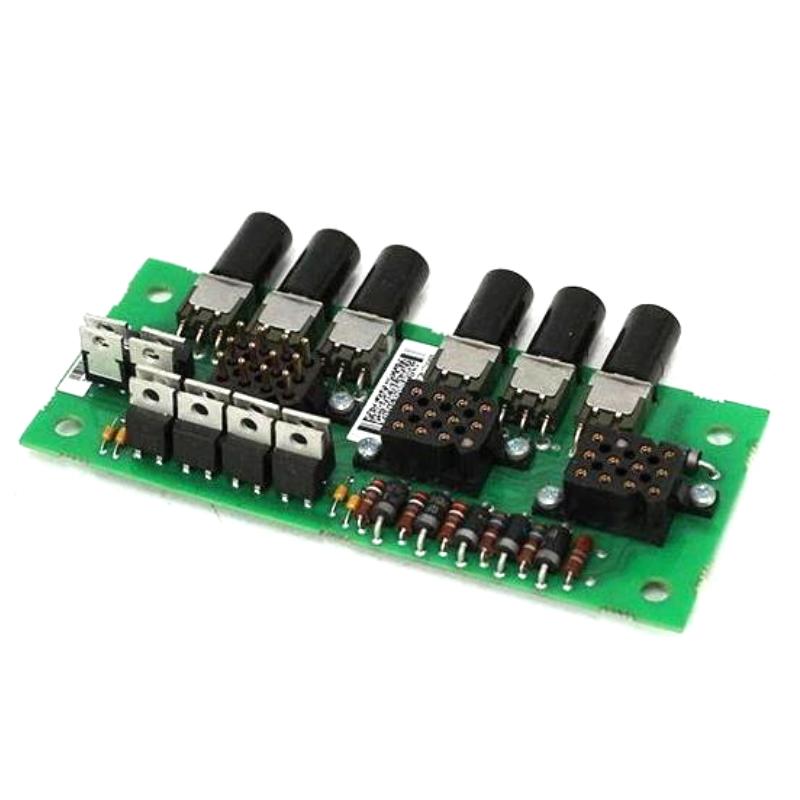
- DSQC 563 3HAC16035-1
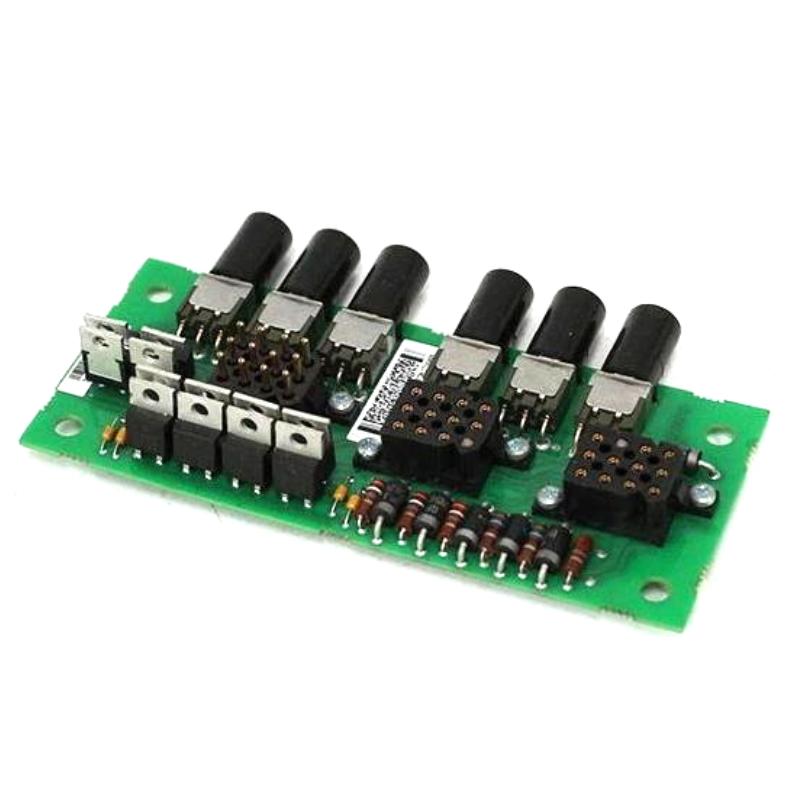
- IRB Brake Release Board
- Sweden (SE)
- 155 × 25 × 100 mm
- 0.14 kg
- Xiamen, China
- New & In Stock
- T/T, PayPal, Western Union
- 1 Year
- 1-3 Working Days
- DHL, UPS, TNT, FedEx and EMS.
- 24-Hour Service
- COO
- 3
Our advantage

Global Logistics
We have a 10-year logistics and express cooperation agreement, so our products can be shipped to any place in the world.

Brand new and original
Our products are imported in bulk from the place of origin. Because of the cooperative relationship, our products are all original and 100% new.

24-hour service
We provide 7*24 hours service to our customers. We will be there whenever you need us.

Price advantage
All our products are priced very favorably because we have our own warehouse and supply.
| Company Information | |||
| [email protected] | |||
| Mobile | +8615980777398 | ||
| +8615980777398 | |||
| 15980777398 |
Product Overview
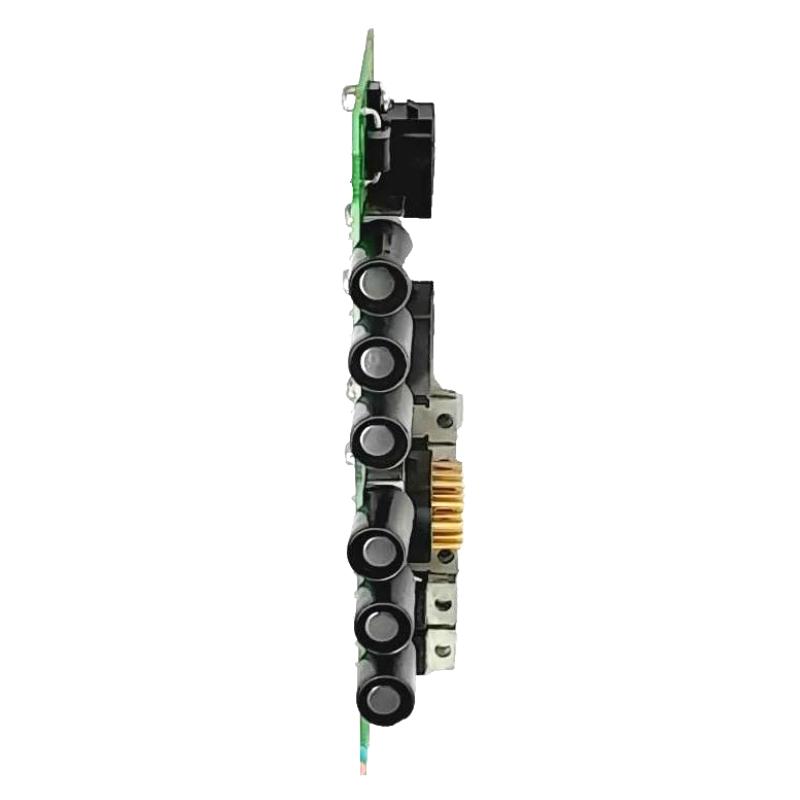
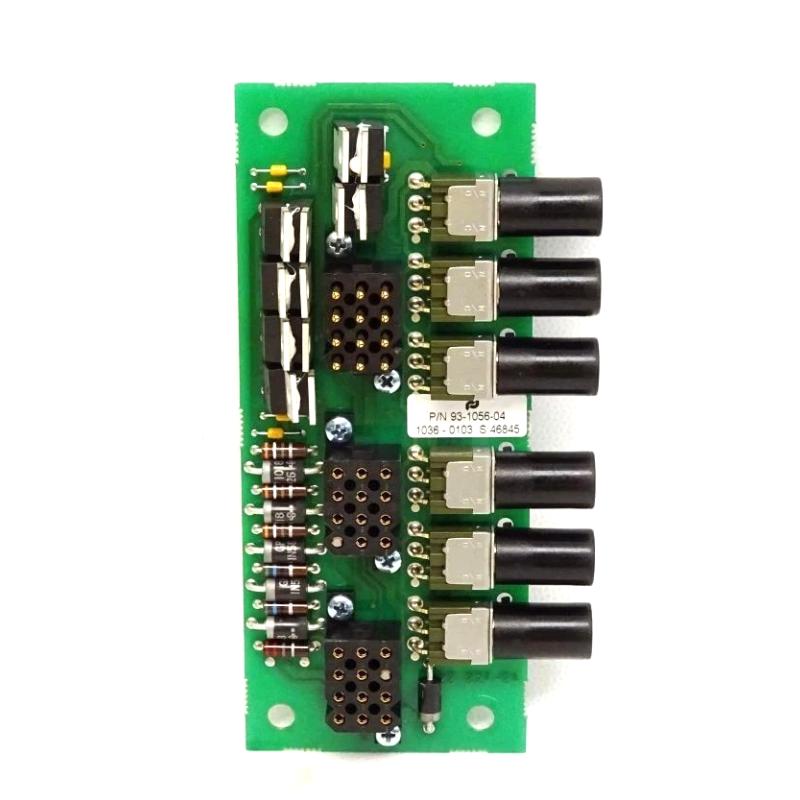
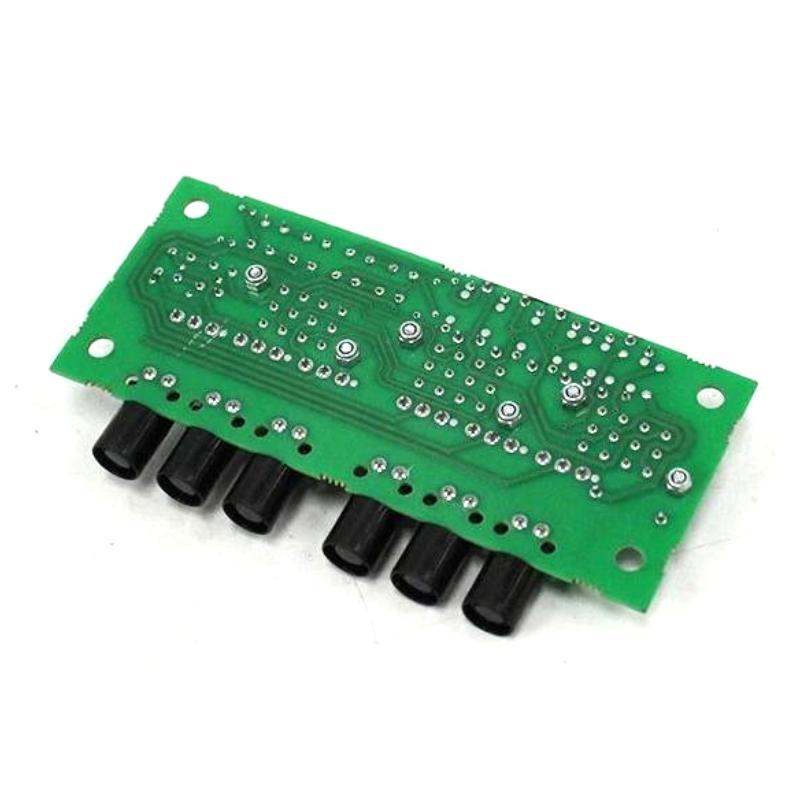
The ABB DSQC 563 3HAC16035-1 IRB Brake Release Board is a robot control circuit board associated with the brake-release function of compatible ABB IRB industrial robots. It forms part of the electrical interface used when releasing the holding brakes on robot axes during authorized service or controlled robot operation.
Robot axis brakes normally hold the mechanical axis in position when motor torque is unavailable. The brake-release circuitry provides the electrical path required to release the appropriate brake when the robot control system permits movement.
The DSQC 563 is therefore closely related to the robot controller, drive system, axis motors, brake circuits, and safety functions. It is not itself a motor drive or robot controller; its role is within the brake-release and axis-control interface.
During maintenance, technicians may encounter this board when diagnosing brake-release failures, axis movement problems, or abnormal brake-related indications. The board, wiring, connectors, and associated brake circuits should be checked as a complete system.
Technical Specifications
| Parameter | Specification |
|---|---|
| Manufacturer | ABB |
| Model | DSQC 563 / 3HAC16035-1 |
| Product Family | ABB Robotics |
| Product Type | IRB Brake Release Board |
| Primary Function | Robot axis brake-release circuit interface |
| System Role | Robot brake control and electrical interface |
| Typical Application | ABB IRB industrial robot systems |
| Dimensions | 155 × 25 × 100 mm |
| Weight | 0.14 kg |
Product Features
- IRB brake release board for compatible ABB robot systems.
- Provides an electrical interface associated with robot-axis brake release.
- Works with the robot control and drive architecture.
- Supports controlled release of applicable axis holding brakes.
- Forms part of the robot’s internal brake-control circuitry.
- Suitable for troubleshooting brake-release and related axis faults.
- Compact circuit-board assembly for integration within robot control equipment.
- Requires compatibility verification with the installed IRB robot and control configuration.
Working Principle
The DSQC 563 interfaces the robot control system with the electrical circuits responsible for releasing the axis brakes. When the robot system permits an axis to move, the corresponding brake-release circuit is activated through the associated control path.
The board itself does not generate the mechanical force required to move the robot. Instead, it participates in the electrical sequence that allows the axis brake to disengage so that the motor and mechanical transmission can move the axis.
Robot Controller / Safety System → DSQC 563 Brake Release Board → Brake Circuit → Axis Brake → Motor / Mechanical Axis
When the release command is removed, the associated brake circuit can return to its holding condition according to the robot’s control and safety architecture. The exact release sequence depends on the robot configuration and associated control hardware.
A failed board, loose connector, wiring fault, or problem in the brake circuit can prevent an axis from releasing its brake even when the motor and drive system are otherwise operational.
Role in an ABB IRB Robot Brake Control Architecture
The DSQC 563 occupies the brake-control interface layer of the robot electrical architecture. It connects the controller-side brake-release command with the circuits associated with the robot-axis brakes.
Robot Controller → Safety / Brake Control → DSQC 563 → Axis Brake Circuit → Robot Axis Drive and Mechanical System
| System Element | Function |
|---|---|
| Robot Controller | Coordinates robot operation and movement |
| Safety System | Governs conditions under which movement is allowed |
| DSQC 563 | Interfaces the brake-release control circuit |
| Brake Circuit | Transfers the electrical release command |
| Axis Brake | Holds or releases the mechanical axis |
| Motor Drive | Controls motor torque and movement |
| Robot Axis Mechanism | Produces the corresponding physical movement |
The brake-release board works within a controlled sequence. Releasing a brake does not by itself command axis movement; the motor drive and robot controller remain responsible for the subsequent motion.
Industrial Applications
| Application | Typical Use |
|---|---|
| ABB IRB Robots | Axis brake-release control |
| Robot Maintenance | Controlled brake release during servicing |
| Robot Commissioning | Verification of axis brake operation |
| Welding Robots | Brake control within articulated robot axes |
| Assembly Robots | Axis holding and release interface |
| Material Handling Robots | Brake-release circuit maintenance |
| Machine Tending Robots | Axis brake electrical troubleshooting |
| Robot Refurbishment | Replacement of aging brake-control boards |
Installation and Maintenance
- Verify the complete DSQC 563 / 3HAC16035-1 identification before replacement.
- Confirm that the board is compatible with the installed ABB IRB robot and controller configuration.
- Isolate robot power and follow the applicable safety procedure before accessing the brake-release circuitry.
- Document connector locations and board wiring before removing the existing assembly.
- Inspect connectors, terminals, and accessible wiring for contamination, looseness, or physical damage.
- Check the board mounting arrangement and ensure that it is securely positioned within the control assembly.
- Install the replacement board using appropriate handling procedures for electronic circuit boards.
- Verify all connectors are correctly positioned and fully seated before restoring power.
- Check the associated brake circuit and axis wiring for continuity or connection problems where required.
- Perform controlled brake-release testing according to the applicable robot maintenance procedure.
- If the brake does not release correctly, check the board, control signal, wiring, brake circuit, and associated safety conditions separately.
- After replacement, verify brake operation and controlled axis movement before returning the robot to production.
Compatible System Components
| Component | Function |
|---|---|
| ABB IRB Robot Controller | Coordinates robot operation and axis movement |
| ABB Safety Circuit | Controls conditions for permitted robot movement |
| Robot Drive Unit | Controls the associated axis motor |
| Axis Brake Assembly | Holds and releases the robot axis |
| Axis Motor | Generates torque for robot movement |
| Brake Wiring Harness | Carries brake-release electrical connections |
| Robot Manipulator | Provides the mechanical axis structure |
| Robot Service Equipment | Supports maintenance and brake testing |
Recommended Related Models
| Model / Product Family | Product Type | Typical Application |
|---|---|---|
| ABB DSQC 563 3HAC16035-1 | IRB Brake Release Board | Robot axis brake control |
| ABB DSQC Robot Control Boards | Robot Control Board | Internal robot control functions |
| ABB IRB Brake Assemblies | Robot Axis Brake | Axis holding and release |
| ABB Robot Drive Units | Robot Drive Module | Axis motor control |
| ABB Robot Brake Cables | Brake Cable Assembly | Brake circuit connection |
| ABB S4C+ Robot Controller | Robot Controller | Industrial robot control |
| ABB S4Cplus M2000 | Robot Controller Platform | Robot motion and system control |
| ABB IRB Manipulator Assemblies | Robot Manipulator | Multi-axis robotic movement |
Key Advantages
- Provides a dedicated electrical interface for robot-axis brake release.
- Integrates the brake-release function into the ABB IRB control architecture.
- Supports controlled brake operation during authorized robot movement.
- Useful for diagnosing axis brake-release and related electrical faults.
- Works together with the robot controller, safety system, drive, and brake circuit.
- Suitable for maintenance and replacement of compatible ABB robot control assemblies.
Technical FAQs
What happens if the DSQC 563 cannot activate the brake-release circuit?
The affected robot axis may remain mechanically held even when a movement command is present. The board should be checked together with the control signal, connectors, wiring, safety conditions, and brake assembly rather than assuming the board is the only possible fault.
Can the robot motor move if the axis brake remains engaged?
The motor drive may be capable of generating torque, but a mechanically engaged brake can prevent normal axis movement. The brake-release sequence should therefore be verified before attempting to diagnose the motor or drive as the primary fault.
What should be checked before replacing the brake release board?
Verify the board identification and robot compatibility, then inspect the associated wiring, connectors, brake circuit, and control conditions. A wiring or safety-interlock problem can produce symptoms similar to a failed board.
Does replacing the DSQC 563 require an axis calibration?
The board replacement itself does not inherently alter the robot’s mechanical geometry. However, the applicable ABB service procedure should be followed, including electrical verification and controlled axis testing, with any required calibration or system checks completed before production operation.