

ProductPRODUCT
Featured products
Contact Us
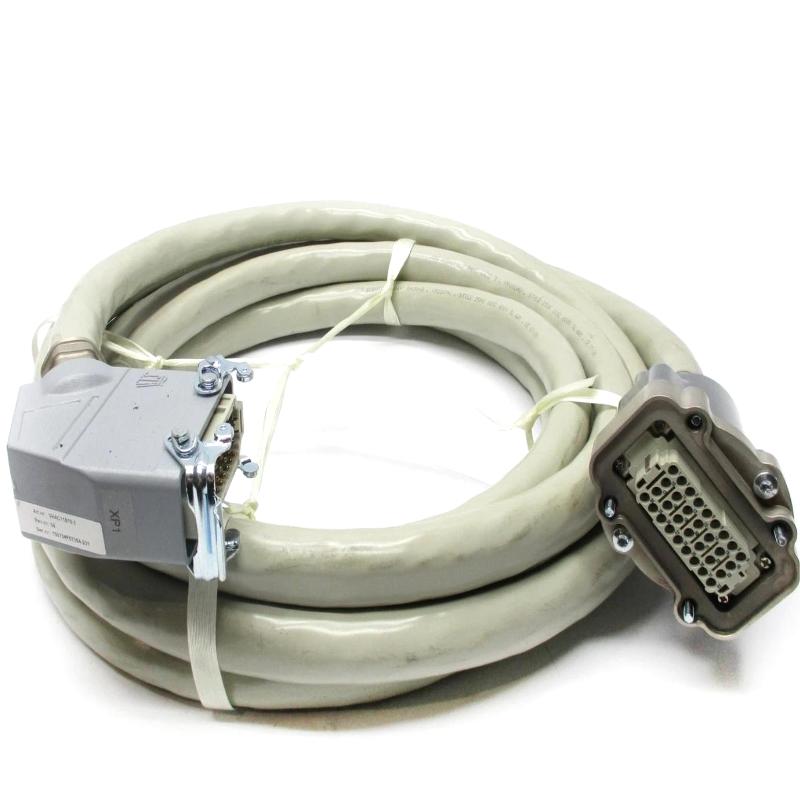
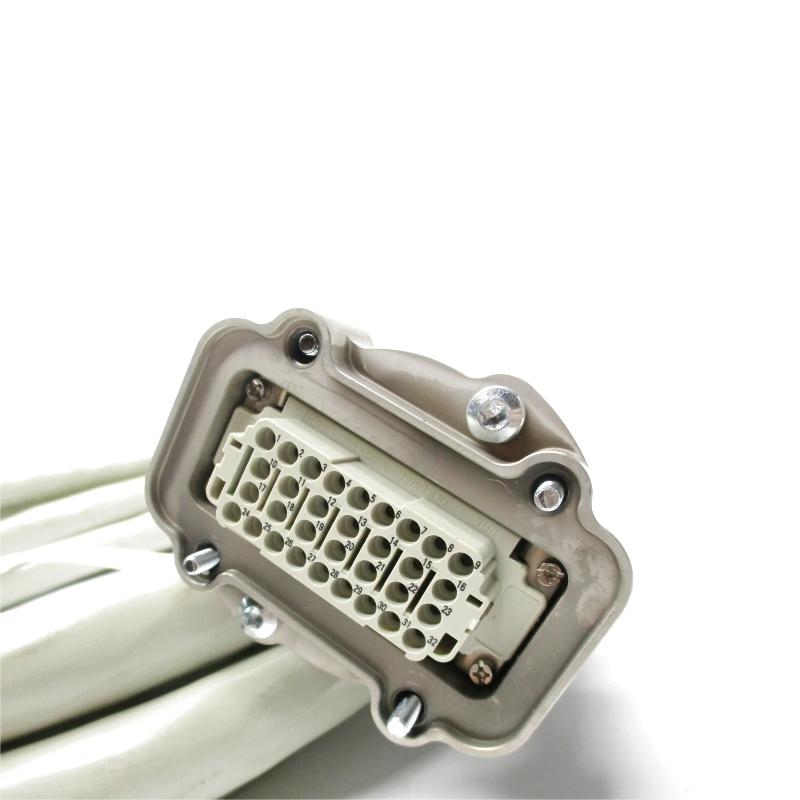
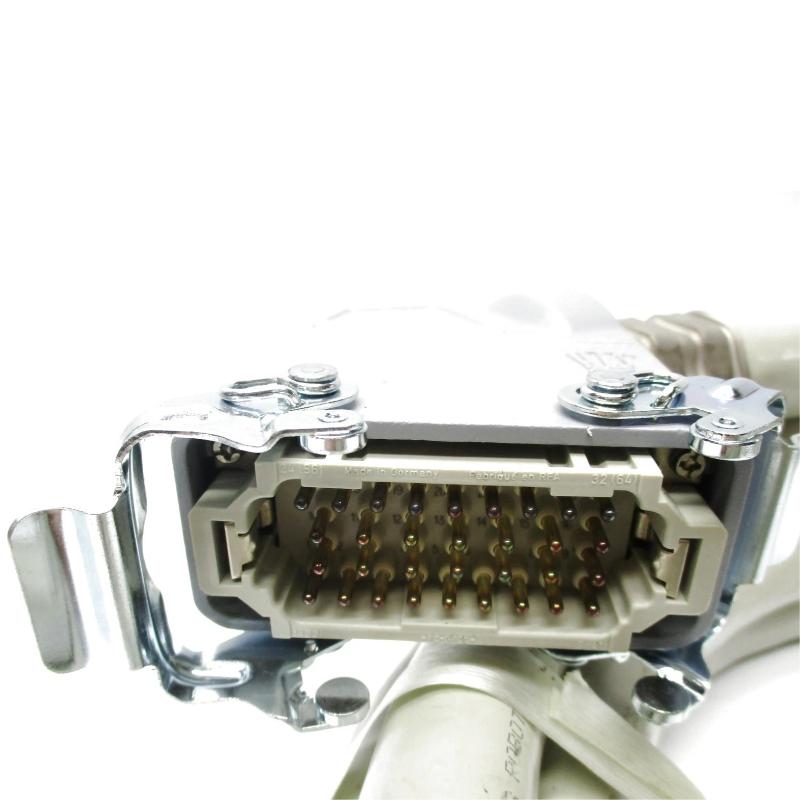
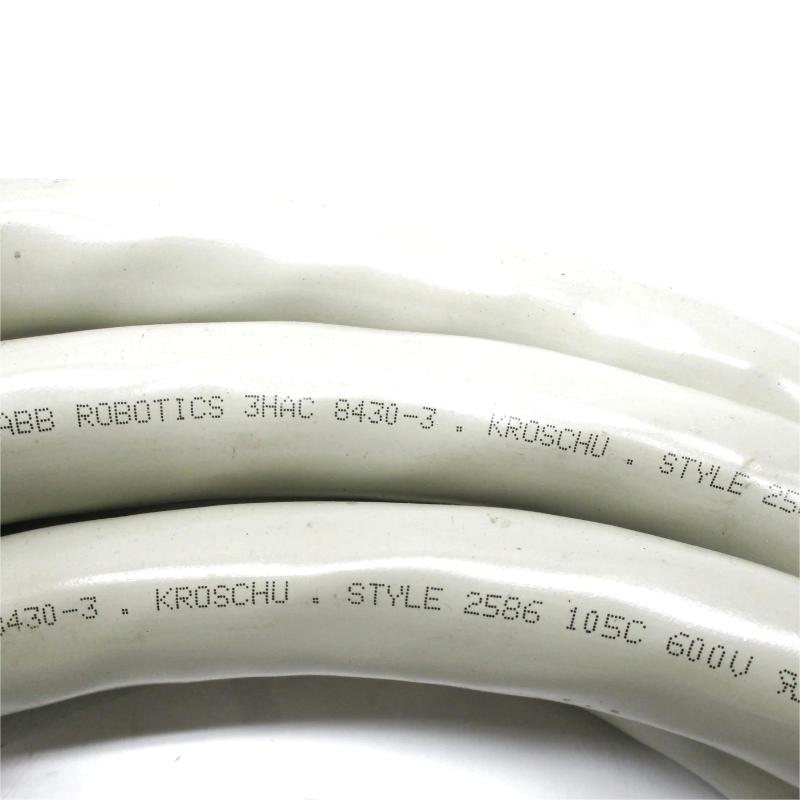
- ABB
- 3HAC11818-1
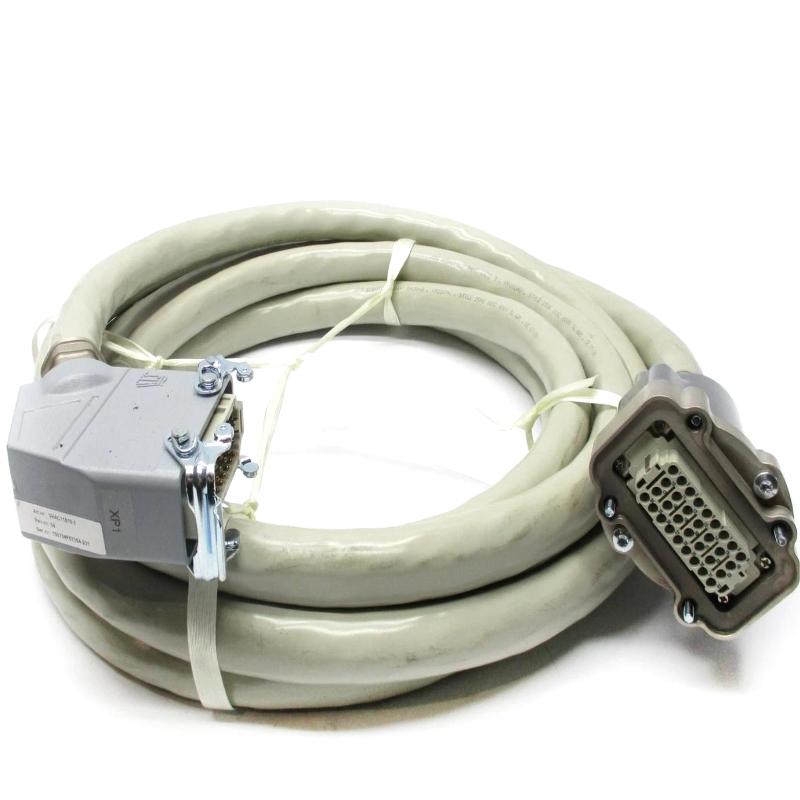
- Robot Power Cable
- Sweden (SE)
- 7 meters
- 3 kg
- Xiamen, China
- New & In Stock
- T/T, PayPal, Western Union
- 1 Year
- 1-3 Working Days
- DHL, UPS, TNT, FedEx and EMS.
- 24-Hour Service
- COO
- 3
Our advantage

Global Logistics
We have a 10-year logistics and express cooperation agreement, so our products can be shipped to any place in the world.

Brand new and original
Our products are imported in bulk from the place of origin. Because of the cooperative relationship, our products are all original and 100% new.

24-hour service
We provide 7*24 hours service to our customers. We will be there whenever you need us.

Price advantage
All our products are priced very favorably because we have our own warehouse and supply.
| Company Information | |||
| [email protected] | |||
| Mobile | +8615980777398 | ||
| +8615980777398 | |||
| 15980777398 |
Product Overview
The ABB 3HAC11818-1 is a robot power cable used to carry electrical power between compatible equipment within an ABB industrial robot installation. It forms part of the power connection infrastructure that links the robot-side equipment with the associated controller or power interface.
In a robotic cell, the power cable must accommodate the physical separation between the controller cabinet and the robot while remaining properly routed through the installation. A suitable cable assembly allows the robot’s electrical power connection to be maintained without placing unnecessary mechanical stress on connectors or cable conductors.
The cable is a passive connection component rather than an active control device. It does not execute robot programs, regulate motor operation, or process feedback signals. Those functions are handled by the robot controller and associated drive and control electronics.
For replacement work, the 3HAC11818-1 should be evaluated as part of the complete robot power path. Connector arrangement, cable routing, mechanical protection, and compatibility with the installed robot and controller configuration should all be confirmed before installation.
Technical Specifications
| Parameter | Specification |
|---|---|
| Manufacturer | ABB |
| Model | 3HAC11818-1 |
| Product Family | ABB Industrial Robot System |
| Product Type | Robot Power Cable |
| Primary Function | Electrical power connection |
| System Role | Robot power interconnection |
| Typical Application | ABB industrial robot installations |
| Cable Length | 7 meters |
| Shipping Weight | 3 kg |
Product Features
- Robot power cable for compatible ABB industrial robot installations
- Provides an electrical power connection between associated robot-system components
- 7-meter cable configuration for extended installation routing
- Suitable for robot cells where the controller and robot are physically separated
- Supports cabinet-to-robot power connection arrangements
- Passive cable assembly with no independent control processing
- Useful for robot installation, maintenance, and replacement
- Requires verification of connector and system compatibility before installation
Working Principle
The 3HAC11818-1 carries electrical power from the corresponding robot-system power source to the connected robot equipment. The cable maintains the conductive path required for the robot power circuit while allowing the connected equipment to be positioned at the required location within the cell.
Robot Controller / Power Interface → 3HAC11818-1 Robot Power Cable → Robot Power Circuit
The cable itself does not control robot-axis movement. Power delivered through the cable enables the robot’s drive and control electronics to operate, while the robot controller determines motion commands and the associated drive system manages motor operation.
Because the cable is part of the power circuit, conductor continuity, connector condition, insulation integrity, and mechanical routing can directly affect robot operation. A loose connection or damaged cable can result in loss of power, intermittent operation, or an inability to enable the robot system.
Role in an ABB Industrial Robot Power Architecture
The 3HAC11818-1 occupies the power-interconnection layer between the ABB controller-side power infrastructure and the robot-side electrical system.
ABB Robot Controller / Power Interface → 3HAC11818-1 → Robot Power Connection → Drive System → Robot Motors
| System Element | Function |
|---|---|
| ABB Robot Controller | Executes robot programs and system control functions |
| Power Interface | Supplies electrical power to the robot system |
| 3HAC11818-1 | Carries electrical power to the connected robot |
| Robot Power Connection | Distributes supplied power within the robot system |
| Drive System | Controls robot-axis motor operation |
| Robot Motors | Generate the mechanical axis movement |
| Robot Manipulator | Performs the programmed physical operation |
| Protective Devices | Protect the applicable electrical power circuits |
The cable therefore supports the physical power path while the controller and drive electronics remain responsible for robot control and motion.
Industrial Applications
| Application | Typical Use |
|---|---|
| Robotic Welding Cells | Power connection between robot and controller system |
| Material Handling Robots | Robot power routing within automated cells |
| Assembly Robots | Electrical power connection for robot operation |
| Machine Tending | Power connection across robot-cell layouts |
| Palletizing Systems | Robot power routing in production environments |
| Automotive Manufacturing | Controller-to-robot electrical interconnection |
| General Industrial Robotics | Replacement and installation of robot power cables |
Installation and Maintenance
- Verify that the 3HAC11818-1 matches the intended ABB robot and power-system configuration.
- Identify both cable endpoints before disconnecting an existing power cable.
- Isolate the applicable electrical power circuit before installation or replacement.
- Inspect the cable jacket and connectors for visible damage, deformation, or contamination.
- Check the connector arrangement against the approved robot-system wiring documentation.
- Route the cable away from sharp edges, crushing points, and avoidable sources of heat.
- Prevent excessive bending, twisting, pulling, or repeated mechanical loading of the cable.
- Ensure that the cable routing does not interfere with robot movement or create a trip or abrasion hazard.
- Secure the cable appropriately so that connector terminals are not subjected to continuous mechanical stress.
- Verify both ends are correctly seated before energizing the robot system.
- Check the robot power circuit and controller status after installation.
- After replacement, perform the required robot enable, drive, and operational checks before returning the robot cell to production.
Compatible System Components
| Component | Function |
|---|---|
| ABB Robot Controller | Executes robot control programs and system functions |
| ABB Robot Power Interface | Provides the associated robot power connection |
| Robot Drive System | Controls robot-axis motor operation |
| Robot Motors | Convert electrical power into mechanical movement |
| Robot Manipulator | Performs programmed robot motion |
| Controller Cabinet | Houses robot control and power equipment |
| Protective Electrical Devices | Provides protection for applicable power circuits |
| Robot Cable Routing Hardware | Supports and protects the cable installation |
Recommended Related Models
| Model / Product Family | Product Type | Typical Application |
|---|---|---|
| ABB 3HAC11818-1 | Robot Power Cable | Robot power interconnection |
| ABB S4C Robot Controller | Robot Controller | Industrial robot control |
| ABB S4C+ Robot Controller | Robot Controller | Robot control and programming |
| ABB S4Cplus M2000 | Robot Controller | ABB robot control architecture |
| ABB Robot Power Cable Assemblies | Power Cable Family | Robot electrical power connection |
| ABB Robot Drive Units | Robot Drive Equipment | Robot-axis motor control |
| ABB Robot Motors | Servo Motor | Robot-axis movement |
| ABB TPU | Teach Pendant | Robot operation and programming |
Key Advantages
- Provides a dedicated power connection for compatible ABB robot installations.
- Supports controller-to-robot power routing across separated equipment locations.
- 7-meter cable configuration accommodates extended robot-cell layouts.
- Maintains the electrical power path without introducing additional active electronics.
- Suitable for robot installation, maintenance, and cable replacement work.
- Supports the physical power infrastructure required for robot drive operation.
Technical FAQs
What should be matched when selecting a replacement for the 3HAC11818-1?
The robot model, controller configuration, connector arrangement, and power-circuit requirements should be checked together. Matching only the cable length is not sufficient to establish compatibility.
How can a power cable fault affect robot operation?
A damaged conductor, loose connector, insulation problem, or intermittent connection can interrupt the robot power path. Depending on the fault location, the robot may fail to enable, shut down unexpectedly, or exhibit intermittent power-related behavior.
Why is cable routing important for a robot power cable?
Robot cells contain moving equipment, mechanical structures, and other potential sources of abrasion or crushing. Proper routing prevents the cable from interfering with robot movement and reduces repeated mechanical loading on the cable and connectors.
What should be tested after replacing the robot power cable?
Verify the cable connections and power circuit first, then check controller status and robot enable conditions. The relevant drive and robot operating functions should be tested under controlled conditions before the cell is returned to production.