
NewsNEWCENTER
Featured products
Contact Us
Industrial Automation Sees Surge in AI-Driven Smart Factories Worldwide in 2026
2026-06-11Industrial automation is undergoing a significant transformation in 2026, as smart factories powered by AI and advanced control systems reshape manufacturing processes. From PLC-controlled production lines to DCS-managed chemical plants, automation technologies are enabling higher productivity, lower operational costs, and improved safety standards.
AI-driven automation solutions now allow predictive maintenance, real-time production optimization, and autonomous decision-making, drastically reducing human intervention. Manufacturing sectors including automotive, electronics, and food & beverage are witnessing unprecedented levels of efficiency.
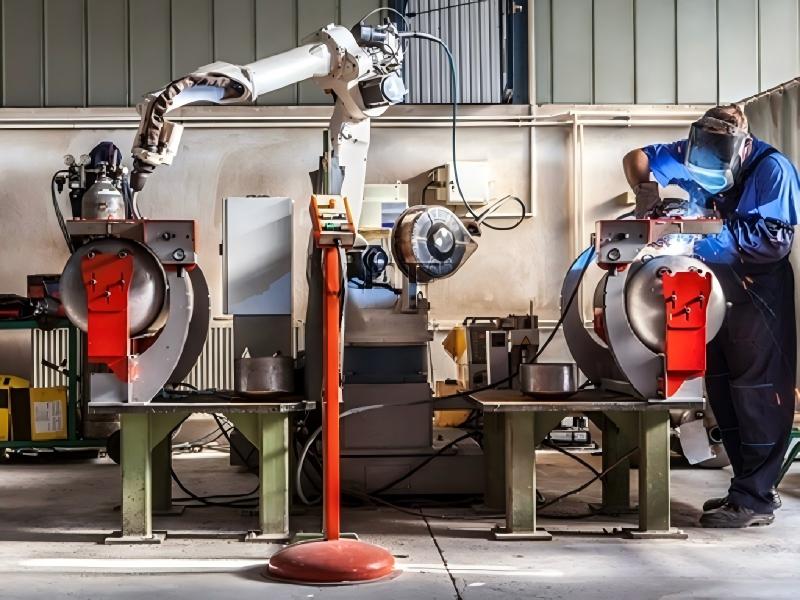
Key Developments in Smart Factories
- AI and Machine Learning: Predictive algorithms detect potential failures before they occur, minimizing downtime.
- Digital Twins: Virtual replicas of production systems allow engineers to simulate processes and optimize parameters without disrupting operations.
- Connected Devices: Industrial IoT sensors provide continuous data streams, feeding both PLC and DCS systems for dynamic control.
- Sustainability: Automation helps monitor energy usage, reduce waste, and comply with environmental standards.
Global Adoption Trends
Asia-Pacific and North America are leading regions in smart factory adoption, investing heavily in Industry 4.0 technologies. European manufacturers focus on sustainable automation, integrating renewable energy management with industrial processes. Mid-sized enterprises are increasingly adopting hybrid systems combining PLC and DCS platforms to maximize flexibility and scalability.
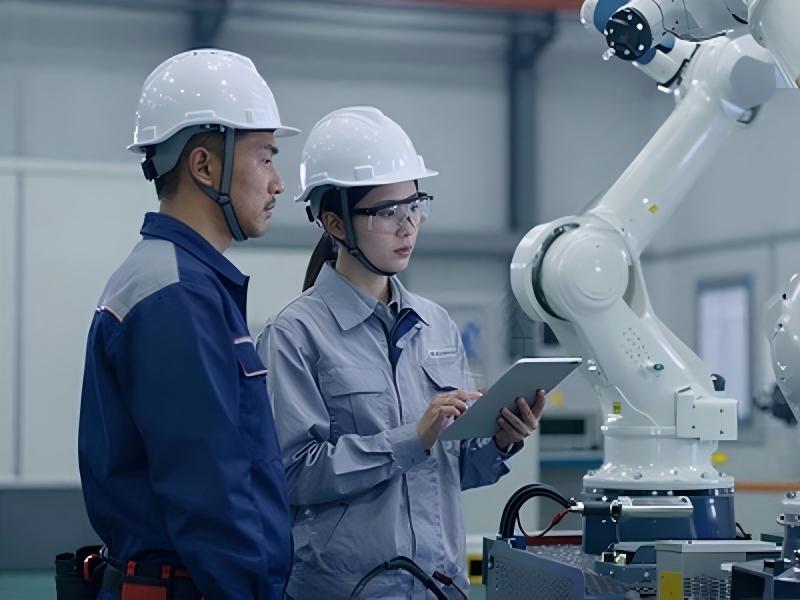
Benefits for Industries
- Automotive: Optimized assembly lines reduce defects and accelerate production.
- Electronics: Precision control in PCB manufacturing ensures consistent quality.
- Food & Beverage: Automated batch control and packaging systems maintain hygiene and traceability.
Future Outlook
The integration of AI, robotics, and cloud-enabled automation will continue to redefine the manufacturing landscape. Industrial leaders are investing in training and cybersecurity to ensure smooth implementation and resilience against operational risks.
Conclusion
Smart factories represent the future of industrial automation, combining PLC, DCS, and AI-driven technologies. As these systems become more interconnected and intelligent, industries worldwide are poised to achieve higher efficiency, lower costs, and sustainable growth.