

ProductPRODUCT
Featured products
Contact Us
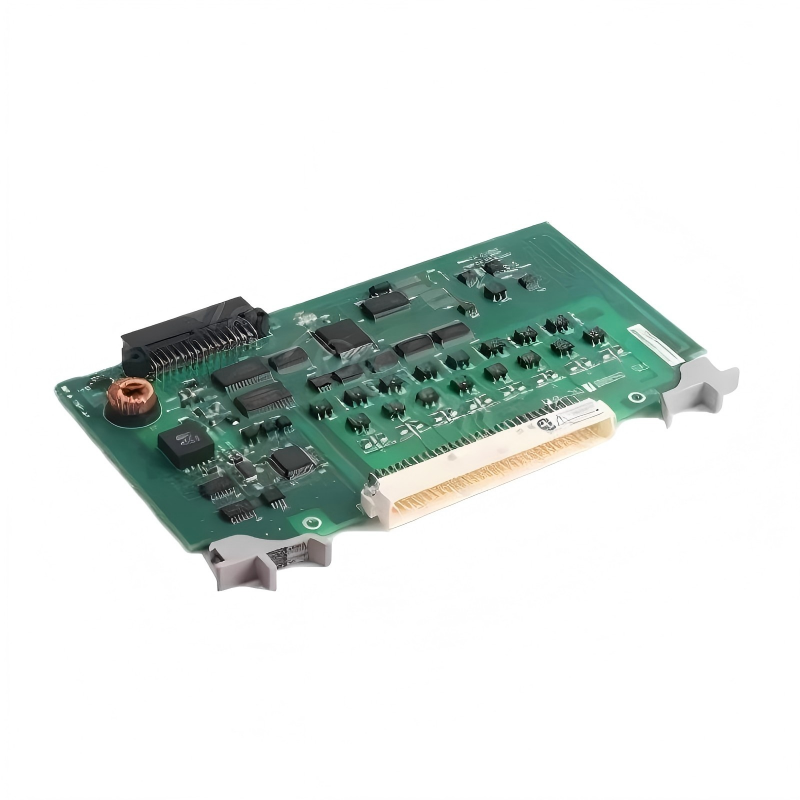
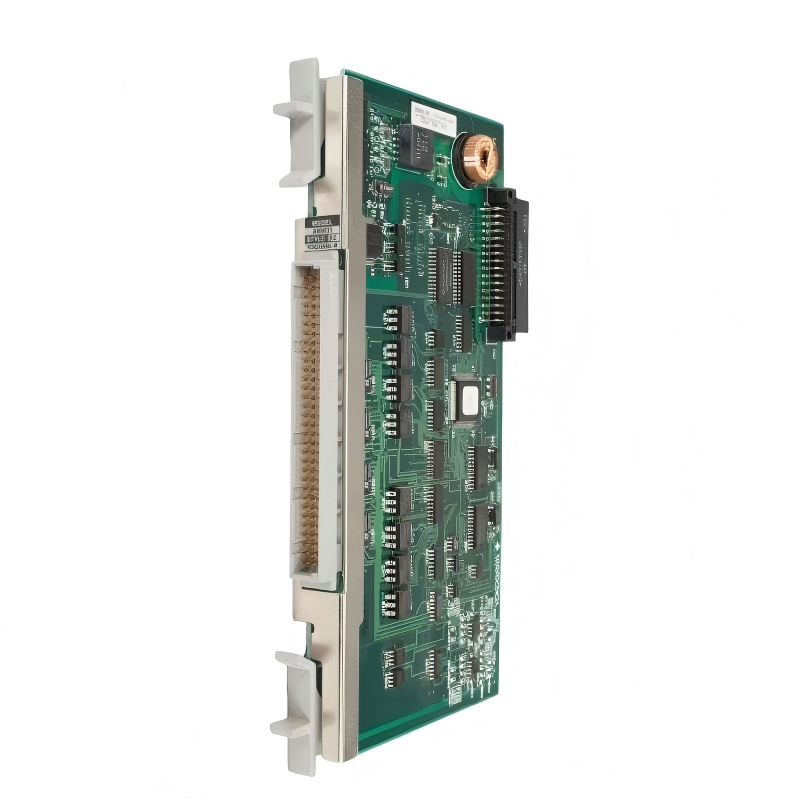
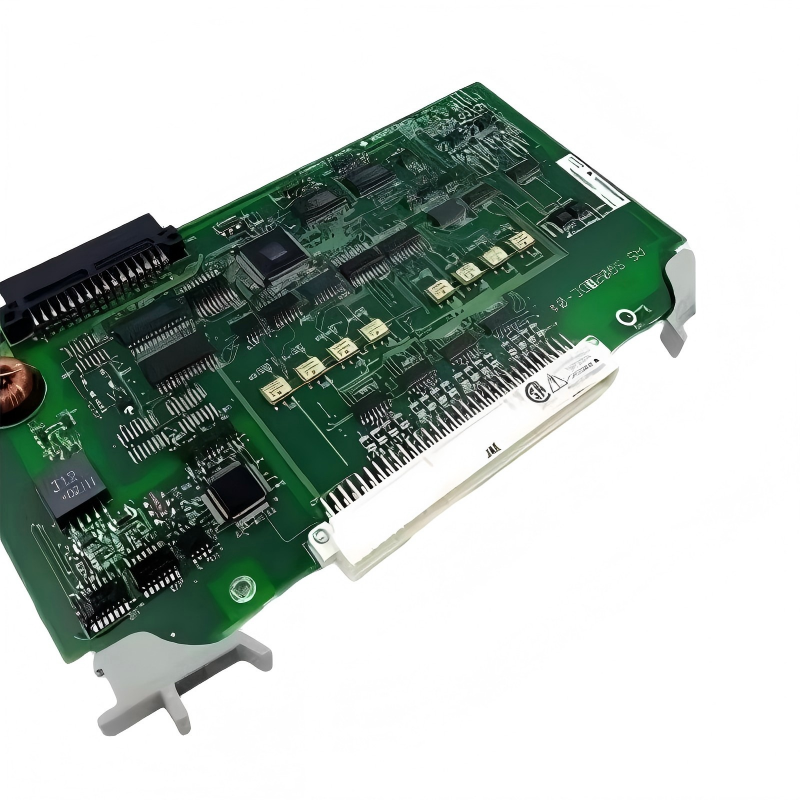
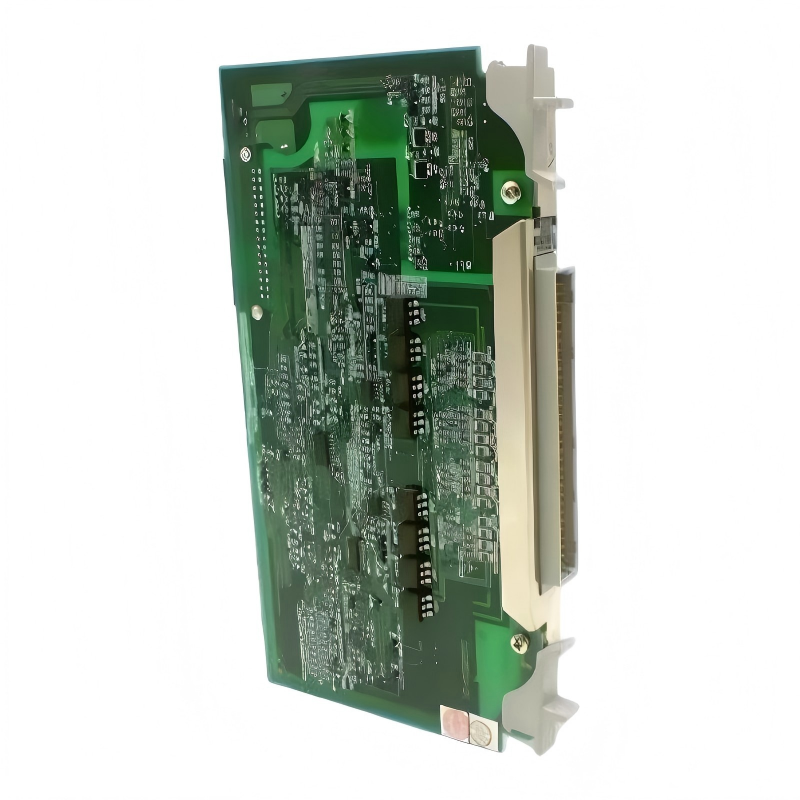
- Yokogawa
- AMM31
- Analog Module
- Japan
- 140 x 100 x 30 mm
- 0.159 kg
- Xiamen, China
- New & In Stock
- T/T, PayPal, Western Union
- 1 Year
- 1-3 Working Days
- DHL, UPS, TNT, FedEx and EMS.
- 24-Hour Service
- COO
- 191
Our advantage

Global Logistics
We have a 10-year logistics and express cooperation agreement, so our products can be shipped to any place in the world.

Brand new and original
Our products are imported in bulk from the place of origin. Because of the cooperative relationship, our products are all original and 100% new.

24-hour service
We provide 7*24 hours service to our customers. We will be there whenever you need us.

Price advantage
All our products are priced very favorably because we have our own warehouse and supply.
| Company Information | |||
| [email protected] | |||
| Mobile | +8615980777398 | ||
| +8615980777398 | |||
| 15980777398 |
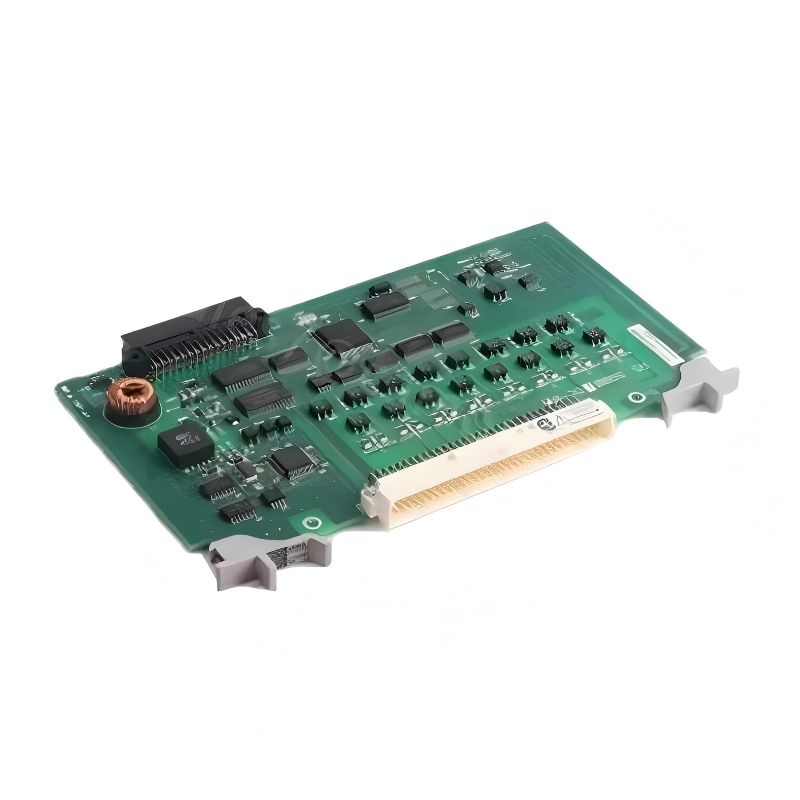
Product Overview
The Yokogawa AMM31 Analog Module is designed to handle analog signal processing in Yokogawa automation systems. With compact dimensions of 140 x 100 x 30 mm and a lightweight of 0.159 kg, this module is an essential component for managing analog inputs and outputs within industrial control systems. It is suitable for a wide range of applications requiring high-accuracy analog data processing, such as temperature, pressure, flow, and other process parameters commonly found in industrial environments.
Technical Specifications
| Parameter | Details |
|---|---|
| Manufacturer | Yokogawa |
| Model | AMM31 |
| Product Type | Analog Module |
| Dimensions | 140 x 100 x 30 mm |
| Shipping Weight | 0.159 kg |
| Signal Type | Analog (Voltage/Current) |
| Application | Industrial automation, data acquisition, process control |
| Compatibility | Yokogawa automation systems and I/O devices |
Function and Working Principle
The Yokogawa AMM31 Analog Module is designed to handle analog signal conversion and processing within control systems. Here’s how it works:
- Analog Signal Processing: The AMM31 module processes analog signals from field devices, such as sensors or actuators, converting these signals to a format that can be understood and processed by the central control system.
- Signal Conditioning: The module conditions incoming analog signals, which may include filtering, amplification, or scaling, to ensure the signals are within the required range for proper processing.
- Signal Conversion: It converts analog input signals, such as voltage or current from sensors, into a digital format that can be read by the control system, providing accurate and real-time data for system monitoring and control.
- Output Signals: The module can also generate analog output signals to control devices or systems that require a physical output based on the processed input data.
Role in Industrial Systems
The Yokogawa AMM31 Analog Module plays an important role in industrial automation by bridging the gap between real-world analog signals and the control system’s digital processes. It serves several key functions:
- Signal Conversion: The module converts real-world analog signals (e.g., temperature, pressure) into a format that can be processed by digital control systems, making it possible to integrate analog devices into modern automated systems.
- Data Acquisition: It allows for the acquisition of data from a wide variety of field devices, ensuring accurate and reliable signal transmission from sensors to the control system.
- Control System Integration: The AMM31 enables easy integration of analog field devices into Yokogawa‘s control systems, enhancing system flexibility and performance.
- Real-Time Monitoring and Control: By processing analog signals in real-time, the AMM31 ensures continuous system monitoring and control, which is essential for maintaining consistent process operations.
Industrial Applications
The Yokogawa AMM31 Analog Module is widely used in various industrial applications where analog signals must be accurately processed and integrated into control systems:
- Automation Systems: It is used in Yokogawa automation systems to interface with field devices such as temperature, pressure, and flow sensors, ensuring seamless data integration and system control.
- SCADA Systems: The AMM31 supports SCADA systems by processing analog input signals from various sensors and devices, making real-time monitoring and control more efficient.
- Manufacturing Plants: In manufacturing environments, the module is used to gather data from production equipment and sensors, helping operators monitor system performance and adjust parameters accordingly.
- Power Generation: The AMM31 is useful for processing signals from power generation equipment such as turbines, generators, and transformers, ensuring stable and efficient operations.
- Environmental Monitoring: The module is applied in environmental systems to process signals from environmental sensors, helping track parameters like air quality, water quality, and environmental conditions.
Installation and System Integration
The Yokogawa AMM31 Analog Module is designed for easy installation and integration into Yokogawa automation systems:
- Mounting: The compact design of 140 x 100 x 30 mm makes it ideal for installation in control panels or equipment racks with limited space.
- Wiring and Signal Connections: Analog signals from field devices are routed to the AMM31, where they are processed and converted for use by the central control system.
- System Configuration: The module can be configured through Yokogawa software tools to process a variety of analog signals, and it is compatible with other Yokogawa I/O devices for seamless integration.
- Maintenance and Troubleshooting: The AMM31’s design ensures easy access for maintenance, troubleshooting, or system upgrades, minimizing downtime and improving system reliability.
Compatible System Components
The Yokogawa AMM31 Analog Module is compatible with a range of Yokogawa components, enabling smooth integration into larger automation systems:
- Yokogawa Controllers: The AMM31 module works with Yokogawa controllers, transmitting analog data for processing and control within automation systems.
- I/O Modules: The module integrates with Yokogawa I/O modules, allowing seamless data communication between analog field devices and the central system.
- SCADA Systems: The AMM31 supports SCADA systems by providing real-time analog signal processing for data collection and system monitoring.
- Field Devices: The module interfaces with a variety of field devices, including sensors for temperature, pressure, humidity, and flow measurement.
Recommended Alternative Models
| Model | Type | Key Feature | Application |
|---|---|---|---|
| Yokogawa AMM32 | Analog Module | Enhanced signal conditioning capabilities | Suitable for applications requiring high precision |
| Yokogawa AMM33 | Analog Module | High-speed analog-to-digital conversion | Ideal for real-time data acquisition and control |
Key Advantages
- Compact Size: The Yokogawa AMM31 offers a compact design (140 x 100 x 30 mm), making it easy to install in control systems with limited space.
- Cost-Effective Signal Processing: By processing analog signals and converting them into a format suitable for digital control systems, the AMM31 eliminates the need for multiple processing units, reducing system complexity and cost.
- Real-Time Signal Processing: The module allows for real-time processing of analog signals, providing timely data for monitoring and control of industrial processes.
- Easy Integration: Designed for compatibility with Yokogawa automation systems, the AMM31 simplifies system setup and ensures efficient data flow between devices and controllers.
- Versatile Applications: The module can handle a wide range of analog signals, making it ideal for a variety of applications in manufacturing, power generation, and environmental monitoring.
Technical FAQs
What types of signals does the AMM31 process?
The Yokogawa AMM31 processes analog signals, including voltage and current signals, from a variety of field devices such as sensors and actuators.
What is the size of the AMM31 module?
The AMM31 has dimensions of 140 x 100 x 30 mm, making it compact and easy to integrate into control systems with limited space.
How does the AMM31 benefit industrial automation systems?
The AMM31 simplifies signal processing by converting analog signals into a format suitable for digital control systems, enabling seamless integration with Yokogawa automation systems.
Conclusion
The Yokogawa AMM31 Analog Module is a reliable solution for processing analog signals in industrial automation systems. With its compact size, versatile signal processing capabilities, and easy integration with Yokogawa control systems, it plays a crucial role in ensuring accurate and real-time data acquisition. Whether used in SCADA systems, manufacturing, power generation, or environmental monitoring, the AMM31 helps optimize performance, reduce system complexity, and improve operational efficiency.