Product Overview
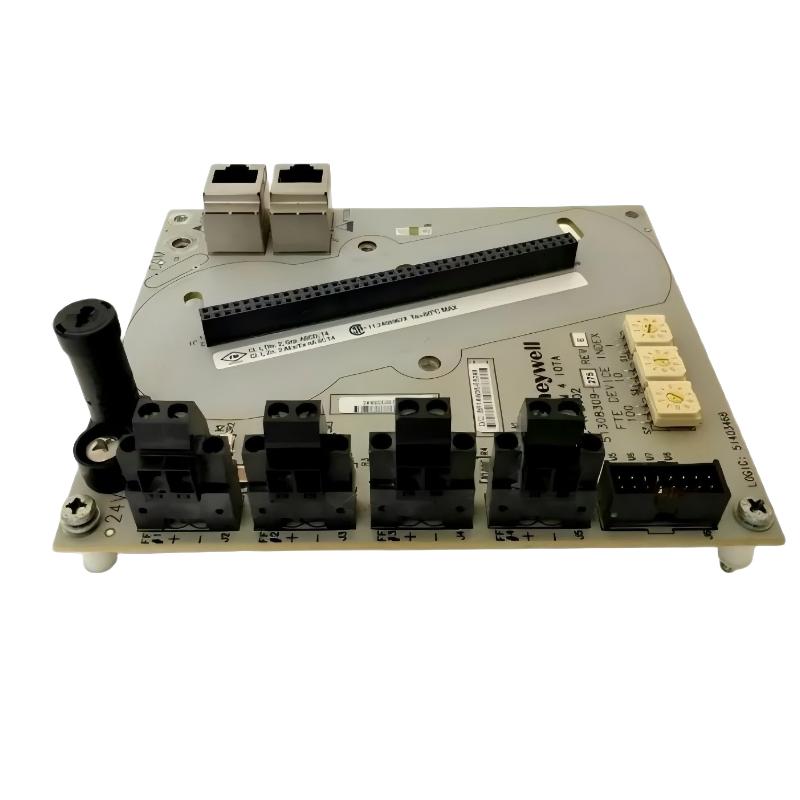
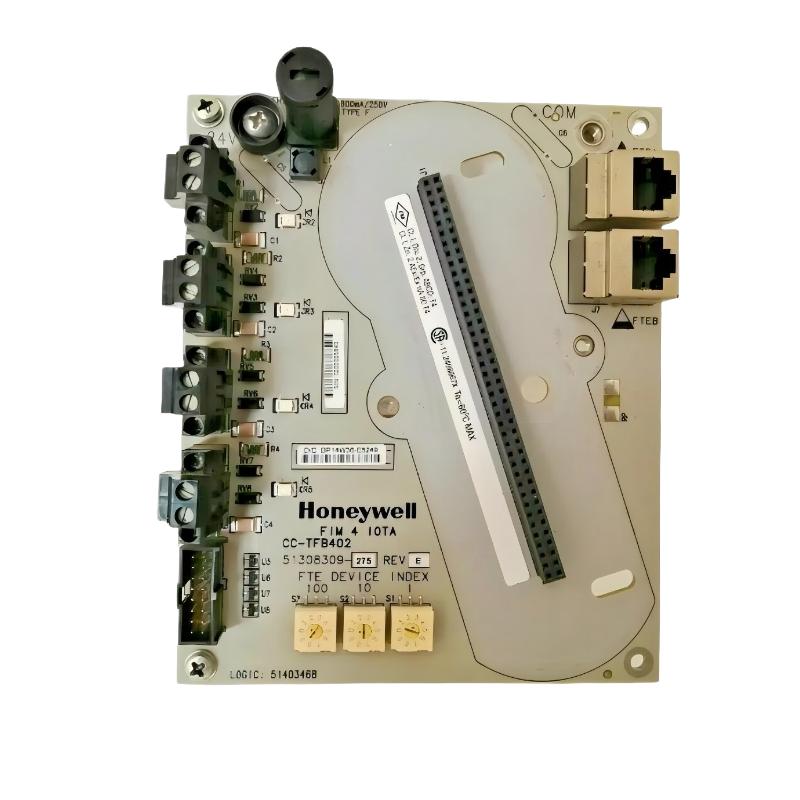
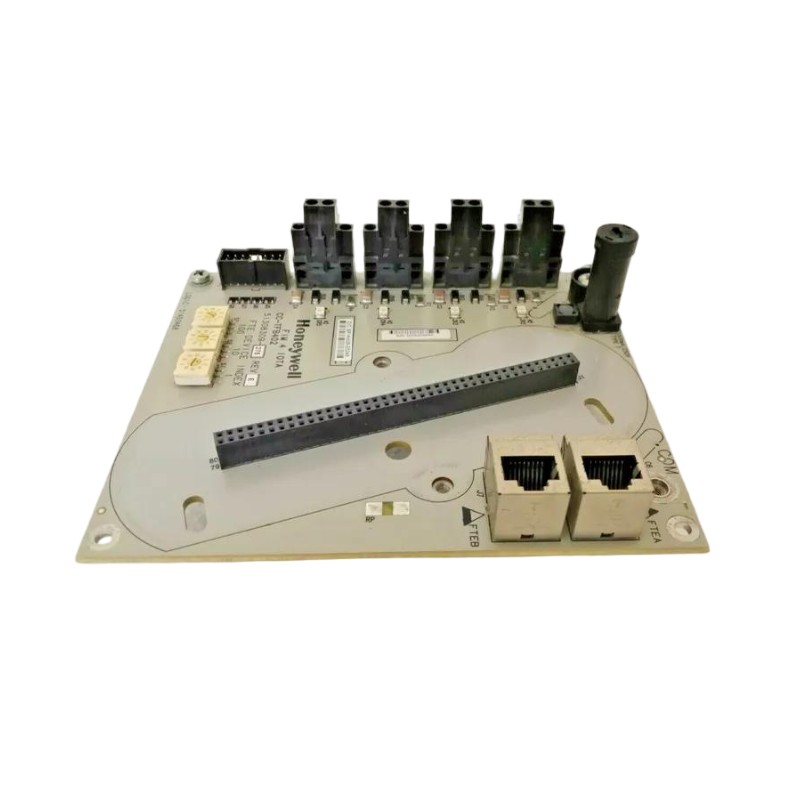
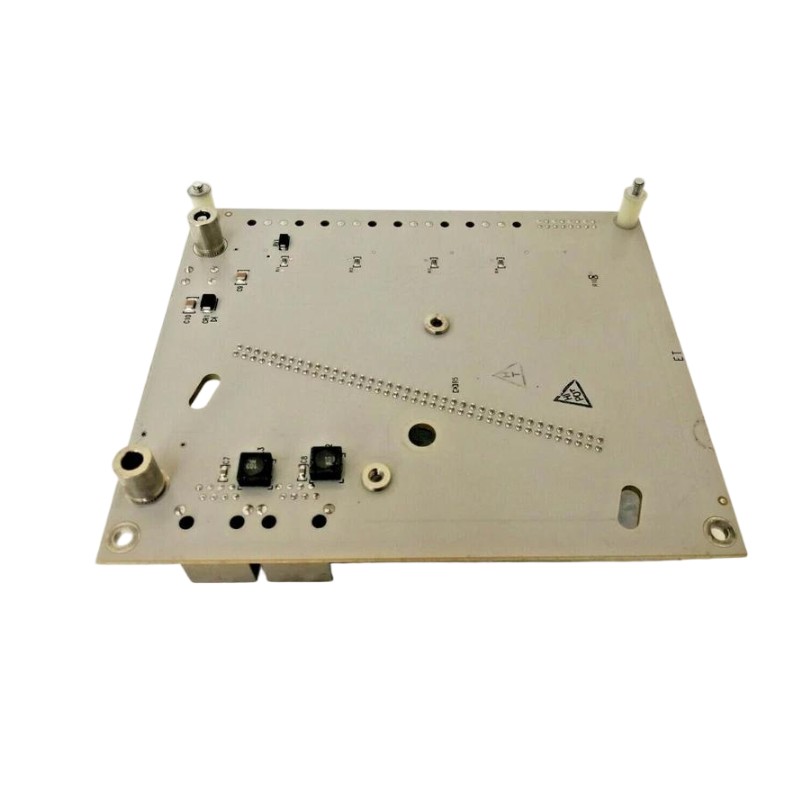
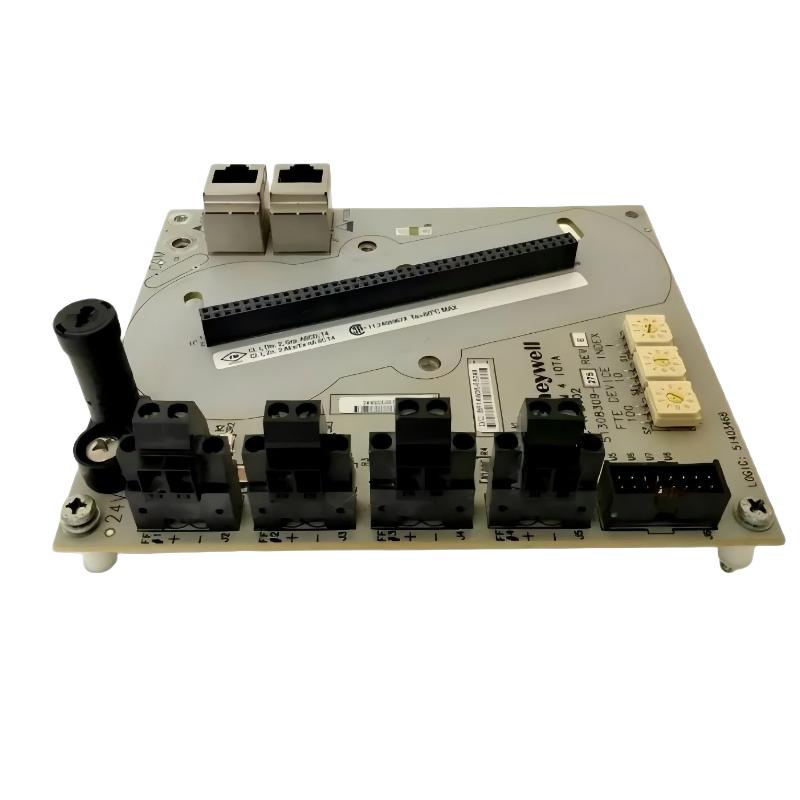
The Honeywell CC-TFB402 Control Circuit Board is an industrial electronic control module used within Honeywell automation systems to support signal processing, control logic handling, and internal circuit coordination between system components.
It is designed for integration into control cabinets and modular automation architectures where stable electronic control and signal routing are required.
Technical Specifications
| Parameter |
Details |
| Manufacturer |
Honeywell |
| Model |
CC-TFB402 |
| Product Type |
Control Circuit Board |
| Function |
Signal processing and control circuit management |
| Dimensions |
120 × 100 × 30 mm |
| Weight |
0.25 kg |
| System Role |
Internal control and signal coordination board |
| Compatibility |
Honeywell control systems |
| Installation |
Control cabinets, system racks |
| Application |
Industrial automation and process control |
| Environment |
Industrial-grade environments |
| Signal Type |
Control logic and internal system signals |
Function and Working Principle
The CC-TFB402 control circuit board is responsible for internal system coordination:
- Processes internal control signals within automation systems
- Routes signals between system modules and functional blocks
- Supports control logic execution at hardware level
- Ensures stable communication between internal circuits
- Maintains signal integrity in industrial environments
It functions as a core electronic control element within Honeywell systems.
Role in Industrial Control Systems
The CC-TFB402 plays an important supporting role in system operation:
- Enables internal signal routing and processing
- Supports modular system architecture
- Enhances stability of control logic execution
- Integrates multiple system functions into a unified platform
- Improves reliability of control signal distribution
It is typically used as part of larger control assemblies.
Industrial Applications
The Honeywell CC-TFB402 is commonly used in:
- Distributed Control Systems (DCS)
- PLC-based automation systems
- Industrial process control systems
- Oil and gas facilities
- Petrochemical plants
- Power generation systems
- Manufacturing automation environments
It is suitable for applications requiring stable internal control logic handling.
Installation and System Integration
Proper installation ensures reliable operation:
- Installed inside control cabinets or electronic racks
- Connected to system backplanes or control modules
- Integrated with I/O and processor systems
- Configured as part of system architecture design
- Tested for signal continuity and stability
Correct installation ensures long-term reliability.
Compatible System Components
The CC-TFB402 typically works with:
- Honeywell control processors
- I/O modules and interface units
- Communication modules
- Power supply systems
- System backplanes and chassis
- Field control devices
It is part of the internal system control structure.
Recommended Alternative Models
| Model |
Type |
Key Feature |
Application |
| CC-PUI03 |
I/O module |
General-purpose I/O |
Flexible control systems |
| CC-TUI031 |
I/O module |
Signal processing |
Process automation |
| Control Processor Modules |
CPU unit |
System control logic |
Core system control |
| Interface Boards |
Circuit board |
Signal routing |
System integration |
| Backplane Control Boards |
Hardware platform |
Module coordination |
Modular systems |
Key Advantages
- Stable internal control signal processing
- Supports modular automation architecture
- Enhances system reliability and coordination
- Compact industrial-grade design
- Easy integration into Honeywell systems
- Suitable for complex control environments
Technical FAQs
What is the main function of CC-TFB402?
It manages internal control signals and supports circuit-level coordination in automation systems.
Is it a field device?
No, it is used inside control systems rather than directly in field applications.
Where is it used?
It is used in industrial control cabinets and automation system assemblies.
Conclusion
The Honeywell CC-TFB402 Control Circuit Board is a key internal system component that supports control signal processing and coordination within industrial automation platforms. It ensures stable operation and reliable communication between system modules.
For engineers and system integrators, it provides essential support for building robust Honeywell-based control system architectures.