

ProductPRODUCT
Featured products
Contact Us
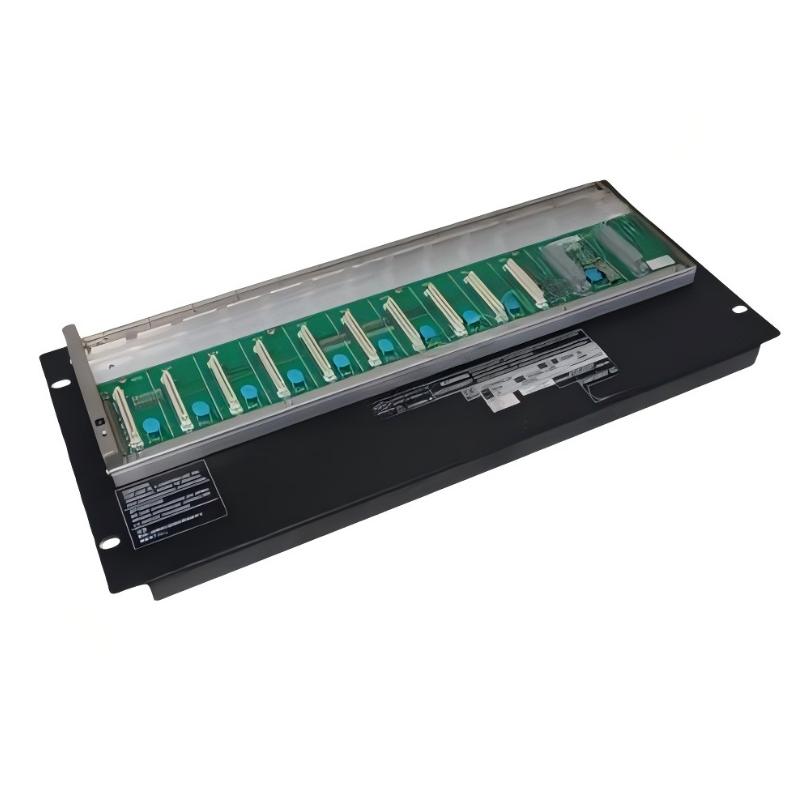
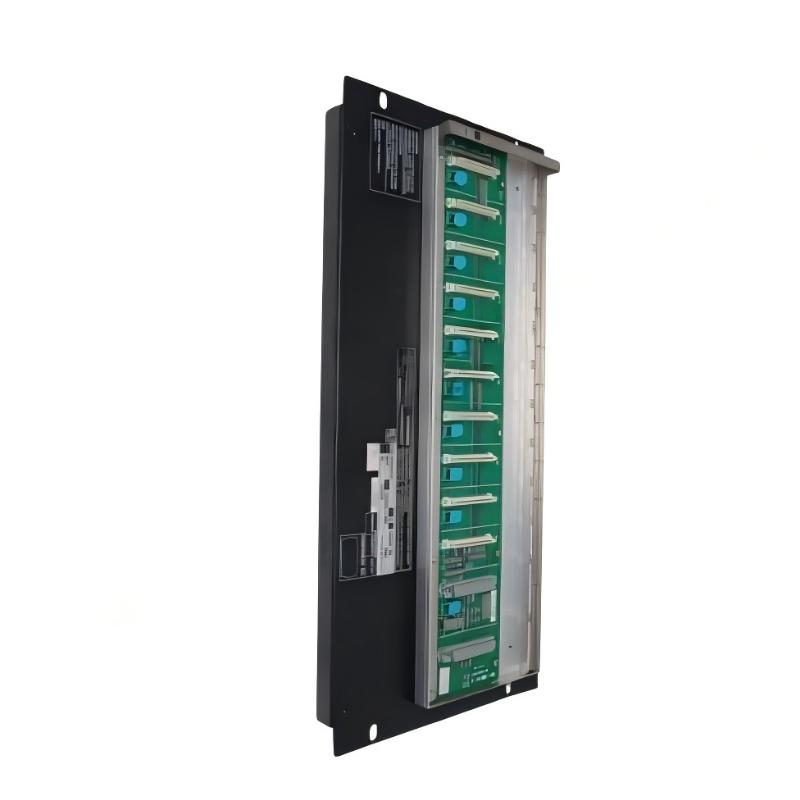
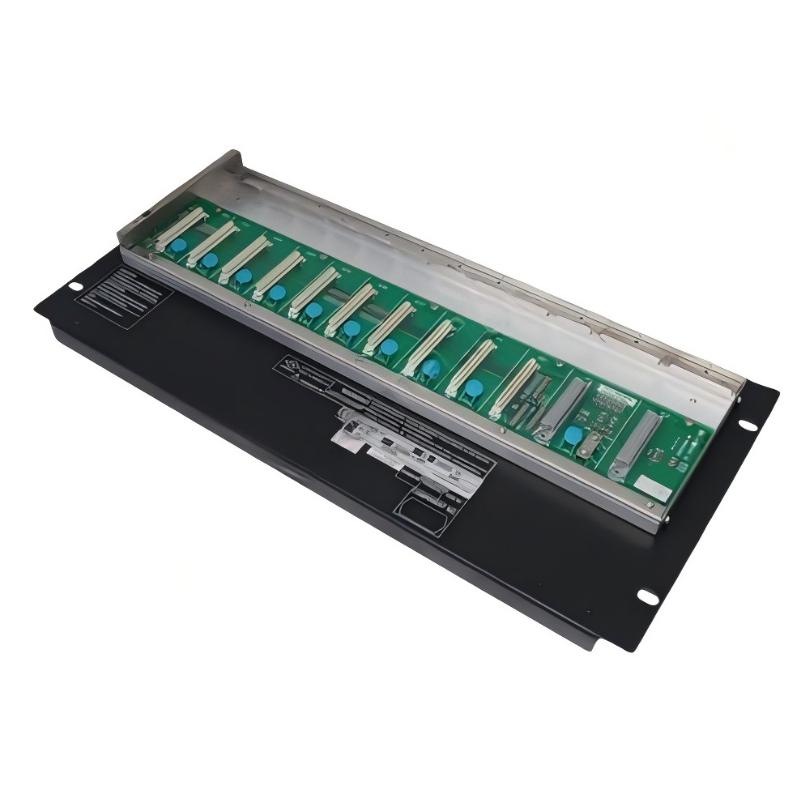
- Yokogawa
- ANB10D-415/CU2T
- ESB Bus Node Unit
- Japan
- 482.6 × 221.5 ×205 mm
- 10 kg
- Xiamen, China
- New & In Stock
- T/T, PayPal, Western Union
- 1 Year
- 1-3 Working Days
- DHL, UPS, TNT, FedEx and EMS.
- 24-Hour Service
- COO
- 179
Our advantage

Global Logistics
We have a 10-year logistics and express cooperation agreement, so our products can be shipped to any place in the world.

Brand new and original
Our products are imported in bulk from the place of origin. Because of the cooperative relationship, our products are all original and 100% new.

24-hour service
We provide 7*24 hours service to our customers. We will be there whenever you need us.

Price advantage
All our products are priced very favorably because we have our own warehouse and supply.
| Company Information | |||
| [email protected] | |||
| Mobile | +8615980777398 | ||
| +8615980777398 | |||
| 15980777398 |
Introduction
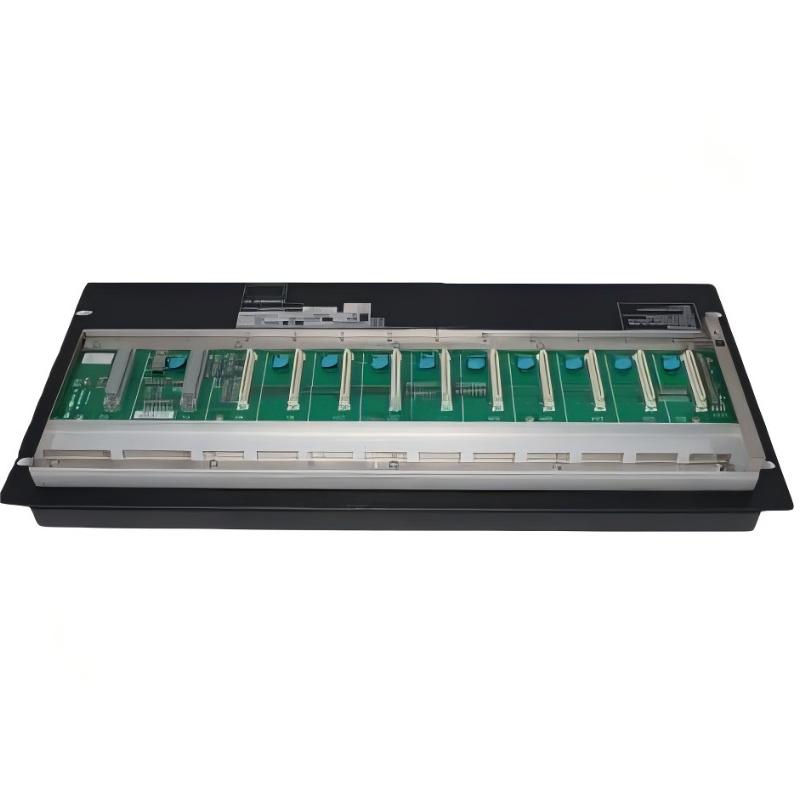
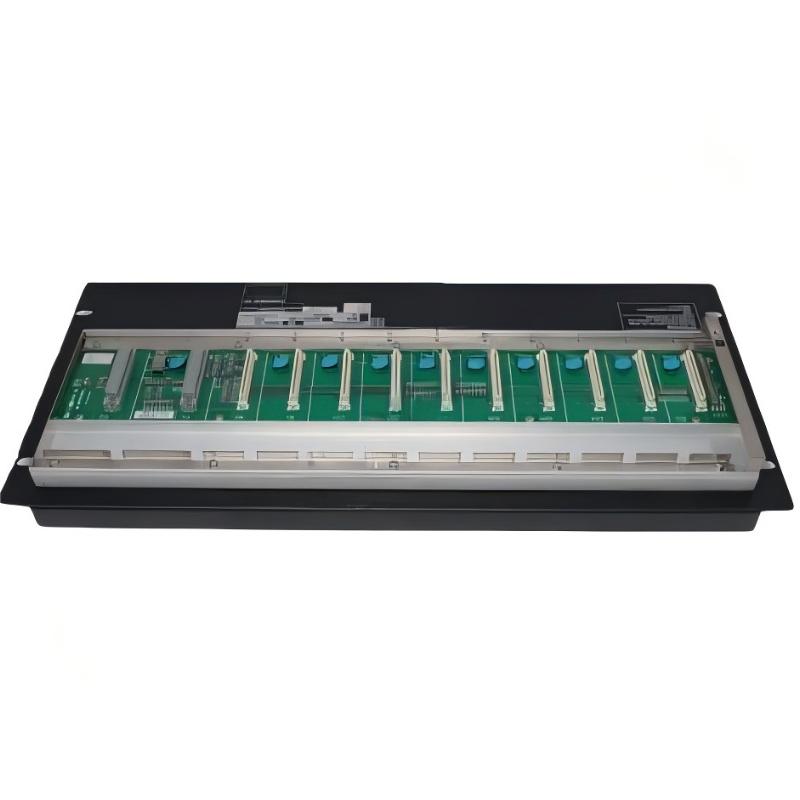
The Yokogawa ANB10D-415/CU2T is a high-performance ESB Bus Node Unit designed for distributed control systems (DCS) in complex industrial automation networks. It functions as a central node, facilitating communication between multiple controllers, I/O modules, and field devices to maintain synchronized operations.
This module is essential for large-scale industrial systems, providing reliable and high-speed network communication. The ANB10D-415/CU2T ensures seamless integration into Yokogawa automation platforms, enabling efficient monitoring, control, and data exchange across all connected devices.
It is widely used in industries such as power generation, chemical processing, oil & gas, and automated manufacturing.
Technical Specifications
| Parameter | Specification |
|---|---|
| Manufacturer | Yokogawa |
| Model | ANB10D-415/CU2T |
| Product Type | ESB Bus Node Unit |
| Function | Central network communication and management |
| System Compatibility | Yokogawa Distributed Control Systems |
| Communication Interface | ESB Bus industrial network |
| Installation Method | Rack or panel-mounted node |
| Industrial Application | Networked control, synchronized operations, process communication |
Applications
The ANB10D-415/CU2T ESB Bus Node Unit ensures reliable and coordinated network communication in industrial automation environments.
Power Generation
Centralizes communication between turbines, generators, and control units to maintain safe and efficient operations.
Oil and Gas Facilities
Supports stable signal exchange between field devices and central controllers for accurate process monitoring.
Chemical Production
Manages real-time data transfer between sensors, actuators, and controllers to ensure operational reliability.
Industrial Automation
Acts as a backbone for automated production systems, enabling smooth coordination of multiple modules and devices.
Process Control Systems
Integrates networked devices into a unified control system for enhanced process efficiency and reliability.
Advantages
Reliable High-Speed Communication
Provides consistent and accurate data transmission across ESB bus networks.
Centralized Network Control
Serves as a hub for managing multiple controllers and I/O modules in complex systems.
Industrial-Grade Durability
Engineered for continuous operation in demanding industrial environments.
Seamless System Integration
Fully compatible with Yokogawa distributed control platforms for smooth automation.
Scalable Network Architecture
Supports modular expansion and addition of more nodes and I/O devices as needed.
Recommended Alternative Models
| Model | Product Type | Application Area | Key Feature |
|---|---|---|---|
| Yokogawa ANB10D-415 | ESB Bus Node Unit | Industrial automation | Centralized network communication |
| Yokogawa ANB10D-420 | ESB Bus Node Unit | Process control | High-speed data transfer |
| Yokogawa AIP171 | V-net Transceiver Control Unit | Network communication | Reliable signal interface |
| Yokogawa ADV551-P60 | Digital Output Module | Equipment control | Precise digital outputs |
| Yokogawa ADV151-P50 | Digital Input Module | Industrial monitoring | Accurate digital input acquisition |
Technical FAQs
What is the function of the Yokogawa ANB10D-415/CU2T module?
It acts as a central communication node for ESB bus networks, enabling fast, reliable, and synchronized data transfer between controllers, I/O modules, and field devices.
Which industries commonly use this module?
Power generation, chemical processing, oil & gas facilities, and industrial automation.
What devices connect to this module?
Controllers, I/O modules, field devices, and networked automation components.
Why is an ESB bus node important in industrial automation?
It ensures synchronized communication, high-speed signal transmission, and reliable operation of large-scale automated systems.