

ProductPRODUCT
Featured products
Contact Us
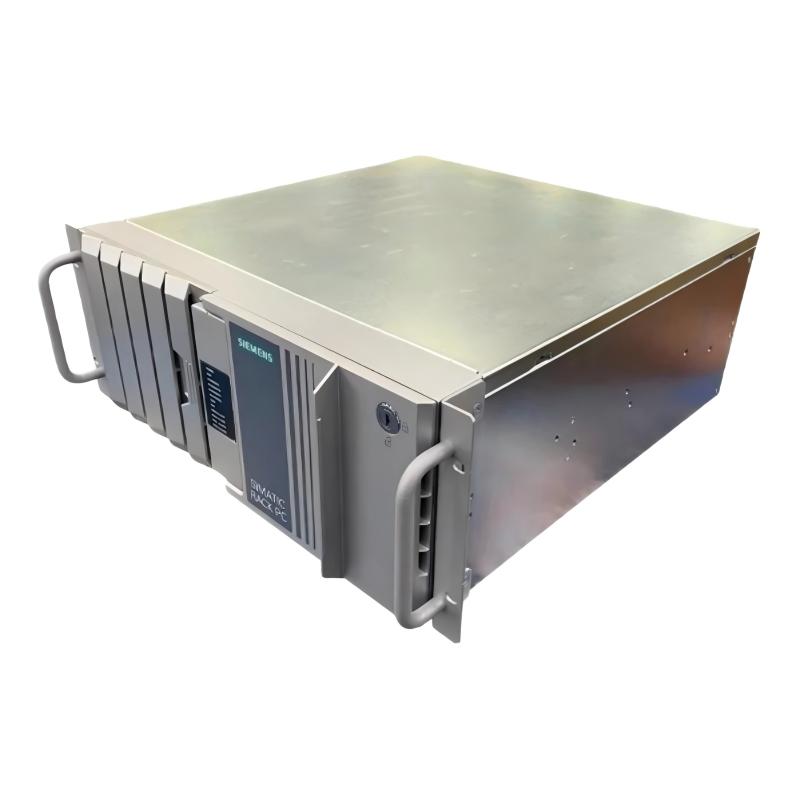
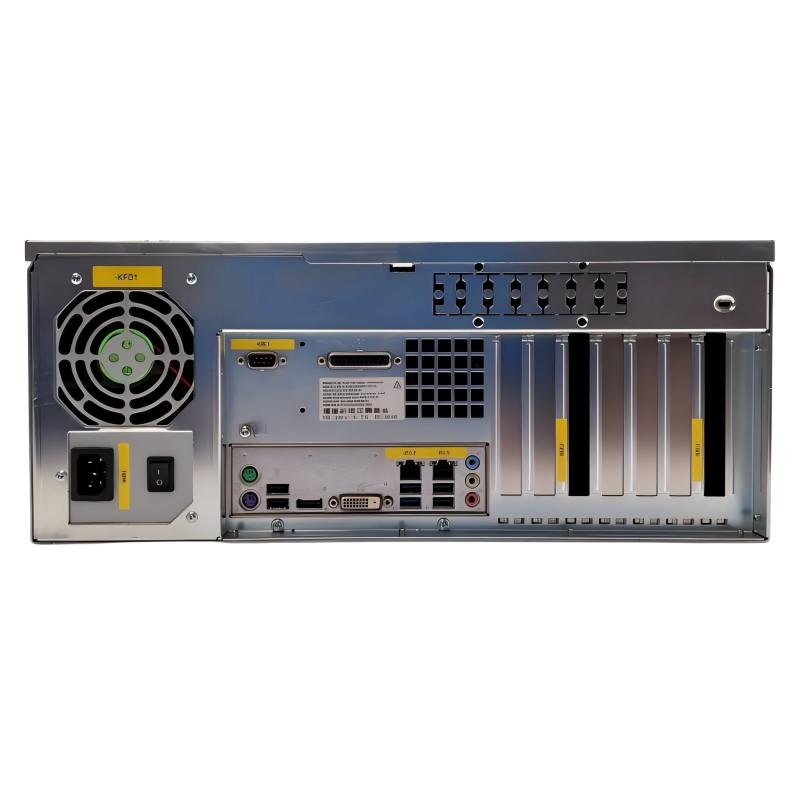
- Siemens
- 6AG4104-4GP22-0BX3
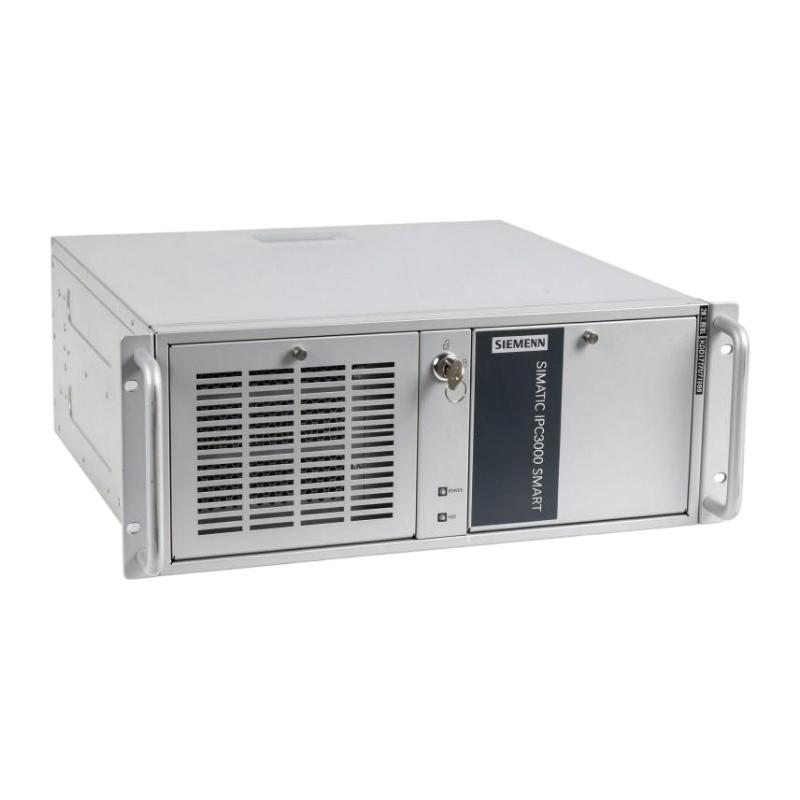
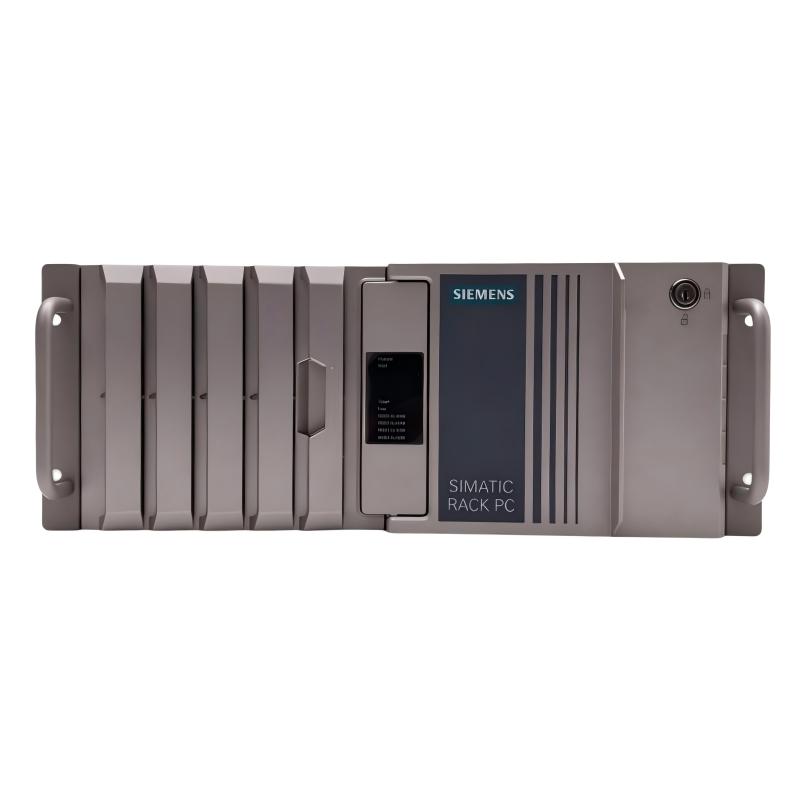
- Rack-Mounted PC
- Germany
- 446 × 430 × 177 mm
- 17 kg
- Xiamen, China
- New & In Stock
- T/T, PayPal, Western Union
- 1 Year
- 1-3 Working Days
- DHL, UPS, TNT, FedEx and EMS.
- 24-Hour Service
- COO
- 7
Our advantage

Global Logistics
We have a 10-year logistics and express cooperation agreement, so our products can be shipped to any place in the world.

Brand new and original
Our products are imported in bulk from the place of origin. Because of the cooperative relationship, our products are all original and 100% new.

24-hour service
We provide 7*24 hours service to our customers. We will be there whenever you need us.

Price advantage
All our products are priced very favorably because we have our own warehouse and supply.
| Company Information | |||
| [email protected] | |||
| Mobile | +8615980777398 | ||
| +8615980777398 | |||
| 15980777398 |
Introduction
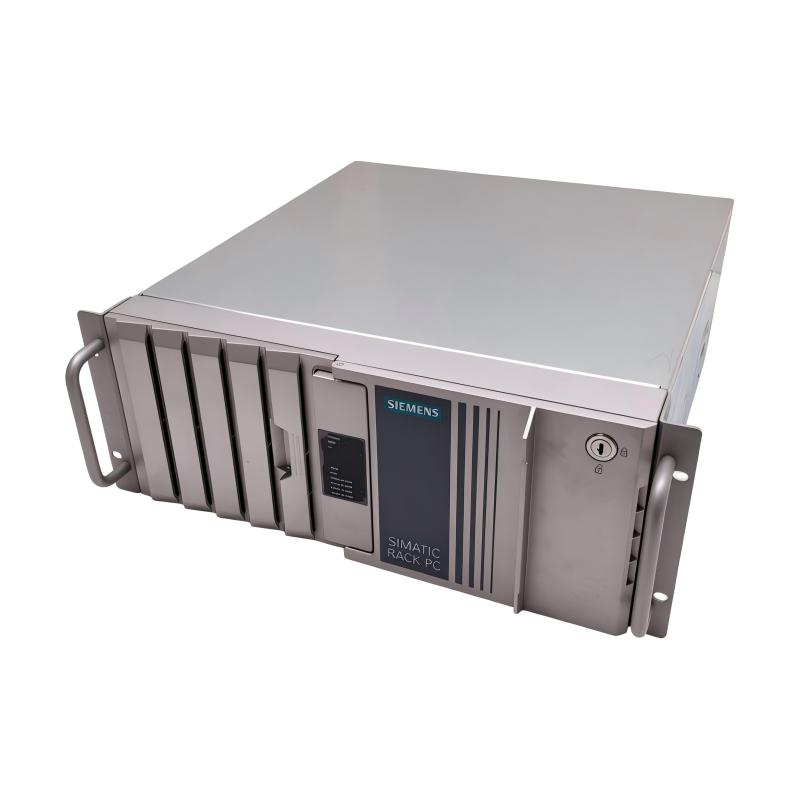
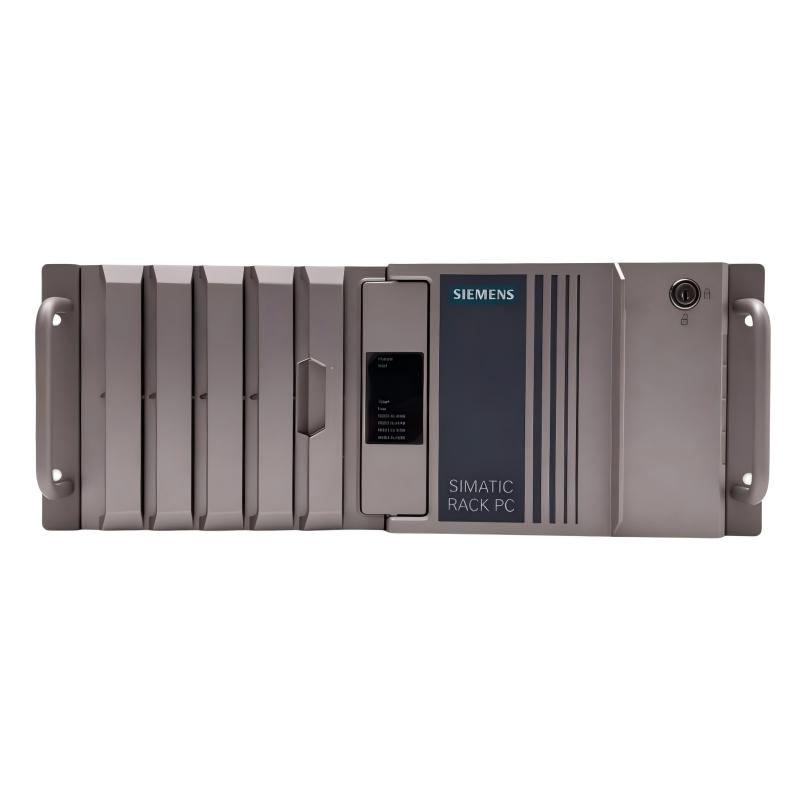
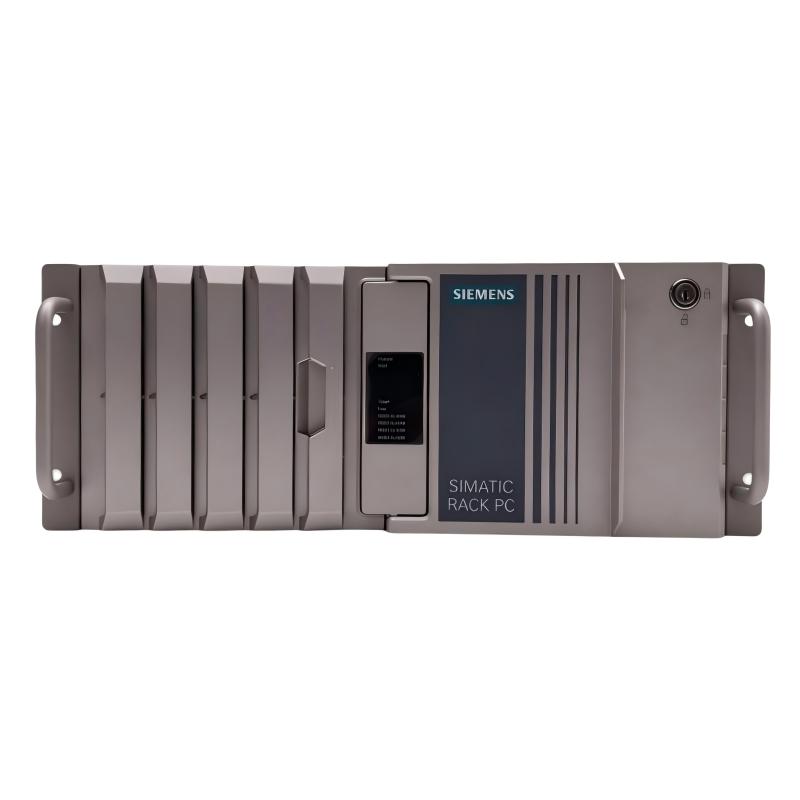
The Siemens 6AG4104-4GP22-0BX3 Rack-Mounted PC is an industrial computing platform intended for installation in rack-based equipment environments. In industrial automation, rack-mounted PCs provide computing resources for applications involving process monitoring, production data processing, engineering operations, and communication with control systems.
Industrial facilities often require centralized computing equipment to work alongside PLC controllers, operator stations, network devices, and supervisory applications. A rack-mounted PC helps organize these resources within a structured installation, supporting equipment management and maintenance.
The Siemens 6AG4104-4GP22-0BX3 has specified dimensions of 446 × 430 × 177 mm and a weight of 17 kg. These physical characteristics should be considered when planning rack space, mounting support, ventilation, and cable access.
Technical Specifications
| Parameter | Specification |
|---|---|
| Brand | Siemens |
| Model Number | 6AG4104-4GP22-0BX3 |
| Product Type | Rack-Mounted PC |
| Product Category | Industrial Computing Equipment |
| Dimensions | 446 × 430 × 177 mm |
| Weight | 17 kg |
| Installation Format | Rack-mounted |
| Application Area | Industrial automation and computing |
Note: Detailed configuration information, such as processor, memory, storage, operating system, network interfaces, power requirements, and environmental ratings, should be verified using documentation for this exact order number. Similar model variants may have different hardware configurations.
Functional Capabilities in Automation Environments
The actual role of an industrial PC depends on its hardware configuration and installed software. In a suitable system architecture, it may support several important computing functions.
Industrial Data Acquisition and Processing
Production equipment and automation controllers generate operational data continuously. With compatible interfaces and software, a rack-mounted PC can collect, process, and organize this information for monitoring and analysis.
Process Monitoring and Visualization
Industrial visualization software can display equipment status, operating parameters, alarms, and process trends. A properly configured computer can provide the platform for these applications, helping operators observe production conditions.
Engineering and Diagnostic Support
Industrial computing systems may host engineering tools, configuration utilities, and diagnostic applications. These tools help maintenance personnel inspect equipment, manage system configurations, and investigate operating problems.
Communication with Control Networks
A rack-mounted PC can participate in an industrial communication architecture through its supported network interfaces and software. It may exchange information with PLC controllers, supervisory systems, and other connected equipment when compatibility is established.
Operational Information Management
Industrial applications can use computing platforms to organize production records, equipment information, and operational reports. This supports the exchange of information between equipment-level systems and higher-level management applications.
Industrial Application Areas
Factory Automation
In automated production facilities, industrial PCs can support machine monitoring, production data collection, equipment visualization, and communication between different automation subsystems.
Process Manufacturing
Chemical plants, pharmaceutical facilities, and water treatment installations depend on continuous access to process information. A rack-mounted PC may support supervisory applications and operational data management within these environments.
Energy and Power Systems
Industrial computing equipment can form part of energy monitoring and infrastructure installations. Depending on system requirements, it may support information processing, equipment status displays, and communication with other technical systems.
Centralized Control Rooms
Rack-mounted PCs are suitable for consideration in structured control-room equipment layouts. They can be installed alongside compatible network and computing devices, making inspection and servicing more organized.
Industrial Data Management
Where supported by the installed software, a rack-mounted computer can provide computing resources for collecting and presenting production information. This can help connect automation operations with industrial information systems.
Design and Installation Considerations
Rack-Mounted Construction
The rack-mounted format supports integration into dedicated equipment racks. Before installation, engineers should verify available space and ensure that the mounting arrangement is compatible with the product.
Mechanical Load Capacity
The computer weighs 17 kg. The rack structure and supporting hardware must be rated for the installed load. Appropriate handling and mounting procedures should be used during installation.
Thermal Management
Adequate airflow is important for stable computer operation. Ventilation openings should remain unobstructed, and the installation should meet the manufacturer’s specified temperature and cooling requirements.
Electrical Compatibility
Power input and grounding requirements must be checked before connecting the equipment. Do not assume that the electrical characteristics are identical to those of another Siemens rack-mounted PC.
Software and Hardware Matching
Before selecting applications, verify the installed processor, memory, storage, operating system, drivers, and communication interfaces. This helps prevent compatibility problems during commissioning.
Installation and Commissioning Procedure
1. Confirm product identification
Check the equipment label and verify the complete model number, 6AG4104-4GP22-0BX3. Confirm that the product matches the required system documentation.
2. Prepare the rack
Check that the available space accommodates the dimensions of 446 × 430 × 177 mm. Verify that the rack can safely support the 17 kg weight.
3. Install the computer
Use the specified mounting hardware and follow the manufacturer’s installation instructions. Ensure that the unit is properly secured and mechanically stable.
4. Check ventilation
Maintain sufficient airflow around the computer. Avoid obstructing ventilation openings with cables or nearby equipment, and follow the documented operating-temperature limits.
5. Connect the power supply
Verify the rated input, electrical connection requirements, and protective grounding arrangements before energizing the computer.
6. Establish system connections
Connect the required network cables and peripheral devices according to the actual hardware configuration. Check interface compatibility and network settings.
7. Configure the operating environment
Install supported operating system components, drivers, and industrial applications. Confirm that the selected software is compatible with the installed hardware.
8. Perform commissioning tests
Check startup behavior, system status, communication, application performance, and cooling conditions. Record the final configuration and commissioning results.
Troubleshooting and Maintenance
A consistent inspection routine helps identify operating problems and supports long-term equipment reliability.
| Fault Symptom | Possible Cause | Recommended Action |
|---|---|---|
| Computer fails to start | Power connection or supply problem | Check the specified power source and connections |
| Unexpected restart | Power instability or hardware fault | Inspect electrical conditions and system diagnostics |
| Slow processing | High resource utilization or software issue | Review application load and system performance |
| Network communication loss | Cable or configuration problem | Check physical connections and network settings |
| Peripheral device unavailable | Driver or interface incompatibility | Verify hardware support and driver installation |
| Excessive operating temperature | Restricted airflow or cooling problem | Inspect ventilation and surrounding equipment |
| Operating system fails to load | Software or storage-related issue | Review diagnostic messages and approved recovery procedures |
| Intermittent system errors | Hardware, software, or environmental problem | Examine system records and perform systematic testing |
Preventive Maintenance Recommendations
- Inspect rack mounting and fastening hardware regularly.
- Keep ventilation openings clean and unobstructed.
- Check power and communication connections during scheduled maintenance.
- Monitor system temperature and operating status.
- Back up important application data and configuration files.
- Record hardware changes and software updates.
- Use replacement components verified for the exact configuration.
- Follow Siemens maintenance and service procedures.
Technical FAQs
1. What is the Siemens 6AG4104-4GP22-0BX3?
It is a Siemens rack-mounted PC intended for industrial computing and automation-related installations.
2. What are its physical dimensions?
The specified dimensions are 446 × 430 × 177 mm.
3. What is the product weight?
The specified weight is 17 kg.
4. What applications can use a rack-mounted PC?
Depending on its hardware and software configuration, it can support industrial monitoring, process visualization, data processing, engineering tools, and operational information management.
5. Can it communicate with Siemens PLC controllers?
It may communicate with PLC-based systems when the required interfaces, drivers, network configuration, and protocols are supported.
6. Can it be used in a SCADA environment?
It may serve as a computing platform for SCADA software if its hardware and operating system meet the application’s requirements.
7. What should be considered when installing this PC in a rack?
Important considerations include available rack space, mechanical load capacity, mounting support, ventilation, electrical requirements, and maintenance access.
8. Why should the computer’s cooling conditions be checked regularly?
Restricted airflow can increase operating temperature and contribute to system instability. Regular inspection helps identify ventilation problems.
9. What should be checked if network communication is interrupted?
Inspect network cables, physical interfaces, configuration settings, and communication software. Also verify compatibility with connected devices.
10. Can the 6AG4104-4GP22-0BX3 replace another rack-mounted computer?
Replacement suitability must be established through a complete comparison of hardware configuration, electrical requirements, interfaces, software support, and mechanical compatibility. Matching dimensions alone are not sufficient.
Conclusion
The Siemens 6AG4104-4GP22-0BX3 Rack-Mounted PC is an industrial computing product intended for structured rack-based installations. Its dimensions of 446 × 430 × 177 mm and weight of 17 kg provide essential information for equipment selection and mechanical planning.
Successful integration requires verification of the exact hardware configuration, power requirements, software compatibility, and communication interfaces. With suitable rack support, proper ventilation, systematic commissioning, and regular maintenance, the computer can serve as part of an industrial automation and computing infrastructure.