

ProductPRODUCT
Featured products
Contact Us
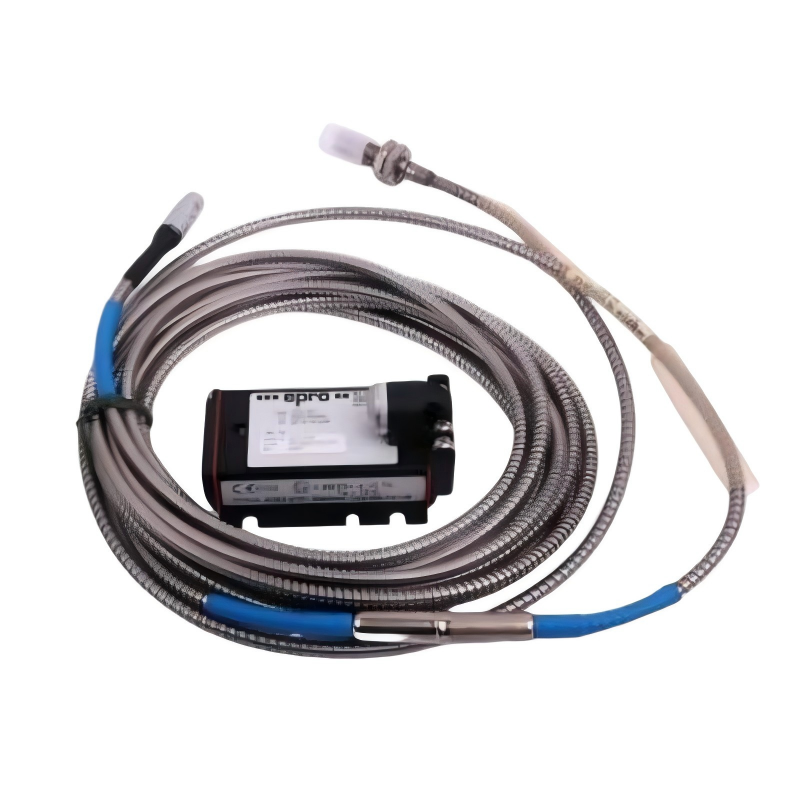
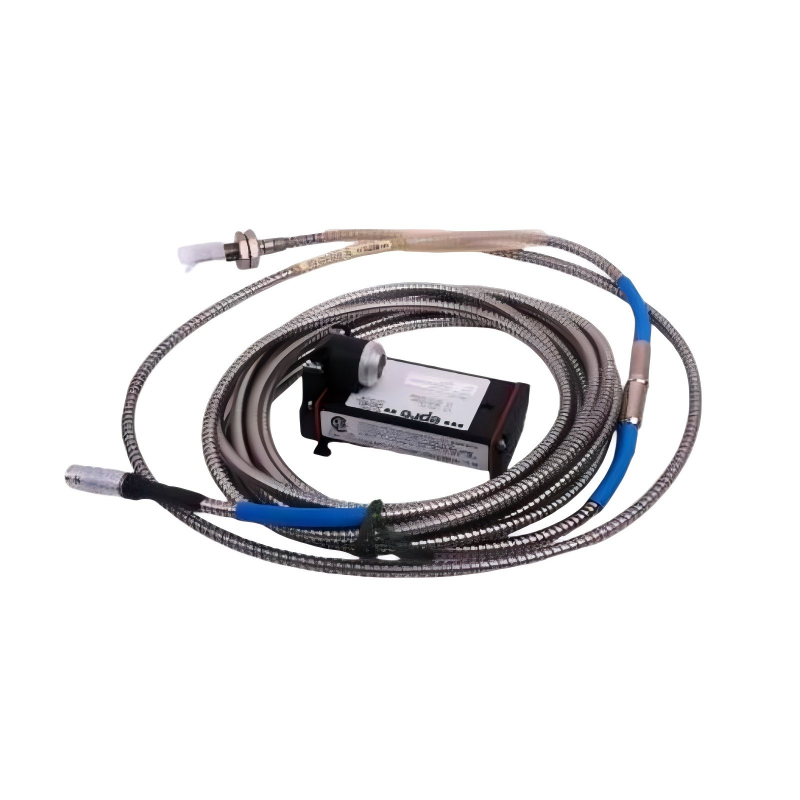
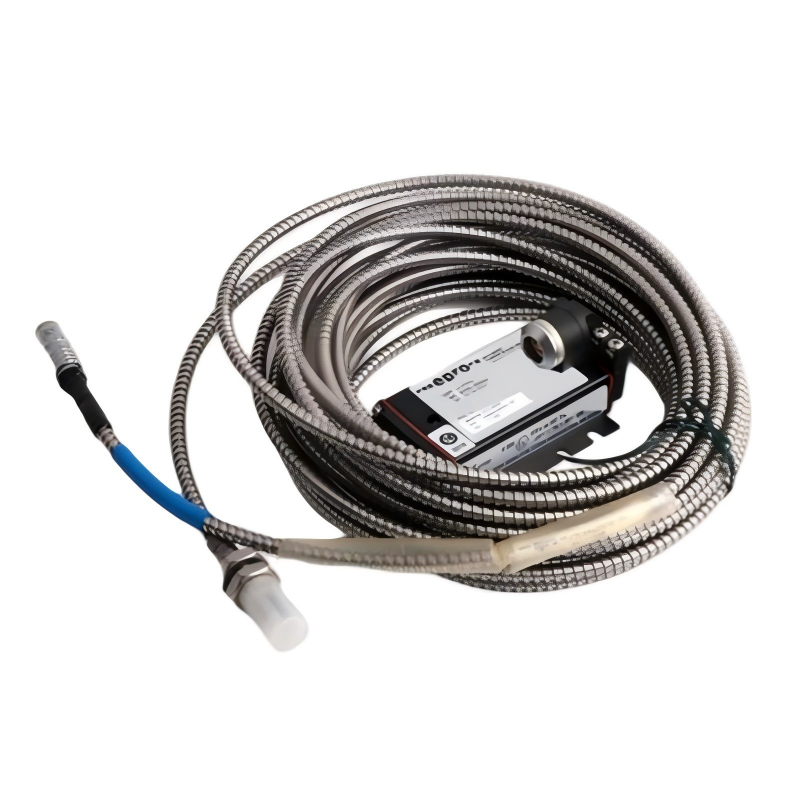
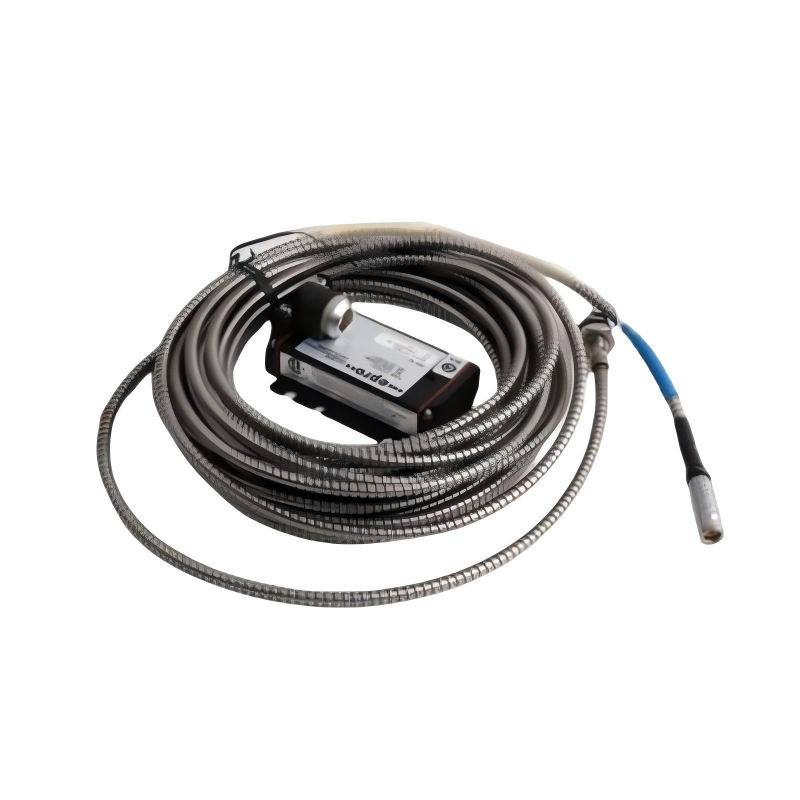
- Epro
- PR6423/014-020
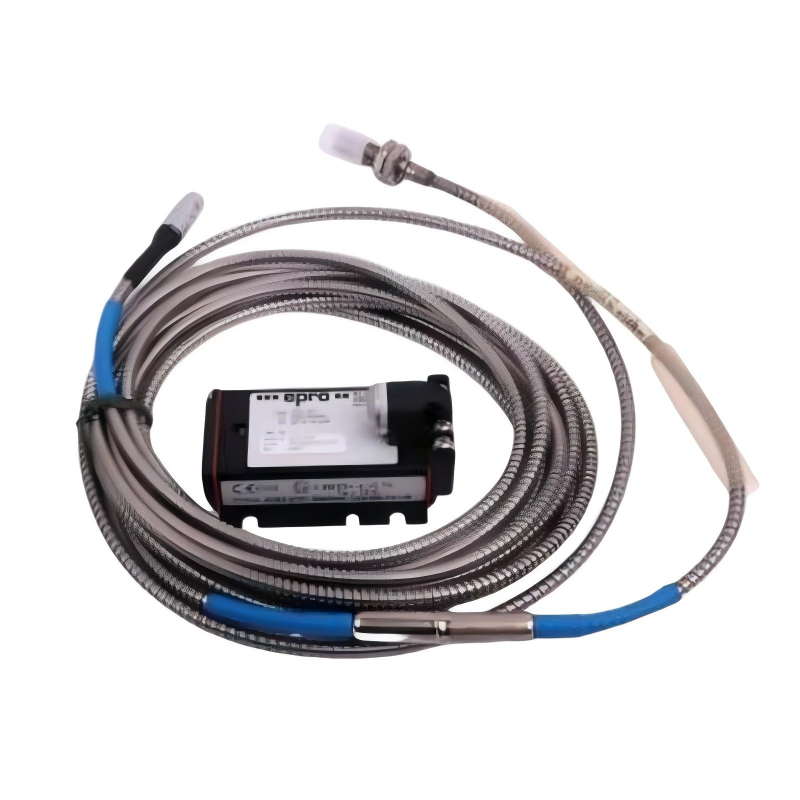
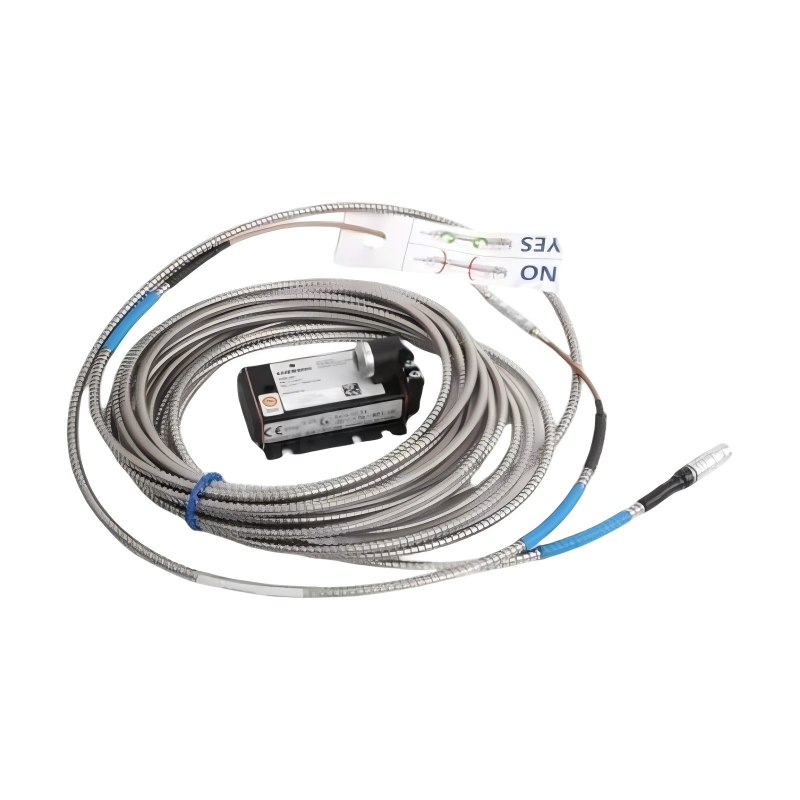
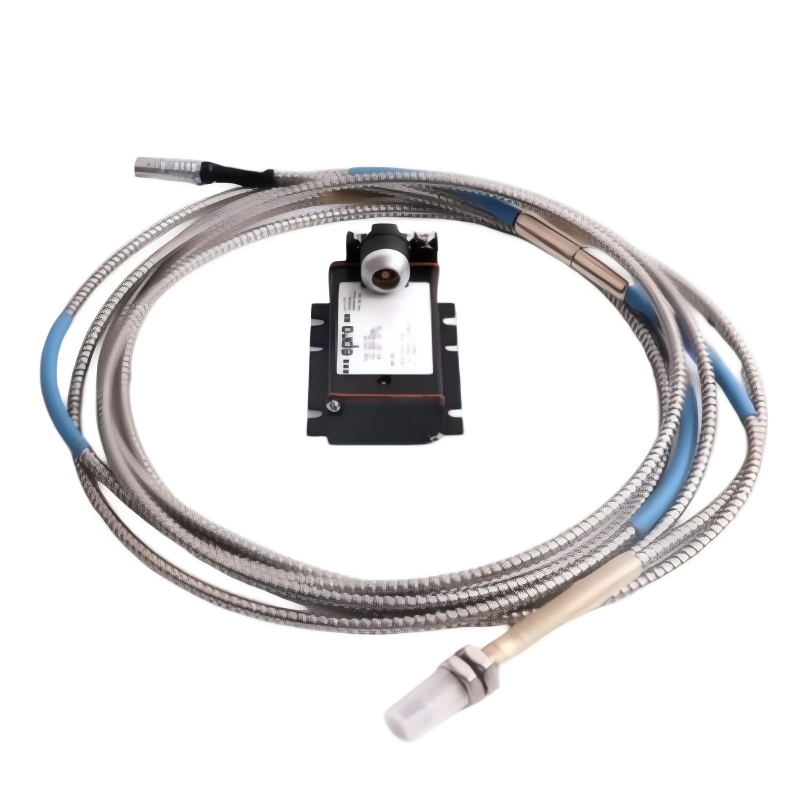
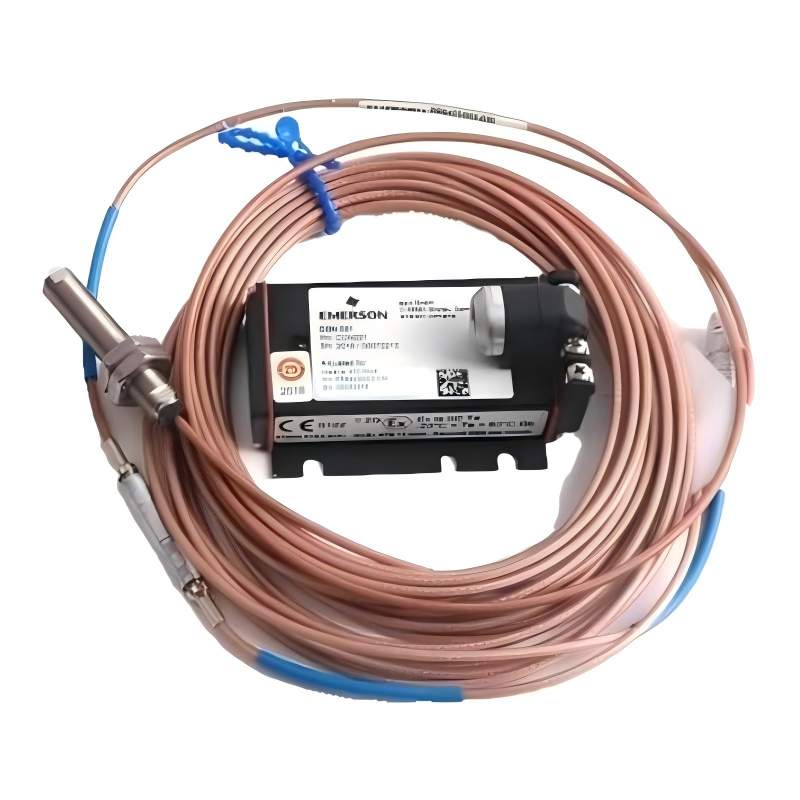
- 8 mm Eddy Current Sensor
- Germany
- 8 mm
- 0.1 kg
- Xiamen, China
- New & In Stock
- T/T, PayPal, Western Union
- 1 Year
- 1-3 Working Days
- DHL, UPS, TNT, FedEx and EMS.
- 24-Hour Service
- COO
- 7
Our advantage

Global Logistics
We have a 10-year logistics and express cooperation agreement, so our products can be shipped to any place in the world.

Brand new and original
Our products are imported in bulk from the place of origin. Because of the cooperative relationship, our products are all original and 100% new.

24-hour service
We provide 7*24 hours service to our customers. We will be there whenever you need us.

Price advantage
All our products are priced very favorably because we have our own warehouse and supply.
| Company Information | |||
| [email protected] | |||
| Mobile | +8615980777398 | ||
| +8615980777398 | |||
| 15980777398 |
Product Overview
The Epro PR6423/014-020 8 mm Eddy Current Sensor is a non-contact displacement probe designed for monitoring the condition and operating behavior of rotating machinery. It belongs to the PR6423 sensor family, which is used in machinery protection and condition-monitoring applications involving turbines, compressors, pumps, fans, and other equipment with rotating shafts.
Unlike contact-based measurement devices, an eddy-current sensor measures the distance between its probe tip and a conductive metallic target without physically touching the target surface. This makes it suitable for continuous monitoring of shaft movement in machinery where mechanical contact could introduce wear or interfere with normal operation.
The PR6423/014-020 is identified as an 8 mm sensor configuration. Its probe head diameter is an important mechanical specification because it affects mounting arrangements, installation clearance, and compatibility with existing sensor brackets.
The sensor operates through an electromagnetic measurement principle. When positioned near a conductive metal surface, the probe generates an electromagnetic field. Changes in the distance between the probe and the target influence the sensor’s electrical response. A compatible signal converter processes this response into a usable measurement signal for a machinery monitoring system.
Typical measurement applications include radial shaft vibration, axial displacement, shaft position, eccentricity, and other dynamic movements associated with rotating equipment. These measurements help maintenance teams identify abnormal operating conditions and evaluate machinery performance.
The PR6423/014-020 is not intended to operate as a standalone PLC input device. It forms part of a complete measurement chain that includes a compatible extension cable where required, a signal converter, and an appropriate monitoring or protection system.
Technical Specifications
| Parameter | Specification |
|---|---|
| Brand | Epro |
| Manufacturer / Brand Group | Emerson |
| Model | PR6423/014-020 |
| Product Type | Eddy Current Sensor |
| Sensor Series | PR6423 |
| Sensor Head Diameter | 8 mm |
| Measurement Principle | Eddy-current electromagnetic induction |
| Measurement Method | Non-contact displacement measurement |
| Typical Measurement Targets | Electrically conductive metallic surfaces |
| Typical Applications | Shaft vibration, displacement, position, and eccentricity monitoring |
| Linear Measurement Range | Up to approximately 2 mm for the PR6423 sensor family |
| Cable Configuration | Model suffix indicates a 2.0 m cable configuration in specialist product documentation |
| Signal Processing | Requires a compatible Epro signal converter |
| Monitoring Application | Rotating machinery condition monitoring |
| Supplied Weight | 0.1 kg |
| Mounting | Probe installation with a compatible mounting arrangement |
Note: The exact cable construction, connector, thread configuration, calibration, and measurement performance must be verified against the complete model documentation. The 0.1 kg value is the supplied listing weight.
Function and Working Principle
The PR6423/014-020 uses eddy-current technology to measure the distance between the probe and a conductive metallic target. The measurement is performed without direct contact, making the sensor suitable for machinery operating at high speed or under continuous vibration.
1. Electromagnetic Field Generation
The probe contains an electrical coil that generates a high-frequency electromagnetic field when connected to a compatible signal converter.
When the probe is positioned near a conductive metal surface, the electromagnetic field interacts with the target. This interaction produces eddy currents within the metallic material.
The electrical characteristics of the probe circuit change according to the distance between the sensor tip and the target surface.
2. Displacement Detection
When a rotating shaft moves relative to the probe, the gap between the sensor tip and the shaft surface changes.
These gap variations affect the electromagnetic interaction between the probe and the target. The signal converter processes the resulting electrical changes and produces a measurement signal corresponding to shaft movement.
By continuously monitoring this signal, the machinery monitoring system can identify changes in shaft position and vibration.
3. Non-Contact Measurement
One important characteristic of the PR6423 sensor is its non-contact operating method.
The probe does not need to touch the rotating shaft to measure its movement. This reduces mechanical wear at the measurement point and allows continuous monitoring while the machinery is operating.
The installation gap must be adjusted correctly. An unsuitable initial gap may reduce measurement accuracy or cause the sensor system to operate outside its calibrated range.
4. Signal Conversion
The probe itself is a sensing element rather than a complete industrial measurement transmitter.
A compatible Epro signal converter supplies the required excitation and converts the probe’s response into a usable electrical output. The resulting signal can then be processed by an appropriate machinery protection or condition-monitoring system.
The probe, cable, converter, and monitoring hardware must be treated as one measurement chain. Substituting an incompatible cable or converter may affect calibration and measurement accuracy.
5. Machinery Condition Monitoring
The measurement signal can be used to monitor changes in shaft vibration and displacement over time.
A machinery monitoring system may compare measured values with configured alarm and trip limits. Maintenance personnel can use this information to investigate developing mechanical problems before they lead to equipment failure.
Role in Industrial Control and Machinery Protection Systems
The PR6423/014-020 is primarily a machinery monitoring sensor. Its role differs from that of a conventional proximity switch or general-purpose PLC sensor.
It provides measurement information about the movement of rotating machinery, which can be evaluated by dedicated signal-conditioning and monitoring equipment.
Shaft Vibration Monitoring
Radial shaft vibration is an important parameter in the condition monitoring of turbines, compressors, and other rotating equipment.
The probe measures changes in the distance between its tip and the shaft surface. When installed in the appropriate position, the measurement system can evaluate radial shaft movement and identify changes in vibration behavior.
Axial Displacement Monitoring
Axial displacement refers to movement of a rotating shaft along its longitudinal axis.
When installed in a suitable axial measurement arrangement, an eddy-current probe can monitor this movement relative to a fixed reference surface. This information is useful for monitoring thrust-bearing behavior and detecting abnormal axial movement.
The exact arrangement depends on the machine design and the monitoring-system configuration.
PLC and DCS Integration
A PLC or distributed control system may receive measurement information through an appropriate machinery monitoring module or signal interface.
The PR6423 probe should not be connected directly to a standard PLC analog input without the required signal converter and compatible interface.
The monitoring architecture determines how measurement values, alarms, and equipment status are transferred to the wider automation system.
Turbine Supervisory Instrumentation
In turbine installations, shaft displacement and vibration measurements are important elements of the turbine supervisory instrumentation system.
A compatible Epro probe and monitoring chain can provide information used to assess shaft behavior during startup, normal operation, load changes, and shutdown.
Industrial Applications
The Epro PR6423/014-020 is designed for machinery monitoring applications where non-contact measurement of shaft movement is required.
1. Steam Turbines
Steam turbines operate at high rotational speeds and require continuous monitoring of mechanical behavior.
Eddy-current probes can be installed near suitable shaft measurement locations to monitor radial vibration and displacement. The resulting data helps operators evaluate machine condition and identify abnormal shaft movement.
Typical monitoring objectives include:
- Radial shaft vibration measurement.
- Shaft position monitoring.
- Changes in vibration amplitude.
- Detection of abnormal mechanical movement.
- Support for turbine maintenance planning.
2. Gas Turbines
Gas turbines are used in power generation and industrial mechanical-drive applications.
Their rotating assemblies require reliable monitoring to support safe and stable operation. Non-contact displacement sensors can provide information about shaft movement and vibration when incorporated into an appropriate monitoring arrangement.
The probe’s operating temperature and installation location must be evaluated against the actual turbine environment.
3. Industrial Compressors
Compressors are widely used in petrochemical plants, refineries, natural gas processing facilities, and manufacturing operations.
Shaft vibration monitoring is an important part of compressor condition assessment. Eddy-current probes can provide continuous measurements that help maintenance teams investigate changes in rotor behavior.
Potential applications include centrifugal compressors and other compatible rotating compressor designs.
4. Pumps
Large industrial pumps may operate continuously under demanding process conditions.
Non-contact probes can be used in suitable pump monitoring arrangements to measure shaft displacement and vibration. These measurements can help identify developing mechanical issues and support maintenance decisions.
5. Fans and Blowers
Industrial fans and blowers may experience changes in vibration due to imbalance, mechanical looseness, bearing conditions, or other operating factors.
An appropriately installed eddy-current measurement system can help monitor shaft movement and provide information for machinery condition assessment.
6. Gearboxes and Rotating Machinery
Some gearbox and mechanical-drive applications require monitoring of shaft position and vibration.
The PR6423 sensor family can be considered where the target geometry, material, mounting arrangement, and monitoring-system requirements are compatible.
Installation and System Integration
Correct installation is essential for obtaining stable and meaningful measurement signals from an eddy-current sensor.
1. Verify Probe Compatibility
Before installation, confirm the complete model number, probe diameter, mounting thread, cable configuration, connector type, and signal-converter compatibility.
The 8 mm sensor head specification must match the available mounting arrangement. A probe with a different diameter or thread configuration may not fit an existing installation.
2. Prepare the Measurement Surface
The sensor must be installed facing a suitable conductive metallic target.
The target material affects the measurement response. PR6423 systems are commonly associated with ferromagnetic steel targets, with 42CrMo4 / AISI 4140 identified as a standard calibration material in published sensor documentation.
If the actual shaft material differs, verify whether a suitable calibration or configuration is available.
3. Set the Initial Air Gap
The distance between the probe tip and the target surface is a critical installation parameter.
An incorrect initial gap can cause inaccurate measurements, reduced usable range, or signal saturation. Follow the applicable sensor and converter installation instructions when setting the operating gap.
The recommended gap should not be assumed from the probe diameter alone.
4. Install the Cable Correctly
The cable should be routed away from high-current power conductors, variable frequency drive output cables, and other sources of electromagnetic interference where practical.
Avoid excessive bending, pulling, crushing, or twisting. Connector interfaces should be clean and securely connected.
Do not cut, splice, or extend the sensor cable without confirming that the proposed arrangement is approved for the complete measurement chain. Cable electrical characteristics can influence the calibration of an eddy-current system.
5. Connect the Signal Converter
Connect the probe to a compatible Epro signal converter according to the specified terminal and connector arrangement.
Confirm that the converter model supports the probe configuration and required output characteristics. The converter provides the electrical interface between the sensing element and the monitoring equipment.
6. Commission the Measurement System
After installation, verify the initial gap, cable connection, converter operation, and monitoring-system input.
Check that the measurement signal is stable under stationary conditions and responds correctly to controlled changes in target position where practical.
Before returning the machinery to service, verify alarm settings, monitoring channels, and the correct identification of each sensor location.
Compatible System Components
The PR6423/014-020 is intended to operate as part of a complete machinery measurement system.
| Component | Function | Compatibility Considerations |
|---|---|---|
| Epro signal converter | Excites the probe and converts its response into a measurement signal | Must match the PR6423 sensor configuration |
| Compatible extension cable | Connects the probe to the converter where required | Verify electrical characteristics, connector, and approved cable length |
| Machinery monitoring module | Processes measurement signals and provides monitoring functions | Confirm input type and sensor-system compatibility |
| Machinery protection rack | Supports continuous equipment monitoring and alarm functions | Verify the installed monitoring-system configuration |
| PLC | Coordinates machine operation and process logic | Requires a suitable signal interface or monitoring-system output |
| DCS | Displays process and machinery condition information | Integration depends on available monitoring outputs and communication interfaces |
| Probe mounting bracket | Holds the sensor in the required measurement position | Must match the probe body and machine geometry |
| Protective cable accessories | Protect cable routing and connectors | Select according to installation environment and cable construction |
These components are examples of equipment used in a complete installation. They are not necessarily supplied with the PR6423/014-020 sensor.
Alternative Models and Replacement Considerations
The PR6423 family includes different probe configurations. These models may share the same general measurement principle but differ in mechanical construction, cable protection, mounting, and connection arrangements.
| Related Model or Configuration | Main Consideration |
|---|---|
| Epro PR6423/00 series | 8 mm probe family with M10×1 mounting thread options |
| Epro PR6423/01 series | 8 mm probe configuration with armored cable options |
| Epro PR6423/10 series | 8 mm probe family with 3/8″-24 UNF thread options |
| Epro PR6423/11 series | 8 mm configuration with armored cable and 3/8″-24 UNF thread |
| Epro PR6423/13 series | Related reverse-mount configuration |
| Other PR6423 cable-length variants | May differ in cable length, connector, and installation arrangement |
The model suffix is important. A replacement should not be selected based only on the 8 mm probe diameter.
Before replacing an existing sensor, compare:
- Complete model number.
- Probe head diameter.
- Mounting thread and body length.
- Cable length and cable protection.
- Connector type.
- Signal-converter compatibility.
- Target material and calibration.
- Initial air gap and measurement range.
- Monitoring-system channel configuration.
A probe with the same diameter may still be unsuitable if its cable, connector, or calibration differs from the original installation.
Key Advantages
Non-Contact Measurement
The sensor measures shaft movement without direct mechanical contact. This supports continuous monitoring without introducing contact wear at the measurement point.
Compact 8 mm Probe Head
The 8 mm sensor head supports installation in appropriately designed measurement locations where mounting space is limited.
Rotating Machinery Monitoring
The PR6423 sensor family is designed for applications involving turbines, compressors, pumps, fans, and other rotating equipment.
Continuous Displacement Measurement
When connected to a compatible converter and monitoring system, the probe can provide continuous information about changes in shaft position.
Integration with Machinery Protection Systems
The sensor can form part of a wider machinery monitoring arrangement that provides measurement data for alarm management and maintenance assessment.
Industrial Installation Design
The probe is intended for industrial machinery environments. Correct mounting, cable routing, target preparation, and converter selection remain necessary for reliable operation.
Technical FAQs
1. What is the Epro PR6423/014-020?
The Epro PR6423/014-020 is an 8 mm eddy-current sensor designed for non-contact measurement of shaft displacement and vibration in rotating machinery.
2. What does the 8 mm specification mean?
The 8 mm value refers to the sensor head diameter. It is an important mechanical dimension for selecting mounting hardware and checking installation clearance.
3. What is the operating principle of the PR6423 sensor?
The sensor uses electromagnetic induction. Its electromagnetic field interacts with a conductive metal target, and changes in the probe-to-target distance influence the sensor’s electrical response.
4. What can this sensor measure?
In a suitable installation, it can be used to measure shaft vibration, radial displacement, axial displacement, position, and eccentricity.
5. Does the PR6423/014-020 work without a signal converter?
No. The probe requires a compatible signal converter to provide excitation and process its electrical response into a usable measurement signal.
6. What equipment can use this sensor?
It is intended for compatible Epro machinery monitoring and protection systems. It may be used in applications involving turbines, compressors, pumps, fans, and other rotating machinery.
7. What target material is suitable?
The sensor is designed for electrically conductive metallic targets. Published PR6423 documentation identifies ferromagnetic steel such as 42CrMo4 / AISI 4140 as a standard calibration material.
8. Why is the initial air gap important?
The initial air gap determines the operating point of the sensor. An incorrect gap can reduce measurement accuracy or cause the measurement system to operate outside its usable range.
9. Can the sensor cable be shortened or extended?
Cable modification should not be performed without confirming the manufacturer’s approved configuration. Changes to cable electrical characteristics can affect the calibration and performance of the complete measurement chain.
10. What should be checked before replacing an existing PR6423 probe?
Confirm the complete model number, 8 mm probe diameter, mounting thread, cable length, connector type, signal-converter compatibility, target material, and calibration requirements. Verify the measurement signal after installation.
Procurement and Maintenance Recommendations
When purchasing the Epro PR6423/014-020, verify the complete model number rather than selecting a probe based only on the PR6423 series designation.
The cable configuration is particularly important because the probe, cable, and converter operate as a coordinated measurement system. Confirm the cable length, connector arrangement, and mechanical protection before ordering.
For replacement projects, compare the new probe with the installed unit and confirm that the mounting dimensions and electrical configuration are suitable. A similar-looking 8 mm probe may not provide the same measurement performance if its cable or calibration differs.
During routine maintenance, inspect the probe mounting, cable routing, connectors, and visible cable protection. Check the signal converter and monitoring channel if the measurement becomes unstable or deviates from expected operating behavior.
If readings become abnormal, investigate the complete measurement chain. Possible causes include incorrect installation gap, damaged cable, loose connections, unsuitable target material, electrical interference, or incompatible converter settings.
For critical machinery, record sensor identification, mounting position, calibration information, and monitoring-channel assignments. This documentation helps maintenance personnel perform accurate replacements and troubleshoot measurement problems.
Conclusion
The Epro PR6423/014-020 8 mm Eddy Current Sensor is designed for non-contact monitoring of shaft displacement and vibration in industrial rotating machinery. Its electromagnetic measurement principle makes it suitable for applications where continuous shaft movement information is required without direct contact with the target surface.
The sensor is intended to operate with a compatible signal converter and machinery monitoring system. Correct probe selection, cable configuration, target material, installation gap, and calibration are essential for reliable measurement performance.
For turbine, compressor, pump, and other rotating-equipment maintenance projects, verifying the complete PR6423/014-020 configuration helps ensure that the replacement sensor matches the requirements of the existing machinery monitoring system.