

ProductPRODUCT
Featured products
Contact Us
- Epro
- PR9268/707-000
- Electric Speed Sensor
- Germany
- 78 × 58 mm
- 0.93 kg
- Xiamen, China
- New & In Stock
- T/T, PayPal, Western Union
- 1 Year
- 1-3 Working Days
- DHL, UPS, TNT, FedEx and EMS.
- 24-Hour Service
- COO
- 8
Our advantage

Global Logistics
We have a 10-year logistics and express cooperation agreement, so our products can be shipped to any place in the world.

Brand new and original
Our products are imported in bulk from the place of origin. Because of the cooperative relationship, our products are all original and 100% new.

24-hour service
We provide 7*24 hours service to our customers. We will be there whenever you need us.

Price advantage
All our products are priced very favorably because we have our own warehouse and supply.
| Company Information | |||
| [email protected] | |||
| Mobile | +8615980777398 | ||
| +8615980777398 | |||
| 15980777398 |
Product Overview
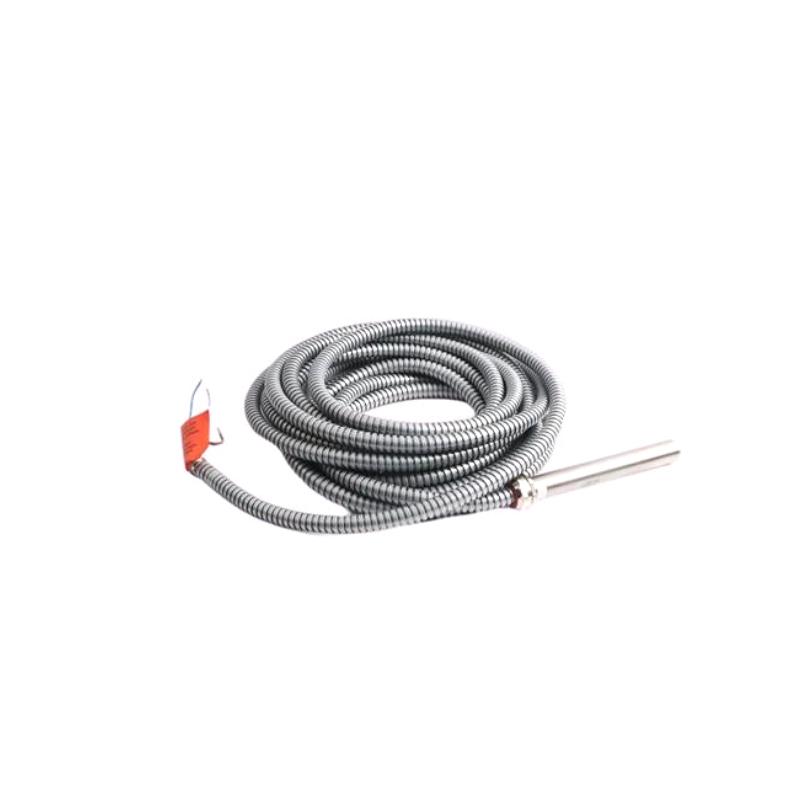
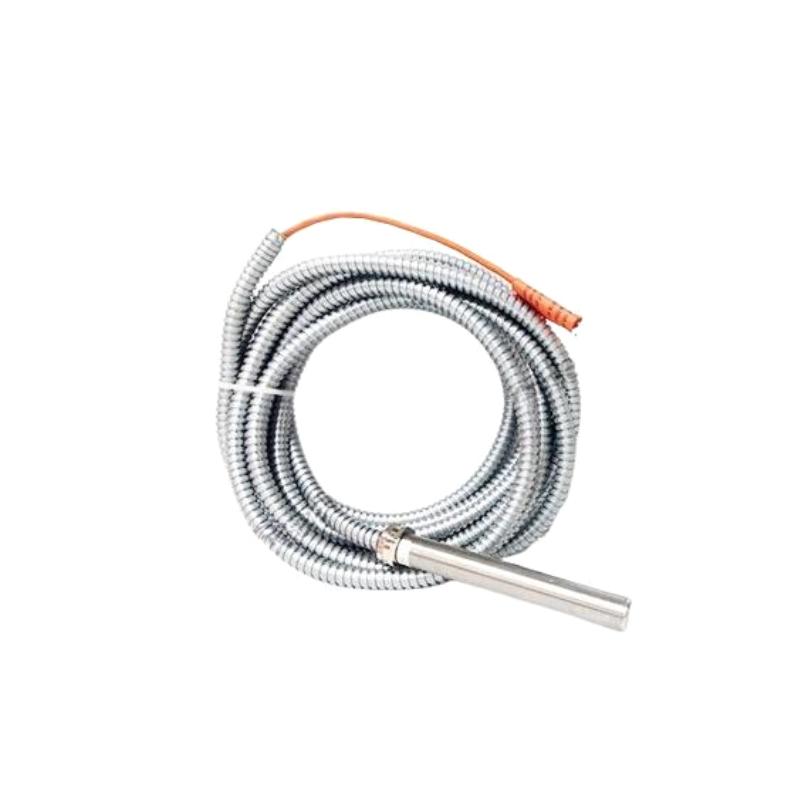
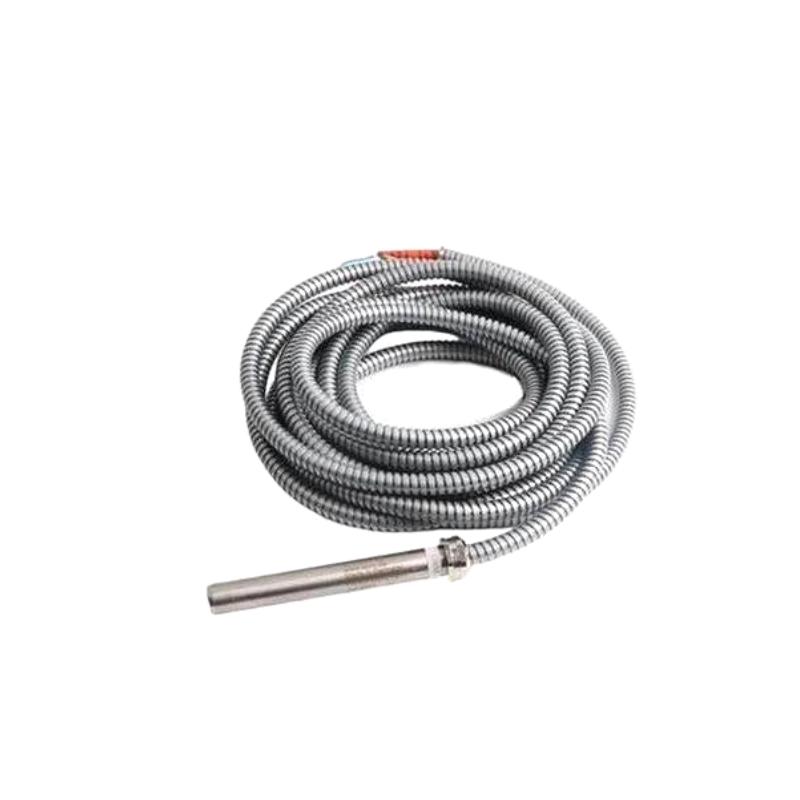
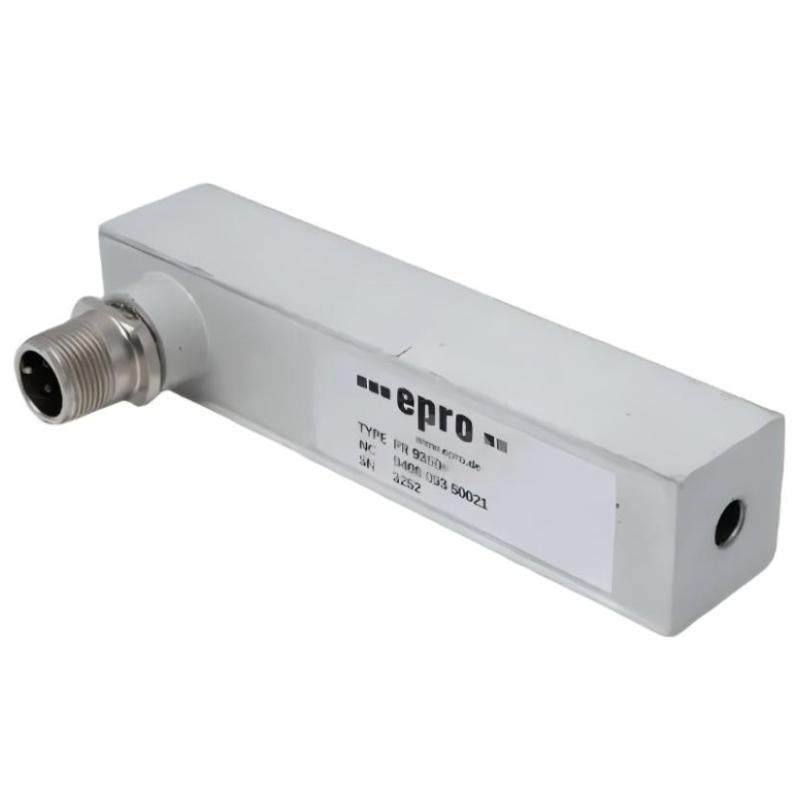
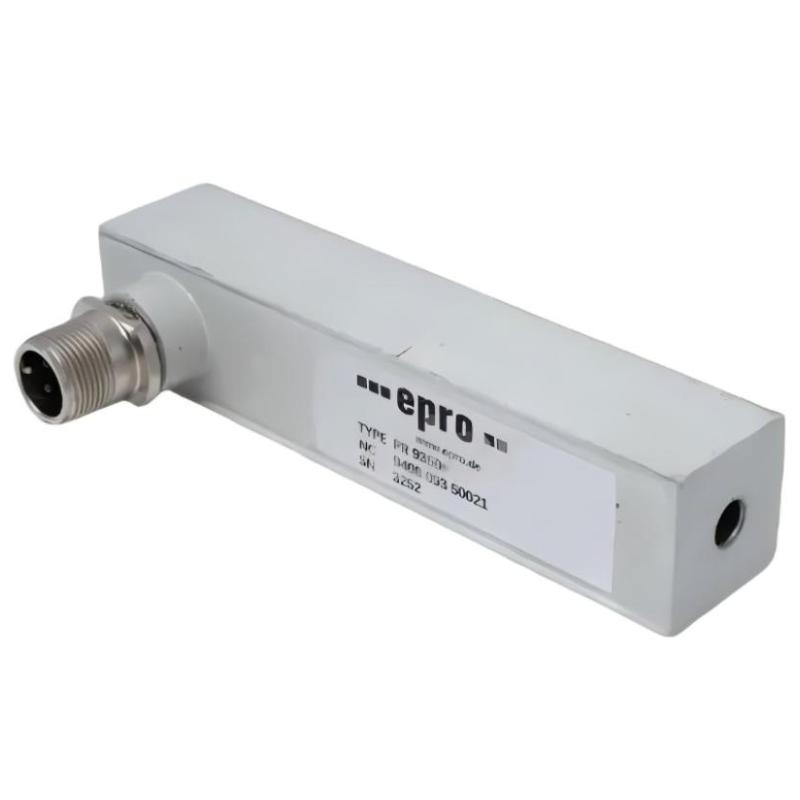
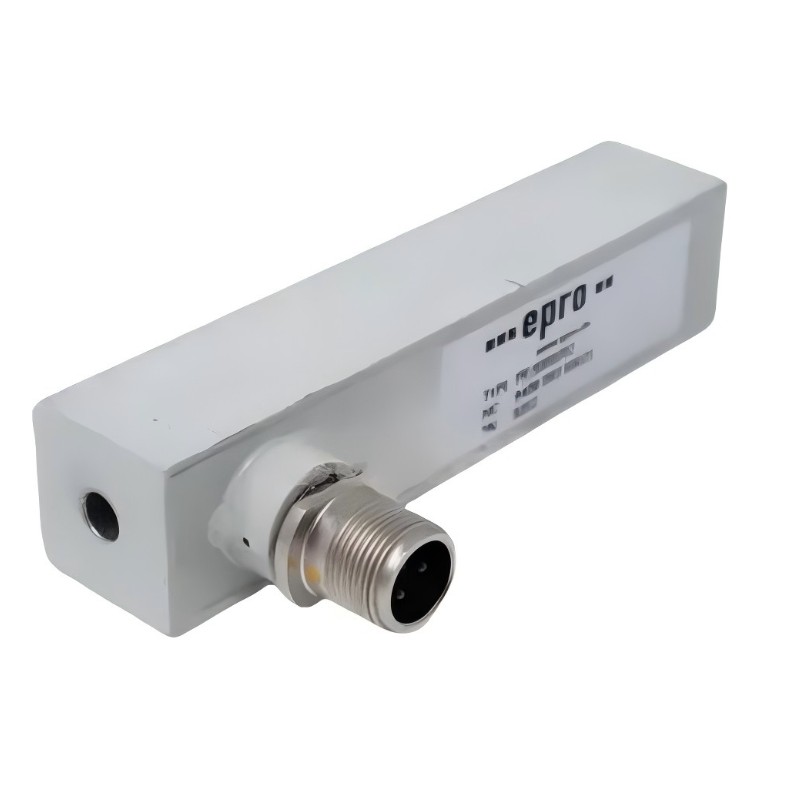
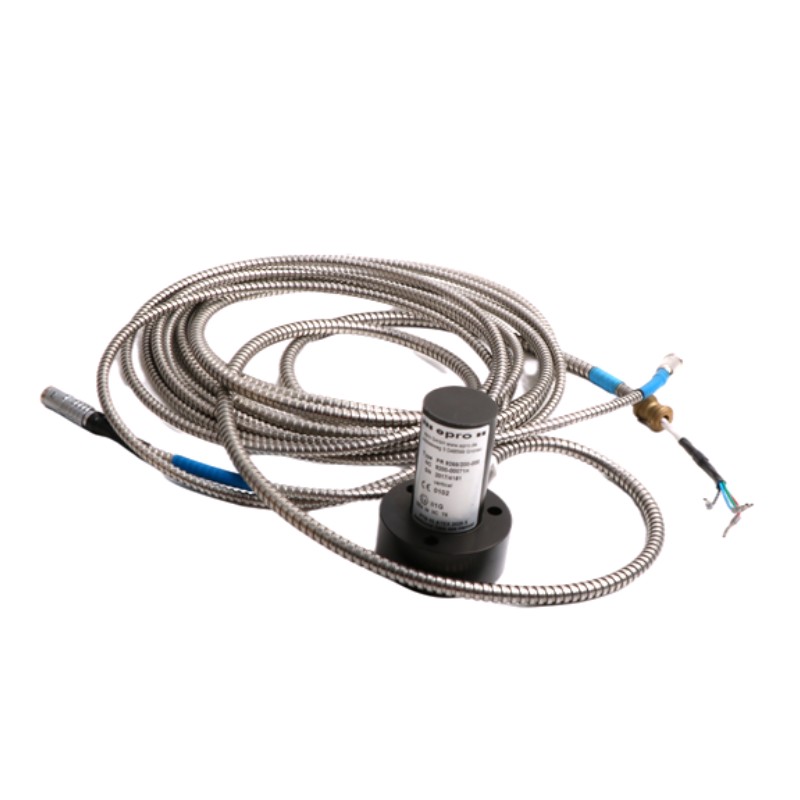
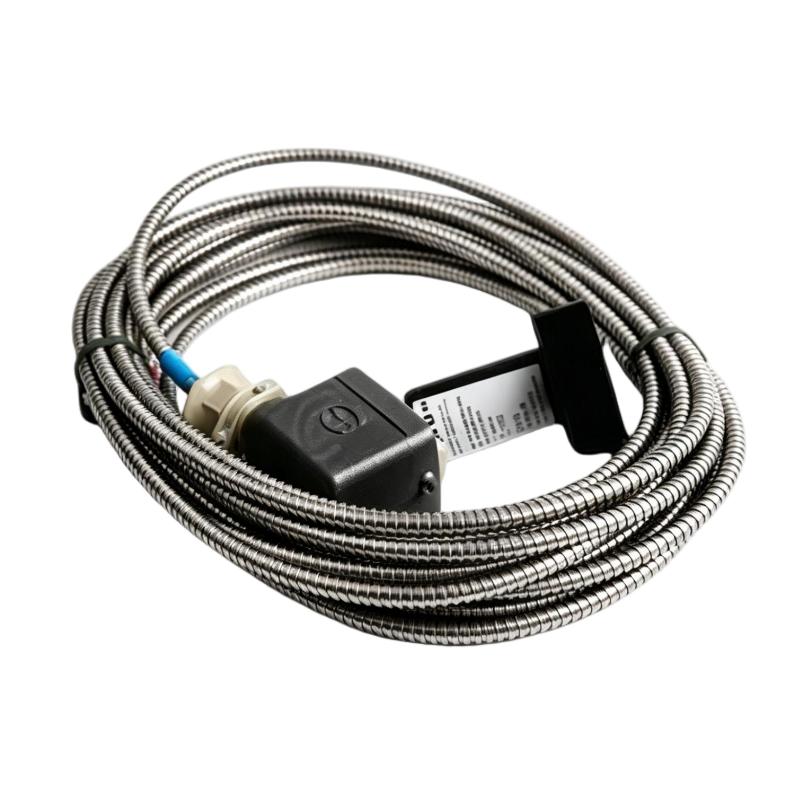
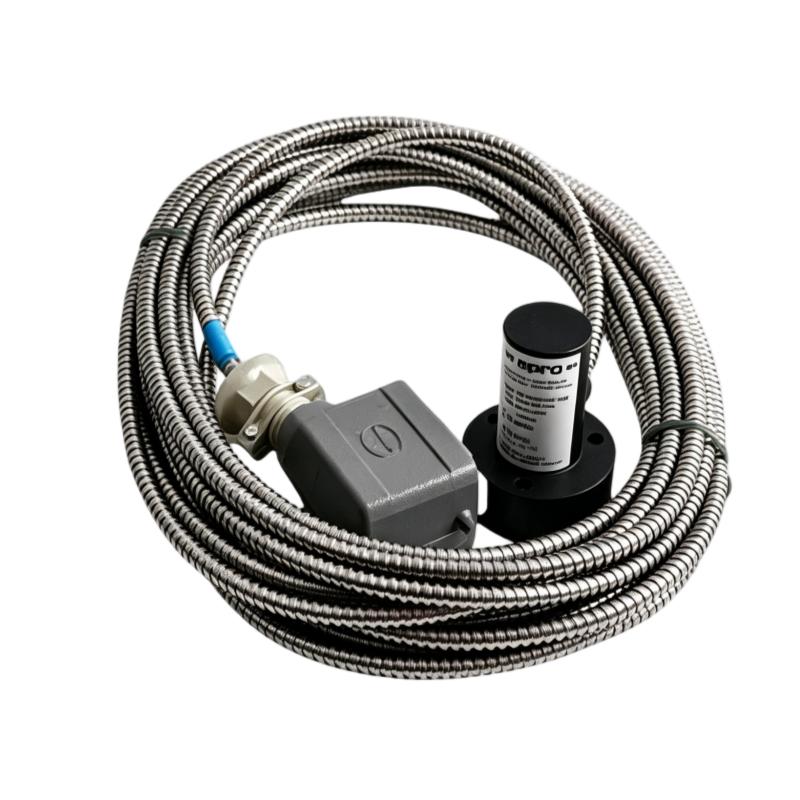
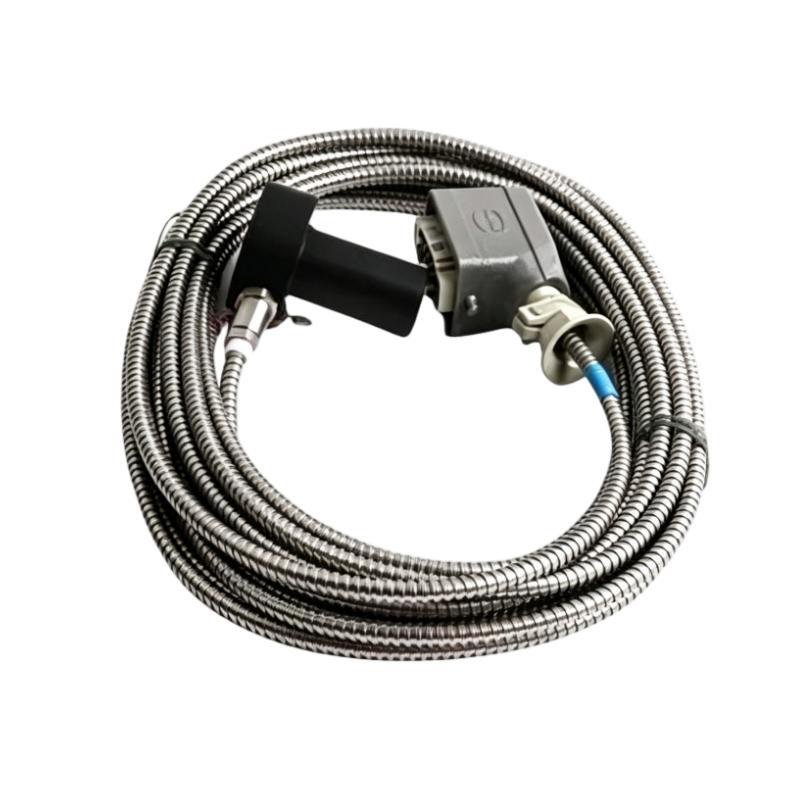
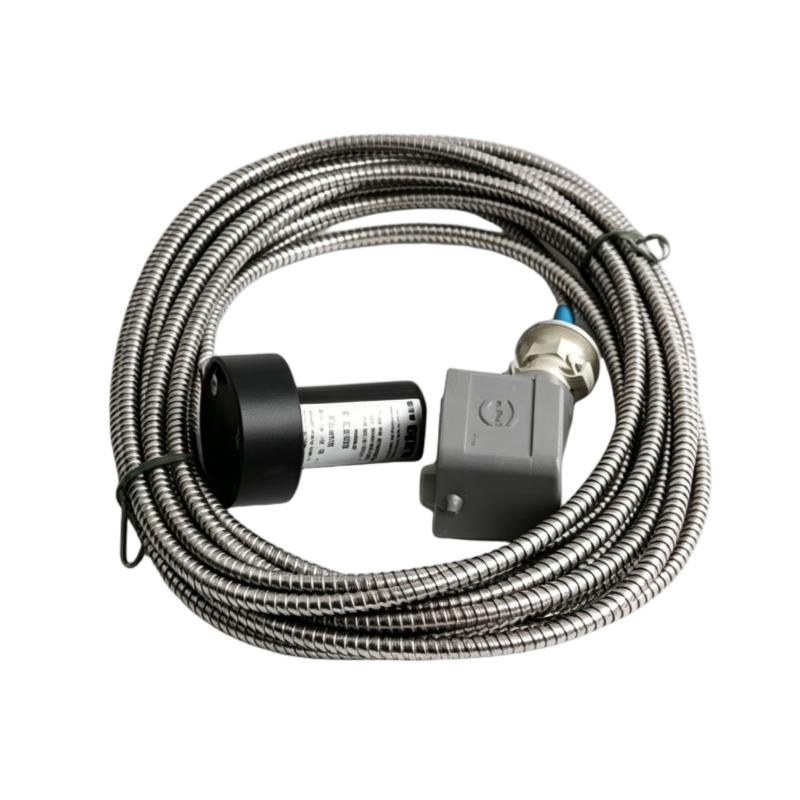
The Epro PR9268/707-000 Electric Speed Sensor is an industrial sensing component associated with the Epro PR9268 electrodynamic sensor family. It is intended for use in rotating machinery monitoring and industrial equipment condition-monitoring applications.
Rotating machinery such as turbines, compressors, pumps, motors, and fans is exposed to mechanical vibration during normal operation. Changes in vibration behavior can indicate developing mechanical problems, including imbalance, misalignment, bearing deterioration, looseness, and changes in operating conditions. Reliable sensing is therefore an important part of industrial machinery protection and predictive maintenance.
The PR9268 family is designed for mechanical vibration measurement, with electrodynamic sensing technology converting mechanical movement into an electrical signal that can be processed by a suitable monitoring system. The resulting signal allows engineers to evaluate vibration behavior and identify changes that may require inspection or maintenance.
In industrial installations, sensors of this type are commonly mounted on machine housings or bearing structures at measurement locations selected according to the machinery design. Their signals can be connected to compatible signal-conditioning and monitoring equipment for continuous machinery assessment.
The exact configuration of a PR9268 sensor is important. Different suffixes within the series can specify different mounting orientations, cable arrangements, and electrical or mechanical configurations. The complete part number should therefore be checked before ordering a replacement.
The PR9268/707-000 is suitable for consideration in industrial machinery monitoring applications where the corresponding sensor configuration and monitoring-system requirements have been verified.
Technical Specifications
| Parameter | Specification |
|---|---|
| Brand | Epro |
| Product Series | PR9268 |
| Model Number | PR9268/707-000 |
| Product Type | Electric Speed Sensor / Electrodynamic Sensor |
| Measurement Technology | Electrodynamic sensing |
| Primary Application | Rotating machinery monitoring |
| Typical Measurement Purpose | Mechanical vibration velocity |
| Signal Processing | Requires a compatible monitoring or signal-conditioning system |
| Typical Equipment | Turbines, compressors, pumps, fans, and rotating machinery |
| Dimensions Provided | 78 × 58 mm |
| Weight Provided | 0.93 kg |
| Manufacturer Documentation | PR9268 series specifications |
| Configuration Identification | Complete suffix must be verified |
Note: The dimensions and weight are supplied product-listing values. Detailed electrical characteristics, cable configuration, mounting arrangement, and orientation should be confirmed against the exact PR9268/707-000 datasheet or product label. PR9268 family specifications should not automatically be treated as identical across every suffix.
Function and Working Principle
The PR9268 sensor family uses an electrodynamic measurement principle. This technology is commonly used in industrial vibration monitoring because it can convert mechanical vibration into an electrical signal suitable for analysis by compatible monitoring equipment.
1. Mechanical Vibration Detection
When a rotating machine operates, its housing and supporting structures experience mechanical vibration. The amplitude and frequency of this vibration depend on factors such as rotational speed, machine condition, mechanical balance, bearing condition, and operating load.
A properly installed sensor detects the vibration of the machine structure at a selected measurement point. The location and orientation of the sensor influence the quality and relevance of the measurement.
2. Electrodynamic Signal Generation
An electrodynamic sensor operates through relative movement within its sensing assembly. Mechanical vibration produces movement of an internal mass and coil arrangement, generating an electrical signal through electromagnetic induction.
The generated signal represents the vibration behavior of the monitored structure. A suitable monitoring instrument can process this signal to determine vibration velocity and evaluate changes over time.
Unlike many powered electronic sensors, electrodynamic velocity sensors can operate without a separate excitation supply for the sensing element itself. However, the connected monitoring equipment may require its own power supply.
3. Signal Conditioning
The sensor signal is normally connected to a compatible vibration monitoring or signal-conditioning device. The monitoring equipment processes the electrical output and makes the measurement available for display, recording, alarm generation, or further analysis.
Signal conditioning is important because the monitoring system must be matched to the sensor’s electrical characteristics, sensitivity, frequency response, and connection arrangement.
4. Machinery Condition Assessment
The measured vibration signal can help engineers identify changes in machinery behavior. For example, an increase in vibration velocity may indicate a developing mechanical issue or a change in operating conditions.
The sensor does not independently diagnose every mechanical fault. Reliable condition assessment requires appropriate measurement locations, established alarm limits, historical trends, and engineering interpretation.
Role in Industrial Monitoring Systems
The PR9268/707-000 can serve as a sensing component within a wider machinery monitoring arrangement. Its role is to provide vibration-related information from rotating equipment for processing by compatible monitoring devices.
Vibration Monitoring
Industrial vibration monitoring systems use sensors to measure machine movement and provide information about equipment condition. Sensors installed at bearing housings, machine casings, or other selected positions can help engineers observe changes in vibration levels.
For critical equipment, multiple measurement points may be necessary to understand the overall mechanical condition.
Turbine Monitoring
Steam and gas turbines operate under demanding mechanical and thermal conditions. Vibration monitoring helps maintenance teams evaluate machine behavior during startup, normal operation, load changes, and shutdown.
A suitable electrodynamic sensor can contribute vibration information to the turbine monitoring arrangement.
Compressor Monitoring
Compressors contain rotating assemblies that may be affected by imbalance, misalignment, bearing wear, and changes in operating conditions. Continuous vibration measurement can help identify unusual behavior before it develops into a more serious mechanical problem.
Integration with Monitoring Equipment
The sensor should be connected to a monitoring device that supports its electrical output and measurement characteristics. Engineers must verify the signal-conditioning requirements, cable arrangement, connector type, and input configuration before installation.
The sensor itself is not a PLC or controller. Its role is to provide measurement information that can be processed by a dedicated monitoring system or incorporated into a broader automation architecture.
Industrial Applications
1. Steam Turbines
Steam turbines are widely used in power generation and industrial process facilities. Their rotating assemblies require reliable condition monitoring because mechanical problems can affect efficiency, availability, and operational safety.
An electrodynamic vibration sensor can provide casing vibration information for suitable turbine monitoring arrangements.
2. Gas Turbines
Gas turbines operate at high rotational speeds and under demanding environmental conditions. Monitoring vibration behavior helps operators evaluate mechanical stability and identify changes that may require investigation.
Sensor selection must account for the machine’s measurement locations, operating environment, and monitoring-system requirements.
3. Industrial Compressors
Compressors are important components in petrochemical plants, refineries, gas processing facilities, and manufacturing operations.
Vibration measurements can help maintenance teams identify developing mechanical issues and plan inspections before equipment performance deteriorates significantly.
4. Industrial Pumps
Pumps are used throughout water treatment, chemical processing, power generation, and general manufacturing.
Changes in vibration can be associated with bearing wear, shaft misalignment, imbalance, cavitation-related conditions, or foundation problems. A properly configured vibration monitoring system can help distinguish abnormal behavior from normal operating variation.
5. Fans and Blowers
Industrial fans and blowers operate in ventilation, cooling, combustion-air, and material-handling systems. Vibration monitoring helps detect mechanical changes that may affect reliability.
Sensors installed at appropriate bearing or housing locations can provide useful information for routine condition assessment.
6. Motors and Gearboxes
Electric motors and gearboxes are common sources of mechanical movement in industrial production systems. Vibration monitoring can help maintenance teams identify changes in mechanical condition and plan corrective action.
The PR9268 sensor configuration must be matched to the actual measurement requirement rather than selected solely by product-family name.
Installation and System Integration
Correct installation is essential for reliable vibration measurement. Sensor mounting, orientation, cable routing, and monitoring-system compatibility all influence measurement quality.
1. Verify the Complete Model Number
Before installation, confirm that the sensor is marked PR9268/707-000. Do not assume that another PR9268 suffix has identical mechanical or electrical characteristics.
Check the product label, cable arrangement, connector, and manufacturer documentation.
2. Select the Correct Measurement Location
The sensor should be mounted at a location that provides meaningful information about the machine’s vibration behavior.
Typical measurement points include bearing housings and machine casings. The exact location depends on the machine structure, bearing arrangement, and monitoring objectives.
A consistent measurement location is important when comparing historical vibration data.
3. Confirm Sensor Orientation
The PR9268 family includes different orientation configurations. The orientation specified by the complete model number must be followed during installation.
Incorrect orientation can affect measurement behavior and may produce unreliable readings. Confirm the permitted installation angle and mounting direction in the relevant technical documentation.
4. Ensure Proper Mechanical Mounting
The mounting surface should be clean, stable, and suitable for the sensor’s specified mounting arrangement.
Loose mounting, uneven surfaces, or inappropriate adapters can introduce unwanted mechanical effects into the measurement. Follow the manufacturer’s mounting instructions and use suitable mechanical hardware.
5. Check Cable and Connector Compatibility
The cable and connector arrangement must match the sensor and monitoring equipment.
Route signal cables away from high-current conductors, variable frequency drive output cables, and other potential interference sources where practical. Use suitable shielding and grounding practices according to the system design.
6. Configure the Monitoring System
The connected monitoring device must support the sensor’s output characteristics and measurement range.
Configure the appropriate sensitivity, measurement units, signal processing, alarm limits, and monitoring channels according to the equipment manufacturer’s instructions.
Do not enter generic PR9268 family values without confirming that they apply to the exact sensor configuration.
7. Verify Operation
After installation, check the sensor connection and confirm that the monitoring system receives a stable signal.
Compare the measured vibration behavior with the expected operating condition and available baseline data. Investigate unusual readings before relying on them for machinery protection decisions.
Compatible System Components
The PR9268/707-000 is normally used with other components in a machinery monitoring arrangement.
| Component | Function | Integration Considerations |
|---|---|---|
| Vibration monitoring module | Processes sensor signals and evaluates vibration conditions | Must support the sensor’s electrical characteristics |
| Signal-conditioning unit | Conditions the sensor output for monitoring | Confirm sensitivity and input compatibility |
| Machinery protection system | Monitors machine condition and generates alarms | Configure suitable measurement channels and limits |
| Industrial PLC | Receives relevant monitoring information | Requires a compatible signal interface or monitoring-system output |
| DCS | Integrates machinery information into plant supervision | Verify available communication or signal interfaces |
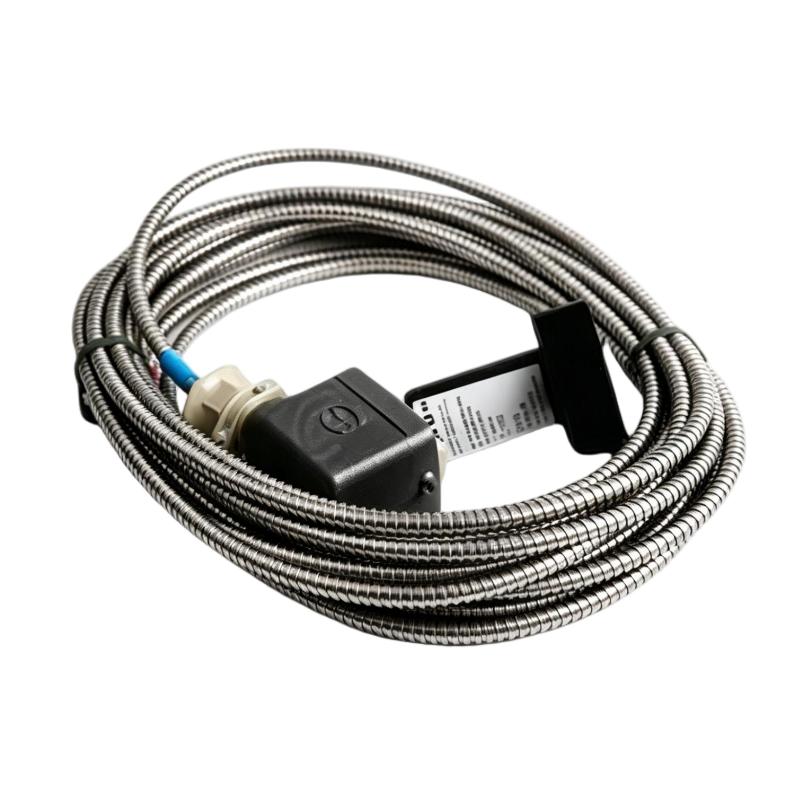
| Monitoring cable | Transfers the sensor signal | Confirm cable type, length, shielding, and connector |
| Sensor mounting hardware | Secures the sensor to the machine | Follow the exact mounting requirements |
| Engineering workstation | Supports configuration and data analysis | Depends on the monitoring platform |
The components listed are examples of equipment that may be used in a complete monitoring system. They are not necessarily supplied with the sensor.
Alternative Models and Replacement Considerations
The PR9268 family contains several configurations intended for different installation orientations and application requirements. A replacement should be selected by comparing the complete model number and technical characteristics.
| Related Model or Option | Replacement Considerations |
|---|---|
| PR9268/700-000 | Related horizontal-orientation configuration; verify exact suffix and installation requirements |
| PR9268/701-000 | Related configuration within the PR9268 family; compare cable and mounting details |
| PR9268/706-000 | Related PR9268 variant; verify orientation and electrical specifications |
| PR9268/708-000 | Related family variant; confirm the required configuration before substitution |
| Other PR9268 series models | Must be checked for orientation, sensitivity, frequency response, cable arrangement, and compatibility |
Before ordering a replacement, compare:
- Complete model number and suffix.
- Sensor orientation and permitted installation angle.
- Measurement principle and sensitivity.
- Frequency response.
- Electrical output characteristics.
- Cable length and connector arrangement.
- Mounting dimensions and mechanical interface.
- Environmental and certification requirements.
- Compatibility with the existing monitoring channel.
A sensor from the same product family is not automatically a direct replacement. Differences in orientation or cable configuration can affect installation and measurement performance.
Key Advantages
Electrodynamic Measurement Technology
The PR9268 family uses an electrodynamic sensing principle suitable for mechanical vibration measurement in industrial rotating machinery.
Support for Critical Machinery Monitoring
The sensor family is intended for applications involving turbines, compressors, pumps, and fans, where vibration information is important for condition assessment.
Integration with Monitoring Systems
The sensor can provide a measurement signal to compatible vibration monitoring and signal-conditioning equipment.
Support for Predictive Maintenance
Vibration measurements can help maintenance teams observe changes in machine condition and plan inspections based on actual operating behavior.
Industrial Application Flexibility
The PR9268 family includes different configurations for varying installation orientations and application requirements.
Compact Product Format
The supplied product dimensions of 78 × 58 mm support consideration in machinery installations where mounting space must be evaluated carefully.
Technical FAQs
1. What is the Epro PR9268/707-000?
It is an Epro PR9268-series electric sensor associated with industrial rotating machinery monitoring. The PR9268 family uses electrodynamic technology for mechanical vibration measurement.
2. What is the main function of the PR9268 sensor family?
Its main purpose is to measure mechanical vibration velocity on machinery structures such as turbine, compressor, pump, and fan casings.
3. Is the PR9268 an eddy-current sensor?
The PR9268 family is documented as an electrodynamic velocity sensor. It should not be confused with an eddy-current proximity probe, which uses a different measurement principle.
4. Does the sensor require an external power supply?
The electrodynamic sensing element generates a signal through mechanical movement and electromagnetic induction. The connected monitoring or signal-conditioning equipment may require its own power supply.
5. Can it be used on steam turbines?
The PR9268 family is intended for critical turbomachinery applications, including steam turbines. The specific sensor configuration must be checked against the turbine’s mounting and monitoring requirements.
6. Can it be installed on compressors and pumps?
Yes, suitable PR9268 configurations can be used in compressor and pump vibration monitoring arrangements. Confirm the measurement location, orientation, and monitoring-system compatibility.
7. Does every PR9268 model have the same frequency response?
No. Technical specifications can vary according to the particular configuration and measurement characteristics. Use the datasheet corresponding to the complete model number.
8. Why is sensor orientation important?
The installation orientation affects how the sensor responds to mechanical movement. The permitted orientation and angular limits must be followed to obtain reliable measurement results.
9. Can the sensor connect directly to a PLC?
Not necessarily. The sensor normally connects to a compatible vibration monitoring or signal-conditioning input. A PLC may receive processed information through an appropriate interface.
10. What should be checked before purchasing a replacement?
Verify the complete part number, mounting arrangement, orientation, cable and connector details, electrical characteristics, and compatibility with the existing monitoring system. Also confirm the physical condition and supplied accessories.
Procurement and Maintenance Recommendations
When purchasing the Epro PR9268/707-000, begin by checking the complete model number on the product label. The PR9268 family includes multiple configurations, and similar model numbers do not guarantee identical installation or electrical characteristics.
For replacement projects, compare the sensor’s mounting orientation, sensitivity, frequency response, cable configuration, and compatibility with the existing monitoring equipment. If the original technical documentation is available, use it as the primary reference for confirming the replacement.
For used or refurbished units, request clear photographs of the sensor body, identification label, connector, cable, and mounting arrangement. Check for visible mechanical damage, corrosion, cable deterioration, or damaged connection points.
During routine maintenance, inspect the mounting hardware and cable condition. Ensure that the sensor remains securely attached and that the signal connection is stable. Compare vibration readings with established baseline measurements and investigate significant changes.
Accurate records of sensor model numbers, installation locations, orientations, and monitoring-channel settings can simplify future maintenance and reduce the risk of incorrect replacement.
Conclusion
The Epro PR9268/707-000 Electric Speed Sensor belongs to the PR9268 electrodynamic sensor family used in industrial rotating machinery monitoring. Its role is to provide vibration-related measurement information for compatible monitoring and signal-conditioning systems.
The PR9268 family is applicable to critical equipment such as steam turbines, gas turbines, compressors, pumps, and fans. Correct model identification, mounting orientation, cable compatibility, and monitoring-system configuration are essential for reliable operation.
For industrial maintenance and spare-parts procurement, verifying the complete PR9268/707-000 configuration is the most important step when selecting a replacement or integrating the sensor into an existing machinery monitoring system.