

ProductPRODUCT
Featured products
Contact Us
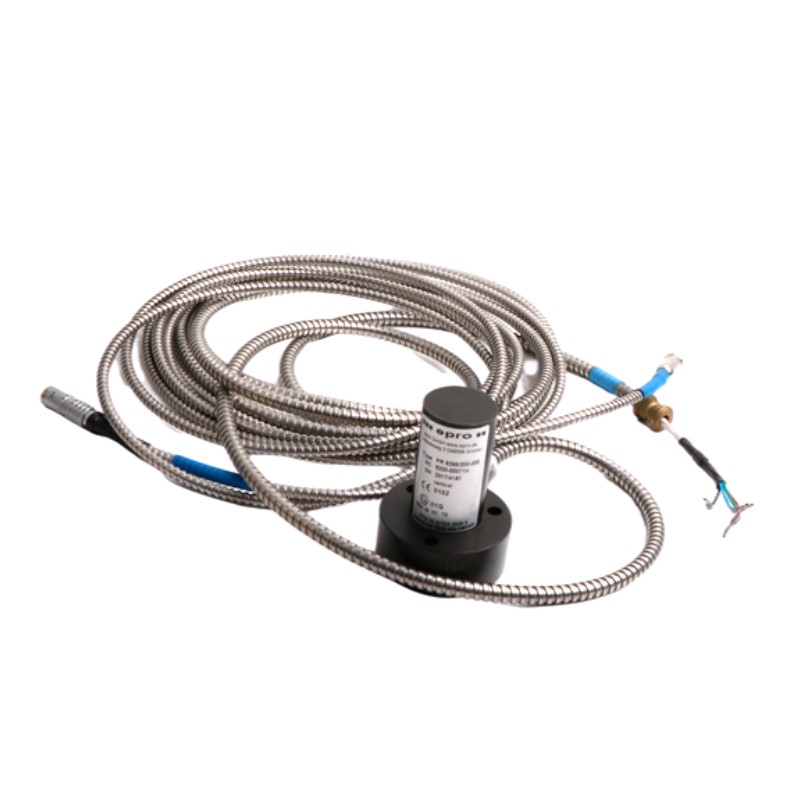
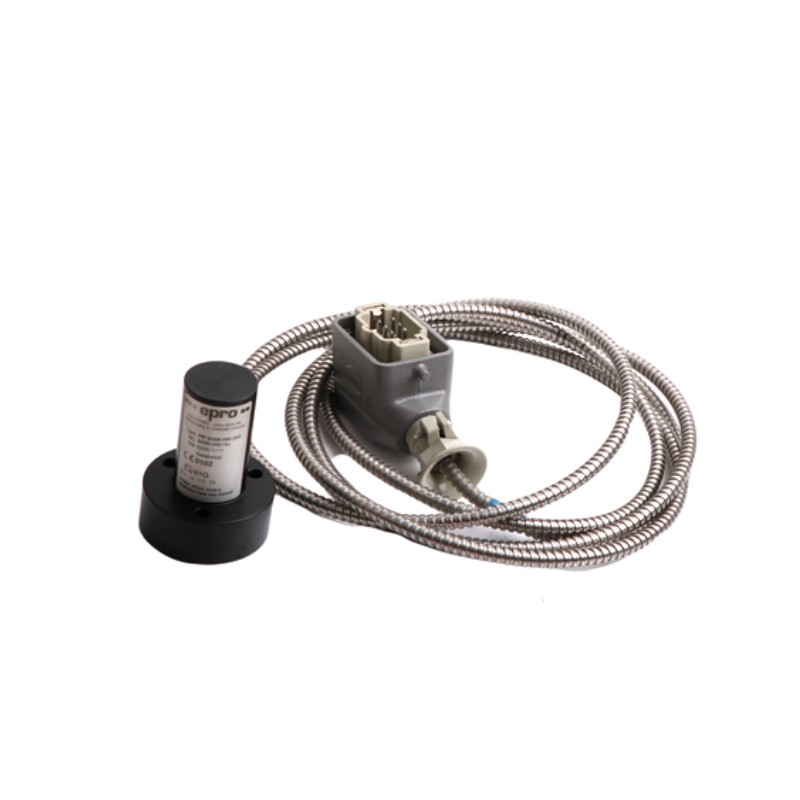
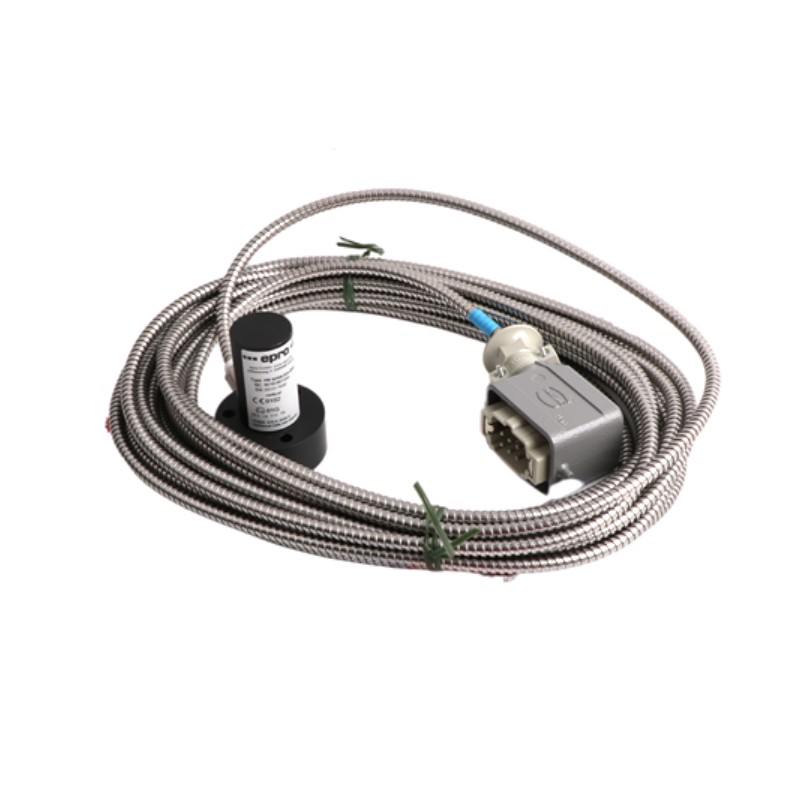
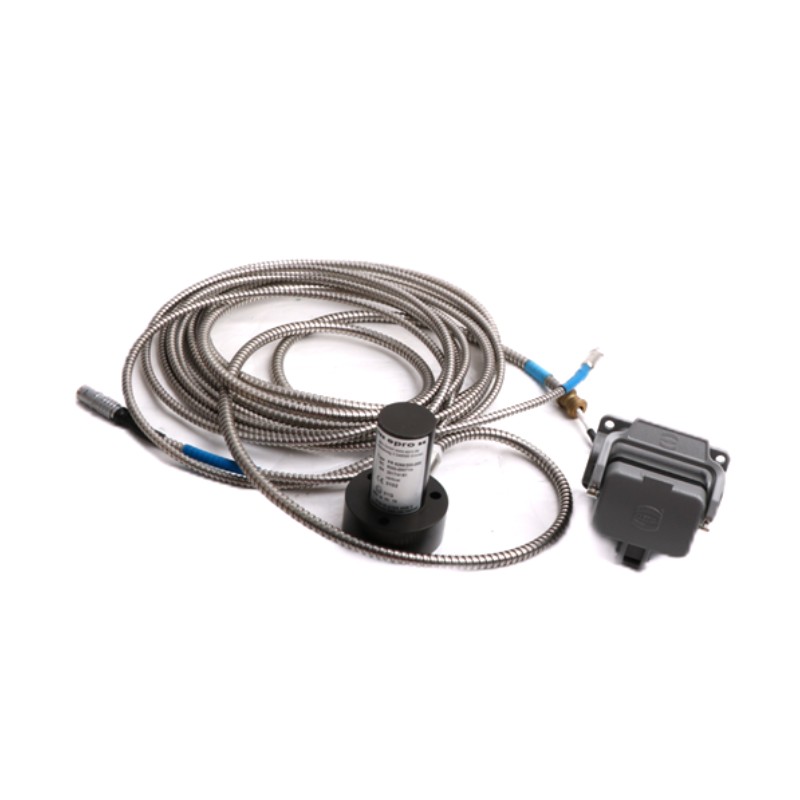
- Epro
- PR9268/703-000
- Electric Speed Sensor
- Germany
- 78 × 58 mm
- 0.93 kg
- Xiamen, China
- New & In Stock
- T/T, PayPal, Western Union
- 1 Year
- 1-3 Working Days
- DHL, UPS, TNT, FedEx and EMS.
- 24-Hour Service
- COO
- 8
Our advantage

Global Logistics
We have a 10-year logistics and express cooperation agreement, so our products can be shipped to any place in the world.

Brand new and original
Our products are imported in bulk from the place of origin. Because of the cooperative relationship, our products are all original and 100% new.

24-hour service
We provide 7*24 hours service to our customers. We will be there whenever you need us.

Price advantage
All our products are priced very favorably because we have our own warehouse and supply.
| Company Information | |||
| [email protected] | |||
| Mobile | +8615980777398 | ||
| +8615980777398 | |||
| 15980777398 |
Product Overview
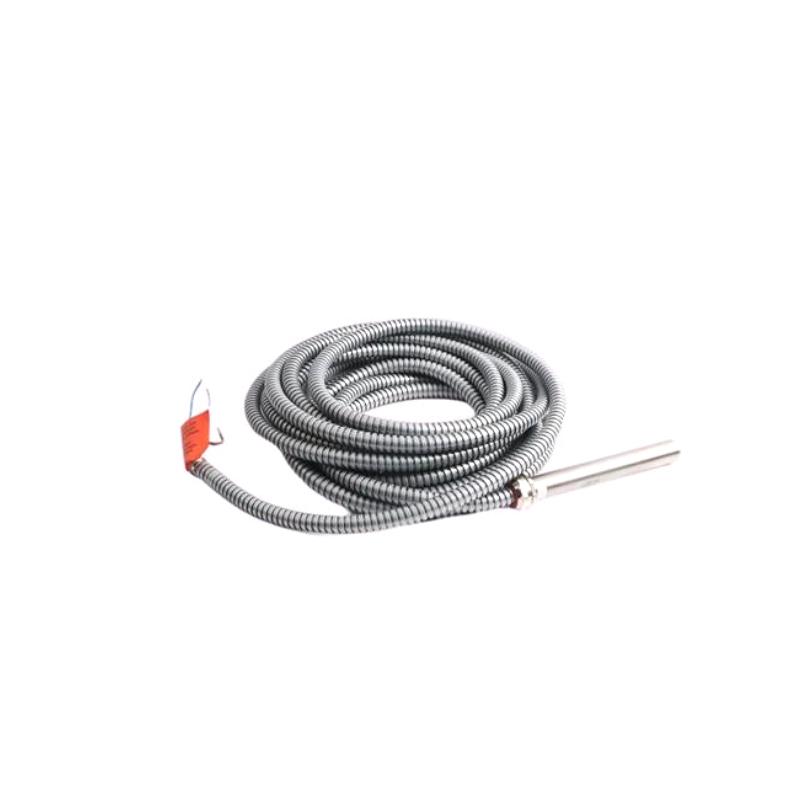
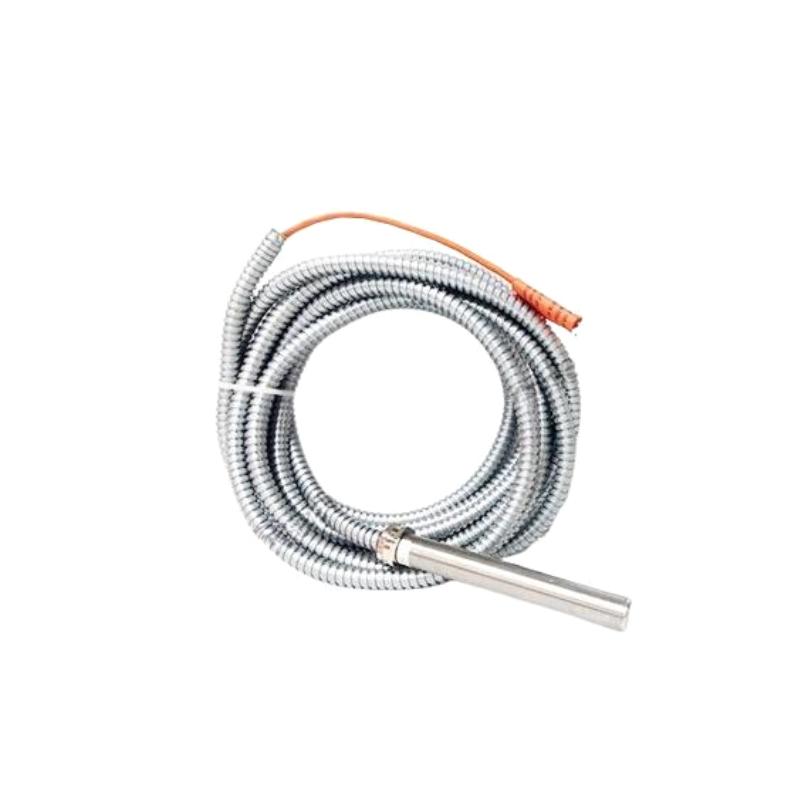
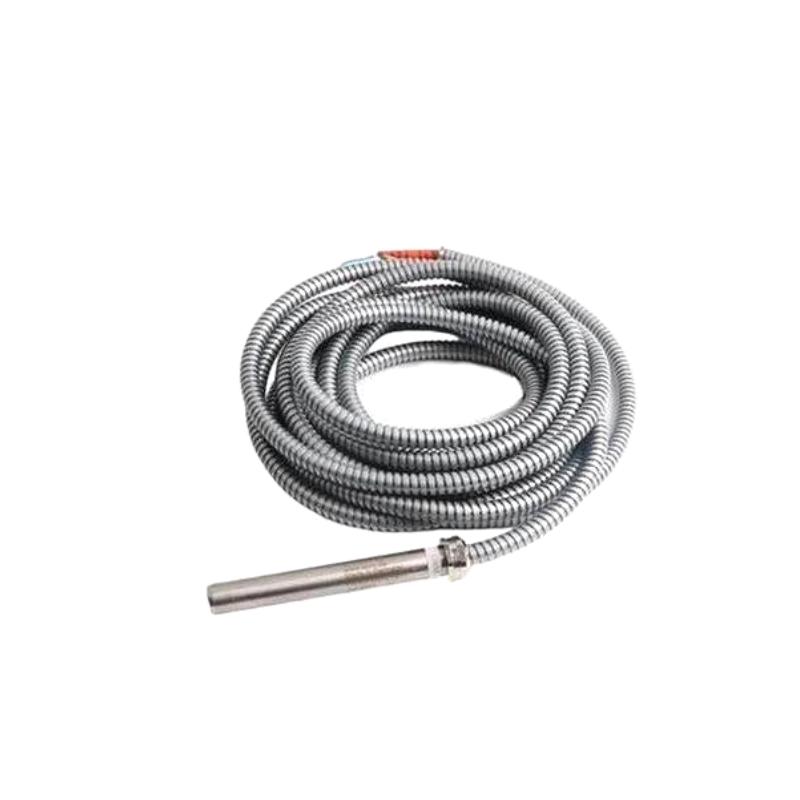
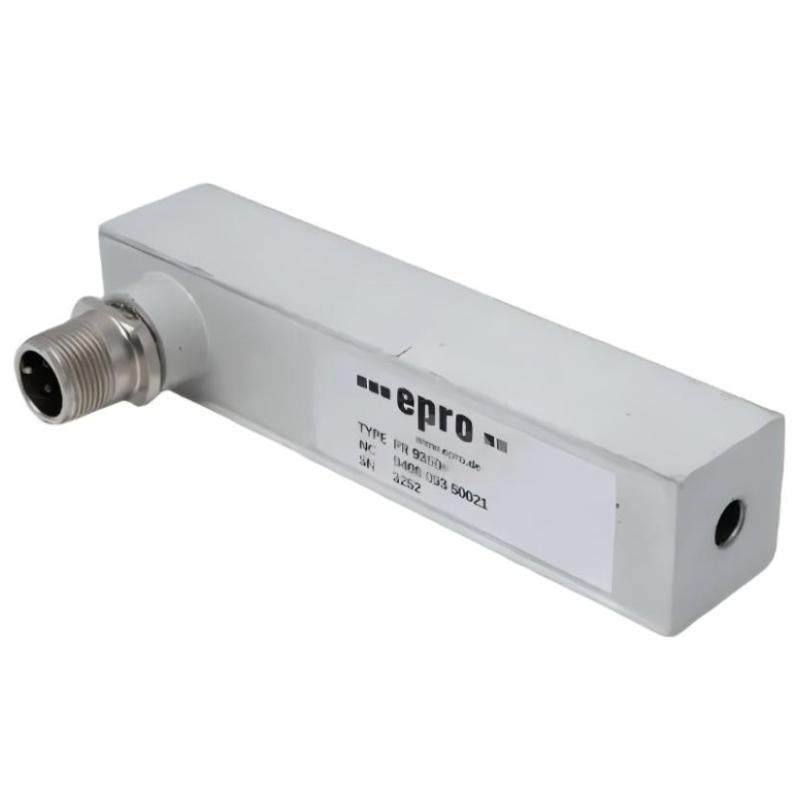
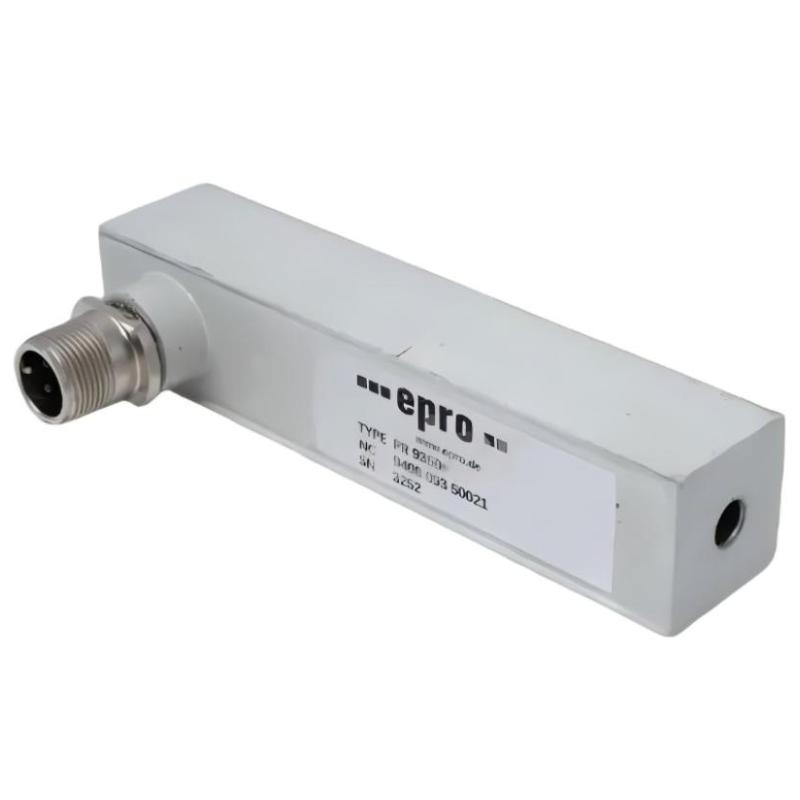
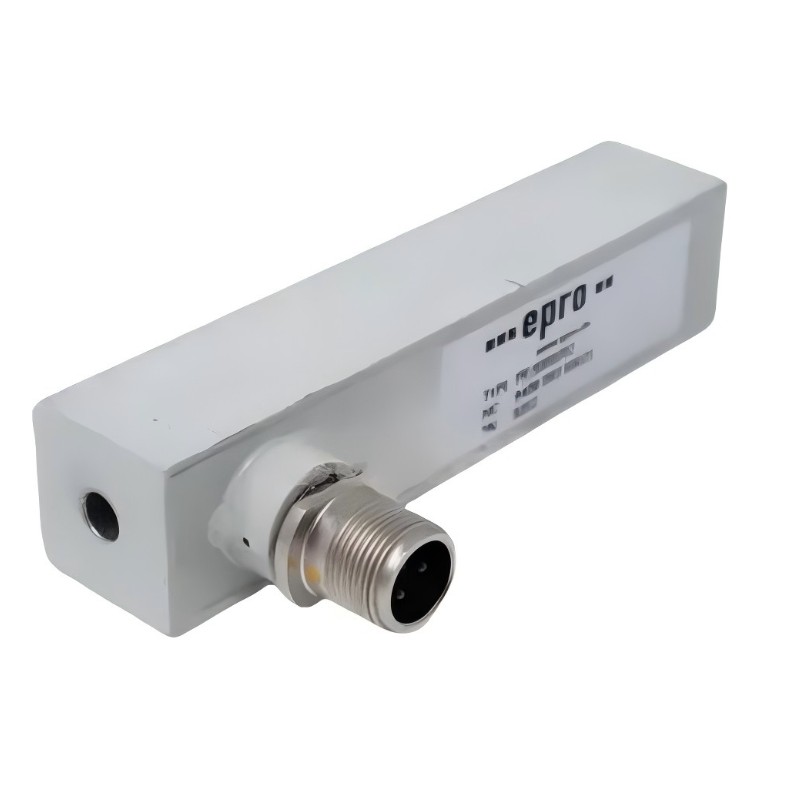
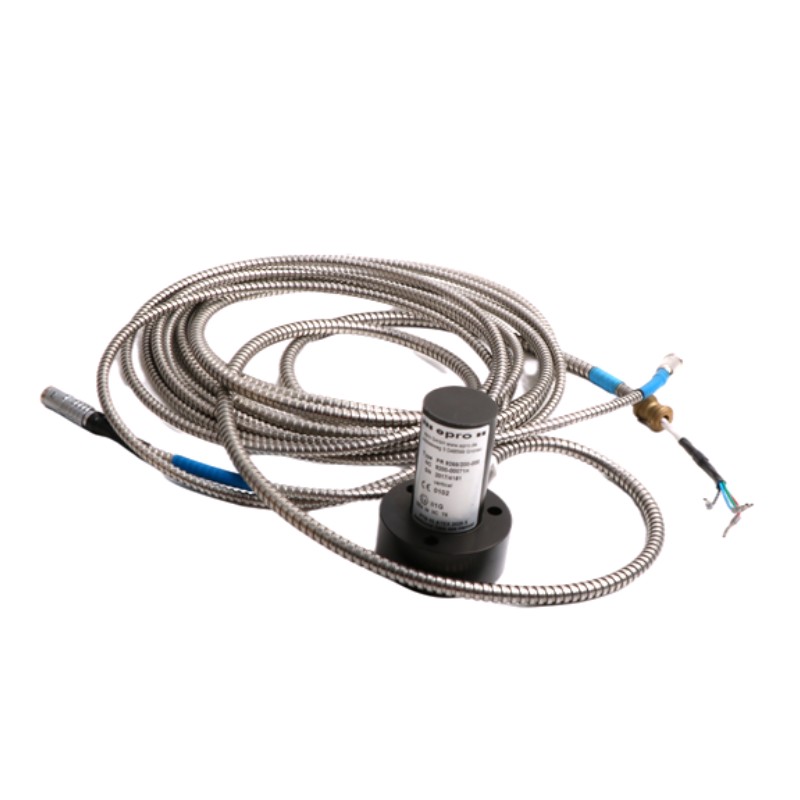
The Epro PR9268/703-000 Electrodynamic Velocity Sensor is an industrial vibration-monitoring sensor designed to measure the absolute vibration velocity of machinery housings. It belongs to the Epro PR9268 sensor family, which is used in condition-monitoring applications involving critical rotating equipment such as steam turbines, gas turbines, hydro turbines, compressors, pumps, and fans.
In industrial plants, vibration is an important indicator of mechanical condition. Changes in vibration behavior can be associated with imbalance, misalignment, looseness, bearing deterioration, and other mechanical problems. A reliable vibration sensor provides measurement signals that can be evaluated by monitoring and machinery-protection equipment.
The PR9268 series uses an electrodynamic measurement principle. Unlike a proximity probe that measures shaft displacement relative to a fixed reference, an electrodynamic velocity sensor measures the vibration velocity of the machine housing. This makes it suitable for applications where absolute casing vibration is the required monitoring parameter.
The PR9268/703-000 belongs to the horizontal-orientation configuration of the PR9268 family. Its orientation characteristics and installation requirements should be considered when selecting a mounting position. The sensor is designed for industrial environments and has a self-powered operating principle, meaning it does not require a separate excitation supply for its basic sensing operation.
For maintenance engineers and equipment operators, the sensor can provide an important measurement input for vibration monitoring, condition assessment, and machinery protection systems. Correct sensor orientation, mounting quality, cable routing, and compatibility with the receiving monitoring equipment are essential for reliable measurement.
Technical Specifications
| Parameter | Specification |
|---|---|
| Brand | Epro |
| Product Series | PR9268 |
| Model | PR9268/703-000 |
| Product Type | Electrodynamic Velocity Sensor |
| Product Description | Industrial Vibration Velocity Sensor |
| Measurement Type | Absolute casing vibration velocity |
| Operating Principle | Electrodynamic |
| Sensor Orientation | Horizontal configuration |
| Orientation Range | Up to ±30° for the PR9268/70x-000 configuration |
| Power Requirement | Self-powered sensing principle |
| Operating Temperature | -20°C to +200°C for the PR9268/70x-000 family |
| Protection Class | IP65 for the PR9268/70x-000 family |
| Cable | PTFE, 3 × 0.5 mm², configuration-dependent |
| Cable Armor | Stainless steel, configuration-dependent |
| Connector | Harting plug configuration, depending on ordered version |
| Dimensions Provided | 78 × 58 mm |
| Weight Provided | 0.93 kg |
| Manufacturer Reference Weight | Approximately 1.05 kg for the PR9268/70x-000 family |
| Typical Applications | Turbines, compressors, pumps, fans, and rotating machinery |
Important specification note: The supplied weight is 0.93 kg. The PR9268 manufacturer’s family specification lists approximately 1.05 kg for the 70x-000 variants. Confirm the exact cable and connector configuration, actual dimensions, and weighing basis before finalizing the product listing.
Function and Working Principle
The PR9268/703-000 uses an electrodynamic principle to measure vibration velocity. Its sensing mechanism converts mechanical movement into an electrical signal that can be evaluated by suitable monitoring equipment.
1. Electrodynamic Measurement
An electrodynamic velocity sensor uses relative movement within its internal sensing assembly to generate an electrical output. When the machine housing vibrates, the sensor’s internal moving element responds to that mechanical motion.
The resulting electrical signal is related to the vibration velocity within the sensor’s specified operating range. This allows the monitoring system to evaluate the vibration behavior of the machine casing.
Unlike an externally powered electronic sensor, the electrodynamic sensing principle is self-powered. The mechanical vibration itself produces the measurement signal.
2. Absolute Vibration Velocity Measurement
The sensor is intended for measuring absolute vibration velocity on a machine housing or other suitable mounting surface.
Absolute vibration measurement is useful when the objective is to evaluate how the machine structure is moving rather than measuring the relative position between a rotating shaft and a stationary probe.
This measurement approach is commonly applied to machinery such as pumps, fans, compressors, and turbines. The appropriate measurement location depends on the machine’s design, bearing arrangement, and monitoring requirements.
3. Horizontal Installation Orientation
The PR9268/703-000 belongs to the horizontal-orientation model group. Orientation is important because electrodynamic sensors respond to vibration along their intended measurement axis.
The PR9268/70x-000 family is specified for horizontal installation with an orientation allowance of up to ±30°. Engineers should follow the manufacturer’s installation instructions when selecting the mounting direction.
Incorrect orientation can affect measurement performance and may produce readings that do not accurately represent the intended vibration component.
4. Signal Transmission to Monitoring Equipment
The sensor produces an electrical measurement signal that must be connected to compatible vibration-monitoring or signal-conditioning equipment.
The receiving system processes the signal and makes the vibration information available for display, recording, alarm evaluation, or machinery-protection functions.
The exact cable termination, connector, signal-conditioning requirements, and input compatibility should be confirmed from the sensor’s complete ordering code and the receiving equipment documentation.
5. Contribution to Machinery Condition Monitoring
Vibration velocity measurements can help maintenance personnel identify changes in machine behavior over time.
For example, a gradual increase in vibration may indicate a developing mechanical issue. A sudden change may suggest a more immediate abnormal condition. The sensor itself does not diagnose the cause of a fault; engineers must interpret the measurement alongside operating conditions, historical trends, and other machine data.
Role in Industrial Monitoring and Control Systems
The Epro PR9268/703-000 can serve as a measurement component in a machinery-condition monitoring system. Its primary role is to provide vibration information to equipment responsible for signal processing, display, alarm management, and protection.
1. Vibration Monitoring Systems
The sensor can be installed at an appropriate machine-housing measurement point. Its output is routed to compatible monitoring equipment, where vibration values can be evaluated against operating limits and historical trends.
Monitoring systems may display vibration levels, record changes over time, and provide alerts when configured thresholds are exceeded.
2. Machinery Protection Systems
In critical installations, vibration measurements may form part of a machinery-protection strategy. Monitoring equipment can use the sensor signal as an input for alarm or shutdown logic, depending on the plant’s protection design.
The sensor is only one part of this arrangement. The complete protection function depends on the receiving module, configured limits, relay logic, control system, and plant safety procedures.
3. Integration with DCS and PLC Systems
A distributed control system or programmable logic controller may receive vibration information through a compatible monitoring or signal-conditioning interface.
The PR9268/703-000 should not be treated as a direct PLC communication device. Its output must be connected to an input designed to accept the sensor’s electrical characteristics.
When planning integration, verify the signal type, sensitivity, frequency response, cable arrangement, and input requirements of the receiving equipment.
4. Condition-Based Maintenance
Continuous or periodic vibration measurements can support condition-based maintenance programs.
Rather than relying exclusively on fixed maintenance intervals, engineers can use vibration trends to identify changes that may justify inspection or corrective action.
This approach can help maintenance teams prioritize equipment inspections and investigate developing problems before they cause unexpected production interruptions.
Industrial Applications
The PR9268/703-000 is intended for vibration measurement on industrial machinery where casing vibration is an important operating parameter.
1. Steam Turbines
Steam turbines operate at high rotational speeds and are often critical to power generation and industrial production. Monitoring casing vibration can help operators assess mechanical behavior and identify abnormal changes.
The sensor can provide vibration velocity information to compatible monitoring equipment installed as part of the turbine’s condition-monitoring system.
2. Gas Turbines
Gas turbines operate under demanding thermal and mechanical conditions. Vibration monitoring is an important part of assessing equipment condition and maintaining reliable operation.
A suitable PR9268 sensor installation can provide casing vibration information for use in the plant’s monitoring arrangement. The operating temperature and mounting conditions must remain within the specified limits for the exact sensor version.
3. Hydro Turbines
Hydro turbines and associated rotating equipment require monitoring to identify changes in mechanical behavior. Vibration measurements can help maintenance personnel evaluate machine condition during normal operation and changing load conditions.
The sensor’s orientation and mounting position should be selected according to the machine structure and the required measurement direction.
4. Industrial Compressors
Compressors are widely used in petrochemical plants, refineries, gas-processing facilities, and manufacturing operations. Excessive vibration can affect machine reliability and may indicate mechanical problems.
The PR9268/703-000 can be considered for suitable compressor casing vibration measurement points when its orientation and measurement characteristics match the monitoring requirements.
5. Industrial Pumps
Large process pumps operate in applications where vibration can be influenced by bearing condition, hydraulic behavior, alignment, and mechanical balance.
Vibration velocity measurements provide useful information for maintenance teams evaluating pump condition and identifying abnormal trends.
6. Industrial Fans and Blowers
Fans and blowers are used in ventilation systems, combustion processes, cooling equipment, and material-handling operations. Monitoring casing vibration can help identify changes in mechanical balance and support routine maintenance planning.
The sensor should be mounted on a structurally suitable surface with a reliable mechanical connection.
Installation and System Integration
Proper installation is essential for obtaining reliable vibration measurements. Mechanical mounting, sensor orientation, cable protection, and receiving-system compatibility all influence measurement quality.
1. Select the Correct Measurement Position
Choose a mounting location that represents the vibration behavior of the machine being monitored.
The selected position should provide a rigid mechanical connection and avoid locations where the sensor may be exposed to unnecessary impact, loose structures, or excessive external interference.
For bearing-related monitoring, the mounting location should be selected according to the machine manufacturer’s monitoring recommendations.
2. Observe the Required Orientation
The PR9268/703-000 belongs to the horizontal-orientation configuration.
Install the sensor according to the specified measurement direction and the manufacturer’s permitted orientation range. Do not assume that all PR9268 models have identical orientation requirements.
Before installation, check the complete model designation and the sensor’s installation drawing.
3. Prepare the Mounting Surface
The mounting surface should be clean, stable, and mechanically sound. Remove contamination, loose paint, corrosion, and other material that could prevent proper contact.
A secure mounting connection helps ensure that machine vibration is transmitted to the sensor without introducing unnecessary measurement errors.
Use the mounting method specified for the exact sensor version. Avoid modifying the sensor housing or using unapproved mounting accessories.
4. Protect the Cable and Connector
The PR9268 family uses a cable and connector arrangement that depends on the ordered configuration.
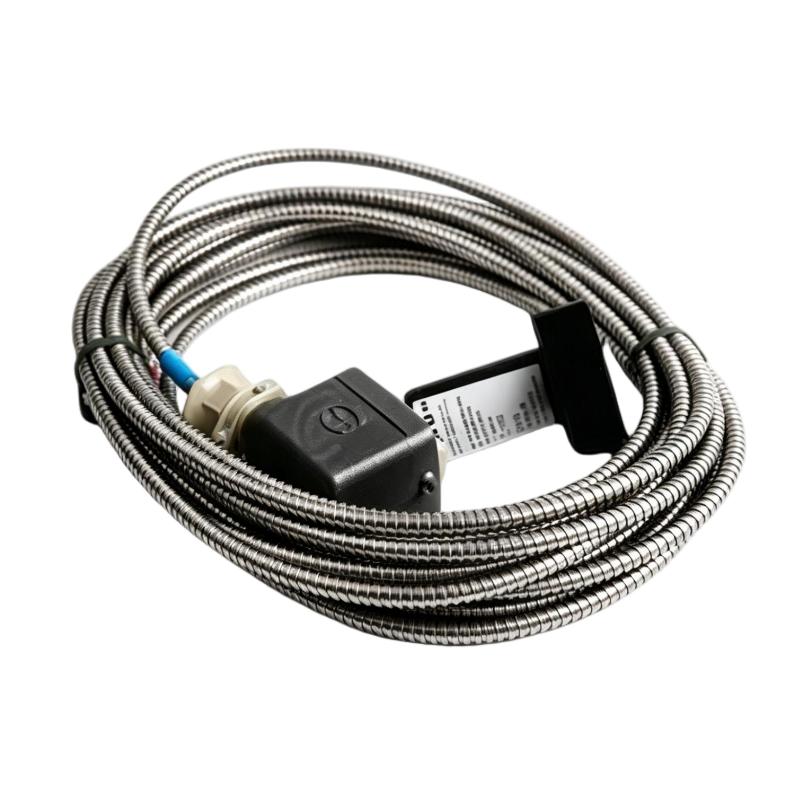
Route the cable away from high-temperature surfaces, moving machinery, sharp edges, and sources of electrical interference. Protect the cable from vibration-related fatigue and mechanical damage.
The connector should be properly secured and protected from contamination. Confirm the correct pin assignment before connecting the sensor to monitoring equipment.
5. Verify Receiving-System Compatibility
Before connecting the sensor, confirm that the receiving monitoring module supports the PR9268 sensor’s output characteristics.
Important items include:
- Sensor sensitivity and measurement range.
- Frequency response.
- Signal-conditioning requirements.
- Cable and connector configuration.
- Input impedance and electrical compatibility.
- Grounding and shielding arrangement.
Do not assume that a sensor can be connected directly to any PLC or analog input module. Use a suitable monitoring interface or signal conditioner where required.
6. Perform Commissioning Checks
After installation, inspect the mechanical mounting and cable routing. Confirm that the receiving equipment recognizes the signal and that the displayed measurement is consistent with the expected machine operating condition.
Record baseline vibration readings when the machine is operating normally. These baseline values can be useful for future condition comparisons.
Compatible System Components
The PR9268/703-000 normally operates as part of a larger vibration-monitoring arrangement.
| Component | Function | Integration Considerations |
|---|---|---|
| Vibration monitoring module | Receives and evaluates the sensor signal | Verify sensor sensitivity and input compatibility |
| Signal conditioner | Processes the sensor output when required | Match the electrical characteristics of the sensor |
| DCS | Displays and manages plant operating information | Connect through a compatible monitoring interface |
| PLC | Supports machine control and selected monitoring functions | Use a suitable signal-conditioning or monitoring input |
| Machinery protection system | Evaluates vibration conditions and manages alarms | Confirm measurement scaling and configured protection limits |
| Sensor cable | Transmits the measurement signal | Verify cable type, length, shielding, and connector |
| Mounting accessories | Secure the sensor to the machine | Use the mounting arrangement specified for the exact version |
| Engineering workstation | Supports configuration and trend analysis | Use the monitoring system’s supported software and interfaces |
Compatibility should be verified using the complete sensor model and the documentation for the receiving monitoring equipment. The components listed above are examples of a typical monitoring arrangement and are not necessarily supplied with the sensor.
Alternative Models and Replacement Considerations
The PR9268 family includes several variants with different installation orientations, temperature ranges, protection classes, and cable arrangements.
| Model Family | General Configuration | Replacement Considerations |
|---|---|---|
| PR9268/01x-x00 | Omnidirectional configuration | Check mounting arrangement and measurement requirements |
| PR9268/20x-x00 | Vertical orientation, standard-temperature family | Verify orientation and environmental rating |
| PR9268/30x-x00 | Horizontal orientation, standard-temperature family | Compare mounting and temperature requirements |
| PR9268/60x-000 | Vertical high-temperature family | Confirm temperature rating and installation orientation |
| PR9268/70x-000 | Horizontal high-temperature family | Check orientation allowance, cable, connector, and environmental specifications |
A replacement should not be selected based on the PR9268 series name alone.
Before ordering a substitute, compare:
- Complete model and suffix.
- Measurement principle and required measurement direction.
- Horizontal, vertical, or omnidirectional configuration.
- Sensitivity and frequency response.
- Operating temperature range.
- Protection class.
- Cable length and cable construction.
- Connector type and pin assignment.
- Mounting dimensions and mechanical interface.
- Compatibility with the existing monitoring module.
A different PR9268 variant may look similar but have different orientation or environmental characteristics. These differences can affect installation and measurement accuracy.
Key Advantages
Electrodynamic Measurement Principle
The sensor uses an electrodynamic operating principle to measure absolute vibration velocity without requiring a separate excitation supply for its basic sensing operation.
Designed for Critical Machinery
The PR9268 family is intended for vibration measurement on important rotating equipment, including turbines, compressors, pumps, and fans.
High-Temperature Variant
The PR9268/70x-000 family is specified for operation up to +200°C, making the relevant configuration suitable for selected high-temperature industrial measurement environments.
Horizontal Installation Configuration
The PR9268/703-000 belongs to the horizontal-orientation model group, providing a defined installation direction for suitable machinery-monitoring locations.
Industrial Environmental Protection
The PR9268/70x-000 family has an IP65 protection rating. Actual protection depends on correct installation and the condition of the cable and connector assembly.
Support for Condition Monitoring
The vibration signal can be used by compatible monitoring equipment to evaluate machine condition, establish operating baselines, and identify changes in vibration behavior.
Established PR9268 Product Family
The PR9268 series includes different orientation and temperature configurations, allowing engineers to select a version according to the installation environment and measurement requirements.
Technical FAQs
1. What is the Epro PR9268/703-000?
It is an electrodynamic velocity sensor from the Epro PR9268 series. It is designed to measure absolute vibration velocity on suitable machinery housings.
2. Does the PR9268/703-000 measure shaft rotational speed?
Its primary measurement function is vibration velocity, not direct shaft rotational-speed measurement. It should not be confused with a tachometer or proximity-based shaft-speed probe.
3. What is the main application of this sensor?
It is used for vibration monitoring on rotating machinery such as steam turbines, gas turbines, hydro turbines, compressors, pumps, and fans.
4. What does the 703-000 designation indicate?
It identifies a specific PR9268 variant. The 70x-000 group is associated with horizontal installation and the high-temperature configuration. The complete ordering code should be checked before selecting a replacement.
5. What is the operating temperature range?
The PR9268/70x-000 family is specified for an operating temperature range of approximately -20°C to +200°C. Confirm the exact sensor version and installation conditions before use.
6. What is the protection rating?
The PR9268/70x-000 family is specified with an IP65 protection class. Proper cable and connector installation is important to maintain the intended environmental protection.
7. Does the sensor require an external power supply?
The PR9268 is an electrodynamic, self-powered sensor family. Its basic sensing operation does not require a separate excitation supply. The receiving monitoring equipment must still be compatible with its output signal.
8. Can it be connected directly to a PLC?
Not necessarily. The sensor should be connected to an input or signal-conditioning interface designed for its electrical output characteristics. A standard PLC analog input may not be suitable without an appropriate interface.
9. How should the sensor be mounted?
It should be mounted securely on a suitable machine surface, following the required horizontal orientation and the manufacturer’s mounting instructions. A rigid connection is important for reliable vibration transmission.
10. Why does the listed weight differ from some manufacturer data?
The supplied listing weight is 0.93 kg, while the PR9268 manufacturer’s family specification lists approximately 1.05 kg for 70x-000 variants. The difference may relate to product configuration or listing data. Confirm the actual unit, cable, connector, and weighing basis before purchase or shipment.
Procurement and Maintenance Recommendations
When purchasing the Epro PR9268/703-000, verify the complete model number and suffix. The PR9268 family contains several variants with different mounting orientations, temperature ratings, and cable arrangements. A similar-looking sensor may not be a suitable replacement.
For spare-parts procurement, request clear photographs of the product label, housing, cable, and connector. Confirm whether the sensor is supplied with the complete cable assembly and whether the connector configuration matches the existing monitoring installation.
For maintenance, inspect the sensor mounting, cable insulation, protective armor, and connector condition. Loose mounting or damaged cables can affect measurement reliability. Compare vibration readings with historical operating data and investigate unusual changes using the plant’s established machinery-monitoring procedures.
Before replacing an installed sensor, verify its sensitivity, frequency response, mounting direction, and compatibility with the receiving monitoring module. If the sensor forms part of a machinery-protection system, confirm the configured measurement range and alarm settings after replacement.
Conclusion
The Epro PR9268/703-000 Electrodynamic Velocity Sensor is designed for absolute vibration-velocity measurement on critical industrial machinery. Its horizontal-orientation configuration and high-temperature family specifications make it relevant to selected turbine, compressor, pump, and fan monitoring applications.
For reliable operation, engineers should pay particular attention to mounting orientation, measurement location, cable and connector configuration, and compatibility with the receiving monitoring equipment. Accurate identification of the complete model number is essential when purchasing a replacement or maintaining an existing vibration-monitoring system.