

ProductPRODUCT
Featured products
Contact Us
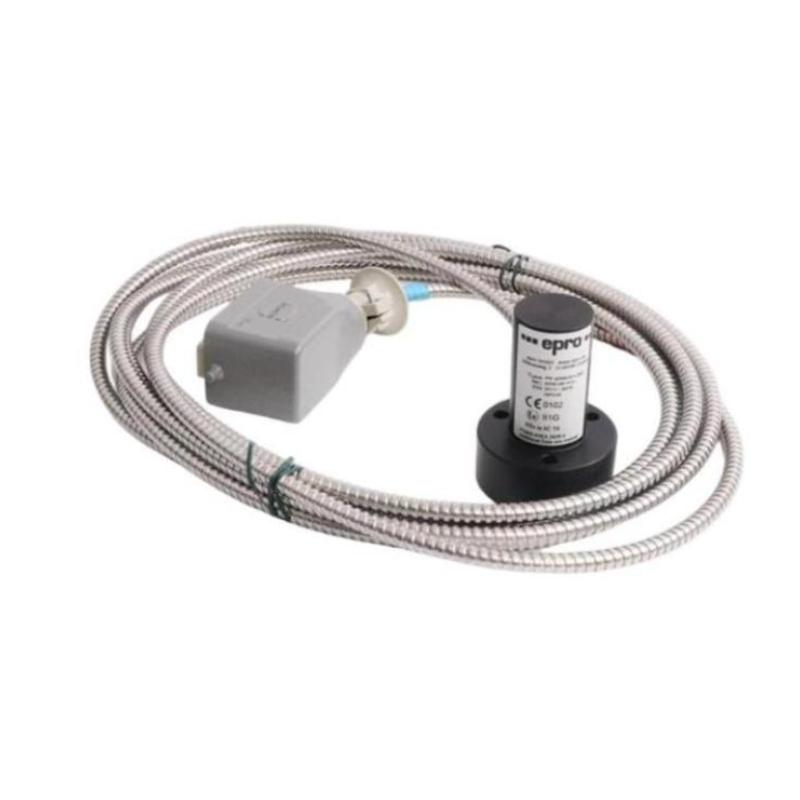
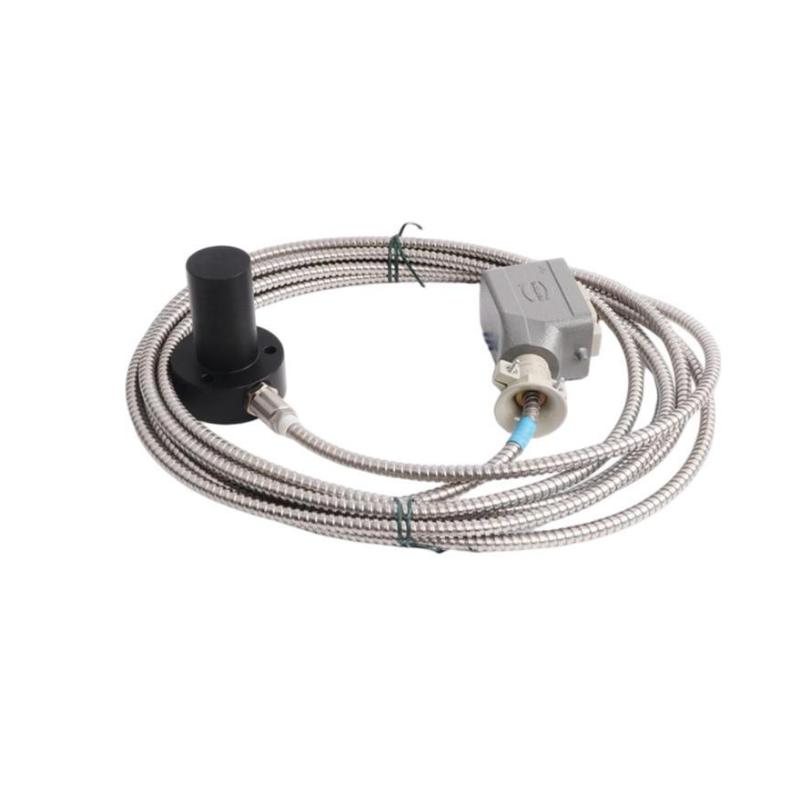
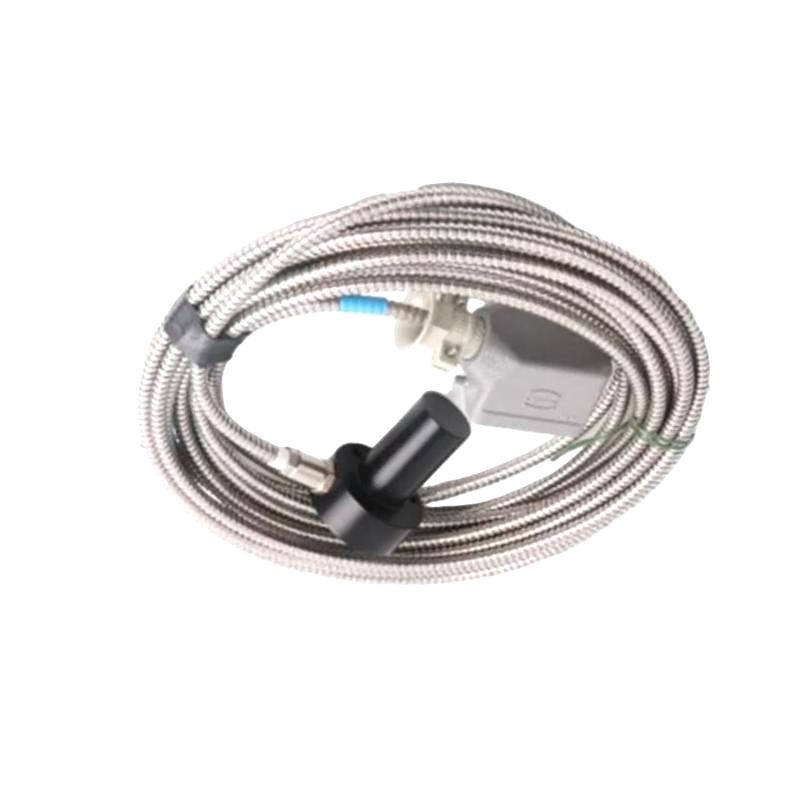
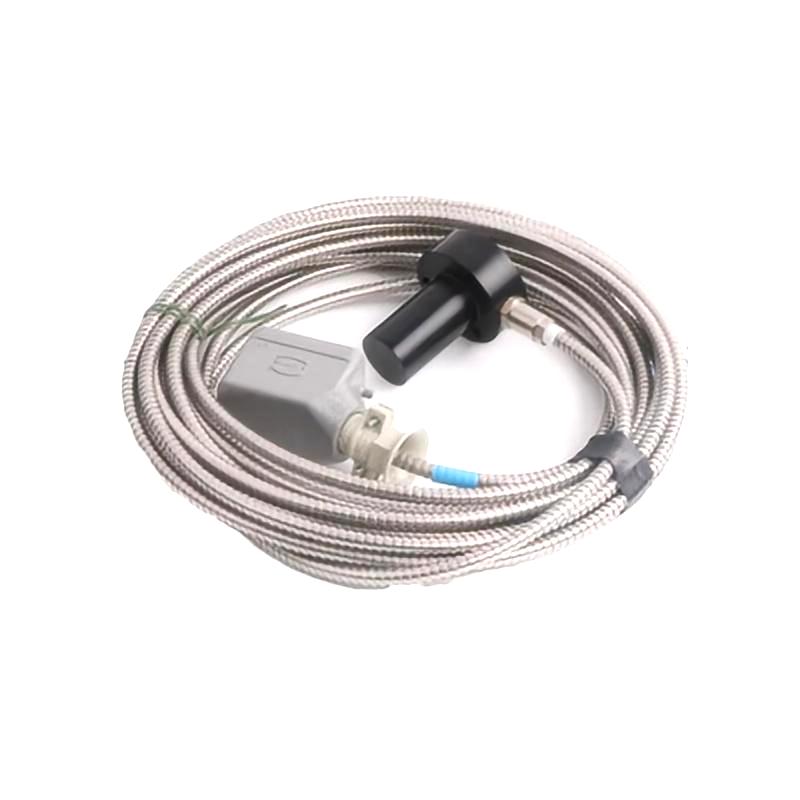
- Epro
- PR9268/702-000
- Electric Speed Sensor
- Germany
- 78 × 58 mm
- 0.93 kg
- Xiamen, China
- New & In Stock
- T/T, PayPal, Western Union
- 1 Year
- 1-3 Working Days
- DHL, UPS, TNT, FedEx and EMS.
- 24-Hour Service
- COO
- 8
Our advantage

Global Logistics
We have a 10-year logistics and express cooperation agreement, so our products can be shipped to any place in the world.

Brand new and original
Our products are imported in bulk from the place of origin. Because of the cooperative relationship, our products are all original and 100% new.

24-hour service
We provide 7*24 hours service to our customers. We will be there whenever you need us.

Price advantage
All our products are priced very favorably because we have our own warehouse and supply.
| Company Information | |||
| [email protected] | |||
| Mobile | +8615980777398 | ||
| +8615980777398 | |||
| 15980777398 |
Product Overview
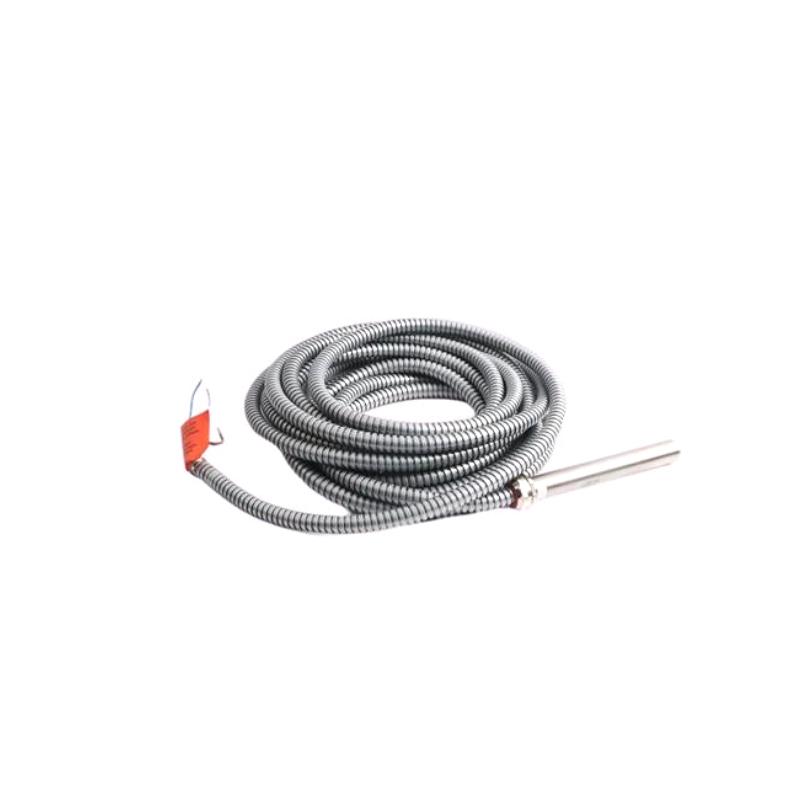
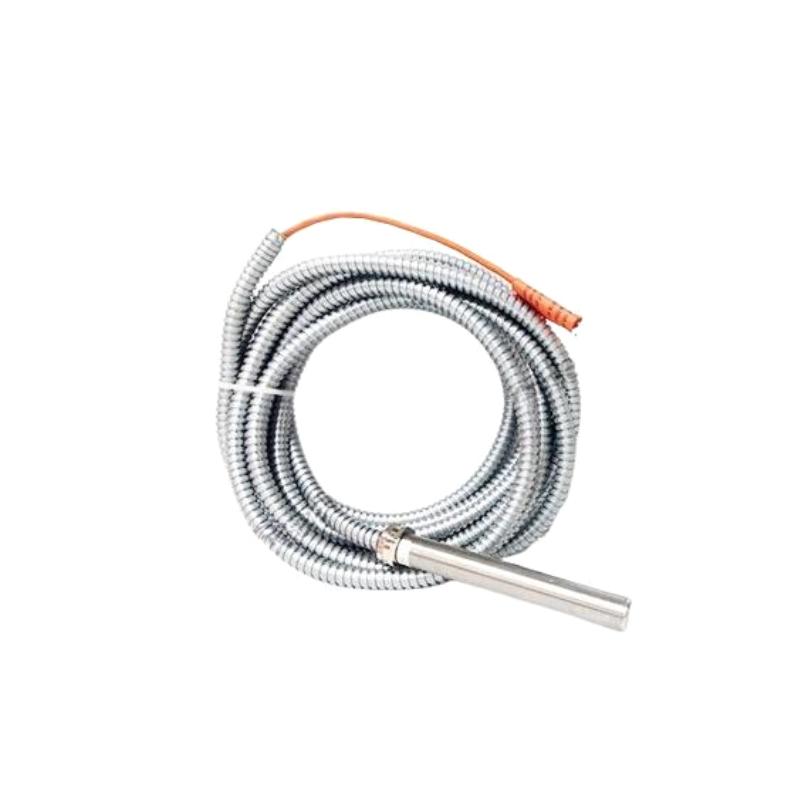
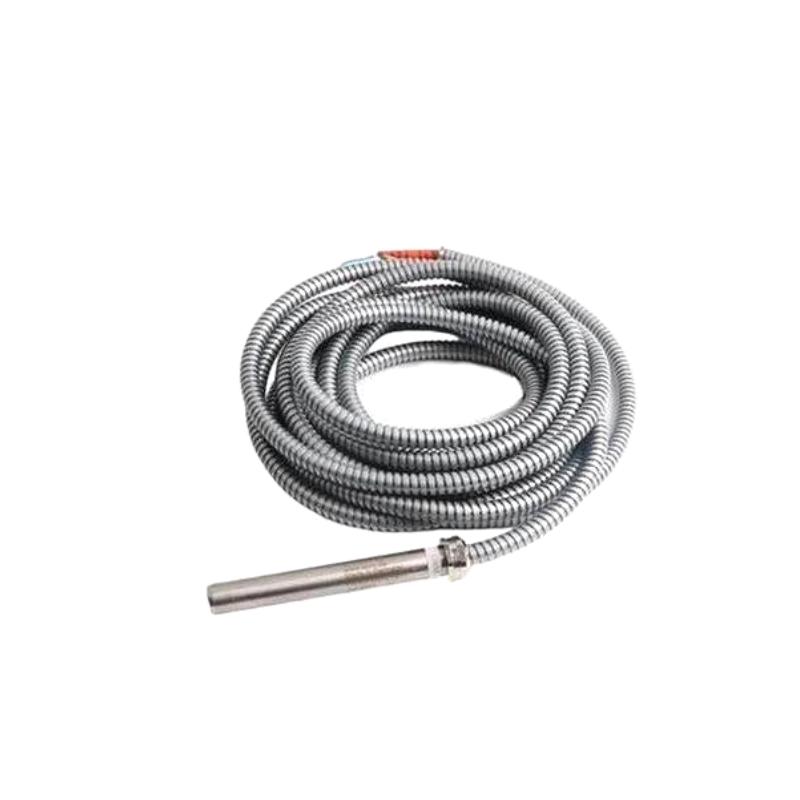
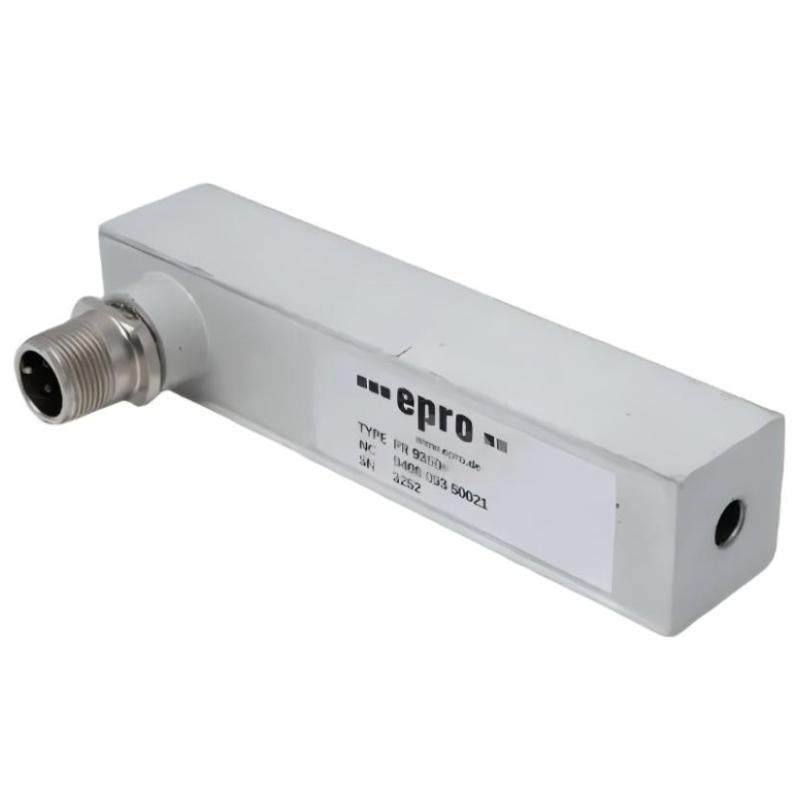
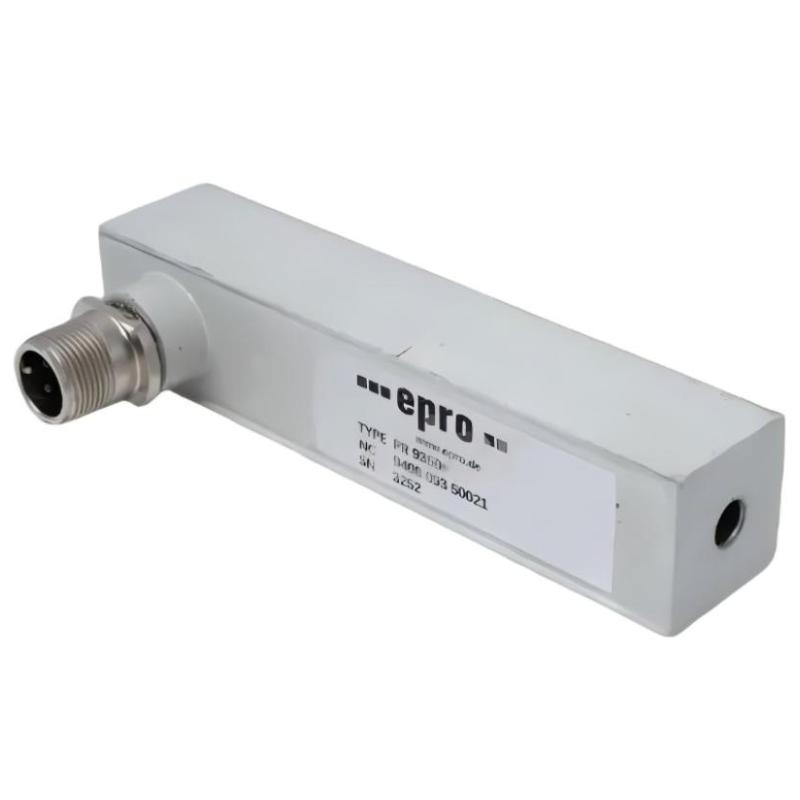
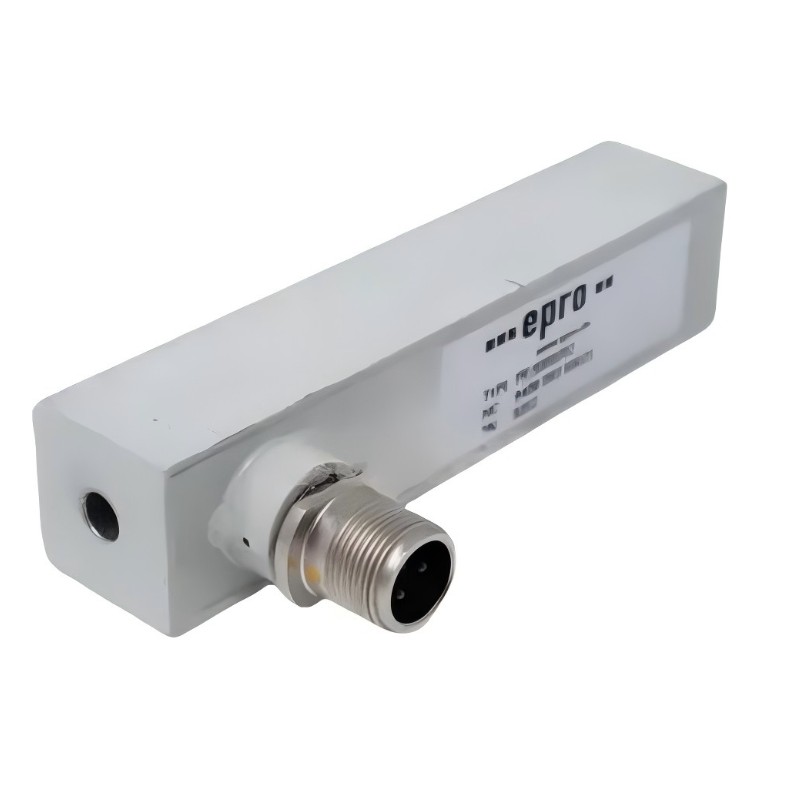
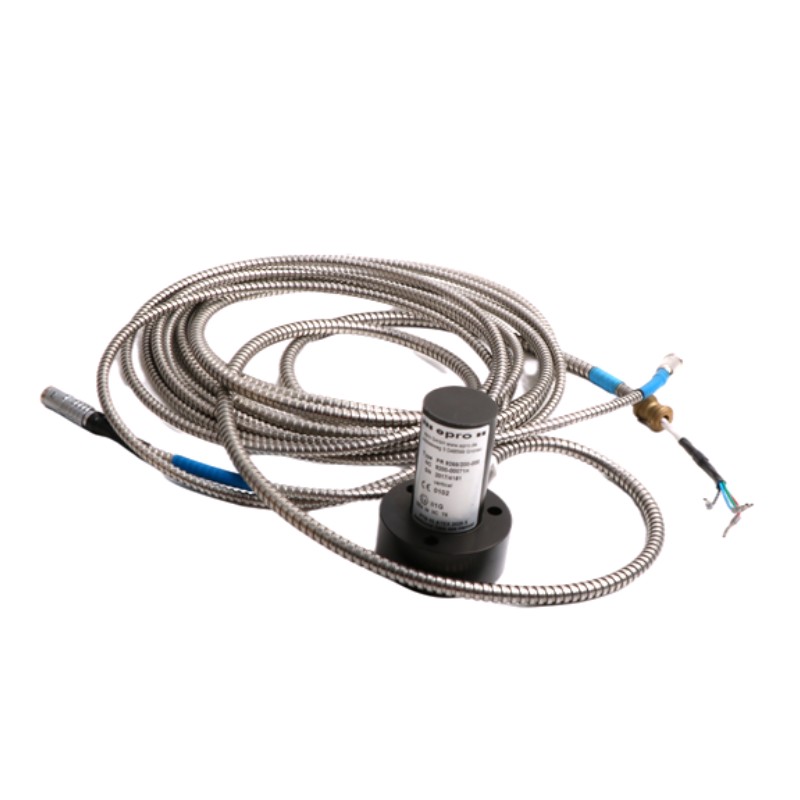
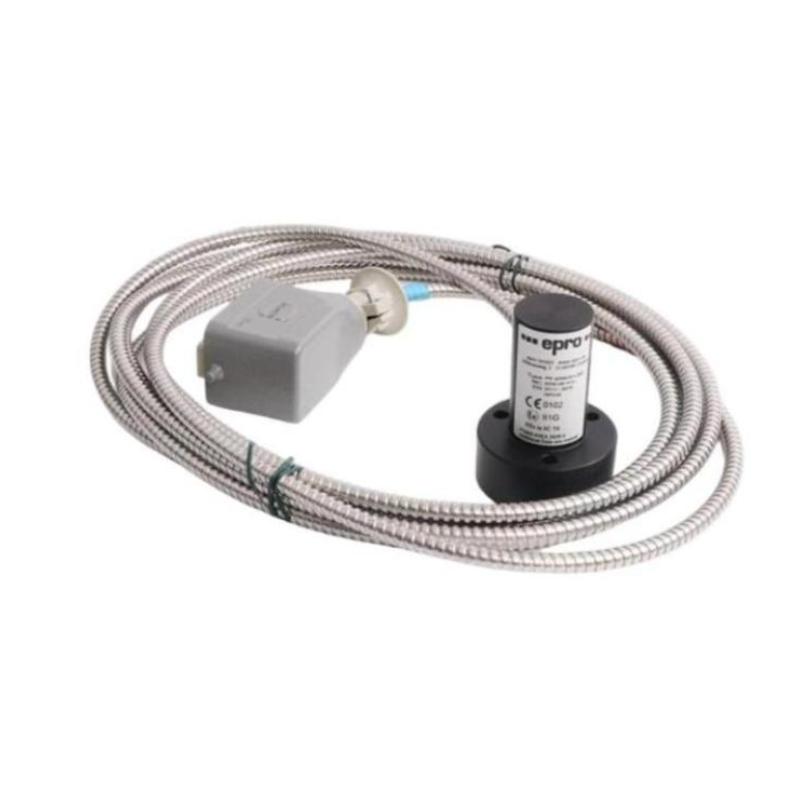
The Epro PR9268/702-000 Electrodynamic Velocity Sensor is an industrial vibration-monitoring sensor designed for measuring the absolute vibration velocity of machinery housings. It belongs to the PR9268 sensor family, developed for condition monitoring and machinery protection in demanding industrial environments.
Manufactured under the Epro product line associated with Emerson, the PR9268 series is used in critical rotating machinery applications, including steam turbines, gas turbines, hydro turbines, compressors, pumps, and industrial fans.
Unlike a conventional proximity sensor that measures shaft displacement relative to a fixed reference, an electrodynamic velocity sensor measures the vibration velocity of the machine casing. This information helps operators and maintenance engineers evaluate the mechanical condition of rotating equipment and identify abnormal vibration behavior.
The PR9268/702-000 is a horizontal high-temperature configuration. Its design is intended for machinery locations where horizontal installation and elevated operating temperatures are relevant. The PR9268/70x family supports a horizontal mounting orientation of up to ±30° when the specified lifting-current arrangement is used.
The sensor is self-powered, meaning it generates an electrical output through its electrodynamic operating principle rather than requiring a separate external excitation supply for the sensing element.
When connected to a compatible vibration monitoring system and signal-conditioning equipment, the sensor provides measurement information that can be used for machinery condition assessment, alarm management, and maintenance planning.
Its compact mounting arrangement and industrial construction make it suitable for integration into machinery monitoring installations where reliable vibration information is important for equipment availability and operational safety.
Technical Specifications
| Parameter | Specification |
|---|---|
| Brand | Epro |
| Product Line | Epro / Emerson |
| Model | PR9268/702-000 |
| Product Type | Electrodynamic Velocity Sensor |
| Measurement Purpose | Absolute vibration velocity |
| Measurement Location | Machine casing / housing |
| Sensor Orientation | Horizontal |
| Sensor Configuration | High-temperature version |
| Operating Principle | Electrodynamic |
| Power Supply | Self-powered |
| Sensitivity | 22.0 mV/mm/s ±5% at Pin 3, 100 Ω load |
| Alternative Sensitivity | 16.7 mV/mm/s ±5% at Pin 1 or Pin 4, according to specified load |
| Frequency Range | 10–1,000 Hz |
| Natural Frequency | 8 Hz ±1.5 Hz at 20°C |
| Transverse Sensitivity | 0.10 at 80 Hz |
| Vibration Amplitude Limit | 3,000 µm / 4,000 µm peak-to-peak |
| Amplitude Linearity | Less than 2% |
| Maximum Continuous Acceleration | 10 g peak-to-peak |
| Maximum Intermittent Acceleration | 20 g peak-to-peak |
| Maximum Transverse Acceleration | 2 g |
| Operating Temperature | -20°C to +200°C |
| Protection Class | IP65 |
| Relative Humidity | 0–100%, non-condensing |
| Housing Material | Stainless steel |
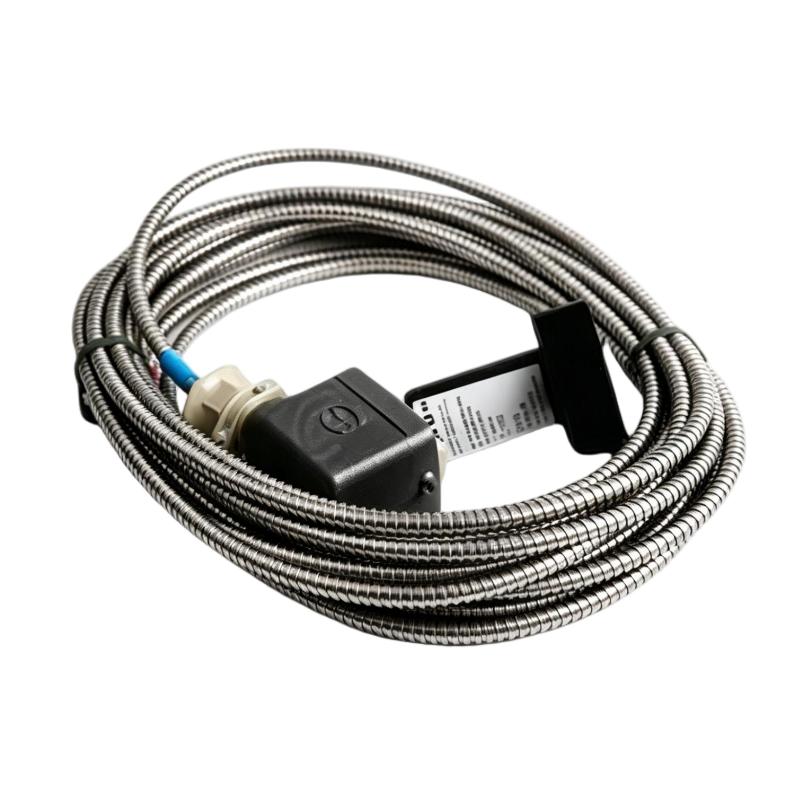
| Cable | PTFE, 3 × 0.5 mm² |
| Cable Armor | Stainless steel |
| Connector | Harting plug for the -000 cable-end configuration |
| Dimensions Provided | 78 × 58 mm |
| Weight Provided | 0.93 kg |
Technical performance values for the PR9268/70x-000 family are shown above. Confirm the complete ordering code, cable configuration, connector, and installation requirements before selecting a replacement.
Function and Working Principle
The PR9268/702-000 operates through an electrodynamic measurement principle. Its internal sensing mechanism converts mechanical vibration into an electrical signal that corresponds to vibration velocity.
This makes the sensor useful for monitoring the dynamic behavior of machinery housings and supporting condition-based maintenance programs.
1. Electrodynamic Measurement Principle
An electrodynamic velocity sensor uses the relative movement of an internal inertial mass and coil within a magnetic field.
When the machine housing vibrates, the sensor body moves with the housing while the internal inertial element responds to that motion. The relative movement produces an electrical voltage.
Within the sensor’s specified operating range, the generated voltage is proportional to vibration velocity.
This principle allows the sensor to measure mechanical vibration without requiring an external excitation supply for the sensing element.
2. Absolute Vibration Velocity Measurement
The sensor measures vibration velocity relative to the machine housing. This is particularly useful for monitoring the structural vibration of turbines, compressors, pumps, and fans.
Vibration velocity is a widely used parameter in machinery condition monitoring because it provides information about the overall vibration behavior of rotating equipment.
By observing changes in vibration levels over time, maintenance personnel can identify developing mechanical problems and determine when further inspection is necessary.
3. Frequency Response
The PR9268/70x-000 configuration has a specified frequency range of 10–1,000 Hz.
This range allows the sensor to capture a variety of vibration components associated with rotating machinery. These may include vibration related to rotational speed, mechanical imbalance, misalignment, and other dynamic operating conditions.
The actual measurement quality depends on sensor installation, mounting stiffness, signal conditioning, cable condition, and the characteristics of the monitoring system.
4. High-Temperature Operation
The PR9268/702-000 belongs to the high-temperature PR9268/70x family. Its published operating temperature range is -20°C to +200°C.
This makes the configuration relevant to machinery monitoring locations where standard-temperature sensor versions may not provide sufficient operating-temperature capability.
Temperature exposure must still remain within the limits of the complete installation, including the cable, connector, mounting arrangement, and connected monitoring equipment.
5. Electrical Signal Transmission
The sensor generates an electrical output that is transferred to a compatible vibration monitoring or signal-conditioning system.
The output sensitivity depends on the specified electrical loading and connection pin. Therefore, the sensor should be connected according to the applicable wiring diagram rather than treating its output as a generic voltage signal.
Correct electrical integration is important for maintaining signal accuracy and avoiding measurement errors.
Role in Industrial Machinery Monitoring Systems
The PR9268/702-000 is generally installed as part of a larger machinery condition-monitoring system.
Its function is to provide vibration information from the machine casing. The connected monitoring equipment processes the sensor signal and presents measurement values, alarms, and diagnostic information to operators and maintenance personnel.
Turbine Monitoring
Steam, gas, and hydro turbines contain rotating assemblies that operate under demanding mechanical and thermal conditions.
Monitoring casing vibration helps engineers evaluate changes in the mechanical condition of the turbine and its supporting structures.
The PR9268 series is designed for this type of critical rotating machinery application.
Compressor Protection
Industrial compressors operate under changing process loads and operating conditions. Mechanical problems such as imbalance, looseness, and bearing-related issues can affect vibration behavior.
A properly installed velocity sensor provides vibration information that can support monitoring and maintenance decisions.
Pump Monitoring
Large industrial pumps are commonly used in power generation, petrochemical processing, water treatment, and manufacturing.
Changes in pump vibration may be associated with mechanical wear, hydraulic disturbances, alignment problems, or structural issues.
Monitoring casing vibration provides another source of information for evaluating pump condition.
Fan and Blower Monitoring
Industrial fans and blowers are used in ventilation, cooling, combustion-air supply, and process-gas handling.
A velocity sensor can help monitor housing vibration and identify abnormal mechanical behavior during operation.
Integration with Monitoring Equipment
The sensor must be connected to a compatible signal-conditioning and monitoring system.
The system should be configured for the sensor’s electrical sensitivity, frequency response, wiring arrangement, and measurement requirements.
Engineers should also verify that the monitoring channel supports the correct sensor type and input characteristics.
Industrial Applications
1. Steam Turbine Monitoring
Steam turbines operate at high rotational speeds and under demanding temperature and mechanical conditions.
Casing vibration monitoring provides information about the structural vibration behavior of the turbine. The PR9268/702-000 high-temperature configuration may be considered for suitable horizontal mounting positions within the approved operating limits.
2. Gas Turbine Applications
Gas turbines are widely used in power generation and industrial drive systems. Continuous machinery monitoring is important because unexpected vibration changes may indicate developing mechanical problems.
A velocity sensor can provide vibration information for monitoring channels used in turbine condition assessment.
3. Hydro Turbine Equipment
Hydro turbines operate with large rotating assemblies and supporting structures. Changes in operating conditions, mechanical alignment, or structural behavior can influence vibration levels.
Casing vibration monitoring helps maintenance teams evaluate the machine’s mechanical condition over time.
4. Industrial Compressors
Compressors in oil and gas facilities, chemical plants, and manufacturing facilities often operate continuously.
Monitoring vibration velocity can help identify changes in the machine’s mechanical behavior and support preventive maintenance activities.
5. Industrial Pumps
Process pumps, circulation pumps, and auxiliary pumps may operate for long periods under varying load conditions.
The PR9268 series can be used in suitable pump-monitoring arrangements where casing vibration measurement is required.
6. Industrial Fans and Blowers
Fans and blowers are commonly used in power plants, industrial furnaces, ventilation systems, and process installations.
A vibration sensor can help identify abnormal vibration trends associated with imbalance, looseness, and other mechanical conditions.
Installation and System Integration
Correct installation is essential for obtaining reliable vibration measurements.
1. Confirm the Sensor Orientation
The PR9268/702-000 belongs to the horizontal high-temperature configuration.
The PR9268/70x family supports horizontal mounting within the specified angular range. The published orientation limit is ±30° when the required lifting-current arrangement is used.
Installation personnel should confirm the mounting direction and electrical connection requirements before installing the sensor.
2. Select a Suitable Mounting Surface
The sensor should be mounted on a mechanically stable location that accurately represents the vibration of the machine casing.
The mounting surface should be clean, flat, and free from loose material. Poor mounting contact can introduce measurement errors or reduce the quality of the vibration signal.
Avoid mounting the sensor on thin covers, flexible panels, or other structures that do not represent the machine’s actual casing vibration.
3. Check Temperature Conditions
The PR9268/70x-000 family has a specified operating temperature range of -20°C to +200°C.
Before installation, check the actual temperature at the mounting location. The cable route and connector location should also remain within their applicable temperature limits.
4. Connect the Sensor Correctly
The -000 configuration identifies the Harting plug cable-end arrangement in the PR9268 ordering system.
The sensor’s sensitivity varies according to the specified electrical loading and pin connection. Follow the applicable connection diagram and monitoring-system requirements.
Incorrect wiring or loading may affect the measurement signal and cause unreliable readings.
5. Route and Protect the Cable
The sensor uses a PTFE cable with stainless-steel armor in the specified family configuration.
Route the cable away from excessive mechanical stress, sharp edges, high-temperature surfaces beyond its rating, and sources of electrical interference.
Ensure that the cable is secured without creating unnecessary tension at the sensor connector.
6. Configure the Monitoring Channel
The connected vibration monitoring channel should be configured for the appropriate sensor sensitivity and measurement range.
Check the signal-conditioning settings, channel scaling, alarm limits, and diagnostic functions before placing the machine into normal operation.
7. Perform Commissioning Checks
After installation, inspect the mounting arrangement, cable condition, connector, and grounding or shielding configuration as required by the system design.
Compare the initial vibration readings with the expected operating baseline. Abnormal or unstable readings should be investigated before relying on the channel for machinery protection.
Compatible System Components
The PR9268/702-000 normally operates with other equipment in a machinery monitoring system.
| Component | Function | Integration Considerations |
|---|---|---|
| Vibration Monitoring System | Processes and displays vibration measurements | Must support the sensor’s electrical characteristics |
| Signal Conditioning Module | Conditions the sensor output | Confirm sensitivity, loading, and input compatibility |
| Machinery Protection System | Provides alarm and protection functions | Configure suitable alarm thresholds and channel settings |
| Data Acquisition System | Records vibration measurements | Confirm signal scaling and sampling requirements |
| Industrial Monitoring Controller | Coordinates measurement channels | Verify supported sensor input types |
| Harting Connector | Provides the sensor cable connection | Match the connector arrangement and wiring |
| Sensor Mounting Hardware | Secures the sensor to the machine | Ensure a stable mechanical mounting surface |
| Extension Cable | Extends the sensor connection where permitted | Confirm electrical and cable compatibility |
Not all components are supplied with the sensor. The monitoring-system manufacturer should confirm the correct connection and signal-conditioning requirements.
Alternative Models and Replacement Considerations
The PR9268 family contains several sensor configurations. Although they share a common product family, they are not automatically interchangeable.
| Model Family | Configuration | Main Difference |
|---|---|---|
| PR9268/01x-x00 | Omnidirectional | General omnidirectional mounting configuration |
| PR9268/20x-x00 | Vertical | Standard-temperature vertical configuration |
| PR9268/30x-x00 | Horizontal | Standard-temperature horizontal configuration |
| PR9268/60x-000 | Vertical HT | High-temperature vertical configuration |
| PR9268/70x-000 | Horizontal HT | High-temperature horizontal configuration |
When replacing a PR9268/702-000, verify the following:
- Sensor orientation and mounting angle.
- High-temperature operating requirements.
- Sensitivity and electrical loading.
- Frequency response and natural frequency.
- Cable length and armor configuration.
- Connector type and pin assignment.
- Protection rating.
- Mechanical mounting dimensions.
- Compatibility with the existing monitoring channel.
A standard-temperature horizontal model should not be treated as a direct replacement for a high-temperature version without checking the actual operating environment.
Key Advantages
Self-Powered Measurement
The electrodynamic operating principle generates a measurement signal without requiring a separate external excitation supply for the sensing element.
Absolute Vibration Velocity Monitoring
The sensor measures casing vibration velocity, providing useful information for monitoring rotating machinery.
High-Temperature Capability
The PR9268/70x-000 family supports operating temperatures up to +200°C within its specified environmental limits.
Horizontal Installation Configuration
The horizontal configuration supports installation at appropriate mounting positions on industrial machinery.
Wide Frequency Range
Its 10–1,000 Hz frequency range supports measurement of a variety of machinery vibration components.
Industrial Construction
The stainless-steel housing and armored cable arrangement are designed for demanding industrial monitoring environments.
Integration with Machinery Monitoring Systems
The sensor can be incorporated into suitable vibration monitoring and machinery protection systems for continuous condition assessment.
Technical FAQs
1. What is the Epro PR9268/702-000?
The Epro PR9268/702-000 is an electrodynamic velocity sensor designed to measure absolute vibration velocity on industrial machinery housings.
2. Is the PR9268/702-000 a conventional rotational speed sensor?
No. Despite some product listings using the description Electric Speed Sensor, the PR9268 series is an electrodynamic velocity sensor for machinery casing vibration measurement. It should not be confused with a pulse-type shaft speed sensor.
3. What is the main application of this sensor?
It is designed for vibration monitoring of critical rotating machinery, including turbines, compressors, pumps, and industrial fans.
4. Does the sensor require an external power supply?
The sensor is self-powered. It generates its measurement signal through the electrodynamic operating principle.
5. What is the operating temperature range?
The PR9268/70x-000 high-temperature family has a published operating range of -20°C to +200°C.
6. What is the frequency range?
The specified frequency range for the PR9268/60x-000 and PR9268/70x-000 family is 10–1,000 Hz.
7. What is the sensor’s sensitivity?
The published sensitivity is 22.0 mV/mm/s ±5% at Pin 3 with a 100 Ω load. Alternative sensitivity values are specified for other pin and load combinations. The correct connection must follow the manufacturer’s wiring documentation.
8. What is the protection rating?
The PR9268/70x-000 family is specified with an IP65 protection rating.
9. Can the PR9268/702-000 be installed vertically?
The /70x configuration is designed for horizontal mounting. A vertical installation should use an appropriate vertical sensor configuration and should not be assumed compatible.
10. What should be checked before replacing this sensor?
Verify the full model number, orientation, temperature class, sensitivity, electrical loading, cable length, connector, mounting arrangement, and monitoring-system compatibility.
Procurement and Maintenance Recommendations
When purchasing the Epro PR9268/702-000, verify the complete model number and confirm that the unit matches the required horizontal high-temperature configuration.
For replacement projects, compare the sensor’s electrical sensitivity, operating temperature, frequency range, cable arrangement, and connector with the installed monitoring channel.
The supplied dimensions are 78 × 58 mm, and the supplied weight is 0.93 kg. These values are retained for product listing purposes. The manufacturer specification sheet lists 1.05 kg for the PR9268/70x-000 family, so the actual unit weight and weighing basis should be confirmed before preparing shipping documents.
For maintenance, inspect the sensor mounting, cable armor, connector, and cable routing periodically. Loose mounting, damaged cables, or poor electrical connections can affect measurement quality.
Keep a record of baseline vibration readings and compare subsequent measurements under similar operating conditions. Significant changes should be investigated in conjunction with other machinery condition data rather than relying on a single vibration reading.
Conclusion
The Epro PR9268/702-000 Electrodynamic Velocity Sensor is designed for absolute casing vibration measurement in critical rotating machinery. Its horizontal high-temperature configuration, self-powered operating principle, stainless-steel construction, and 10–1,000 Hz frequency range make it suitable for selected turbine, compressor, pump, and fan monitoring applications.
For reliable operation, engineers should confirm the mounting orientation, electrical loading, connector arrangement, temperature conditions, and compatibility with the connected vibration monitoring system. Accurate model identification is particularly important when replacing sensors in existing machinery protection installations.