

ProductPRODUCT
Featured products
Contact Us
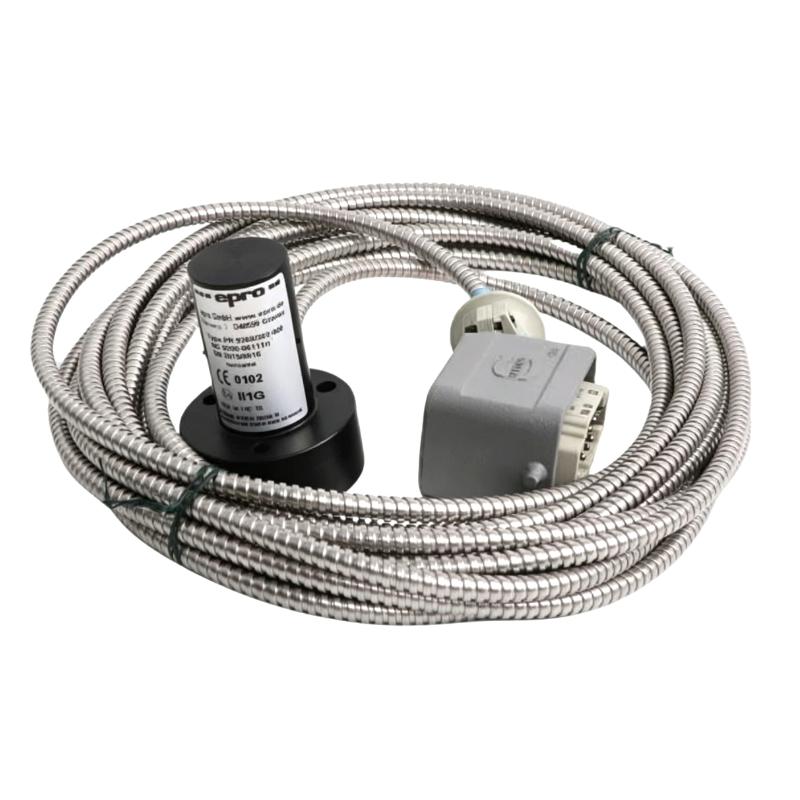
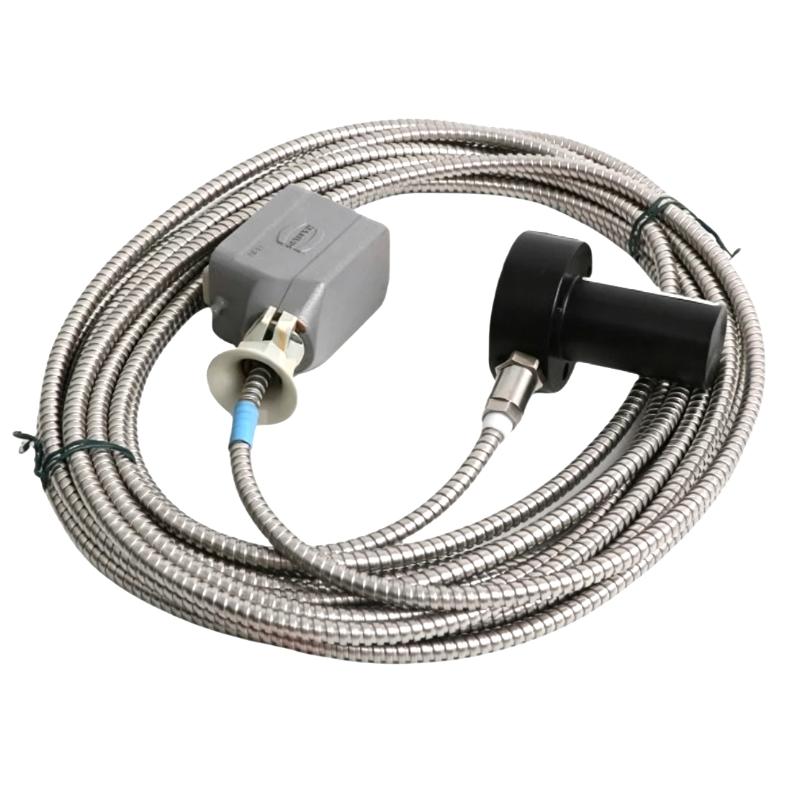
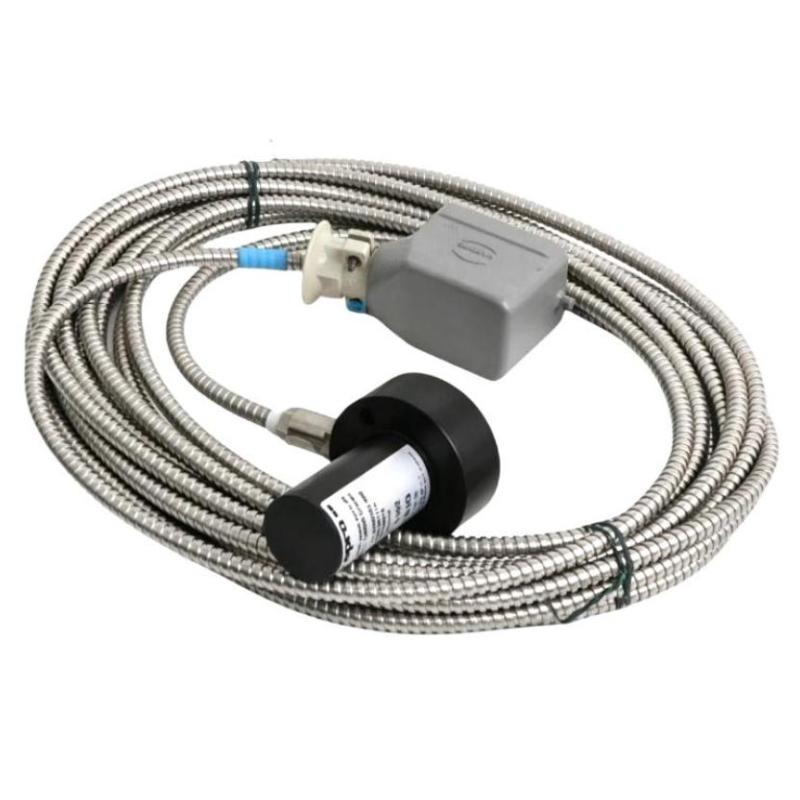
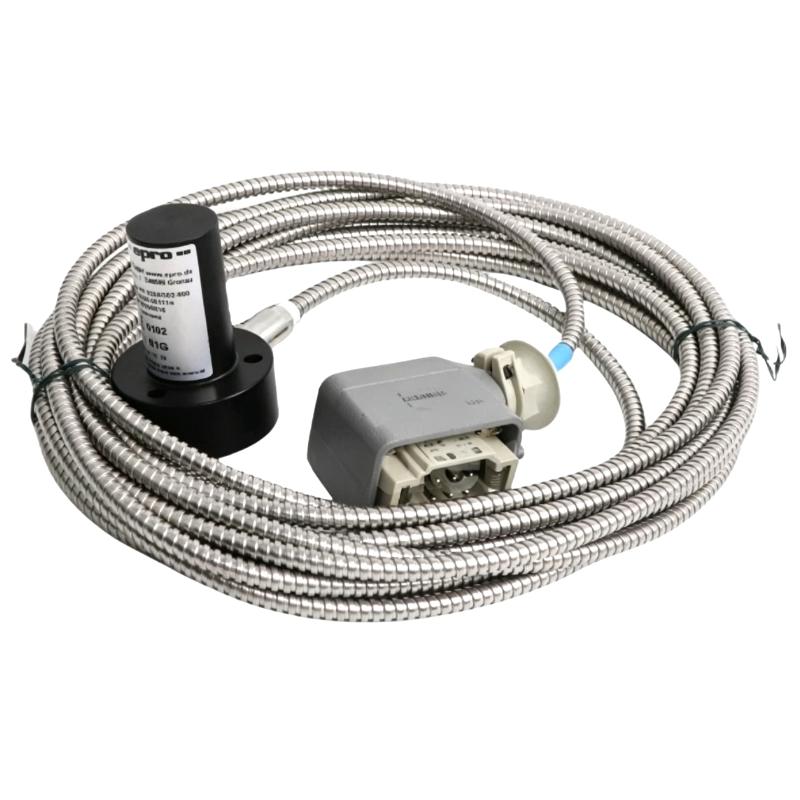
- Epro
- PR9268/701-000
- Electric Speed Sensor
- Germany
- 78 × 58 mm
- 0.93 kg
- Xiamen, China
- New & In Stock
- T/T, PayPal, Western Union
- 1 Year
- 1-3 Working Days
- DHL, UPS, TNT, FedEx and EMS.
- 24-Hour Service
- COO
- 8
Our advantage

Global Logistics
We have a 10-year logistics and express cooperation agreement, so our products can be shipped to any place in the world.

Brand new and original
Our products are imported in bulk from the place of origin. Because of the cooperative relationship, our products are all original and 100% new.

24-hour service
We provide 7*24 hours service to our customers. We will be there whenever you need us.

Price advantage
All our products are priced very favorably because we have our own warehouse and supply.
| Company Information | |||
| [email protected] | |||
| Mobile | +8615980777398 | ||
| +8615980777398 | |||
| 15980777398 |
Product Overview
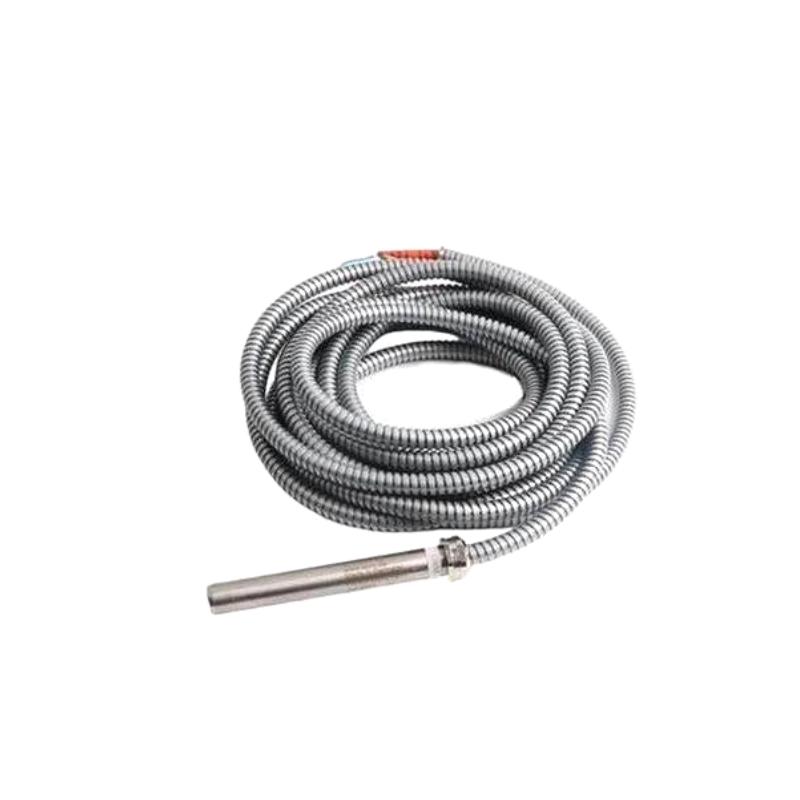
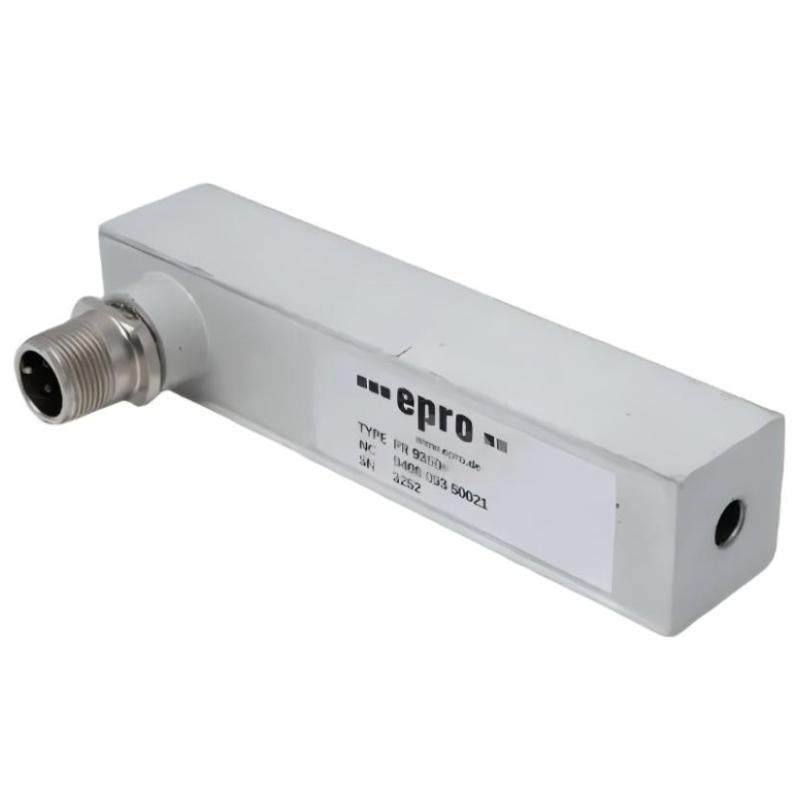
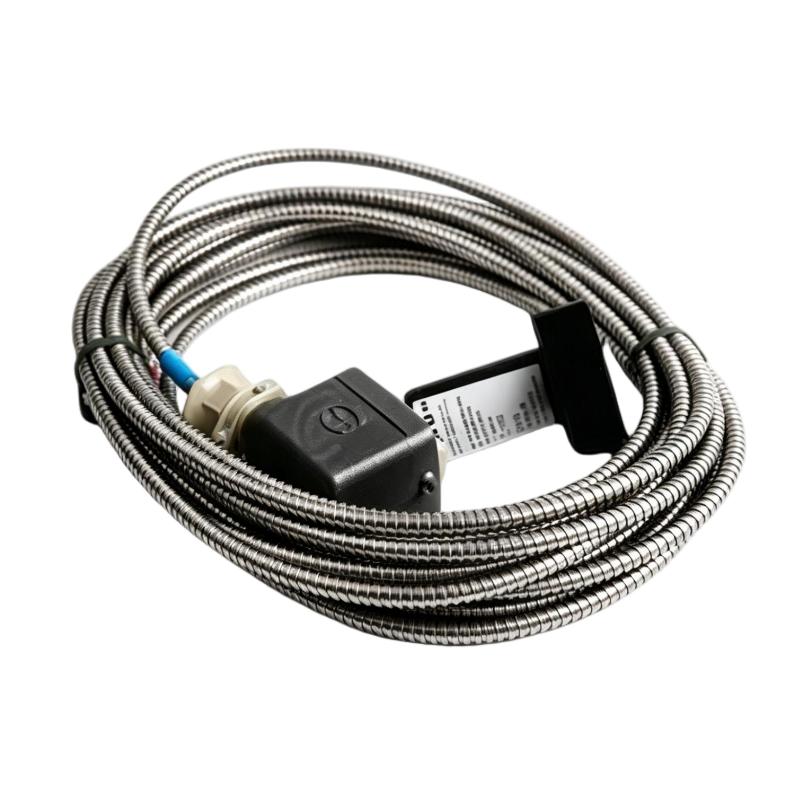
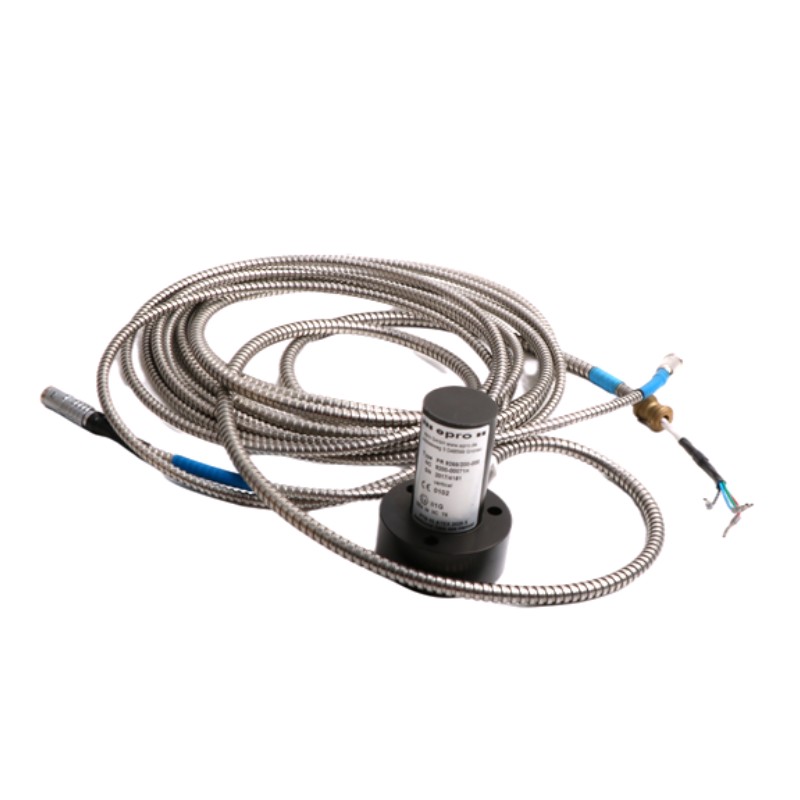
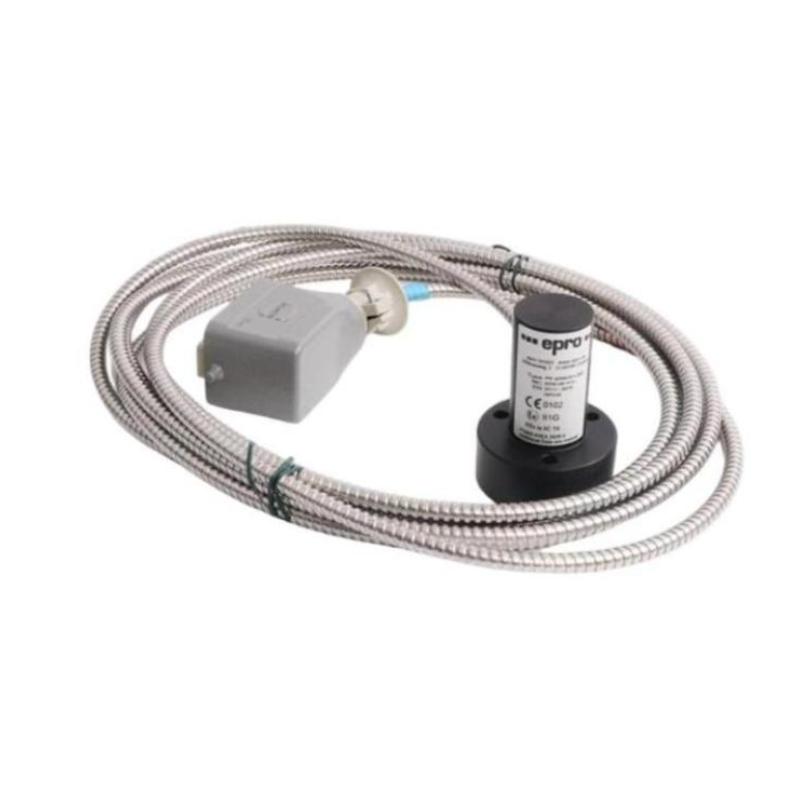
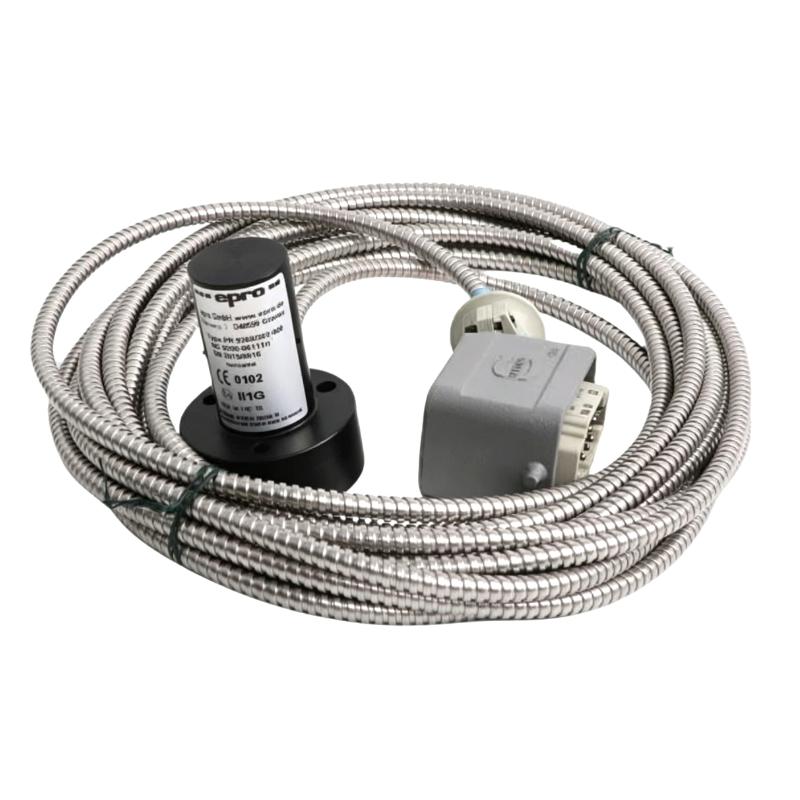
The Epro PR9268/701-000 Electrodynamic Velocity Sensor is an industrial vibration measurement device designed for monitoring the mechanical condition of rotating machinery. It belongs to the PR9268 sensor family and is intended for applications where vibration velocity measurements are used to assess equipment operating conditions and identify developing mechanical problems.
Unlike conventional electronic speed sensors that generate pulses corresponding to shaft rotation, the PR9268 series uses an electrodynamic measurement principle. It converts mechanical vibration into an electrical signal related to vibration velocity. This makes it suitable for machinery condition monitoring and vibration protection systems used in power generation, petrochemical processing, and other industrial environments.
The PR9268/701-000 is a horizontal high-temperature configuration within the PR9268 family. The series includes different mounting orientations, temperature ratings, cable arrangements, and connector options. These configuration differences are important when selecting a replacement sensor for an existing monitoring installation.
The sensor is designed for use with compatible vibration monitoring and signal-conditioning equipment. Its output can be processed by monitoring instruments or protection systems to evaluate vibration behavior and support maintenance decisions.
Typical monitored equipment includes steam turbines, gas turbines, compressors, pumps, fans, and other rotating machinery. By providing vibration-related measurement signals, the sensor contributes to the monitoring of mechanical conditions such as imbalance, misalignment, looseness, and changes in bearing or support behavior.
The complete model designation should be checked before ordering. In particular, the orientation, high-temperature version, cable termination, and connector arrangement should match the installed monitoring system.
Technical Specifications
| Parameter | Specification |
|---|---|
| Brand | Epro |
| Product Series | PR9268 |
| Model | PR9268/701-000 |
| Product Type | Electrodynamic Velocity Sensor |
| Measurement Principle | Electrodynamic |
| Primary Measurement | Mechanical vibration velocity |
| Sensor Orientation | Horizontal configuration |
| High-Temperature Version | Yes |
| Power Requirement | Self-powered measurement principle |
| Operating Temperature | -20 to +200 °C for PR9268/70x-000 series |
| Protection Rating | IP65 for PR9268/70x-000 series |
| Housing Material | Stainless steel for PR9268/60x and /70x versions |
| Cable Material | PTFE |
| Cable Construction | 3 × 0.5 mm² |
| Cable Armor | Stainless steel |
| Connector Material | Die-cast aluminum Harting plug, where specified |
| Dimensions Provided | 78 × 58 mm |
| Weight Provided | 0.93 kg |
| Typical Applications | Turbines, compressors, pumps, fans, and rotating machinery |
Important specification note: The supplied dimensions and weight are retained as listing information. The PR9268 specification sheet gives approximately 1.05 kg for the PR9268/60x-000 and PR9268/70x-000 versions, while approximately 0.93 kg applies to PR9268/20x-000 and /30x-000 versions. Confirm the exact unit and accessory configuration before publishing final logistics data.
Function and Working Principle
The PR9268/701-000 operates according to the electrodynamic principle. It measures mechanical vibration and converts the movement into an electrical output that can be evaluated by a compatible monitoring system.
1. Electrodynamic Vibration Measurement
When a machine vibrates, the sensor experiences mechanical movement. Its internal electrodynamic structure converts this relative movement into an electrical signal.
The resulting signal is associated with vibration velocity rather than simply indicating whether a shaft is rotating. This distinction is important in machinery protection because vibration velocity provides useful information about the mechanical condition of rotating equipment.
The sensor does not require a separate electrical supply for its basic electrodynamic measurement principle.
2. Vibration Signal Generation
The sensor produces an electrical signal in response to mechanical vibration. The signal is transmitted through its cable to a compatible signal-conditioning or monitoring device.
The receiving instrument processes the signal and displays or evaluates vibration information. Depending on the monitoring architecture, the measurement may be used for trend analysis, alarm generation, or machinery protection.
Correct sensor wiring, signal conditioning, and grounding practices are essential to maintaining reliable measurements.
3. Horizontal Measurement Orientation
The PR9268/701-000 belongs to the horizontal configuration of the PR9268/70x-000 family. Sensor orientation affects the direction in which mechanical vibration is measured.
A sensor installed in the wrong orientation may not accurately represent the vibration component required by the monitoring strategy. Installation personnel should therefore verify the mounting direction against the machine drawing and monitoring-system documentation.
4. High-Temperature Operation
The PR9268/70x-000 configuration is designed for operating temperatures up to approximately +200 °C, with a specified lower operating limit of -20 °C.
This makes the high-temperature version suitable for selected measurement locations where standard industrial vibration sensors may not meet the environmental requirements.
Actual suitability depends on the temperature at the sensor mounting point, cable routing, connector conditions, and the operating limits of the complete monitoring installation.
5. Condition Monitoring and Fault Identification
Vibration measurements can help maintenance personnel identify changes in machinery behavior. A developing mechanical problem may produce changes in vibration amplitude, frequency content, or overall vibration trends.
The PR9268/701-000 provides a measurement input for a broader monitoring system. It does not independently identify every mechanical fault. Reliable diagnosis requires suitable signal processing, machine operating information, alarm limits, and engineering interpretation.
Role in Industrial Control and Machinery Protection Systems
The PR9268/701-000 can serve as a field measurement component in a machinery monitoring installation. It provides vibration-related signals that are evaluated by compatible monitoring instruments.
Vibration Monitoring Integration
The sensor is normally mounted on a suitable machine surface or measurement point. Its output is routed to a compatible signal-conditioning or monitoring channel.
The monitoring instrument processes the incoming signal and provides vibration information for operators and maintenance personnel.
The exact connection arrangement depends on the installed monitoring equipment and the sensor’s cable and connector configuration.
Turbine Monitoring
Steam and gas turbines require continuous attention to mechanical vibration. Changes in vibration behavior may indicate developing imbalance, alignment problems, looseness, or changes in bearing support conditions.
A suitable electrodynamic sensor provides vibration information that can be incorporated into turbine monitoring and protection strategies.
Compressor Protection
Industrial compressors often operate continuously under demanding mechanical and process conditions. Vibration monitoring helps maintenance teams observe changes in machine behavior and investigate abnormal operating trends.
The sensor can be used at an appropriate measurement location when its orientation, temperature rating, and signal characteristics match the monitoring system.
Integration with DCS and Plant Monitoring Systems
Vibration monitoring systems may exchange alarm, status, or measurement information with a distributed control system or plant supervisory platform.
The PR9268/701-000 itself is a sensor rather than a standalone controller or communication module. Signal conditioning and data integration are handled by compatible monitoring equipment.
Industrial Applications
1. Steam Turbines
Steam turbines contain rotating assemblies that operate at high speeds and require reliable mechanical condition monitoring. Vibration measurements help operators and maintenance teams observe changes in machine behavior.
The PR9268/701-000 may be used at suitable horizontal measurement points where its temperature and installation characteristics meet the application requirements.
2. Gas Turbines
Gas turbines operate under demanding thermal and mechanical conditions. Monitoring vibration is important for identifying abnormal operating trends and supporting maintenance planning.
The high-temperature configuration of the PR9268/70x-000 family makes it relevant to selected measurement locations, provided the actual installation temperature remains within the sensor’s specified limits.
3. Industrial Compressors
Compressors are widely used in oil and gas facilities, chemical plants, refineries, and manufacturing operations. Changes in vibration may be associated with rotor imbalance, mechanical looseness, misalignment, or bearing-related problems.
A compatible vibration monitoring system can use the sensor’s output as part of an equipment condition assessment.
4. Pumps and Pumping Stations
Large industrial pumps operate in water treatment, power generation, petrochemical, and process industries. Vibration monitoring helps identify mechanical changes that may affect equipment reliability.
The sensor can be installed at a suitable measurement point when the mounting orientation and environmental conditions are appropriate.
5. Industrial Fans and Blowers
Fans and blowers are common in ventilation, cooling, combustion-air, and process-gas systems. Changes in vibration can indicate imbalance, loose mounting hardware, or mechanical wear.
A suitable vibration sensor provides measurement data that can be monitored over time to support maintenance decisions.
6. Power Generation Facilities
Power plants use vibration monitoring across turbines, generators, compressors, pumps, and auxiliary machinery. The PR9268 series is relevant to installations requiring electrodynamic vibration measurement.
The sensor should always be selected according to the machine’s measurement requirements and the receiving monitoring equipment.
Installation and System Integration
Correct installation is essential for reliable vibration measurement. The sensor’s orientation, mounting surface, cable arrangement, and environmental conditions all affect measurement quality.
1. Confirm the Exact Sensor Configuration
Before installation, verify the full model number PR9268/701-000. Confirm that the horizontal orientation and high-temperature configuration are appropriate for the measurement point.
Do not substitute a PR9268/20x or /30x version solely because it belongs to the same product family. Different versions can have different orientation and temperature characteristics.
2. Select the Correct Measurement Location
Choose a mechanically suitable mounting location that represents the vibration behavior of the equipment being monitored.
The mounting point should be rigid and appropriate for the measurement objective. Avoid locations where local structural resonance or unrelated vibration sources may distort the measurement.
Follow the machinery manufacturer’s measurement-point recommendations wherever available.
3. Maintain the Correct Orientation
The PR9268/701-000 is a horizontal configuration. Align the sensor according to the intended horizontal measurement direction.
Incorrect orientation can result in measurements that do not represent the vibration component required by the protection or monitoring system.
4. Check Temperature Conditions
The PR9268/70x-000 family has a specified operating range of approximately -20 to +200 °C. Measure or establish the actual temperature at the sensor installation point before commissioning.
The sensor cable, connector, and any nearby accessories must also be suitable for the local environmental conditions.
5. Install and Protect the Cable
The PR9268 series uses PTFE cable construction, with stainless-steel armor specified for the relevant configurations.
Route the cable to prevent mechanical damage, excessive bending, abrasion, and unnecessary exposure to heat. Keep sensor wiring appropriately separated from high-power conductors where required by the installation design.
Confirm connector type and cable termination before connecting the sensor to the monitoring equipment.
6. Verify Signal Compatibility
Before connecting the sensor, confirm that the receiving monitoring channel supports the electrical characteristics of the PR9268 electrodynamic sensor.
The signal-conditioning equipment must be appropriate for the sensor’s output and the required vibration measurement range.
Do not assume that a standard proximity-probe input or digital speed input can accept an electrodynamic velocity sensor directly.
7. Commissioning and Functional Checks
After installation, inspect the mounting condition, cable routing, connector, and electrical continuity as appropriate.
Verify that the monitoring channel receives a stable signal under normal machine operation. Establish suitable baseline readings and alarm settings according to the machinery manufacturer’s recommendations and the plant’s protection philosophy.
Compatible System Components
The PR9268/701-000 operates as part of a complete vibration monitoring arrangement. The following components may be involved, depending on the system design.
| Component | Function | Compatibility Considerations |
|---|---|---|
| Vibration monitoring module | Receives and evaluates sensor signals | Must support the electrodynamic velocity sensor signal |
| Signal conditioner | Processes the sensor output | Verify input characteristics and measurement range |
| Machinery protection system | Monitors vibration and generates alarms or trips | Confirm channel configuration and alarm strategy |
| DCS | Displays plant-level operating information | Usually receives processed data or system status |
| Industrial cable | Carries the sensor signal | Verify cable construction, shielding, and temperature suitability |
| Sensor mounting hardware | Secures the sensor to the machine | Must match the sensor mounting arrangement and machine surface |
| Turbine monitoring cabinet | Houses monitoring and protection equipment | Confirm channel compatibility and environmental requirements |
| Engineering workstation | Supports configuration and diagnostics | Depends on the installed monitoring platform |
These components are examples of equipment used in a complete monitoring installation. They are not necessarily supplied with the sensor.
Alternative Models and Replacement Considerations
The PR9268 family includes multiple configurations designed for different installation orientations, temperature ranges, and cable arrangements. A replacement should be selected according to the measurement requirements rather than model-family similarity alone.
| Alternative Model Family | Main Consideration |
|---|---|
| PR9268/01x-x00 | Omni-directional configuration; verify mechanical and environmental suitability |
| PR9268/20x-x00 | Vertical orientation with a different temperature and protection configuration |
| PR9268/30x-x00 | Horizontal orientation for standard-temperature applications |
| PR9268/60x-000 | High-temperature vertical configuration |
| PR9268/70x-000 | High-temperature horizontal configuration |
Before replacing the PR9268/701-000, compare:
- Sensor measurement principle.
- Required vibration measurement direction.
- Operating temperature range.
- Protection rating.
- Housing material.
- Cable construction and length.
- Connector type and termination.
- Mounting arrangement.
- Signal characteristics.
- Compatibility with the receiving monitoring channel.
The PR9268/701-000 should not be replaced with a conventional rotational speed sensor unless the application has been redesigned to use a different measurement method.
Key Advantages
Electrodynamic Measurement Principle
The sensor converts mechanical vibration into an electrical signal related to vibration velocity, making it suitable for machinery condition monitoring.
High-Temperature Configuration
The PR9268/70x-000 family is designed for operating temperatures up to approximately +200 °C, supporting selected high-temperature measurement locations.
Horizontal Measurement Orientation
The /701 configuration belongs to the horizontal sensor family, allowing it to be selected for measurement points requiring horizontal vibration monitoring.
Industrial Construction
The specified high-temperature family uses stainless-steel housing construction and is designed for demanding industrial environments.
Self-Powered Measurement
The electrodynamic sensing principle does not require a separate electrical supply for basic signal generation.
Integration with Monitoring Systems
The sensor can provide measurement signals to compatible machinery monitoring and protection equipment, supporting vibration trending and condition assessment.
Application in Critical Rotating Machinery
The PR9268 family is designed for machinery such as turbines, compressors, pumps, and fans, where vibration monitoring is important to equipment reliability.
Technical FAQs
1. What is the Epro PR9268/701-000?
It is an electrodynamic velocity sensor designed to measure mechanical vibration in industrial rotating machinery. It belongs to the high-temperature horizontal configuration of the PR9268 series.
2. Is the PR9268/701-000 a conventional rotational speed sensor?
No. Although some product listings use the term electric speed sensor, the PR9268 technical documentation identifies the series as an electrodynamic velocity sensor. Its primary measurement is mechanical vibration velocity, not a conventional shaft-speed pulse output.
3. What is the operating temperature range?
The PR9268/70x-000 family is specified for approximately -20 to +200 °C. The actual installation must remain within the sensor and cable limits.
4. What is the measurement orientation?
The /701 configuration belongs to the horizontal sensor family. Its mounting direction should match the intended horizontal vibration measurement point.
5. Does the sensor require an external power supply?
The PR9268 uses an electrodynamic, self-powered measurement principle. Its basic vibration signal generation does not require a separate electrical supply.
6. What equipment can the PR9268/701-000 monitor?
It can be used at suitable measurement points on steam turbines, gas turbines, compressors, pumps, fans, and other rotating machinery.
7. Can it connect directly to a PLC?
The sensor is normally connected to compatible vibration signal-conditioning or machinery monitoring equipment. A PLC or DCS may receive processed measurements or status information from that system. Direct connection should only be considered when the receiving input is specifically designed for the sensor’s electrical characteristics.
8. What is the protection rating?
The PR9268/70x-000 family is listed with IP65 protection. Installation should still follow the manufacturer’s requirements for cable routing, connectors, and environmental exposure.
9. What is the difference between PR9268/701-000 and PR9268/30x versions?
The /701-000 belongs to the high-temperature horizontal configuration, with a specified operating range up to approximately +200 °C. PR9268/30x versions are standard-temperature horizontal configurations with different environmental and material specifications.
10. Why should the weight be checked before shipment?
The supplied weight is 0.93 kg, but the PR9268 specification sheet lists approximately 1.05 kg for the /70x-000 family. The difference may affect shipping calculations and product data accuracy. Confirm the actual unit and included cable or connector configuration before finalizing the shipping weight.
Procurement and Maintenance Recommendations
When purchasing the Epro PR9268/701-000, verify the complete model designation and ensure that the high-temperature horizontal configuration matches the original installation.
For replacement projects, compare the sensor’s measurement principle, orientation, temperature rating, protection class, cable construction, and connector arrangement with the installed unit. A sensor from the same PR9268 family may still be unsuitable if its configuration differs.
For used or surplus equipment, request clear photographs of the product label, housing, cable, connector, and mounting area. Check for visible damage, corrosion, cable wear, and signs of mechanical impact. For critical machinery protection applications, request appropriate functional testing and documentation.
During maintenance, inspect the mounting point and cable condition. Loose mounting, damaged wiring, poor connector contact, and unsuitable cable routing can affect signal quality. Compare vibration readings with established baseline values and investigate significant changes according to the plant’s maintenance procedures.
The sensor should be handled and installed according to the manufacturer’s instructions. Avoid unnecessary impact, excessive cable bending, and installation at locations that exceed the specified environmental limits.
Conclusion
The Epro PR9268/701-000 is an electrodynamic velocity sensor intended for vibration monitoring of critical industrial rotating machinery. Its high-temperature horizontal configuration makes it suitable for selected turbine, compressor, pump, and fan measurement points where the operating environment and monitoring requirements match its specifications.
The sensor provides vibration-related electrical signals for compatible monitoring and protection equipment. Accurate model identification, correct orientation, appropriate signal conditioning, and careful installation are essential for dependable measurement performance.
For industrial replacement and maintenance projects, buyers should verify the complete PR9268 configuration and confirm the actual unit weight before procurement and shipment.