

ProductPRODUCT
Featured products
Contact Us
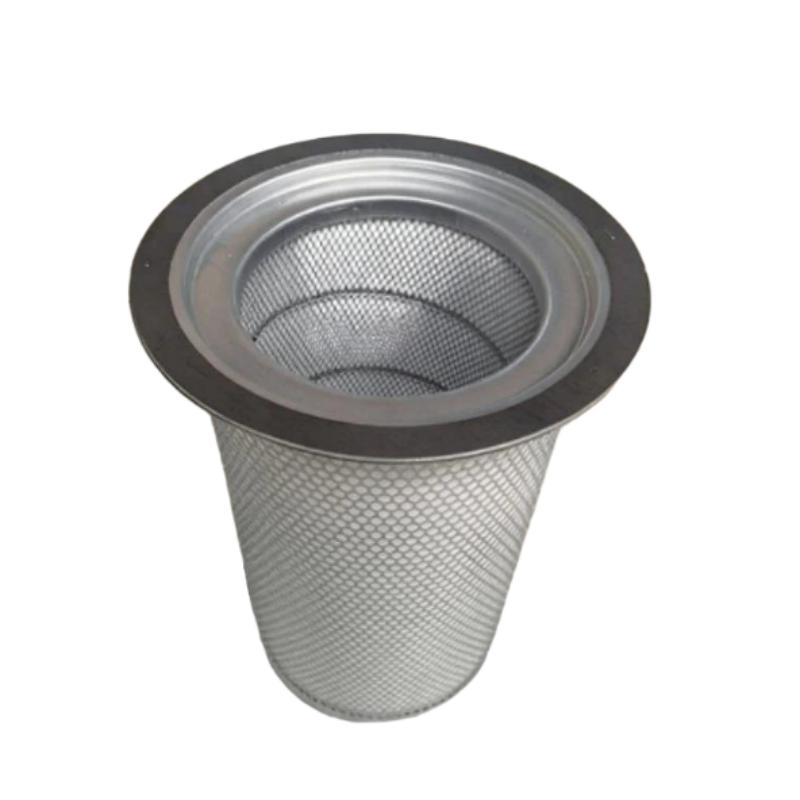
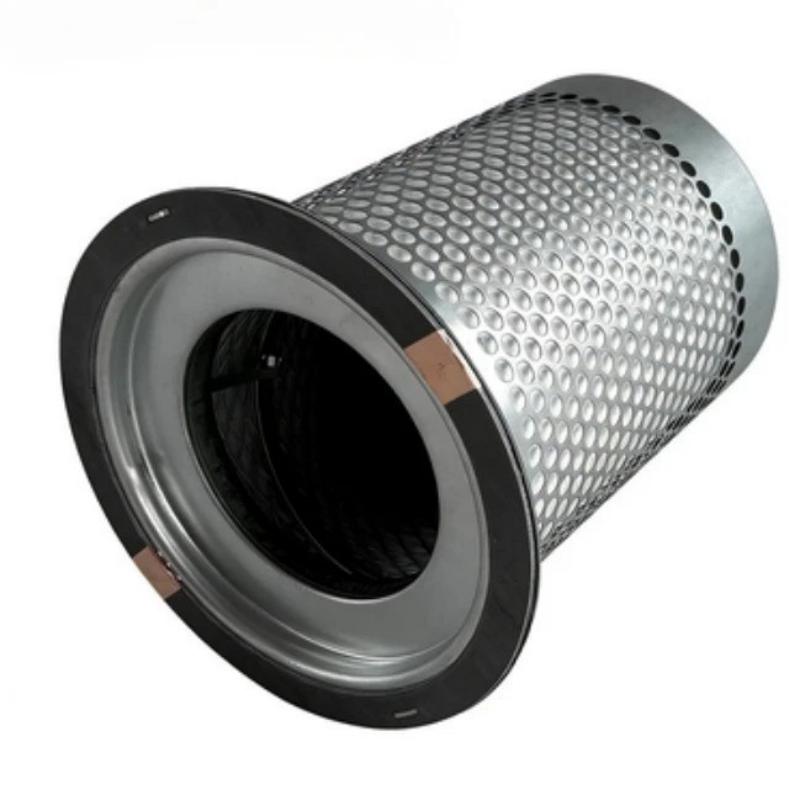
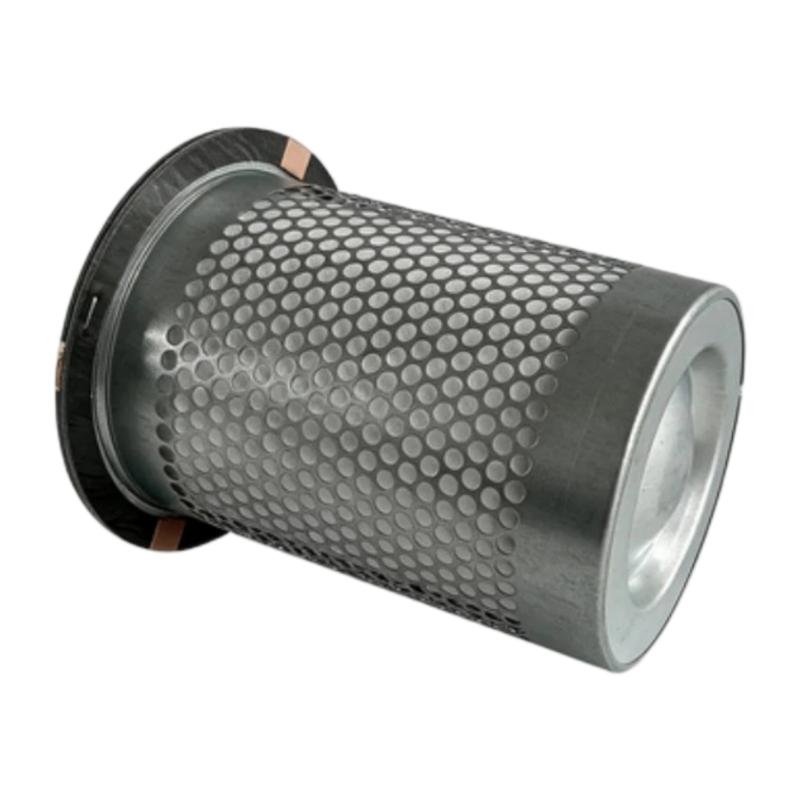
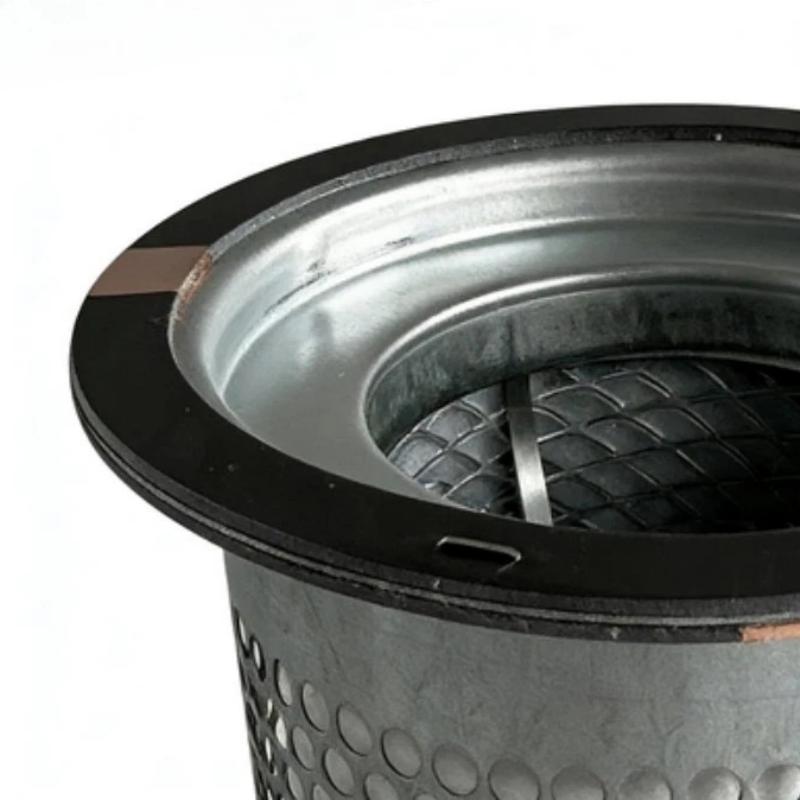
- Ingersoll Rand
- 47560113001 22219174
- Oil Separator
- USA
- 350 × 432 × 477 mm
- 14 kg
- Xiamen, China
- New & In Stock
- T/T, PayPal, Western Union
- 1 Year
- 1-3 Working Days
- DHL, UPS, TNT, FedEx and EMS.
- 24-Hour Service
- COO
- 4
Our advantage

Global Logistics
We have a 10-year logistics and express cooperation agreement, so our products can be shipped to any place in the world.

Brand new and original
Our products are imported in bulk from the place of origin. Because of the cooperative relationship, our products are all original and 100% new.

24-hour service
We provide 7*24 hours service to our customers. We will be there whenever you need us.

Price advantage
All our products are priced very favorably because we have our own warehouse and supply.
| Company Information | |||
| [email protected] | |||
| Mobile | +8615980777398 | ||
| +8615980777398 | |||
| 15980777398 |
Product Overview
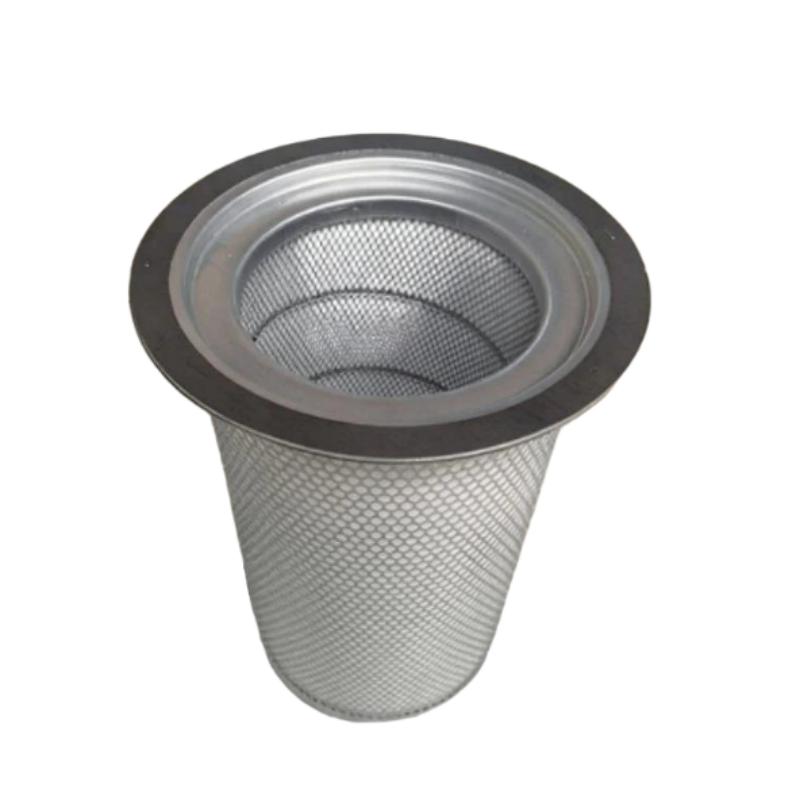
The Ingersoll Rand 47560113001 22219174 Oil Separator is an oil separation component designed for use in compatible industrial rotary screw air compressor systems. Its primary function is to separate lubricant carried by compressed air before the air is delivered to the downstream compressed-air network.
In an oil-injected rotary screw compressor, lubricant circulates through the compression chamber to support sealing, cooling, and lubrication. During compression, a portion of the oil becomes mixed with the compressed air. The oil separator reduces this carryover by separating oil droplets from the air stream and allowing recovered lubricant to return to the compressor’s oil circuit.
Effective oil separation is important for maintaining compressed-air quality, controlling lubricant consumption, and protecting downstream equipment. A worn, damaged, or incorrectly fitted separator can contribute to increased oil carryover, abnormal pressure drop, and higher operating costs.
The part reference 22219174 appears in compressor parts listings as an oil separation core for M200/M250 equipment. The same listing identifies it as a replacement for an earlier reference, 54509500. The additional number 47560113001 should be checked against the original equipment documentation and the compressor’s parts list before ordering, because the available information does not establish universal interchangeability across every compressor configuration.
For maintenance teams, accurate part-number verification is essential. Matching the separator’s dimensions, sealing arrangement, operating pressure, and compressor application helps ensure that the replacement performs correctly.
Technical Specifications
| Parameter | Specification |
|---|---|
| Brand | Ingersoll Rand |
| Manufacturer | Ingersoll Rand |
| Main Part Number | 47560113001 |
| Additional Part Number | 22219174 |
| Product Type | Oil Separator / Oil Separation Element |
| Application | Compatible industrial rotary screw air compressors |
| Listed Equipment Reference | M200/M250 |
| Previous Reference | 54509500 |
| Overall Dimensions | 350 × 432 × 477 mm |
| Weight | 14 kg |
| Primary Function | Separation of lubricant from compressed air |
| Installation Position | Compressor oil separation system |
| Product Category | Compressor filtration and separation component |
The dimensions and weight are supplied product-listing specifications. Confirm the actual assembly dimensions, connection details, and equipment compatibility before installation.
Function and Working Principle
The oil separator is an important component in an oil-injected rotary screw compressor. It works as part of the compressor’s oil circulation and compressed-air treatment process.
1. Oil and Air Separation
During compression, lubricant mixes with the compressed air. The resulting air-oil mixture enters the separation system, where the separator helps remove oil droplets from the air stream.
The separation process reduces the amount of lubricant carried toward the compressor outlet. The separated oil is collected and returned to the lubrication circuit through the appropriate oil-return arrangement.
2. Supporting Compressed-Air Quality
Oil carryover can affect downstream pneumatic equipment, production machinery, and air treatment components. The separator helps reduce lubricant contamination before compressed air moves into the distribution system.
The actual oil content of the delivered air depends on the compressor design, separator condition, operating conditions, and downstream treatment equipment.
3. Maintaining Oil Circulation
Recovered lubricant is valuable to the compressor because it supports cooling, lubrication, and sealing. By separating oil from compressed air, the separator helps maintain the compressor’s intended oil circulation process.
An effective oil-return path is essential. Blocked return lines, damaged seals, or incorrect installation can reduce separation-system performance.
4. Managing Pressure Drop
Air must pass through the separator during compressor operation. As the separator element becomes contaminated or approaches the end of its service life, airflow resistance may increase.
An excessive pressure drop can affect compressor efficiency and operating conditions. Monitoring differential pressure according to the manufacturer’s maintenance recommendations helps identify when inspection or replacement is necessary.
Role in Industrial Air Compressor Systems
The 47560113001 / 22219174 oil separator supports the operation of compatible rotary screw compressor systems by helping manage lubricant carryover.
Compressor Lubrication Circuit
The separator works with the compressor’s oil reservoir, oil cooler, oil filter, and oil-return components. Together, these parts help maintain the lubricant circulation required for reliable compressor operation.
Compressed-Air Distribution
After oil separation, compressed air continues toward downstream equipment. Reducing oil carryover helps protect air receivers, dryers, filters, pneumatic valves, and other equipment connected to the compressed-air network.
Equipment Reliability
A properly functioning separator can help prevent excessive lubricant consumption and reduce the risk of oil contamination in downstream systems. Regular inspection and timely replacement support stable compressor operation.
Industrial Applications
1. Industrial Manufacturing
Manufacturing plants use compressed air for pneumatic tools, actuators, automated machinery, and production equipment. The oil separator helps reduce lubricant carryover from compatible oil-injected compressors.
2. Packaging and Processing Lines
Packaging equipment often relies on stable compressed-air supplies for pneumatic movement and control. Effective separation helps protect downstream components from unnecessary oil contamination.
3. Automotive and Mechanical Workshops
Industrial workshops use compressed air for tools, cleaning equipment, and machinery operation. Maintaining the compressor’s separation system supports consistent air supply and lubricant management.
4. Material Handling Systems
Pneumatic conveying and handling equipment depend on reliable compressed air. A correctly maintained oil separator helps maintain the performance of the compressor supplying these systems.
5. General Industrial Utilities
Many factories use central compressor stations to supply multiple production areas. Maintaining the oil separator is part of routine compressor servicing and helps protect the wider compressed-air installation.
Installation and System Integration
Correct installation is essential for maintaining separation efficiency and preventing oil or air leakage.
1. Verify the Part Number
Before installation, compare the replacement part number with the original compressor documentation and the label on the existing separator.
The references 47560113001 and 22219174 should be checked against the compressor model and serial number. Do not assume that similar-looking separator elements are interchangeable.
2. Inspect the Installation Area
Before removing the old element, isolate the compressor and follow the manufacturer’s shutdown and depressurization procedures. Confirm that the system is safe to service.
Inspect the separator housing, sealing surfaces, fittings, and oil-return connections for damage or contamination.
3. Check Seals and Connections
Inspect all relevant seals and connection points. Damaged or incorrectly installed seals may allow oil or compressed air to bypass the intended separation path.
Use the sealing components and installation procedure specified for the compressor model.
4. Confirm Oil-Return Function
The oil-return arrangement must remain clear and correctly connected. A blocked or incorrectly installed return line can interfere with oil recovery and contribute to increased oil carryover.
5. Test After Installation
After installation, restore the system according to the manufacturer’s instructions. Check for leakage, abnormal pressure drop, unusual operating conditions, and signs of excessive oil carryover.
Record the replacement date and relevant operating information to support future maintenance planning.
Compatible System Components
The oil separator operates as part of a larger compressor assembly. Its performance depends on the condition and compatibility of related components.
| Component | Function | Maintenance Consideration |
|---|---|---|
| Air-oil separator housing | Contains the separator element | Inspect sealing surfaces and housing condition |
| Oil filter | Removes contaminants from circulating lubricant | Replace according to the compressor maintenance schedule |
| Air filter | Removes particles from incoming air | Check restriction and element condition |
| Oil-return line | Returns separated oil to the compressor circuit | Keep the line and associated fittings clear |
| Oil cooler | Controls lubricant temperature | Inspect for blockage and heat-transfer problems |
| Minimum pressure valve | Maintains the required system pressure during operation | Check valve condition and pressure behavior |
| Oil reservoir | Stores and supplies compressor lubricant | Maintain the correct oil level and specified lubricant |
| Pressure differential monitoring | Indicates separator restriction | Monitor according to manufacturer guidance |
These components are examples of equipment used in compressor systems. They are not necessarily included with the oil separator.
Replacement and Selection Considerations
When replacing the 47560113001 / 22219174 oil separator, the most important consideration is matching the component to the exact compressor configuration.
The reference 22219174 is associated in available parts listings with M200/M250 oil separation applications and the earlier number 54509500. However, the complete relationship between 47560113001 and 22219174 should be confirmed using the compressor’s parts documentation.
Before purchasing a replacement, check:
- Complete part number and any superseded reference.
- Compressor model and serial number.
- Separator dimensions and overall configuration.
- Housing and sealing arrangement.
- Oil-return connection details.
- Pressure and temperature operating requirements.
- Whether the item is an OEM part or an aftermarket equivalent.
- Supplier inspection, warranty, and return conditions.
A separator that has similar external dimensions may still differ in internal construction, filtration characteristics, or connection design. Visual similarity alone is not sufficient to establish compatibility.
Key Advantages
Effective Oil Separation
The component is designed to help remove lubricant from compressed air in compatible oil-injected compressor systems.
Support for Oil Recovery
By separating oil from the air stream, the separator supports the compressor’s lubricant recovery and circulation process.
Protection for Downstream Equipment
Reducing oil carryover helps limit lubricant contamination in downstream compressed-air equipment.
Support for Compressor Efficiency
Maintaining a clean and correctly matched separator helps avoid unnecessary restriction and supports the compressor’s intended operating conditions.
Maintenance and Replacement Use
The identified part references provide a starting point for locating replacement components for compatible compressor installations.
Industrial Compressor Application
The separator is intended for industrial compressor service, where reliable air supply and effective lubricant management are important to production operations.
Technical FAQs
1. What is the Ingersoll Rand 47560113001 / 22219174?
It is identified as an oil separator or oil separation element for compatible Ingersoll Rand compressor systems. Its function is to reduce lubricant carryover in compressed air.
2. What does an oil separator do in a rotary screw compressor?
It separates lubricant from the compressed-air stream after the compression process. The recovered oil is returned to the compressor’s oil circuit.
3. Which compressor models are associated with part number 22219174?
Available parts listings associate 22219174 with M200/M250 oil separation applications. Confirm the compressor model and serial number before ordering.
4. Is 22219174 a replacement for 54509500?
A parts listing identifies 22219174 as replacing the earlier reference 54509500. Verify the supersession against the equipment’s parts documentation before installation.
5. Are 47560113001 and 22219174 interchangeable?
The available information does not establish universal interchangeability between these two references. Confirm their relationship using the compressor manufacturer’s parts list or an authorized parts supplier.
6. What are the dimensions of this product?
The supplied dimensions are 350 × 432 × 477 mm. Confirm the actual assembly dimensions before planning installation or shipping.
7. What is the listed weight?
The supplied product weight is 14 kg. Confirm whether this represents the separator assembly alone or a packaged shipment.
8. What are common signs of an oil separator problem?
Possible signs include increased oil carryover, abnormal differential pressure, higher lubricant consumption, and changes in compressor operating performance. These symptoms can also have other causes and should be diagnosed systematically.
9. Why should the oil-return line be inspected?
The oil-return line allows separated lubricant to return to the compressor circuit. A blocked or incorrectly connected line can interfere with oil recovery and contribute to oil carryover.
10. How often should the oil separator be replaced?
Replacement intervals depend on the compressor model, operating hours, oil condition, environmental conditions, and the manufacturer’s maintenance schedule. Follow the specified service interval and monitor differential pressure where applicable.
Procurement and Maintenance Recommendations
When purchasing the Ingersoll Rand 47560113001 / 22219174 Oil Separator, verify the complete reference and compressor application before confirming the order. The 22219174 reference is associated with M200/M250 oil separation applications, but the additional 47560113001 reference should be cross-checked against the original equipment documentation.
For replacement planning, confirm the dimensions, housing arrangement, seals, and oil-return connections. If sourcing an aftermarket equivalent, request technical information demonstrating that the component is suitable for the intended compressor configuration.
During routine maintenance, monitor separator differential pressure, inspect the oil-return circuit, and check for signs of leakage or abnormal oil carryover. Replace the element according to the compressor manufacturer’s recommendations rather than relying only on visual appearance.
Keep records of part numbers, operating hours, replacement dates, and maintenance observations. These records help identify recurring issues and support more effective spare-parts management.
Conclusion
The Ingersoll Rand 47560113001 22219174 Oil Separator is a compressor separation component intended to help remove lubricant from compressed air and support oil recovery in compatible industrial rotary screw compressor systems.
The 22219174 reference is associated with M200/M250 oil separation applications and is listed as a replacement for 54509500. With supplied dimensions of 350 × 432 × 477 mm and a weight of 14 kg, the component should be checked against the original equipment configuration before purchase or installation.
Accurate part-number verification, proper installation, and regular separator maintenance help support reliable compressor operation, effective oil circulation, and consistent compressed-air quality.