

ProductPRODUCT
Featured products
Contact Us
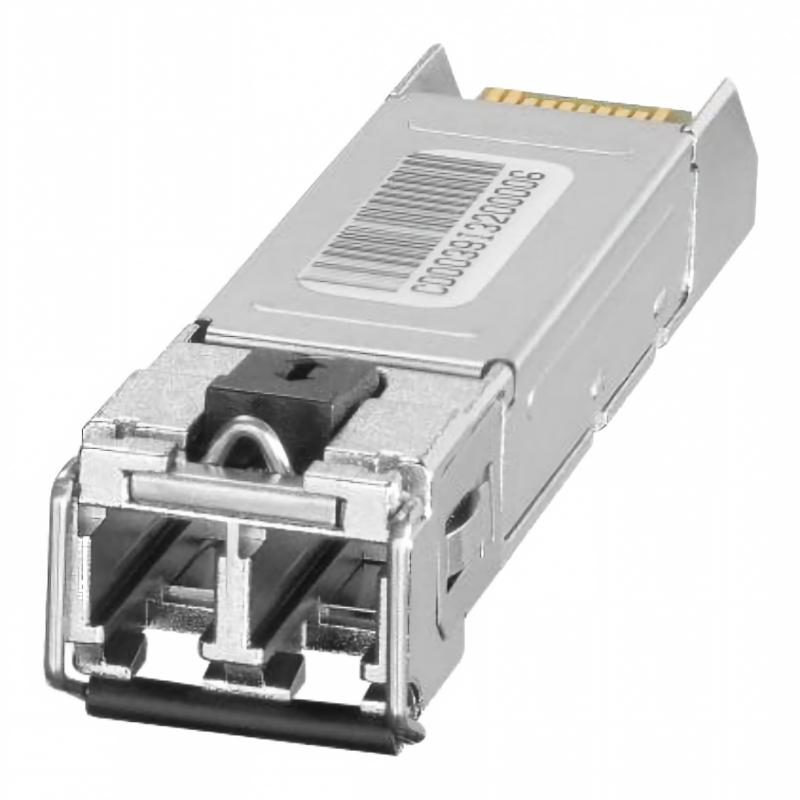
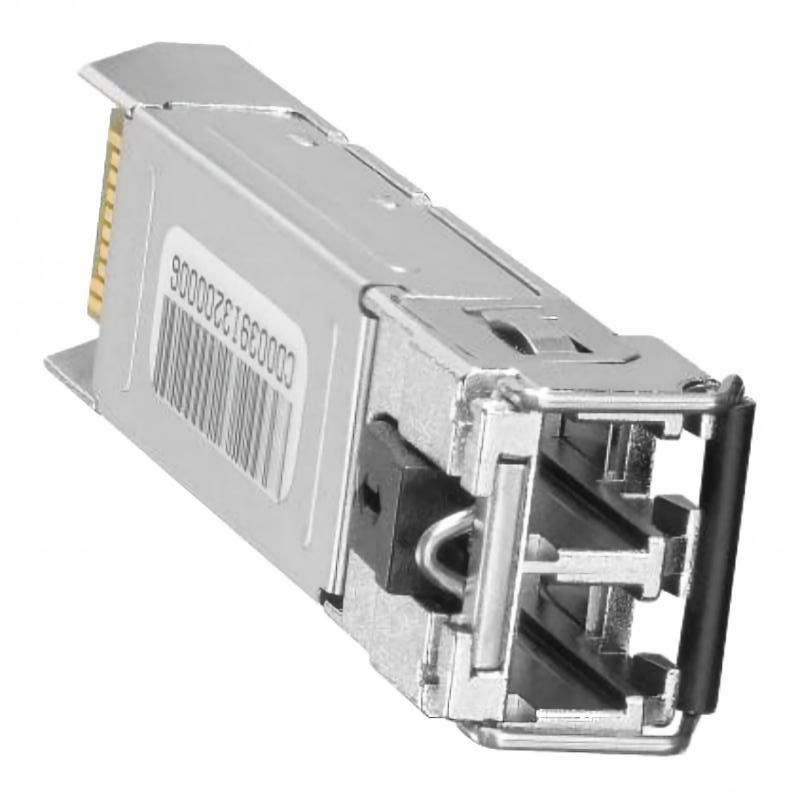
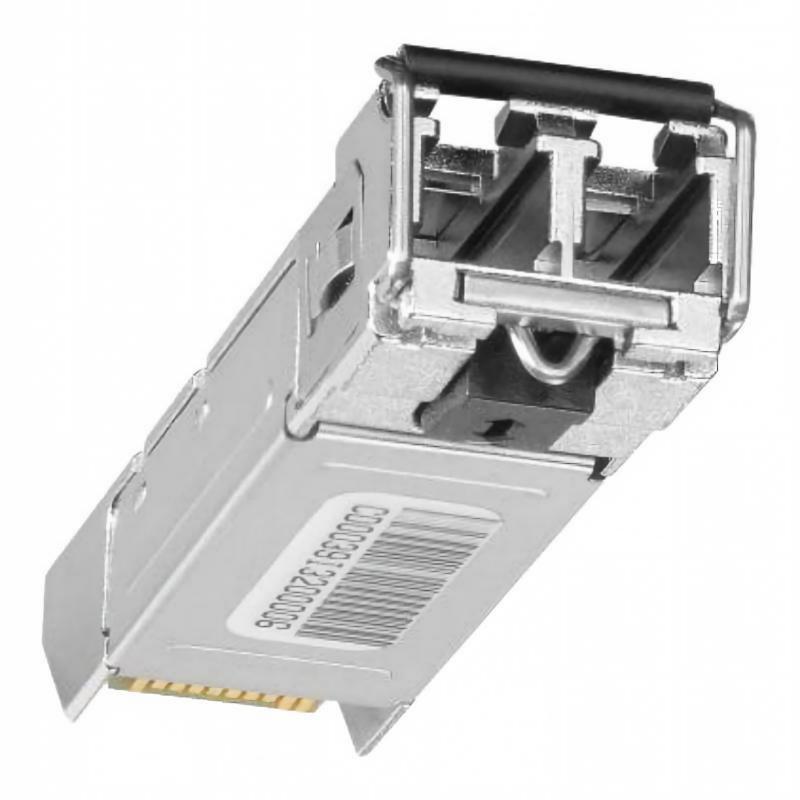
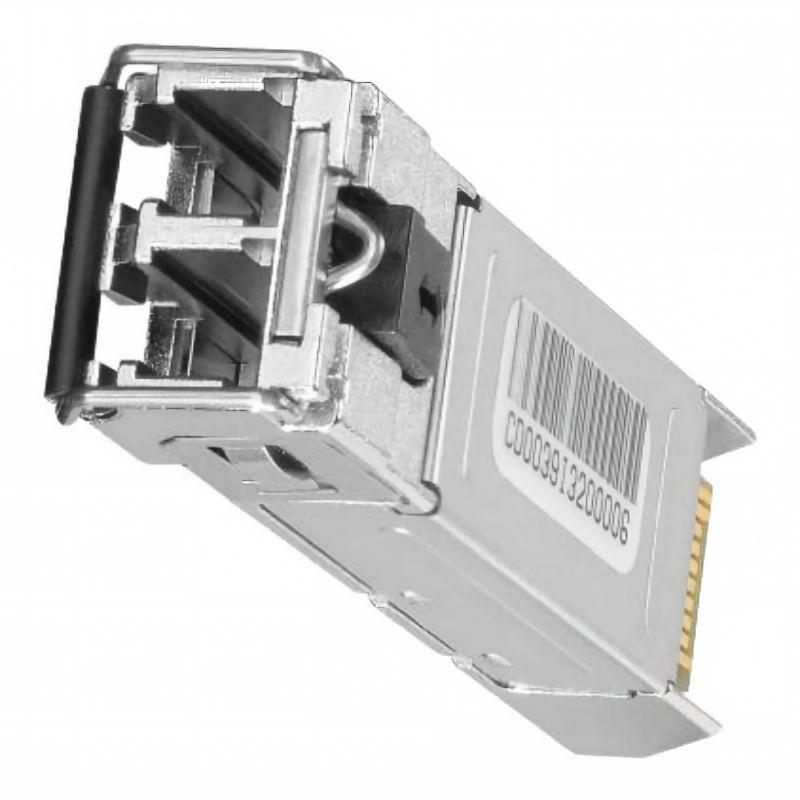
- Siemens
- 6AG1991-1AF00-7AA0
- SIPLUS SFP991-1LD Plug-in Transceiver
- Germany
- 14 × 9 × 57 mm
- 0.01 kg
- Xiamen, China
- New & In Stock
- T/T, PayPal, Western Union
- 1 Year
- 1-3 Working Days
- DHL, UPS, TNT, FedEx and EMS.
- 24-Hour Service
- COO
- 6
Our advantage

Global Logistics
We have a 10-year logistics and express cooperation agreement, so our products can be shipped to any place in the world.

Brand new and original
Our products are imported in bulk from the place of origin. Because of the cooperative relationship, our products are all original and 100% new.

24-hour service
We provide 7*24 hours service to our customers. We will be there whenever you need us.

Price advantage
All our products are priced very favorably because we have our own warehouse and supply.
| Company Information | |||
| [email protected] | |||
| Mobile | +8615980777398 | ||
| +8615980777398 | |||
| 15980777398 |
Product Overview
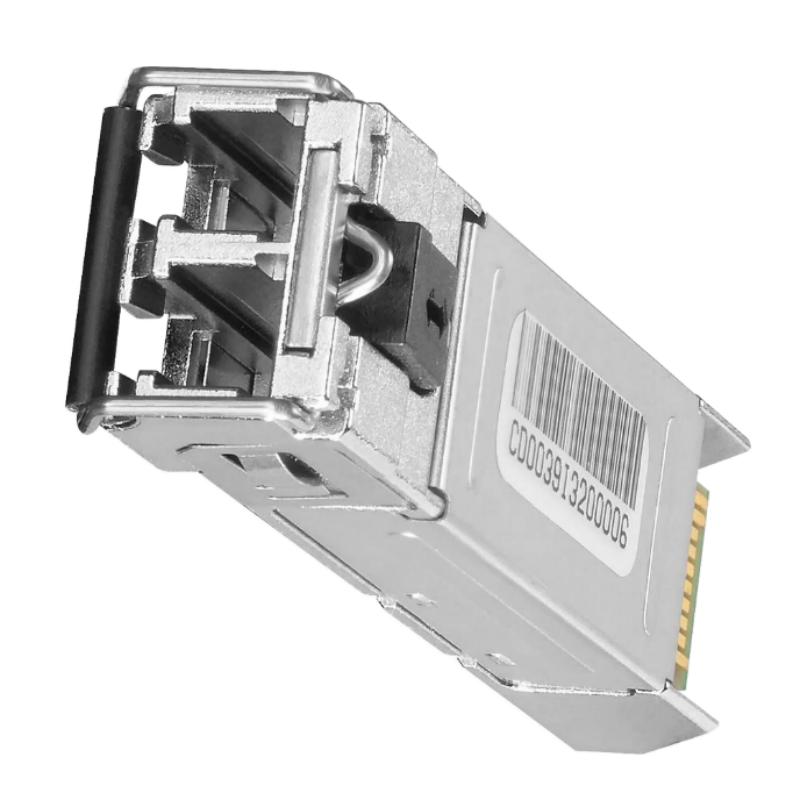
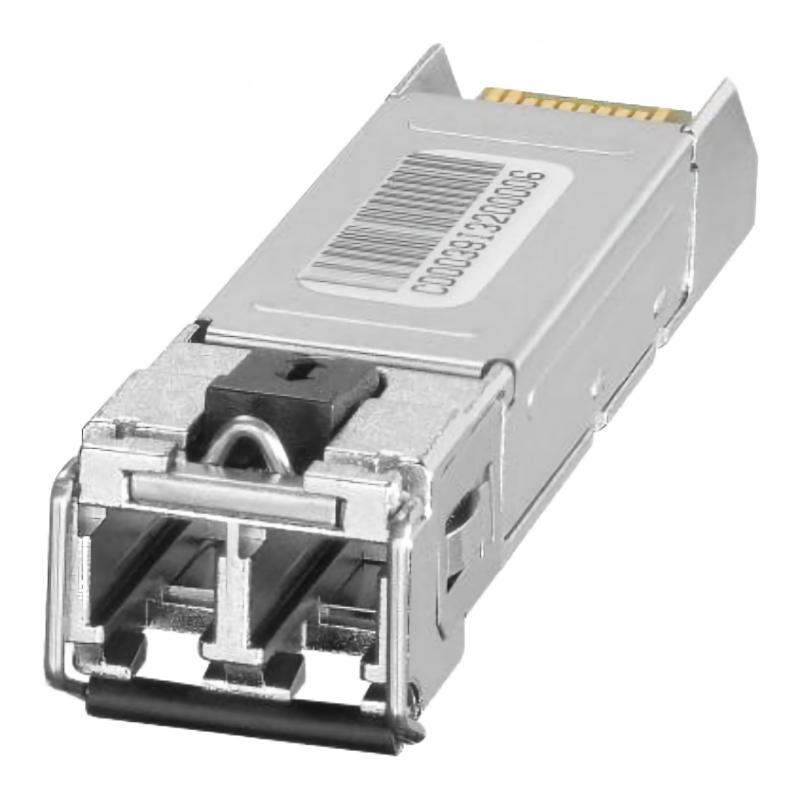
The Siemens 6AG1991-1AF00-7AA0 SIPLUS NET SCALANCE X SFP991-1LD Plug-in Transceiver is an industrial fiber optic communication module designed for use with compatible Siemens SCALANCE X Industrial Ethernet networking equipment. It provides an optical communication interface for transmitting Ethernet data over single-mode fiber optic cable, supporting reliable connections between industrial network devices over extended distances.
As part of the Siemens SIPLUS product family, this transceiver is designed for applications that require enhanced environmental tolerance. It is based on the standard SCALANCE X SFP991-1LD transceiver, with conformal coating and an extended operating temperature range of -40°C to +85°C.
The module provides one 100 Mbps optical LC port and supports single-mode fiber transmission over distances of up to 26 km under suitable installation conditions. This makes it useful for industrial Ethernet networks where copper connections may be limited by distance, electrical interference, or the physical layout of the facility.
The 6AG1991-1AF00-7AA0 is a compact, plug-in SFP transceiver. Its small form factor allows it to be installed in compatible SFP interfaces on industrial network switches. Instead of requiring a separate external fiber converter, the transceiver provides an optical interface directly through the supported network device.
Typical applications include industrial Ethernet backbones, distributed automation networks, remote equipment communication, and connections between control cabinets located in different areas of a facility.
When selecting this module, engineers should verify the host device’s SFP compatibility, optical interface specifications, fiber type, connector arrangement, and transmission distance. The 100 Mbps transceiver should not be confused with gigabit SFP modules, as the two types have different interface requirements.
Technical Specifications
| Parameter | Specification |
|---|---|
| Brand | Siemens |
| Product Family | SIPLUS NET SCALANCE X |
| Model | 6AG1991-1AF00-7AA0 |
| Product Designation | SFP991-1LD |
| Product Type | Plug-in Fiber Optic Transceiver |
| Base Model | 6GK5991-1AF00-8AA0 |
| Network Application | Industrial Ethernet |
| Optical Port | 1 × LC |
| Data Rate | 100 Mbps |
| Fiber Type | Single-mode glass fiber |
| Maximum Transmission Distance | Up to 26 km |
| Optical Wavelength | 1310 nm |
| Conformal Coating | Included |
| Operating Temperature | -40°C to +85°C |
| Storage Temperature | -40°C to +85°C |
| Transport Temperature | -40°C to +85°C |
| Protection Rating | IP20 |
| Installation Type | Plug-in SFP module |
| Mounting Method | Latched |
| Dimensions | 14 × 9 × 57 mm |
| Weight | 0.01 kg |
| Typical Application | SCALANCE X industrial optical Ethernet communication |
Specifications should be checked against the exact host device and fiber optic installation requirements.
Function and Working Principle
The primary function of the 6AG1991-1AF00-7AA0 is to provide an optical Ethernet interface for compatible industrial network equipment. It converts electrical Ethernet signals from the host device into optical signals for transmission through fiber optic cable and converts received optical signals back into electrical signals.
1. Electrical-to-Optical Signal Conversion
Industrial Ethernet switches normally process electrical signals internally. When communication needs to travel over fiber optic cable, an optical transceiver is required.
The SFP991-1LD performs this conversion through its optical transmitter and receiver. Electrical data from the host switch is converted into light signals, which travel through the connected fiber optic cable. At the receiving end, a compatible transceiver converts the optical signals back into electrical Ethernet data.
This process allows network devices to communicate over fiber without requiring a separate external media converter.
2. Single-Mode Fiber Transmission
The 6AG1991-1AF00-7AA0 is designed for single-mode optical fiber. Single-mode fiber uses a small optical core that supports long-distance signal transmission with relatively low signal dispersion.
The transceiver supports a maximum transmission distance of up to 26 km under suitable optical conditions. Actual achievable distance depends on fiber attenuation, connector losses, splice quality, optical power levels, and the specifications of the receiving transceiver.
Single-mode fiber is particularly useful for connecting industrial equipment across large facilities, remote substations, production buildings, and geographically separated automation installations.
3. 100 Mbps Ethernet Communication
The module provides one 100 Mbps optical LC interface. This bandwidth is suitable for many industrial communication tasks, including PLC data exchange, SCADA communication, industrial switch interconnections, and general equipment monitoring.
The 100 Mbps interface should be considered when designing network capacity. It is not a 1 Gbps transceiver, and it should be installed only in compatible SFP interfaces that support the specified data rate.
4. Optical Signal Reception and Transmission
The optical transmitter sends data using a nominal wavelength of 1310 nm. The receiver detects incoming optical signals and converts them into electrical data for processing by the host network device.
For reliable communication, both ends of the fiber link must have compatible optical characteristics. Engineers should verify wavelength, fiber type, connector type, transmission speed, and optical power budget before connecting equipment.
5. Environmental Protection
The SIPLUS version includes conformal coating to provide additional protection for electronic assemblies in demanding environments. Its specified operating temperature range is -40°C to +85°C.
This extended temperature capability makes the module suitable for applications where standard commercial networking components may not meet environmental requirements. However, the IP20 protection rating means that the module itself is not sealed against water or dust ingress. The host equipment and cabinet must provide appropriate physical protection.
Role in Industrial Ethernet Networks
The 6AG1991-1AF00-7AA0 is a network interface component rather than a standalone Ethernet switch. It operates within a compatible SCALANCE X device, providing the optical connection required for fiber-based network communication.
1. Connecting Industrial Network Switches
Industrial Ethernet switches distribute network communication between PLCs, HMIs, industrial computers, remote I/O stations, and other connected devices.
By installing the SFP991-1LD in a supported switch interface, engineers can establish an optical link to another compatible network device. This is useful when two switches are installed in separate cabinets or buildings.
2. Supporting Distributed Automation Systems
Large automation installations often distribute control equipment across different production areas. Fiber optic links can connect these areas while reducing dependence on long copper Ethernet runs.
The transceiver can provide the optical interface needed to connect distributed network segments, supporting communication between control rooms, remote equipment panels, and field-level network infrastructure.
3. Reducing Electrical Interference on Network Links
Fiber optic cables transmit data using light rather than electrical signals. This makes fiber links resistant to electromagnetic interference along the optical cable itself.
In industrial environments containing motors, variable frequency drives, power cables, and switching equipment, this characteristic can help improve communication reliability when the fiber network is properly installed.
4. Extending Network Communication Distance
Copper Ethernet links have distance limitations. Single-mode fiber can provide longer communication paths, making it suitable for connecting equipment separated by substantial distances.
The maximum stated reach of this transceiver is 26 km. The actual network design must still account for optical attenuation, connector losses, link budget, and compatibility at both ends.
Industrial Applications
1. Manufacturing Automation Networks
Modern manufacturing facilities use Ethernet communication to connect PLCs, industrial switches, operator stations, and production equipment.
The 6AG1991-1AF00-7AA0 can provide an optical network connection between compatible SCALANCE X switches, helping link production areas that are physically separated.
2. Power Generation and Electrical Facilities
Power generation plants and electrical facilities often contain distributed monitoring and control equipment. Fiber optic communication can be useful for connecting network devices across equipment rooms and control buildings.
The transceiver’s extended temperature range can be beneficial in installations exposed to wider ambient temperature variations, provided the complete system meets the site’s environmental requirements.
3. Water and Wastewater Treatment
Water treatment facilities frequently distribute control equipment across pumping stations, filtration areas, chemical treatment systems, and remote monitoring points.
A single-mode optical Ethernet connection can help link these areas to central network infrastructure. The transceiver can be used where compatible SCALANCE X equipment is part of the communication architecture.
4. Transportation and Infrastructure Systems
Railway facilities, traffic infrastructure, and other large-scale installations may require communication between equipment located over long distances.
Fiber optic networks can provide communication links between remote network cabinets and central control facilities. The 6AG1991-1AF00-7AA0 may be used in suitable industrial Ethernet installations where its speed and optical specifications meet the design requirements.
5. Oil, Gas, and Process Industries
Process plants often contain distributed instrumentation, control cabinets, monitoring stations, and network equipment. Fiber optic communication can help connect these systems while avoiding electrical interference along the optical link.
The SIPLUS temperature range and conformal coating may be useful in appropriately designed industrial network installations. Site-specific environmental and hazardous-area requirements must still be evaluated separately.
6. Distributed Control and SCADA Networks
SCADA systems collect operational information from equipment distributed across industrial facilities. Optical Ethernet links can connect remote switches and communication segments to the central network.
The SFP991-1LD can serve as the optical interface in a compatible network device, supporting data transmission between different sections of the automation network.
Installation and System Integration
Correct installation is essential for achieving reliable optical communication and avoiding damage to the transceiver or fiber optic interface.
1. Verify SFP Interface Compatibility
Before installation, confirm that the host SCALANCE X device supports the SFP991-1LD or the corresponding compatible transceiver specification.
Check the host device’s hardware documentation for supported SFP types, port speed, optical interface, and firmware or hardware restrictions.
Do not assume that every SFP slot supports every transceiver. In particular, a 100 Mbps SFP transceiver should not be installed in an SFP+ slot that does not support it.
2. Check Fiber Optic Cable Specifications
The 6AG1991-1AF00-7AA0 is designed for single-mode glass fiber and uses an LC optical connector.
Before connecting the cable, verify:
- Single-mode fiber compatibility.
- LC connector type.
- 1310 nm optical wavelength.
- 100 Mbps transmission speed.
- Required transmission distance.
- Optical attenuation and link budget.
Using an incompatible fiber type or transceiver can result in poor communication performance or a complete link failure.
3. Install the SFP Module
The module uses a latched plug-in mounting arrangement. Installation should follow the host device’s instructions.
Inspect the SFP interface and module before insertion. Avoid touching the optical connector surfaces, and do not force the module into the port. Ensure that the module is correctly seated and secured.
4. Handle Optical Connectors Carefully
Fiber optic connectors require clean optical surfaces. Dust, oil, and other contamination can increase insertion loss and cause unstable communication.
Use appropriate fiber optic cleaning equipment before connecting the LC cable. Keep protective caps installed whenever the optical ports are not in use.
Never look directly into an optical port or fiber end. Optical signals may not be visible to the human eye.
5. Verify Optical Link Operation
After installation, check the host switch’s port status and diagnostic indicators. Confirm that the optical link is established and that the connected device is communicating at the expected speed.
If the link does not operate correctly, inspect connector cleanliness, cable polarity, fiber continuity, transceiver compatibility, and optical power levels.
6. Consider Environmental Conditions
The SIPLUS transceiver supports an operating temperature range of -40°C to +85°C. However, the host network device may have a different operating temperature range.
The complete installation must meet the environmental limits of every connected component. The IP20 rating also means that suitable enclosure protection is necessary where dust, moisture, or mechanical exposure is present.
Compatible System Components
The 6AG1991-1AF00-7AA0 is designed for use within compatible Siemens industrial Ethernet networking systems.
| Component | Function | Integration Considerations |
|---|---|---|
| Siemens SCALANCE X Industrial Ethernet Switch | Provides industrial network switching | Confirm SFP port compatibility and supported transceiver types |
| Siemens SFP991-1LD Standard Transceiver | Related standard optical transceiver | Check coating, temperature range, and exact order number |
| Single-Mode Fiber Optic Cable | Carries optical Ethernet signals | Must support the required optical characteristics and distance |
| LC Fiber Optic Connector | Connects the optical cable to the transceiver | Ensure correct connector type and clean optical surfaces |
| PLC | Controls industrial processes | Connects through the industrial Ethernet network |
| HMI | Provides operator monitoring and control | Requires compatible network configuration |
| SCADA System | Supervises distributed equipment | Uses the Ethernet infrastructure for data communication |
| Industrial Ethernet Switch | Connects multiple network devices | Confirm link speed, network topology, and optical compatibility |
| Industrial Control Cabinet | Houses network and automation equipment | Provides suitable temperature and environmental protection |
The components listed above are examples of equipment that may form part of the same network. They are not necessarily included with the transceiver.
Alternative Models and Replacement Considerations
The SFP991-1LD belongs to a family of Siemens SCALANCE X optical transceivers. Several related models provide different fiber types, transmission speeds, or distances.
| Model | Optical Interface | Data Rate | Fiber Type / Maximum Distance |
|---|---|---|---|
| 6AG1991-1AF00-7AA0 | LC | 100 Mbps | Single-mode, up to 26 km |
| 6GK5991-1AF00-8AA0 | LC | 100 Mbps | Single-mode, up to 26 km |
| 6GK5991-1AD00-8AA0 | LC | 100 Mbps | Multimode, up to 5 km |
| 6GK5991-1AE00-8AA0 | LC | 100 Mbps | Single-mode, up to 70 km |
| 6GK5991-1AE30-8AA0 | LC | 100 Mbps | Single-mode, up to 200 km |
| 6GK5992-1AM00-8AA0 | LC | 1 Gbps | Single-mode, up to 10 km |
| 6GK5992-1AL00-8AA0 | LC | 1 Gbps | Multimode, up to 750 m |
These models are not automatically interchangeable. A replacement must match the host switch’s supported interface, transmission speed, optical wavelength, fiber type, and link requirements.
The SIPLUS version also has environmental characteristics that may differ from standard SCALANCE X transceivers. If the application requires the -40°C to +85°C temperature range or conformal coating, confirm these features before selecting a standard alternative.
Key Advantages
Extended Temperature Range
The SIPLUS SFP991-1LD supports operation from -40°C to +85°C, making it suitable for industrial networking installations with wider temperature variations.
Long-Distance Optical Communication
Single-mode fiber transmission supports communication distances of up to 26 km under suitable optical conditions, helping connect geographically separated network devices.
100 Mbps Ethernet Interface
The 100 Mbps optical interface supports industrial Ethernet communication for compatible switches and network devices.
Compact SFP Design
The small plug-in format allows installation in supported SFP ports without requiring a separate external media converter.
Conformal Coating
The SIPLUS configuration includes conformal coating for additional protection of the electronic assembly in demanding industrial environments.
Electromagnetic Interference Resistance
Fiber optic communication is not affected by electromagnetic interference along the optical cable in the same way as copper electrical connections. This can be beneficial in industrial facilities with electrically noisy equipment.
Siemens Industrial Network Integration
The module is designed for the Siemens SCALANCE X networking ecosystem, making it relevant to industrial Ethernet infrastructure built around compatible Siemens equipment.
Technical FAQs
1. What is the Siemens 6AG1991-1AF00-7AA0?
It is a SIPLUS NET SCALANCE X SFP991-1LD plug-in optical transceiver. It provides a 100 Mbps LC optical interface for compatible Siemens SCALANCE X industrial Ethernet equipment.
2. What is the maximum transmission distance?
The specified maximum single-mode fiber transmission distance is up to 26 km. Actual distance depends on fiber attenuation, connector losses, splicing, and the optical specifications of the complete link.
3. Does this transceiver support single-mode or multimode fiber?
It is designed for single-mode glass fiber. A compatible single-mode cable should be used for the optical connection.
4. What connector does the module use?
The transceiver provides one LC optical port. The fiber optic cable and connector arrangement must match the module’s interface.
5. What is the operating temperature range?
The specified operating temperature range is -40°C to +85°C. The host switch and other connected equipment must also support the installation’s ambient temperature.
6. What is the difference between 6AG1991-1AF00-7AA0 and 6GK5991-1AF00-8AA0?
The 6AG1991-1AF00-7AA0 is the SIPLUS version based on 6GK5991-1AF00-8AA0. It includes conformal coating and an extended temperature range. The two catalog numbers should not be treated as identical configurations without checking the environmental requirements.
7. Can this module be used in a standard SFP slot?
It can be used only in a host device with an SFP interface that supports the SFP991-1LD specification. Always consult the host device’s compatibility documentation.
8. Is this a 1 Gbps transceiver?
No. The 6AG1991-1AF00-7AA0 provides a 100 Mbps optical interface. A gigabit transceiver requires a compatible 1 Gbps model and host interface.
9. Does the module require an external power supply?
The transceiver receives its operating power through the compatible host device’s SFP interface. It does not require a separate external power supply.
10. What should be checked when purchasing a replacement?
Verify the complete order number, SFP991-1LD designation, optical port type, 100 Mbps speed, single-mode fiber compatibility, maximum distance, temperature range, and conformal coating. Also confirm that the replacement is supported by the installed SCALANCE X device.
Procurement and Maintenance Recommendations
When purchasing the Siemens 6AG1991-1AF00-7AA0, verify the complete order number and the required environmental configuration. The SIPLUS designation is important because it identifies the version with conformal coating and an extended temperature range.
For replacement projects, check the installed SCALANCE X switch model and confirm that its SFP interface supports the SFP991-1LD. Compare the optical specifications of the original and replacement modules rather than selecting a transceiver based only on its physical size.
For optical network maintenance, inspect fiber connectors and cable routing regularly. Keep optical ports protected from dust when disconnected, use appropriate cleaning tools, and avoid excessive bending or pulling forces on fiber cables.
If communication problems occur, check the port status, connector cleanliness, fiber continuity, cable polarity, optical link budget, and compatibility at both ends of the connection. Record the installed transceiver model and network configuration to simplify future troubleshooting.
Because industrial network availability can affect production operations, it is useful to maintain accurate spare-part records and retain a suitable replacement strategy for critical communication links.
Conclusion
The Siemens 6AG1991-1AF00-7AA0 SIPLUS NET SCALANCE X SFP991-1LD is a compact industrial fiber optic transceiver designed to provide 100 Mbps single-mode Ethernet communication through one LC optical port. With a maximum specified transmission distance of 26 km, conformal coating, and an operating temperature range of -40°C to +85°C, it is suitable for compatible SCALANCE X networking applications in demanding industrial environments.
For installation and replacement, engineers should verify SFP interface compatibility, optical fiber type, connector arrangement, transmission distance, and environmental requirements. Correct selection and maintenance help support stable communication across industrial Ethernet networks.