

ProductPRODUCT
Featured products
Contact Us
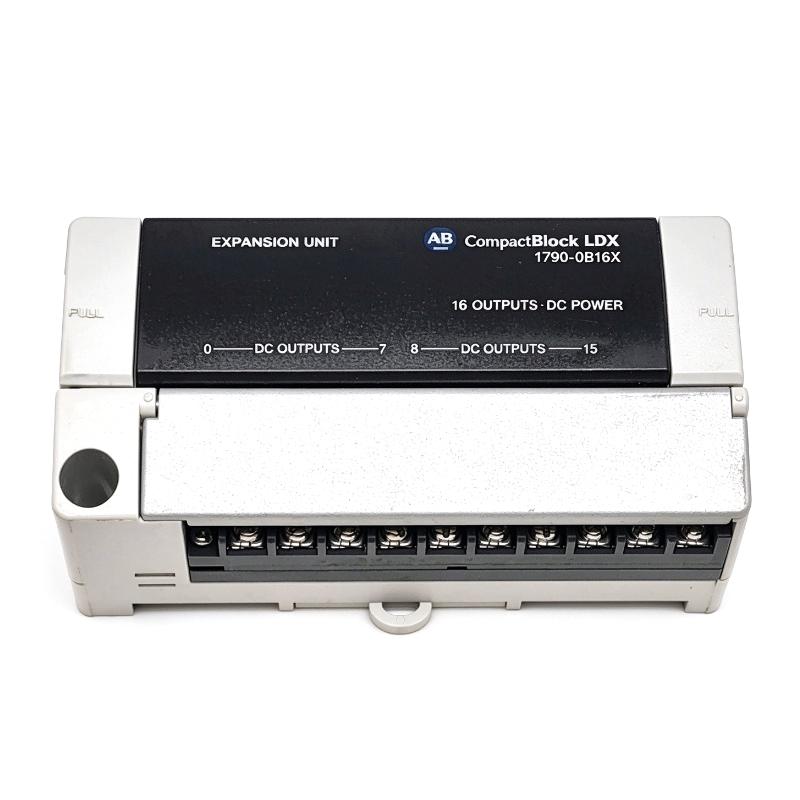
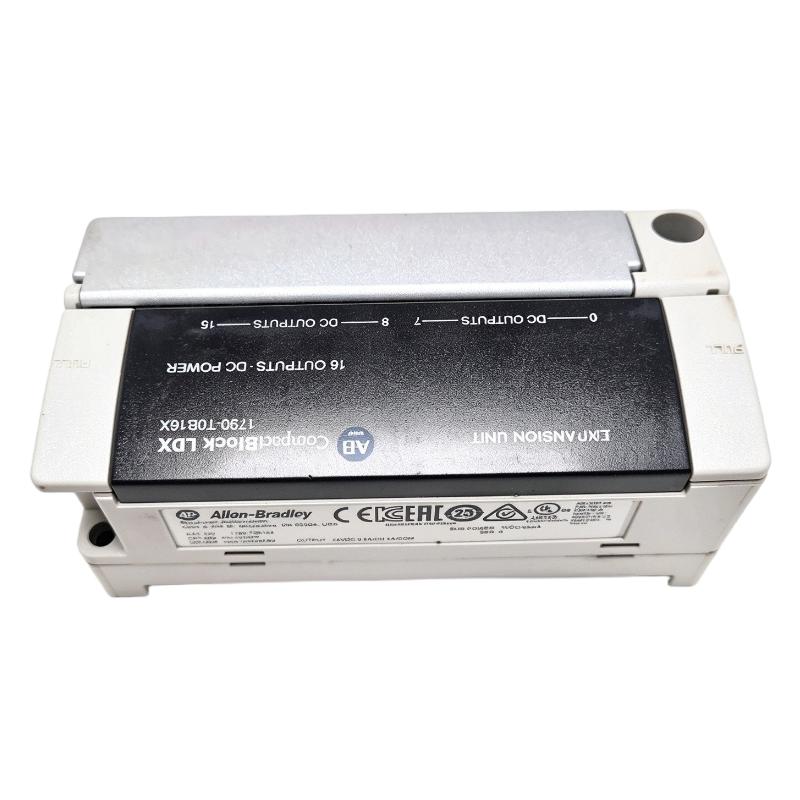
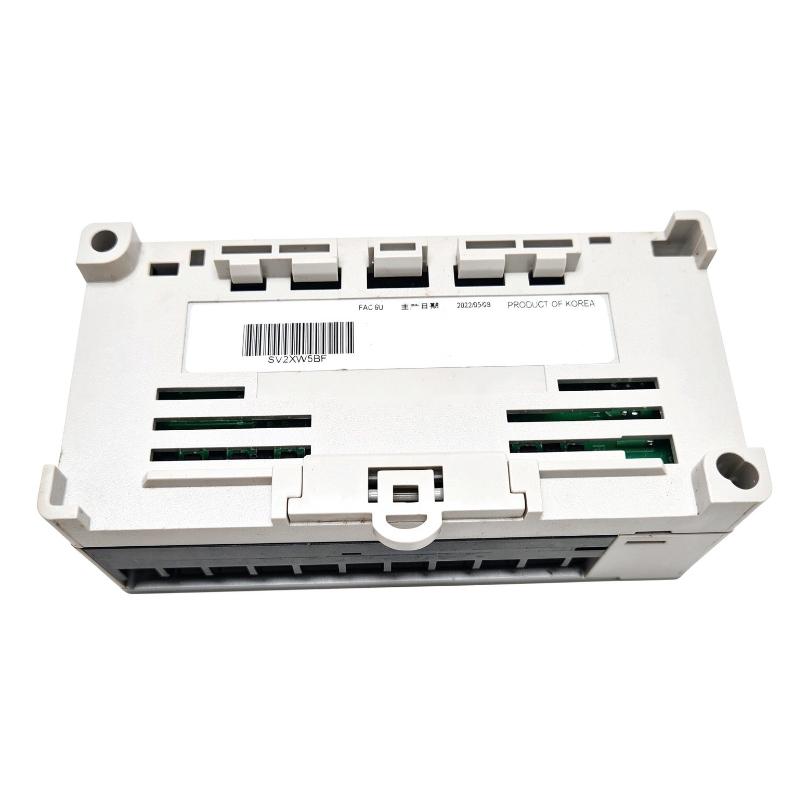
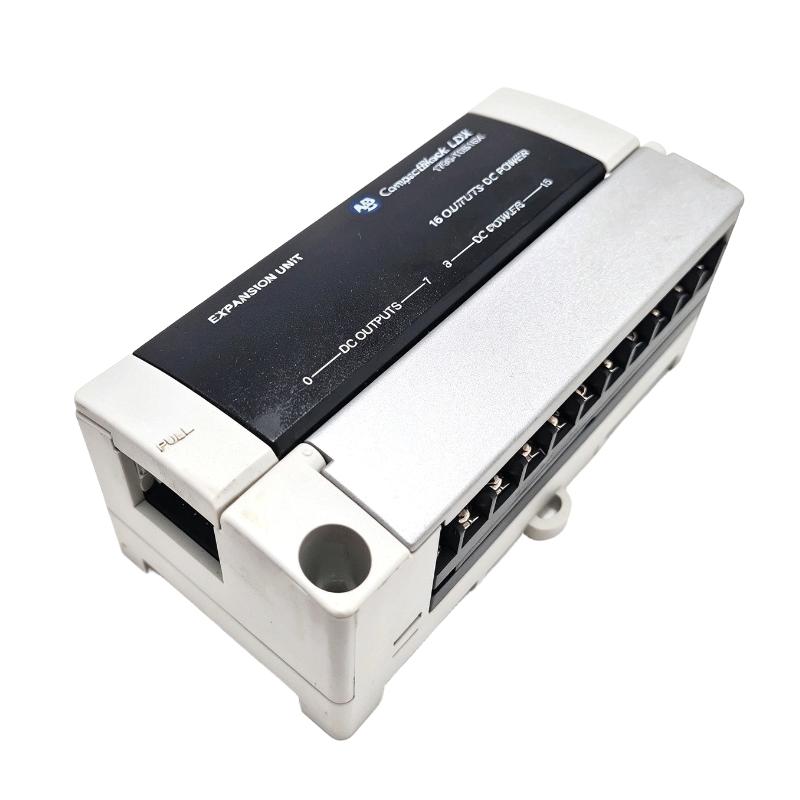
- Allen Bradley
- 1790-0B16X
- Digital Output Expansion Block
- USA
- 104 × 42 × 52 mm
- 0.1 kg
- Xiamen, China
- New & In Stock
- T/T, PayPal, Western Union
- 1 Year
- 1-3 Working Days
- DHL, UPS, TNT, FedEx and EMS.
- 24-Hour Service
- COO
- 7
Our advantage

Global Logistics
We have a 10-year logistics and express cooperation agreement, so our products can be shipped to any place in the world.

Brand new and original
Our products are imported in bulk from the place of origin. Because of the cooperative relationship, our products are all original and 100% new.

24-hour service
We provide 7*24 hours service to our customers. We will be there whenever you need us.

Price advantage
All our products are priced very favorably because we have our own warehouse and supply.
| Company Information | |||
| [email protected] | |||
| Mobile | +8615980777398 | ||
| +8615980777398 | |||
| 15980777398 |
Product Overview
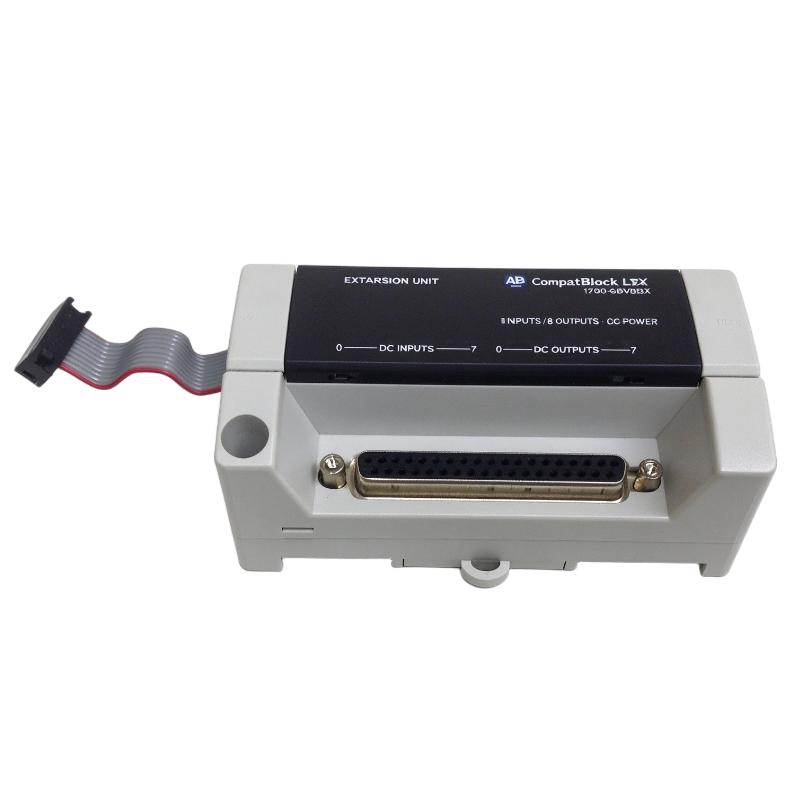
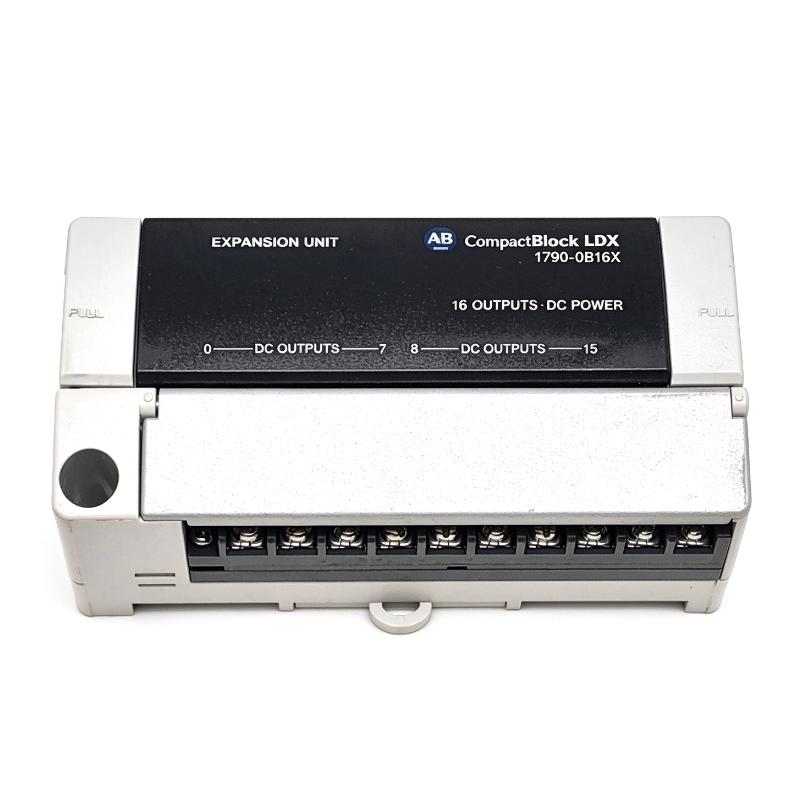
The Allen Bradley 1790-0B16X CompactBlock LDX Digital Output Expansion Block is a 16-point DC sourcing output module used to expand the digital output capacity of a CompactBlock LDX distributed I/O assembly. Operating with a nominal 24 V DC field supply, it allows a compatible base block to control multiple external devices through individual digital output channels.
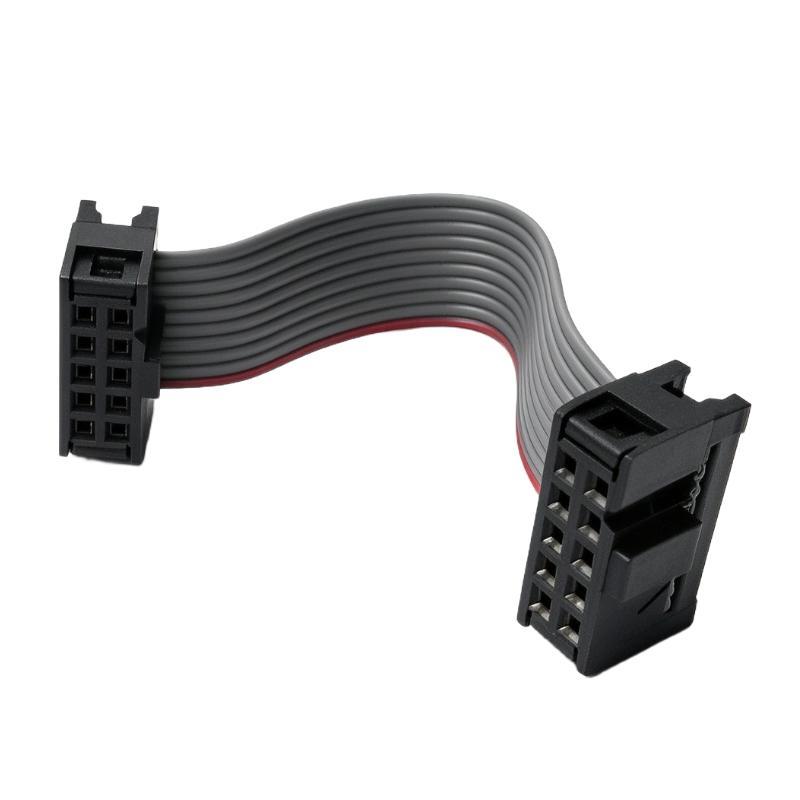
Unlike a standalone DeviceNet I/O block, the 1790-0B16X functions as an expansion unit. It connects to a compatible CompactBlock LDX base block through a ribbon cable interface and adds 16 additional output points to the existing I/O assembly. The base block handles the network connection, while the expansion module provides the additional field output channels.
This arrangement is useful in machinery where the number of controlled devices increases beyond the available outputs on the original base block. For example, a packaging machine may need separate PLC-controlled signals for solenoid valves, indicator lamps, interface relays, and pneumatic actuators. Instead of replacing the entire I/O assembly, an additional 1790-0B16X can extend the available output capacity.
The module uses sourcing output technology. When an output is activated, it supplies positive DC voltage to the connected load. This makes it suitable for compatible DC field devices wired in a sinking-load arrangement. Each output supports a maximum current of 0.5 A, while the module has a maximum total output current rating of 4 A.
Its 16 output points are arranged in two groups of eight, with individual common connections. This configuration allows the output wiring to be organized according to the electrical requirements of the connected devices. The 37-pin D-shell connector provides the interface for field wiring.
Another practical consideration is the module’s expansion-only architecture. It cannot operate independently as a network node and must be connected to a compatible CompactBlock LDX base block. The base block and expansion modules together form the distributed I/O assembly, with the base block providing the DeviceNet communication connection.
For example, in a conveyor control system, the base block can communicate with the main controller through DeviceNet, while the 1790-0B16X supplies additional switching outputs for conveyor zone solenoids, motor interface relays, and machine-status indicators. This keeps field wiring closer to the equipment being controlled and reduces the need to route every output back to a central control cabinet.
The 1790-0B16X is particularly suitable for compact distributed control installations that require additional 24 V DC digital output points without changing the overall CompactBlock LDX architecture.
Technical Specifications
| Parameter | Specification |
|---|---|
| Manufacturer | Allen-Bradley |
| Model | 1790-0B16X |
| Product Type | CompactBlock LDX 16-Point Digital Output Expansion Block |
| Product Family | CompactBlock LDX |
| Module Category | Digital Output Expansion Module |
| Network System | DeviceNet |
| Module Function | Digital Output Expansion |
| Number of Outputs | 16 Points |
| Output Type | DC Sourcing |
| Nominal Field Voltage | 24 V DC |
| Field Supply Voltage Range | 10–28.8 V DC |
| Maximum Output Current | 0.5 A per Output |
| Maximum Module Output Current | 4 A |
| Output Configuration | 16 Sourcing Outputs |
| Common Arrangement | 8 Points / 8 COM |
| Output On-State Voltage | 10 V DC Minimum, 24 V DC Nominal, 28.8 V DC Maximum |
| Maximum On-State Voltage Drop | 0.5 V DC |
| Minimum On-State Current | 1 mA per Channel |
| Maximum Off-State Voltage | 28.8 V DC |
| Maximum Off-State Leakage | 0.5 mA |
| Output Signal Delay | 0.5 ms Maximum OFF to ON; 1.0 ms Maximum ON to OFF |
| Field Power Dissipation | 2.76 W at 28.8 V DC |
| Field Connector | 37-Pin D-Shell |
| Expansion Connection | Ribbon Cable |
| I/O-to-Logic Isolation | Photocoupler Isolation |
| Isolation Voltage | 1250 V AC RMS |
| Operating Temperature | 0 to 60 °C |
| Storage Temperature | -40 to 85 °C |
| Relative Humidity | Up to 90% RH, Noncondensing |
| Enclosure Rating | IP20 |
| Mounting Type | DIN Rail or Panel Mounting |
| Dimensions | 104 × 42 × 52 mm |
| Weight | 0.1 kg |
Product Features
- 16 Digital Output Points: Adds 16 additional DC output channels to a compatible CompactBlock LDX assembly.
- 24 V DC Sourcing Outputs: Supplies positive DC voltage to compatible external loads when the output channels are activated.
- 0.5 A Per-Point Rating: Supports individual output loads up to 0.5 A, subject to the overall module current limit.
- 4 A Module Current Limit: Provides a maximum combined output current rating of 4 A.
- Eight-Point Common Arrangement: Organizes the outputs into two groups of eight with individual common connections.
- 37-Pin D-Shell Interface: Provides a defined connection point for external field wiring.
- Ribbon Cable Expansion: Connects to a compatible base block through the CompactBlock LDX expansion interface.
- Photocoupler Isolation: Provides 1250 V AC RMS isolation between the I/O circuits and logic circuits.
- Fast Output Switching: Supports maximum signal delays of 0.5 ms for OFF-to-ON transitions and 1.0 ms for ON-to-OFF transitions.
- Distributed I/O Expansion: Adds output capacity close to the controlled equipment rather than requiring all signals to return to the main control cabinet.
Working Principle
The 1790-0B16X operates as an additional digital output stage within a CompactBlock LDX I/O assembly. It receives output commands through its expansion connection to the base block and switches the corresponding DC output circuits to control external field devices.
The basic control arrangement is:
PLC / Controller → DeviceNet → CompactBlock LDX Base Block → Ribbon Cable → 1790-0B16X → Field Devices
Output Command Processing
The process begins when the PLC program activates a digital output address associated with the CompactBlock LDX assembly. The base block receives the network command through DeviceNet and transfers the corresponding output information to the connected expansion module.
The 1790-0B16X then switches the selected output channel according to the received command.
For example, when a conveyor control program activates an output assigned to a pneumatic diverter, the corresponding channel supplies the required positive DC voltage to the connected load. The solenoid valve operates and changes the direction of the conveyor mechanism.
Sourcing Output Operation
The module uses sourcing outputs, meaning that an activated channel supplies positive voltage to the connected load.
In a typical 24 V DC arrangement, the positive supply is switched through the output channel to the field device, while the load returns to the appropriate common or negative supply connection.
This output arrangement must match the electrical configuration of the connected field device. A load intended for a different output polarity or switching arrangement cannot be connected without checking the wiring requirements.
Individual Output Control
The 16 output channels can be controlled independently through the configured I/O data. This allows the PLC to operate different field devices according to the machine sequence.
For example, a production line may use separate outputs for several solenoid valves, status indicators, and relay interfaces. The controller can activate each channel at the required stage without switching the other outputs.
Current Distribution
The module supports up to 0.5 A per output, with a maximum combined current of 4 A.
This distinction is important when selecting field devices. Even if every individual load is below the 0.5 A channel limit, the total current of simultaneously activated outputs must remain within the module’s overall rating.
The output groups also have separate common connections, which should be wired according to the module’s connection arrangement and the field supply requirements.
Isolation Between I/O and Logic
Photocoupler isolation separates the field I/O circuits from the logic side. The specified isolation voltage is 1250 V AC RMS.
This electrical separation helps limit the transfer of disturbances between the field wiring and internal logic circuitry. It does not replace proper grounding, supply protection, or correct field wiring practices.
Expansion Assembly Operation
The 1790-0B16X does not provide an independent DeviceNet network connection. It relies on a compatible CompactBlock LDX base block for communication with the controller.
The ribbon cable transfers the expansion I/O information between the base block and the additional output module. The base block and expansion unit therefore operate as one distributed I/O assembly.
This arrangement allows additional field outputs to be introduced without creating a separate network node for every expansion block.
Role in the CompactBlock LDX Control Architecture
The Allen Bradley 1790-0B16X functions as an output expansion component within the CompactBlock LDX distributed I/O system. Its primary responsibility is to increase the number of available digital output points while relying on the base block for network communication.
A typical system arrangement follows this structure:
PLC Controller → DeviceNet Scanner → CompactBlock LDX Base Block → 1790-0B16X → 24 V DC Field Loads
| System Component | Function |
|---|---|
| Allen Bradley 1790-0B16X | Adds 16 sourcing digital output points |
| CompactBlock LDX Base Block | Provides the main I/O assembly and DeviceNet connection |
| DeviceNet Scanner | Exchanges I/O data between the controller and distributed I/O |
| PLC Controller | Executes machine logic and output commands |
| Ribbon Cable | Transfers expansion I/O information between modules |
| 24 V DC Power Supply | Supplies field power for compatible output loads |
| Solenoid Valve | Converts electrical output signals into pneumatic or hydraulic switching actions |
| Interface Relay | Provides an intermediate switching interface for external equipment |
| Indicator Lamp | Displays machine status and operating conditions |
| Contactor Interface | Controls compatible motor and power switching circuits |
| Field Wiring | Connects the output channels to external devices |
In this architecture, the controller does not communicate with the 1790-0B16X as an independent DeviceNet node. Instead, output data is transferred through the base block and its expansion interface.
For example, in an automated material-handling system, the base block communicates with the PLC through DeviceNet, while the 1790-0B16X controls additional conveyor diverters and pneumatic stops. The PLC coordinates the output sequence according to product position and sensor information.
The expansion arrangement is especially useful when the existing CompactBlock LDX installation has sufficient network capacity but requires additional local output points.
Industrial Applications
| Application | Typical Use |
|---|---|
| Conveyor Systems | Switching pneumatic stops, diverters, and conveyor-zone control devices |
| Packaging Machinery | Controlling solenoid valves, product guides, and machine-status indicators |
| Automated Assembly | Operating pneumatic actuators and fixture-control devices |
| Material Handling | Controlling sorting gates and transfer mechanisms |
| Production Lines | Expanding digital outputs for distributed machine-control functions |
| Pneumatic Control Systems | Switching compatible 24 V DC solenoid valves |
| Industrial Machine Panels | Adding output points to existing CompactBlock LDX installations |
| Automated Sorting Equipment | Controlling diverters and product-routing mechanisms |
| Process Equipment | Switching auxiliary DC control devices and interface relays |
| Factory Automation | Extending local output capacity in DeviceNet-based distributed I/O systems |
Installation and Maintenance
- Verify the Module Model: Confirm that Allen Bradley 1790-0B16X is the required 16-point sourcing output expansion module.
- Check Base Block Compatibility: Ensure that the selected CompactBlock LDX base block supports digital output expansion modules. Thermocouple and RTD base blocks do not support this expansion arrangement.
- Inspect the Module: Check the housing, connector pins, ribbon cable interface, and D-shell connection for physical damage.
- Prepare the Mounting Location: Select a suitable DIN rail or panel mounting position with sufficient space for wiring and maintenance access.
- Isolate the Power Supply: Disconnect the relevant control and field power supplies before installing or modifying the expansion assembly.
- Mount the Expansion Block: Install the module securely using the specified mounting arrangement.
- Connect the Ribbon Cable: Connect the expansion interface to the compatible base block and verify that the connection is correctly seated.
- Wire the Output Connector: Connect the 37-pin D-shell field wiring according to the output assignment and module connection diagram.
- Verify Output Polarity: Confirm that the connected loads are compatible with the sourcing output configuration and that the common connections are correctly arranged.
- Check Current Requirements: Ensure that no individual output exceeds 0.5 A and that the combined output current remains within the 4 A module limit.
- Test Output Operation: Restore power and test each output channel individually, checking the switching response and operation of the connected field devices.
- Document the Configuration: Record the output assignments, connected loads, supply arrangements, and any changes made to the CompactBlock LDX assembly.
Compatible System Components
| Component | Function |
|---|---|
| Allen Bradley 1790-0B16X | 16-point sourcing digital output expansion block |
| CompactBlock LDX Digital I/O Base Block | Provides the main DeviceNet-connected I/O assembly |
| Allen Bradley 1790D-0B16 | 16-point 24 V DC sourcing output base module |
| Allen Bradley 1790D-0V16 | 16-point 24 V DC sinking output base module |
| Allen Bradley 1790-7CMCBL | 7 cm CompactBlock LDX expansion ribbon cable |
| Allen Bradley 1790-15CMBL | 15 cm CompactBlock LDX expansion ribbon cable |
| DeviceNet Scanner | Handles network communication with the base block |
| PLC Controller | Executes output commands and machine logic |
| 24 V DC Power Supply | Supplies the field output circuits |
| 37-Pin D-Shell Connector | Provides the field wiring interface |
| Interface Relay | Switches compatible external control circuits |
| 24 V DC Solenoid Valve | Performs pneumatic or hydraulic switching operations |
Recommended Related Models
| Model | Product Type | Typical Application |
|---|---|---|
| Allen Bradley 1790-0V16X | CompactBlock LDX 16-Point Digital Output Expansion Block | 24 V DC sinking output expansion |
| Allen Bradley 1790-16BV0X | CompactBlock LDX 16-Point Universal Input Expansion Block | Additional digital input capacity |
| Allen Bradley 1790-8BV8BX | CompactBlock LDX 8-Input / 8-Output Expansion Block | Combined sourcing input and output expansion |
| Allen Bradley 1790-8BV8VX | CompactBlock LDX 8-Input / 8-Output Expansion Block | Combined universal input and sinking output expansion |
| Allen Bradley 1790-0W8X | CompactBlock LDX 8-Point Relay Output Expansion Block | Relay-based output expansion |
| Allen Bradley 1790D-0B16 | CompactBlock LDX 16-Point Digital Output Base Block | Standalone base I/O assembly with 24 V DC sourcing outputs |
Key Advantages
- Adds 16 digital output points to a compatible CompactBlock LDX assembly.
- Supports 24 V DC sourcing output operation.
- Handles up to 0.5 A per output and 4 A total module current.
- Uses a 37-pin D-shell interface for field wiring.
- Provides photocoupler isolation between I/O and logic circuits.
- Supports expansion through a ribbon cable connection to the base block.
- Allows distributed control of solenoid valves, relays, and other compatible DC loads.
- Reduces the need to replace an existing base I/O block when additional outputs are required.
Technical FAQs
Can the Allen Bradley 1790-0B16X operate independently without a CompactBlock LDX base block?
No. The 1790-0B16X is an expansion module and does not have an independent DeviceNet network interface. It must be connected to a compatible CompactBlock LDX base block through the expansion ribbon cable. The base block handles communication with the controller, while the expansion module supplies the additional output channels.
What is the difference between the 1790-0B16X and 1790-0V16X?
Both modules provide 16 digital output points and use a nominal 24 V DC field supply, but their output switching arrangements are different. The 1790-0B16X uses sourcing outputs, which supply positive voltage to the connected load. The 1790-0V16X uses sinking outputs, which switch the load toward the DC common. The correct model depends on the electrical wiring and input requirements of the connected devices.
What is the maximum load current supported by each output?
Each output supports a maximum current of 0.5 A, while the total module output current must not exceed 4 A. Both limits need to be considered when connecting multiple devices. For example, connecting several solenoid valves requires checking their individual current consumption and the combined load when multiple channels are activated simultaneously.
Which cable is required to connect the 1790-0B16X to the base block?
The module uses the CompactBlock LDX ribbon cable expansion interface. A 7 cm ribbon cable is included with the expansion connection arrangement, while a 15 cm cable is available as an alternative. The cable must be correctly seated at both ends to ensure proper communication between the base block and the expansion module.