

ProductPRODUCT
Featured products



Contact Us
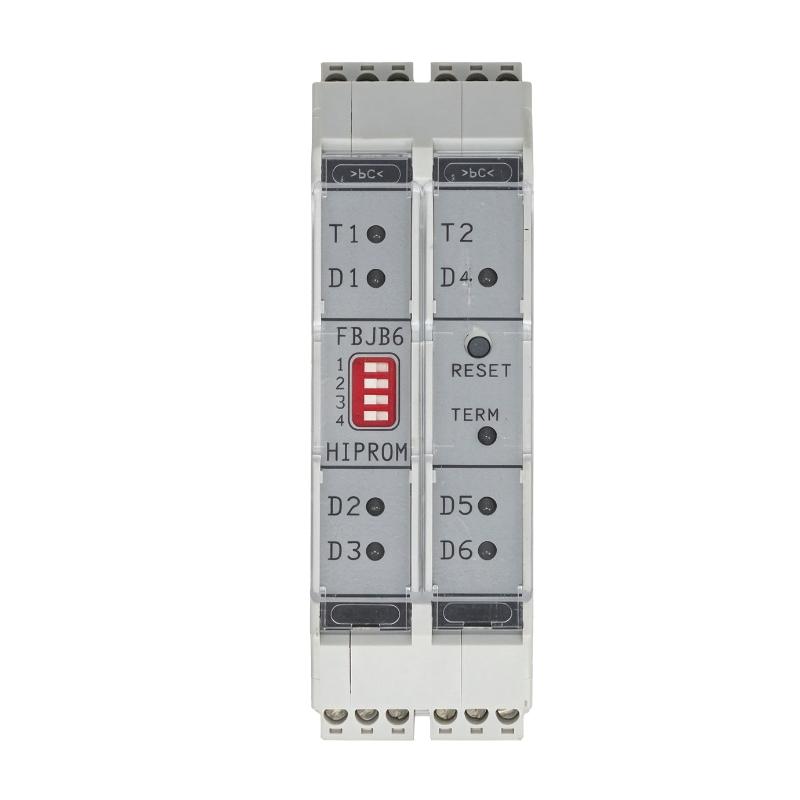
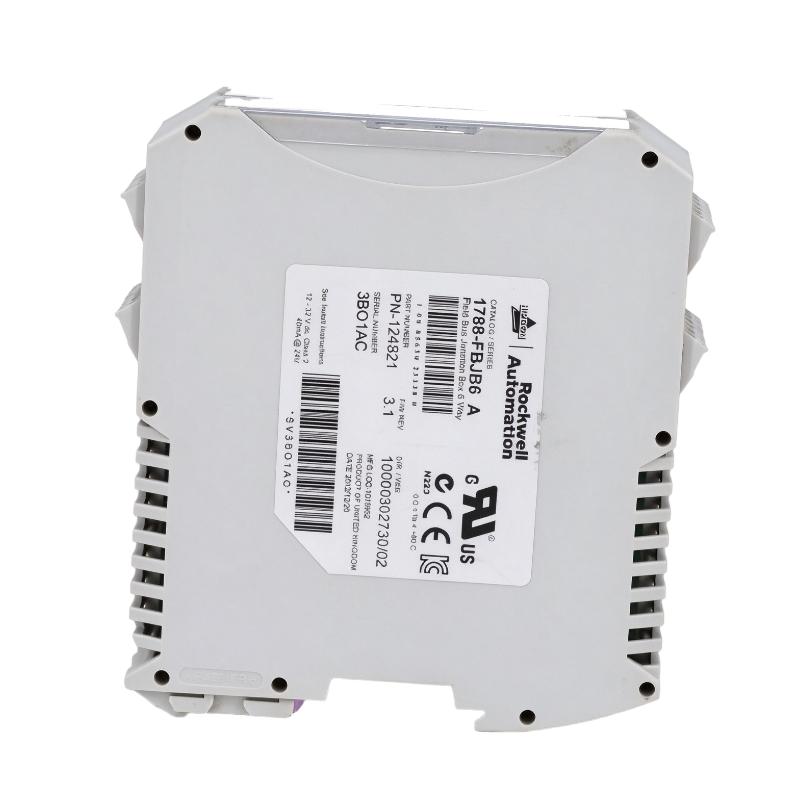
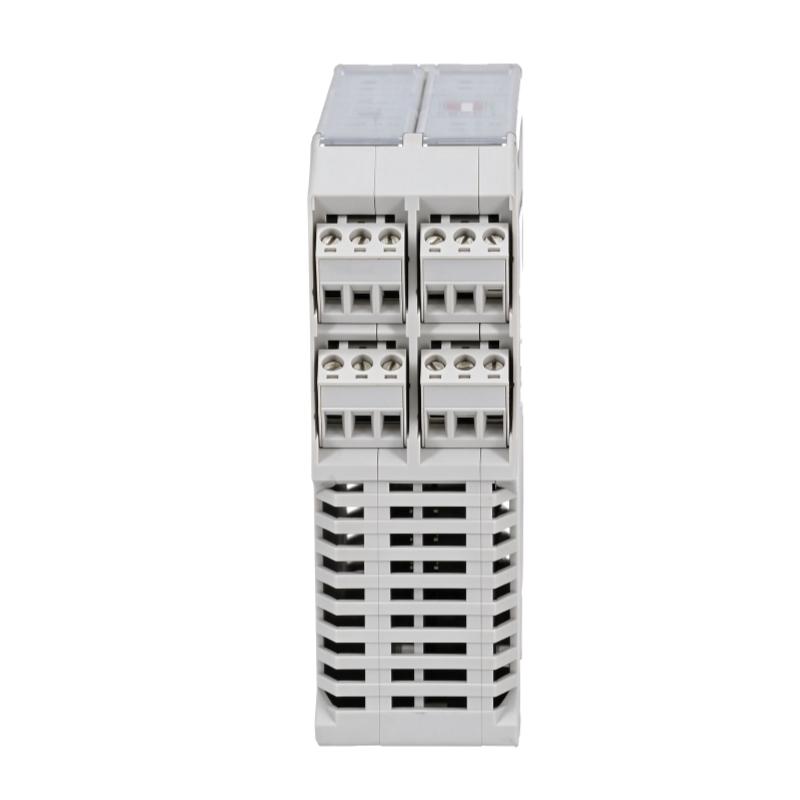
- Allen Bradley
- 1788-FBJB6
- FOUNDATION Fieldbus Junction Box
- USA
- 114.5 × 35.7 × 99 mm
- 0.34 kg
- Xiamen, China
- New & In Stock
- T/T, PayPal, Western Union
- 1 Year
- 1-3 Working Days
- DHL, UPS, TNT, FedEx and EMS.
- 24-Hour Service
- COO
- 6
Our advantage

Global Logistics
We have a 10-year logistics and express cooperation agreement, so our products can be shipped to any place in the world.

Brand new and original
Our products are imported in bulk from the place of origin. Because of the cooperative relationship, our products are all original and 100% new.

24-hour service
We provide 7*24 hours service to our customers. We will be there whenever you need us.

Price advantage
All our products are priced very favorably because we have our own warehouse and supply.
| Company Information | |||
| [email protected] | |||
| Mobile | +8615980777398 | ||
| +8615980777398 | |||
| 15980777398 |
Product Overview
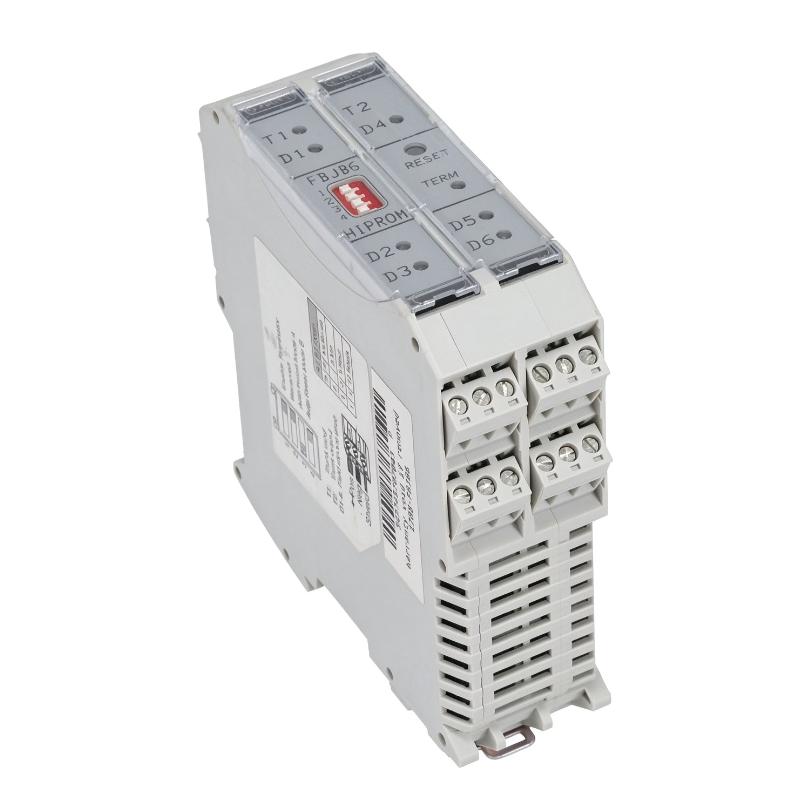
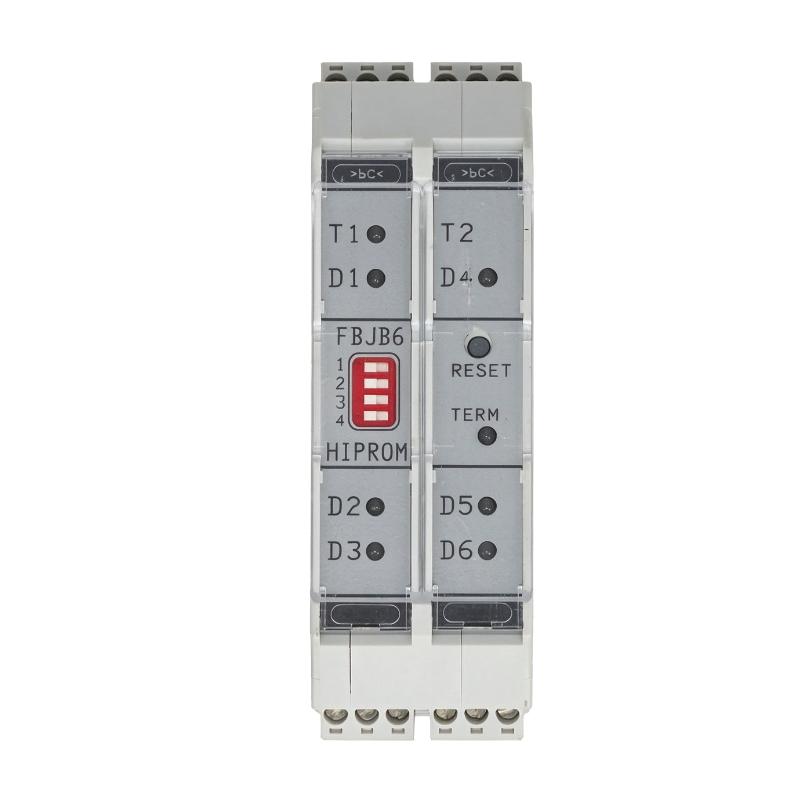
The Allen Bradley 1788-FBJB6 FOUNDATION Fieldbus Junction Box is a six-way fieldbus connection unit used to distribute FOUNDATION Fieldbus H1 communication and power between a fieldbus trunk and multiple field devices. It provides one bus input port, one bus output port, and six field device drop-line connections, allowing several instruments to share the same fieldbus segment.
In a typical process automation installation, multiple field instruments such as pressure transmitters, temperature transmitters, flow meters, and valve positioners need to communicate with a control system over a common FOUNDATION Fieldbus network. Rather than connecting every instrument through separate long cable runs, the 1788-FBJB6 provides a centralized connection point where individual device drop lines branch from the main fieldbus trunk.
One of the most useful characteristics of this junction box is its individual drop-line current monitoring and protection. Each of the six field device connections is continuously monitored. If a short circuit or excessive current condition occurs on one drop line, the affected segment is current-limited to a safe level. The remaining field devices can continue communicating through the bus, reducing the impact of a single wiring fault on the overall instrument network.
For example, consider a process plant with six field instruments installed around a pumping station. Each instrument connects to a separate drop-line terminal on the 1788-FBJB6, while the main trunk carries fieldbus communication and power. If the cable to one pressure transmitter develops a short circuit, the junction box limits current on that particular branch rather than allowing the fault to interrupt communication across all six connections.
The unit also provides dedicated trunk input and output connections, making it possible to integrate the junction box into a larger fieldbus cable arrangement. Its trunk output supports up to 480 mA, while each individual drop output is rated at 40 mA for resistive loads.
Another practical feature is its LED diagnostic indication. The status indicators provide visual information about fieldbus operation and individual connection conditions, helping maintenance personnel identify wiring problems without having to disconnect every instrument.
The 1788-FBJB6 is suitable for process automation systems where several FOUNDATION Fieldbus H1 instruments need to be connected through a common distribution point. Typical installations include chemical processing, oil and gas facilities, water treatment plants, power generation systems, and other process industries using distributed field instrumentation.
For engineers maintaining FOUNDATION Fieldbus networks, the main value of this junction box lies in its six individual device connections and branch-level fault protection. It simplifies field wiring while helping prevent a problem on one instrument connection from affecting the other devices on the bus.
Technical Specifications
| Parameter | Specification |
|---|---|
| Manufacturer | Allen-Bradley |
| Model | 1788-FBJB6 |
| Product Type | FOUNDATION Fieldbus 6-Way Junction Box |
| Product Family | 1788 Linking Devices |
| Network Type | FOUNDATION Fieldbus H1 |
| Bus Input Ports | 1 |
| Bus Output Ports | 1 |
| Field Device Drop-Line Ports | 6 |
| Input Supply Voltage | 12–32 V DC |
| Input Supply Current | 0.5 A |
| Trunk Output Voltage | 12–32 V DC |
| Trunk Output Current | 480 mA |
| Drop Output Voltage | 12–32 V DC |
| Drop Output Current | 40 mA per drop, resistive only |
| Power Consumption | 40 mA at 24 V DC, maximum |
| Drop-Line Monitoring | Individual Continuous Current Monitoring |
| Fault Protection | Individual Drop-Line Current Limiting |
| Communication Channel Isolation | No Isolation |
| Diagnostic Indicators | LED Status Indicators |
| Operating Temperature | 0–60 °C |
| Maximum Surrounding Air Temperature | 60 °C |
| Relative Humidity | 5–95%, Noncondensing |
| Operating Vibration | 0.5 g at 10–500 Hz |
| Operating Shock | 15 g |
| Nonoperating Shock | 30 g |
| Enclosure Type | Open Style |
| Wiring | Solid or Stranded Copper |
| Wire Size | 0.205–0.823 mm² (24–18 AWG) |
| Terminal Torque | 0.5–0.6 Nm |
| Temperature Code | T4 |
| Dimensions | 114.5 × 35.7 × 99 mm |
| Weight | 0.34 kg |
Product Features
- Six Field Device Connections: Provides six independent drop-line ports for connecting FOUNDATION Fieldbus instruments.
- Dedicated Trunk Connections: Includes separate bus input and output ports for integration into the main fieldbus network.
- Individual Current Monitoring: Continuously monitors current conditions on each field device drop line.
- Branch-Level Fault Protection: Limits current on an affected drop line when a short circuit or excessive current condition is detected.
- Network Continuity: Helps maintain communication between unaffected field devices when one branch develops an electrical fault.
- 24 V Fieldbus Distribution: Supports fieldbus power distribution through the trunk and individual drop connections.
- LED Diagnostics: Provides visual operating and fault information for maintenance and troubleshooting.
- Multiple Instrument Support: Connects different compatible field devices through a common fieldbus distribution point.
- Industrial Wiring Compatibility: Accepts solid or stranded copper conductors within the specified wire-size range.
Working Principle
The 1788-FBJB6 functions as a fieldbus distribution and protection point between the main FOUNDATION Fieldbus trunk and individual field instruments.
Its connection arrangement consists of one incoming bus connection, one outgoing bus connection, and six separate device drop lines. Communication and power are distributed through the fieldbus wiring, allowing multiple instruments to operate on the same network segment.
The basic connection structure is:
FOUNDATION Fieldbus Trunk → 1788-FBJB6 → Six Field Device Drop Lines → Field Instruments
Trunk Signal Distribution
The incoming trunk connects the junction box to the main FOUNDATION Fieldbus network. The outgoing trunk connection allows the network wiring to continue toward another section of the installation.
The six drop-line ports provide individual connections for field instruments. Each connected device communicates over the shared H1 fieldbus network while receiving its fieldbus supply through the corresponding connection.
For example, a process skid may contain pressure, temperature, and flow measurement instruments distributed around different equipment locations. The 1788-FBJB6 provides a central point for connecting these instruments without requiring each device to have a separate cable route back to the main control cabinet.
Individual Drop-Line Current Monitoring
A key operating function is the continuous monitoring of current on each device drop line.
Each branch is monitored independently. When the current on one connection exceeds the permitted operating condition, the junction box limits current to that particular branch.
This is especially useful in installations where field instruments are distributed over a large area. A damaged cable, incorrect termination, or short circuit on one instrument connection does not necessarily interrupt communication for every other device connected to the junction box.
For example, if a field cable connected to Drop 3 becomes shorted, the junction box responds to the fault on that branch. The other drop-line connections remain available for normal communication, provided their wiring and operating conditions are unaffected.
Fault Isolation at the Branch Level
The current-limiting function reduces the risk of a single drop-line electrical fault affecting the entire fieldbus network.
This is important in process facilities where several instruments share the same communication trunk. Without individual branch protection, a fault on one device connection could have a wider impact on the network.
The 1788-FBJB6 helps contain the electrical problem to the affected connection, making fault investigation and maintenance more manageable.
LED Diagnostic Indication
The junction box uses LED indicators to display fieldbus diagnostic information. Maintenance personnel can use these indicators to identify abnormal connection conditions and narrow down the location of a potential wiring problem.
This is particularly helpful when several field instruments are installed in the same process area and accessing individual cable connections requires additional maintenance work.
By combining trunk distribution, six drop-line connections, and individual current monitoring, the 1788-FBJB6 provides a practical connection point for FOUNDATION Fieldbus instrument networks.
Role in the FOUNDATION Fieldbus Control Architecture
The 1788-FBJB6 operates as a field connection and distribution component within a FOUNDATION Fieldbus H1 architecture. It connects the main fieldbus trunk to multiple field instruments while providing branch-level current monitoring.
A typical system arrangement follows this structure:
FOUNDATION Fieldbus Host / Linking Device → Fieldbus Trunk → 1788-FBJB6 → Field Instruments
| System Component | Function |
|---|---|
| Allen Bradley 1788-FBJB6 | Distributes the FOUNDATION Fieldbus trunk to six individual device connections |
| FOUNDATION Fieldbus Host | Manages fieldbus communication and process data |
| FOUNDATION Fieldbus Linking Device | Connects the H1 fieldbus network to the higher-level control network |
| Fieldbus Trunk Cable | Carries communication and power through the main network |
| Fieldbus Drop-Line Cable | Connects individual instruments to the junction box |
| Pressure Transmitter | Measures process pressure and communicates measurement data |
| Temperature Transmitter | Acquires temperature information from the process |
| Flow Transmitter | Measures fluid flow and transmits process values |
| Valve Positioner | Receives control information and reports valve operating conditions |
| FOUNDATION Fieldbus Power Supply | Supplies the fieldbus network with the required DC power |
| Fieldbus Termination | Provides the required electrical termination for the H1 network |
| PLC / DCS Controller | Processes instrument data and executes process control logic |
In a typical process control installation, the fieldbus host or linking device manages communication between the control system and the H1 instrument network. The trunk cable carries the fieldbus signals and power toward the field installation.
The 1788-FBJB6 distributes the trunk connection to six individual field instruments. Each instrument communicates through its assigned drop line, while the junction box monitors the electrical condition of the individual branches.
For example, in a water treatment facility, the junction box may connect pressure, flow, and level transmitters installed around a filtration system. The DCS receives the instrument measurements through the fieldbus architecture and uses them to regulate pumps, valves, and other process equipment.
The branch protection function is particularly valuable in this arrangement because maintenance on one instrument connection is less likely to affect the remaining devices.
Industrial Applications
| Application | Typical Use |
|---|---|
| Oil and Gas Processing | Connecting pressure, temperature, and flow instruments along FOUNDATION Fieldbus H1 networks |
| Chemical Processing Plants | Distributing fieldbus connections to process transmitters and valve positioners |
| Water Treatment Facilities | Connecting distributed flow, pressure, and level measurement instruments |
| Power Generation | Providing fieldbus connections for process monitoring and auxiliary equipment |
| Pharmaceutical Manufacturing | Connecting field instruments used in temperature, pressure, and process monitoring |
| Refinery Instrumentation | Organizing fieldbus drop-line connections around process equipment |
| Industrial Pumping Stations | Connecting pressure transmitters, flow meters, and valve positioners |
| Process Skids | Providing a centralized fieldbus connection point for multiple instruments |
| Tank Farm Monitoring | Connecting level, temperature, and pressure measurement devices |
| Distributed Process Control | Extending FOUNDATION Fieldbus connections to instruments located away from the main control cabinet |
Installation and Maintenance
- Verify the Junction Box Model: Confirm that Allen Bradley 1788-FBJB6 is the required six-way FOUNDATION Fieldbus junction box and that the network uses a compatible H1 fieldbus architecture.
- Inspect the Housing: Check the enclosure, terminal connections, and mounting points for physical damage before installation.
- Plan the Trunk Arrangement: Identify the incoming and outgoing fieldbus trunk connections and confirm the intended network topology.
- Prepare the Installation Location: Select a suitable mounting position that provides access to the wiring terminals and diagnostic indicators.
- Isolate the Power Supply: Follow the plant’s electrical safety procedures before connecting or modifying fieldbus wiring.
- Connect the Incoming Trunk: Wire the main FOUNDATION Fieldbus connection to the designated bus input terminals, observing the correct polarity and wiring arrangement.
- Connect the Outgoing Trunk: If the network continues to another section, connect the outgoing trunk according to the system wiring plan.
- Wire the Field Device Drop Lines: Connect each instrument to its assigned drop-line port and ensure that conductor terminations are secure.
- Check Current Requirements: Verify that the total trunk and individual drop-line current requirements remain within the specified ratings.
- Inspect Cable Terminations: Check conductor size, insulation condition, terminal tightness, and grounding arrangements before energizing the network.
- Verify Network Communication: Power the fieldbus segment and check the diagnostic LEDs and communication status of all connected instruments.
- Record Network Connections: Document the trunk arrangement, drop-line assignments, connected instruments, and any fault conditions for future maintenance.
Compatible System Components
| Component | Function |
|---|---|
| Allen Bradley 1788-FBJB6 | Six-way FOUNDATION Fieldbus junction box |
| FOUNDATION Fieldbus H1 Host | Manages communication with field instruments |
| FOUNDATION Fieldbus Linking Device | Connects H1 fieldbus segments to the higher-level control system |
| FOUNDATION Fieldbus Power Supply | Provides the required DC supply to the fieldbus segment |
| FOUNDATION Fieldbus Trunk Cable | Carries network communication and power |
| FOUNDATION Fieldbus Drop-Line Cable | Connects individual instruments to the junction box |
| FOUNDATION Fieldbus Terminator | Provides the required bus termination |
| Pressure Transmitter | Supplies process pressure measurements |
| Temperature Transmitter | Supplies process temperature measurements |
| Flow Transmitter | Provides flow measurement data |
| FOUNDATION Fieldbus Valve Positioner | Receives valve commands and returns operating information |
| PLC / DCS Controller | Processes field instrument data and executes control strategies |
Recommended Related Models
| Model | Product Type | Typical Application |
|---|---|---|
| Allen Bradley 1788-FBJB4R | FOUNDATION Fieldbus 4-Way Junction Box | Distributing H1 fieldbus connections to four field devices |
| Allen Bradley 1788-EN2FFR | EtherNet/IP to FOUNDATION Fieldbus Linking Device | Connecting FOUNDATION Fieldbus H1 networks to EtherNet/IP |
| Allen Bradley 1788-CN2FFR | ControlNet to FOUNDATION Fieldbus Linking Device | Integrating H1 fieldbus instruments with ControlNet systems |
| Allen Bradley 1757-FFLD2 | FOUNDATION Fieldbus Linking Device | Connecting fieldbus instrument networks to process automation systems |
| Allen Bradley 1757-FFLDC2 | FOUNDATION Fieldbus Linking Device | Integrating FOUNDATION Fieldbus communication into control architectures |
| Allen Bradley 1788-EN2PAR | EtherNet/IP to PROFIBUS PA Linking Device | Connecting PROFIBUS PA field instrumentation to EtherNet/IP networks |
Key Advantages
- Provides six individual FOUNDATION Fieldbus H1 device connections.
- Includes dedicated trunk input and output connections.
- Monitors current conditions on each field device drop line.
- Limits current on an affected branch when an electrical fault occurs.
- Helps maintain communication between unaffected field instruments.
- Supports 12–32 V DC fieldbus power distribution.
- Provides LED indicators for fieldbus diagnostics.
- Simplifies instrument wiring in distributed process installations.
Technical FAQs
How many field instruments can the 1788-FBJB6 connect?
The 1788-FBJB6 provides six individual field device drop-line ports. Each port can connect a compatible FOUNDATION Fieldbus H1 instrument. The actual number of devices supported by the complete fieldbus segment also depends on the available network power, cable characteristics, device current consumption, and overall segment design.
What happens if one field device drop line develops a short circuit?
The junction box continuously monitors the current on each individual drop line. If a fault is detected, the current on the affected branch is limited to a safe level. This helps prevent the fault from interrupting communication on the other field device connections, provided the remaining network is operating normally.
What is the difference between the trunk output and the drop-line outputs?
The trunk output is used to continue the main FOUNDATION Fieldbus connection toward another network section or fieldbus distribution point. The six drop-line outputs connect individual field instruments to the trunk. Their electrical ratings are different: the trunk output supports up to 480 mA, while each drop output is rated at 40 mA for resistive loads.
Does the 1788-FBJB6 provide electrical isolation between communication channels?
No. The communication channels are not electrically isolated from one another. The junction box uses individual current monitoring and branch-level current limiting rather than galvanic isolation to protect the field device connections. System grounding, wiring, and fieldbus power arrangements should therefore follow the requirements of the complete H1 network.