

ProductPRODUCT
Featured products
Contact Us
- Siemens
- 6AG1960-1AA04-7AA0
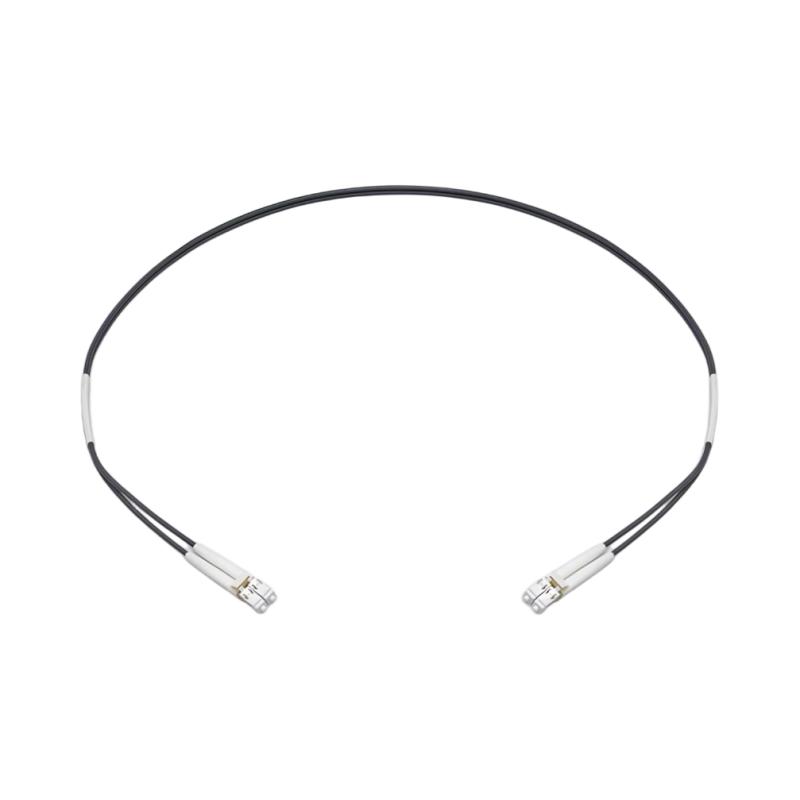
- Synchronous Fiber Optic Cable
- Germany
- 1 m
- 0.029 kg
- Xiamen, China
- New & In Stock
- T/T, PayPal, Western Union
- 1 Year
- 1-3 Working Days
- DHL, UPS, TNT, FedEx and EMS.
- 24-Hour Service
- COO
- 6
Our advantage

Global Logistics
We have a 10-year logistics and express cooperation agreement, so our products can be shipped to any place in the world.

Brand new and original
Our products are imported in bulk from the place of origin. Because of the cooperative relationship, our products are all original and 100% new.

24-hour service
We provide 7*24 hours service to our customers. We will be there whenever you need us.

Price advantage
All our products are priced very favorably because we have our own warehouse and supply.
| Company Information | |||
| [email protected] | |||
| Mobile | +8615980777398 | ||
| +8615980777398 | |||
| 15980777398 |
Product Overview
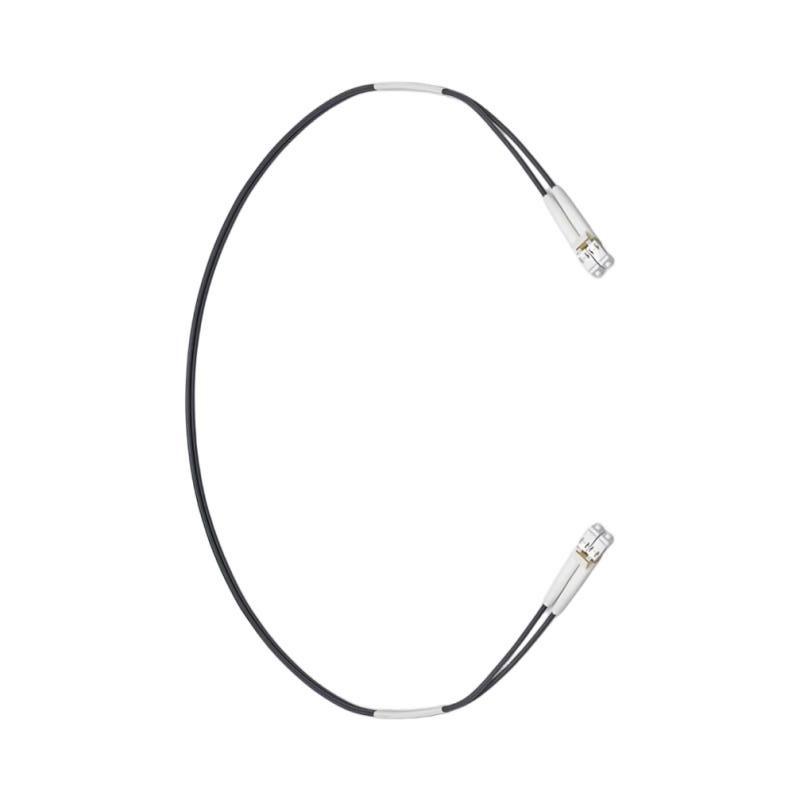
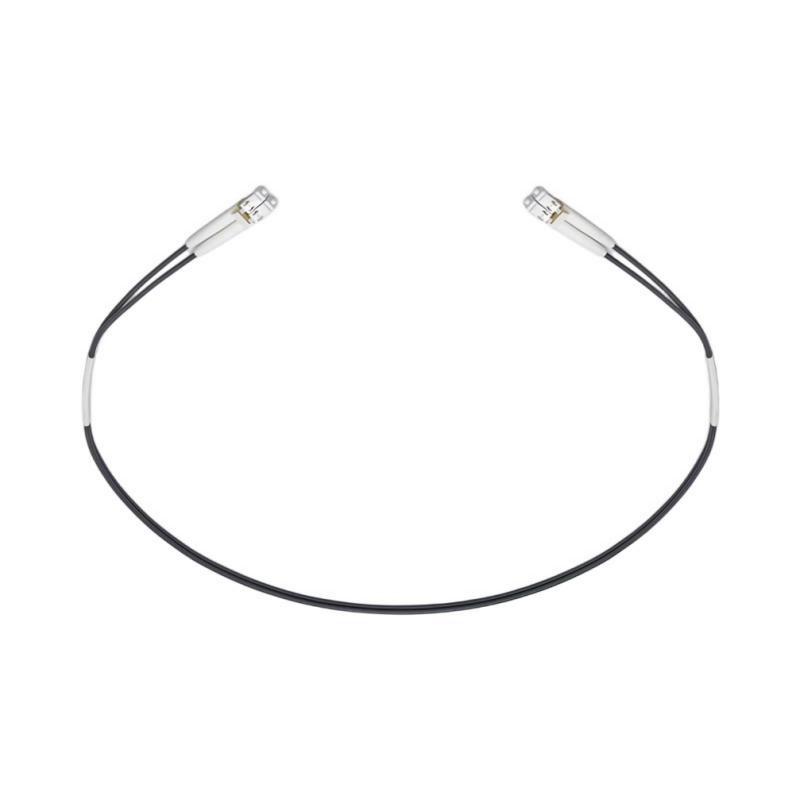
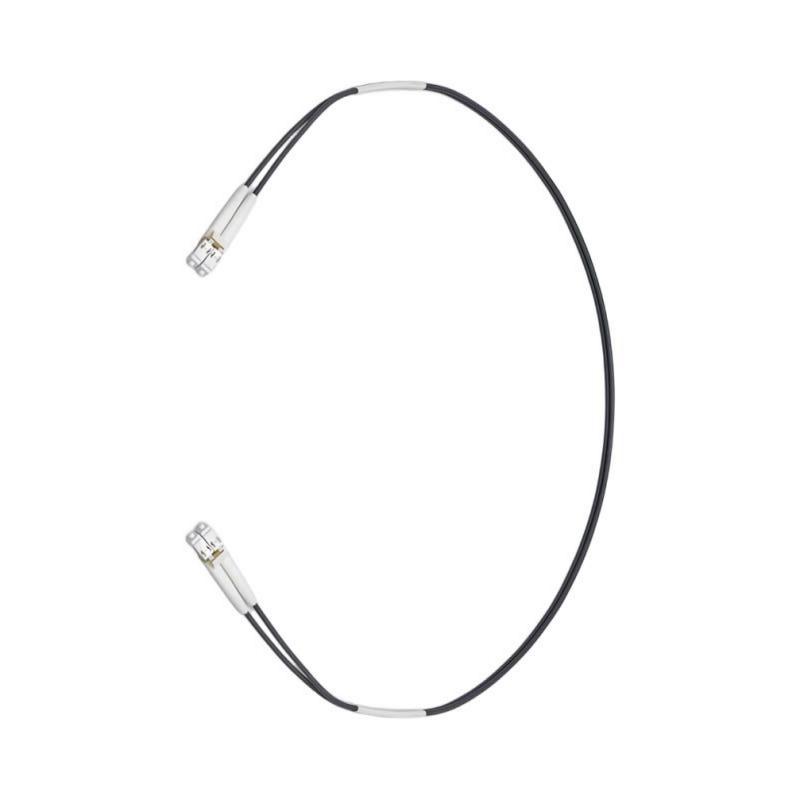
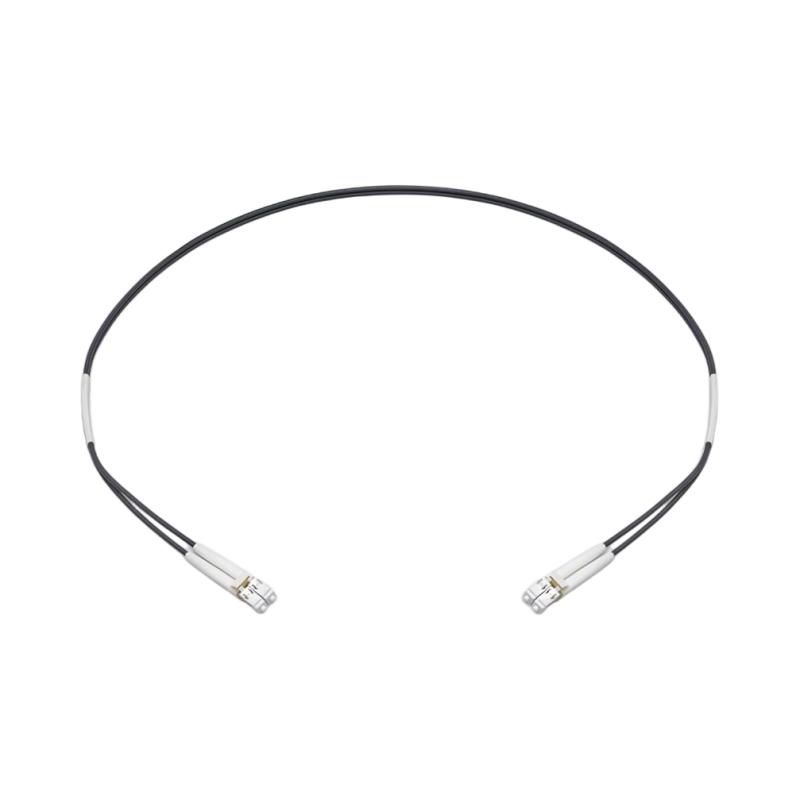
The Siemens 6AG1960-1AA04-7AA0 is a SIPLUS S7-400 optical fiber synchronization cable designed for use with synchronization modules in Siemens SIMATIC S7-400H automation systems. With a cable length of 1 meter, it provides a dedicated fiber-optic connection between compatible synchronization interfaces.
In high-availability automation systems, reliable communication between redundant controllers is essential. The SIMATIC S7-400H architecture uses redundant hardware and synchronization mechanisms to support continuous control operation. The synchronization connection allows the paired controller system to coordinate its operation through the designated synchronization modules.
Unlike conventional electrical signal cables, this product uses optical fiber to transmit synchronization signals. Fiber-optic transmission provides electrical isolation between connected interfaces and avoids the conductive signal path associated with copper wiring. It can also help reduce susceptibility to electromagnetic interference in electrically noisy industrial environments.
The 6AG1960-1AA04-7AA0 belongs to the SIPLUS product range. Its specified operating temperature range is -25°C to +70°C, making it suitable for installations that require a wider temperature range than standard industrial components may support.
This cable is intended for a specific Siemens synchronization application. It should not be treated as a general-purpose Ethernet cable, PROFIBUS cable, or standard fiber-optic network patch cord. Before purchasing, users should verify the synchronization module, connector arrangement, cable length, and controller configuration.
Technical Specifications
| Parameter | Specification |
|---|---|
| Brand | Siemens |
| Product Series | SIPLUS S7-400 |
| Model | 6AG1960-1AA04-7AA0 |
| Product Type | Fiber Optic Synchronization Cable |
| Cable Type | FO Patch Cable |
| Cable Length | 1 m |
| Application | Synchronization module connection |
| Compatible System Family | SIMATIC S7-400H |
| Temperature Range | -25°C to +70°C |
| Transmission Medium | Optical fiber |
| Product Configuration | SIPLUS extended-temperature version |
| Dimensions | Cable assembly; not specified as a fixed rectangular enclosure |
| Weight | 0.029 kg |
| Typical Application | Redundant PLC synchronization |
Note: Confirm connector details and the permitted cable arrangement against the documentation for the installed synchronization modules. The 0.029 kg value is the supplied product weight.
Function and Working Principle
The Siemens 6AG1960-1AA04-7AA0 provides an optical connection for synchronization between compatible S7-400H synchronization modules. Its function is associated with the redundant controller architecture rather than ordinary field-device communication.
1. Optical Signal Transmission
The cable carries optical signals between compatible synchronization interfaces. Instead of transmitting electrical signals directly through copper conductors, it uses light through an optical fiber.
This transmission method provides electrical separation between the connected interfaces and avoids creating a direct conductive path between the devices.
2. Synchronization of Redundant Controllers
The SIMATIC S7-400H system is designed for applications where controller availability is important. A redundant configuration uses two controller sections that operate together as a coordinated system.
Synchronization modules and their connecting cables form part of the hardware arrangement used to coordinate the redundant CPUs. The 6AG1960-1AA04-7AA0 provides the specified 1-meter optical connection for this purpose.
The cable itself does not perform controller synchronization logic. That function depends on the CPUs, synchronization modules, system configuration, and Siemens control software.
3. Electrical Isolation
Optical fiber does not conduct electrical current in the same way as a copper signal cable. This helps prevent electrical potential differences between connected equipment from being carried through the signal path.
Electrical isolation can be particularly useful in industrial installations containing motors, drives, contactors, and other equipment that produces electrical interference.
4. Extended Temperature Operation
The SIPLUS version is specified for an operating temperature range of -25°C to +70°C. This wider temperature specification supports installations where environmental conditions may extend beyond the range of standard industrial products.
Actual suitability still depends on the surrounding equipment, installation conditions, and the applicable system documentation.
Role in Siemens SIMATIC S7-400H Systems
The 6AG1960-1AA04-7AA0 is primarily associated with redundant controller synchronization. Understanding its role requires considering the wider S7-400H architecture.
Redundant CPU Coordination
A SIMATIC S7-400H system uses two CPUs configured for redundant operation. The controllers coordinate their operation so that the automation system can maintain control availability when certain hardware faults occur.
Synchronization modules provide the required interfaces for communication between the redundant controller sections. The optical cable connects these designated interfaces.
High-Availability Control Architecture
High-availability control systems are used in industrial processes where unexpected controller interruptions can affect production, equipment safety, or operational continuity.
Examples include:
- Continuous manufacturing processes.
- Chemical and petrochemical plants.
- Power generation facilities.
- Water treatment installations.
- Industrial utility systems.
- Large-scale process automation.
The optical synchronization cable is one component within this larger architecture. Its correct installation helps maintain the intended connection between the synchronization modules.
Relationship with PLC Hardware
The cable works with the synchronization hardware associated with the S7-400H controller system. It does not replace the CPU, rack, power supply, communication processor, or I/O modules.
For replacement projects, engineers should identify the existing synchronization module and verify the correct cable part number before ordering.
Industrial Applications
1. Chemical and Petrochemical Plants
Chemical and petrochemical facilities often rely on continuous control of pumps, compressors, valves, temperature, and pressure. A redundant PLC architecture can help maintain automation availability in critical process areas.
The 6AG1960-1AA04-7AA0 may be used as part of the synchronization connection in an appropriate S7-400H installation.
2. Power Generation
Power generation facilities use automation systems to coordinate equipment operation, monitor process conditions, and manage auxiliary systems.
Where an S7-400H redundant controller is installed, the synchronization cable supports the designated connection between compatible synchronization modules.
3. Water and Wastewater Treatment
Water treatment plants may require continuous control of pumps, filtration equipment, chemical dosing systems, and distribution processes.
A high-availability controller architecture can help reduce the risk of control-system interruption. The optical synchronization cable forms part of the redundant controller hardware arrangement.
4. Continuous Manufacturing
Industries such as paper, chemical processing, and other continuous production environments may use redundant PLC systems to support operational availability.
The 1-meter cable provides a compact connection where the synchronization modules are installed within the intended system layout.
5. Industrial Utility Systems
Boiler systems, compressed-air installations, cooling-water systems, and other plant utilities may use redundant automation controllers.
The SIPLUS cable can be used where the specified S7-400H synchronization configuration and environmental requirements apply.
Installation and System Integration
Correct installation is essential for reliable optical signal transmission and proper synchronization-system operation.
1. Verify the Synchronization Modules
Before installation, identify the synchronization modules fitted to the two S7-400H controller sections. Confirm that the 6AG1960-1AA04-7AA0 is the correct cable for the installed module generation and interface.
Do not assume that all Siemens synchronization modules use interchangeable cables. Different generations and system architectures may require different cable types.
2. Confirm Cable Length
This model has a specified length of 1 meter. Confirm that the physical arrangement of the synchronization modules allows the cable to be installed without excessive tension or sharp bends.
If the distance between the connection points is greater than the available cable length, select an approved alternative rather than stretching or modifying the cable.
3. Inspect Optical Connectors
Before connecting the cable, inspect the connector ends for visible damage, contamination, or dust. Keep unused optical interfaces protected with suitable covers.
Contamination on optical connector surfaces can affect signal transmission. Use appropriate fiber-optic cleaning tools and procedures when maintenance is required.
4. Observe Cable Routing Requirements
Route the cable away from sharp edges, mechanical stress, and areas where it may be crushed or pulled. Maintain the minimum bend radius specified by the cable manufacturer.
Although optical fiber is resistant to electromagnetic interference, physical damage can interrupt optical transmission. Avoid unnecessary bending, twisting, or tension.
5. Connect the Synchronization Interfaces
Connect the cable to the designated synchronization interfaces according to the Siemens system documentation. Confirm that the connectors are fully seated and that the cable follows the intended connection arrangement.
The cable should not be connected to an ordinary Ethernet port or an unrelated communication interface.
6. Verify System Operation
After installation, inspect the physical connections and verify the synchronization status using the appropriate system diagnostics.
Check for synchronization errors, hardware alarms, or other controller status indications. Follow the Siemens commissioning procedure before returning the redundant system to normal operation.
Compatible System Components
The 6AG1960-1AA04-7AA0 is used as part of a Siemens S7-400H synchronization arrangement. The following components describe the wider system context.
| Component | Function | Integration Considerations |
|---|---|---|
| SIMATIC S7-400H CPU | Executes redundant controller logic | Confirm CPU generation and system configuration |
| S7-400H synchronization module | Provides synchronization interfaces | Verify the exact module type and supported cable |
| 6AG1960-1AA04-7AA0 | Provides a 1-meter optical synchronization connection | Use only with the designated compatible interfaces |
| S7-400 rack | Houses controller modules | Check rack configuration and available installation positions |
| S7-400 power supply | Supplies operating power to the controller rack | Verify voltage and power requirements |
| Communication processor | Supports industrial network communication | Select according to the required network architecture |
| Distributed I/O stations | Connect field sensors and actuators | Confirm the communication and redundancy design |
| Engineering workstation | Supports configuration and diagnostics | Use compatible Siemens engineering tools and software versions |
The cable is not a standalone synchronization device. Its operation depends on the compatible synchronization modules and the complete S7-400H system configuration.
Alternative Models and Replacement Considerations
When replacing the 6AG1960-1AA04-7AA0, the cable length, connector arrangement, system generation, and temperature requirements must be considered.
| Related Model or Option | Description | Replacement Consideration |
|---|---|---|
| 6AG1960-1AA04-7BA0 | SIPLUS S7-400 optical fiber cable, 2 m | Longer cable option; verify the system’s supported length |
| 6AG1960-1AA04-7KA0 | SIPLUS S7-400 optical fiber cable, 10 m | Intended for installations requiring a longer connection |
| 6ES7960-1AA04-5AA0 | SIMATIC S7-400H fiber-optic patch cable, 1 m | Related standard S7-400H cable; verify environmental and configuration differences |
| 6ES7960-1AA04-5BA0 | SIMATIC S7-400H fiber-optic patch cable, 2 m | Alternative length; confirm compatibility before substitution |
A related part number is not automatically a direct replacement. Before purchasing, verify:
- Synchronization module model.
- Controller generation.
- Connector type and arrangement.
- Required cable length.
- Environmental temperature range.
- Applicable system documentation.
- Original cable configuration.
For high-availability systems, replacement parts should be checked carefully before installation. An incorrect cable may prevent the intended synchronization connection from operating correctly.
Key Advantages
Dedicated S7-400H Synchronization Application
The cable is designed for synchronization-module connections in the Siemens S7-400H system, rather than general-purpose network communication.
Optical Signal Transmission
Fiber-optic transmission provides electrical isolation between the connected interfaces and avoids a conductive signal path.
Compact 1-Meter Length
The 1-meter cable is suitable for installations where compatible synchronization modules are positioned within the supported connection distance.
Extended Temperature Range
The SIPLUS version is specified for operation from -25°C to +70°C, supporting applications with wider temperature requirements.
Low Weight
With a supplied weight of 0.029 kg, the cable is lightweight and easy to handle during installation, replacement, and spare-parts management.
Support for Redundant Automation Systems
The cable provides an important physical connection within an S7-400H redundant controller arrangement.
Technical FAQs
1. What is the Siemens 6AG1960-1AA04-7AA0?
It is a 1-meter SIPLUS S7-400 optical fiber patch cable designed for synchronization modules in Siemens S7-400H automation systems.
2. What is the cable length?
The specified cable length is 1 meter.
3. What is the operating temperature range?
The SIPLUS version is specified for an operating temperature range of -25°C to +70°C.
4. What is the main purpose of this cable?
Its primary purpose is to provide an optical connection between compatible synchronization modules used in an S7-400H redundant controller system.
5. Can it be used as a standard Ethernet fiber cable?
No. It is a dedicated synchronization cable for the relevant Siemens controller hardware. It should not be treated as a general-purpose Ethernet fiber patch cable.
6. Does the cable perform controller synchronization by itself?
No. Synchronization depends on the S7-400H CPUs, synchronization modules, system configuration, and associated control hardware. The cable provides the physical optical connection.
7. Can a 2-meter cable replace this 1-meter version?
A longer cable may be suitable in some configurations, but compatibility and supported cable length must be verified against the synchronization module documentation.
8. What should be checked before purchasing?
Confirm the complete part number, cable length, connector arrangement, temperature specification, and the synchronization module used in the installed system.
9. How should the cable be maintained?
Keep connectors clean, protect unused optical interfaces, avoid sharp bends, and inspect the cable for crushing, cuts, or connector damage during maintenance.
10. What is the product weight?
The supplied product weight is 0.029 kg. Confirm packaging weight separately when calculating shipment dimensions and freight requirements.
Procurement and Maintenance Recommendations
When sourcing the Siemens 6AG1960-1AA04-7AA0, verify the complete article number rather than searching only for a general S7-400 fiber-optic cable. The 1-meter length and synchronization-module application are important identification details.
For replacement orders, compare the existing cable with the proposed spare part. Check connector condition, cable routing, and the environmental requirements of the installation. For SIPLUS systems, the extended temperature specification should also be considered.
During maintenance, inspect the cable for physical damage and ensure that optical connectors remain clean. Avoid pulling the cable during removal and installation. Store spare cables in a clean, dry environment and protect connector ends from dust and mechanical damage.
For critical redundant controller systems, keep a correctly identified spare cable available when required by the plant’s maintenance strategy. After replacement, verify the synchronization status of the controller system and check for diagnostic alarms before returning the equipment to service.
Conclusion
The Siemens 6AG1960-1AA04-7AA0 SIPLUS S7-400 Fiber Optic Synchronization Cable is a 1-meter optical patch cable designed for synchronization modules in Siemens SIMATIC S7-400H redundant automation systems. Its specified temperature range of -25°C to +70°C makes it suitable for installations requiring extended environmental operating capability.
With its dedicated synchronization application, optical transmission method, compact length, and low weight, this cable serves as an important connection component within compatible high-availability controller architectures. Accurate part-number verification and proper connector handling are essential for reliable installation and long-term maintenance.