

ProductPRODUCT
Featured products
Contact Us
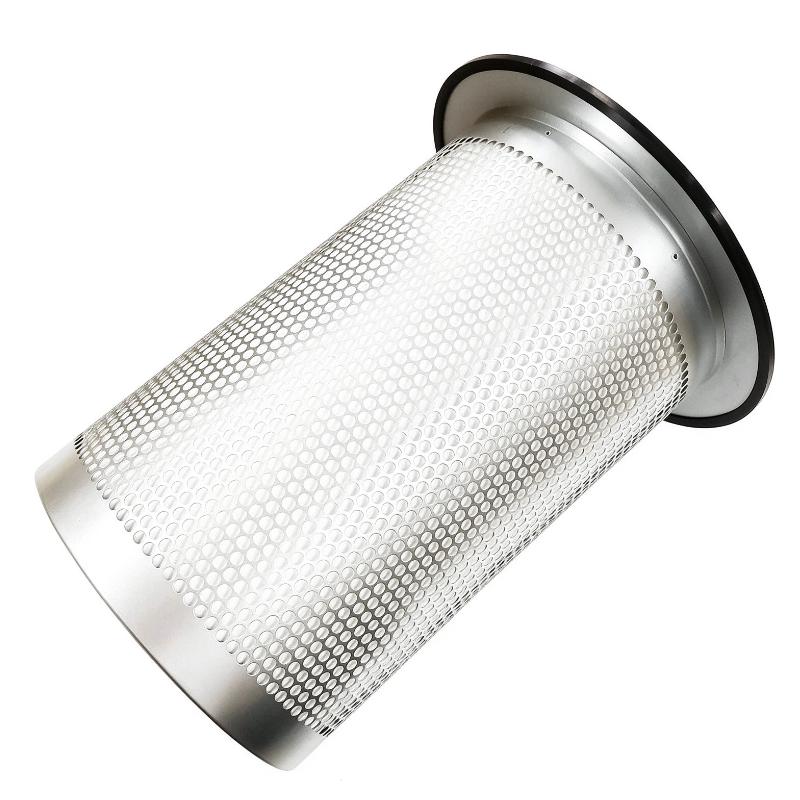
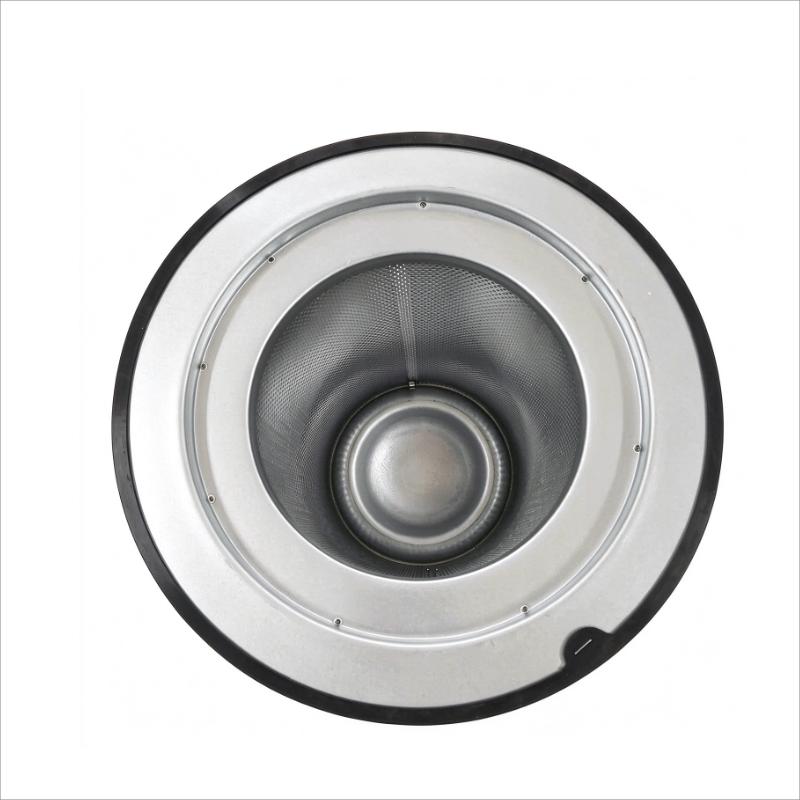
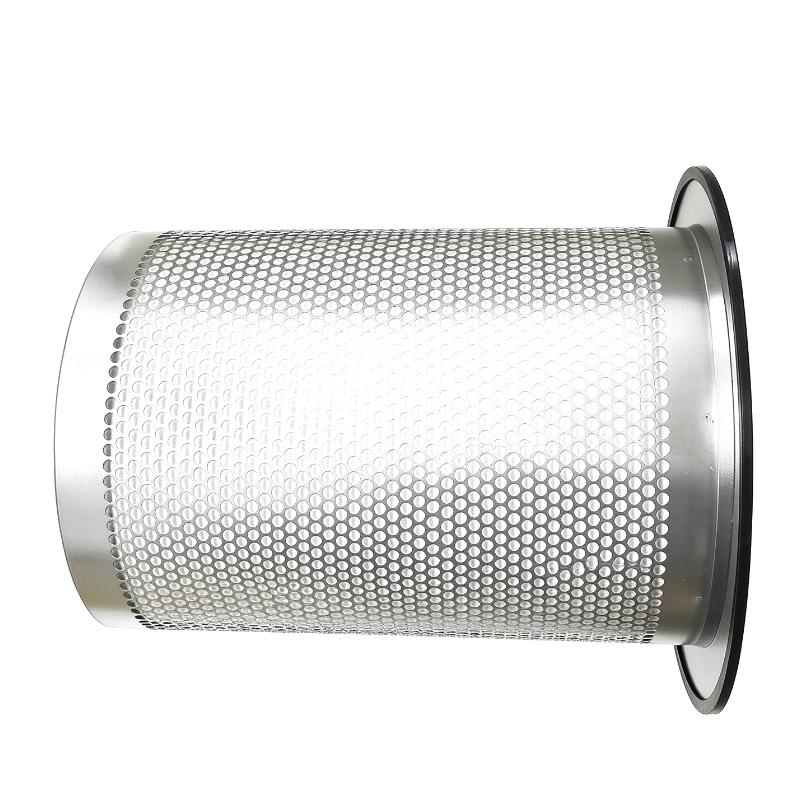
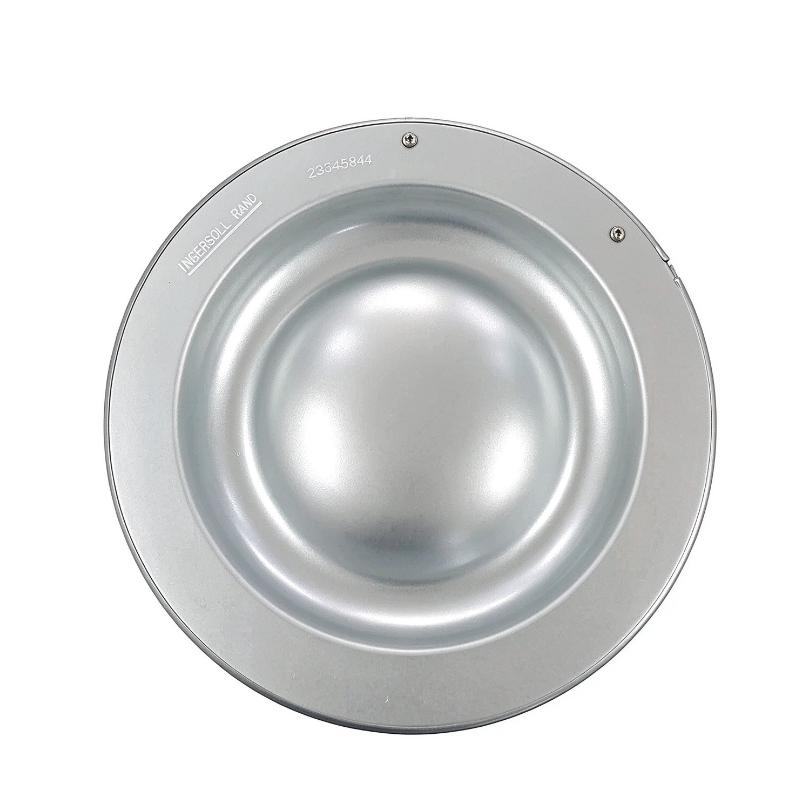
- Ingersoll Rand
- 47639435001 23545841
- Air-Oil Separator
- USA
- 375 mm
- 7.5 kg
- Xiamen, China
- New & In Stock
- T/T, PayPal, Western Union
- 1 Year
- 1-3 Working Days
- DHL, UPS, TNT, FedEx and EMS.
- 24-Hour Service
- COO
- 7
Our advantage

Global Logistics
We have a 10-year logistics and express cooperation agreement, so our products can be shipped to any place in the world.

Brand new and original
Our products are imported in bulk from the place of origin. Because of the cooperative relationship, our products are all original and 100% new.

24-hour service
We provide 7*24 hours service to our customers. We will be there whenever you need us.

Price advantage
All our products are priced very favorably because we have our own warehouse and supply.
| Company Information | |||
| [email protected] | |||
| Mobile | +8615980777398 | ||
| +8615980777398 | |||
| 15980777398 |
Product Overview
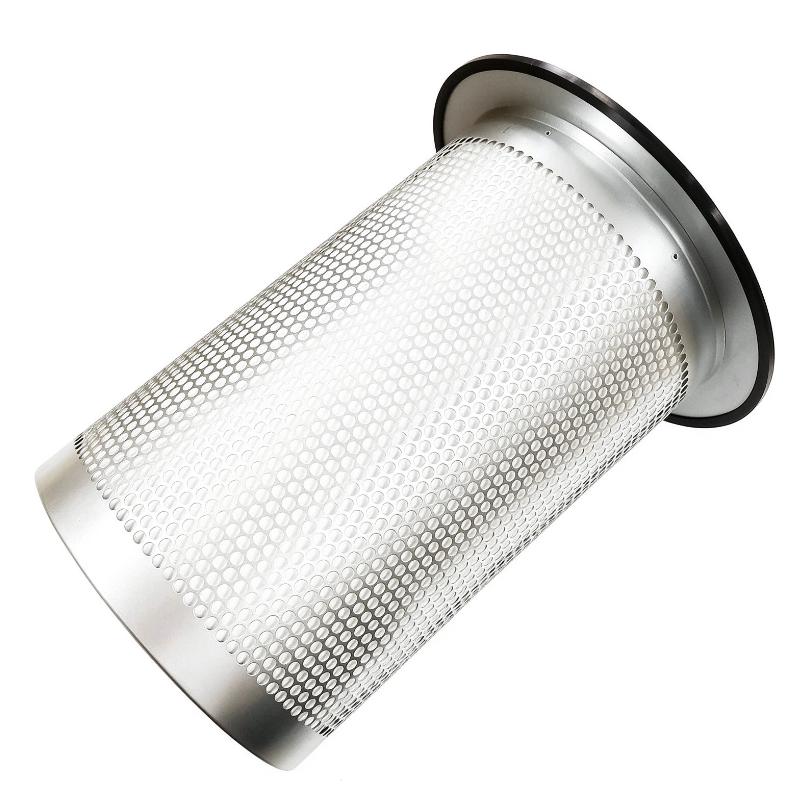
The Ingersoll Rand 47639435001 23545841 Air-Oil Separator is a filtration component designed for use in compatible industrial air compressor systems. Its primary function is to separate lubricating oil from compressed air during the compression process. By reducing oil carryover, the separator helps maintain compressed-air quality, supports the compressor’s lubrication system, and protects downstream equipment from excessive oil contamination.
In oil-injected rotary screw compressors, lubricating oil performs several important functions. It helps seal clearances between rotating components, removes heat generated during compression, and lubricates internal mechanical parts. After compression, the air-oil mixture passes through a separation stage before the compressed air is delivered to the air system.
The air-oil separator is an essential part of this process. It uses a coalescing filtration medium to capture fine oil droplets suspended in the compressed air. As these droplets combine into larger droplets, the separated oil can collect and return to the compressor’s oil circuit through the designated return arrangement.
The Ingersoll Rand part number 23545841 is identified in compressor filtration references as an air-oil separator. It is associated with selected Ingersoll Rand rotary screw compressor models, including certain R-series and RS-series machines. However, exact compatibility must be checked against the compressor model, serial number, and parts documentation.
The additional reference 47639435001 is included in the supplied product identification. Buyers should verify the relationship between this reference and OEM part number 23545841 against the equipment parts list before ordering.
This separator is intended for industrial compressed-air applications where stable oil separation is important for equipment operation, air quality, and maintenance planning.
Technical Specifications
| Parameter | Specification |
|---|---|
| Brand | Ingersoll Rand |
| Manufacturer | Ingersoll Rand |
| Part Number | 47639435001 |
| OEM / Reference Part Number | 23545841 |
| Product Name | Air-Oil Separator |
| Product Type | Compressor Oil Separator Filter Element |
| Application | Oil-injected rotary screw air compressors |
| Separation Method | Coalescing filtration |
| Diameter Provided | 375 mm |
| Weight Provided | 7.5 kg |
| Installation Position | Compressor air-oil separation system |
| Main Function | Separates lubricating oil from compressed air |
| Equipment Compatibility | Selected compatible Ingersoll Rand compressor models |
Note: The diameter and weight are the supplied listing specifications. Confirm the complete element dimensions, including height, inner diameter, flange dimensions, and gasket arrangement, before ordering a replacement.
Function and Working Principle
The air-oil separator is designed to remove oil droplets from the compressed-air stream. Its performance affects the amount of oil carried out of the compressor and the pressure drop across the separation element.
1. Separation of Oil from Compressed Air
During operation, an oil-injected rotary screw compressor produces a mixture of compressed air and lubricating oil. The mixture enters the air-oil separation system, where the separator element captures suspended oil droplets.
The filtration medium provides a large effective surface area. Fine droplets contact the fibers, combine with other droplets, and gradually form larger droplets that can drain from the medium.
This process reduces the quantity of oil carried with the compressed air.
2. Coalescing Filtration
The separator uses a coalescing principle rather than functioning simply as a conventional particulate filter. Its purpose is to collect fine oil aerosols and combine them into larger droplets.
The performance of the element depends on the filtration medium, sealing arrangement, airflow conditions, operating temperature, and differential pressure.
A correctly selected separator helps maintain the intended balance between oil separation efficiency and airflow resistance.
3. Oil Return to the Lubrication Circuit
After oil droplets collect inside the separator assembly, the compressor’s oil-return arrangement allows separated oil to return to the lubrication circuit.
The oil return path is important because the separator is part of a continuous circulation system. If the return line becomes restricted, blocked, or incorrectly installed, oil may accumulate in the separator and increase carryover.
Maintenance personnel should inspect the return line and associated fittings whenever separator performance problems occur.
4. Compressed-Air Quality Control
Oil carryover can affect downstream air treatment equipment, pneumatic valves, cylinders, instruments, and production processes.
By reducing oil contamination, the separator helps protect the compressed-air network and supports stable operation of connected equipment.
The actual air quality achieved depends on the complete compressor and air-treatment system, including downstream filters, dryers, piping, and operating conditions.
5. Pressure-Drop Management
As the separator accumulates contaminants or becomes restricted, airflow resistance may increase. Excessive differential pressure can reduce system efficiency and increase compressor energy consumption.
Monitoring separator differential pressure according to the compressor manufacturer’s maintenance instructions helps identify when inspection or replacement is necessary.
Role in Industrial Compressed-Air Systems
The 47639435001 / 23545841 air-oil separator is a component within the compressor’s internal air and lubrication circuits. It does not operate as a standalone air-treatment device; it works together with the compressor’s separator vessel, oil circuit, cooling system, and downstream compressed-air equipment.
Compressor Performance
A properly functioning separator helps maintain the intended separation of oil from compressed air. This supports stable compressor operation and reduces the amount of lubricating oil lost through the air outlet.
If the separator becomes damaged or inefficient, excessive oil carryover may occur. This can increase oil consumption and place additional demands on downstream filters and equipment.
Protection of Downstream Equipment
Compressed air is frequently used to operate pneumatic actuators, control valves, packaging machinery, and industrial tools.
Excessive oil contamination may affect these components, particularly where air cleanliness is important. The separator therefore contributes to the overall reliability of the compressed-air supply.
Energy Efficiency
A restricted separator can increase differential pressure and force the compressor to work harder to maintain the required discharge pressure.
Replacing a separator at the appropriate maintenance interval can help prevent unnecessary pressure losses. The actual energy benefit depends on the condition of the existing element and the operating characteristics of the compressor.
Maintenance and Reliability
The separator is a service component that requires periodic inspection and replacement. Its condition should be considered together with compressor operating hours, oil quality, operating temperature, and differential-pressure readings.
A planned maintenance approach helps reduce the risk of unexpected compressor shutdowns.
Industrial Applications
The Ingersoll Rand 23545841 air-oil separator is intended for compatible oil-injected compressor systems used in industrial compressed-air applications.
1. Manufacturing Facilities
Manufacturing plants use compressed air for pneumatic tools, production machinery, material handling, and automated equipment.
The separator helps reduce oil carryover from the compressor, supporting the operation of downstream air systems and reducing contamination-related maintenance.
2. Automotive Production
Automotive manufacturing facilities use compressed air for assembly tools, pneumatic actuators, conveying systems, and workshop equipment.
Stable compressor filtration helps protect these systems from excessive oil contamination and supports consistent air delivery.
3. Packaging and Processing Lines
Packaging and processing equipment may use compressed air for product handling, actuators, and machine-control functions.
The air-oil separator helps control oil carryover at the compressor stage. Where product-contact or particularly clean air is required, additional downstream filtration and treatment must also be provided.
4. Industrial Workshops
Large workshops and maintenance facilities often depend on rotary screw compressors to supply pneumatic tools and general-purpose compressed air.
A correctly maintained separator supports compressor reliability and helps reduce the transfer of lubricating oil into workshop air distribution systems.
5. Energy and Process Industries
Industrial plants in the energy, chemical, and process sectors may use compressed air for instrumentation, maintenance tools, and auxiliary machinery.
The separator contributes to the reliability of the compressed-air supply, although critical instrument-air applications may require additional treatment and monitoring.
Installation and Replacement Guidelines
Correct installation is essential for maintaining separation performance and preventing oil leakage or excessive oil carryover.
1. Verify the Compressor Model
Before ordering, compare the separator part number with the compressor’s parts manual and equipment identification plate.
The 23545841 reference is associated with selected Ingersoll Rand compressor models, but compatibility should not be assumed across the entire R-series or RS-series product families.
Check the compressor model, serial number, and any applicable parts revisions.
2. Confirm Physical Dimensions
The supplied diameter is 375 mm. This value should be checked against the original separator and the manufacturer’s dimensional drawing.
A separator may have several important dimensions, including:
- Overall height.
- Upper and lower outside diameters.
- Inner diameter.
- Flange diameter.
- Mounting and sealing dimensions.
- Gasket and connection arrangement.
Matching only the nominal diameter is not sufficient to confirm interchangeability.
3. Prepare the Compressor Safely
Before replacing the separator, stop the compressor and isolate it from the electrical supply. Allow the system to cool and release internal pressure according to the manufacturer’s safety procedure.
Never remove the separator vessel cover while the system remains pressurized. Residual pressure and hot lubricating oil can cause serious injury.
4. Inspect the Separator Housing
Before installing the replacement element, inspect the separator vessel and sealing surfaces.
Check for:
- Oil deposits and contamination.
- Damaged sealing surfaces.
- Corrosion or mechanical damage.
- Loose fittings.
- Problems with the oil-return connection.
- Foreign material inside the housing.
Clean the housing using an approved method and prevent debris from entering the compressor’s internal oil circuit.
5. Check Seals and Oil-Return Components
Inspect the separator gasket and associated sealing components. Replace damaged or hardened seals according to the compressor manufacturer’s instructions.
The oil-return line should also be checked for blockage, damage, and incorrect routing. A defective return arrangement can cause oil accumulation and poor separation performance.
6. Install the Replacement Element
Position the new separator carefully and ensure that the sealing surfaces are correctly aligned.
Follow the specified tightening sequence and torque values. Avoid excessive force, which may damage the sealing surfaces or housing components.
Do not use unapproved sealants or modify the separator to make it fit.
7. Test After Installation
After the compressor has been reassembled, restore the system according to the manufacturer’s startup procedure.
Monitor:
- Operating pressure.
- Separator differential pressure.
- Oil carryover.
- Oil level.
- Abnormal noise or vibration.
- Leakage around the separator housing.
- Compressor temperature.
Record the installation date and operating-hour reading to support future maintenance planning.
Compatible System Components
The 47639435001 / 23545841 air-oil separator works as part of a larger compressor assembly.
| Component | Function | Maintenance Considerations |
|---|---|---|
| Separator vessel | Houses the air-oil separation element | Inspect for corrosion, contamination, and sealing-surface damage |
| Air filter | Removes airborne particles before compression | Replace according to the compressor maintenance schedule |
| Oil filter | Removes contaminants from circulating lubricating oil | Use the correct filter specification |
| Compressor oil | Lubricates and cools internal components | Maintain the specified oil grade and service condition |
| Oil-return line | Returns separated oil to the lubrication circuit | Check for blockage and incorrect installation |
| Minimum pressure valve | Maintains required internal pressure during operation | Inspect for leakage or abnormal operation |
| Oil cooler | Helps control lubricating oil temperature | Keep cooling surfaces clean |
| Air cooler | Reduces compressed-air temperature | Inspect airflow and condensate drainage |
| Pressure sensor | Monitors compressor operating pressure | Verify readings and electrical connections |
| Differential-pressure monitoring | Indicates separator restriction | Compare readings with manufacturer service limits |
The exact components and configuration vary by compressor model. Confirm the equipment parts list before purchasing associated replacement items.
Alternative Models and Replacement Considerations
The 23545841 separator is referenced by several filtration suppliers and cross-reference catalogs. However, alternative elements should be selected only after checking the original dimensions, sealing arrangement, filtration performance, and compressor compatibility.
| Part Number or Reference | Description | Consideration |
|---|---|---|
| Ingersoll Rand 23545841 | Air-oil separator | Primary reference for identification |
| OCP OS1000-066 | Replacement cross-reference | Confirm dimensions and compressor fitment |
| Keltec KV1000-066 | Alternative separator reference | Verify specifications against the original element |
| Fluitek FLK16-02300 | Comparable air-oil separator | Check flange, height, and filtration specifications |
| MANN-FILTER LE 43 005 x | Cross-reference listed for selected R-series applications | Verify compressor model and serial number |
Cross-reference information is not a substitute for the original equipment parts documentation. Before using an alternative, compare the complete dimensions, seals, filtration characteristics, pressure-drop limits, and operating temperature range.
Key Advantages
Effective Oil Separation
The coalescing filtration principle is designed to capture oil aerosols from compressed air and reduce oil carryover.
Support for Compressor Reliability
Maintaining the separator in good condition helps protect the compressor’s internal oil circuit and downstream air equipment.
Reduced Downstream Contamination
Lower oil carryover can reduce contamination in air distribution piping, pneumatic equipment, and downstream treatment components.
Support for Operating Efficiency
A separator maintained within the recommended differential-pressure limits helps avoid unnecessary airflow resistance.
Compatibility with Selected Ingersoll Rand Compressors
Part number 23545841 is identified in compressor filtration references for selected Ingersoll Rand R-series and RS-series equipment. Exact fitment should always be confirmed before purchase.
Suitable for Planned Maintenance
Replacing the separator according to the compressor manufacturer’s service requirements helps maintenance teams manage consumable parts and reduce unexpected downtime.
Technical FAQs
1. What is the Ingersoll Rand 47639435001 23545841?
It is an air-oil separator reference for compatible Ingersoll Rand compressor systems. The separator removes oil droplets from compressed air through a coalescing filtration process.
2. What is the main function of an air-oil separator?
Its primary function is to reduce the amount of lubricating oil carried out of an oil-injected compressor with the compressed-air stream. The separated oil is collected and returned to the compressor’s lubrication circuit.
3. Which compressors use part number 23545841?
Cross-reference information associates 23545841 with selected Ingersoll Rand R90i, R110i, R132i, R160i, and related RS-series compressor models. Exact compatibility depends on the machine configuration and serial number.
4. What is the supplied diameter?
The supplied product diameter is 375 mm. Confirm all other dimensions, including height, inner diameter, and flange geometry, before ordering.
5. What is the supplied weight?
The supplied product weight is 7.5 kg. Verify whether this refers to the filter element alone or the packaged shipping weight.
6. What happens when an air-oil separator becomes restricted?
A restricted element can increase differential pressure and reduce compressor efficiency. Depending on its condition, it may also contribute to abnormal operating pressure, increased energy consumption, and maintenance problems.
7. What are common signs of separator failure?
Possible symptoms include increased oil carryover, higher-than-normal oil consumption, abnormal differential pressure, oil accumulation in downstream filters, or changes in compressor operating conditions.
These symptoms can also result from other compressor faults, so inspect the oil-return line, oil level, operating temperature, and separator housing before identifying the element as the sole cause.
8. Can an aftermarket separator replace the original part?
An aftermarket element may be suitable if its dimensions, sealing arrangement, filtration performance, pressure-drop characteristics, and compressor compatibility match the original specification. Confirm the replacement against the compressor parts documentation.
9. Should the oil-return line be inspected during replacement?
Yes. A blocked or incorrectly installed oil-return line can interfere with the return of separated oil and contribute to oil carryover. Inspect the line and associated fittings during separator maintenance.
10. How should the correct replacement be identified?
Use the complete OEM part number, compressor model, serial number, and equipment parts list. Do not rely on diameter or visual appearance alone.
Procurement and Maintenance Recommendations
When purchasing the Ingersoll Rand 47639435001 / 23545841 air-oil separator, verify both supplied part references and confirm their relationship with the compressor manufacturer’s parts documentation.
Ask the supplier to confirm the element’s overall height, outer and inner diameters, flange dimensions, sealing arrangement, and filtration specifications. These details are particularly important when comparing OEM and aftermarket replacement elements.
For industrial spare-parts procurement, it is also useful to confirm the product’s manufacturing origin, condition, packaging, warranty, and availability. If the compressor is part of a critical production process, consider keeping an appropriately verified spare separator in inventory.
During routine maintenance, monitor differential pressure and oil carryover, inspect the oil-return line, and maintain the compressor using the recommended lubricant and service procedures. Separator replacement intervals should follow the compressor manufacturer’s guidance and may vary with operating hours, temperature, environment, and oil condition.
Conclusion
The Ingersoll Rand 47639435001 / 23545841 Air-Oil Separator is a compressor filtration component designed to separate lubricating oil from compressed air in compatible industrial rotary screw compressor systems.
Its coalescing filtration function helps reduce oil carryover, protect downstream pneumatic equipment, and support the compressor’s lubrication and operating efficiency. The supplied product specifications are a diameter of 375 mm and a weight of 7.5 kg.
For replacement and maintenance applications, verify the full part number, compressor model, serial number, and physical dimensions before ordering. Correct selection and timely maintenance help maintain compressed-air quality and support reliable compressor operation.