

ProductPRODUCT
Featured products
Contact Us
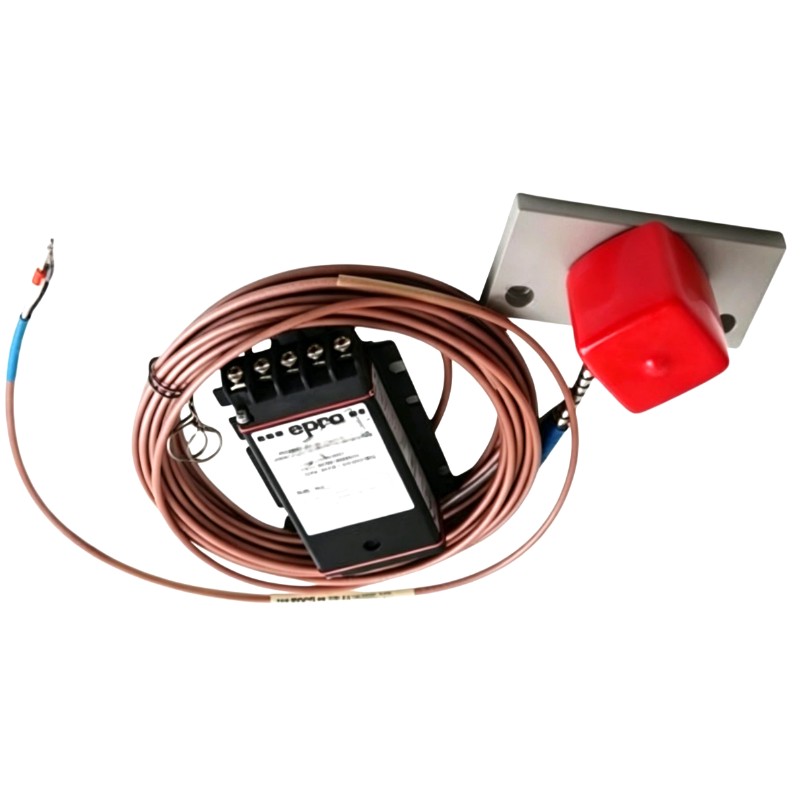
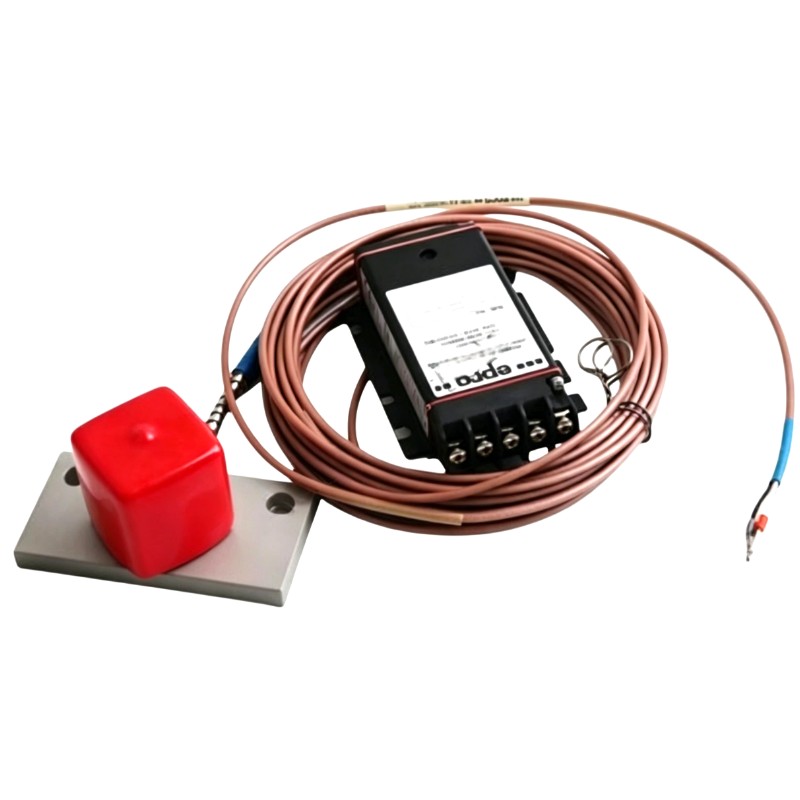
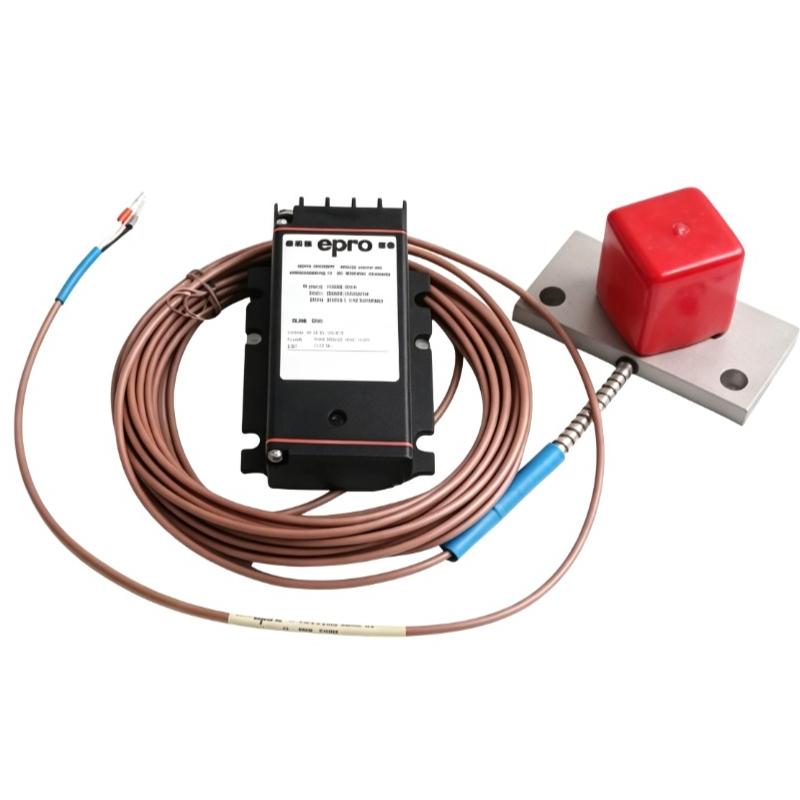
- Epro
- PR6426/000-030
- 32 mm Eddy Current Sensor
- Germany
- 32 mm
- 0.8 kg
- Xiamen, China
- New & In Stock
- T/T, PayPal, Western Union
- 1 Year
- 1-3 Working Days
- DHL, UPS, TNT, FedEx and EMS.
- 24-Hour Service
- COO
- 7
Our advantage

Global Logistics
We have a 10-year logistics and express cooperation agreement, so our products can be shipped to any place in the world.

Brand new and original
Our products are imported in bulk from the place of origin. Because of the cooperative relationship, our products are all original and 100% new.

24-hour service
We provide 7*24 hours service to our customers. We will be there whenever you need us.

Price advantage
All our products are priced very favorably because we have our own warehouse and supply.
| Company Information | |||
| [email protected] | |||
| Mobile | +8615980777398 | ||
| +8615980777398 | |||
| 15980777398 |
Product Overview
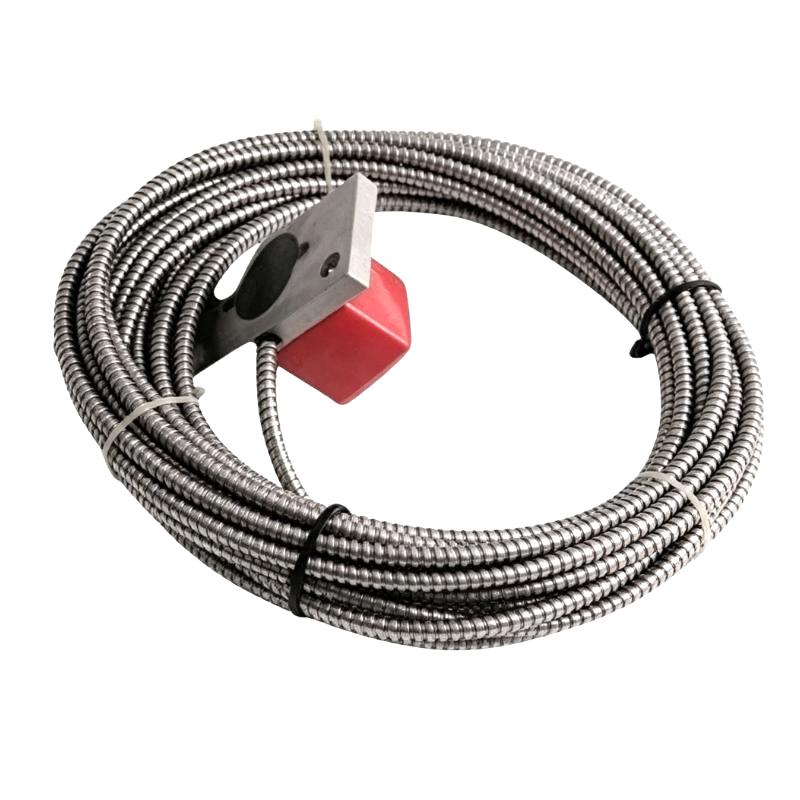
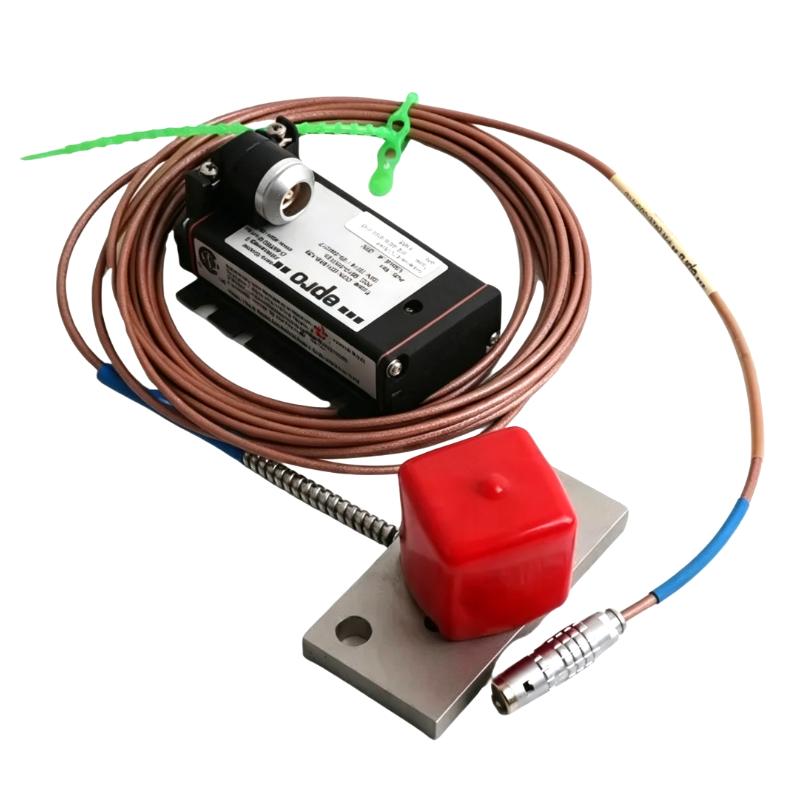
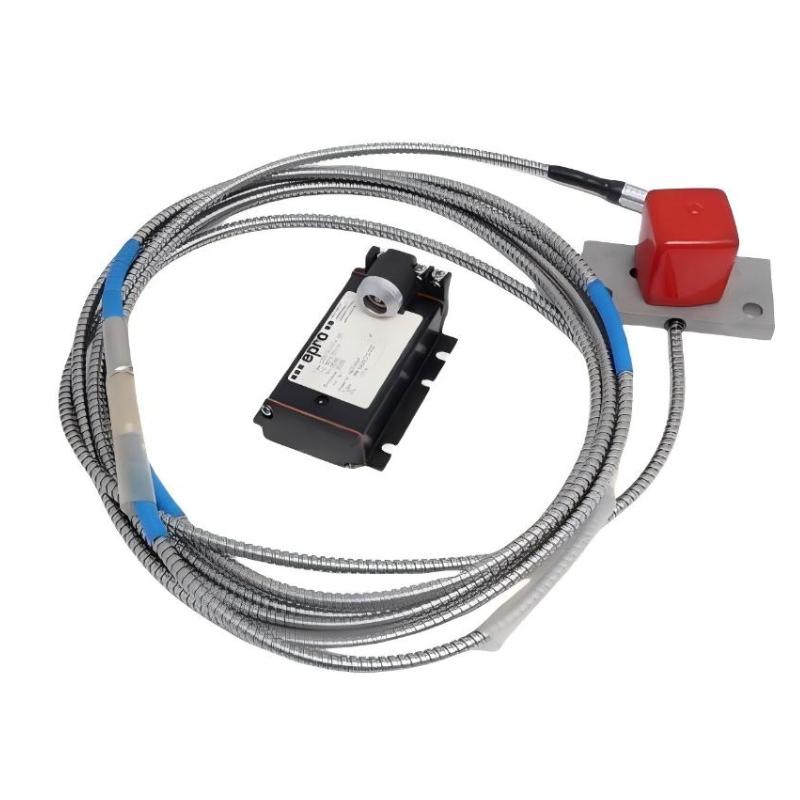
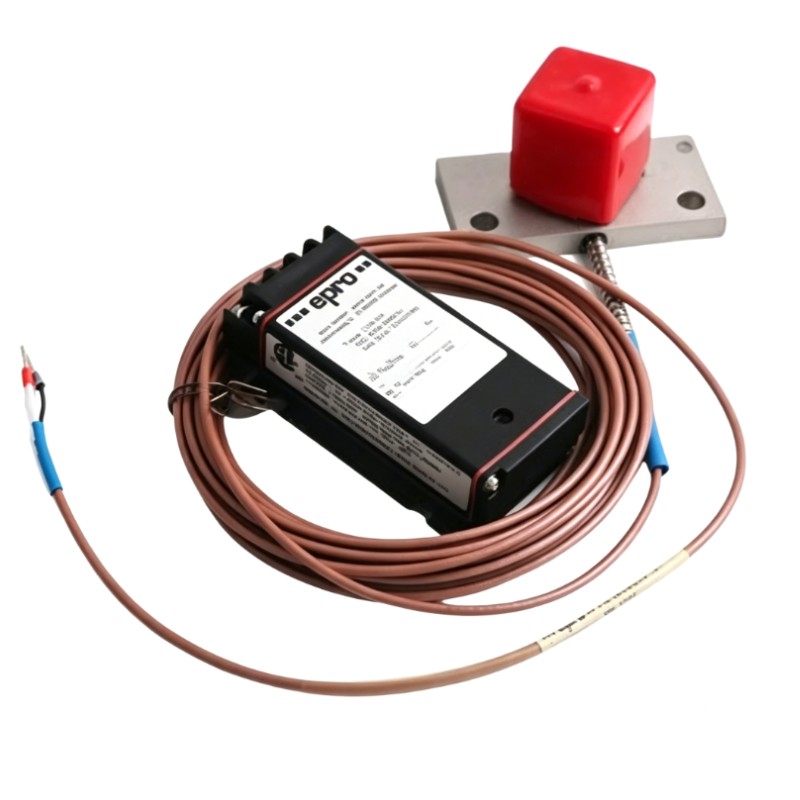
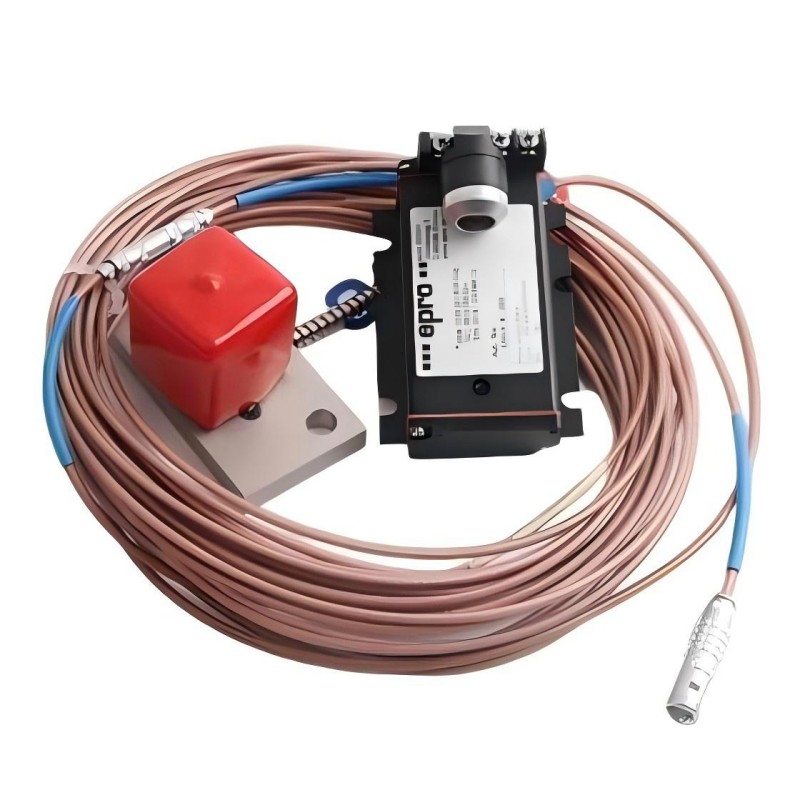
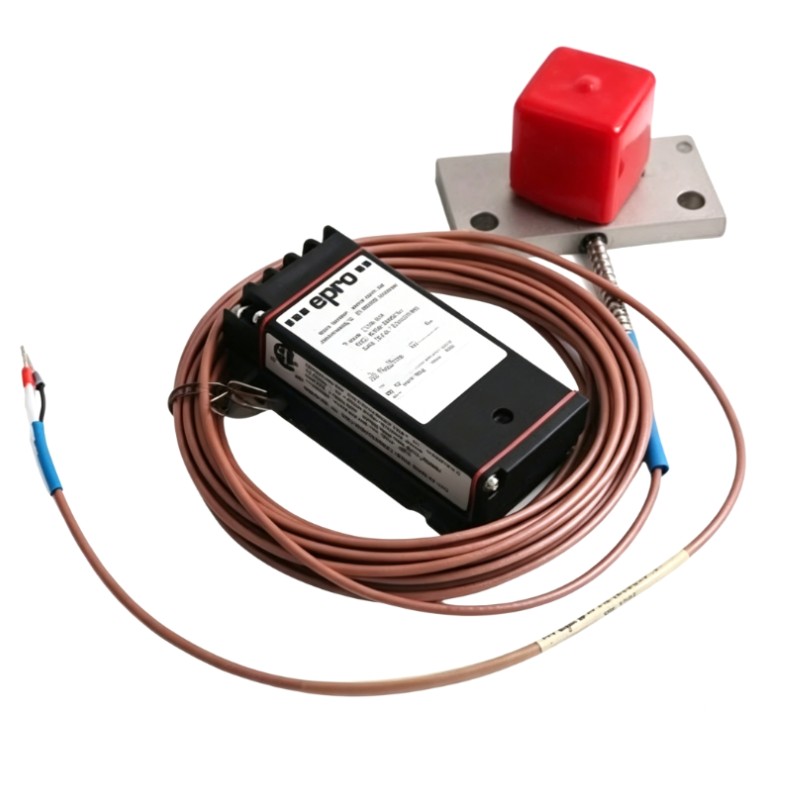
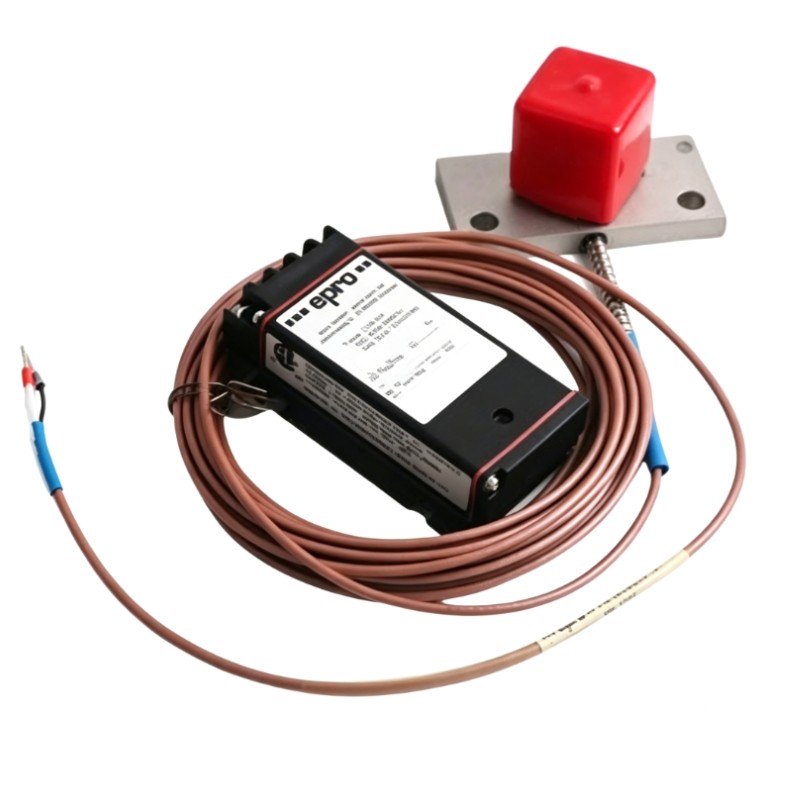
The Epro PR6426/000-030 is a 32 mm eddy current sensor used for non-contact shaft displacement measurement in large rotating machinery. It belongs to the PR6426 sensor family and is commonly applied to radial and axial shaft position monitoring in steam turbines, gas turbines, centrifugal compressors, pumps, and other heavy-duty rotating equipment.
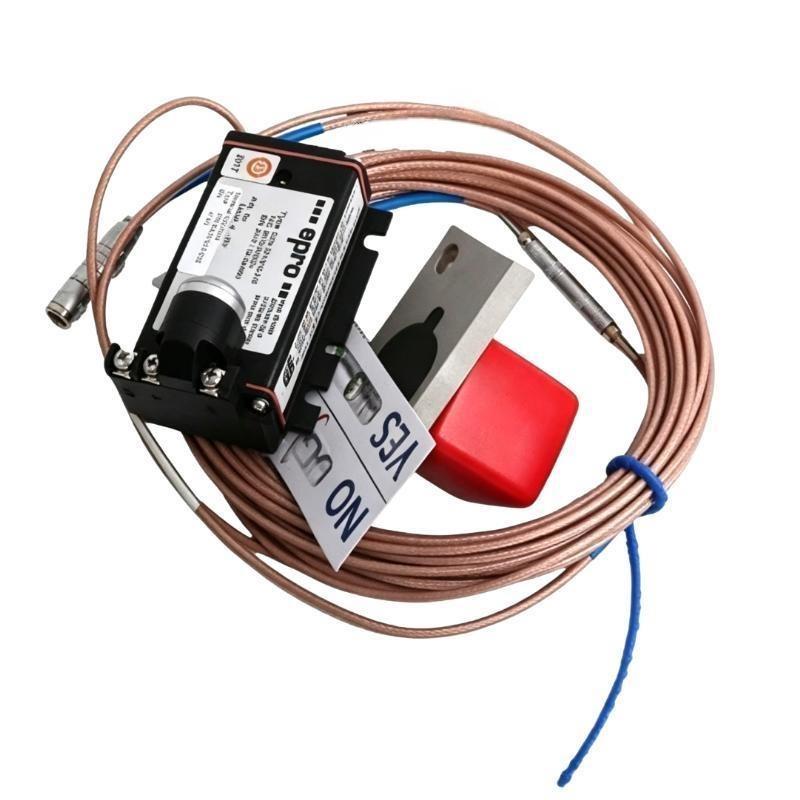
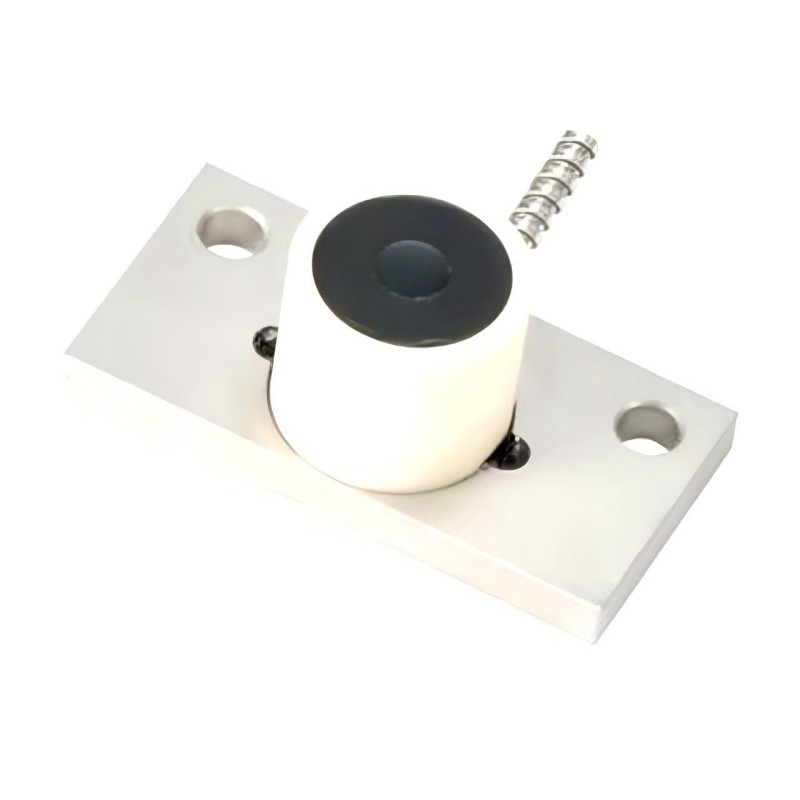
Unlike conventional threaded proximity probes, the PR6426/000-030 uses a non-threaded sensor sleeve with an 80 × 40 mm mounting plate. This mounting arrangement allows the sensing head to be secured to a fixed machine structure and positioned toward the rotating shaft or measuring collar. It is particularly suitable for installations where the probe must remain in a defined position relative to a large rotor.
One of the defining characteristics of this version is its 8 m cable configuration. The sensor is supplied with a non-armored cable, an adapter plug, and a LEMO connector. Compared with the PR6426/000-020, which has a 6 m cable, the PR6426/000-030 provides additional cable reach for installations where the sensor mounting location is farther from the signal converter.
This difference can be relevant in large turbine and compressor installations. The sensor may be mounted close to the shaft inside the machine housing, while the signal conversion equipment is positioned at a more accessible location. The 8 m cable helps accommodate this physical arrangement without changing the basic sensing principle or nominal measurement sensitivity.
The PR6426 operates with a nominal sensitivity of 2 V/mm and a static measuring range of ±4.0 mm. Its nominal center air gap is approximately 5.5 mm. These characteristics allow the sensor to monitor changes in the distance between the sensing face and a conductive metallic target without mechanical contact.
For example, on a centrifugal compressor, the probe can be positioned beside the rotor to monitor radial shaft movement. Changes in the shaft-to-probe clearance are converted into an electrical signal that can be processed by compatible Epro signal conversion equipment. The resulting measurement can be used by the machinery monitoring system to evaluate shaft position and identify abnormal operating conditions.
The sensor features a stainless-steel housing and PTFE-insulated cable. Its operating temperature range is -35 to +180°C, with short-term exposure up to +200°C for less than five hours.
The PR6426/000-030 should be considered as part of a complete eddy current measurement chain. The sensor, 8 m cable, LEMO connection, signal converter, and monitoring equipment must be matched to the intended installation. Particular attention should be paid to cable routing, target material, initial air gap, and converter compatibility when replacing an existing probe.
Technical Specifications
| Parameter | Specification |
|---|---|
| Manufacturer | Epro |
| Model | PR6426/000-030 |
| Product Family | PR6426 |
| Product Type | 32 mm Eddy Current Sensor |
| Measuring Principle | Non-Contact Eddy Current |
| Sensor Head Diameter | 32 mm |
| Static Measuring Range | ±4.0 mm |
| Nominal Sensitivity | 2 V/mm (50.8 mV/mil) |
| Maximum Linearity Error | ±1.5% |
| Nominal Center Air Gap | Approximately 5.5 mm |
| Long-Term Drift | < 0.3% |
| Standard Target Material | Ferromagnetic Steel (42CrMo4) |
| Minimum Shaft Diameter | ≥ 200 mm |
| Operating Temperature Range | -35 to +180°C |
| Short-Term Temperature Exposure | Up to +200°C for Less Than 5 Hours |
| Sensor Housing Material | Stainless Steel |
| Cable Insulation | PTFE |
| Mounting Configuration | 80 × 40 mm Mounting Plate |
| Sleeve Thread | No Thread |
| Cable Protection | Non-Armored |
| Adapter Plug | Included |
| Total Cable Length | 8 m |
| Cable End | LEMO Connector |
| Connection Compatibility | CON 011 / CON 021 |
| Sensor Head Pressure Resistance | 6,500 hPa |
| Shock and Vibration Resistance | 4g at 60 Hz and 25°C |
| Weight | 0.8 kg |
Product Features
- 32 mm sensing head for large-shaft displacement measurement.
- Non-contact eddy current measurement principle.
- Static measuring range of ±4.0 mm.
- Nominal sensitivity of 2 V/mm.
- Approximately 5.5 mm nominal center air gap.
- 80 × 40 mm mounting plate for fixed installation.
- Non-threaded sensor sleeve configuration.
- Non-armored PTFE-insulated cable.
- 8 m total cable length for installations requiring extended cable reach.
- LEMO connector with adapter plug.
- Stainless-steel sensor housing.
- Operating temperature range of -35 to +180°C.
- Short-term temperature exposure up to +200°C.
- Suitable for radial and axial shaft displacement monitoring.
- Compatible with supported Epro CON 011 and CON 021 signal converters.
Working Principle
The PR6426/000-030 operates through electromagnetic induction. Its sensing coil generates an alternating electromagnetic field that interacts with the conductive metallic surface of the measuring target.
When the sensor is positioned near a rotating shaft, the electromagnetic field induces eddy currents in the target material. These currents affect the electrical characteristics of the sensing coil. As the distance between the probe and shaft changes, the strength of this interaction changes accordingly.
The associated signal converter detects and processes the electrical variation, producing an output proportional to the distance between the sensor head and the target.
The measurement arrangement follows this sequence:
PR6426/000-030 → 8 m Sensor Cable → LEMO Connection → Signal Converter → Machinery Monitoring System
In a compressor installation, the sensor is fixed to the machine structure with its sensing face directed toward the shaft. When the rotor moves radially, the clearance between the shaft surface and probe changes. The sensor detects this variation, and the converter translates it into a displacement-related output.
The nominal sensitivity is 2 V/mm, with a standard static measuring range of ±4.0 mm. The nominal center air gap is approximately 5.5 mm. The initial probe position must therefore be adjusted carefully so that the shaft movement remains within the intended linear measurement range.
The measuring target also affects the sensor response. The standard reference material is ferromagnetic 42CrMo4 steel. When the actual shaft material differs from this reference, the complete sensor and converter combination should be checked and adjusted as necessary.
The 8 m cable does not change the basic eddy current measurement principle. Its purpose is to accommodate the physical distance between the probe and the signal conversion equipment. The LEMO connection allows the specified sensor configuration to interface with compatible converter arrangements.
Role in a Machinery Protection and Condition Monitoring Architecture
The PR6426/000-030 acts as the displacement sensing element in a machinery monitoring arrangement. It detects changes in shaft position and sends the corresponding electrical response to compatible signal conversion equipment.
A typical measurement architecture is:
Rotating Shaft → PR6426/000-030 → 8 m Sensor Cable → LEMO Connection → Signal Converter → Monitoring Rack → Machinery Protection System
| System Element | Function |
|---|---|
| PR6426/000-030 | Measures radial or axial shaft displacement without physical contact |
| 8 m Sensor Cable | Transfers the sensor signal to the conversion equipment |
| LEMO Connector | Provides the specified electrical connection |
| Adapter Plug | Connects the configured cable assembly |
| CON 011 | Signal converter for compatible PR6426 sensor arrangements |
| CON 021 | Processes PR6426 sensor signals and generates displacement-related outputs |
| AMS 3000 Series | Machinery monitoring equipment for compatible sensor configurations |
| AMS 6500 | Machinery protection and condition monitoring platform |
| Monitoring Rack | Collects and evaluates displacement measurement signals |
| DCS / SCADA | Displays machinery operating conditions and monitoring information |
In a steam turbine installation, multiple displacement sensors may be positioned around the rotor to monitor radial movement and axial position. The PR6426/000-030 can be installed at a measurement point where its sensing range and mounting arrangement match the mechanical requirements.
The converter processes the sensor response before transferring the measurement to the monitoring rack. The monitoring equipment evaluates shaft displacement against configured operating limits and can generate alarms or protection actions when abnormal movement is detected.
The 8 m cable is particularly relevant when the converter cannot be installed close to the measuring point. Proper cable routing helps maintain the intended electrical connection while accommodating the physical layout of the turbine or compressor installation.
Industrial Applications
| Application | Typical Use |
|---|---|
| Steam Turbines | Monitoring rotor axial displacement and radial shaft movement |
| Gas Turbines | Detecting shaft position changes and eccentricity |
| Hydro Turbines | Measuring shaft movement in large rotating assemblies |
| Centrifugal Compressors | Monitoring rotor displacement and shaft operating conditions |
| Industrial Pumps | Detecting radial shaft movement and changes in shaft position |
| Large Industrial Fans | Monitoring shaft displacement during operation |
| Power Generation | Supplying rotor measurement signals to turbine monitoring systems |
| Petrochemical Plants | Monitoring critical compressors and rotating process equipment |
| Refinery Equipment | Measuring shaft movement in large process machinery |
| Machinery Protection Systems | Providing displacement information for continuous monitoring |
Installation and Maintenance
- Verify the Complete Model: Confirm that the sensor is PR6426/000-030. Check the non-threaded sleeve, non-armored cable, 80 × 40 mm mounting plate, adapter plug, 8 m cable length, and LEMO termination.
- Inspect the Mounting Plate: Examine the mounting plate and fixing points for deformation, cracks, or contamination before installation.
- Select the Measuring Position: Determine the required radial or axial measurement direction and position the sensing face toward the intended shaft measuring surface.
- Check the Surrounding Clearance: Ensure that nearby metallic structures do not interfere with the electromagnetic measuring field or restrict the intended measuring range.
- Inspect the Shaft Surface: Check the target area for corrosion, scratches, deposits, and excessive surface irregularities that could affect measurement accuracy.
- Confirm Target Material: Verify that the shaft material matches the standard 42CrMo4 reference material. If another material is used, evaluate the complete measuring chain accordingly.
- Adjust the Initial Air Gap: Set the sensor position using the connected converter and the required measuring configuration. The nominal center air gap is approximately 5.5 mm.
- Secure the Mounting Arrangement: Tighten the mounting hardware according to the installation requirements. Ensure that the plate remains rigid and cannot shift during machinery operation.
- Route the 8 m Cable: Plan the cable path between the sensor and converter. Keep the non-armored cable away from rotating components, sharp edges, excessive tension, and unsuitable high-temperature surfaces.
- Inspect the LEMO Connection: Check the connector and adapter plug for contamination, damaged contacts, or mechanical wear. Ensure that the connector is properly locked after installation.
- Verify the Measurement Chain: Check the sensor output through the compatible converter and confirm that the initial gap, sensitivity, and operating range meet the intended measurement requirements.
- Document the Installation: Record the sensor position, target material, initial air gap, cable route, connector arrangement, converter model, and measurement settings for future maintenance.
Compatible System Components
| Component | Function |
|---|---|
| Epro PR6426/000-030 | 32 mm eddy current sensor with 8 m LEMO cable configuration |
| Epro PR6426/000-020 | 32 mm sensor with 6 m LEMO cable configuration |
| Epro CON 011 | Signal converter for compatible PR6426 measuring chains |
| Epro CON 021 | Signal conversion equipment for PR6426 displacement measurement |
| Epro AMS 3000 Series | Machinery monitoring platform supporting compatible sensor arrangements |
| Epro AMS 6500 | Machinery protection and condition monitoring equipment |
| LEMO Connection Cable | Provides the specified connection between the sensor and converter |
| Sensor Adapter Plug | Connects the configured sensor cable assembly |
| Machinery Monitoring Rack | Processes and displays displacement measurement signals |
| DCS / SCADA System | Provides centralized machinery condition monitoring |
Recommended Related Models
| Model | Product Type | Typical Application |
|---|---|---|
| Epro PR6426/000-000 | 32 mm Eddy Current Sensor | 4 m LEMO cable configuration |
| Epro PR6426/000-010 | 32 mm Eddy Current Sensor | 5 m LEMO cable configuration |
| Epro PR6426/000-020 | 32 mm Eddy Current Sensor | 6 m LEMO cable configuration |
| Epro PR6426/000-040 | 32 mm Eddy Current Sensor | 10 m LEMO cable configuration |
| Epro PR6426/000-031 | 32 mm Eddy Current Sensor | 8 m open-ended cable configuration |
| Epro CON 021 | Eddy Current Signal Converter | Signal conversion for compatible PR6426 sensors |
Key Advantages
- Non-contact measurement without mechanical wear at the sensing interface.
- 32 mm sensing head for large-shaft monitoring applications.
- ±4.0 mm static measuring range.
- 2 V/mm nominal sensitivity.
- Fixed mounting-plate arrangement for consistent probe positioning.
- 8 m non-armored cable for installations requiring extended cable reach.
- LEMO connector and adapter plug configuration.
- Stainless-steel sensor housing with PTFE-insulated cable.
- Suitable for turbine, compressor, and other critical rotating machinery applications.
- Integration with compatible Epro signal conversion and monitoring equipment.
Technical FAQs
What is the difference between PR6426/000-030 and PR6426/000-020?
Both models use a 32 mm sensing head, non-threaded sleeve, 80 × 40 mm mounting plate, non-armored cable, adapter plug, and LEMO connector. The main difference is cable length. The PR6426/000-020 has a 6 m cable, while the PR6426/000-030 has an 8 m cable. The latter is more suitable when the distance between the probe installation point and signal converter requires additional cable reach.
Which signal converters can be used with the PR6426/000-030?
The PR6426/000-030 uses a LEMO cable connection and is intended for compatible Epro CON 011 and CON 021 signal converters. The selected converter must support the PR6426 measuring characteristics and the required static measurement range. The connector arrangement should also be checked before replacing an existing sensor.
Does the 8 m cable change the nominal sensitivity of the sensor?
No. The nominal sensitivity of the PR6426 measuring chain remains 2 V/mm when used with the appropriate converter and correctly configured installation. The 8 m cable is a connection-length option rather than a different sensing range. The complete measurement chain should still be verified after installation.
What should be checked when replacing a PR6426/000-030?
The replacement should match the original sensor’s mechanical and electrical configuration. Important details include the 32 mm sensing head, non-threaded sleeve, mounting plate, non-armored cable, adapter plug, 8 m cable length, and LEMO termination. The target material, initial air gap, and connected converter should also be checked before returning the machinery to normal operation.