

ProductPRODUCT
Featured products
Contact Us
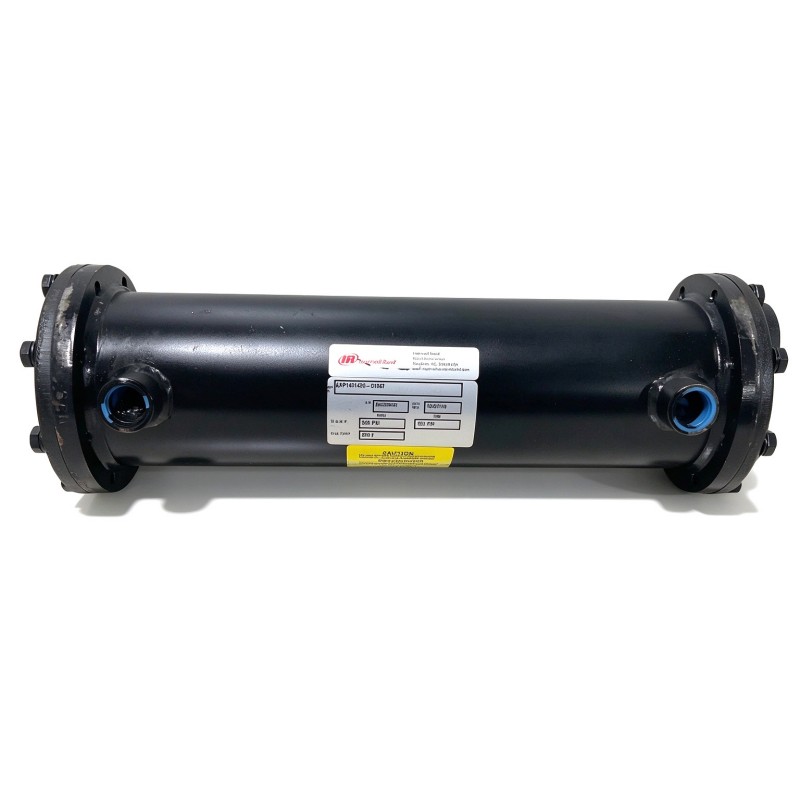
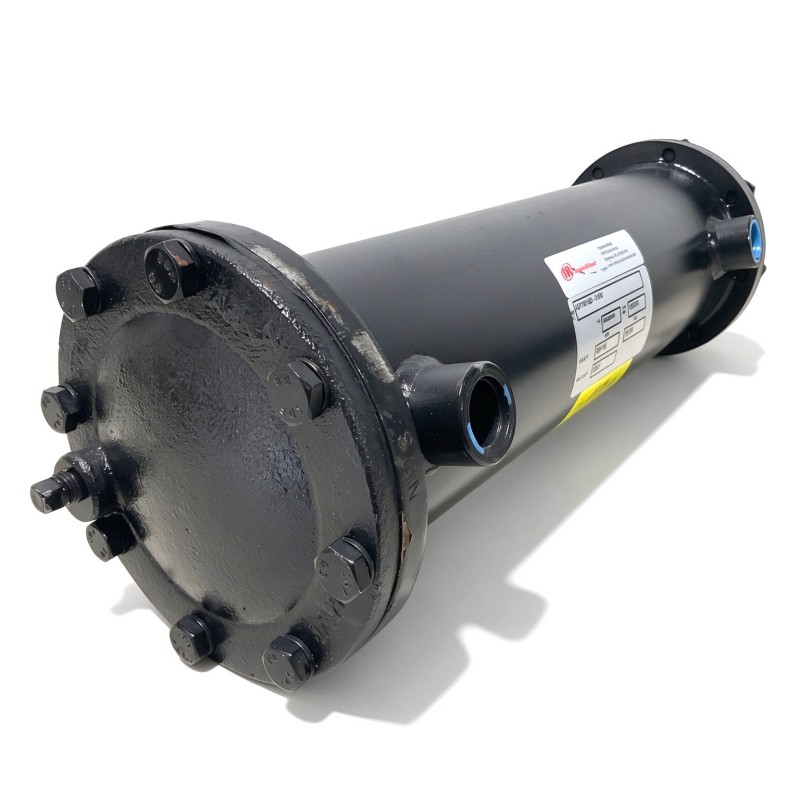
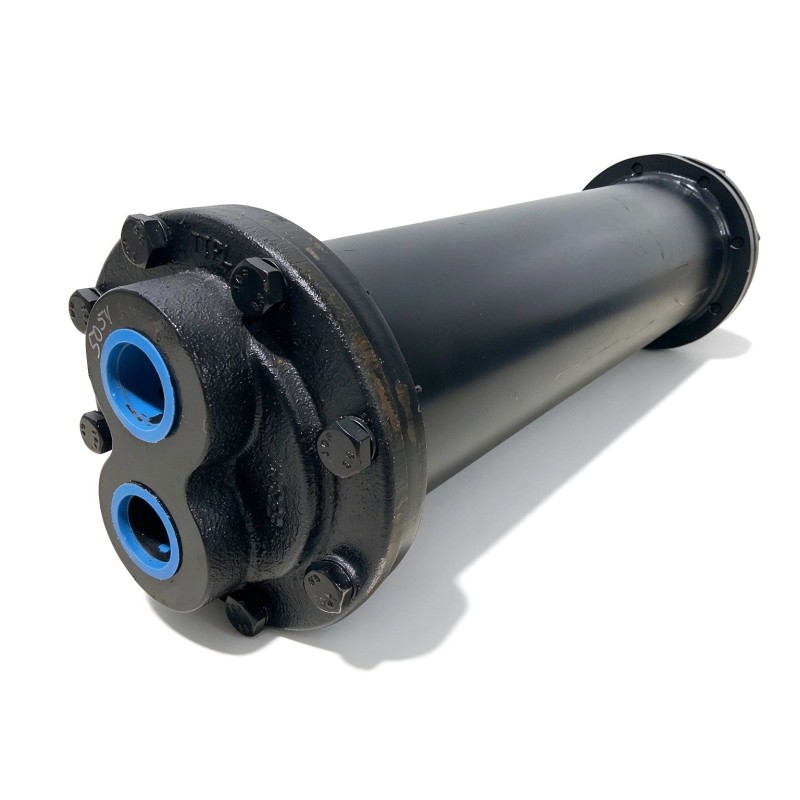
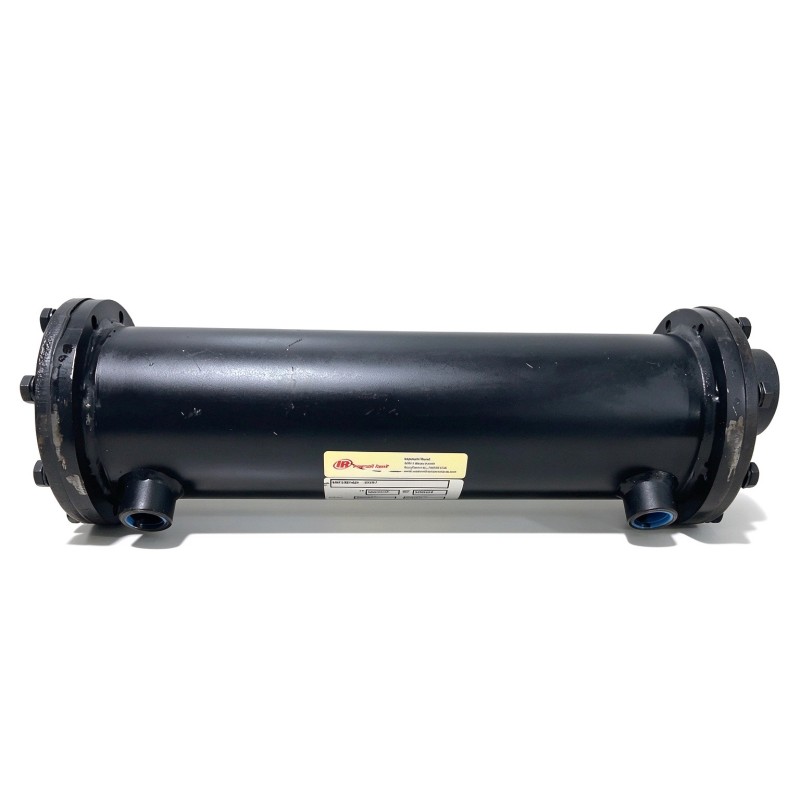
- Ingersoll Rand
- AAP1401429-01047
- Oil Cooler
- USA
- 0.19 in
- 30 kg
- Xiamen, China
- New & In Stock
- T/T, PayPal, Western Union
- 1 Year
- 1-3 Working Days
- DHL, UPS, TNT, FedEx and EMS.
- 24-Hour Service
- COO
- 6
Our advantage

Global Logistics
We have a 10-year logistics and express cooperation agreement, so our products can be shipped to any place in the world.

Brand new and original
Our products are imported in bulk from the place of origin. Because of the cooperative relationship, our products are all original and 100% new.

24-hour service
We provide 7*24 hours service to our customers. We will be there whenever you need us.

Price advantage
All our products are priced very favorably because we have our own warehouse and supply.
| Company Information | |||
| [email protected] | |||
| Mobile | +8615980777398 | ||
| +8615980777398 | |||
| 15980777398 |
Product Overview
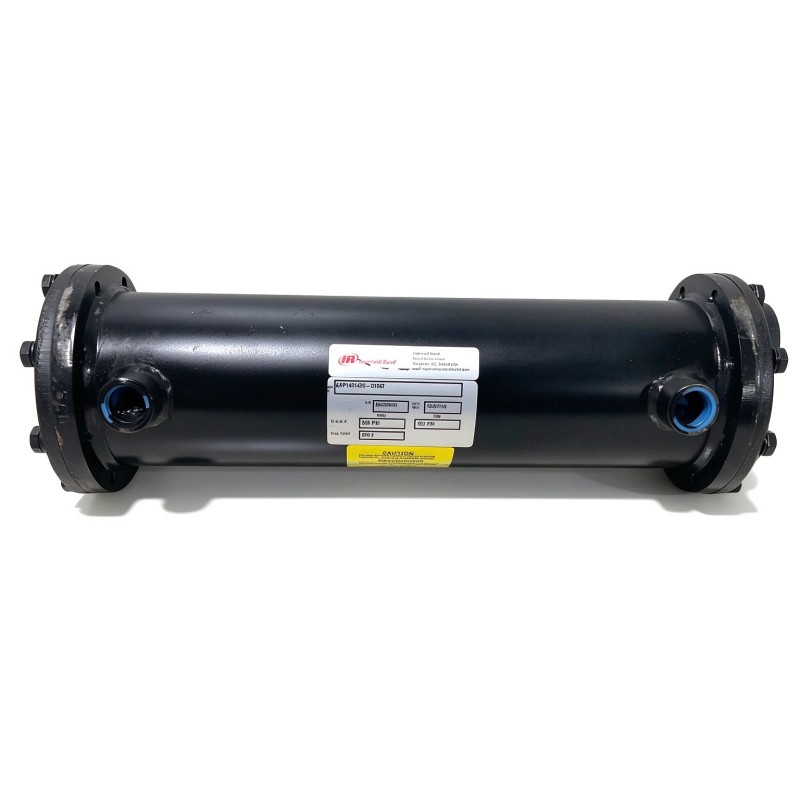
The Ingersoll Rand AAP1401429-01047 is an oil cooler used in the lubrication system of Cameron centrifugal compressors. Its primary function is to remove heat from circulating compressor lubricant and maintain the oil temperature within the required operating range.
During centrifugal compressor operation, mechanical friction in the gearing and bearing assemblies generates heat. The circulating lubricant absorbs part of this heat as it passes through the compressor components. Without sufficient cooling, excessive oil temperature can affect viscosity, lubrication film stability, and the service life of internal components.
The AAP1401429-01047 serves as a heat exchanger within the compressor lubrication circuit. Oil passes through the cooler while a separate cooling medium removes heat through the heat-transfer surfaces. This process allows the lubricant to return to the lubrication system at a more suitable temperature.
The cooler incorporates a copper-tube heat-transfer structure. Copper is commonly used in heat exchangers because of its thermal conductivity, allowing heat to transfer efficiently between the oil circuit and the cooling medium.
For maintenance engineers, the AAP1401429-01047 is relevant when servicing the compressor oil cooling circuit or replacing a damaged heat exchanger. Its selection should be based on the installed compressor configuration, cooler connections, and original equipment part number.
Unlike an oil filter, which removes contaminants from circulating lubricant, the oil cooler controls lubricant temperature. Both components serve separate but complementary functions in maintaining the compressor lubrication system.
Technical Specifications
| Parameter | Specification |
|---|---|
| Manufacturer | Ingersoll Rand |
| Model | AAP1401429-01047 |
| Product Type | Oil Cooler |
| Equipment Association | Cameron Compression |
| Application | Centrifugal Compressor Lubrication System |
| Component Classification | Oil Heat Exchanger |
| Heat Transfer Structure | Copper Tube |
| Copper Tube Diameter | 0.19 in |
| Cooling Function | Compressor Lubricant Temperature Control |
| Installation Location | Compressor Oil Cooling Circuit |
| Dimensions | Not specified |
| Weight | 30 kg |
Product Features
- Compressor Oil Temperature Control
The AAP1401429-01047 removes heat from circulating compressor lubricant. Maintaining the appropriate oil temperature helps preserve the lubrication conditions required by the compressor’s mechanical components.
- Copper-Tube Heat Transfer Structure
The cooler uses copper tubing as part of its heat-transfer construction. Copper’s thermal conductivity supports heat exchange between the lubricant and the cooling medium.
- Centrifugal Compressor Application
The component is associated with Cameron centrifugal compressor lubrication systems. Its application is different from oil coolers used in conventional rotary screw compressors or general industrial hydraulic systems.
- Continuous Lubrication Circuit Integration
The cooler operates within the compressor oil circulation arrangement. It receives heated lubricant from the lubrication circuit and transfers heat before the oil returns to the relevant components.
- Thermal Management Support
By removing heat generated during compressor operation, the cooler helps prevent excessive lubricant temperature and supports consistent lubrication system operation.
- Dedicated Replacement Part Number
AAP1401429-01047 provides a specific identification reference for replacement procurement and maintenance planning. Matching the original part number helps avoid selecting an incompatible cooler.
- Industrial Heat Exchanger Construction
The copper-tube arrangement provides the heat-transfer path required for oil cooling. The cooler works as part of the larger compressor thermal management system.
- Maintenance and Replacement Application
The cooler can be replaced when leakage, internal contamination, corrosion, or reduced heat-transfer performance affects its operation. Associated oil lines and connections should also be inspected during replacement.
Working Principle
The AAP1401429-01047 operates through indirect heat exchange. Its function is to transfer heat from the compressor lubricant to a separate cooling medium without allowing the two fluids to mix.
During compressor operation, oil circulates through the lubrication system and absorbs heat from the gearing and bearing assemblies. The heated lubricant then flows toward the oil cooler.
Inside the cooler, the oil passes through the designated heat-transfer passages. The cooling medium flows through a separate passage arrangement, allowing heat to move across the separating heat-transfer surfaces.
The copper tubing contributes to this process through its thermal conductivity. Heat moves from the hotter lubricant toward the cooler medium, reducing the temperature of the circulating oil.
After passing through the heat exchanger, the cooled lubricant returns to the compressor lubrication circuit. The process continues as the compressor operates, helping maintain the oil temperature required by the lubrication system.
The effectiveness of the cooling process depends on several factors, including oil flow, cooling-medium temperature, flow rate, internal cleanliness, and the condition of the heat-transfer surfaces.
Deposits or contamination inside the cooler can reduce heat-transfer performance. Leakage can also compromise the separation between the oil and cooling circuits. Periodic inspection is therefore important for maintaining the cooler’s operating condition.
Typical Cooling Sequence:
- Compressor gearing and bearings generate heat during operation.
- Circulating lubricant absorbs heat from the mechanical components.
- Heated oil flows toward the AAP1401429-01047 oil cooler.
- Oil passes through the cooler’s heat-transfer passages.
- The separate cooling medium absorbs heat through the heat-transfer surfaces.
- Copper tubing supports heat transfer between the two fluid circuits.
- Cooled lubricant returns to the compressor lubrication system.
- The circulation and cooling process continues during compressor operation.
Role in Cameron Centrifugal Compressor Lubrication System
Within the Cameron centrifugal compressor lubrication system, the AAP1401429-01047 serves as the oil temperature control component. It works alongside the oil pump, oil filter, piping, and temperature regulation components.
The lubrication system must maintain both suitable oil cleanliness and temperature. The oil filter removes particulate contamination, while the oil cooler removes excess heat from the circulating lubricant.
The cooler’s performance also affects the operation of downstream lubrication components. If the oil temperature rises beyond the intended operating range, lubricant viscosity can decrease and affect the protective oil film between moving surfaces.
The following components represent the main functional relationships within a typical compressor lubrication arrangement.
| Component | Product Type | Function |
|---|---|---|
| AAP1401429-01047 | Oil Cooler | Removes heat from circulating lubricant |
| AAP1401435-00293 | Oil Filter Assembly | Filters contaminants from compressor oil |
| AAP1404040-00207 | Oil Filter Element | Removes particulate contamination |
| AAP1404040-00201 | Mist Filter Element | Separates oil mist from reservoir ventilation gas |
| Oil Pump | Lubrication Pump | Circulates oil through the lubrication system |
| Temperature Control Valve | Thermal Control Component | Regulates oil flow through the cooling arrangement |
| Oil Piping | Lubrication Circuit Components | Connects the cooler with the remaining oil system |
Industrial Applications
| Application | Typical Use |
|---|---|
| Cameron Centrifugal Compressors | Cooling circulating lubricant in compressor lubrication systems |
| Oil and Gas Facilities | Managing oil temperature in centrifugal compressor installations |
| Natural Gas Processing | Supporting lubrication system thermal management |
| Chemical Processing | Maintaining compressor oil temperature during continuous operation |
| Power Generation | Cooling lubricant in industrial centrifugal compressor systems |
| Industrial Manufacturing | Supporting compressor operation in centralized utility systems |
| Heavy Industrial Facilities | Managing heat generated by high-speed compressor gearing and bearings |
| Compressor Maintenance Operations | Replacement of damaged or deteriorated oil cooler assemblies |
Installation and Maintenance
- Verify Part Number: Confirm that the replacement cooler is AAP1401429-01047 and matches the original compressor parts identification.
- Check Compressor Configuration: Verify the compressor model and installed lubrication circuit before ordering the replacement cooler.
- Isolate the Lubrication System: Shut down and isolate the compressor according to the applicable maintenance procedure before disconnecting the oil cooler.
- Drain the Relevant Oil Circuit: Remove lubricant from the section being serviced to prevent uncontrolled oil leakage during cooler removal.
- Inspect Cooling Connections: Examine the cooling-medium inlet and outlet connections for corrosion, damaged threads, or signs of leakage.
- Inspect Oil Connections: Check the oil inlet and outlet piping for contamination, deformation, and damaged sealing surfaces.
- Check Copper Tubing: Inspect the heat-transfer structure for visible damage, corrosion, deformation, or signs of leakage.
- Maintain Circuit Separation: Ensure that the oil and cooling-medium circuits remain properly separated during installation and operation.
- Replace Sealing Components: Use the specified sealing components when reconnecting the cooler. Do not reuse damaged or permanently deformed seals.
- Check Flow Direction: Follow the compressor piping arrangement when connecting the oil and cooling-medium circuits. Incorrect connections can affect heat-transfer performance.
- Inspect for Leakage: After installation and system filling, inspect all cooler connections for oil or cooling-medium leakage.
- Monitor Operating Temperature: After returning the compressor to service, monitor oil temperature and inspect the cooling system for abnormal operating conditions.
Compatible System Components
| Model | Product Description | Application |
|---|---|---|
| AAP1401429-01047 | Cameron Oil Cooler | Compressor lubricant cooling |
| AAP1401435-00293 | Cameron Single Oil Filter Assembly | Lubricant filtration |
| AAP1404040-00207 | Cameron Oil Filter Element | Oil filtration replacement |
| AAP1404040-00201 | Cameron Mist Filter Element | Oil reservoir ventilation filtration |
| AAP1794256-00000 | Cameron Oil Reservoir Mist Filter Assembly | Oil mist separation |
| AAP1794256-00001 | Cameron Mist Filter Seal Kit | Mist filter assembly sealing maintenance |
Recommended Related Models
| Model | Product Description |
|---|---|
| AAP1401435-00293 | Ingersoll Rand Single Oil Filter Assembly |
| AAP1404040-00207 | Ingersoll Rand Oil Filter Element |
| AAP1404040-00201 | Ingersoll Rand Cameron Mist Filter Element |
| AAP1794256-00000 | Ingersoll Rand Oil Reservoir Mist Filter Assembly |
| AAP1794256-00001 | Ingersoll Rand Mist Filter Seal Kit |
| AAP1403262-00107 | Ingersoll Rand Oil Tank Vacuum Pump |
Key Advantages
- Dedicated oil cooling component for Cameron centrifugal compressors.
- Copper-tube heat-transfer construction.
- Supports compressor lubricant temperature control.
- Integrates with the compressor lubrication circulation circuit.
- Helps manage heat generated by gearing and bearing assemblies.
- Supports consistent lubricant operating conditions.
- Separate oil and cooling-medium flow paths.
- Suitable for industrial compressor thermal management.
- Identified by a dedicated Ingersoll Rand replacement part number.
- Supports scheduled lubrication system maintenance.
Technical FAQs
1. What is the main function of the AAP1401429-01047?
The AAP1401429-01047 removes heat from circulating compressor lubricant. It operates as a heat exchanger within the Cameron centrifugal compressor lubrication system, helping maintain the required oil temperature during operation.
2. What is the copper tube diameter of this oil cooler?
The specified copper tube diameter is 0.19 inches. This measurement refers to the copper tubing and should not be interpreted as the oil cooler’s external connection size.
3. Is the AAP1401429-01047 an oil filter?
No. The AAP1401429-01047 is an oil cooler, not an oil filter. Its purpose is to remove heat from circulating lubricant, whereas an oil filter removes particulate contamination from the oil.
4. What should be inspected when replacing the AAP1401429-01047?
The oil and cooling-medium connections, copper tubing, sealing surfaces, and associated piping should be inspected. After installation, check both circuits for leakage and monitor the compressor oil temperature during operation.