

ProductPRODUCT
Featured products


Contact Us
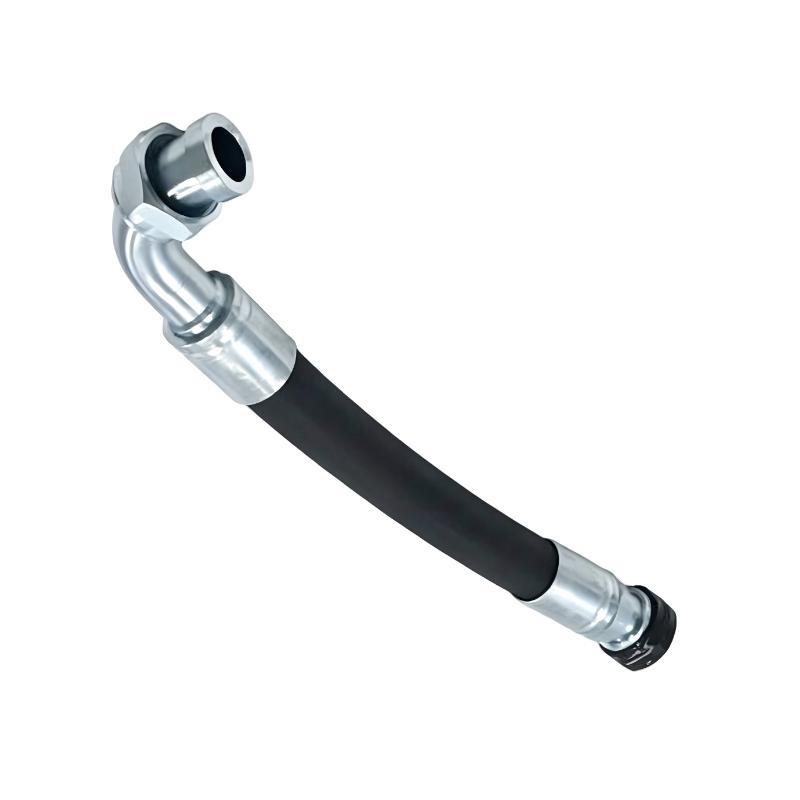
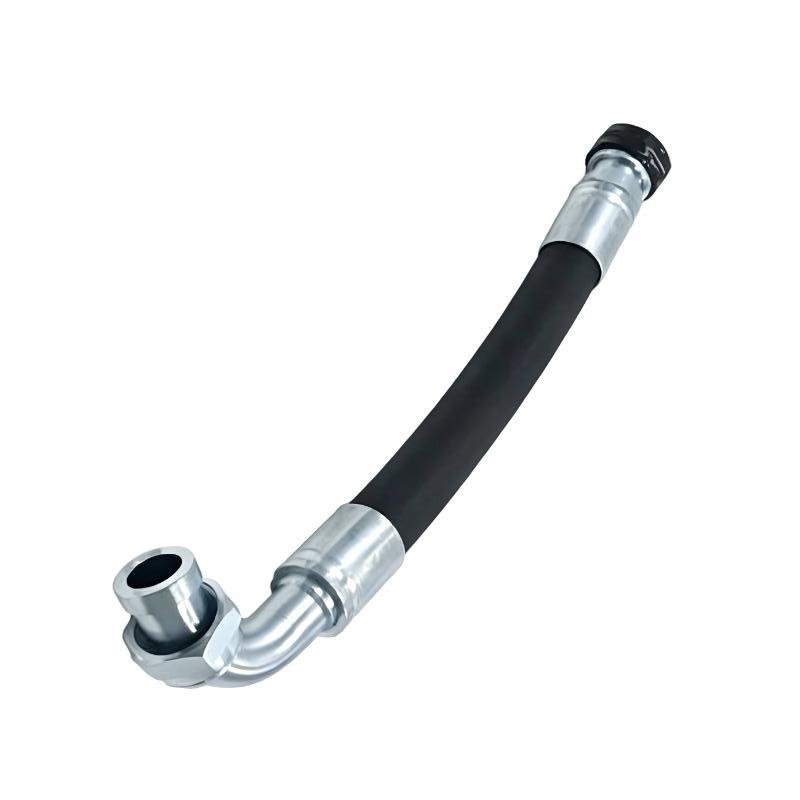
- Ingersoll Rand
- 24509192 48662688
- Hose
- USA
- 34 in
- 0.8 kg
- Xiamen, China
- New & In Stock
- T/T, PayPal, Western Union
- 1 Year
- 1-3 Working Days
- DHL, UPS, TNT, FedEx and EMS.
- 24-Hour Service
- COO
- 7
Our advantage

Global Logistics
We have a 10-year logistics and express cooperation agreement, so our products can be shipped to any place in the world.

Brand new and original
Our products are imported in bulk from the place of origin. Because of the cooperative relationship, our products are all original and 100% new.

24-hour service
We provide 7*24 hours service to our customers. We will be there whenever you need us.

Price advantage
All our products are priced very favorably because we have our own warehouse and supply.
| Company Information | |||
| [email protected] | |||
| Mobile | +8615980777398 | ||
| +8615980777398 | |||
| 15980777398 |
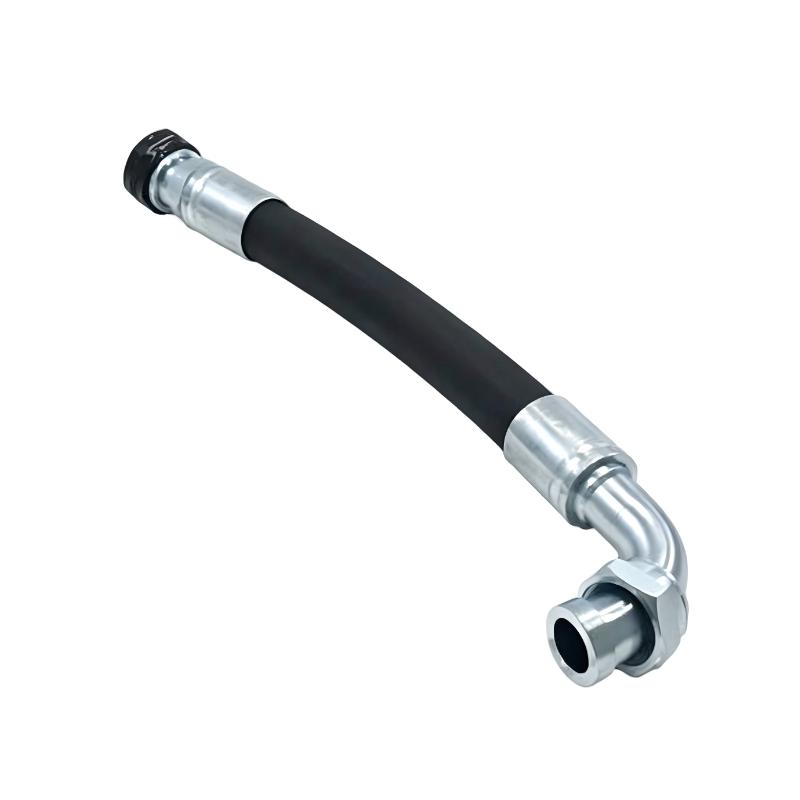
Product Overview
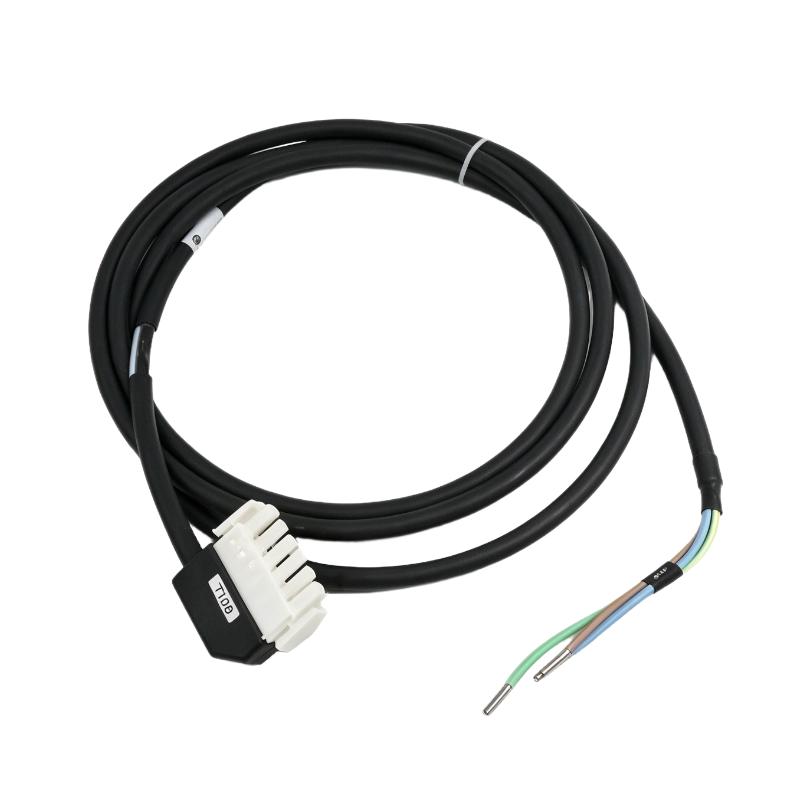
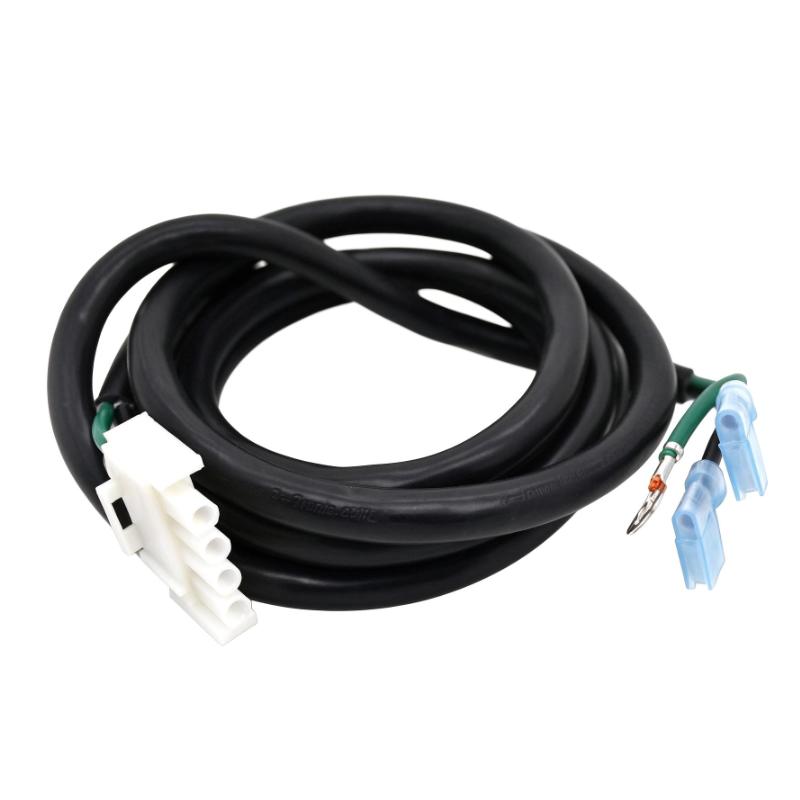
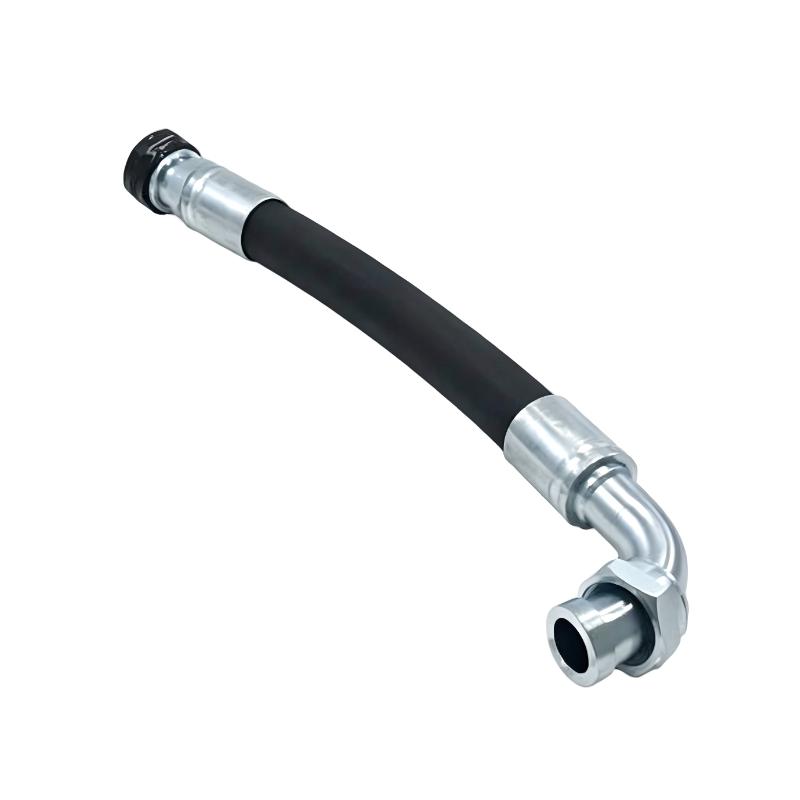
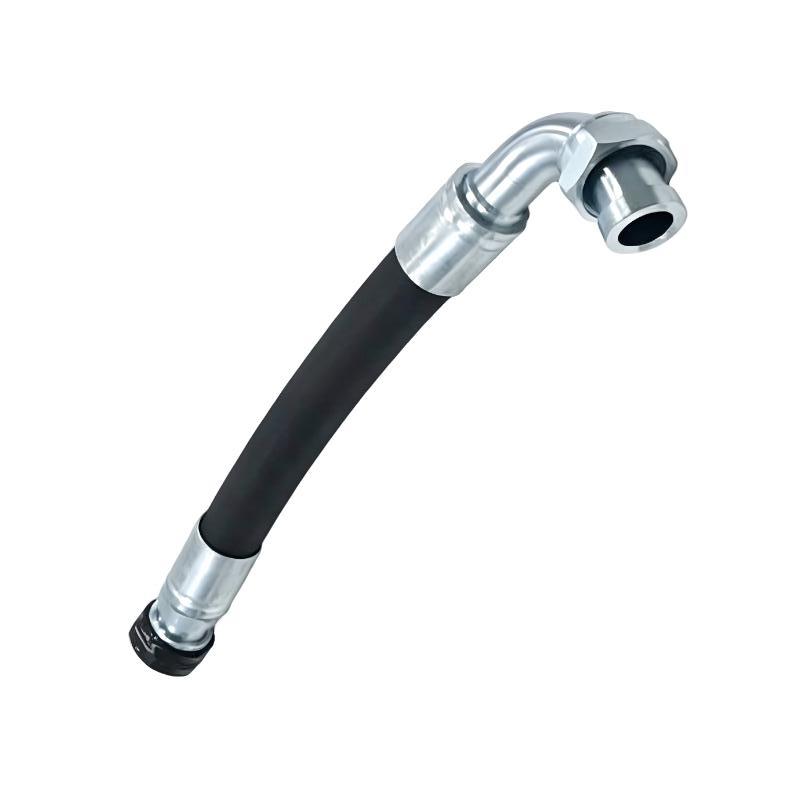
The Ingersoll Rand 24509192 48662688 Hose is a replacement hydraulic hose identified by the part number 48662688. Its catalog description specifies a 0.75-inch hose with a nominal length of 34 inches, indicating a hydraulic line used to carry fluid between connected components in compatible equipment.
Hydraulic hoses are used where fluid must move between components that may be mounted at different positions or experience vibration during operation. Unlike rigid tubing, a flexible hose can accommodate movement and simplify routing around mechanical assemblies. Its suitability depends on the required pressure rating, fluid compatibility, connection type, and installation geometry.
In an industrial machine, a hydraulic hose may connect a pump, valve, actuator, or other fluid-handling component. Correct hose selection is essential because the line must carry the intended fluid without leakage while accommodating the movement and operating conditions of the equipment.
The 48662688 reference is listed as a hydraulic hose with a 0.75-inch nominal size and a 34-inch length. The exact fitting configuration, pressure rating, and installation position should be confirmed against the applicable parts arrangement before replacement. These details cannot be determined from the part number and hose description alone.
For maintenance personnel, the main concerns are hose deterioration, abrasion, leakage, fitting damage, and incorrect routing. A replacement should match the original assembly specification rather than being selected solely because its nominal diameter and length appear suitable.
Technical Specifications
| Parameter | Specification |
|---|---|
| Manufacturer | Ingersoll Rand |
| Part Number | 24509192 / 48662688 |
| Product Type | Hose |
| Hose Classification | Hydraulic Hose |
| Nominal Hose Size | 0.75 in |
| Listed Hose Length | 34 in |
| Application | Compatible hydraulic equipment assemblies |
| Primary Function | Carries hydraulic fluid between connected components |
| Weight | 0.8 kg |
Product Features
- Hydraulic fluid transfer: Carries fluid between connected components in the intended hydraulic circuit.
- Flexible routing: Accommodates hose routing where rigid pipework would be less suitable.
- Defined nominal size: The 0.75-inch designation helps identify the specified hose size.
- Specified length: The 34-inch catalog description provides a reference for replacement selection.
- Dedicated part identification: The 48662688 number distinguishes this hose from other hydraulic lines in the parts range.
- Maintenance replacement: Allows a damaged or deteriorated hose to be replaced without automatically changing the surrounding hydraulic components.
- Assembly-specific compatibility: Requires confirmation of the original connection arrangement and operating specifications before installation.
Working Principle
The 48662688 hose functions as a conduit within a hydraulic circuit. When the hydraulic pump generates flow, fluid travels through the connected hoses and passages to the relevant control valves or actuators. The hose provides a flexible connection along that route.
A simplified hydraulic circuit may follow this arrangement:
Hydraulic Reservoir → Pump → Control Valve → Hydraulic Hose → Actuator → Return Circuit
This is a general example rather than a confirmed circuit diagram for the 48662688. The actual flow path depends on the equipment in which the hose is installed.
In operation, the hose wall contains the hydraulic fluid while its reinforcement supports the pressure imposed by the circuit. The end fittings connect the hose to the adjoining components and provide the necessary sealing interfaces. The assembly must be rated for the system’s pressure, temperature, fluid, and expected operating conditions.
During maintenance, a hose may require replacement if its outer cover is abraded, the reinforcement is exposed, a fitting is damaged, or leakage appears around the assembly. Repeated flexing, contact with sharp edges, excessive bending, and exposure to incompatible fluids can shorten service life.
Installing a replacement involves more than matching the nominal hose size. The connection types, pressure rating, hose routing, and required clearance must also match the equipment specification. A hose that is too short may remain under tension, while one that is routed incorrectly may rub against adjacent components or interfere with machine movement.
Role in the Hydraulic System
The hose forms the fluid connection between components in the hydraulic circuit. Its specific position and function depend on the machine’s hydraulic schematic and the hose’s original installation.
| System Element | Function |
|---|---|
| Hydraulic Reservoir | Stores the hydraulic fluid |
| Hydraulic Pump | Generates fluid flow for the circuit |
| Control Valve | Directs or regulates hydraulic flow |
| 48662688 Hose | Carries fluid between the connected components |
| Hose End Fittings | Connect the hose to the adjoining ports |
| Hydraulic Actuator | Converts hydraulic energy into linear or rotary movement |
| Return Line | Carries fluid back toward the reservoir where applicable |
| Pressure-Relief Arrangement | Limits pressure according to the circuit design |
| Hydraulic Fluid | Transmits power and lubricates compatible hydraulic components |
Industrial Applications
| Application | Practical Use |
|---|---|
| Industrial Hydraulic Equipment | Carrying fluid between components in compatible hydraulic circuits |
| Manufacturing Machinery | Supporting hydraulic connections within production equipment |
| Material Handling Equipment | Providing flexible fluid connections where the installed circuit requires them |
| Mobile Industrial Machinery | Accommodating hose routing between moving or vibrating components |
| Hydraulic Power Units | Connecting components within the hydraulic fluid circuit |
| Machine Maintenance | Replacing a hose showing leakage, abrasion, or deterioration |
| Equipment Overhauls | Renewing hose assemblies during hydraulic-system servicing |
| Hydraulic Troubleshooting | Investigating fluid loss or visible hose damage |
| Preventive Maintenance | Inspecting hose condition and routing during scheduled servicing |
| Spare Parts Management | Identifying the required hose using its complete part reference |
Installation and Maintenance
- Verify the part number: Confirm 24509192 and 48662688 against the equipment’s parts list and the identification of the existing hose.
- Check the hydraulic circuit: Establish the hose’s original connection points and function before disconnecting it.
- Shut down the equipment: Follow the machine’s isolation procedure and prevent unintended movement of hydraulically operated components.
- Release stored hydraulic pressure: Depressurize the relevant circuit according to the equipment’s service procedure before loosening any connection.
- Inspect the existing hose: Look for abrasion, cracking, bulging, exposed reinforcement, leakage, or other visible damage.
- Check the end fittings: Examine the connections for damaged threads, worn sealing surfaces, corrosion, and evidence of leakage.
- Confirm replacement specifications: Verify hose size, length, pressure rating, fluid compatibility, and fitting configuration against the required assembly specification.
- Inspect the routing path: Check for sharp edges, hot surfaces, moving parts, and other sources of abrasion or excessive bending.
- Install the replacement hose: Connect the hose using the specified fittings and assembly procedure. Avoid twisting the hose body during installation.
- Secure the hose correctly: Maintain the required clearance and bend radius, and ensure that the hose is not stretched or trapped by adjacent components.
- Test the hydraulic circuit: Restore the system according to the approved procedure and check the hose and fittings for leakage under the specified operating conditions. Never use a hand to search for a high-pressure hydraulic leak.
- Record the maintenance work: Document the installed part number, inspection findings, replacement date, and any additional hydraulic-system faults identified.
Compatible System Components
| Component | Function |
|---|---|
| Ingersoll Rand 48662688 Hose | Carries hydraulic fluid between the designated connection points |
| Hydraulic Pump | Supplies fluid flow to the hydraulic circuit |
| Hydraulic Reservoir | Stores the circuit’s hydraulic fluid |
| Hydraulic Control Valve | Directs or regulates fluid flow |
| Hydraulic Actuator | Produces movement using hydraulic pressure |
| Hose End Fittings | Provide the mechanical connection and sealing interface |
| Hydraulic Return Line | Carries return fluid through the circuit where applicable |
| Pressure-Relief Valve | Protects the circuit against pressure exceeding its specified limit |
| Hose Clamps or Supports | Maintain the required routing where specified |
| Hydraulic Fluid | Transmits power through the circuit and supports lubrication of compatible components |
Recommended Related Models
| Model / Part Number | Product Type | Typical Application |
|---|---|---|
| Ingersoll Rand 48662688 | Hydraulic Hose | Reference hose with a listed 0.75-inch size and 34-inch length |
| Ingersoll Rand 48662373 | Hydraulic Hose | Separate hydraulic hose reference; verify size and end connections |
| Ingersoll Rand 48662423 | Hydraulic Hose | Hydraulic line with a listed 1.50-inch size and ORFS connections |
| Ingersoll Rand 48662480 | Hydraulic Hose | Hydraulic line with a listed 1.00-inch size and specified end connections |
| Ingersoll Rand 48662795 | Hydraulic Hose | Separate hydraulic hose reference for parts identification |
| Ingersoll Rand 48662829 | Hydraulic Hose | Hydraulic hose listed with 1.25-inch ORFS connections and a 52-inch length |
| Ingersoll Rand 48662852 | Hydraulic Hose | Hydraulic hose listed with 1.25-inch ORFS connections and a 24-inch length |
| Ingersoll Rand 48662860 | Hydraulic Hose | Hydraulic line with a listed 1.25-inch size and straight ORFS connections |
| Ingersoll Rand 48662910 | Hydraulic Hose | Hydraulic hose listed with a 90-degree end configuration |
| Ingersoll Rand 48662944 | Hydraulic Hose | Hydraulic line with a listed 1.50-inch size and specified end connections |
| Ingersoll Rand 48662951 | Hydraulic Hose | Hydraulic hose listed with a 45-degree end configuration |
| Ingersoll Rand 48662969 | Hydraulic Hose | Hydraulic hose listed with a 90-degree end configuration |
| Ingersoll Rand 48662977 | Hydraulic Hose | Hydraulic line with a listed 1.50-inch size and specified end connections |
| Ingersoll Rand 48662985 | Hydraulic Hose | Hydraulic line with a listed 1.50-inch size and straight ORFS connections |
| Ingersoll Rand 48662993 | Hydraulic Hose | Separate hydraulic hose reference for parts identification |
Key Advantages
- Provides a flexible fluid connection within a compatible hydraulic circuit.
- Has a defined part number and listed nominal hose size for identification.
- Supports replacement of damaged or deteriorated hose assemblies.
- Helps maintain the intended hydraulic connection when correctly specified and installed.
- Allows hose condition and routing to be addressed during routine equipment maintenance.
Technical FAQs
What does the 48662688 hose designation tell you about the hose?
The catalog description identifies it as a hydraulic hose with a 0.75-inch nominal size and a listed length of 34 inches. The description alone does not establish its pressure rating, fitting details, or exact installation location.
Can the 48662688 be replaced with another 0.75-inch hydraulic hose?
Not automatically. The replacement must also match the required pressure rating, hose construction, fluid compatibility, end fittings, length, and routing requirements of the original assembly.
What should be checked if the hose leaks around one of its connections?
Inspect the fitting, sealing interface, threads, and hose termination for damage or incorrect assembly. Confirm that the connection type matches the installed port and that the hose has not been twisted or placed under excessive tension.
Why is hose routing important after replacement?
Incorrect routing can cause abrasion, excessive bending, twisting, heat exposure, or interference with moving components. These conditions can lead to premature hose failure even when the replacement has the correct nominal size.