

ProductPRODUCT
Featured products
Contact Us
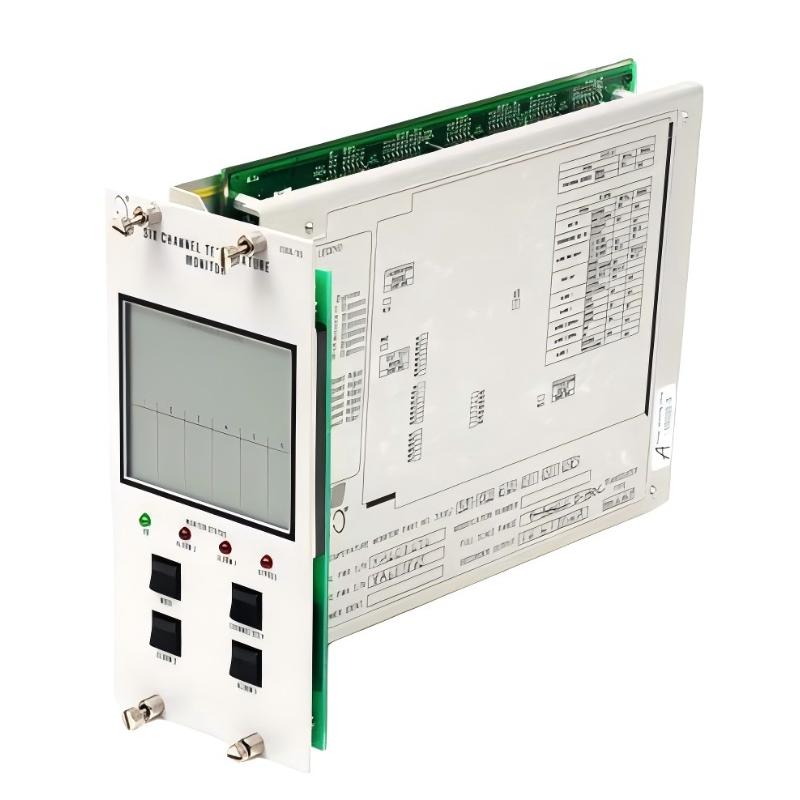
- Bently Nevada
- 3300/35-02-01-02-01-00
- Six-Channel Temperature Monitor
- USA
- 150 × 100 × 30 mm
- 2.8 kg
- Xiamen, China
- New & In Stock
- T/T, PayPal, Western Union
- 1 Year
- 1-3 Working Days
- DHL, UPS, TNT, FedEx and EMS.
- 24-Hour Service
- COO
- 10
Our advantage

Global Logistics
We have a 10-year logistics and express cooperation agreement, so our products can be shipped to any place in the world.

Brand new and original
Our products are imported in bulk from the place of origin. Because of the cooperative relationship, our products are all original and 100% new.

24-hour service
We provide 7*24 hours service to our customers. We will be there whenever you need us.

Price advantage
All our products are priced very favorably because we have our own warehouse and supply.
| Company Information | |||
| [email protected] | |||
| Mobile | +8615980777398 | ||
| +8615980777398 | |||
| 15980777398 |
Product Overview
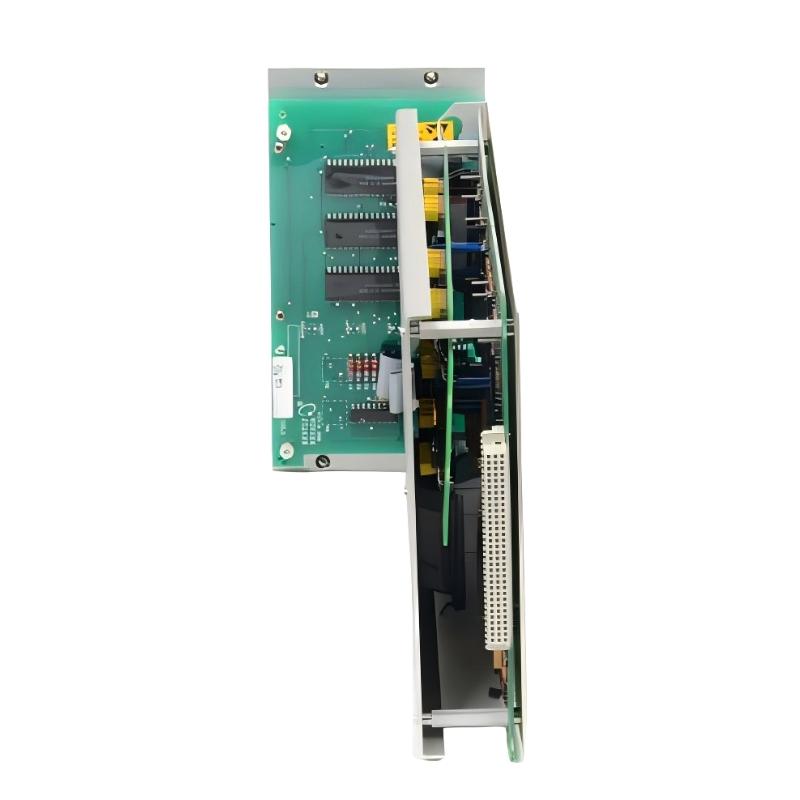
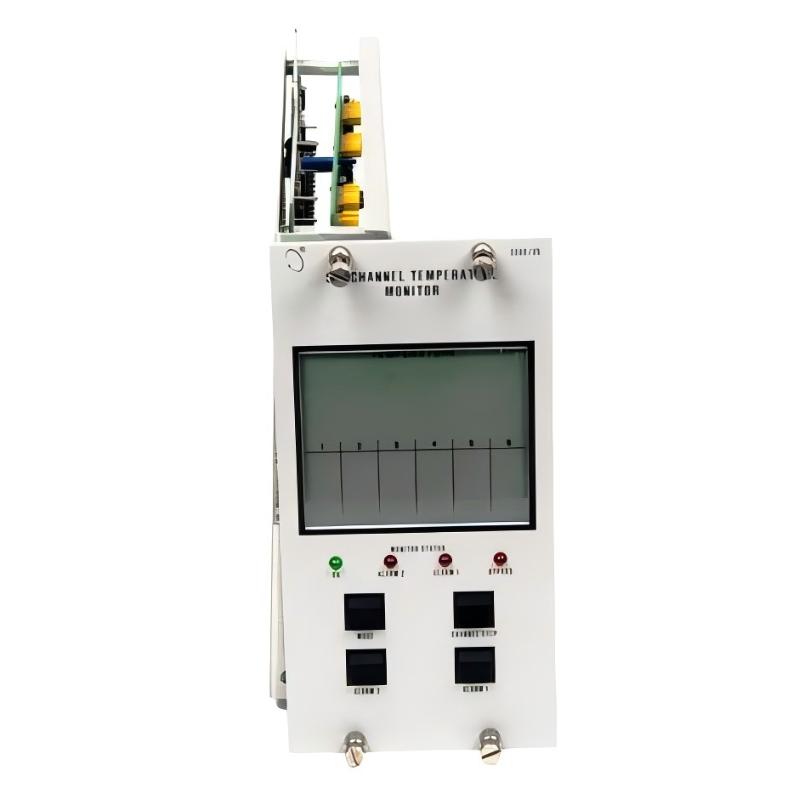
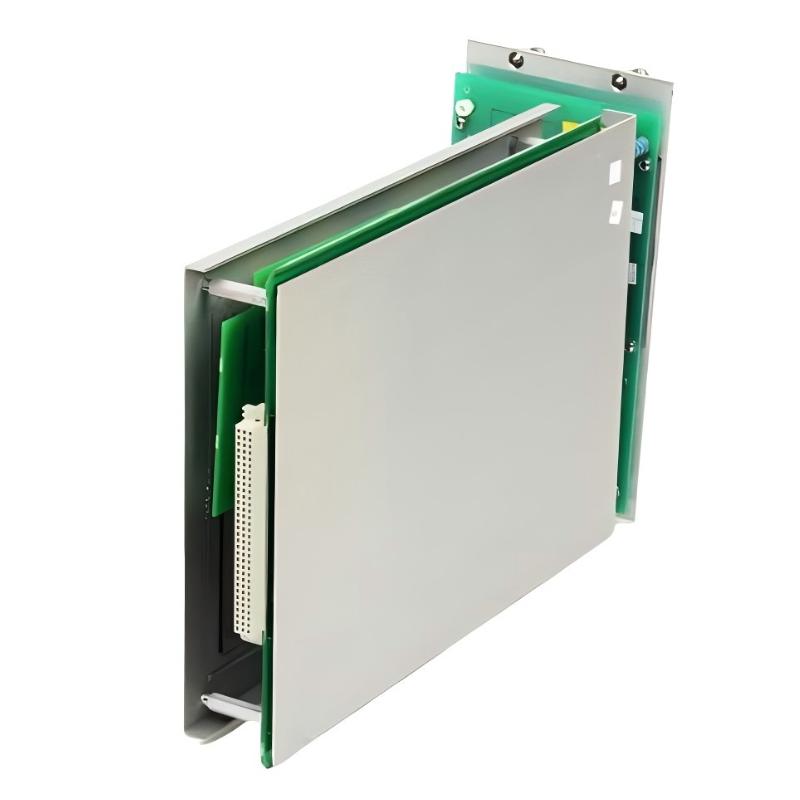
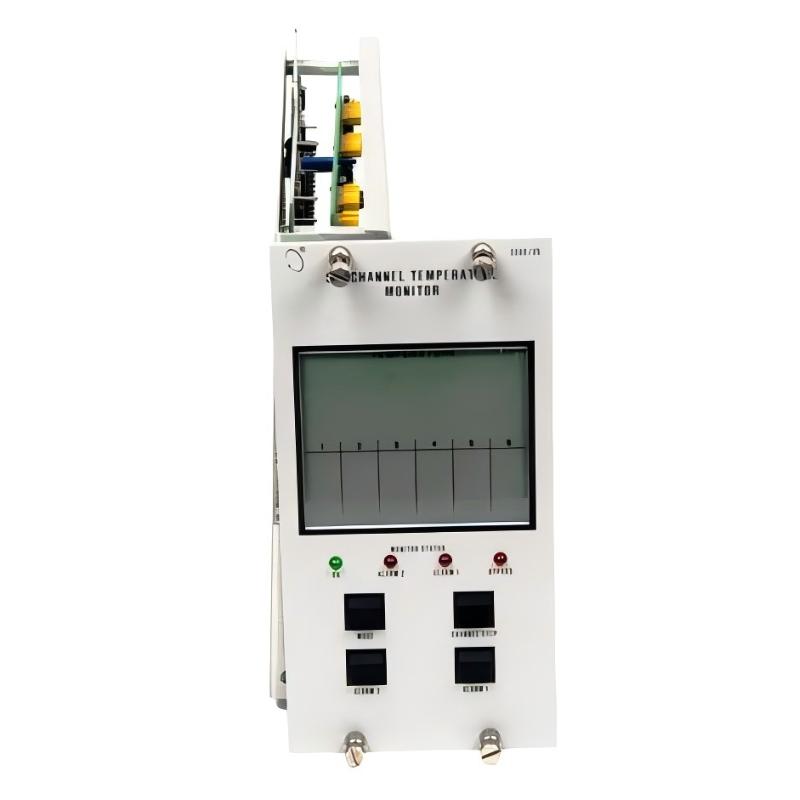
The Bently Nevada 3300/35 Six-Channel Temperature Monitor is a rack-mounted instrument for monitoring temperature measurements from resistance temperature detectors (RTDs). It belongs to the 3300 machinery monitoring system and accepts inputs from up to six RTD sensors, allowing several machine temperatures to be monitored through one module.
Temperature monitoring is essential in rotating equipment because bearing temperatures, lubricant conditions, and other thermal measurements can reveal changes in operating conditions. On a centrifugal compressor, for example, RTD sensors may be installed at designated bearing locations to track temperature changes during startup, normal operation, and changing process loads. The 3300/35 processes these inputs and presents the readings for operators and maintenance personnel.
Unlike a temperature transmitter dedicated to one measurement point, the 3300/35 handles multiple independent channels and provides individual alarm settings. Its front-panel display allows users to step through channel readings, review alarm thresholds, and identify sensor or channel status problems. The module also supports recorder outputs for sending individual temperature measurements to compatible external equipment.
The 3300/35 accepts specified three-wire and four-wire RTD configurations, including platinum, nickel, and copper sensor types. The selected sensor type and measurement range must correspond to the monitor’s configured input option. Where the sensor type changes, recalibration may be required, particularly when changing between platinum or nickel RTDs and copper RTDs.
The monitor is intended for integration into a compatible Bently Nevada 3300 rack. It is not a standalone temperature controller: it processes measurement inputs and supports monitoring and alarm functions, while the wider system handles rack-level alarm relays, data collection, and any connected machinery protection logic.
For maintenance engineers, this module is useful when multiple temperature points need to be monitored within an established 3300 installation. It consolidates readings from several RTDs and provides channel-level alarm and status information, helping maintenance teams identify which measurement point requires investigation.
Technical Specifications
| Parameter | Specification |
|---|---|
| Manufacturer | Bently Nevada |
| Model | 3300/35-02-01-02-01-00 |
| Product Series | 3300 Monitoring System |
| Product Type | Six-Channel Temperature RTD Monitor |
| Number of Channels | 6 independent temperature channels |
| Sensor Type | Resistance temperature detector (RTD) |
| Supported RTD Configurations | 3-wire and 4-wire |
| Supported Sensor Materials | Platinum, nickel, and copper, subject to configured input option |
| Nominal Power Consumption | 4 W |
| Display | 4-digit LCD |
| Recorder Outputs | Individually available for each channel |
| Selectable Output Signals | +4 to +20 mA, 0 to −10 V DC, or +1 to +5 V DC |
| Alarm Functions | Alarm 1 and Alarm 2 per channel |
| Operating Temperature | 0°C to +65°C |
| Storage Temperature | −40°C to +85°C |
| Rack Space Requirement | 2 rack positions |
| Dimensions | 150 × 100 × 30 mm |
| Weight | 2.8 kg |
Product Features
- Six independent temperature channels: Monitors up to six RTD measurement points through one rack-mounted instrument.
- RTD input support: Accommodates specified platinum, nickel, and copper resistance temperature detectors.
- Three-wire and four-wire configurations: Supports common industrial RTD wiring arrangements.
- Channel-specific alarm settings: Provides independently adjustable Alarm 1 and Alarm 2 thresholds for each measurement channel.
- Configurable alarm behavior: Alarm 1 operates as an over-temperature alarm, while Alarm 2 can be configured for over- or under-temperature conditions.
- Front-panel temperature display: Presents channel readings, alarm states, bypass conditions, and relevant status information.
- Individual recorder outputs: Supplies a separate output for each channel for compatible data acquisition and recording equipment.
- Selectable analog output formats: Supports specified current and voltage output ranges.
- Channel bypass functions: Allows supported channel bypass operations during maintenance without automatically disabling all other measurement channels.
- 3300 rack integration: Fits the monitoring architecture of a compatible Bently Nevada 3300 system.
Working Principle
The 3300/35 measures temperature by receiving resistance signals from connected RTD sensors. An RTD changes electrical resistance as its temperature changes. The monitor interprets the input according to the configured sensor type and range, then displays the corresponding temperature and evaluates the configured alarm thresholds.
Machine Temperature → RTD Sensor → 3300/35 Temperature Monitor → Alarm Indication and Recorder Outputs
Each RTD connects to one of the monitor’s six input channels. The monitor processes the resistance signal using the configured RTD characteristics, including sensor material, wiring arrangement, and measurement range. Correct configuration is necessary because different RTD types have different resistance-temperature relationships.
The front-panel display allows operators to review individual channel values. In scan mode, readings can be viewed sequentially; high-read operation allows the highest measured value to be displayed. Channel status indicators show whether the monitoring system considers the transducer inputs healthy and whether an alarm or bypass condition exists.
Alarm 1 and Alarm 2 are adjustable for each channel. Alarm 1 is used for over-temperature monitoring, while Alarm 2 can be configured for either an over-temperature or under-temperature condition. When a configured threshold is reached, the monitor provides the corresponding indication and supports alarm relay operation through the installed rack arrangement.
Each channel also has a recorder output. Depending on the selected configuration, the output can use a current or voltage signal proportional to the programmed full-scale temperature range. These signals can be connected to compatible data acquisition or recording equipment for centralized observation and historical analysis.
The monitor’s measurement performance depends on the RTD sensors, wiring, configured input characteristics, and calibration. A sensor fault, poor terminal connection, incorrect wiring arrangement, or unsuitable input configuration can produce abnormal readings. Troubleshooting should therefore begin with the affected sensor circuit and its configuration before the monitor itself is replaced.
Role in the Machinery Monitoring Architecture
The Bently Nevada 3300/35 provides the temperature input and monitoring stage for an RTD-based measurement arrangement. It receives signals from machine-mounted sensors, displays temperature values, evaluates channel alarm settings, and provides outputs to the wider monitoring system.
Machine Bearing or Process Point → RTD Sensor → 3300/35 Monitor → Recorder / Alarm Relay → Plant Monitoring System
| System Component | Function |
|---|---|
| Bently Nevada 3300/35 | Processes up to six RTD temperature inputs |
| RTD Sensor | Converts temperature changes into resistance changes |
| RTD Input Wiring | Carries the sensor resistance signal to the appropriate channel |
| 3300 Rack | Provides the mounting and system interface for the monitor |
| Alarm Relay Module | Provides relay contacts for configured alarm functions |
| Recorder or Data Acquisition Equipment | Receives channel-specific analog output signals |
| Plant Monitoring System | Collects and displays temperature measurements |
| Machinery Protection Arrangement | Uses configured monitoring outputs and associated logic for appropriate responses |
Industrial Applications
| Application | Typical Use |
|---|---|
| Centrifugal Compressors | Monitoring bearing and other designated machine temperatures |
| Steam Turbines | Tracking temperatures at selected bearing or auxiliary measurement points |
| Gas Turbines | Monitoring compatible RTD temperature inputs in rotating machinery |
| Industrial Pumps | Observing bearing temperatures and other monitored thermal conditions |
| Power Generation Plants | Collecting temperature measurements from critical equipment |
| Petrochemical Facilities | Monitoring machine temperatures in process equipment |
| Refinery Compressor Systems | Supporting temperature-based machinery condition monitoring |
| Industrial Gearboxes | Monitoring designated bearing and lubrication-related temperatures |
| Process Machinery | Consolidating multiple RTD measurements in one rack module |
| Continuous-Operation Facilities | Providing channel-level temperature readings and alarm indications |
Installation and Maintenance
- Verify the monitor reference: Confirm that the required module is identified as Bently Nevada 3300/35-02-01-02-01-00.
- Check the rack compatibility: Confirm that the installation uses a compatible 3300 rack and provides the required two rack positions.
- Prepare the equipment safely: Follow the site’s electrical isolation and maintenance procedures before removing or installing the monitor.
- Identify each RTD channel: Match the field sensor wiring to the intended monitor input so that displayed readings correspond to the correct machine locations.
- Confirm the RTD configuration: Check the sensor material, resistance characteristics, and three-wire or four-wire arrangement against the configured input option.
- Inspect the input wiring: Look for loose terminals, damaged insulation, corrosion, and wiring errors that could affect resistance measurements.
- Install the monitor: Insert the module into the designated rack position according to the applicable installation procedure.
- Set the measurement range: Establish the intended full-scale range and confirm that it is appropriate for the connected RTD type.
- Configure alarm thresholds: Set Alarm 1 and Alarm 2 according to the monitored equipment’s operating limits and the site’s alarm philosophy.
- Check recorder outputs: Confirm that the selected current or voltage output matches the receiving instrument’s input requirements.
- Verify channel readings: Compare the displayed temperatures with expected process conditions or an approved reference measurement.
- Record commissioning results: Document the sensor assignments, input configuration, alarm settings, output selection, and observed channel status.
Related Components
| Component | Function |
|---|---|
| Bently Nevada 3300/35 | Monitors up to six RTD temperature channels |
| Resistance Temperature Detector | Measures temperature through changes in electrical resistance |
| Three-Wire RTD Assembly | Provides a common industrial sensor wiring arrangement |
| Four-Wire RTD Assembly | Supports resistance measurement using a four-wire connection |
| 3300 Rack Power Supply | Supplies power to the monitoring rack |
| 3300 Alarm Relay Module | Provides relay contacts for configured alarm functions |
| Recorder or Data Acquisition System | Receives individual channel output signals |
| RTD Terminal Wiring | Connects the field sensors to the monitor inputs |
| Plant Monitoring System | Displays and records temperature measurements |
Recommended Related Models
| Model / Product Family | Product Type | Typical Application |
|---|---|---|
| Bently Nevada 3300/35 | Six-Channel Temperature RTD Monitor | Monitoring up to six RTD inputs |
| Bently Nevada 3300/30 | Six-Channel Thermocouple Monitor | Monitoring temperature through compatible thermocouple inputs |
| Bently Nevada 3500/60 | Temperature Monitor | Temperature monitoring within a compatible 3500 system |
| Bently Nevada 3500/61 | Temperature Monitor | Temperature monitoring with supported 3500-series configurations |
| Bently Nevada 3300 Rack Power Supply | Rack Power Supply | Supplying power to the 3300 monitoring rack |
| Bently Nevada 3300 Alarm Relay Module | Alarm Relay Module | Providing configured alarm relay contacts |
Key Advantages
- Consolidates six RTD temperature measurements in one monitoring module.
- Supports multiple specified RTD sensor types and wiring arrangements.
- Provides independent alarm settings for each channel.
- Offers individual analog recorder outputs for external data acquisition.
- Integrates into compatible Bently Nevada 3300 monitoring racks.
Technical FAQs
Can the 3300/35 accept both RTD and thermocouple sensors?
The 3300/35 is the RTD version of the six-channel temperature monitor. Thermocouple inputs belong to the 3300/30 monitor family, so the sensor type must match the installed monitor.
What happens when changing from a platinum RTD to a copper RTD?
Changing between platinum or nickel RTDs and copper RTDs requires monitor recalibration. The input arrangement and sensor configuration must be set correctly for the selected RTD characteristics.
Can the six channels use different alarm thresholds?
Yes. Alarm 1 and Alarm 2 are adjustable for individual channels. Alarm 1 is an over-temperature alarm, while Alarm 2 can be configured for over- or under-temperature monitoring.
What should be investigated if one channel displays an implausible temperature?
Start with the affected RTD, its wiring, terminal connections, and the configured sensor type and range. If those checks do not explain the reading, examine the channel status and calibration before concluding that the monitor has failed.