

ProductPRODUCT
Featured products
Contact Us
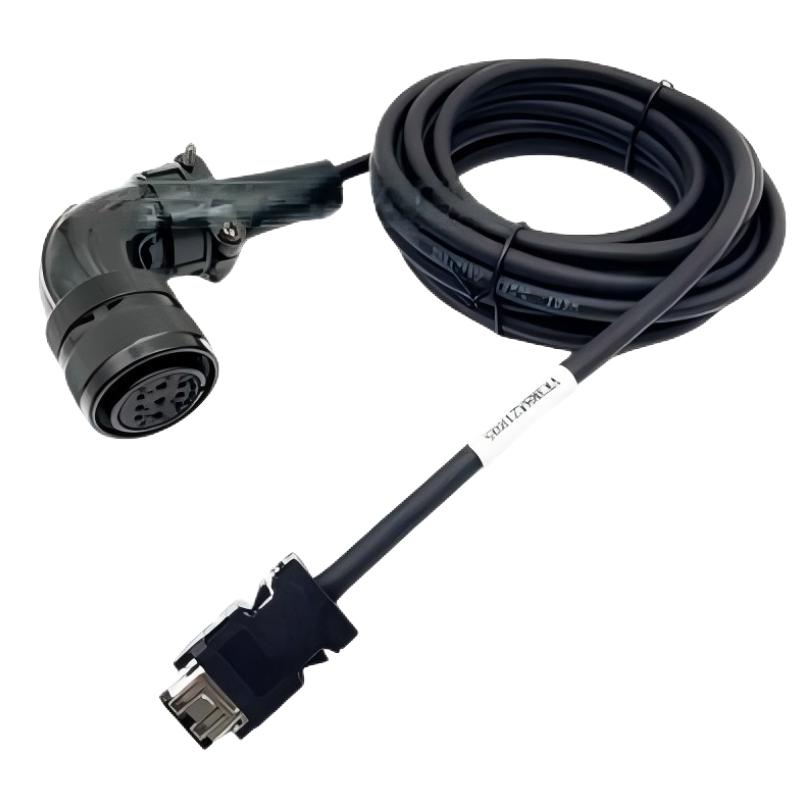
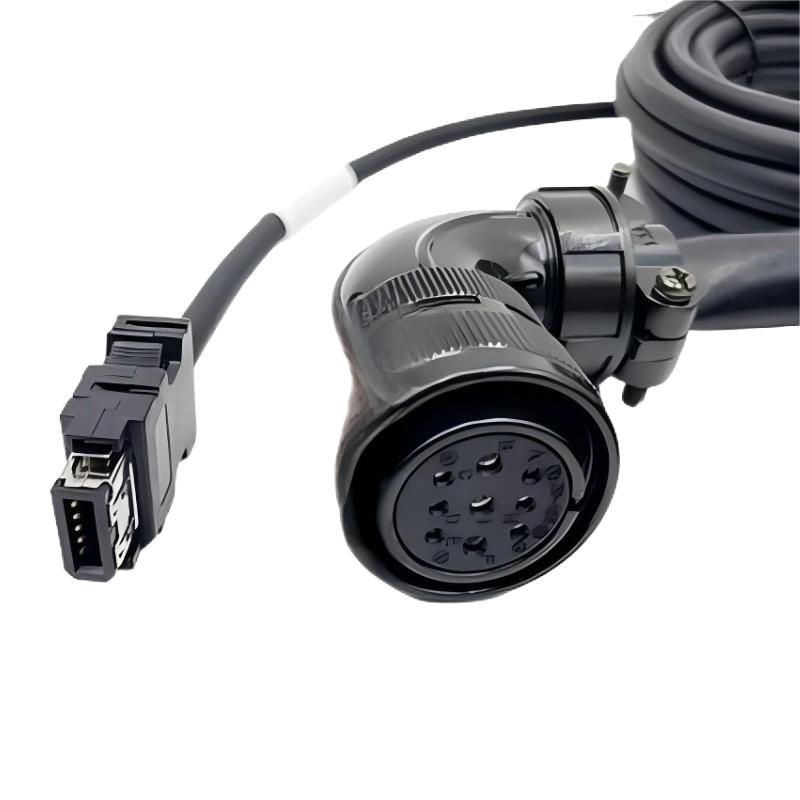
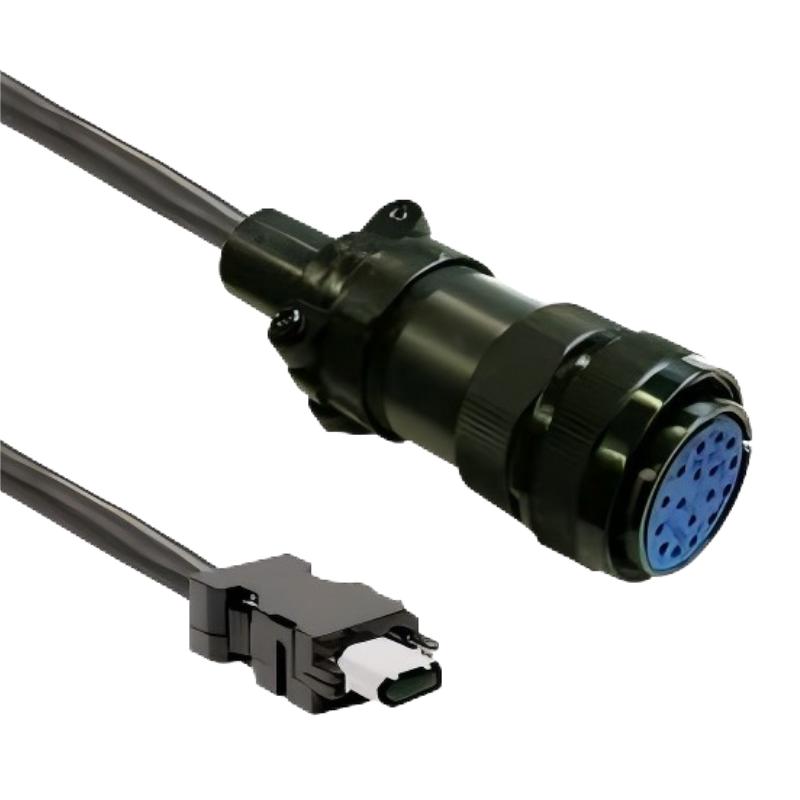
- Schneider
- VW3M8A22R03
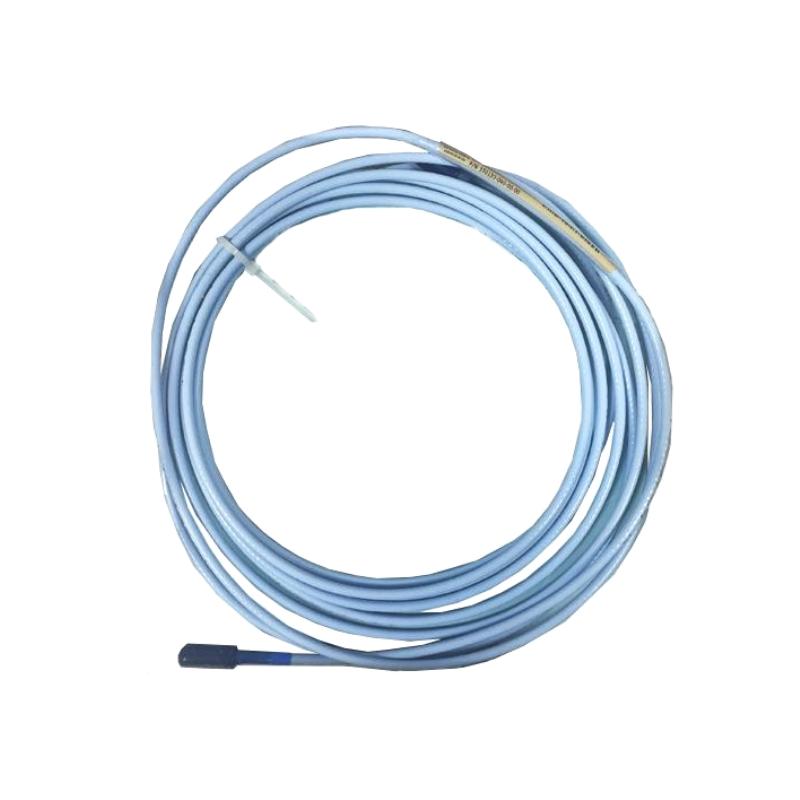
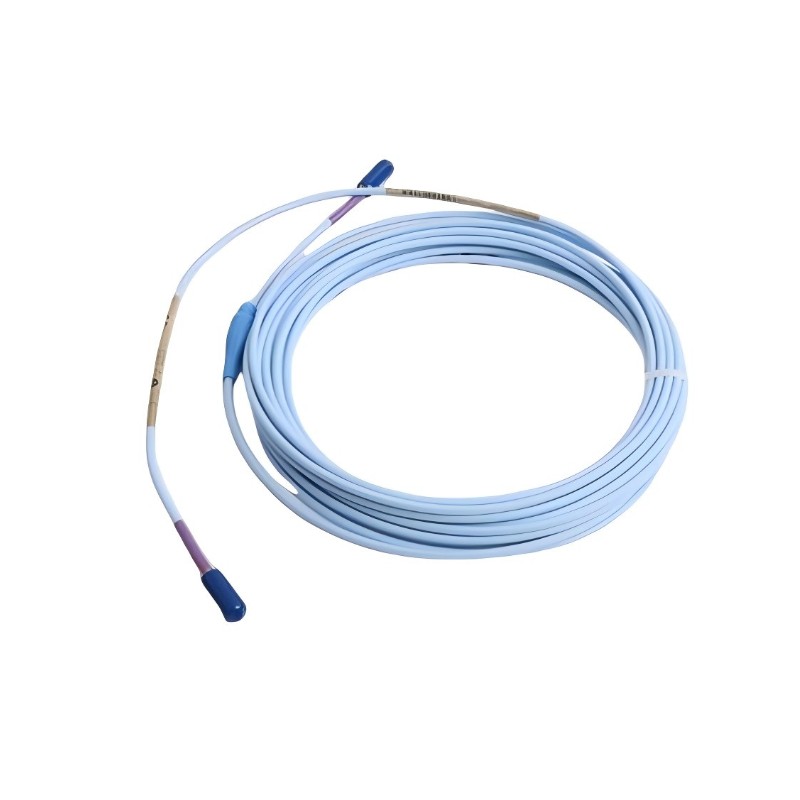
- BCH16 Servo Motor Encoder Cable
- France
- 3 meters
- 0.371 kg
- Xiamen, China
- New & In Stock
- T/T, PayPal, Western Union
- 1 Year
- 1-3 Working Days
- DHL, UPS, TNT, FedEx and EMS.
- 24-Hour Service
- COO
- 6
Our advantage

Global Logistics
We have a 10-year logistics and express cooperation agreement, so our products can be shipped to any place in the world.

Brand new and original
Our products are imported in bulk from the place of origin. Because of the cooperative relationship, our products are all original and 100% new.

24-hour service
We provide 7*24 hours service to our customers. We will be there whenever you need us.

Price advantage
All our products are priced very favorably because we have our own warehouse and supply.
| Company Information | |||
| [email protected] | |||
| Mobile | +8615980777398 | ||
| +8615980777398 | |||
| 15980777398 |
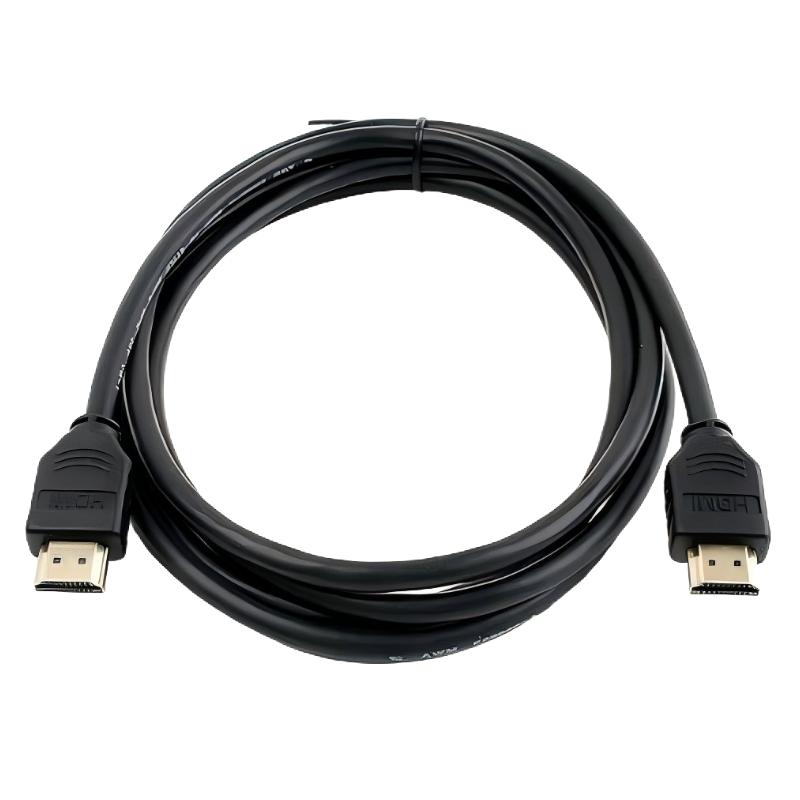
1. Product Overview
The Schneider VW3M8A22R03 BCH16 Servo Motor Encoder Cable is an industrial automation cable designed for applications involving servo motor feedback connections. Encoder cables play an important role in servo control systems by carrying feedback signals between a motor’s encoder and the associated drive or control equipment. Accurate feedback helps the control system monitor motor position, speed, and operating status.
In automated machinery, reliable feedback transmission is essential for maintaining coordinated motion, positioning accuracy, and consistent operating performance. Selecting the appropriate cable helps establish a dependable connection between compatible servo motor and drive components while reducing the risk of signal interruptions caused by unsuitable wiring or damaged connectors.
The VW3M8A22R03 is identified by its BCH16 designation and 3-meter cable length. Its compact cable length may be useful in installations where compatible servo equipment is positioned relatively close together. The listed product weight is 0.371 kg, which can assist with preliminary inventory management and equipment handling.
Before installation or replacement, verify the complete model number, connector configuration, cable specifications, and compatibility with the intended BCH16 servo motor and drive system. The product designation alone should not be used to determine connector pin assignments, supported encoder types, or electrical characteristics.
2. Technical Specifications
| Parameter | Specification |
|---|---|
| Brand | Schneider Electric |
| Model | VW3M8A22R03 |
| Product Type | BCH16 Servo Motor Encoder Cable |
| Cable Length | 3 meters |
| Weight | 0.371 kg |
| Application | Servo motor encoder feedback connection |
| Product Series | BCH16 designation; confirm the applicable product family |
| Connection Type | Verify the connector configuration for the exact model |
| Signal Compatibility | Confirm compatibility with the installed encoder and servo drive |
| Installation Environment | Follow the applicable cable and equipment specifications |
| Replacement Requirements | Match the model, connector arrangement, cable characteristics, and system compatibility |
The cable length and weight above are based on the supplied product information. Connector details, conductor specifications, shielding arrangement, minimum bending radius, and supported equipment should be confirmed before installation.
3. Function and Working Principle
3.1 Encoder Feedback Transmission
A servo motor encoder provides feedback information to the motion control system. Depending on the encoder design, this information can represent motor position, rotational movement, speed-related data, or other feedback required by the controller.
The encoder cable provides the electrical connection through which the feedback signals travel between compatible equipment. The servo drive processes the returned information and uses it to regulate motor operation according to the control commands.
The VW3M8A22R03 is intended for encoder-cable applications associated with BCH16 servo equipment. Its precise signal arrangement and supported feedback functions should be verified against the documentation for the connected motor and drive.
3.2 Supporting Closed-Loop Motion Control
In a closed-loop servo system, the controller issues a motion command while the feedback system reports the motor’s response. The drive compares the commanded behavior with the available feedback and adjusts motor operation as required.
A properly matched encoder cable helps maintain the connection needed for this feedback process. If the cable is damaged, incorrectly connected, or incompatible with the equipment, the drive may receive incomplete or unreliable feedback.
3.3 Signal Integrity
Encoder feedback signals can be affected by cable damage, poor connector contact, electrical interference, or unsuitable routing. A cable that meets the equipment manufacturer’s requirements helps reduce these risks.
The cable should be installed using the specified routing, grounding, shielding, and separation practices. Do not assume that every encoder cable has the same wiring arrangement or electrical characteristics.
3.4 Importance of the Correct Cable Length
The VW3M8A22R03 has a listed length of 3 meters. Choosing a suitable cable length helps keep the connection organized and reduces unnecessary cable loops in a control cabinet or machine installation.
Cable length must also comply with the requirements of the connected encoder and drive. A shorter cable is not automatically suitable if its connectors, signal characteristics, or product compatibility differ from the required configuration.
4. Role in Industrial Servo Control Systems
The Schneider VW3M8A22R03 BCH16 Servo Motor Encoder Cable can be considered as part of a compatible servo feedback connection. Its contribution to the overall system depends on the connected hardware and the specific motion-control architecture.
4.1 Motor Position Feedback
Position feedback allows a servo drive or controller to determine how the motor is responding to a commanded movement. The encoder cable maintains the connection required to transmit the applicable feedback signals.
Reliable feedback is especially important in equipment that depends on repeatable positioning, coordinated movement, or accurate motion sequences.
4.2 Speed Regulation
Servo systems may use encoder feedback to monitor motor movement and support speed regulation. A stable electrical connection helps the drive obtain the feedback information required by its control algorithm.
If feedback becomes intermittent, the machine may experience unexpected stops, drive alarms, or unstable motion, depending on the system design.
4.3 Coordinated Axis Operation
Machines with multiple servo axes often rely on synchronized movement between motors. Each axis requires appropriate feedback and compatible control equipment.
Using the correct encoder cable helps maintain the intended feedback path for an individual axis. The complete system must still be configured and commissioned according to the equipment manufacturer’s requirements.
4.4 Equipment Diagnostics
Encoder-related faults can provide useful information when diagnosing servo system problems. Cable condition and connector integrity should be included in the troubleshooting process before a motor encoder or servo drive is declared defective.
Correct model identification also helps maintenance personnel select suitable replacement parts and avoid unnecessary changes to the installed system.
5. Industrial Applications
The VW3M8A22R03 may be evaluated for applications requiring a compatible BCH16 servo motor encoder connection. Suitability depends on the exact motor, drive, feedback interface, and installation requirements.
5.1 Automated Manufacturing Equipment
Manufacturing machinery uses servo motors for controlled movement, positioning, and repetitive production tasks. Encoder feedback helps the control system monitor motor behavior during machine operation.
A correctly matched encoder cable supports the electrical connection required by the feedback system.
5.2 Packaging Machinery
Packaging equipment may use servo-driven mechanisms for product positioning, material feeding, sealing, cutting, and indexing. Accurate feedback helps coordinate these movements with the machine’s operating sequence.
Cable compatibility and routing are important in packaging systems because moving mechanisms may expose cables to vibration or repeated motion.
5.3 Robotics and Pick-and-Place Systems
Robotic equipment and pick-and-place machines rely on controlled motion to move components between designated positions. Servo feedback contributes to motion regulation and positioning performance.
When used in these systems, an encoder cable must be suitable for the specific motor and installation environment. Applications involving continuous flexing require particular attention to the cable’s approved motion rating.
5.4 Material Handling Systems
Conveyors, automated transfer mechanisms, and positioning tables may use servo motors to regulate movement. Feedback connections help the control system monitor motor response and coordinate machine operations.
Cable installation should account for mechanical protection, electrical interference, and the movement of adjacent machinery.
5.5 Industrial Assembly Machines
Assembly equipment may require controlled movement for insertion, fastening, alignment, and component transfer. A reliable encoder feedback path helps support the servo control functions used in these processes.
The cable should be selected according to the actual system design rather than application category alone.
5.6 Machine Upgrades and Maintenance
During equipment upgrades, an existing encoder cable may need to be replaced because of wear, connector damage, or a change in the machine layout. The VW3M8A22R03 should only be selected when its specifications match the intended replacement requirements.
A model number that appears similar to an existing cable does not guarantee electrical or mechanical equivalence.
6. Installation and System Integration
Correct installation helps preserve feedback signal integrity and reduces the likelihood of connection-related faults. The following procedure is a general checklist; the applicable Schneider Electric instructions and machine safety procedures take precedence.
Step 1: Verify the Cable Model
Check the cable label and confirm the complete part number: VW3M8A22R03. Compare it with the machine’s wiring diagrams, spare-parts list, or existing cable identification.
Confirm that the BCH16 designation and connector arrangement are appropriate for the intended motor and servo drive.
Step 2: Isolate the Equipment
Place the machine in a safe state and isolate the relevant power sources according to the site’s lockout/tagout procedure. Follow the drive manufacturer’s instructions for shutdown and discharge waiting periods where applicable.
Do not connect or disconnect servo feedback cables while equipment is energized unless an approved procedure explicitly permits the action.
Step 3: Inspect the Cable
Before installation, examine the cable jacket, connectors, and strain-relief areas for visible damage. Check for cuts, crushed sections, bent connector components, contamination, or signs of previous overheating.
Do not install a cable that shows damage likely to affect electrical insulation, connector engagement, or signal transmission.
Step 4: Confirm Connector Compatibility
Verify that both cable ends match the intended equipment connections. Check connector orientation, keying, locking mechanisms, and any specified mating requirements.
Never force a connector into place. Incorrect engagement can damage connector contacts or prevent reliable feedback transmission.
Step 5: Route the Cable Correctly
Route the cable according to the approved machine layout. Avoid sharp edges, excessive tension, crushing points, and locations exposed to excessive heat or mechanical impact.
Where the installation includes motor power cables or other potential sources of electrical interference, follow the specified cable separation and routing practices.
Step 6: Observe Bending and Motion Requirements
Maintain the minimum bending radius specified for the cable. Avoid tight bends, twisting, and strain at the connector ends.
If the cable passes through a moving cable carrier or flexing machine section, verify that the specific cable is approved for that type of motion. Do not assume that a standard encoder cable is suitable for continuous flexing.
Step 7: Secure the Connections
Connect the cable using the designated procedure and engage any locking mechanism provided. Ensure that the cable is supported without placing excessive mechanical load on the connectors.
Avoid pulling on the cable itself when making adjustments or removing a connection.
Step 8: Restore Power and Test the System
After completing the installation and checking the connections, restore power in accordance with the approved commissioning procedure. Review servo drive status and any available encoder-related diagnostic information.
Perform the required functional checks at a safe operating condition before returning the machine to normal production.
Step 9: Document the Replacement
Record the installed part number, replacement date, and any relevant fault information. Accurate maintenance records help identify recurring cable problems and support future spare-parts selection.
7. Common Problems and Troubleshooting
Encoder cable problems can resemble motor, encoder, drive, or configuration faults. Troubleshooting should therefore examine the complete feedback connection rather than immediately replacing the most expensive component.
| Symptom | Possible Cause | Recommended Check |
|---|---|---|
| Servo drive reports an encoder or feedback alarm | Loose connection, damaged cable, encoder fault, or incompatible feedback equipment | Review diagnostics and inspect the cable and connectors |
| Motor fails to operate normally | Feedback interruption, drive fault, control issue, or wiring problem | Check the drive status and verify the feedback connection |
| Intermittent feedback errors | Damaged conductors, poor contact, vibration, or electrical interference | Inspect the cable route, connector engagement, and surrounding wiring |
| Positioning becomes inconsistent | Feedback problems, mechanical issues, tuning, or another control-system fault | Review encoder diagnostics and test the complete motion system |
| Fault appears after cable replacement | Incorrect model, connector mismatch, improper installation, or configuration issue | Compare the replacement with the approved part number and wiring documentation |
| Cable or connector shows physical damage | Excessive bending, pulling, abrasion, impact, or unsuitable routing | Correct the mechanical cause and replace damaged components |
| Fault persists after replacement | The root cause may be in the encoder, drive, power supply, or control configuration | Check associated equipment and system diagnostics |
7.1 Check Connector Engagement
Loose or incorrectly seated connectors can interrupt feedback signals. With the equipment safely isolated, inspect the connector interfaces and confirm that the cable is installed according to the applicable instructions.
Look for contamination, damaged contacts, broken locking components, and evidence of mechanical strain.
7.2 Inspect Cable Routing
Check whether the cable is pinched, stretched, bent beyond its permitted radius, or routed near potential sources of electrical interference.
Correct the routing problem before testing the system again. Replacing the cable without addressing the cause may lead to another failure.
7.3 Verify Model Compatibility
Confirm that VW3M8A22R03 is the required cable for the installed equipment. Similar product designations may refer to cables with different connector arrangements or electrical characteristics.
Use the approved parts list and model-specific documentation to establish compatibility.
7.4 Review Drive Diagnostics
Read the servo drive’s fault messages and status information before making further changes. An encoder-related alarm does not necessarily prove that the cable itself has failed.
Use the documented diagnostic procedure to distinguish between a cable connection issue, encoder malfunction, drive fault, and configuration problem.
7.5 Replace Damaged Cables
If the cable has a damaged jacket, unreliable connector, or confirmed internal fault, replacement with a compatible part is generally preferable to an improvised repair.
Do not splice or modify the cable unless an approved repair procedure specifically allows it. Unauthorized modifications may affect signal quality, shielding, insulation, or system reliability.
8. Preventive Maintenance and Reliability
Preventive maintenance helps maintain reliable feedback connections and reduces unplanned machine interruptions.
- Inspect the cable jacket: Look for abrasion, cuts, crushing, and deterioration during scheduled maintenance.
- Check connector condition: Inspect connector housings, locking features, and accessible contacts for damage or contamination.
- Review cable routing: Ensure that the cable remains clear of sharp edges, excessive heat, and mechanical pinch points.
- Maintain suitable bending radii: Avoid tight bends and twisting, particularly near connector ends.
- Check moving sections: For installations involving cable carriers, verify the approved flexing capability and inspect for wear.
- Monitor recurring alarms: Record encoder-related faults and investigate repeated patterns rather than relying on repeated resets.
- Maintain spare-parts records: Store the full model number and compatibility information to reduce replacement errors.
- Use suitable storage practices: Protect spare cables from moisture, contamination, crushing, and connector damage.
Maintenance intervals should reflect the machine’s operating conditions, cable movement, vibration exposure, and the criticality of the application.
9. Compatible System Components
The following component categories may be relevant when evaluating the VW3M8A22R03 for a servo feedback installation. They are not a confirmed compatibility list for specific part numbers.
| Component Category | Compatibility Considerations |
|---|---|
| BCH16 servo motor | Confirm that the motor’s encoder interface and connector arrangement match the cable |
| Servo drive | Verify the supported feedback interface and required cable specification |
| Encoder or feedback device | Confirm the feedback type, electrical requirements, and connection arrangement |
| Motor power cable | Keep power and feedback wiring routed according to the applicable interference-control requirements |
| Cable carrier or protective conduit | Confirm that the cable’s mechanical properties and motion rating are suitable for the installation |
| Machine controller | Check the overall servo system configuration and control requirements |
| Mounting and cable-management accessories | Ensure that strain relief, support, and protection methods are appropriate for the cable |
Always verify compatibility using the complete model numbers and approved system documentation. A connector that physically fits is not sufficient evidence that the cable is electrically suitable.
10. Replacement and Alternative Selection
When selecting a replacement for the Schneider VW3M8A22R03 BCH16 Servo Motor Encoder Cable, compare the full technical requirements rather than choosing solely by length or appearance.
| Selection Factor | What to Verify |
|---|---|
| Exact model | Confirm VW3M8A22R03 |
| Cable length | 3 meters |
| Product designation | Confirm the BCH16 servo motor encoder cable requirement |
| Connector configuration | Match both ends to the intended equipment |
| Feedback compatibility | Verify compatibility with the motor encoder and servo drive |
| Electrical characteristics | Check the required conductors, shielding, and signal specifications |
| Mechanical properties | Confirm bending radius, jacket characteristics, and any required motion rating |
| Environmental suitability | Verify the operating temperature and installation conditions |
| Product condition | Check whether the cable is new, unused, tested, or previously installed |
| Commissioning requirements | Determine whether system checks or additional diagnostic testing are needed |
A cable with a similar part number may have a different length, connector arrangement, or intended application. Before using an alternative, verify its technical equivalence and suitability for the exact servo system.
11. Key Benefits of Correct Encoder Cable Selection
Selecting the correct encoder cable supports reliable integration between the servo motor feedback device and its associated control equipment.
Reliable Feedback Connection
A suitable cable provides the required electrical path for encoder feedback signals, helping the drive receive the information needed for motion control.
Appropriate Installation Length
The listed 3-meter length can help simplify cable planning when the equipment layout requires a relatively short connection. The selected length must still meet the system’s electrical and mechanical requirements.
Support for Motion-Control Performance
Reliable feedback connections contribute to consistent servo operation. Overall positioning and speed performance also depend on the motor, encoder, drive, controller, mechanical system, and configuration.
Easier Maintenance and Replacement
Correct part-number identification makes it easier to order the intended replacement, manage inventory, and document maintenance activities.
Better Cable Management
Selecting a suitable cable length and routing arrangement helps reduce unnecessary loops and mechanical strain, supporting a more organized machine installation.
These benefits depend on proper compatibility verification, installation, and maintenance.
12. Technical FAQs
Q1: What is the Schneider VW3M8A22R03?
The VW3M8A22R03 is identified as a BCH16 Servo Motor Encoder Cable for compatible servo feedback applications. Confirm the exact function and supported equipment from the product label and applicable technical documentation.
Q2: What is the cable length?
The supplied cable length is 3 meters.
Q3: How much does the VW3M8A22R03 weigh?
The supplied product weight is 0.371 kg.
Q4: What is the purpose of a servo motor encoder cable?
An encoder cable connects a motor’s feedback device to compatible servo control equipment. It carries the feedback signals needed by the control system to monitor motor movement and regulate operation.
Q5: Can this cable be used with any BCH16 servo motor?
Not necessarily. The motor’s connector configuration, encoder interface, and electrical requirements must match the cable. Verify compatibility before installation.
Q6: Can the VW3M8A22R03 replace another Schneider encoder cable?
Only when the replacement requirements match. Compare the full part number, cable length, connectors, electrical characteristics, and intended equipment compatibility.
Q7: What causes encoder cable faults?
Common causes include damaged conductors, loose connectors, contamination, excessive bending, mechanical abrasion, and unsuitable routing. Encoder, drive, or configuration faults can produce similar symptoms.
Q8: How can encoder cable reliability be improved?
Use the specified routing and bending practices, protect the cable from abrasion and crushing, secure connectors correctly, and inspect the installation during preventive maintenance.
Q9: Should a damaged encoder cable be repaired?
Replacement with a compatible cable is generally preferable when the cable or connector is damaged. Repair should only be performed when an approved procedure permits it.
Q10: What should be checked before commissioning a replacement cable?
Confirm the part number, connector engagement, cable routing, equipment compatibility, and any applicable installation requirements. After installation, review drive diagnostics and complete the required functional tests.
13. Conclusion
The Schneider VW3M8A22R03 BCH16 Servo Motor Encoder Cable is intended for compatible servo motor feedback applications. With a supplied cable length of 3 meters and a listed weight of 0.371 kg, it provides useful identification information for spare-parts management and preliminary installation planning.
Reliable encoder feedback depends on selecting the correct cable, matching the connectors and electrical interface, maintaining proper routing, and following the approved installation procedure. Before purchasing or replacing the VW3M8A22R03, verify its compatibility with the intended motor, encoder, and servo drive. Proper inspection, commissioning, and preventive maintenance can help reduce avoidable feedback faults and support dependable industrial motion-control operation.