

ProductPRODUCT
Featured products
Contact Us
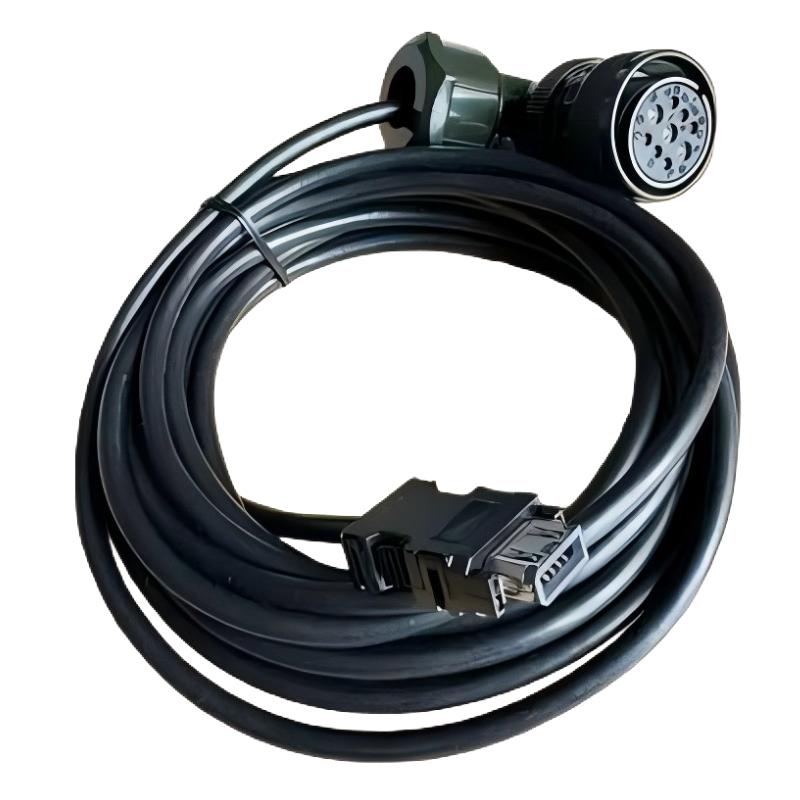
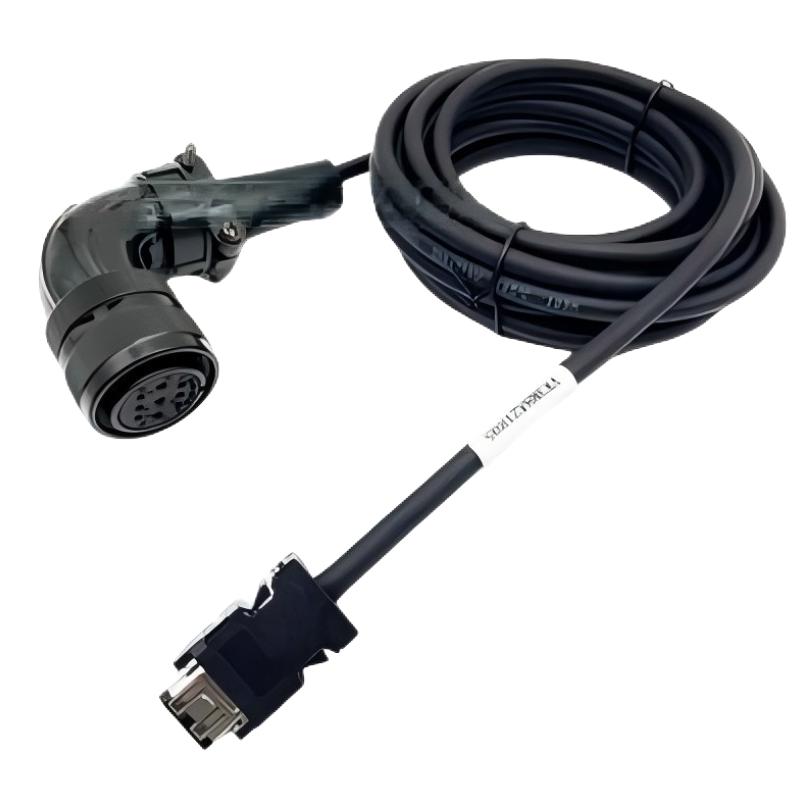
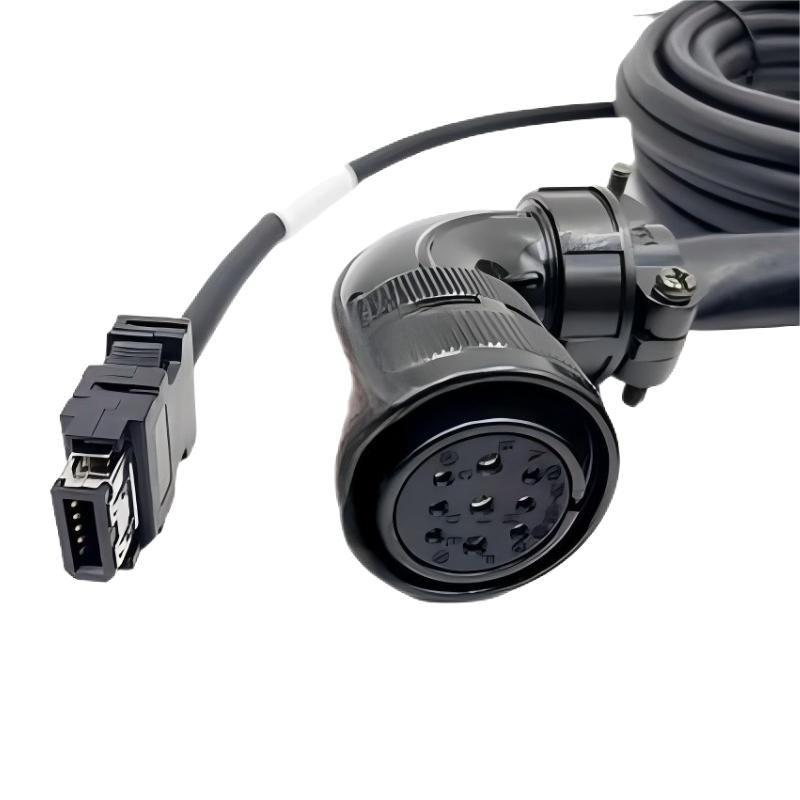
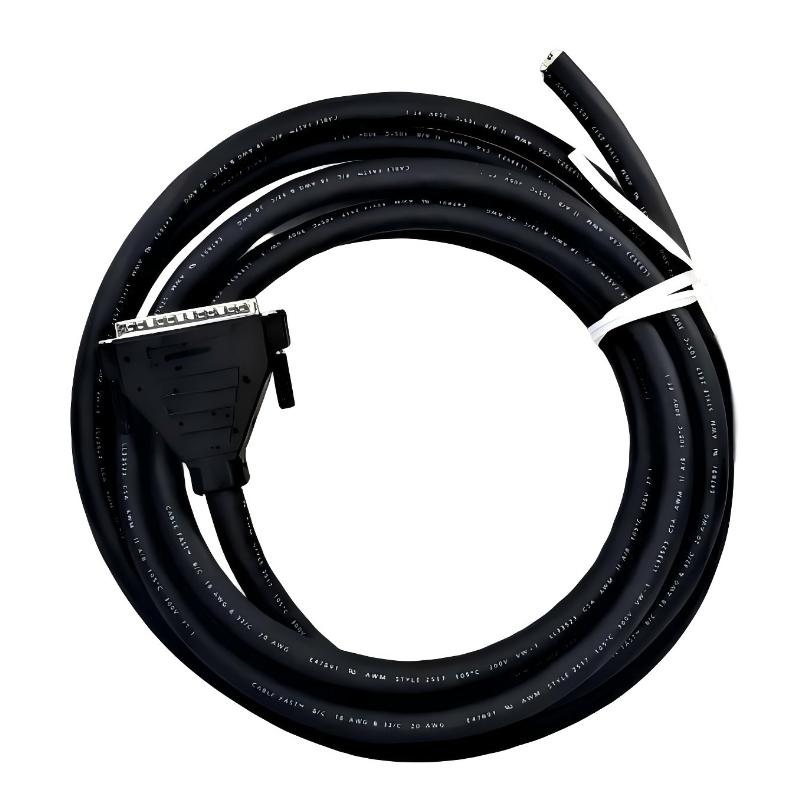
- Schneider
- VW3M8A21R05GJ
- Cable
- France
- 5 meters
- 0.45 kg
- Xiamen, China
- New & In Stock
- T/T, PayPal, Western Union
- 1 Year
- 1-3 Working Days
- DHL, UPS, TNT, FedEx and EMS.
- 24-Hour Service
- COO
- 6
Our advantage

Global Logistics
We have a 10-year logistics and express cooperation agreement, so our products can be shipped to any place in the world.

Brand new and original
Our products are imported in bulk from the place of origin. Because of the cooperative relationship, our products are all original and 100% new.

24-hour service
We provide 7*24 hours service to our customers. We will be there whenever you need us.

Price advantage
All our products are priced very favorably because we have our own warehouse and supply.
| Company Information | |||
| [email protected] | |||
| Mobile | +8615980777398 | ||
| +8615980777398 | |||
| 15980777398 |
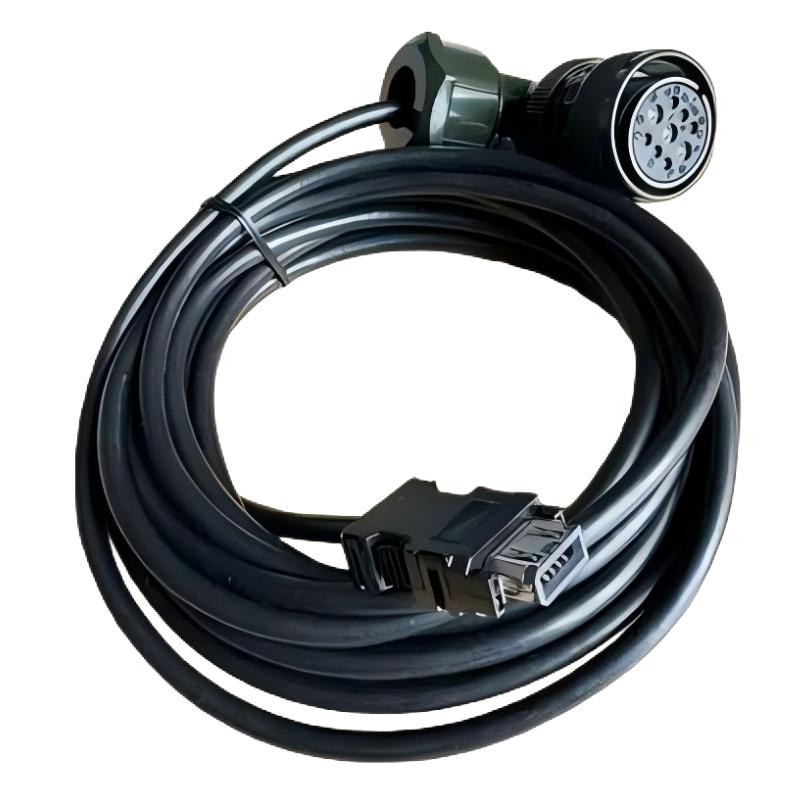
1. Product Overview
The Schneider VW3M8A21R05GJ Cable is an industrial automation cable identified by its Schneider Electric part number. Cables are essential components in industrial control and motion-control systems, providing the electrical connections required between compatible equipment.
In industrial automation applications, correctly selected cables help establish reliable connections between controllers, drives, motors, feedback devices, and other system components. The appropriate cable must match the intended function, connector configuration, electrical characteristics, and installation requirements.
The Schneider VW3M8A21R05GJ has a specified cable length of 5 meters and a weight of 0.45 kg. This length may be suitable for installations where connected devices require additional routing distance, provided the cable is approved for the intended connection and the installation path meets the manufacturer’s requirements.
Before installation or replacement, technicians should verify the exact function of the VW3M8A21R05GJ, its connector arrangement, and its compatibility with the target equipment. The model number alone does not establish its electrical ratings, pin assignments, communication characteristics, or supported device combinations.
2. Technical Specifications
| Parameter | Specification |
|---|---|
| Brand | Schneider Electric |
| Model | VW3M8A21R05GJ |
| Product Type | Industrial Automation Cable |
| Cable Length | 5 meters |
| Weight | 0.45 kg |
| Application | Industrial automation and equipment interconnection, subject to verification |
| Connection Function | Confirm from the product label and technical documentation |
| Connector Configuration | Verify the connector types and pin assignments |
| Electrical Characteristics | Confirm according to the connected equipment requirements |
| Compatible Equipment | Verify against the installed Schneider Electric system |
| Installation Environment | Follow the cable’s specified routing and operating requirements |
The cable length and weight listed above are the supplied product specifications. Other technical details, including conductor arrangement, shielding, connector design, and supported equipment, should be verified against the documentation for the exact model.
3. Function and Working Principle
An industrial automation cable provides an electrical path between designated components in a control or machine system. Depending on its design, a cable may carry power, control signals, feedback information, or communication signals.
The exact function of the VW3M8A21R05GJ must be established before it is connected to a specific device. In a typical automation installation, a cable connects two compatible interfaces and enables the electrical connection required by the system design.
Several factors influence cable performance.
Electrical Compatibility
The cable must match the electrical requirements of the connected devices. Incorrect cable selection or wiring may prevent equipment from operating correctly and may create additional faults.
Signal Integrity
For signal-carrying applications, appropriate cable construction, connector condition, and routing help maintain reliable transmission. Shielding and grounding should be implemented according to the manufacturer’s instructions where applicable.
Mechanical Protection
The cable jacket, connectors, and strain-relief features help protect the connection during normal operation. Excessive bending, pulling, crushing, or abrasion can damage the cable and affect its performance.
Installation Reach
The specified 5-meter length provides a defined connection distance. The actual routing path should be measured before installation to ensure that the cable reaches both endpoints without excessive tension or unsafe routing.
Equipment Integration
The cable must be compatible with the interfaces at both ends. Physical connector fit alone does not prove that the cable is electrically or functionally suitable.
4. Role in Industrial Automation Systems
Cables support communication and electrical interconnection throughout industrial automation systems. Selecting the correct cable helps preserve the intended system architecture and supports reliable equipment operation.
4.1 Equipment Interconnection
Industrial machinery contains multiple electrical and electronic components that must work together. A correctly specified cable provides the physical connection between designated devices and supports the intended electrical arrangement.
4.2 Control Cabinet and Machine Wiring
Cable length influences cabinet layout, machine design, and routing decisions. A 5-meter cable may be appropriate where components are separated by a longer routing path than would be practical with a shorter cable.
4.3 Drive and Motor Integration
Industrial drives and motors require cables matched to their specific connection requirements. Depending on its verified function, the VW3M8A21R05GJ may be used as part of a compatible equipment interconnection arrangement.
4.4 Maintenance and Replacement
When an existing cable is damaged or suspected of causing intermittent faults, selecting the correct replacement helps maintain the original installation. Checking the complete part number, cable length, connector configuration, and intended function reduces the risk of incompatible substitutions.
4.5 Operational Reliability
Loose connectors, damaged insulation, unsuitable routing, and incompatible replacement cables can interrupt equipment operation. Correct cable selection and proper installation help reduce these risks.
5. Industrial Applications
The Schneider VW3M8A21R05GJ may be evaluated for suitable industrial automation applications after its exact function and equipment compatibility have been confirmed.
5.1 Manufacturing Machinery
Automated production lines use cables to connect controllers, motors, drives, sensors, and other devices. Correctly specified cable assemblies help maintain reliable connections and support efficient maintenance.
5.2 Packaging Equipment
Packaging machines often combine motion-control systems, sensors, actuators, and programmable controllers. Suitable cables must match the connected components and withstand the mechanical and environmental conditions of the installation.
5.3 Material Handling Systems
Conveyors, sorting equipment, and automated transfer systems use electrical connections between control devices and machinery. Appropriate cable routing helps protect cables from moving components and mechanical wear.
5.4 Motion-Control Installations
Servo and drive-based systems may require dedicated cables for power, feedback, or control signals. If the VW3M8A21R05GJ is being considered for a motion-control application, its precise function and compatibility must be confirmed first.
5.5 Equipment Repair and Modernization
During equipment repair or system upgrades, existing cables may need replacement because of wear, damage, or changes to the installation. Verifying the complete model number and the connected equipment requirements helps prevent unsuitable substitutions.
These examples describe general industrial environments and do not establish compatibility with every application listed. The cable’s intended use must be confirmed for the specific system.
6. Installation and System Integration
Correct installation helps maintain a reliable electrical connection and protects the cable from avoidable damage. Always follow the manufacturer’s model-specific instructions and the site’s electrical safety procedures.
Step 1: Verify the Model Number
Check the product label and confirm that the complete part number is VW3M8A21R05GJ. Compare it with the original cable, the approved spare-parts list, and the equipment documentation.
Do not choose a replacement based only on similar dimensions or connector appearance.
Step 2: Isolate the Equipment
Place the machine in a safe state and isolate the relevant power sources according to the site’s lockout/tagout procedure. Ensure the connection can be handled safely before disconnecting or installing the cable.
Step 3: Inspect the Cable
Examine the cable jacket, connector housings, contacts, and strain-relief sections for visible damage. Do not install a cable with exposed conductors, crushed sections, damaged connectors, or signs of overheating.
Step 4: Confirm Connector Compatibility
Verify that both cable ends match their designated connection points. Check the connector types and pin assignments against the approved technical documentation.
Never force a connector into place or modify wiring simply to make the cable fit.
Step 5: Plan the Cable Route
The VW3M8A21R05GJ has a specified length of 5 meters. Measure the actual routing path and confirm that the cable can reach both endpoints without being stretched.
Avoid sharp edges, pinch points, hot surfaces, and locations where moving machinery could pull or abrade the cable. Follow the specified bend-radius requirements.
Step 6: Secure the Cable
Use suitable cable supports and strain relief where required. Ensure the cable is not compressed, twisted excessively, or subjected to loads at the connector ends.
For signal-sensitive applications, follow the manufacturer’s recommendations for cable separation, shielding, and grounding.
Step 7: Connect the Cable
Align each connector with its designated port and secure it using the specified locking method. Confirm that the connections are fully engaged and the cable route does not interfere with moving machinery.
Step 8: Restore Power and Test
After completing the installation checks, restore power according to the approved commissioning procedure. Verify the operation of the connected equipment and review any available diagnostic messages.
If a fault appears, follow the approved troubleshooting procedure before returning the equipment to normal operation.
7. Common Problems and Troubleshooting
Cable-related faults may result from incorrect model selection, loose connections, damaged conductors, unsuitable routing, or incompatibility with connected equipment.
| Symptom | Possible Cause | Recommended Action |
|---|---|---|
| Connected equipment does not operate | Incorrect cable, loose connector, or incompatible interface | Verify the model, connector arrangement, and equipment requirements |
| Intermittent operation | Loose connection, conductor damage, or mechanical stress | Inspect the cable and connectors after safely isolating the equipment |
| Signal or communication errors | Incorrect cable function, wiring fault, or electrical interference | Confirm the cable type and review system diagnostics |
| Connector does not fit correctly | Incorrect connector configuration or physical damage | Check the approved specification and inspect the connector |
| Cable does not reach the connection point | Routing path exceeds the available length | Reassess the route and select an approved cable length if necessary |
| Repeated faults after replacement | Problem in connected equipment or system configuration | Inspect related devices and review diagnostic records |
| Visible cable jacket damage | Abrasion, crushing, heat, or excessive bending | Remove the cable from service and replace it with an approved part |
7.1 Inspect the Cable and Connectors
Check for cuts, abrasion, flattening, discoloration, and other signs of deterioration. Inspect connector housings and locking mechanisms for damage or contamination.
7.2 Verify the Cable Specification
Confirm that the cable matches the intended connection in function, connector arrangement, and electrical characteristics. A cable with a similar appearance may have different internal wiring.
7.3 Review Equipment Diagnostics
Use the connected equipment’s diagnostic tools to determine whether the fault originates in the cable, a connected device, or the wider control system. Record error messages before making changes.
7.4 Check Installation Conditions
Review the cable route for excessive bending, mechanical interference, heat exposure, or other conditions that may affect performance. Follow the manufacturer’s recommendations for shielding, grounding, and cable separation where applicable.
7.5 Replace Damaged Cables
If the cable is damaged or fails approved testing, replace it with a verified compatible model. Do not splice or modify the cable unless an approved manufacturer procedure specifically permits the repair.
8. Preventive Maintenance and Reliability
Preventive maintenance helps identify cable problems before they interrupt equipment operation.
- Inspect the cable jacket: Look for cuts, abrasion, crushing, heat damage, and other visible defects.
- Check connector security: Confirm that connectors remain properly engaged and locking features are intact.
- Maintain proper routing: Keep the cable away from sharp edges, moving machinery, and unsuitable heat sources.
- Avoid excessive tension: Ensure the cable is not stretched between connection points.
- Observe bending requirements: Follow the specified bend radius and any limitations on repeated movement.
- Monitor recurring faults: Investigate repeated connection or signal alarms instead of repeatedly resetting them.
- Use approved replacement parts: Confirm the full part number and compatibility before procurement or installation.
- Document maintenance: Record replacement dates, model numbers, fault symptoms, and test results.
The appropriate maintenance interval depends on the installation environment, cable movement, system criticality, and site maintenance policy.
9. Compatible System Components
The exact compatible equipment for the VW3M8A21R05GJ should be confirmed using the applicable Schneider Electric documentation. The following component categories identify the main areas to verify during integration.
| Component Category | Compatibility Considerations |
|---|---|
| Controller or automation unit | Confirm the intended connection and supported interface |
| Servo drive or motor drive | Verify the cable’s function and electrical requirements |
| Motor or feedback device | Confirm the designated cable application, if applicable |
| Connection interface | Check connector type, pin assignments, and locking arrangement |
| Power supply | Verify electrical requirements if the cable is intended for a power connection |
| Cable routing accessories | Ensure appropriate support, protection, and strain relief |
| Replacement cable | Match the complete part number, length, connector configuration, and function |
This table is a verification checklist, not a confirmed list of supported devices. Confirm the intended connection before installing the cable.
10. Replacement and Alternative Selection
When replacing the Schneider VW3M8A21R05GJ, engineers should prioritize functional compatibility and electrical suitability rather than relying only on cable length or connector appearance.
| Selection Factor | What to Verify |
|---|---|
| Model number | Confirm VW3M8A21R05GJ |
| Cable function | Identify whether it is intended for power, feedback, control, or another connection |
| Cable length | Confirm the specified 5-meter length meets routing requirements |
| Weight | Use the supplied weight of 0.45 kg for product identification |
| Connector configuration | Verify connector types, pin assignments, and locking features |
| Electrical characteristics | Match the requirements of the connected equipment |
| Shielding and grounding | Follow the applicable installation specifications |
| Mechanical suitability | Check bend radius, flexibility, strain relief, and environmental conditions |
| Product condition | Inspect the cable and connectors for damage or contamination |
| Commissioning requirements | Determine whether functional checks or additional testing are required |
A cable with a similar model number or the same length is not automatically an equivalent replacement. Any alternative should be confirmed against the complete equipment configuration and the original cable’s technical requirements.
11. Key Benefits of Correct Cable Selection
Selecting the correct industrial automation cable supports equipment reliability and simplifies installation and maintenance.
Reliable connections: A cable matched to the intended interface helps maintain the electrical connection required by the system.
Flexible equipment layout: The specified 5-meter length provides routing reach for installations where a longer connection is required.
Reduced mechanical stress: Correct routing and strain relief help protect the cable from pulling, bending, crushing, and abrasion.
Simplified maintenance: Accurate model identification helps technicians source the correct replacement and maintain consistent spare-parts records.
More efficient troubleshooting: Verified cable specifications make it easier to distinguish cable-related faults from problems in connected equipment.
Support for system consistency: Using an approved cable helps preserve the intended equipment configuration when compatibility is confirmed.
These benefits depend on correct product identification, suitable installation, and compliance with the connected equipment’s requirements.
12. Technical FAQs
Q1: What is the Schneider VW3M8A21R05GJ?
The Schneider VW3M8A21R05GJ is identified by the supplied product information as an industrial automation cable. Its exact connection function and compatible equipment should be confirmed using the product label and model-specific technical documentation.
Q2: What is the cable length of the VW3M8A21R05GJ?
The specified cable length is 5 meters.
Q3: How much does the VW3M8A21R05GJ weigh?
The supplied product weight is 0.45 kg.
Q4: Is the VW3M8A21R05GJ a servo motor encoder cable?
The precise function should not be inferred from the model number alone. Confirm the product description and intended connection from the label or model-specific documentation before using it for encoder feedback.
Q5: Can the VW3M8A21R05GJ be used with any Schneider Electric drive?
No. Compatibility depends on the cable’s intended function, connector configuration, electrical characteristics, and the requirements of the connected drive and other equipment.
Q6: What should be checked before replacing the cable?
Verify the full part number, intended function, cable length, connector arrangement, electrical characteristics, and compatibility with the connected devices. Inspect the existing cable and record relevant diagnostic information before replacement.
Q7: What causes intermittent cable faults?
Potential causes include loose connectors, damaged conductors, mechanical stress, unsuitable routing, electrical interference, or incompatible cable selection. Inspect the installation safely and review the connected equipment’s diagnostics.
Q8: Can a longer cable replace the 5-meter VW3M8A21R05GJ?
A longer cable should be used only if it is an approved compatible option. Cable length may affect routing, electrical performance, and installation requirements, depending on the cable’s function.
Q9: Can a damaged cable be repaired?
Repair should be performed only when an approved procedure specifically permits it. Otherwise, replacing the cable with a verified compatible part is generally the appropriate maintenance approach.
Q10: How can the cable’s service life be improved?
Use suitable routing and strain relief, avoid excessive bending and tension, protect the cable from abrasion and heat, and inspect the cable and connectors periodically.
13. Conclusion
The Schneider VW3M8A21R05GJ Cable has a specified length of 5 meters and a weight of 0.45 kg. It is an industrial automation cable intended for use in a compatible equipment configuration, with its precise connection function requiring confirmation before installation.
For dependable operation, engineers should verify the cable’s intended application, connector arrangement, electrical characteristics, and compatibility with the connected devices. Correct routing, secure connections, regular inspection, and systematic troubleshooting help reduce avoidable cable faults and support reliable industrial automation performance.