

ProductPRODUCT
Featured products
Contact Us
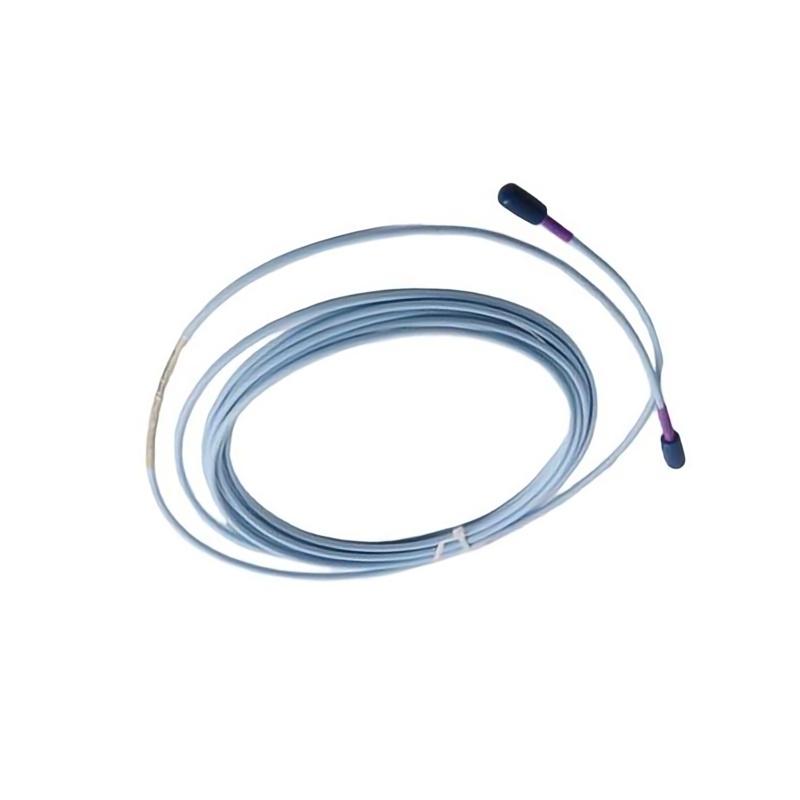
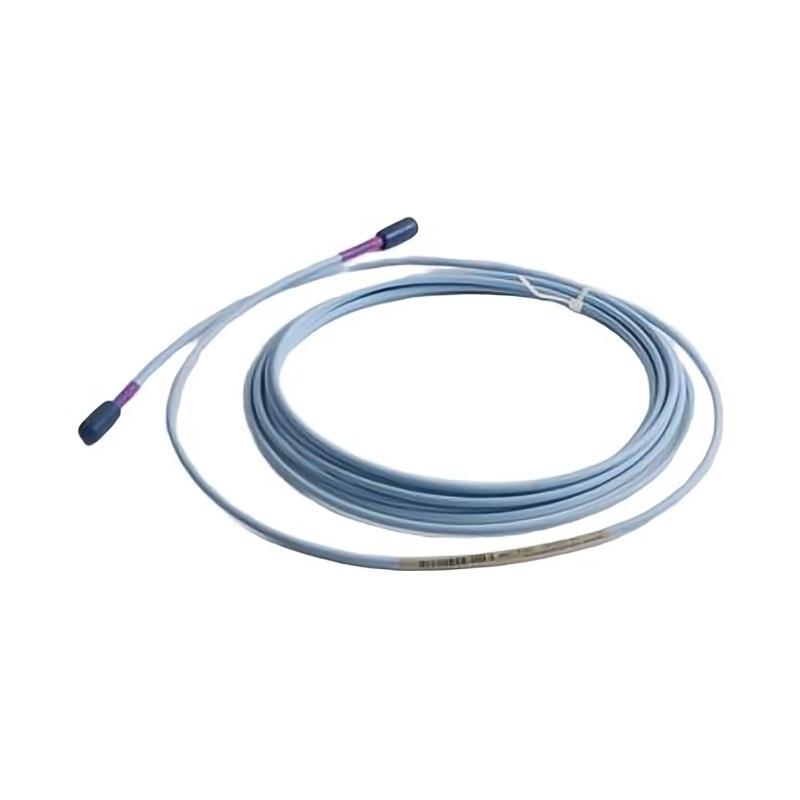
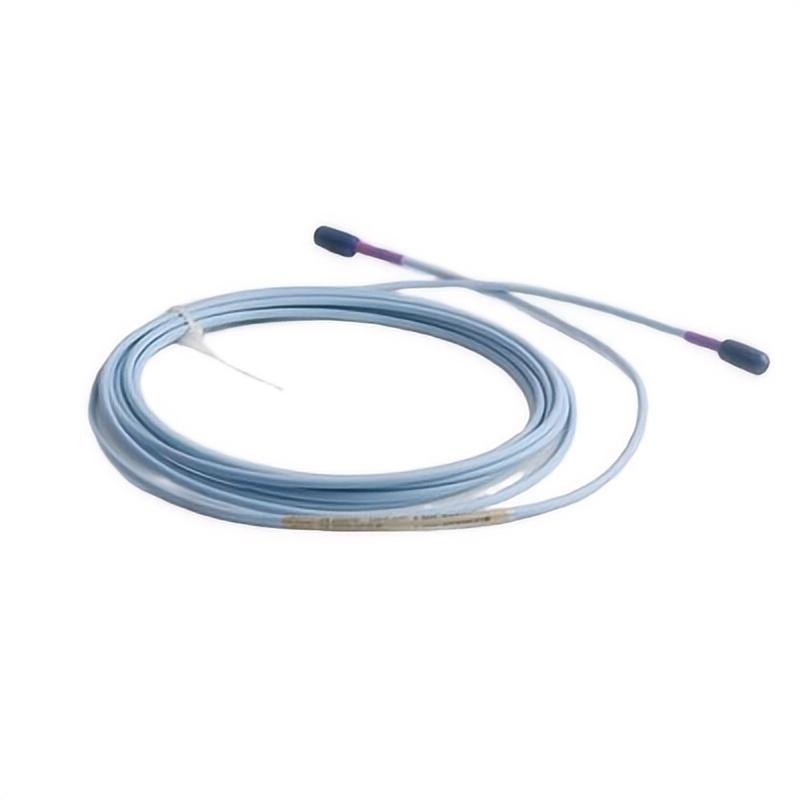
- Bently Nevada
- 330730-040-03-05
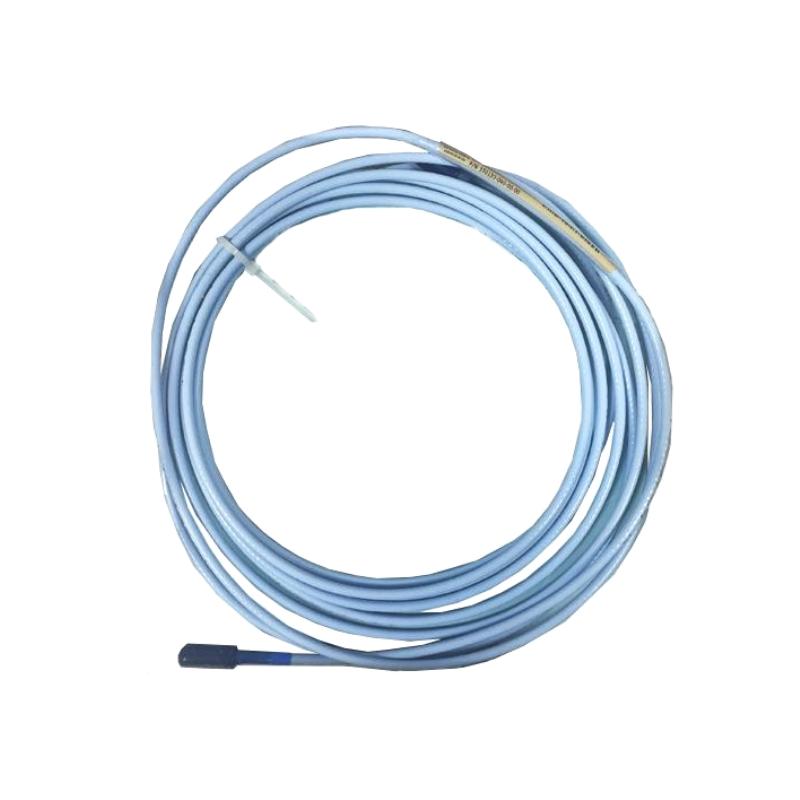
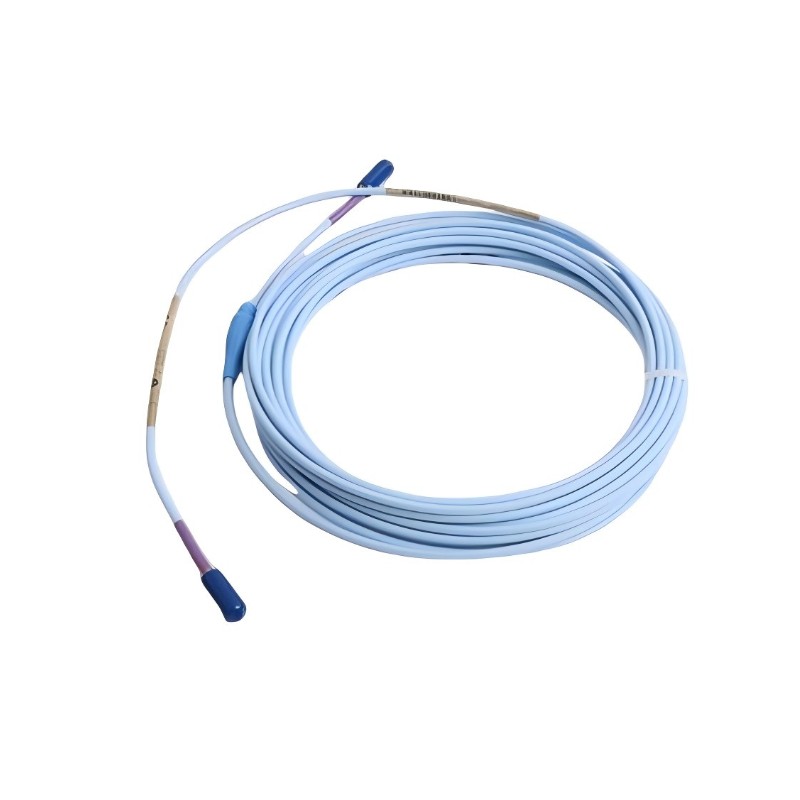
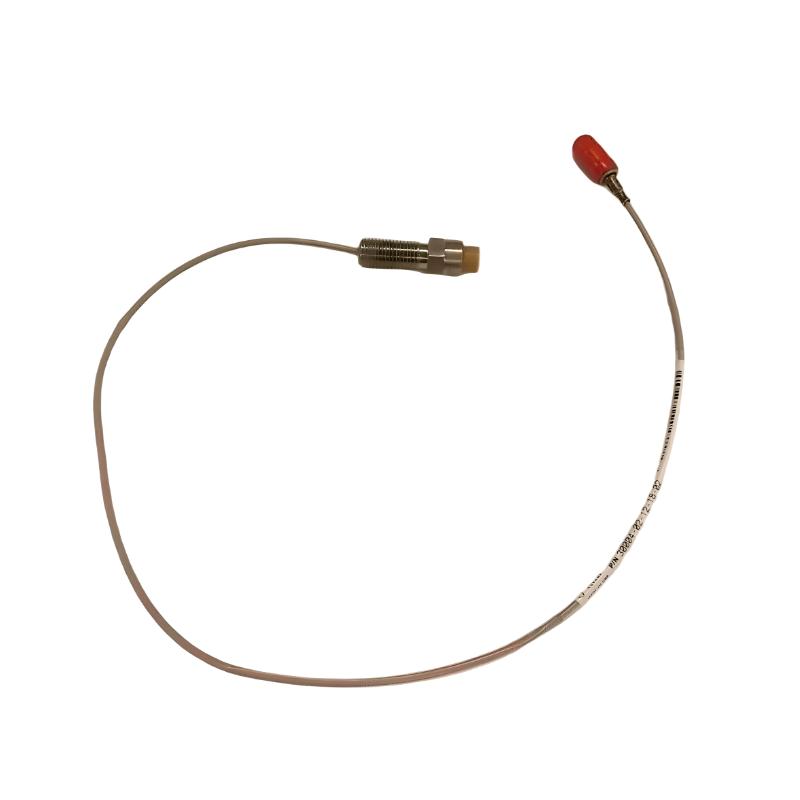
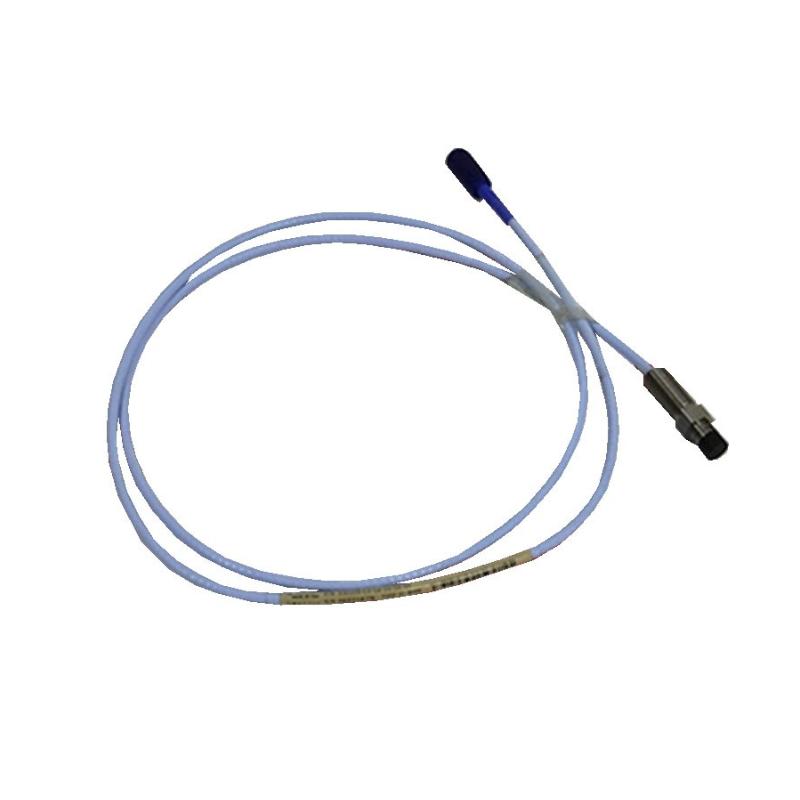
- 3300 XL 11mm Extension Cable
- USA
- 4.0 m
- 1kg
- Xiamen, China
- New & In Stock
- T/T, PayPal, Western Union
- 1 Year
- 1-3 Working Days
- DHL, UPS, TNT, FedEx and EMS.
- 24-Hour Service
- COO
- 3
Our advantage

Global Logistics
We have a 10-year logistics and express cooperation agreement, so our products can be shipped to any place in the world.

Brand new and original
Our products are imported in bulk from the place of origin. Because of the cooperative relationship, our products are all original and 100% new.

24-hour service
We provide 7*24 hours service to our customers. We will be there whenever you need us.

Price advantage
All our products are priced very favorably because we have our own warehouse and supply.
| Company Information | |||
| [email protected] | |||
| Mobile | +8615980777398 | ||
| +8615980777398 | |||
| 15980777398 |
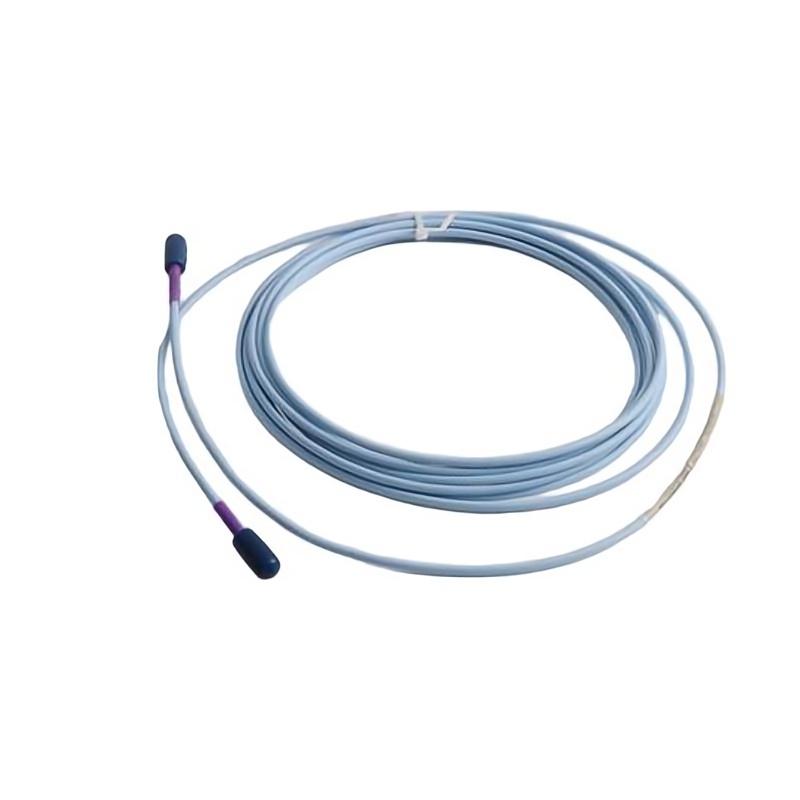
Bently Nevada 330730-040-03-05 — Product Specifications, Description, Applications, Advantages, and Related Models
1. Product Overview
The Bently Nevada 330730-040-03-05 is a model designation associated with the 3300 XL proximity measurement product family. The 3300 XL family is used in industrial machinery monitoring systems to measure shaft vibration and relative displacement when the appropriate probe, extension cable, sensor interface, and monitoring equipment are installed together.
The product designation appears to identify an extension-cable configuration. However, the exact interpretation of every ordering-code segment should be confirmed before purchase, particularly the connector configuration and the meaning of the final suffix.
An extension cable is an important part of a proximity measurement system. It provides the electrical connection between compatible components, allowing the measurement signal to travel from the probe to the associated sensor electronics. The cable itself does not independently measure vibration; its performance depends on correct system matching, sound connectors, and proper installation.
For maintenance and purchasing purposes, the complete part number should be checked against the installed equipment and its spare-parts documentation. This is especially important when several cable configurations look similar but differ in length, connector options, or other electrical and mechanical characteristics.
2. Technical Specifications
The table below summarizes the product’s identification and the parameters that should be considered when selecting or replacing it. Values that cannot be established confidently from the supplied designation are marked accordingly rather than presented as confirmed specifications.
| Parameter | Specification |
|---|---|
| Brand | Bently Nevada |
| Model number | 330730-040-03-05 |
| Product series | 3300 XL |
| Product category | Proximity measurement extension cable |
| Main function | Electrical signal connection between compatible proximity-system components |
| Typical measurement system | Eddy-current proximity measurement system |
| Primary use | Shaft vibration and relative displacement monitoring |
| Application environment | Industrial rotating machinery |
| Cable length | Must be confirmed against the complete ordering code |
| Cable construction | Exact construction to be confirmed for this configuration |
| Connector configuration | Must be verified against the specified model |
| Electrical characteristics | Must match the compatible probe and sensor system |
| Cable outer diameter | Not confirmed for this exact designation |
| Overall dimensions | Flexible cable; length, diameter, and connector dimensions require confirmation |
| Product weight | Not confirmed for this exact designation |
| Weight unit | kg |
| Operating temperature range | Confirm the applicable specification for this cable configuration |
| Mounting method | Routed and secured as part of the machinery monitoring installation |
| Compatible equipment | Specified compatible probes, sensor interfaces, and monitoring equipment |
| Typical installation | Turbines, compressors, pumps, motors, and other monitored rotating machinery |
| Maintenance requirements | Connector inspection, cable-condition checks, routing inspection, and signal verification |
| Replacement criteria | Correct model code, length, connector configuration, and electrical compatibility |
Dimensions and weight: The exact physical dimensions and net weight of model 330730-040-03-05 have not been confirmed here. Because this is a flexible cable-type product, its dimensions should normally include cable length, cable outer diameter, and connector dimensions. Its shipping-package dimensions should be recorded separately from its physical dimensions.
A precise weight in kilograms should likewise be taken from the specification or packing information for the exact part number. Substituting a figure from a similar cable could result in inaccurate inventory, freight, or installation records.
3. Product Description
3.1 General description
The 3300 XL proximity measurement family is designed for industrial applications where machinery movement must be monitored continuously or at regular intervals. The associated probe detects changes in the distance between its sensing tip and a suitable conductive target, such as a rotating shaft.
The extension cable forms the electrical connection between the probe and the compatible sensor electronics. The electronics process the probe signal so that a monitoring instrument can display, record, or evaluate the measurement.
This arrangement is widely used in machinery condition-monitoring systems because it allows the monitoring electronics to be installed separately from the measurement point, subject to the system’s installation requirements.
3.2 Role in the measurement system
The extension cable is not simply a general-purpose electrical wire. In a proximity measurement system, the cable must have suitable electrical characteristics and the correct connector arrangement.
Cable length and system configuration are particularly important because the probe, extension cable, and sensor electronics are designed to operate together. Using an incompatible cable may affect the signal response or prevent the system from operating according to its intended specifications.
For this reason, a replacement cable should be selected by complete model number rather than by appearance alone.
3.3 Industrial construction and installation
The appropriate cable configuration must suit the installation environment. Depending on the specific version, selection considerations may include mechanical protection, cable flexibility, connector protection, temperature exposure, and routing restrictions.
In industrial machinery installations, cables can be exposed to vibration, heat, oil, moisture, abrasion, and limited installation space. Correct routing and securing help reduce the risk of damage and intermittent electrical connections.
The exact construction of model 330730-040-03-05 should be confirmed before making claims about its armor, jacket material, connector plating, or environmental ratings.
3.4 Role in equipment reliability
The reliability of a machinery monitoring channel depends on the entire measurement chain. Even when the probe and monitoring instrument are functioning correctly, a damaged cable or loose connector can cause unstable readings or signal interruptions.
Using the correct extension cable helps maintain the intended connection between system components. Routine inspection and accurate spare-parts records also make troubleshooting and replacement work more straightforward.
4. Product Applications
4.1 Steam turbines
Steam turbines are critical rotating machines in power generation and industrial process facilities. Proximity measurement systems may be used to monitor shaft vibration and relative shaft position.
The extension cable connects compatible measurement components so that shaft movement can be observed by the monitoring system. Changes in vibration trends may help engineers identify conditions requiring further investigation.
4.2 Gas turbines
Gas turbines operate under demanding mechanical and thermal conditions. Their monitoring systems may use proximity probes to measure shaft movement at designated locations.
A correctly selected extension cable supports the electrical signal path between the probe and sensor electronics. Cable routing and environmental suitability should be considered carefully in installations with elevated temperatures or significant mechanical vibration.
4.3 Centrifugal compressors
Centrifugal compressors are commonly used in oil and gas processing, chemical production, and other industrial applications. Continuous monitoring can help maintenance personnel assess changes in rotor behavior.
The extension cable contributes to the integrity of the proximity measurement channel. Proper installation helps reduce the likelihood of cable damage, connector problems, and avoidable signal interruptions.
4.4 Industrial pumps
Large pumps used in continuous-process facilities may require vibration and shaft-displacement monitoring. These measurements can support maintenance investigations involving abnormal shaft movement, bearing-related problems, imbalance, or alignment issues.
A compatible extension cable allows the probe signal to reach the monitoring electronics. The cable should be installed away from sharp edges, hot surfaces, moving components, and other potential sources of damage.
4.5 Electric motors
Large industrial motors may be monitored as part of a wider machinery protection or condition-monitoring system. Depending on the machine design, proximity measurement may be used to observe shaft movement.
The extension cable helps connect the installed probe to the associated sensor electronics. The exact application and system compatibility depend on the motor’s monitoring arrangement.
4.6 Industrial rotating equipment
The same general principles apply to other rotating machines where proximity measurement is specified. Examples include selected drive trains, process machinery, and critical auxiliary equipment.
In each case, the cable must match the intended measurement system and environmental requirements. It should not be treated as a universal replacement for all proximity-system cables.
5. Product Advantages
5.1 Supports reliable signal transmission
A correctly specified extension cable provides the intended electrical path between compatible proximity-system components. Good connector engagement and suitable cable routing help maintain stable signal transmission.
5.2 Integrates with a dedicated measurement family
The 3300 XL product family is designed for industrial proximity measurement applications. Using a correctly matched extension cable supports integration with the corresponding probe and sensor configuration.
5.3 Supports continuous condition monitoring
When incorporated into a functioning measurement system, the extension cable helps maintain the connection required for continuous monitoring. This enables the associated instrument to receive the measurement signal for display, recording, and evaluation.
5.4 Simplifies replacement planning
Maintaining the complete part number and installation details helps maintenance teams identify the appropriate replacement cable. This is particularly useful at sites with many similar machines and monitoring channels.
5.5 Helps reduce installation errors
Confirming cable length, connector arrangement, and electrical compatibility before installation can reduce the risk of selecting an unsuitable component.
This approach is more reliable than choosing a cable based only on physical appearance or a partially matching model number.
5.6 Supports organized spare-parts management
Recording the model number, installed length, equipment location, and replacement history helps purchasing and maintenance teams manage inventory more accurately.
Where net weight and shipping weight are required for logistics, these values should be recorded from the exact product documentation rather than estimated from another configuration.
5.7 Contributes to overall monitoring-system reliability
The extension cable is one element of the measurement chain. A compatible cable, correctly installed probe, suitable sensor electronics, and properly configured monitoring instrument work together to provide usable measurement data.
Maintaining the cable and connectors is therefore part of maintaining the monitoring system as a whole.
6. Installation and Maintenance Recommendations
Before installation, confirm the complete model number and compare it with the existing cable. Verify the required length, connector type, compatible equipment, and any relevant environmental restrictions.
During installation, avoid excessive bending, pulling, crushing, or twisting. Route the cable away from hot surfaces, moving components, sharp edges, and sources of mechanical damage. Secure it appropriately without introducing unnecessary tension.
Before connecting the cable, inspect the connectors for visible damage and contamination. Make sure the connectors are properly engaged according to the equipment instructions.
After replacement, verify that the monitoring channel operates normally. If readings are unstable or the signal is missing, inspect the full signal path, including the probe, extension cable, sensor electronics, and monitoring configuration.
For critical machinery, replacement work should follow the site’s maintenance procedures and the applicable equipment documentation.
7. Five Related Models and Configurations
The following table lists candidate models and related components for comparison. They are not all direct replacements for 330730-040-03-05. Exact compatibility must be established before ordering.
| Model | Product type | Main parameters | Dimensions | Weight (kg) |
|---|---|---|---|---|
| 330730-040-00-00 | 3300 XL extension cable | Related cable designation; verify cable length, connector arrangement, and electrical compatibility | Flexible cable; exact length, diameter, and connector dimensions unconfirmed | Not confirmed |
| 330730-040-03-00 | 3300 XL extension cable | Related cable configuration; confirm the meaning of each ordering-code segment | Flexible cable; exact dimensions unconfirmed | Not confirmed |
| 330730-080-03-00 | 3300 XL extension cable | Related designation for comparison; verify required cable length and configuration | Flexible cable; exact dimensions unconfirmed | Not confirmed |
| 330130-040-00-00 | Related proximity-system component candidate | Verify the exact product type, probe or cable configuration, and compatibility before purchase | Depends on the confirmed component configuration | Not confirmed |
| 330180-50-00 | Related proximity-system component candidate | Verify component function and compatibility with the installed measurement system | Depends on the confirmed component configuration | Not confirmed |
Notes on related-model selection
The first three models are cable-related comparison candidates. The model numbers alone are not sufficient to establish that they have the same cable construction, connector options, or compatibility as 330730-040-03-05.
The last two entries are included as related-system candidates rather than confirmed direct replacement cables. Their exact component type and full ordering code should be checked against the equipment documentation.
For all five models, exact physical dimensions and net weight remain unconfirmed. These values should be obtained from the applicable product specification or verified product record before being entered into a formal quotation.
8. Five Additional Models from the Same Brand
The following models represent additional proximity measurement and machinery monitoring equipment associated with the same brand. They cover different functions, so they should be treated as related products rather than interchangeable alternatives to the extension cable.
| Model | Product category | Main parameters | Dimensions | Weight (kg) |
|---|---|---|---|---|
| 330103-00-07-10-02-CN | Proximity probe candidate | Probe-related model designation; verify probe diameter, length, mounting details, and compatible system | Depends on the exact probe configuration | Not confirmed |
| 330106-05-30-10-02-CN | Proximity probe candidate | Probe-related model designation; confirm mounting arrangement and full ordering-code details | Depends on the exact probe configuration | Not confirmed |
| 3300/20-XX-XX | Incomplete monitoring-system designation | Placeholder only, not a complete orderable part number; exact model is required | Depends on the actual instrument | Not confirmed |
| 3300 XL 11 mm proximity probe system | Proximity measurement system | Uses compatible probe, extension cable, and sensor electronics to measure shaft displacement | Depends on the selected components | Not confirmed |
| 3300 XL proximity sensor system | Sensor and signal-conditioning equipment | Interfaces with compatible probes and supplies the measurement signal to the monitoring system | Depends on the exact sensor model | Not confirmed |
The model containing XX is an incomplete designation and must not be used as a purchasing part number. Likewise, the two probe-related model codes should be checked against the exact component specifications before procurement.
The 3300 XL 11 mm system and the proximity sensor system describe product categories rather than complete individual order codes. Their physical dimensions and weights depend on the actual components selected.
9. Comparison of the Main Component Types
Understanding the difference between an extension cable, a proximity probe, and a sensor helps prevent ordering mistakes.
| Component | Main function | Typical installation position | Key parameters to verify | Dimensions | Weight (kg) |
|---|---|---|---|---|---|
| 3300 XL extension cable | Carries the signal between compatible system components | Between the probe and sensor interface | Length, connector type, cable construction, electrical compatibility | Cable length, outer diameter, connector dimensions | Not confirmed |
| 3300 XL proximity probe | Detects changes in the distance to a suitable conductive target | Near the monitored shaft or target | Probe diameter, probe length, mounting thread, tip design, compatibility | Depends on probe configuration | Not confirmed |
| 3300 XL proximity sensor | Interfaces with the probe and conditions its measurement signal | Installed according to the system design | Compatible probe, system configuration, electrical characteristics | Depends on sensor model | Not confirmed |
| Machinery monitoring instrument | Processes, displays, or records measurement signals | Control cabinet or designated instrument location | Model, channel count, input configuration, monitoring functions | Depends on instrument model | Not confirmed |
These components perform different functions within a monitoring system. A probe cannot normally replace an extension cable, and a sensor cannot be substituted for either component without changing the system configuration.
10. Technical Details to Confirm Before Purchase
To select the correct version of 330730-040-03-05, the following information should be checked:
– Full ordering code: Verify every digit and suffix against the product label or original parts list.
– Cable length: Confirm the length required for the existing installation.
– Connector arrangement: Verify the connector type and the configuration at each end.
– Electrical compatibility: Confirm that the cable is intended for the specified probe and sensor electronics.
– Cable construction: Check the required protection and suitability for the installation environment.
– Physical dimensions: Confirm the cable diameter and connector dimensions where space or routing is restricted.
– Net weight: Obtain the actual cable weight in kilograms for inventory and shipping calculations.
– Package dimensions and gross weight: Record these separately if required for freight or warehouse management.
– Operating conditions: Confirm the specified temperature range and any relevant environmental limitations.
– Replacement compatibility: Compare the proposed part with the original installed component rather than relying solely on a similar-looking designation.
11. Final Summary
The Bently Nevada 330730-040-03-05 is a designation associated with the 3300 XL proximity measurement product family, and it appears to refer to an extension-cable configuration. Its expected role is to provide the electrical connection required between compatible proximity-system components.
The product is relevant to machinery monitoring applications involving turbines, compressors, pumps, motors, and other rotating equipment. Its main practical benefits are supporting signal continuity, facilitating maintenance, and helping preserve the intended configuration of the monitoring system.
The most important purchasing considerations are the complete ordering code, cable length, connector arrangement, electrical compatibility, construction, and installation requirements. Exact dimensions and weight in kilograms have not been confirmed for this specific designation, so they should not be represented as verified figures.
For a formal quotation, spare-parts list, or technical specification sheet, confirm the exact model code first. This will allow the physical dimensions, net weight, connector details, and compatible replacement models to be recorded accurately.