

ProductPRODUCT
Featured products
Contact Us
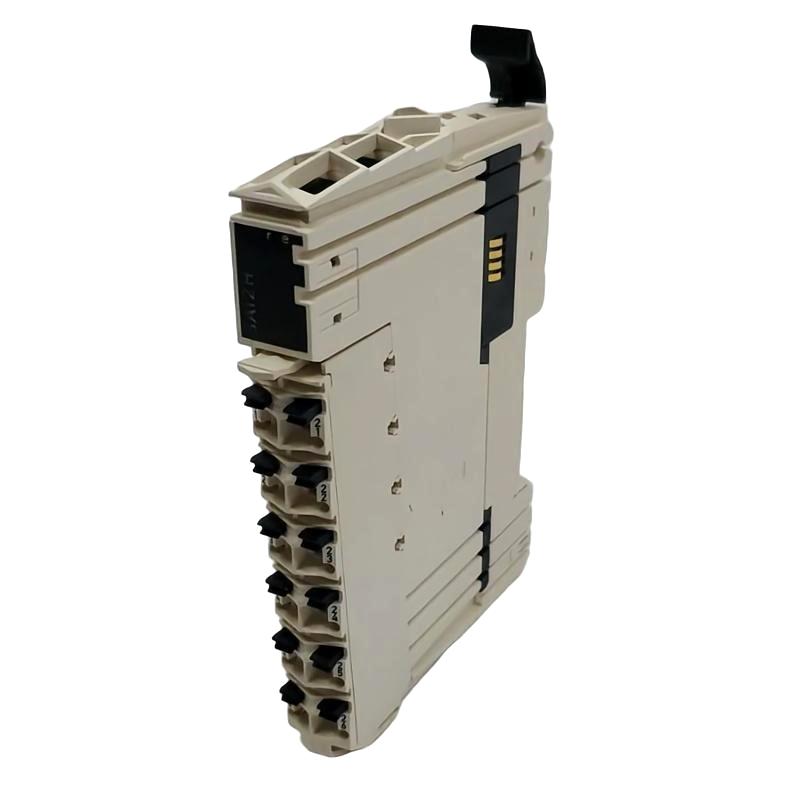
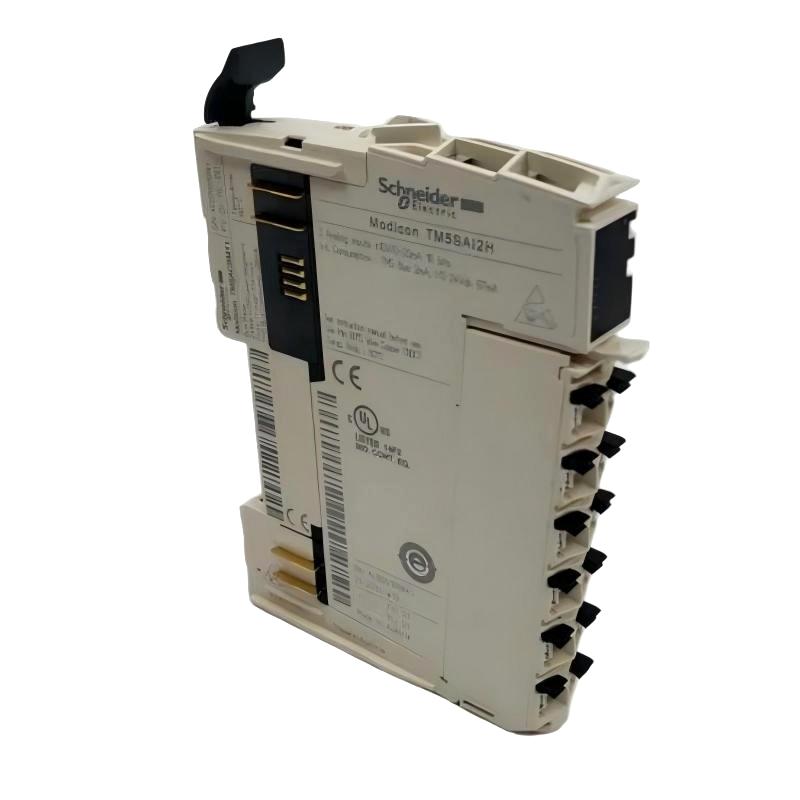
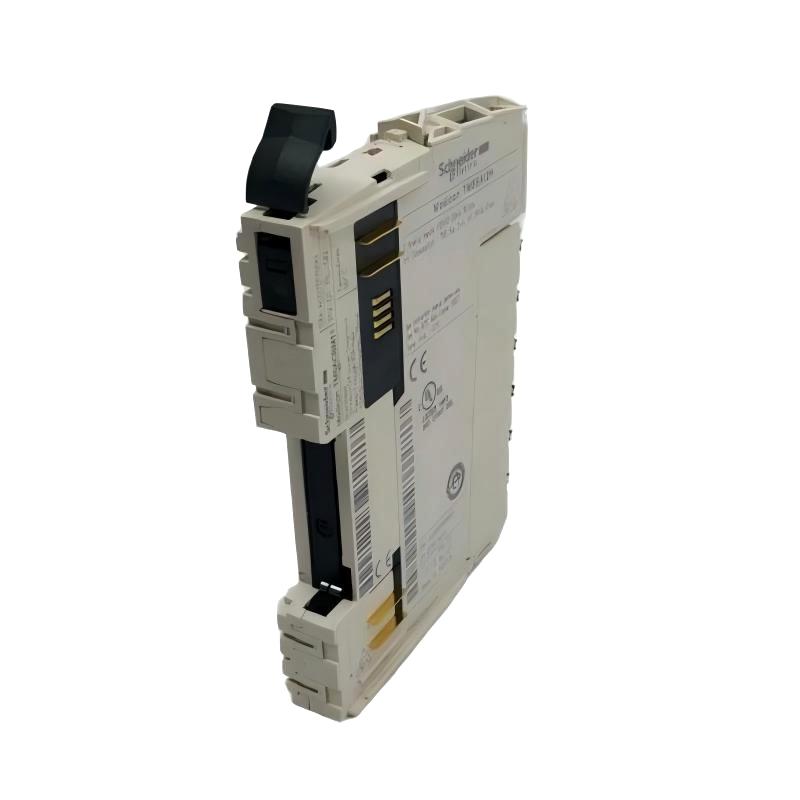
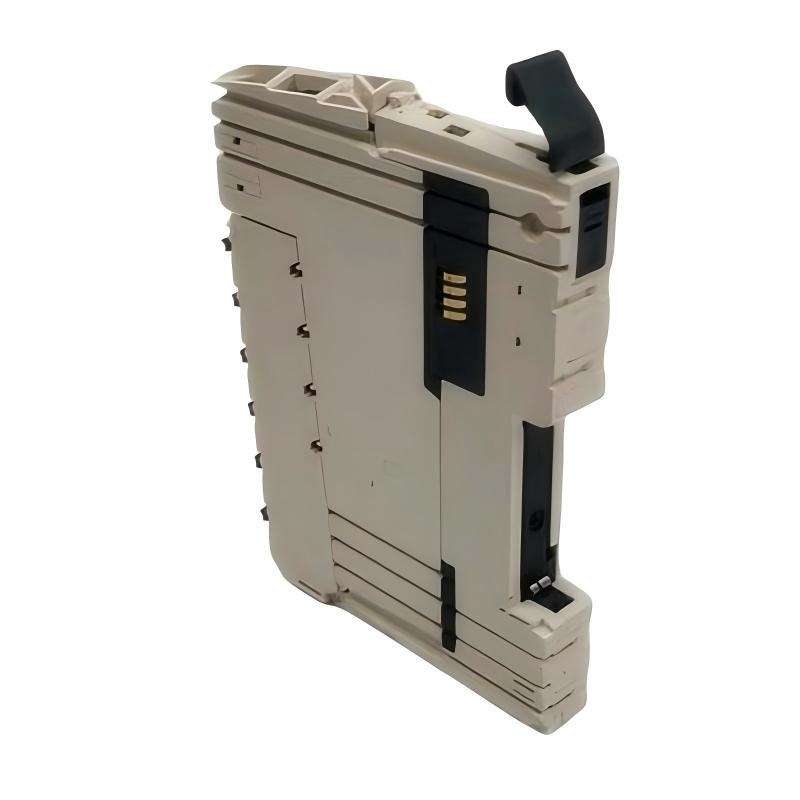
- Schneider
- TM5SAI2H
- Analog Input Module
- France
- 99 × 12.5 × 75 mm
- 0.025 kg
- Xiamen, China
- New & In Stock
- T/T, PayPal, Western Union
- 1 Year
- 1-3 Working Days
- DHL, UPS, TNT, FedEx and EMS.
- 24-Hour Service
- COO
- 4
Our advantage

Global Logistics
We have a 10-year logistics and express cooperation agreement, so our products can be shipped to any place in the world.

Brand new and original
Our products are imported in bulk from the place of origin. Because of the cooperative relationship, our products are all original and 100% new.

24-hour service
We provide 7*24 hours service to our customers. We will be there whenever you need us.

Price advantage
All our products are priced very favorably because we have our own warehouse and supply.
| Company Information | |||
| [email protected] | |||
| Mobile | +8615980777398 | ||
| +8615980777398 | |||
| 15980777398 |
Product Overview
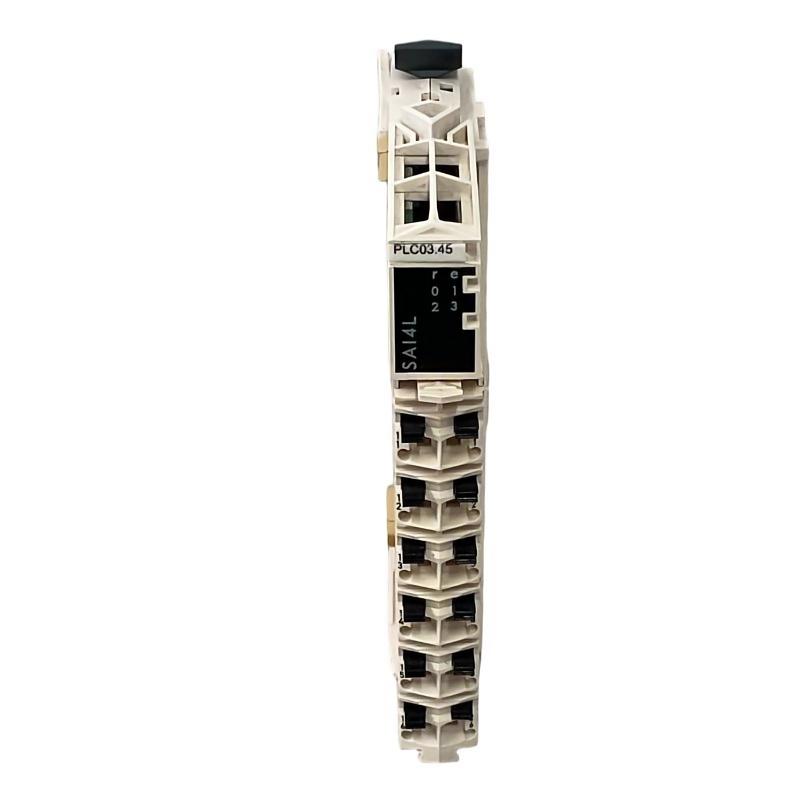
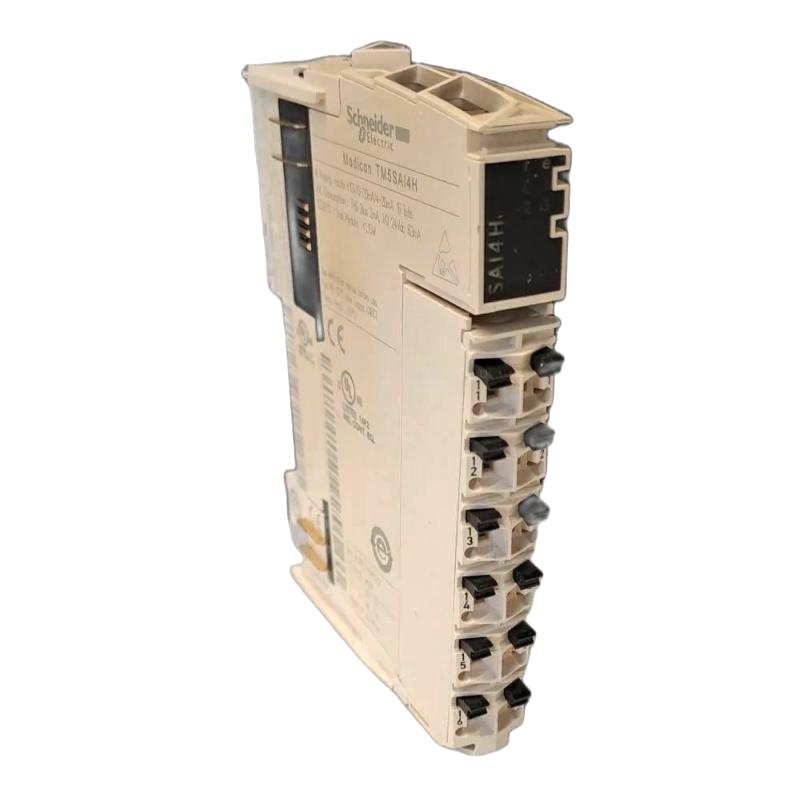
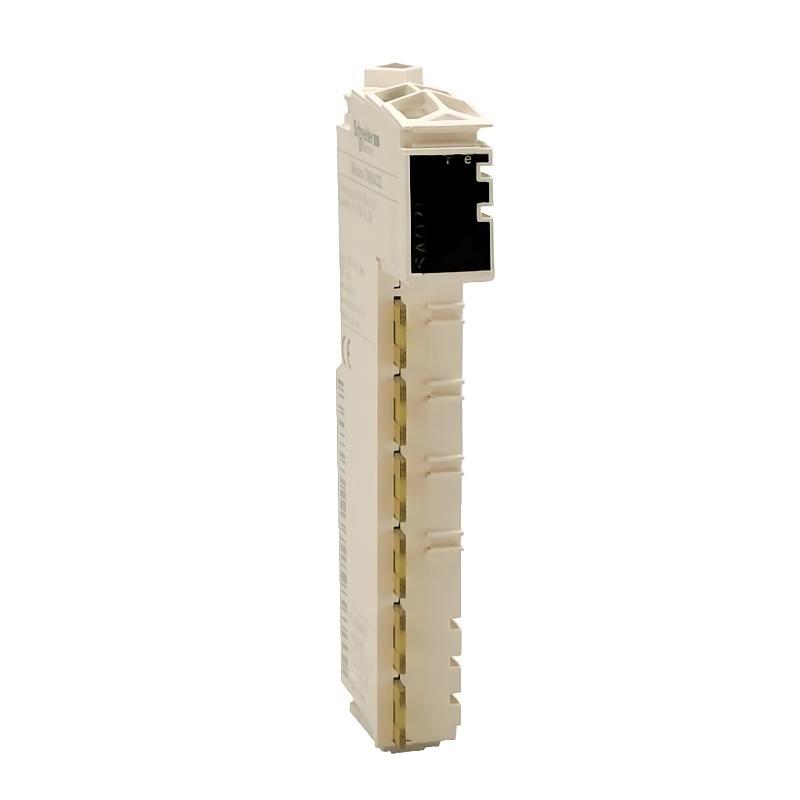
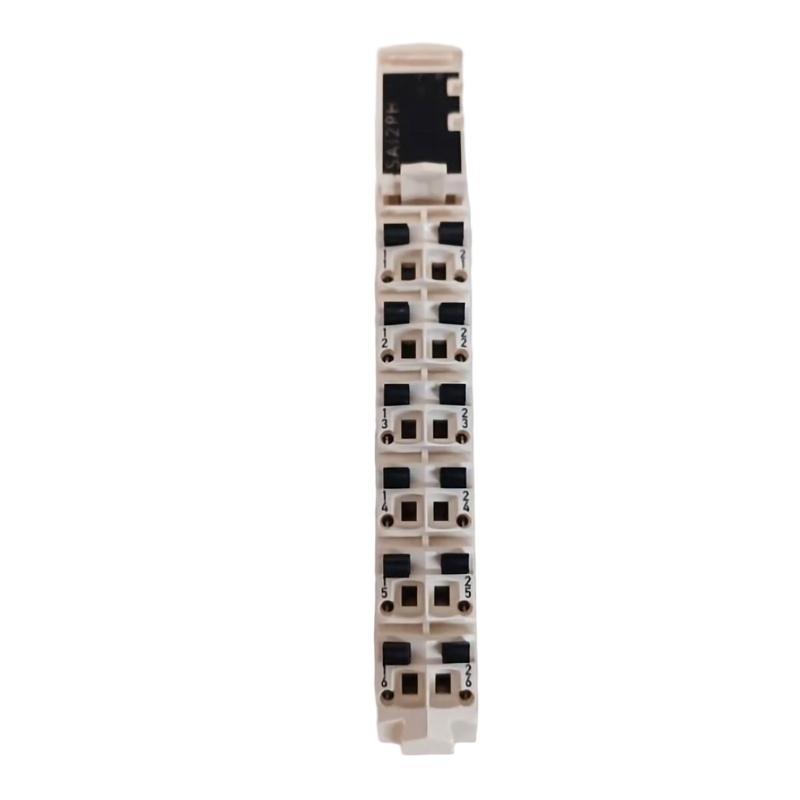
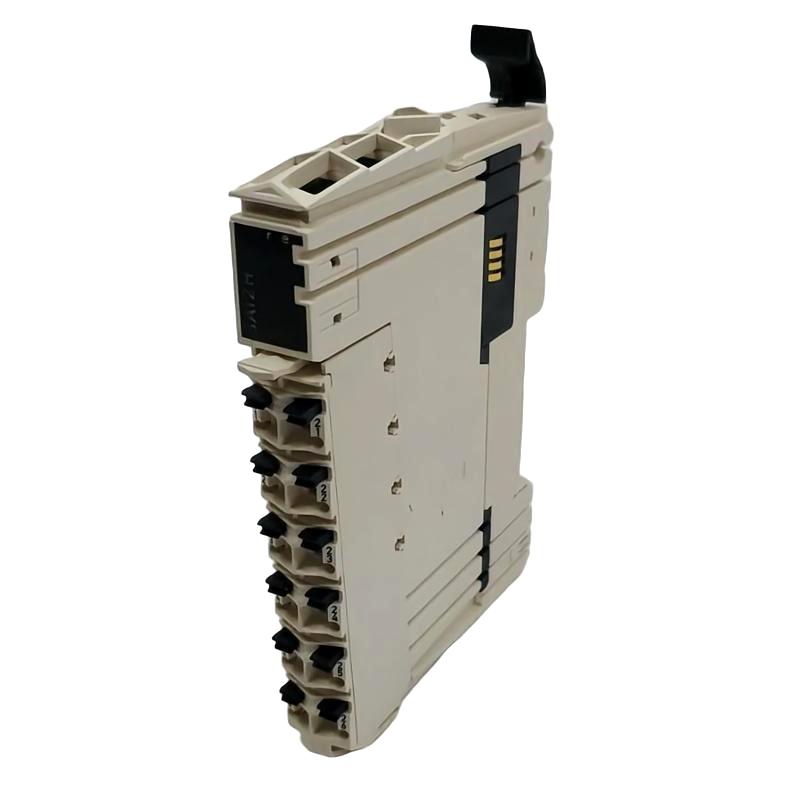
The Schneider Electric TM5SAI2H Analog Input Module is an industrial automation component designed for analog signal acquisition within compatible control systems. Analog input modules enable a controller to receive measurement signals from field instruments and use the resulting data for process monitoring, machine control, and automated decision-making.
Unlike digital input modules, which generally detect ON/OFF states, analog input modules work with signals representing changing process values. Depending on the supported input types and the connected instrumentation, analog measurements may represent variables such as temperature, pressure, flow, level, or other process conditions. The controller can use these measurements to evaluate operating conditions, trigger alarms, and adjust equipment operation through an appropriate control program.
The TM5SAI2H belongs to Schneider Electric’s TM5 automation product family according to the supplied model description. Before integrating this module into an existing installation, users should confirm its exact product designation, supported input signal types, channel configuration, and compatibility with the intended controller. These details should not be inferred from the model number alone.
The supplied physical specifications list dimensions of 99 × 12.5 × 75 mm and a weight of 0.025 kg. Its compact size is useful for product identification, inventory planning, and preliminary control-cabinet layout work.
Technical Specifications
| Parameter | Specification |
|---|---|
| Manufacturer | Schneider Electric |
| Model | TM5SAI2H |
| Product Type | Analog Input Module |
| Product Family | TM5, as identified by the supplied product description |
| Primary Function | Analog signal acquisition |
| Signal Type | Analog; supported electrical input types require verification |
| Measurement Application | Industrial process and equipment monitoring |
| System Role | Field-instrument interface for a compatible controller |
| Dimensions | 99 × 12.5 × 75 mm |
| Weight | 0.025 kg |
| Installation | Compatible TM5 system arrangement; verify the required mounting and connection method |
| Typical Applications | Process monitoring, machine automation, and industrial instrumentation |
| Controller Compatibility | Confirm against the exact hardware and system documentation |
The table records the product identification and physical data supplied for this model. The number of input channels, supported voltage or current ranges, resolution, accuracy, isolation, conversion time, and diagnostic functions must be confirmed from the exact product documentation before engineering or procurement decisions are made.
What Is the Schneider TM5SAI2H?
An analog input module acts as an interface between field measurement devices and an industrial controller. Many industrial instruments provide electrical signals that vary in relation to a measured physical quantity. The input module receives supported signals and converts them into numerical information that the controller can process.
For example, a pressure transmitter may provide an electrical signal corresponding to pressure in a pipe. A compatible analog input system can acquire that signal, while the PLC program scales the raw value into engineering units and compares it with configured operating limits.
A simplified measurement path is:
Process Variable → Field Instrument → Analog Signal → TM5SAI2H → Controller Processing → Monitoring or Control Action
The exact signal path depends on the field instrument, wiring configuration, module specifications, and host controller.
An analog input module does not necessarily measure temperature, pressure, or flow directly. The field instrument normally performs the primary measurement and provides the electrical signal that the module is designed to accept.
Function and Working Principle
1. Acquisition of Analog Signals
The module’s primary function is to acquire compatible analog signals from field instrumentation. Depending on the module’s verified electrical design, these signals may represent changing measurement values rather than discrete switching states.
Typical industrial measurement applications include:
- Pressure monitoring
- Temperature measurement through a compatible transmitter
- Flow monitoring
- Liquid-level measurement
- Process equipment feedback
- Monitoring of other instrument outputs supported by the module
These examples describe common analog-input applications and do not confirm that every signal type is supported by the TM5SAI2H. Signal compatibility must be verified before connection.
2. Signal Conditioning
Analog signals can be affected by electrical interference, cable resistance, grounding arrangements, and installation conditions. An analog input interface is designed to acquire signals within its specified operating limits.
Reliable measurements require the connected instrument and module to use compatible electrical ranges and wiring arrangements. Incorrect polarity, unsuitable signal levels, poor connections, or electrical noise can result in inaccurate or unstable values.
3. Analog-to-Digital Conversion
In a conventional analog input architecture, an electronic conversion stage transforms the incoming analog signal into digital measurement data. The controller can then process this information using its program and configured scaling.
The achievable resolution and measurement accuracy depend on the actual hardware specifications, signal range, installation conditions, and any applicable calibration or configuration requirements.
4. Engineering-Unit Scaling
The raw value received by a controller may need to be converted into meaningful engineering units. For example, a properly configured system may convert a transmitter’s output into pressure units or convert a compatible temperature transmitter’s signal into degrees.
Scaling is generally configured in the control program or associated engineering environment. Incorrect scaling can cause the displayed value to differ from the actual process condition even when the module acquires the signal correctly.
5. Monitoring and Control
Once acquired and scaled, analog data can support trend monitoring, alarm handling, process supervision, and closed-loop control where the complete control system is designed for those functions.
The input module supplies measurement data; the controller program and the rest of the automation system determine the response.
Role in Industrial Automation Systems
Within an industrial automation architecture, an analog input module connects continuous measurement information with controller logic. This allows process conditions to be monitored and used alongside digital equipment-status signals.
For example, a controller may evaluate a pressure measurement together with a motor-running input and a valve-position signal. By combining these data sources, the program can determine whether the process is operating within its intended range.
| System Component | Typical Function |
|---|---|
| Pressure, Temperature, or Flow Instrument | Measures a physical process variable |
| Field Transmitter | Converts a measurement into a supported electrical signal |
| Analog Input Module | Acquires compatible analog signals |
| PLC or Automation Controller | Processes measurements and executes control logic |
| Digital Input Module | Acquires ON/OFF status signals |
| Analog Output Module | Supplies supported variable output signals |
| HMI Panel | Displays process values, trends, and alarms |
| Industrial Network | Transfers data between compatible automation devices |
| Final Control Element | Changes process operation in response to control commands |
The actual configuration depends on the application and supported hardware. All interfaces must be selected and configured according to their electrical and functional requirements.
Industrial Applications
Process Monitoring
Analog input modules are used in process-control installations where operators need continuous information about operating conditions. Properly configured measurement channels can provide data for monitoring, alarms, and process analysis.
Water and Wastewater Treatment
Water-treatment facilities often use instrumentation to monitor pressure, flow, level, and other process variables. Compatible analog signals can be integrated into a controller so that measurements are available for supervision and automated operation.
Manufacturing Equipment
Industrial machinery may require analog feedback from pressure transmitters, position-measurement devices, or other instruments. The controller can use these values to support process adjustments and equipment monitoring.
Pumping and Fluid Systems
Analog measurements can help operators evaluate the behavior of pumping systems and fluid-handling equipment. Depending on the installed instruments, measurement data may indicate changes in pressure, flow, or tank level.
HVAC and Building Services
Suitable automation systems use analog signals to monitor temperature, pressure, humidity, and related variables. Whether a specific instrument can connect to the TM5SAI2H depends on the module’s verified input characteristics.
General Industrial Instrumentation
Analog input modules can be incorporated into equipment that requires continuous measurement data for process supervision, equipment feedback, or control algorithms. Proper instrument selection and signal configuration are essential for reliable operation.
Installation and System Integration
Correct installation helps maintain measurement accuracy and prevents avoidable signal problems. Before installing the Schneider TM5SAI2H, confirm the module’s identity and the requirements of the host automation system.
Verify the Product Identification
Check the complete model designation on the module and compare it with the hardware list and system documentation. Confirm that the exact variant is supported by the intended controller and TM5 configuration.
Do not substitute a visually similar module without checking its electrical characteristics and hardware compatibility.
Confirm Signal Compatibility
Before connecting field instruments, verify:
- Supported input signal types
- Permitted voltage or current ranges
- Input-channel arrangement
- Terminal assignments and polarity
- Wiring and grounding requirements
- Isolation characteristics, if applicable
- Required configuration and diagnostic procedures
The supported values should be taken from the exact module documentation rather than assumed from the product family.
Prepare the Installation
Use the specified mounting and connection arrangement for the module and its host system. Ensure that the control cabinet meets the applicable environmental and installation requirements.
Route analog signal cables to minimize exposure to electrical interference. Where required by the system design, separate low-level instrumentation wiring from motor cables, contactor wiring, and other high-power conductors.
Connect Field Instruments
Connect each instrument according to the verified wiring diagram. Confirm that the field instrument’s output type matches the input module and that any required power supply, signal common, shielding, or grounding arrangement is correct.
Label signal conductors and record their channel assignments. This makes commissioning and future maintenance more efficient.
Configure the Controller
If the module requires hardware configuration, select the correct module entry in the supported engineering environment. Configure the input channel according to the field instrument and intended measurement range.
Where the control program requires scaling, confirm the relationship between the acquired raw value and the engineering-unit value displayed to the operator.
Commission the Measurement
Test the input channels using an appropriate signal source or known process condition. Compare the controller’s reading with the expected value or a suitable reference instrument.
Verify normal operating values, alarm thresholds, scaling, and trend behavior before placing the equipment into normal service. Record the commissioning results and any adjustments made.
Troubleshooting the TM5SAI2H Analog Input Module
When an analog value is missing, unstable, or inaccurate, investigate the complete measurement chain. A module replacement will not correct problems caused by an incompatible instrument, faulty cable, incorrect scaling, or a changing process condition.
No Analog Value Is Available
Possible causes include:
- Field instrument not powered
- Open or disconnected signal wiring
- Incorrect terminal assignment
- Incompatible signal type
- Incorrect hardware configuration
- Missing or invalid channel assignment
- Module or system connection fault
Begin by checking the instrument’s power and output signal. Verify the wiring against the correct diagram and confirm that the configured module matches the installed hardware. Use available controller diagnostics to identify configuration or hardware faults.
Reading Is Too High or Too Low
Incorrect readings may result from unsuitable signal ranges, incorrect scaling, wiring errors, a malfunctioning transmitter, or a measurement configuration that does not match the field device.
Confirm the instrument’s configured range and compare its output with the module’s supported input range. Check the control program’s scaling parameters before assuming that the input hardware is defective.
Unstable or Fluctuating Measurements
Unstable values can be caused by electrical interference, loose terminals, poor shielding, grounding problems, unstable instrument power, or genuine process fluctuations.
Inspect the wiring route and connections. Where practical and safe, compare the instrument output with an independent reference measurement. Check whether the fluctuations originate in the field instrument, the wiring, the input interface, or the process itself.
Measurement Remains Fixed
A constant reading may indicate that the process is stable, the transmitter output is not changing, or the signal circuit has a fault. Incorrect scaling or a program variable that is not updating can produce similar symptoms.
Compare the actual field signal with the value displayed by the controller. If the electrical signal changes but the controller value does not, inspect the channel configuration, module status, and data mapping.
Controller Reports a Hardware or Configuration Fault
Check the full order number, hardware configuration, module seating, system connections, and controller diagnostics. Record fault information before removing or replacing components.
Follow the equipment manufacturer’s isolation procedures before servicing the installation. Handle electronic modules using appropriate electrostatic-discharge precautions.
Maintenance Recommendations
Regular maintenance helps preserve the integrity of analog measurement systems.
Inspect field wiring: Check signal cables, terminal connections, shielding, and grounding arrangements for damage or looseness.
Verify the field instruments: Confirm that connected transmitters operate correctly and produce signals within their specified ranges.
Review measurement trends: Sudden changes, drift, and persistent fluctuations may indicate instrument degradation, wiring problems, or genuine process changes.
Check configuration records: Keep channel assignments, signal ranges, scaling parameters, and alarm settings documented.
Maintain the cabinet environment: Operate the module within the applicable temperature, humidity, vibration, and contamination limits.
Use suitable test equipment: When checking analog signals, use instruments appropriate for the electrical range and follow approved electrical safety procedures.
Maintenance intervals should reflect the system manufacturer’s guidance, the operating environment, and the importance of the monitored process.
Compatible System Components
The TM5SAI2H may be part of an automation system that includes several functional component types. The table below describes common system roles rather than guaranteeing compatibility with every specific model.
| Component Type | Purpose |
|---|---|
| Compatible Schneider Electric Controller | Processes input data and executes automation logic |
| Analog Field Transmitters | Provide electrical signals representing process variables |
| Digital Input Modules | Acquire discrete status and switching signals |
| Analog Output Modules | Provide supported variable control signals |
| Digital Output Modules | Control compatible discrete loads or interface devices |
| Terminal and Wiring Accessories | Organize field connections |
| Industrial Power Supply | Provides appropriately rated control power |
| HMI Panel | Displays measurements, trends, and alarms |
| Engineering Software | Supports hardware configuration and program maintenance |
| Industrial Network Components | Connect compatible controllers and operator interfaces |
Before combining modules, verify the supported controller family, system architecture, required accessories, firmware or software requirements, and electrical specifications.
Replacement and Procurement Considerations
When purchasing a replacement for the Schneider TM5SAI2H Analog Input Module, verify the full model number and the hardware requirements of the existing installation.
Important checks include:
- Exact product designation
- Hardware revision, where applicable
- Supported analog input types
- Number and configuration of input channels
- Electrical ranges and accuracy requirements
- Terminal arrangement and mounting method
- Controller compatibility
- Configuration and commissioning requirements
The supplied dimensions of 99 × 12.5 × 75 mm and weight of 0.025 kg are useful for inventory records, logistics planning, and preliminary space calculations. They do not establish electrical or functional interchangeability.
If the module is being replaced in an operating installation, record the original configuration and signal assignments before removal. After installation, verify each connected channel and confirm that the controller receives measurements consistent with the field instruments.
Key Advantages
Analog Measurement Integration
A compatible analog input interface allows continuously varying instrument signals to be incorporated into industrial monitoring and control applications.
Support for Process Visibility
Analog measurements provide information that can help operators understand changing process conditions and identify deviations from expected operating ranges.
Integration with Control Logic
When correctly configured, acquired measurement data can be used by the controller for alarms, calculations, process supervision, and appropriate control strategies.
Compact Physical Dimensions
The supplied dimensions of 99 × 12.5 × 75 mm support preliminary cabinet-layout and inventory planning for installations where space is important.
Maintainable Measurement Architecture
Clear wiring records, defined signal ranges, and documented scaling make it easier to commission the system and diagnose measurement problems.
Technical FAQs
What is the Schneider TM5SAI2H?
The TM5SAI2H is identified by the supplied product description as an analog input module intended to acquire compatible measurement signals for use in an industrial automation system.
What does an analog input module do?
It receives supported analog signals from field instruments and makes the acquired measurement data available to a compatible controller. The controller can then process the data for monitoring, alarms, or control.
What are the dimensions of the TM5SAI2H?
The supplied dimensions are 99 × 12.5 × 75 mm.
How much does the module weigh?
The supplied weight is 0.025 kg.
Which signal types does the TM5SAI2H support?
The supported electrical input types and ranges should be verified against the exact product documentation. Do not assume that every voltage, current, or sensor signal can be connected directly.
Can it measure temperature or pressure directly?
The module acquires electrical signals rather than necessarily measuring physical variables directly. A compatible field instrument normally measures the process variable and provides the signal that the input interface is designed to accept.
Why might an analog reading be inaccurate?
Potential causes include incorrect scaling, incompatible signal ranges, faulty instrumentation, wiring problems, electrical interference, grounding issues, or genuine changes in the process.
Can another Schneider Electric analog input module replace it?
Not automatically. A replacement must be checked for input characteristics, channel arrangement, mounting and connection requirements, controller compatibility, and configuration needs.
What should be checked before commissioning?
Confirm the module identity, electrical compatibility, field wiring, channel configuration, scaling, and expected measurement range. Test the readings against a known reference or suitable process condition before returning the system to normal operation.
Conclusion
The Schneider Electric TM5SAI2H Analog Input Module is described as an industrial automation component for acquiring analog measurement signals and integrating them into a compatible control system. Analog input acquisition supports process monitoring, equipment feedback, alarm handling, and control strategies that depend on continuously varying measurement data.
With supplied dimensions of 99 × 12.5 × 75 mm and a weight of 0.025 kg, the module has a compact physical profile for suitable industrial control installations. Reliable performance depends on correct product identification, compatible field instruments, appropriate signal wiring, accurate controller configuration, and systematic commissioning.
Before installation or replacement, verify the complete model designation and its electrical specifications. Confirming the supported signal types, channel configuration, and host-system compatibility helps prevent wiring errors and supports dependable measurement acquisition in industrial automation applications.