

ProductPRODUCT
Featured products
Contact Us
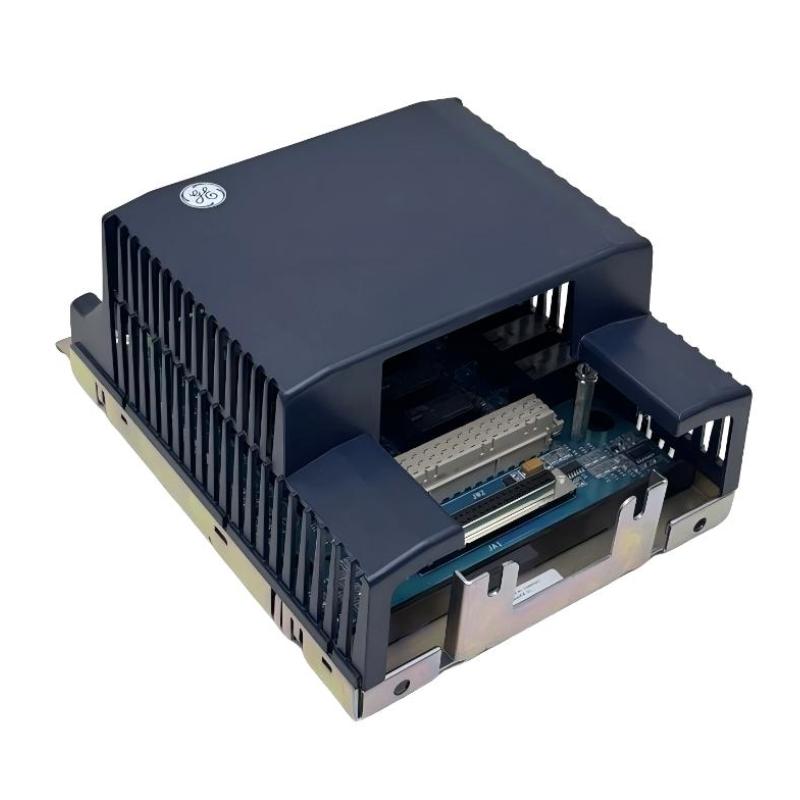
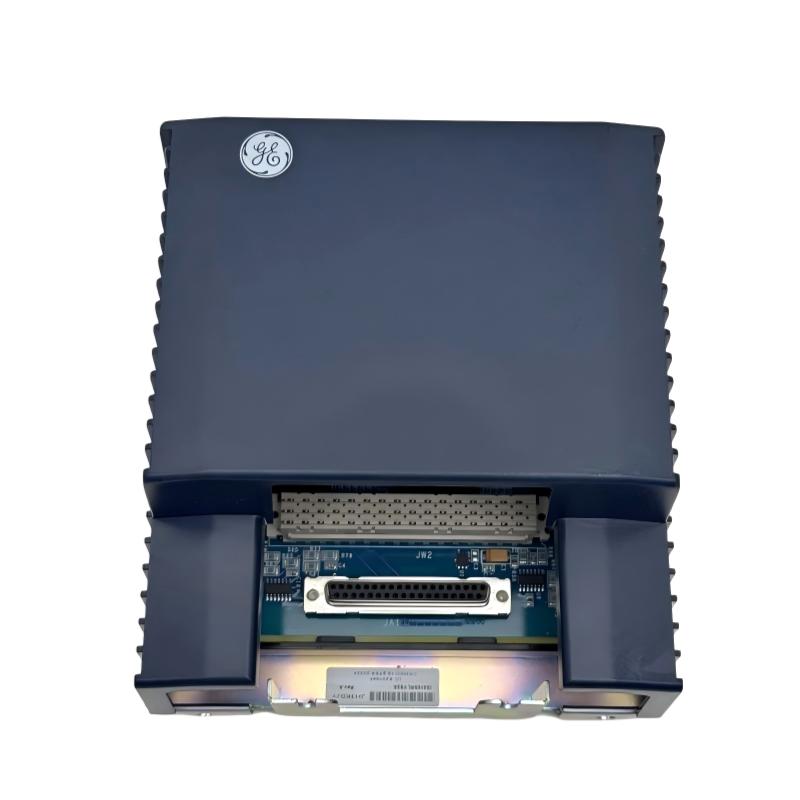
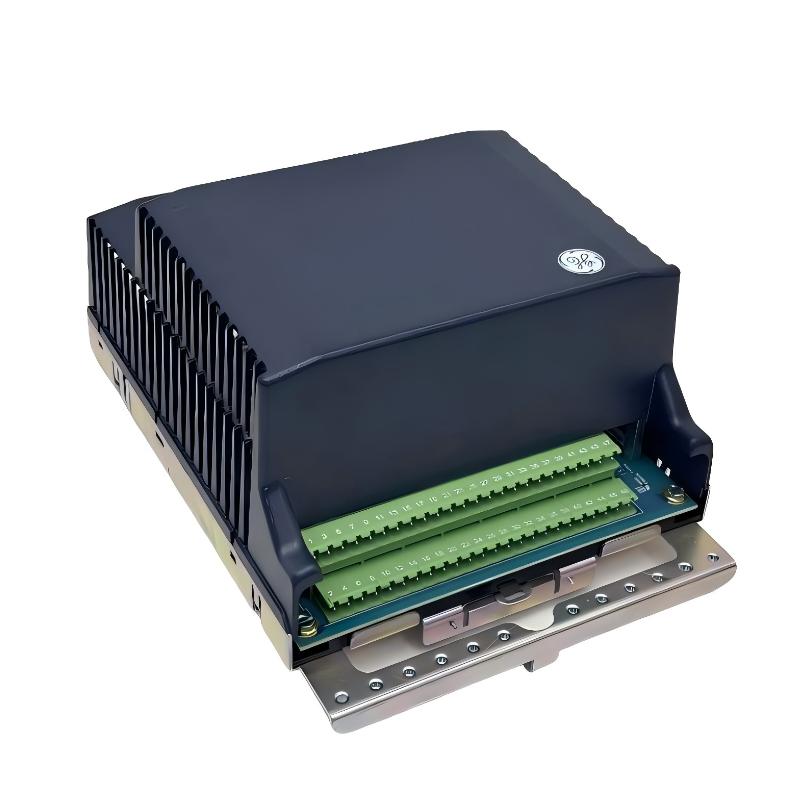
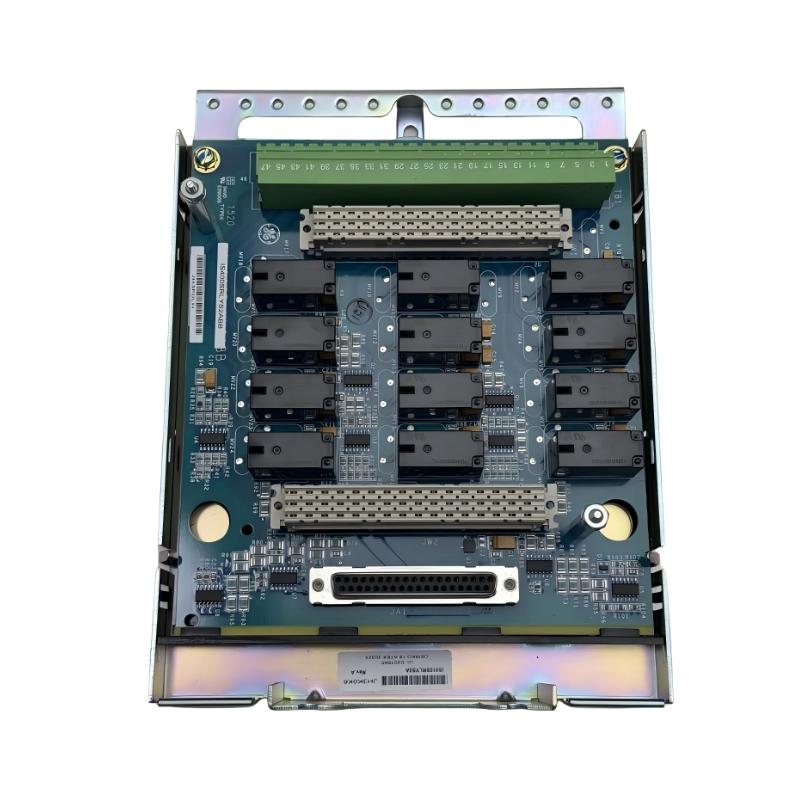
- GE
- IS410SRLYS2A IS400SRLYS2ABB
- Simplex Terminal Block
- USA
- 180 × 70 × 155 mm
- 0.65 kg
- Xiamen, China
- New & In Stock
- T/T, PayPal, Western Union
- 1 Year
- 1-3 Working Days
- DHL, UPS, TNT, FedEx and EMS.
- 24-Hour Service
- COO
- 17
Our advantage

Global Logistics
We have a 10-year logistics and express cooperation agreement, so our products can be shipped to any place in the world.

Brand new and original
Our products are imported in bulk from the place of origin. Because of the cooperative relationship, our products are all original and 100% new.

24-hour service
We provide 7*24 hours service to our customers. We will be there whenever you need us.

Price advantage
All our products are priced very favorably because we have our own warehouse and supply.
| Company Information | |||
| [email protected] | |||
| Mobile | +8615980777398 | ||
| +8615980777398 | |||
| 15980777398 |
Product Overview
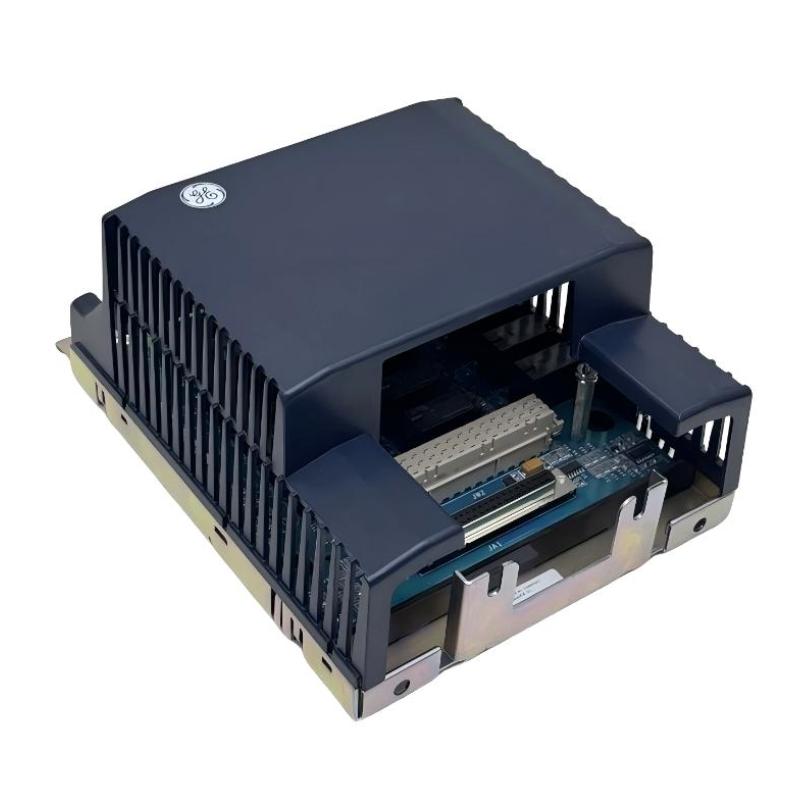
The GE IS410SRLYS2A IS400SRLYS2ABB Simplex Terminal Block is an industrial control component intended for electrical connection and signal interface applications within compatible GE automation systems. Terminal blocks provide structured connection points for conductors, helping organize wiring between control equipment and associated electrical circuits. In industrial installations, a correctly identified terminal block contributes to reliable connections, easier maintenance, and consistent system integration.
Simplex terminal blocks are used within control architectures designed around a single designated control path for the relevant function. Their specific role depends on the host equipment, connected modules, and approved wiring configuration. Correct identification is especially important when maintaining legacy industrial control systems, where components with similar physical appearances may have different terminal assignments or electrical characteristics.
The product identifiers IS410SRLYS2A and IS400SRLYS2ABB should be checked carefully against the installed equipment and procurement documentation to confirm the exact product configuration and relationship between the two designations. They should not automatically be treated as interchangeable part numbers without verification.
The supplied physical specifications for this product are 180 × 70 × 155 mm, with a weight of approximately 0.65 kg. These measurements are useful for cabinet-layout planning, equipment handling, spare-parts inventory, and replacement preparation.
Technical Specifications
| Parameter | Specification |
|---|---|
| Manufacturer | General Electric (GE) |
| Model / Part Number | IS410SRLYS2A |
| Additional Part Number | IS400SRLYS2ABB |
| Product Type | Simplex Terminal Block |
| Product Family | GE IS400 / IS410 Series identification |
| Primary Function | Electrical connection and terminal interface |
| System Configuration | Simplex |
| Application | Industrial automation and control systems |
| Interface Role | Connection point for compatible control circuits |
| Dimensions | 180 × 70 × 155 mm |
| Weight | 0.65 kg |
| Installation | Compatible host-system installation location |
| Terminal Assignment | Confirm using the applicable wiring diagram |
| Electrical Ratings | Verify against the relevant hardware documentation |
| Compatibility | Confirm exact part number and host-system requirements |
What Is the GE IS410SRLYS2A IS400SRLYS2ABB?
The GE IS410SRLYS2A IS400SRLYS2ABB is identified as a simplex terminal block for use in compatible industrial control equipment. Its primary purpose, based on the supplied product classification, is to provide an organized electrical connection interface within a larger control assembly.
In an automation system, terminal blocks serve as an important link between internal control hardware and connected conductors. They allow wiring to be arranged in a defined manner and support inspection, maintenance, and troubleshooting.
A terminal block is not generally responsible for executing the main control logic. Instead, its role is determined by the circuit design and the hardware to which it is connected. Depending on the host configuration, the connections may be associated with control signals, relay circuits, or other designated electrical interfaces.
Because the two identifiers supplied may represent different identification levels, revisions, or related product designations, the precise hardware identity should be confirmed from the equipment label and approved parts documentation before ordering a replacement.
Understanding the Simplex Terminal Interface
A simplex control arrangement uses one designated path for a particular control function rather than a redundant pair of equivalent paths. The implementation varies according to the architecture of the installed control system.
Within such an arrangement, a terminal block provides organized connection points for the conductors associated with the relevant circuit. The connected hardware determines the electrical behavior, while the terminal block provides the physical interface specified by the system design.
A simplified connection arrangement can be represented as:
Control Equipment → Associated Interface Hardware → Simplex Terminal Block → Field Wiring → Connected Equipment
This diagram illustrates a general industrial wiring arrangement rather than a verified pinout for the IS410SRLYS2A or IS400SRLYS2ABB. The actual connection sequence must be established from the approved drawings for the installed system.
Correct terminal identification is essential because an incorrect connection may interrupt signals, cause unexpected equipment behavior, or damage connected electrical components.
Function and Working Principle
1. Electrical Connection Organization
The terminal block provides defined connection points for conductors used by the associated control circuit. Organized connections help maintenance personnel trace wiring and verify that each conductor is connected to its intended terminal.
2. Interface Between Control Hardware and Wiring
Industrial control assemblies contain internal electronics and external wiring. A terminal block supports the transition between these parts of the installation according to the approved system design.
The exact electrical signals carried by this product should be confirmed from the host-system documentation rather than inferred from the word “terminal block.”
3. Signal or Circuit Continuity
When correctly installed, the terminal connections form part of the intended electrical path. Loose terminals, damaged conductors, contamination, or incorrect wiring can compromise circuit continuity.
Maintaining proper connections is therefore an important aspect of control-system reliability.
4. Support for Inspection and Troubleshooting
Clearly organized terminal connections make it easier for qualified technicians to inspect wiring and investigate circuit problems. They also help distinguish wiring faults from faults in controllers, interface modules, or connected equipment.
5. Integration with the Host Control System
The terminal block must be selected and installed as part of a compatible control assembly. Its exact role depends on the connected hardware, terminal arrangement, electrical requirements, and system configuration.
Role in Industrial Automation Systems
Industrial automation systems combine control processors, I/O modules, electrical interfaces, terminal blocks, field wiring, and external devices. These components must work together to ensure that control commands and process information are transferred through the intended circuits.
The GE IS410SRLYS2A IS400SRLYS2ABB can serve as a physical connection component within a compatible control installation. Its importance lies in maintaining an organized and correctly identified electrical interface.
Typical engineering and maintenance considerations include:
- Maintaining orderly electrical connections
- Preserving the intended circuit arrangement
- Supporting inspection of terminal wiring
- Simplifying replacement and maintenance work
- Helping technicians trace wiring-related faults
- Maintaining consistency with approved system drawings
- Supporting spare-parts identification and inventory management
The terminal block alone does not guarantee overall system reliability. Reliable operation also depends on the associated control hardware, power supplies, conductor condition, circuit protection, environmental conditions, and correct installation.
Industrial Applications
The product may be relevant to industrial installations that use compatible GE control equipment and simplex terminal interfaces. Actual applications depend on the installed hardware and the purpose assigned to the connected circuits.
Industrial Process Control
Process-control systems use electrical interfaces to connect control equipment with field circuits and associated devices. A terminal block helps maintain the connection arrangement defined by the system design.
Power Generation and Plant Automation
Power-generation facilities and industrial plants use extensive control and monitoring equipment. Terminal blocks may be incorporated into control assemblies to organize wiring between compatible hardware and external circuits.
Manufacturing Automation
Manufacturing systems require reliable electrical connections among controllers, interface hardware, and machine equipment. Correctly installed terminal blocks help keep these connections organized for operation and maintenance.
Equipment Monitoring and Interlocking
Control circuits may participate in equipment-status monitoring, permissive logic, and interlocking arrangements. The terminal block’s specific contribution depends on the connected circuit and the approved wiring configuration.
Industrial Equipment Maintenance
In existing installations, terminal blocks are important during inspection, troubleshooting, and replacement work. Correct component identification helps reduce the risk of wiring errors and unplanned downtime.
These examples describe general uses of industrial terminal interfaces and should not be interpreted as confirmation of specific functions supported by every installation of this product.
Installation and System Integration
Proper installation begins with confirming the exact hardware identity and reviewing the relevant system documentation.
Verify the Complete Product Identification
Before installing or replacing the terminal block, inspect the product label and record all available identification details. Confirm the relationship between IS410SRLYS2A and IS400SRLYS2ABB through the applicable equipment documentation.
Do not assume that one designation is a direct substitute for the other merely because both are associated with the same installation or product description.
Review Electrical Drawings
Use the approved system schematic, terminal assignment diagram, and maintenance documentation to determine the intended connections. Terminal numbers, signal assignments, voltage limits, and current ratings should not be guessed.
If the existing wiring does not match the available documentation, stop and resolve the discrepancy before making changes.
Follow Electrical Isolation Procedures
Before working on the terminal block, follow the site’s electrical safety and lockout/tagout procedures. Identify and isolate all relevant power sources, including external supplies that may energize connected circuits independently of the controller.
Only qualified personnel should perform electrical work in accordance with the applicable safety requirements.
Inspect the Installation Area
Check the mounting location for mechanical damage, contamination, moisture, excessive heat, and other conditions that could affect the component or its connections.
Ensure that the terminal block can be installed securely and that the supplied dimensions are compatible with the intended location.
Verify Conductors and Terminal Connections
Inspect conductor insulation, wire identification, terminal condition, and connection security. Ensure that every wire is placed according to the approved wiring diagram.
Use the specified termination method and torque requirements where applicable. Excessive tightening or improper conductor preparation may damage the connection.
Perform Post-Installation Checks
After installation, verify the component’s physical security, wiring accuracy, and circuit continuity using the approved procedure. Complete any required functional checks before returning the equipment to service.
Where the circuit is associated with critical equipment, commissioning should be performed by authorized personnel following the site’s formal test and approval process.
Troubleshooting the Simplex Terminal Block
Troubleshooting should address the complete electrical circuit rather than assuming the terminal block is the source of every problem.
No Signal or Circuit Continuity
If a connected device does not receive the expected signal, investigate:
- Incorrect or incomplete wiring
- Loose terminal connections
- Damaged conductors
- Problems with associated control hardware
- Missing circuit power
- Open circuit protection devices
- Faults in the connected equipment
Use the approved schematic to trace the circuit systematically.
Intermittent Operation
Intermittent operation may result from loose connections, conductor damage, vibration, contamination, or faults in associated hardware.
Inspect the terminal area and wiring for visible damage. Electrical measurements should be performed only after determining the correct test procedure and ensuring that the circuit is in a safe state.
Overheating or Discoloration
Discoloration, melted insulation, or other evidence of overheating may indicate a loose connection, excessive electrical loading, damaged conductors, or another circuit fault.
Isolate the affected circuit and identify the underlying cause before returning it to operation. Replacing a terminal block without correcting the cause of overheating may lead to another failure.
Incorrect Equipment Response
If connected equipment behaves unexpectedly, check the controller configuration, associated interface hardware, terminal assignments, field wiring, and external circuit conditions.
Do not change connections based on assumptions about terminal positions. Incorrect wiring may create additional faults or unsafe operating conditions.
Physical Damage or Corrosion
Cracks, damaged mounting features, corrosion, or contamination may compromise the terminal block’s mechanical or electrical integrity.
Evaluate the component and its surrounding installation. Replace damaged hardware only after confirming the correct part number and approved replacement procedure.
Maintenance Recommendations
Preventive maintenance can help reduce wiring-related faults and improve the service life of industrial control equipment.
Routine Visual Inspection
Inspect the terminal block for visible damage, contamination, corrosion, discoloration, and signs of overheating. Record abnormal conditions and investigate them according to the facility’s maintenance procedures.
Check Wiring Condition
Inspect conductors for damaged insulation, abrasion, pinching, and poor routing. Confirm that wire labels remain legible and that the installed wiring matches the approved diagram.
Verify Connection Security
Check terminal connections according to the applicable maintenance instructions. Do not tighten connections indiscriminately or exceed specified torque values.
Maintain a Suitable Environment
Keep the control cabinet within the environmental limits specified for the installed equipment. Excessive moisture, dust, temperature, and vibration can affect electrical connections and associated components.
Keep Accurate Maintenance Records
Record inspections, wiring changes, replacement part numbers, and test results. These records help technicians identify recurring faults and support future replacement planning.
Compatible System Components
The terminal block should be considered as part of the complete control-system installation. Depending on the actual configuration, the surrounding system may contain the following component categories.
| Component Category | Typical Purpose |
|---|---|
| Industrial Control Processor | Executes the programmed control logic |
| Compatible Interface Module | Provides the designated electrical or signal interface |
| Simplex Terminal Block | Organizes electrical connection points |
| Field Wiring | Connects control equipment to external circuits |
| Power Supply | Provides the required electrical power to designated equipment |
| Circuit Protection Device | Protects circuits according to the system design |
| Operator Interface | Displays operating information and alarms |
| Engineering Documentation | Defines wiring, terminal assignments, and configuration requirements |
This table describes general functional categories. It does not establish specific compatibility with individual GE modules or part numbers. Confirm all connections and component relationships using the applicable hardware documentation.
Replacement and Procurement Considerations
Selecting a replacement terminal block requires verification of both the product identification and its electrical role. A similar enclosure or matching set of dimensions does not establish interchangeability.
Before purchasing a replacement, confirm the following:
- Complete model and part number
- Relationship between IS410SRLYS2A and IS400SRLYS2ABB
- Product label and revision information, where applicable
- Terminal layout and connection arrangement
- Associated control hardware
- Host-system requirements
- Electrical characteristics and approved application
- Mounting dimensions and installation clearances
- Availability of the required wiring and maintenance documentation
The supplied dimensions are 180 × 70 × 155 mm, and the listed weight is 0.65 kg. These values are useful for physical planning, stock management, and shipping preparation.
For critical industrial installations, verify the replacement with the responsible engineering or maintenance team before fitting it to an operating system.
Key Advantages
Organized Electrical Connections
A dedicated terminal interface helps arrange wiring according to the intended control-system design.
Easier Inspection and Maintenance
Clearly identified and correctly installed connections support visual inspection and systematic troubleshooting.
Support for Industrial Control Integration
The component can form part of a compatible GE control installation when its identity and application are properly verified.
Practical Physical Specifications
The dimensions of 180 × 70 × 155 mm and weight of 0.65 kg assist cabinet planning, inventory control, and replacement logistics.
Improved Replacement Identification
Recording the full model and part number helps reduce the risk of selecting an incompatible terminal component.
Technical FAQs
What is the GE IS410SRLYS2A IS400SRLYS2ABB?
It is identified as a GE Simplex Terminal Block intended for use in compatible industrial control equipment. The exact relationship between the two supplied designations should be confirmed using the product label and applicable documentation.
What is the main function of a simplex terminal block?
A simplex terminal block provides organized electrical connection points within a control system. Its exact role depends on the connected hardware and the circuit design.
What are the dimensions of this product?
The supplied dimensions are 180 × 70 × 155 mm.
What is the product’s weight?
The supplied weight is approximately 0.65 kg.
Are IS410SRLYS2A and IS400SRLYS2ABB interchangeable?
Interchangeability should not be assumed from the identifiers alone. Verify the exact part designation, terminal configuration, and host-system requirements before selecting a replacement.
Can this terminal block be installed with any GE controller?
No. The correct application depends on the host system, associated interface hardware, wiring arrangement, and applicable electrical requirements.
What causes terminal-block connection problems?
Common possibilities include loose or incorrectly installed conductors, damaged wiring, corrosion, contamination, mechanical damage, and faults elsewhere in the circuit.
What should be checked before replacing the terminal block?
Confirm the complete part number, installed configuration, wiring diagram, associated hardware, and approved replacement requirements. Isolate the relevant circuits before performing hands-on maintenance.
Conclusion
The GE IS410SRLYS2A IS400SRLYS2ABB Simplex Terminal Block is an industrial connection component intended to support organized electrical wiring within compatible control equipment. Terminal interfaces are important to maintaining circuit continuity, simplifying inspection, and supporting reliable maintenance of industrial automation installations.
With supplied dimensions of 180 × 70 × 155 mm and a weight of 0.65 kg, this component can be incorporated into equipment-layout planning and spare-parts management.
Before installation or replacement, verify the exact product designation and its relationship to the installed system. Correct terminal identification, adherence to approved wiring diagrams, safe electrical isolation, and appropriate commissioning checks are essential for dependable operation in industrial control environments.