

ProductPRODUCT
Featured products
Contact Us
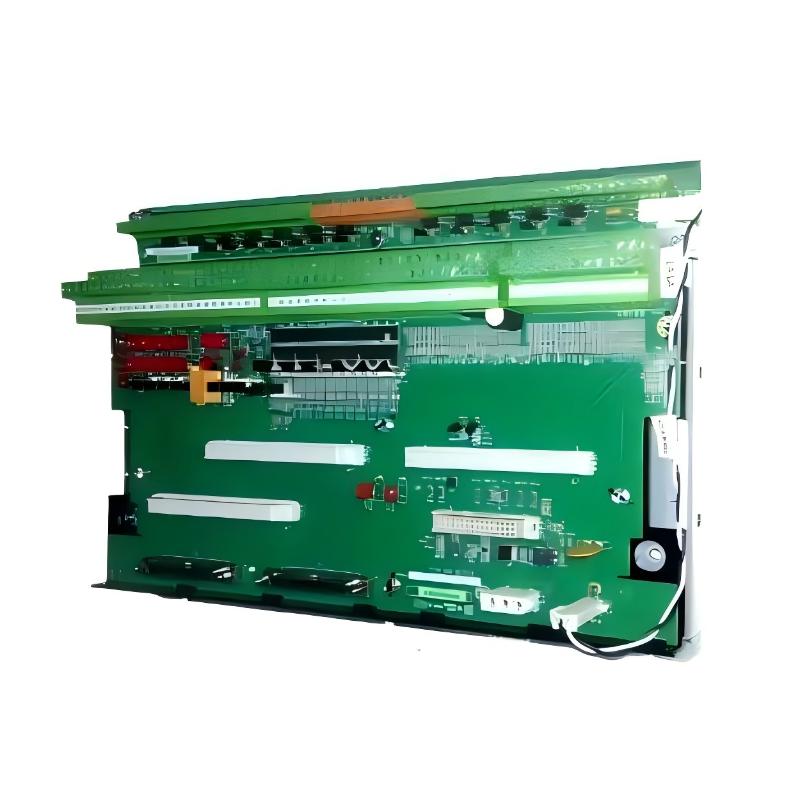
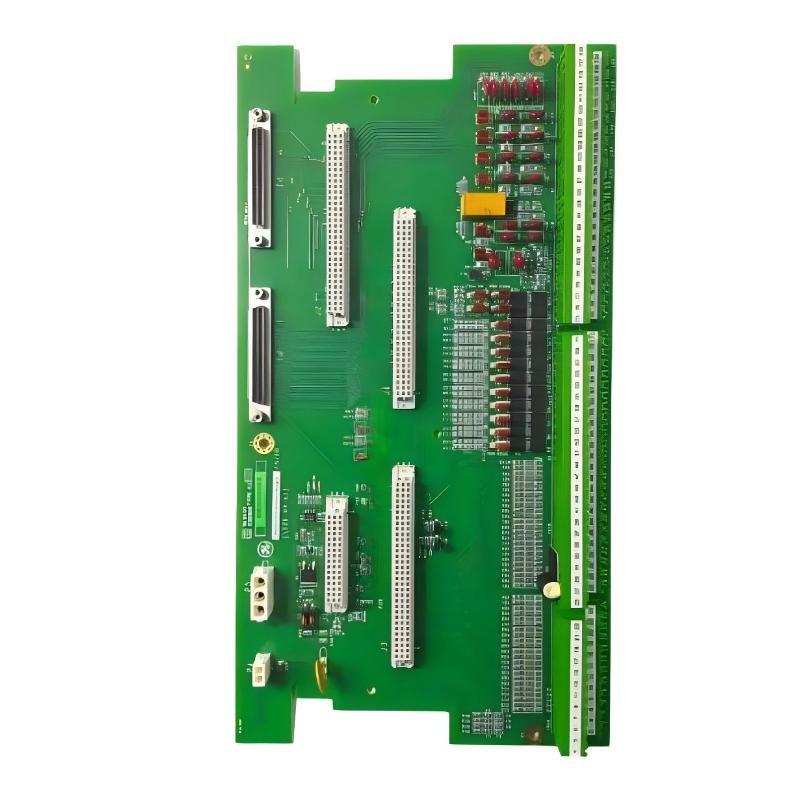
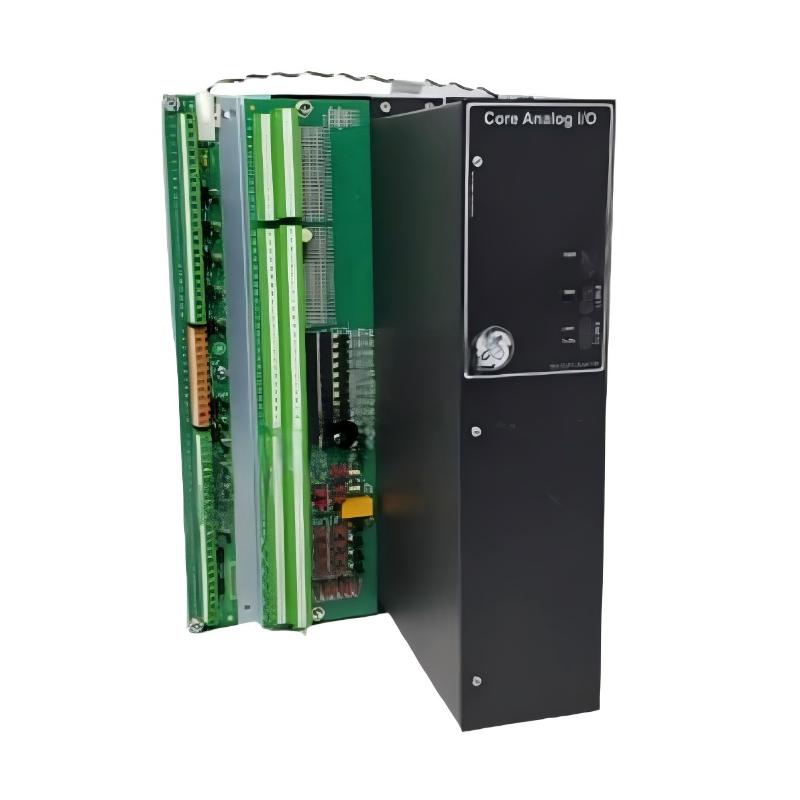
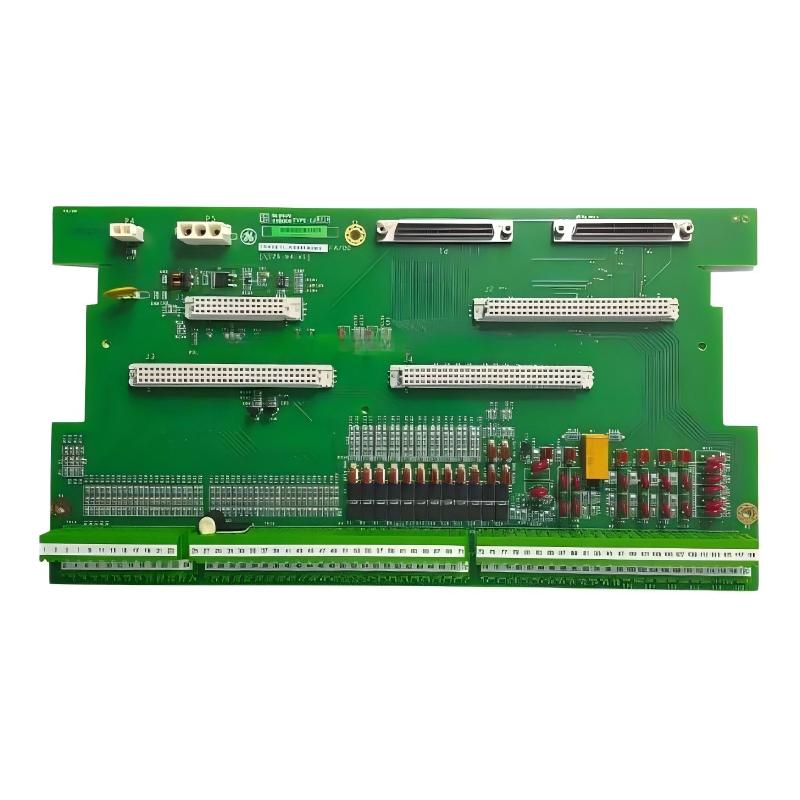
- GE
- IS400TCASH1A
- Core Analog (PCAA) Module Terminal Block
- USA
- 158.75 x 20 x 107.95 mm
- 0.952 kg
- Xiamen, China
- New & In Stock
- T/T, PayPal, Western Union
- 1 Year
- 1-3 Working Days
- DHL, UPS, TNT, FedEx and EMS.
- 24-Hour Service
- COO
- 17
Our advantage

Global Logistics
We have a 10-year logistics and express cooperation agreement, so our products can be shipped to any place in the world.

Brand new and original
Our products are imported in bulk from the place of origin. Because of the cooperative relationship, our products are all original and 100% new.

24-hour service
We provide 7*24 hours service to our customers. We will be there whenever you need us.

Price advantage
All our products are priced very favorably because we have our own warehouse and supply.
| Company Information | |||
| [email protected] | |||
| Mobile | +8615980777398 | ||
| +8615980777398 | |||
| 15980777398 |
Product Overview
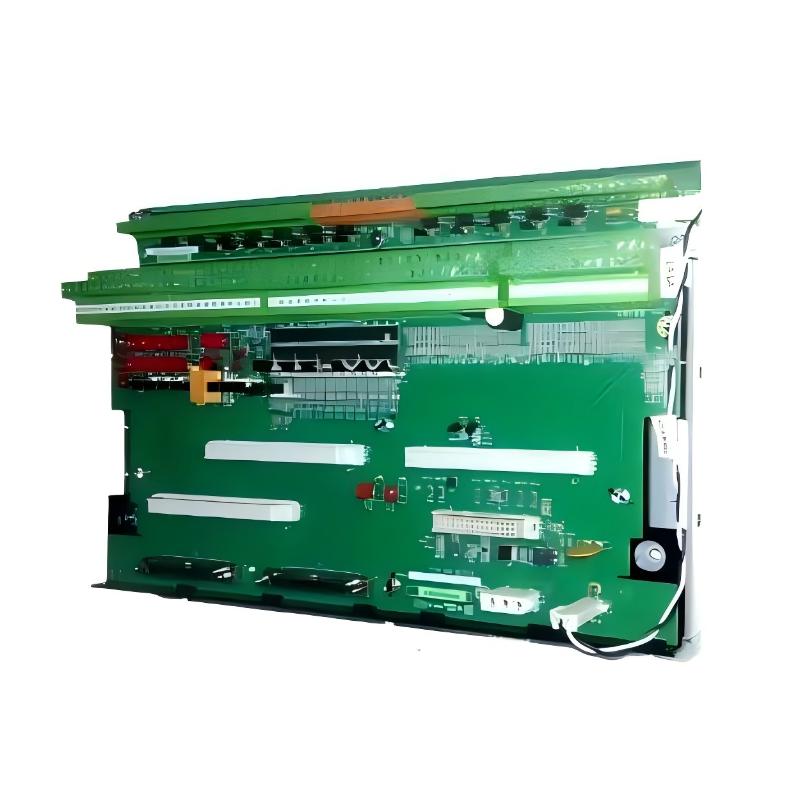
The GE IS400TCASH1A Core Analog (PCAA) Module Terminal Block is an industrial control component identified for use in a compatible GE automation system. Terminal blocks provide organized electrical connection points between control hardware and associated wiring, helping technicians establish, maintain, and inspect the connections required by an industrial installation.
In analog control systems, electrical signals are used to represent continuously varying process conditions such as temperature, pressure, flow, and level. Reliable signal transmission depends on correct wiring, suitable connection hardware, proper grounding, and compatibility between the field devices and the control system. A terminal block associated with an analog module can form part of this signal-connection arrangement, although the exact function and connection layout of the IS400TCASH1A must be confirmed against the installed hardware documentation.
The GE IS400TCASH1A is supplied under the product description Core Analog (PCAA) Module Terminal Block. Its listed dimensions are 158.75 × 20 × 107.95 mm, and its weight is approximately 0.952 kg. These physical specifications are useful for installation planning, equipment identification, replacement evaluation, and spare-parts management.
For industrial maintenance teams, accurate component identification is particularly important when working with analog signal interfaces. Incorrect terminal assignments or unsuitable replacement hardware may cause missing signals, inaccurate measurements, unstable readings, or unexpected control behavior. The complete model number and applicable hardware revision should therefore be verified before installation.
Technical Specifications
| Parameter | Specification |
|---|---|
| Manufacturer | General Electric (GE) |
| Model Number | IS400TCASH1A |
| Product Description | Core Analog (PCAA) Module Terminal Block |
| Product Series | GE IS400 Series |
| Product Type | Analog Module Terminal Block |
| Primary Function | Electrical connection interface associated with analog control hardware |
| Signal Type | Analog-related interface; exact supported signals require verification |
| Terminal Configuration | Verify from the applicable hardware documentation |
| Channel Count | Verify from the applicable hardware documentation |
| Supported Signal Range | Verify from the applicable hardware documentation |
| Electrical Rating | Verify from the applicable hardware documentation |
| Installation | Compatible GE control-system assembly |
| Dimensions | 158.75 × 20 × 107.95 mm |
| Weight | 0.952 kg |
| Replacement Requirement | Confirm model number, revision, connector arrangement, and system compatibility |
Note: The dimensions and weight are based on the supplied product information. The exact terminal layout, signal ranges, channel count, and electrical ratings should be verified before wiring or replacement.
What Is the GE IS400TCASH1A Core Analog Terminal Block?
A terminal block is an electrical connection component that provides a structured interface between conductors and the equipment they serve. In industrial automation, terminal blocks are used to organize signal wiring, power connections, and other electrical interfaces according to the system design.
The IS400TCASH1A is described as a Core Analog (PCAA) Module Terminal Block. This designation associates it with analog control hardware, but the specific relationship between the terminal block and the corresponding control assembly should be confirmed from the equipment documentation.
Analog control systems differ from purely digital systems because analog signals can represent a range of measured or commanded values rather than only discrete ON/OFF states. For example, a compatible instrumentation system may use a standard current or voltage signal to represent a measured process variable. The exact signal type depends on the field device and the control-system configuration.
The terminal block provides the physical connection interface required by its intended assembly. It should not automatically be treated as an independent analog input module, analog output module, or signal-conversion device unless the hardware documentation confirms that functionality.
Correct identification is important because terminal blocks that appear similar may have different pin assignments, connector configurations, or intended applications.
Function and Working Principle
1. Electrical Connection Management
The primary role of a terminal block is to provide an organized connection point for electrical conductors. In an analog control arrangement, these conductors may carry signals between field instrumentation and compatible control hardware.
The actual connections supported by the IS400TCASH1A depend on its documented terminal arrangement.
2. Analog Signal Path Support
An analog measurement system generally includes a field sensor or transmitter, associated wiring, an input interface, control logic, and an operator or supervisory interface.
A simplified signal path is:
Process Variable → Sensor or Transmitter → Field Wiring → Terminal Interface → Analog Control Hardware → Control System
The IS400TCASH1A may form part of the terminal-interface section of a compatible arrangement. The exact signal path and supported hardware must be verified for the installed system.
3. Signal Identification and Wiring Organization
Industrial cabinets may contain many analog signal conductors. Properly identified terminals help maintenance personnel trace individual connections, compare wiring with electrical drawings, and locate faults more efficiently.
Terminal labels, wire markers, and updated wiring diagrams are especially valuable in systems containing multiple sensors or process measurements.
4. Support for Reliable Signal Transmission
Reliable analog measurements depend on more than the terminal block itself. Signal integrity can be affected by conductor condition, connection quality, electromagnetic interference, grounding arrangements, sensor performance, and the configuration of the associated control hardware.
Secure connections and correct wiring practices help reduce connection-related faults, but the terminal block cannot compensate for an incompatible sensor or an incorrectly configured analog interface.
5. Maintenance Accessibility
A clearly organized terminal interface can make routine inspection and troubleshooting more manageable. Technicians can use the documented connection layout to identify wiring paths, inspect connections, and investigate measurement problems without unnecessarily disturbing unrelated circuits.
The terminal block’s actual maintenance procedures should follow the requirements of the host equipment.
Role in Industrial Control Systems
The GE IS400TCASH1A Core Analog (PCAA) Module Terminal Block can be considered part of an analog-related electrical interface within a compatible GE control installation.
Analog measurements are important in industrial automation because many process conditions change continuously. Controllers may use measurements from pressure transmitters, temperature instruments, flowmeters, level sensors, and other devices to monitor operating conditions and execute control strategies.
A typical analog control arrangement may contain:
- Field sensors and transmitters
- Signal wiring and cable shields
- Terminal blocks and connection interfaces
- Analog input or output hardware
- Control processors
- Operator interfaces
- Supervisory monitoring systems
- Process-control equipment
Each component has a different responsibility. The field instrument detects or measures a process variable, the appropriate interface acquires or provides the electrical signal, and the control system uses the resulting information according to its configured application.
The terminal block provides the required physical connection where specified by the system design. Its compatibility with the associated module, signal wiring, and host equipment must be established before use.
Industrial Applications
The following examples describe common application areas for analog control systems and their associated terminal interfaces. They do not independently confirm that the IS400TCASH1A supports every listed application.
Process Measurement
Industrial processes frequently monitor pressure, temperature, flow, and liquid level. Analog instrumentation can provide continuously varying measurements to a compatible control system.
A suitable terminal interface helps organize the electrical connections between field devices and the designated control hardware.
Manufacturing Automation
Manufacturing equipment may use analog sensors to monitor temperature, force, position, speed, or other process conditions. Correct signal connections help the control system receive the intended measurements.
Water and Wastewater Treatment
Water-treatment facilities commonly monitor process variables such as flow, pressure, tank level, and water-quality measurements. Analog interfaces can form part of the instrumentation architecture used to collect these signals.
Energy and Utility Systems
Industrial utilities may rely on instrumentation for monitoring operating conditions and supporting equipment regulation. Appropriate terminal connections help maintain an organized interface between field wiring and control electronics.
Industrial Machinery
Machines may use analog feedback to monitor operating conditions or support closed-loop control. Signal wiring must be matched to the appropriate interface, and the terminal arrangement must follow the machine’s electrical drawings.
Control-System Maintenance and Refurbishment
During maintenance, terminal blocks may need inspection or replacement because of damaged connectors, degraded contacts, wiring changes, or physical wear. Exact identification is essential to preserve the original connection arrangement.
Installation and System Integration
Installation of the GE IS400TCASH1A should be performed according to the requirements of the compatible GE control assembly. Because terminal assignments and signal ratings are not established by the supplied product description alone, the relevant wiring and installation documentation should be reviewed before any conductors are connected.
1. Verify the Complete Model Number
Confirm that the component is identified as IS400TCASH1A and that its product description matches the intended replacement.
Record any available revision markings, assembly identifiers, connector details, and installation location. Do not rely solely on the external appearance of a similar terminal block.
2. Confirm Compatibility With the Host Assembly
Identify the analog module or control assembly with which the terminal block is intended to operate. Verify the correct hardware revision, connector arrangement, mounting interface, and approved application.
Do not assume that a terminal block associated with one analog module can be installed on another module simply because the dimensions are similar.
3. Isolate the Equipment Safely
Before performing electrical work, follow the site’s safety procedures and applicable lockout/tagout requirements. Isolate relevant energy sources and verify that the equipment is in a safe state before handling conductors.
Analog circuits may be connected to external devices or powered transmitters, so the appropriate isolation procedure should account for the complete circuit.
4. Check the Installation Space
Use the listed dimensions of 158.75 × 20 × 107.95 mm to evaluate the available mounting space.
Allow for connector access, cable routing, wire-bending radius, mounting hardware, and maintenance clearance. The physical dimensions alone do not establish the correct mounting orientation or installation method.
5. Inspect Wiring and Connectors
Check conductors, connector interfaces, labels, and terminal surfaces for damage, corrosion, contamination, or signs of overheating.
Compare each conductor assignment with the approved wiring diagram. Avoid changing connections based on wire color or connector position alone.
6. Verify Signal Requirements
Confirm the signal type and electrical requirements of each connected field device and the associated analog interface. Current signals, voltage signals, and other instrument interfaces may require different connection arrangements.
Do not assume a supported signal range or channel assignment without checking the documentation.
7. Complete Commissioning Checks
After installation, inspect all connections and verify that the wiring matches the approved drawings. Follow the host system’s commissioning procedure to confirm that the associated hardware operates as expected.
Where required, compare measured values with a suitable reference instrument or known process condition. Any testing should be performed by qualified personnel using methods appropriate for the circuit.
8. Update Maintenance Records
Record the installed part number, revision information, connection changes, inspection findings, and commissioning results. Accurate records simplify future maintenance and reduce the risk of wiring errors during subsequent replacement work.
Troubleshooting the GE IS400TCASH1A
Problems involving an analog terminal interface should be investigated as part of the complete signal path. A faulty connection can resemble a sensor or control-module failure, so troubleshooting should begin with a structured review of the circuit.
No Analog Measurement
If the control system does not receive an expected measurement, inspect:
- Field sensor or transmitter condition
- Field wiring and connector integrity
- Terminal assignments
- Associated analog interface
- Required circuit power
- Hardware diagnostics
- Control-system configuration
The exact checks depend on the signal type and the installed hardware.
Unstable or Fluctuating Readings
Unstable measurements can be caused by loose connections, damaged wiring, electromagnetic interference, sensor problems, unsuitable grounding, or an incorrect interface configuration.
Inspect the signal path and compare the observed behavior with the process conditions. Avoid replacing the terminal block until the likely cause has been isolated.
Incorrect Measurement Values
A measurement that appears too high, too low, or otherwise inconsistent may result from a sensor fault, wiring error, incorrect scaling, incompatible signal type, or a problem with the associated control hardware.
Confirm the instrument’s output range and the input configuration of the receiving system. Use an approved reference or calibration method when verifying the measurement.
Intermittent Signal Loss
Intermittent problems may result from loose connectors, conductor damage, vibration, moisture, or unstable external power to a field transmitter.
Record when the problem occurs and inspect the relevant connection points under safe conditions. If the fault is intermittent, maintenance logs and trend data may help identify patterns.
Multiple Signals Affected
If several analog measurements fail at the same time, investigate shared components such as a common power source, shared connector, common wiring route, or associated control interface.
A simultaneous failure of multiple signals does not necessarily mean that the terminal block itself is defective. Common-cause faults should be considered before replacing individual components.
Maintenance Recommendations
Regular inspection of the terminal interface and its connected wiring helps maintain reliable signal connections.
Periodic Visual Inspection
Inspect the terminal block for physical damage, contamination, corrosion, discoloration, and signs of overheating. Check the surrounding cabinet for moisture, excessive dust, and other environmental conditions that may affect the installation.
Connector and Wiring Checks
Inspect accessible connectors and conductors for loose connections, damaged insulation, or mechanical strain. Any tightening or reconnection work should follow the specified procedure.
Signal Trend Monitoring
Review analog measurements for unusual fluctuations, gradual drift, or repeated dropouts. Trend information can help distinguish process changes from instrumentation or wiring faults.
Grounding and Shielding Review
Check that grounding and cable-shield arrangements match the approved electrical design. Incorrect shield termination or unintended grounding paths may contribute to electrical interference.
Configuration and Drawing Control
Keep wiring diagrams, terminal assignments, hardware identification, and system configuration records current. Updated documentation is particularly important after maintenance or wiring modifications.
Spare-Parts Management
Record the full model number and revision information for spare terminal blocks. Before installation, verify physical condition and compatibility with the intended host assembly.
Compatible System Components
A Core Analog terminal interface may be used within a wider control installation containing several functional categories of equipment.
| Component Category | Typical Function |
|---|---|
| Analog Field Sensors | Measure process variables |
| Instrument Transmitters | Convert measured conditions into compatible electrical signals |
| Signal Wiring | Carries measurement signals between field devices and control hardware |
| Terminal Interface | Provides organized electrical connection points |
| Analog Input Hardware | Acquires compatible analog signals |
| Analog Output Hardware | Provides configured analog control signals where required |
| Control Processor | Executes configured control logic |
| Operator Interface | Displays process values and alarms |
| Supervisory System | Supports monitoring and process coordination |
| Grounding and Shielding Hardware | Supports the designed electrical reference and interference-control arrangement |
These are general component categories, not a verified list of specific products compatible with the IS400TCASH1A. Exact compatibility and connection assignments must be confirmed against the applicable GE control-system documentation.
Replacement and Procurement Considerations
Selecting a replacement for the GE IS400TCASH1A requires attention to both physical fit and electrical compatibility.
Before ordering, verify the following:
- Full model number: Confirm IS400TCASH1A.
- Product designation: Confirm that the required component is the Core Analog (PCAA) Module Terminal Block.
- Hardware revision: Record the revision or additional markings shown on the existing unit.
- Host module: Identify the associated analog hardware and confirm the correct terminal interface.
- Connector layout: Compare the connector arrangement and pin assignments.
- Signal requirements: Confirm the applicable signal types and electrical ratings.
- Physical dimensions: Verify the listed dimensions of 158.75 × 20 × 107.95 mm against the installation space.
- Weight: Use the listed weight of 0.952 kg for handling and shipping planning.
- Condition and traceability: Inspect the replacement and record relevant identification information.
A replacement should not be approved solely because it has similar dimensions or belongs to the same product family. Correct terminal assignments and compatibility with the associated hardware are essential.
Key Advantages
Organized Analog Connections
A properly matched terminal interface helps arrange the electrical connections associated with analog control hardware.
Support for Signal Maintenance
Clear terminal identification and accurate wiring records can simplify inspection, signal tracing, and troubleshooting.
Compact Installation Profile
The listed dimensions of 158.75 × 20 × 107.95 mm provide a useful reference for cabinet-layout planning.
Practical Spare-Parts Identification
The full model designation and physical specifications help maintenance teams distinguish the required component during procurement and replacement.
Integration With Industrial Control Hardware
The IS400TCASH1A can be evaluated for a compatible analog control installation once its exact connection arrangement and host-system requirements have been verified.
Technical FAQs
What is the GE IS400TCASH1A?
The GE IS400TCASH1A is identified as a Core Analog (PCAA) Module Terminal Block. Its precise electrical role and connection arrangement should be confirmed from the applicable equipment documentation.
What are the dimensions of the IS400TCASH1A?
The listed dimensions are 158.75 × 20 × 107.95 mm.
How much does the GE IS400TCASH1A weigh?
The listed weight is approximately 0.952 kg.
Is the IS400TCASH1A an analog input module?
It is described as a Core Analog module terminal block. A terminal block should not automatically be treated as the analog input electronics themselves. Its exact relationship to the associated module must be confirmed from the system documentation.
What signal types does the terminal block support?
The supported signal types and ranges should be verified from the relevant hardware documentation. They should not be inferred from the product description alone.
What causes analog signal problems?
Common possibilities include sensor faults, damaged wiring, loose connections, electrical interference, grounding issues, incorrect scaling, and faults in the associated analog interface.
How should the IS400TCASH1A be replaced?
Verify the complete model number, hardware revision, host module, connector arrangement, and wiring assignments. Isolate the equipment safely and follow the approved installation and commissioning procedures.
Can a similar GE terminal block be used as a substitute?
Not without verification. The terminal layout, pin assignments, electrical ratings, and host-module compatibility must match the requirements of the installation.
Why are terminal labels and wiring diagrams important?
They help technicians trace circuits, identify connection points, reduce wiring mistakes, and perform maintenance without unnecessarily disturbing unrelated signals.
Conclusion
The GE IS400TCASH1A Core Analog (PCAA) Module Terminal Block is an industrial connection component associated with analog control hardware. In a compatible installation, a properly matched terminal interface helps organize wiring and maintain the electrical connections required by the control system.
With listed dimensions of 158.75 × 20 × 107.95 mm and a weight of 0.952 kg, the component can be assessed for cabinet planning, spare-parts inventory, and replacement logistics. Its actual signal connections and compatibility depend on the associated hardware and the installed control-system design.
For reliable operation, maintenance teams should confirm the complete model number, hardware revision, terminal assignments, signal requirements, and host-module compatibility before installation. Careful wiring verification, systematic troubleshooting, and accurate maintenance documentation help reduce avoidable downtime and support dependable industrial automation.