

ProductPRODUCT
Featured products
Contact Us
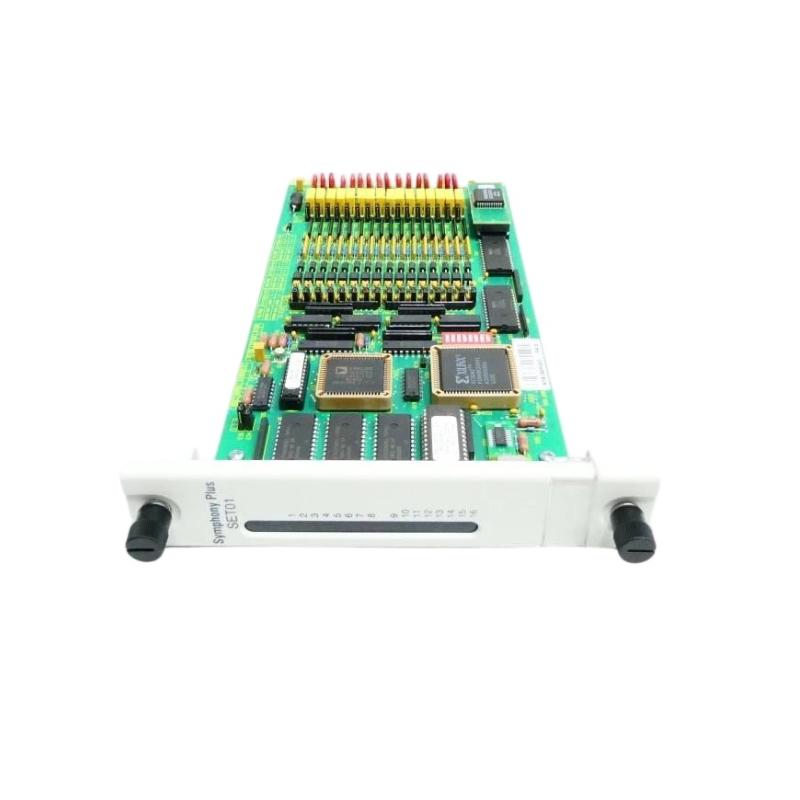
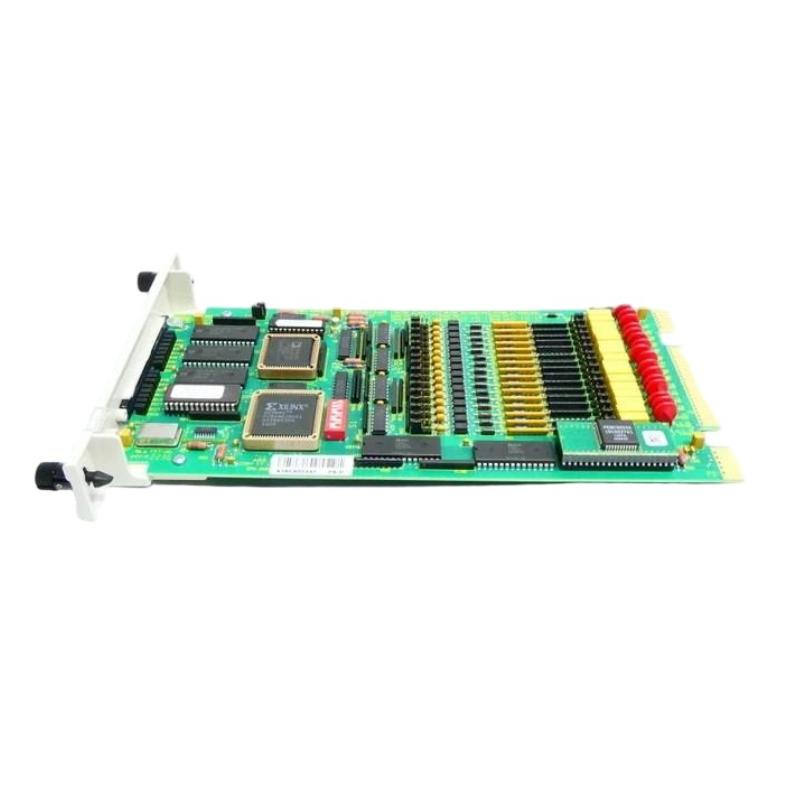
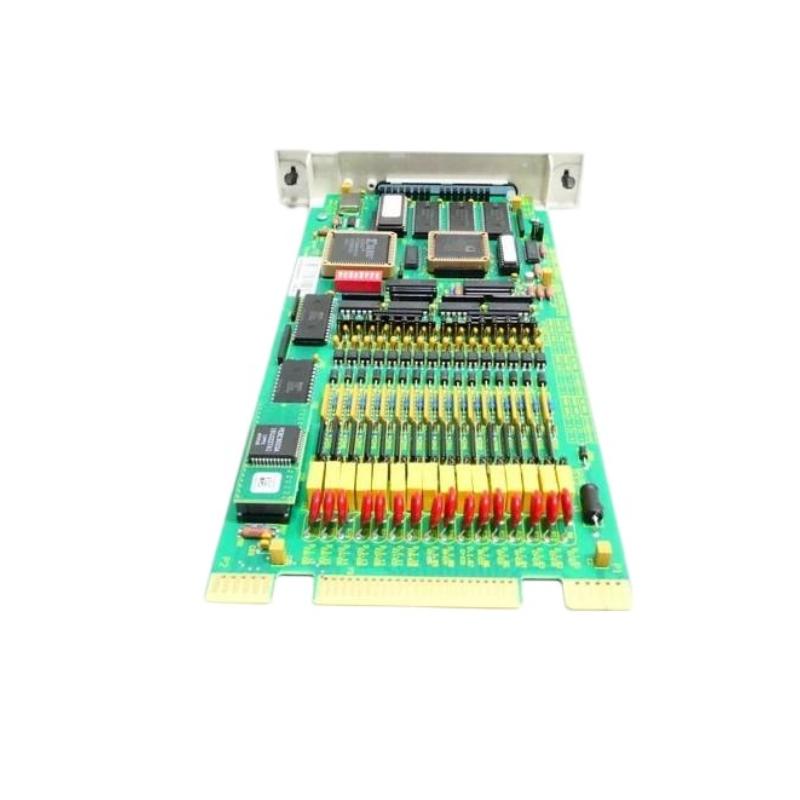
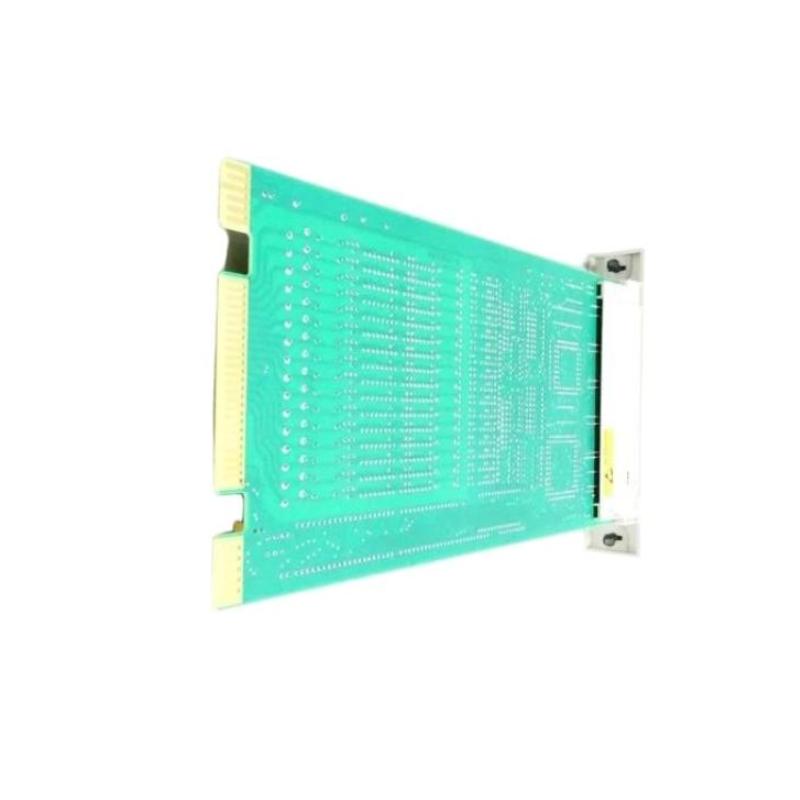
- ABB Bailey
- SPSET01
- Sequence of Events Timing Module
- Sweden (SE)
- 150 × 120 × 50 mm
- 0.6 kg
- Xiamen, China
- New & In Stock
- T/T, PayPal, Western Union
- 1 Year
- 1-3 Working Days
- DHL, UPS, TNT, FedEx and EMS.
- 24-Hour Service
- COO
- 9
Our advantage

Global Logistics
We have a 10-year logistics and express cooperation agreement, so our products can be shipped to any place in the world.

Brand new and original
Our products are imported in bulk from the place of origin. Because of the cooperative relationship, our products are all original and 100% new.

24-hour service
We provide 7*24 hours service to our customers. We will be there whenever you need us.

Price advantage
All our products are priced very favorably because we have our own warehouse and supply.
| Company Information | |||
| [email protected] | |||
| Mobile | +8615980777398 | ||
| +8615980777398 | |||
| 15980777398 |
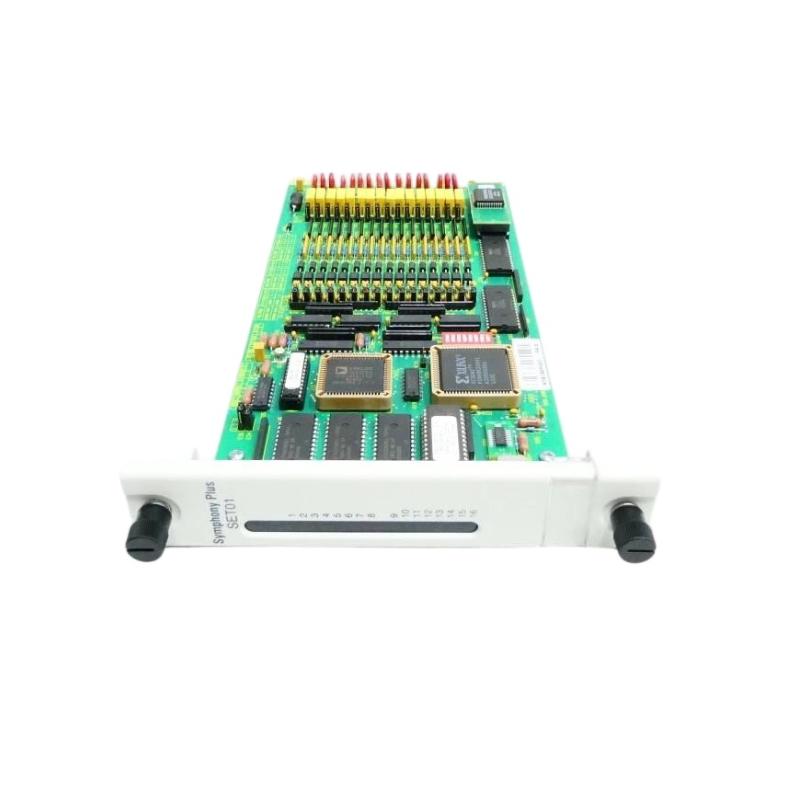
Product Overview
The ABB Bailey SPSET01 Symphony Plus Sequence of Events Timing Module is associated with sequence-of-events timing functions in the Symphony Plus industrial control system. Sequence-of-events (SOE) applications help operators and maintenance engineers establish the order in which equipment status changes occur, particularly when several alarms, interlocks, or trip conditions appear within a short period.
In a power generation facility, for example, a turbine trip may be accompanied by changes in breaker status, protection signals, auxiliary equipment conditions, and process alarms. Reviewing these changes in chronological order helps engineers distinguish the initiating event from the responses that followed. Timing information is especially valuable when multiple devices change state almost simultaneously.
The SPSET01 is relevant to installations where event timing is part of the control-system monitoring and diagnostic arrangement. Its function should be considered alongside the event sources, control-system hardware, and event-recording configuration used by the plant. Correct timing information depends on the wider system being configured to collect and interpret event data appropriately.
For maintenance teams supporting an existing Symphony Plus installation, identifying the exact SPSET01 reference helps when planning module replacement, checking spare-parts requirements, or investigating event-timing problems. The installed hardware arrangement and system documentation should guide replacement and commissioning work.
Technical Specifications
| Parameter | Specification |
|---|---|
| Manufacturer | ABB Bailey |
| Model | SPSET01 |
| Product Family | Symphony Plus |
| Product Type | Sequence of Events Timing Module |
| Functional Category | Sequence-of-Events Timing |
| System Association | ABB Bailey Symphony Plus |
| Primary Function | Timing support for sequence-of-events applications |
| Application Area | Industrial automation and process monitoring |
| Typical Use | Event chronology and disturbance investigation |
| Installation Context | Compatible control-system hardware arrangement |
| Dimensions | 150 × 120 × 50 mm |
| Weight | 0.6 kg |
Product Features
- ABB Bailey SPSET01 module associated with the Symphony Plus control platform.
- Identified as a Sequence of Events Timing Module.
- Intended for applications involving event timing and chronological analysis.
- Relevant to control systems that monitor changes in equipment status.
- Supports troubleshooting workflows where the timing and order of events matter.
- Applicable to event-analysis tasks involving alarms, interlocks, and equipment trips.
- Can be included in maintenance planning for installed Symphony Plus systems.
- Works within a broader event-monitoring arrangement involving configured event sources and control-system hardware.
- Requires compatibility checks before replacement or integration.
- Provides a specific model reference for maintenance records and spare-parts identification.
Working Principle
The SPSET01 is associated with timing in a sequence-of-events application. In industrial control systems, an event is generally recorded when a monitored status changes, such as a breaker opening, a pump stopping, or an interlock becoming active. Timing information helps establish when these transitions occurred relative to one another.
Consider a process unit that shuts down after a pressure alarm and a protective interlock are activated. Engineers need to know whether the pressure condition occurred before the interlock or whether another equipment status changed first. Event timing supports this analysis by helping organize the recorded transitions into a chronological sequence.
The SPSET01 should be understood as part of the system’s event-timing arrangement, not as a standalone process controller. The collection of status signals, the handling of event information, and the presentation of records depend on the associated Symphony Plus hardware and configuration.
When investigating an event sequence, maintenance personnel can compare the available timing records with controller indications, alarm histories, protection-system records, and operator observations. This comparison helps determine whether an unexpected sequence reflects a genuine process event, a configuration issue, or a problem elsewhere in the event-monitoring path.
Role in an ABB Bailey Symphony Plus Control Architecture
The SPSET01 is associated with the timing function within a compatible Symphony Plus sequence-of-events arrangement. Its precise position and interfaces depend on the installed system configuration.
Event Sources → Symphony Plus Event-Monitoring Architecture → SPSET01 Timing Function → Event Chronology Review
| System Element | Function |
|---|---|
| ABB Bailey SPSET01 | Provides the sequence-of-events timing function identified by the module designation |
| Symphony Plus Control System | Provides the wider automation environment |
| Controller or Control Processor | Executes process-control logic and manages system data |
| Digital Status Sources | Supply state changes for configured event monitoring |
| Protection and Interlock Devices | Generate status changes associated with protective actions and trips |
| Event-Monitoring Functions | Organize event information for subsequent analysis |
| Operator Station | Displays alarms and operating status |
| Engineering or Maintenance Station | Supports configuration, diagnostics, and event investigation where available |
Industrial Applications
| Application | Typical Use |
|---|---|
| Power Generation | Examining the order of events surrounding generator or turbine trips |
| Electrical Utility Systems | Reviewing breaker, protection, and equipment status changes |
| Oil and Gas Facilities | Investigating process interruptions and interlock sequences |
| Chemical Processing | Analyzing alarm chronology during abnormal process conditions |
| Water and Wastewater Treatment | Reviewing pump, valve, and equipment status changes where configured |
| Industrial Utilities | Investigating disturbances affecting auxiliary equipment |
| Continuous Process Plants | Comparing event timing with expected control-system behavior |
| Manufacturing Facilities | Examining equipment stops and related status transitions |
| Plant Commissioning | Checking configured event sources and timing behavior |
| Control-System Maintenance | Troubleshooting event-timing and event-recording issues in existing installations |
Installation and Maintenance
- Confirm the complete SPSET01 model reference before ordering a replacement or spare module.
- Verify that the installed control system uses a compatible Symphony Plus configuration.
- Review the system documentation to identify the module’s installation position and associated hardware.
- Follow approved electrical safety and isolation procedures before removing or installing control-system equipment.
- Inspect the mounting location and mating connections for visible damage, contamination, or installation problems.
- Check the module identification and installation orientation against the applicable equipment documentation.
- Review the existing sequence-of-events configuration and document the relevant event sources before replacement.
- Verify that the status signals required for event monitoring are available to the configured control system.
- Restore the module and associated equipment according to the plant’s approved maintenance procedure.
- Check the event-monitoring configuration and confirm that expected status transitions are recorded or displayed as intended.
- When investigating timing discrepancies, compare the event records with controller status, alarms, protection indications, and other available diagnostic information.
- Record the module reference, installation location, replacement details, configuration checks, and commissioning results in the maintenance log.
Compatible System Components
| Component Category | Function |
|---|---|
| ABB Bailey Symphony Plus Hardware | Provides the wider control-system platform associated with the SPSET01 |
| Compatible Control Processor | Executes control logic and manages relevant system information |
| Digital Input Modules | Acquire discrete status signals used by configured applications |
| Event-Generating Devices | Supply status transitions for sequence-of-events monitoring |
| Protection and Interlock Systems | Generate indications associated with trips and protective actions |
| Event-Monitoring Hardware or Functions | Handle event information within the installed architecture |
| Operator Stations | Present alarms and status information for review |
| Engineering and Maintenance Stations | Support configuration and troubleshooting |
| Control-System Communication Hardware | Transfers relevant information between compatible system components |
Recommended Related Models
| Model / Product Category | Product Type | Typical Application |
|---|---|---|
| ABB Bailey SPSET01 | Sequence of Events Timing Module | Replacement of the same identified module |
| ABB Bailey SPSEM11 | Sequence of Events Master Module | Related sequence-of-events functionality within the Symphony Plus environment |
| ABB Bailey Symphony Plus | Distributed Control System | Process automation and system-level monitoring |
| Compatible Bailey Control Processors | Control Processor | Executing control logic and managing system data |
| Compatible Digital Input Modules | Digital Input Module | Acquiring discrete status changes for configured event monitoring |
| Compatible System Communication Modules | Communication Module | Supporting information exchange within the installed control architecture |
Key Advantages
- Supports sequence-of-events timing applications in compatible Symphony Plus installations.
- Helps engineers examine the chronology of equipment status changes.
- Useful for investigating trips, alarms, and interlock sequences.
- Supports maintenance workflows that rely on event-timing information.
- Provides a specific model reference for spare-parts management.
- Can assist fault analysis when used with correctly configured event sources.
Technical FAQs
What is the ABB Bailey SPSET01 used for?
The SPSET01 is identified as a Symphony Plus Sequence of Events Timing Module. It is associated with timing functions used to establish the order of recorded status changes in an industrial control-system environment.
How does sequence-of-events timing help troubleshoot a plant shutdown?
When several alarms and status changes occur close together, timing information helps engineers determine their chronological order. This can help distinguish an initiating fault from subsequent interlocks, equipment trips, or operator responses.
Is the SPSET01 interchangeable with the SPSEM11?
The two model designations identify different product types: SPSET01 is a Sequence of Events Timing Module, while SPSEM11 is a Sequence of Events Master Module. They should not be treated as interchangeable solely because both are associated with sequence-of-events functions. Any replacement decision must follow the installed system’s hardware and configuration requirements.
What should be checked if event timing appears inconsistent?
Review the event-source configuration, availability of status signals, associated system hardware, communication paths, and the timing information available from connected equipment. Compare the recorded sequence with controller indications and other diagnostic records before determining whether the timing module requires replacement.