

ProductPRODUCT
Featured products
Contact Us
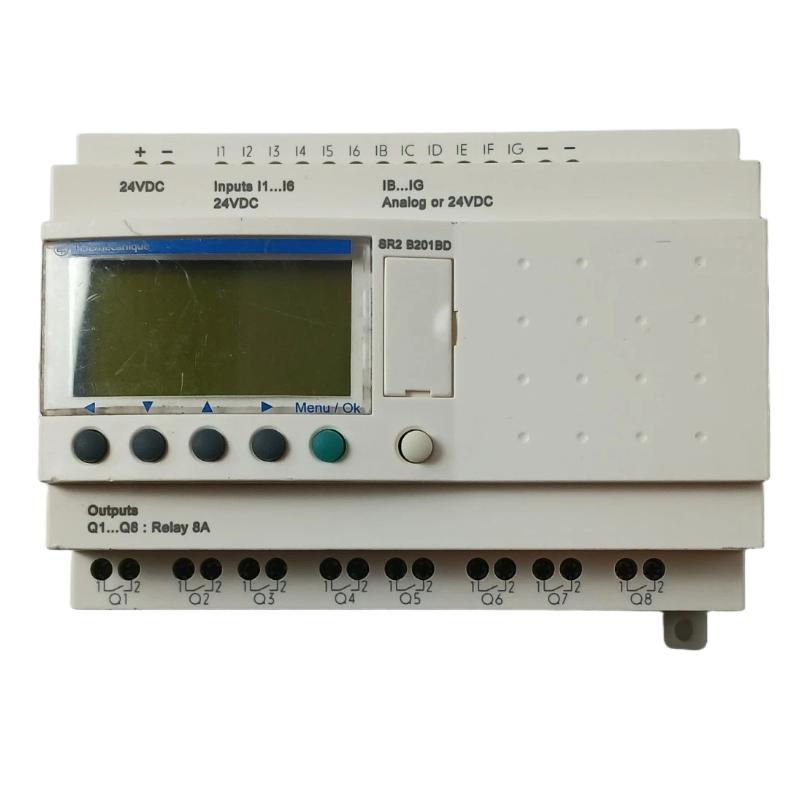
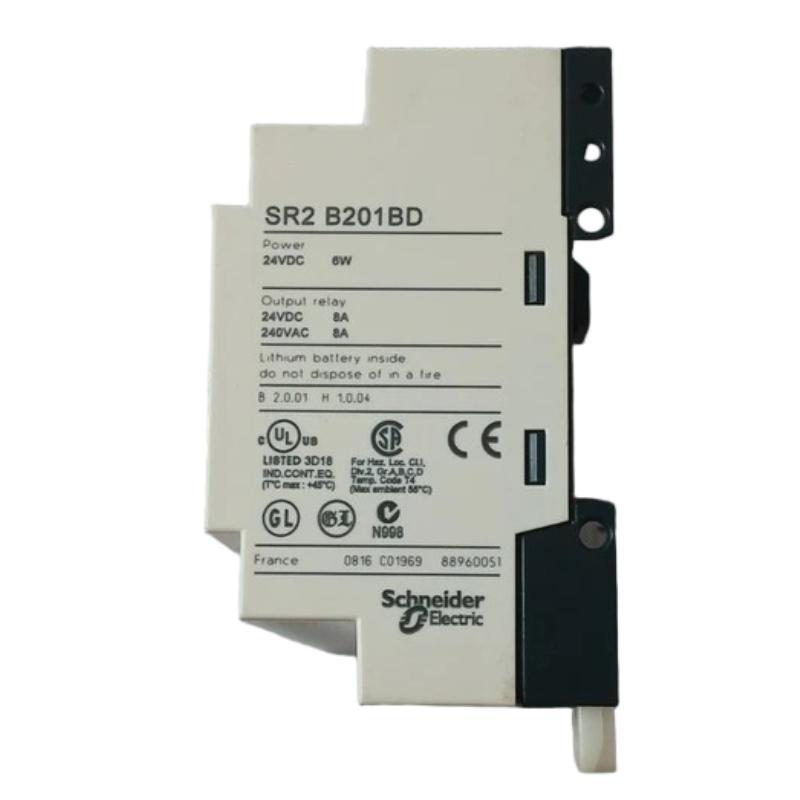
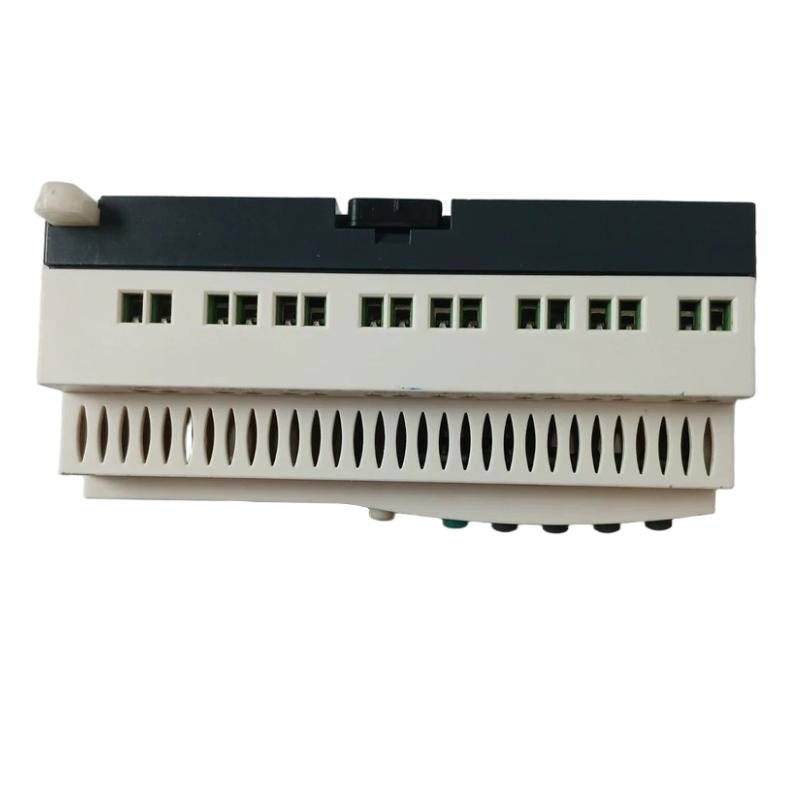
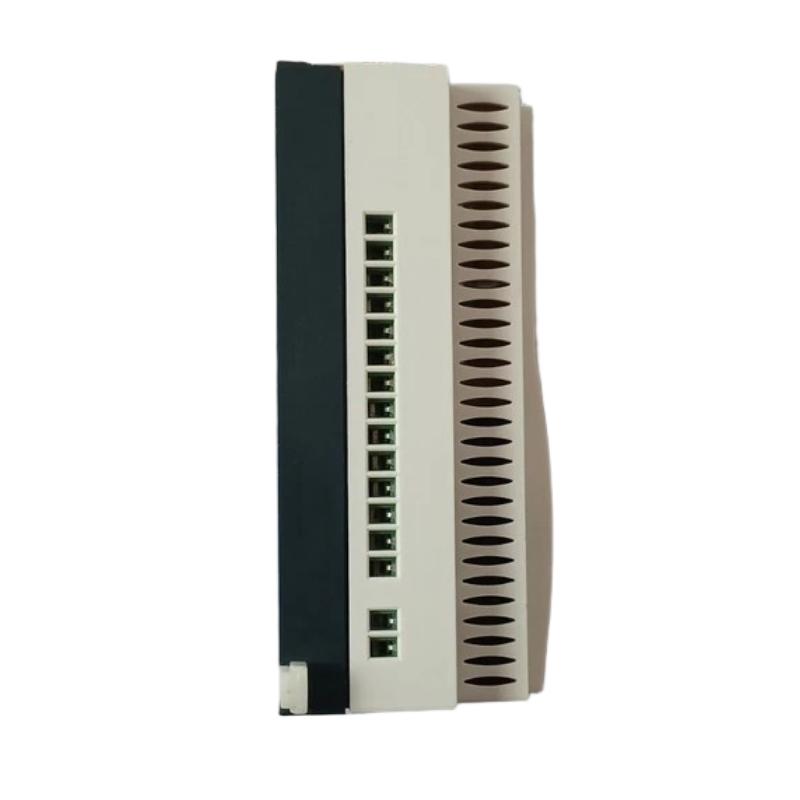
- Schneider
- SR2B201BD
- Compact Smart Relay
- France
- 124.6 x 107.6 x 59.5 mm
- 0.38 kg
- Xiamen, China
- New & In Stock
- T/T, PayPal, Western Union
- 1 Year
- 1-3 Working Days
- DHL, UPS, TNT, FedEx and EMS.
- 24-Hour Service
- COO
- 7
Our advantage

Global Logistics
We have a 10-year logistics and express cooperation agreement, so our products can be shipped to any place in the world.

Brand new and original
Our products are imported in bulk from the place of origin. Because of the cooperative relationship, our products are all original and 100% new.

24-hour service
We provide 7*24 hours service to our customers. We will be there whenever you need us.

Price advantage
All our products are priced very favorably because we have our own warehouse and supply.
| Company Information | |||
| [email protected] | |||
| Mobile | +8615980777398 | ||
| +8615980777398 | |||
| 15980777398 |
Product Overview
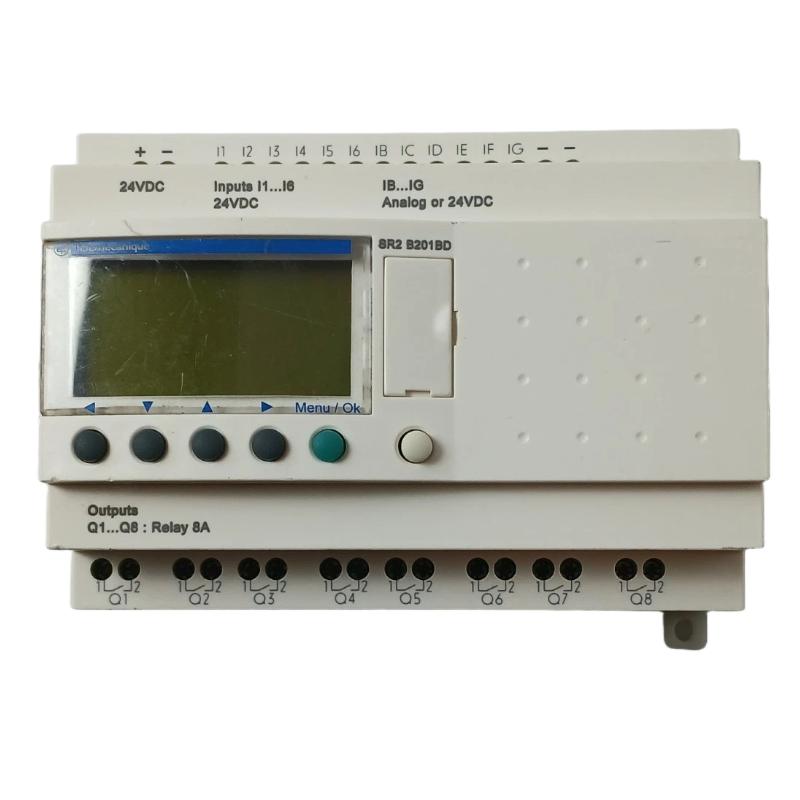
The Schneider Electric SR2B201BD Compact Smart Relay is an intelligent control device designed for small-scale automation tasks that require straightforward logic processing, equipment sequencing, and relay-based control. As part of Schneider Electric’s Zelio Logic smart relay family, this type of device provides a compact alternative to a conventional PLC for applications involving relatively simple control requirements.
Smart relays combine control logic with a compact hardware platform, helping reduce wiring complexity and simplify the implementation of automated functions. Depending on the supported model features and application configuration, they can be used to manage timers, counters, interlocking conditions, switching sequences, and basic machine operations.
The SR2B201BD has supplied dimensions of 124.6 × 107.6 × 59.5 mm and a weight of approximately 0.38 kg. These specifications are useful for control-panel planning, equipment replacement, and inventory management.
Before installation, users should confirm the exact hardware version, input and output configuration, supply requirements, communication capabilities, and programming compatibility. These details are important when selecting a replacement or integrating the smart relay into an existing automation system.
Technical Specifications
| Parameter | Specification |
|---|---|
| Manufacturer | Schneider Electric |
| Model | SR2B201BD |
| Product Type | Compact Smart Relay |
| Product Family | Zelio Logic |
| Primary Function | Compact programmable logic control |
| Control Applications | Basic automation, sequencing, and switching logic |
| Dimensions | 124.6 × 107.6 × 59.5 mm |
| Weight | 0.38 kg |
| Installation | According to the specified mounting arrangement |
| Programming | Compatible Zelio Logic programming environment, subject to model support |
| Typical Applications | Machine control, lighting control, pumps, and auxiliary automation |
Note: Verify the exact input count, output type and rating, supply voltage, programming interface, memory capacity, expansion capability, and communication options against the product label and documentation for the specific SR2B201BD version.
What Is a Compact Smart Relay?
A smart relay is a programmable control device intended for applications that need more flexibility than conventional hardwired relay circuits but do not require the full capabilities of a larger PLC system.
Traditional relay control circuits use physical relays, timers, and auxiliary contacts to implement operating sequences. As the number of conditions increases, wiring can become complicated and modifications may require substantial electrical work.
A smart relay allows supported control functions to be configured in software. The device evaluates input conditions and executes the programmed logic to determine the state of its outputs.
For example, a smart relay application may be designed to:
- Start and stop equipment according to defined conditions
- Implement timed switching sequences
- Count events or operating cycles
- Provide basic interlocking logic
- Control lighting and auxiliary equipment
- Generate outputs in response to sensor or switch signals
The functions available in a particular installation depend on the device’s hardware resources and programming capabilities.
Function and Working Principle
The SR2B201BD is intended for compact control applications in which programmed logic can replace or simplify traditional relay-based circuitry.
1. Input Signal Acquisition
The smart relay receives signals from connected control devices, subject to its supported input configuration. These signals may represent switch positions, operating commands, sensor states, or other conditions used by the control program.
Input wiring must match the device’s electrical requirements. Incorrect connections may cause unreliable operation or damage to the equipment.
2. Programmed Logic Processing
The controller evaluates input conditions according to the loaded application. Depending on the supported programming functions, the logic may include Boolean operations, timers, counters, comparison conditions, and sequential control steps.
The exact instructions and resources available should be confirmed for the selected hardware version and programming environment.
3. Output Control
Based on the programmed conditions, the smart relay changes the state of its supported outputs. These outputs may control suitable loads directly or operate external contactors and interface relays, depending on the output type and electrical ratings.
Loads that exceed the specified output capacity require an appropriately rated external switching device.
4. Timing and Sequencing
Timers and sequence logic allow equipment to operate according to defined time intervals or operating conditions. For example, a control program may introduce a delay between two actions or stop a process after a specified interval.
Such functions can reduce the need for separate timing relays in compatible applications.
5. Monitoring and Program Maintenance
Where supported, the programming environment or device interface can assist users in checking operating conditions and modifying the control application. Access to monitoring, diagnostics, and program transfer functions depends on the specific device configuration.
Role in Industrial Automation
The SR2B201BD can be considered for smaller automation tasks where a compact programmable controller offers a practical balance between flexibility and system simplicity.
Typical functions of a smart relay application include:
- Replacing complex hardwired relay sequences
- Automating repetitive switching operations
- Controlling equipment start and stop conditions
- Implementing basic timing and counting functions
- Managing interlocks and operating modes
- Reducing the number of separate control components
- Simplifying changes to supported control logic
For more demanding applications involving extensive I/O, complex motion control, high-speed processing, or advanced networking, a larger PLC may be more appropriate.
Industrial Applications
Pump Control
Smart relays can manage basic pump operating sequences where the application requires defined start and stop conditions, timing functions, or simple interlocks. The control design must include appropriate overload protection and other required protective devices.
Lighting Automation
Lighting systems may use smart relays to control groups of lights according to switches, schedules, or other configured conditions, provided the hardware and external switching equipment are suitable for the connected loads.
Ventilation and Auxiliary Equipment
Small ventilation units and auxiliary machinery can benefit from programmed start/stop logic, delayed operation, and basic equipment interlocking.
Small Machines
Packaging accessories, assembly fixtures, and other compact machines may use smart relays for simple repetitive sequences that do not require a larger control platform.
Building and Facility Automation
Selected facility systems can use compact programmable relays for lighting, pumps, ventilation accessories, and other straightforward control tasks. Suitability depends on the application’s electrical, safety, and control requirements.
Installation and Wiring Considerations
Correct installation is essential for safe operation and dependable control.
Verify the Electrical Supply
Confirm the exact supply voltage and wiring arrangement specified for the SR2B201BD version. Do not connect the device based solely on its model designation or its similarity to another smart relay.
Before wiring, isolate the power supply and follow the applicable electrical safety procedures.
Check Input Wiring
Identify the supported input terminals and their electrical requirements before connecting switches, sensors, or control signals. Verify signal compatibility and wiring polarity where applicable.
Keep field wiring organized and label conductors to simplify maintenance.
Confirm Output Ratings
Determine whether the outputs are relay-based or another supported type, and verify the allowable voltage, current, and load characteristics. Do not assume that every output can directly drive a motor or other high-current load.
Use appropriately rated contactors, interface relays, overload protection, and circuit protection where required.
Mount the Device Securely
The supplied dimensions are 124.6 × 107.6 × 59.5 mm. Confirm the mounting arrangement and clearances from the applicable mechanical drawing before installation.
Provide suitable protection from moisture, conductive dust, excessive temperature, and vibration in accordance with the device’s specified environmental limits.
Verify the Control Program
Before commissioning, review the application logic and confirm that the configured inputs and outputs correspond to the actual wiring. Test normal operation, stop conditions, interlocks, and fault responses before connecting the relay to the production process.
Programming and Configuration
The programming process should follow the software and hardware requirements of the specific Zelio Logic model.
Define the Control Requirements
Document the intended sequence, input conditions, output actions, timing requirements, and operating restrictions before writing the program.
A clear control specification reduces programming errors and makes later troubleshooting easier.
Develop the Logic
Use the supported programming method to implement the required control sequence. Depending on the hardware and software version, programming may use ladder-style logic, function blocks, or other supported methods.
Do not assume that every programming feature is available on every smart relay.
Assign Inputs and Outputs
Map each physical input and output to its corresponding function in the program. Verify the mapping against the wiring diagram before testing.
Test the Application
Where supported, use the programming environment’s available monitoring or simulation functions to check the logic. Then perform controlled tests on the installed hardware.
Back Up the Program
Keep a copy of the final verified application and document the relevant device configuration. A program backup can reduce recovery time when replacing equipment or restoring a previous operating state.
Troubleshooting the SR2B201BD
A systematic troubleshooting process helps distinguish program errors from wiring, load, power, or hardware problems.
Smart Relay Does Not Power On
Possible causes include an incorrect supply, loose connections, a protective device that has tripped, or an internal fault.
Check the specified supply, inspect the wiring, verify protective devices, and look for visible damage. Do not open or repair energized equipment.
Inputs Are Not Detected
If an input does not change state as expected, inspect the field device, wiring, terminal connections, and electrical compatibility. Compare the physical signal with the status shown by the available programming or monitoring tools.
Outputs Do Not Operate
Check the programmed conditions, input states, output wiring, load requirements, and any external contactors or protective devices. Confirm that the output is configured and rated for the intended function.
Incorrect Timing or Sequence
Unexpected switching behavior may result from incorrect timer settings, program logic, input conditions, or interactions between multiple control steps. Review the program in a structured manner and test one condition at a time.
Intermittent Operation
Intermittent faults may be caused by loose terminals, unstable power, electrical interference, damaged field wiring, or unsuitable environmental conditions. Inspect the installation and record the circumstances in which the fault occurs.
Program Transfer or Configuration Problems
If a program cannot be transferred or the device does not behave as expected after configuration, verify software compatibility, the programming interface, communication settings, and supported program features.
Maintenance Recommendations
Regular inspection helps maintain stable operation and reduce avoidable downtime.
- Inspect terminal connections and wiring for looseness or damage.
- Check the enclosure and surrounding cabinet for dust, moisture, and overheating.
- Verify the operation of connected switches, sensors, and external relays.
- Review the control program after approved system changes.
- Maintain a backup of the verified application.
- Record recurring faults and corrective actions.
- Confirm replacement compatibility before installing another unit.
Any changes to control logic should be documented and tested to ensure that they do not introduce unsafe or unexpected machine behavior.
Compatible System Components
The SR2B201BD may be used with external components appropriate to its verified electrical and functional capabilities.
| Component | Typical Function |
|---|---|
| Control Power Supply | Provides the required supply to compatible control equipment |
| Push Buttons and Selector Switches | Provide operator commands |
| Sensors and Limit Switches | Supply input conditions to the control program |
| Interface Relays | Provide electrical interfacing where required |
| Contactors | Switch suitable higher-power loads |
| Overload Protection | Protects motors and related equipment as designed |
| Circuit Protection | Protects circuits against specified electrical faults |
| Programming Equipment | Supports application development and maintenance where compatible |
| Control Enclosure | Provides mechanical and environmental protection |
Compatibility must be checked against the actual device ratings and the requirements of the application.
Replacement and Procurement Considerations
When purchasing a Schneider Electric SR2B201BD Compact Smart Relay, verify the following details:
- Full model number: Confirm the SR2B201BD designation and any revision information.
- Physical dimensions: The supplied dimensions are 124.6 × 107.6 × 59.5 mm.
- Weight: The supplied weight is approximately 0.38 kg.
- Supply requirements: Confirm the exact input power specifications.
- Input and output configuration: Verify the number, type, and electrical ratings of the required I/O.
- Programming compatibility: Confirm that the existing application and programming tools support the replacement unit.
- Mounting and wiring: Compare terminal arrangements and installation requirements with the existing equipment.
- Product condition: For used or refurbished equipment, inspect the terminals, housing, markings, and available functional-test records.
A replacement should not be selected solely because it belongs to the same product family. Electrical ratings, program compatibility, and terminal configuration must also match the application.
Technical FAQs
What is the Schneider Electric SR2B201BD?
The SR2B201BD is identified as a compact smart relay in Schneider Electric’s Zelio Logic family, intended for programmable control tasks where the model’s supported functions meet the application requirements.
What are the dimensions of the SR2B201BD?
The supplied dimensions are 124.6 × 107.6 × 59.5 mm.
How much does the SR2B201BD weigh?
The supplied weight is approximately 0.38 kg.
What is the difference between a smart relay and a PLC?
A smart relay is generally intended for simpler control tasks with more limited I/O and functionality, while a conventional PLC is typically selected for larger or more complex automation systems. The appropriate choice depends on the application.
Can the SR2B201BD directly control a motor?
Direct control depends on the motor load, output type, and electrical ratings. In many installations, a suitably rated contactor and appropriate protection are required.
What should be checked before replacing the relay?
Verify the full model number, supply requirements, input/output configuration, terminal arrangement, program compatibility, and mounting requirements.
How can programming-related faults be diagnosed?
Check input states, program conditions, timer settings, output assignments, and the supported programming interface. Compare observed operation with the intended control sequence.
Conclusion
The Schneider Electric SR2B201BD Compact Smart Relay is a programmable control device suited to applications where compact hardware and straightforward automation logic can simplify equipment operation. With supplied dimensions of 124.6 × 107.6 × 59.5 mm and a weight of 0.38 kg, it offers useful physical specifications for panel planning, equipment handling, and replacement logistics.
Reliable operation depends on selecting the correct hardware version, following the specified electrical requirements, configuring the control program correctly, and verifying the ratings of connected loads. Careful commissioning, appropriate electrical protection, and routine maintenance help support dependable performance in compatible industrial and facility automation applications.