

ProductPRODUCT
Featured products
Contact Us
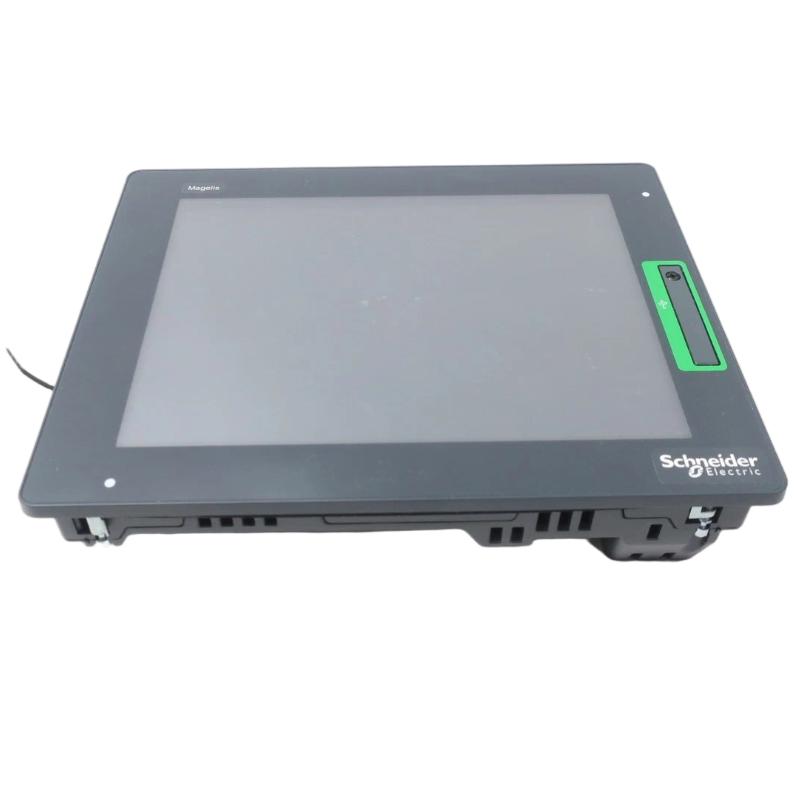
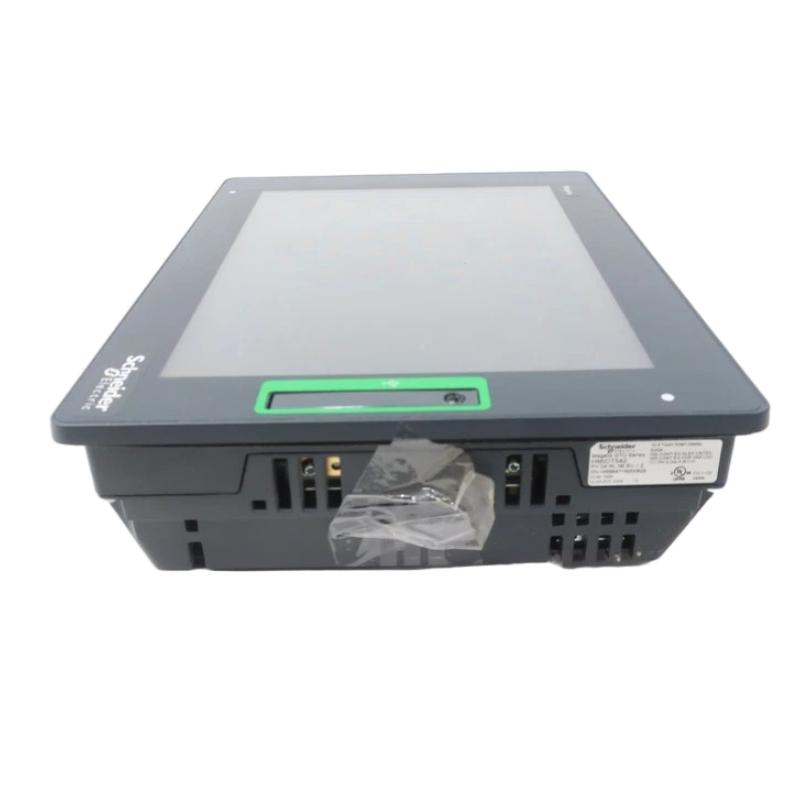
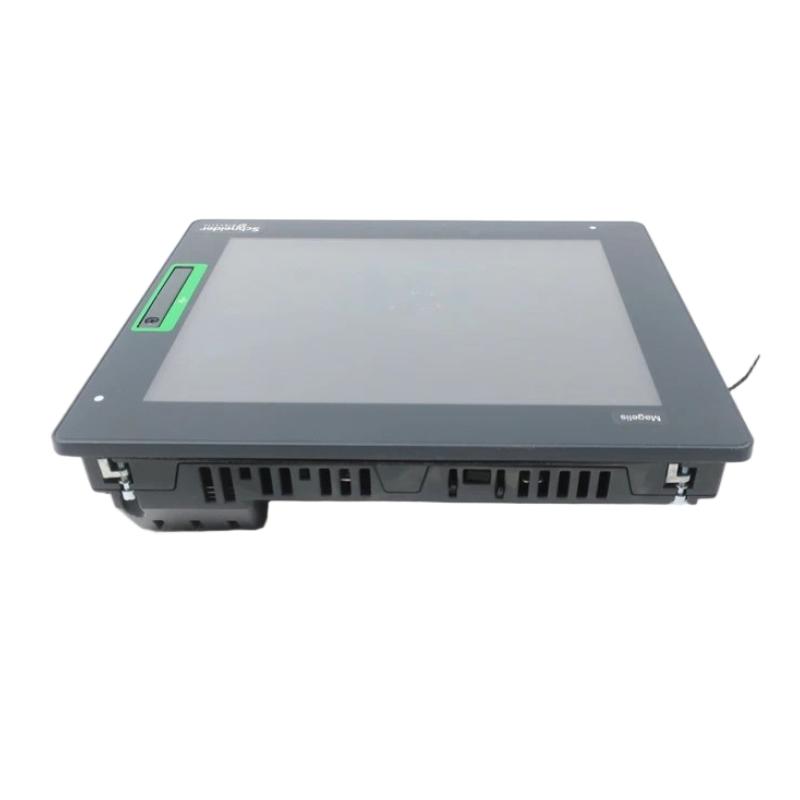
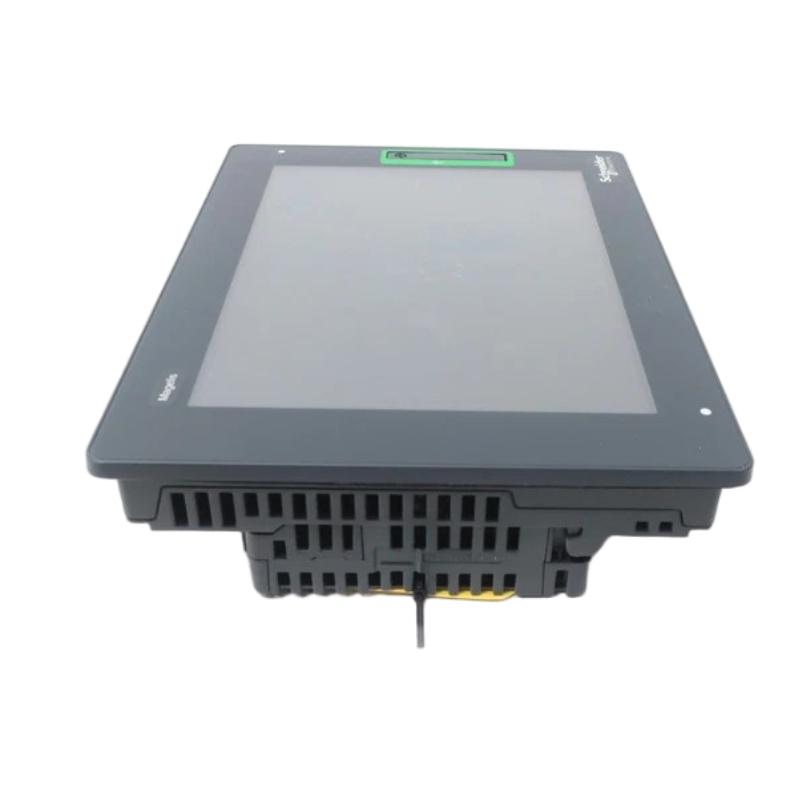
- Schneider
- HMIDT542
- Smart Touchscreen Panel
- France
- 272.5 × 214.5 × 67 mm
- 2.7 kg
- Xiamen, China
- New & In Stock
- T/T, PayPal, Western Union
- 1 Year
- 1-3 Working Days
- DHL, UPS, TNT, FedEx and EMS.
- 24-Hour Service
- COO
- 12
Our advantage

Global Logistics
We have a 10-year logistics and express cooperation agreement, so our products can be shipped to any place in the world.

Brand new and original
Our products are imported in bulk from the place of origin. Because of the cooperative relationship, our products are all original and 100% new.

24-hour service
We provide 7*24 hours service to our customers. We will be there whenever you need us.

Price advantage
All our products are priced very favorably because we have our own warehouse and supply.
| Company Information | |||
| [email protected] | |||
| Mobile | +8615980777398 | ||
| +8615980777398 | |||
| 15980777398 |
Product Overview
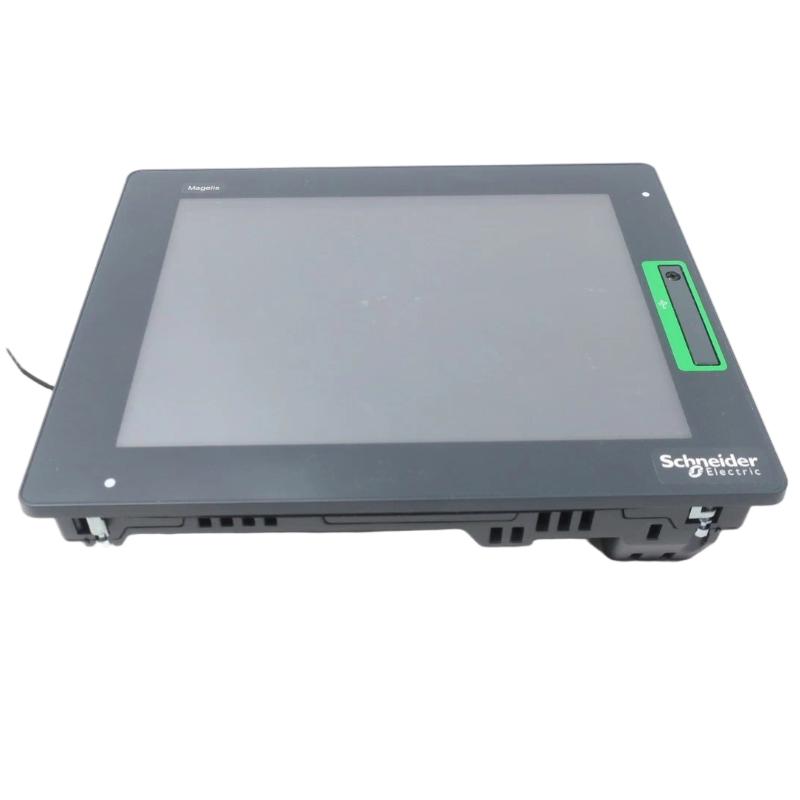
The Schneider HMIDT542 Smart Touchscreen Panel is an industrial human-machine interface designed to provide operators with a graphical platform for monitoring, controlling, and interacting with automated machinery and processes. As part of an industrial HMI architecture, the panel can connect the operator with PLCs, controllers, drives, remote I/O, instrumentation, and other automation equipment.
Touchscreen HMIs have become an important part of modern industrial control systems because they allow multiple operating functions to be combined into a single configurable interface. Instead of using separate physical switches, indicators, meters, and control stations, an HMI can organize these functions into software-based screens.
The Schneider HMIDT542 is identified as a Smart Touchscreen Panel with supplied dimensions of 272.5 × 214.5 × 67 mm and a listed weight of 2.7 kg. Its physical format provides a practical solution for applications that require a dedicated operator interface while maintaining a relatively compact control-panel footprint.
The HMIDT542 should be viewed as part of a complete automation architecture rather than as an independent control device. Its actual functionality depends on the HMI application, connected controller, communication configuration, and system design.
Technical Specifications
| Parameter | Specification |
|---|---|
| Manufacturer | Schneider Electric |
| Model | HMIDT542 |
| Product Type | Smart Touchscreen Panel |
| Primary Function | Industrial HMI and operator interface |
| Application | Industrial automation and machine control |
| Dimensions | 272.5 × 214.5 × 67 mm |
| Weight | 2.7 kg |
| Installation | Industrial control panel / machine enclosure |
| Interface Role | Human-machine interface |
| Display Technology | Touchscreen interface |
The dimensions and weight listed above are based on the supplied product information. Exact display resolution, communication interfaces, power requirements, mounting cutout, environmental ratings, software compatibility, and other detailed electrical specifications should be verified against the configuration intended for installation.
Understanding the Schneider HMIDT542
The HMIDT542 Smart Touchscreen Panel provides the operator interface layer of an industrial automation system.
In a typical application, the PLC or controller executes the control program while the HMI presents information and accepts operator commands.
A simplified architecture is:
Field Devices → PLC / Controller → Industrial Network → HMIDT542 → Operator
Field devices may include sensors, switches, transmitters, motors, valves, drives, and other equipment. The controller processes these signals and determines the appropriate machine response. The HMIDT542 then provides a graphical representation of the system.
Depending on the application, the operator may use the touchscreen to:
- Monitor machine status
- View process variables
- Access alarms
- Navigate machine screens
- Enter authorized parameters
- Start or stop permitted operations
- Review diagnostics
- Observe trends
- Access maintenance information
The exact available functions depend on the configured HMI project.
Smart Touchscreen HMI Function
A smart touchscreen panel combines visualization and operator interaction into one device.
Unlike a basic indicator panel, an HMI can display different information depending on machine state, operator access level, alarm conditions, or production requirements.
For example, an HMI application may contain:
Overview Screen
Provides a general representation of the machine or process.
Equipment Screen
Shows the status of individual machines, motors, pumps, valves, or other devices.
Alarm Screen
Displays active and historical alarm information according to the application design.
Parameter Screen
Allows authorized personnel to view or modify selected operating parameters.
Diagnostic Screen
Provides maintenance personnel with information useful for fault identification.
Trend Screen
Displays selected process values over time when trend functionality is configured.
This flexible screen structure allows a single HMIDT542 panel to support multiple operator tasks.
Role in Industrial Automation
The HMIDT542 can occupy the operator-interface layer of an industrial control architecture.
A modern automation system commonly consists of several functional levels:
Field Level → Control Level → Communication Level → Visualization Level
At the field level, sensors and actuators interact with the physical process.
At the control level, PLCs and controllers execute the automation logic.
At the communication level, data is exchanged between controllers, HMI devices, drives, I/O systems, and other equipment.
At the visualization level, the HMIDT542 provides operators with access to the information required to operate and monitor the system.
This structure separates control logic from operator interaction while allowing both layers to exchange relevant information.
Industrial Applications
Factory Automation
Manufacturing machines can use touchscreen panels to provide centralized access to machine operating information, alarms, and parameters.
Packaging Equipment
Packaging systems often require multiple operator commands and status displays. A touchscreen HMI can consolidate these functions into configurable pages.
Material Handling
Conveyor systems, sorting equipment, automated storage systems, and handling machinery can use an HMI to display equipment states and operating conditions.
Process Machinery
Industrial process equipment can use touchscreen visualization to display process variables and alarm conditions.
Pump and Utility Systems
Pump stations, ventilation systems, water systems, and other utility equipment can use a local HMI for monitoring and operator interaction.
Production Lines
A larger production line can use an HMI as a local operator station, allowing personnel to monitor equipment while maintaining access to controller-generated information.
Physical Characteristics and Installation Space
The supplied physical dimensions of the HMIDT542 are:
272.5 × 214.5 × 67 mm
The listed product weight is:
2.7 kg
These specifications are important when designing the control cabinet or machine enclosure.
The dimensions should be considered during:
- Panel layout
- Mounting preparation
- Operator access planning
- Cable routing
- Rear clearance
- Adjacent-device placement
- Maintenance planning
The 67 mm depth is particularly relevant when determining the space available behind the mounting surface.
The overall product dimensions should not be interpreted as the required panel cutout dimensions. The applicable mechanical drawing should be used when preparing the mounting opening.
Mounting and Installation Guidelines
Verify the Product
Before installation, confirm the complete identification:
Schneider HMIDT542 Smart Touchscreen Panel
The model should match the intended automation application.
Prepare the Enclosure
The mounting surface should be prepared according to the required installation dimensions.
Do not use the overall 272.5 × 214.5 × 67 mm product dimensions as a substitute for the specified panel cutout.
Provide Adequate Support
At 2.7 kg, the panel requires a stable mounting structure capable of supporting its weight under normal operating conditions.
Plan Rear Clearance
Adequate space should be provided behind the panel for:
- Power connections
- Communication cables
- Connector access
- Cable bending radius
- Maintenance operations
- Heat dissipation where applicable
Check the Environment
The panel should be installed in an enclosure and environment compatible with its specified operating conditions.
Dust, moisture, vibration, heat, and electrical interference should be considered during cabinet design.
Electrical and Communication Integration
The HMIDT542 operates as part of a larger automation system.
Depending on the actual application, the surrounding architecture may contain:
- Schneider Electric PLCs
- Modicon controllers
- Remote I/O
- Variable speed drives
- Servo systems
- Industrial Ethernet equipment
- Sensors
- Actuators
- Process instrumentation
- Other operator interfaces
The exact communication protocols, connector types, network interfaces, and power requirements should be verified for the specific HMIDT542 configuration rather than assumed from the product name alone.
A properly designed network should provide reliable communication between the HMI and the control devices.
HMI Application Configuration
The physical touchscreen panel is only one part of the HMI system.
The associated application may contain:
- Graphical screens
- Navigation structures
- Controller tags
- Alarm definitions
- User permissions
- Parameter fields
- Equipment graphics
- Diagnostic pages
- Trend objects
- Communication settings
The application should be designed around the actual machine-control requirements.
For example, an operator should be able to move from a general machine overview to a specific equipment screen without unnecessary navigation steps.
Critical functions should be clearly identified, while maintenance and configuration functions can be protected through appropriate access controls.
Operator Interface Design
Good HMI design improves the usability of the automation system.
Clear Information Hierarchy
Frequently required information should be easy to locate.
Consistent Navigation
Screen navigation should use consistent layouts and control structures.
Clear Alarm Presentation
Alarm information should be easy to recognize and understand.
Appropriate Parameter Access
Only authorized parameters should be made editable through operator screens.
Machine Status Visualization
Important operating states should be represented clearly.
Maintenance Information
Diagnostic information can be organized into dedicated maintenance screens to help technicians identify equipment problems.
Commissioning Procedure
Commissioning should verify both the HMIDT542 hardware and the associated HMI application.
1. Mechanical Inspection
Check that the panel is securely mounted and that the enclosure installation is stable.
2. Wiring Inspection
Verify power and communication wiring before energizing the system.
3. Power-Up Test
Energize the panel and confirm that it starts correctly.
4. Communication Verification
Confirm communication between the HMI and the intended controller or network devices.
5. Application Verification
Check that the correct HMI project is loaded and that the intended screens are available.
6. Touchscreen Test
Test the touchscreen controls across the operating interface.
7. Data Verification
Compare displayed process values with the corresponding controller or field information.
8. Alarm Verification
Confirm that configured alarms are displayed correctly.
9. Operator Function Test
Test permitted commands under controlled machine conditions.
Troubleshooting the HMIDT542
HMI Does Not Start
If the panel does not start, inspect:
- Power source
- Power wiring
- Protection devices
- Connectors
- Installation conditions
- Hardware status
A power-related problem should be eliminated before assuming that the panel itself has failed.
Touchscreen Does Not Respond
If the display is active but touchscreen interaction does not work correctly, inspect:
- Screen condition
- Application configuration
- Touch interaction settings
- Software status
- Physical damage
If only certain screen objects fail to respond, the problem may be related to the HMI application rather than the physical touchscreen.
Communication Error
If controller data is unavailable, check:
- Communication cable
- Network connection
- Device addressing
- Controller status
- HMI communication configuration
- Network equipment
- Application settings
Communication problems should be investigated across the complete network.
Incorrect Displayed Values
If the HMI displays incorrect process information, compare the HMI value with the controller value.
Potential causes include:
- Incorrect tag assignment
- Incorrect scaling
- Controller configuration
- Communication problems
- Application configuration
Replacing the HMI should not be the first response to a data-mapping problem.
Intermittent Operation
Intermittent HMI behavior can be associated with unstable power, communication interruptions, loose connections, environmental conditions, application problems, or hardware faults.
A fault history should be maintained when investigating recurring problems.
Preventive Maintenance
Preventive maintenance can help extend the useful service life of the HMIDT542 and its surrounding system.
Touchscreen Cleaning
Keep the screen surface clean and free from excessive dust, oil, or other contamination.
Mechanical Inspection
Check mounting hardware and the surrounding enclosure for looseness or damage.
Cable Inspection
Inspect power and communication cables for mechanical damage, loose connections, or excessive bending.
Application Backup
Maintain a current backup of the HMI project and configuration.
Communication Monitoring
Recurring network interruptions should be investigated before they become a source of production downtime.
Environmental Inspection
Verify that cabinet temperature, moisture, dust, and vibration remain within the permitted operating environment.
Replacement and Spare-Parts Planning
When sourcing a replacement for the Schneider HMIDT542, the complete model designation should be checked.
Important considerations include:
- Full model number
- Product type
- Physical dimensions
- Mounting configuration
- HMI software compatibility
- Communication requirements
- Power requirements
- Existing application project
- Environmental conditions
The supplied physical specifications are:
Dimensions: 272.5 × 214.5 × 67 mm
Weight: 2.7 kg
A panel with a similar size should not automatically be considered interchangeable. The mechanical interface, electrical requirements, software environment, and communication architecture all need to be compatible.
Control Cabinet Design Considerations
The HMIDT542 should be considered during the early stages of cabinet design.
The front of the panel requires sufficient space for comfortable operator interaction, while the rear requires enough clearance for cables and maintenance.
The 272.5 × 214.5 mm overall footprint should be considered when positioning nearby:
- Push buttons
- Selector switches
- Emergency-stop devices
- Pilot indicators
- Other HMIs
- Circuit breakers
- Drives
- PLC equipment
The listed 2.7 kg weight should also be considered when designing the mounting structure.
Reliability and System-Level Maintenance
Reliable HMI operation depends on more than the touchscreen hardware.
A complete maintenance strategy should include:
HMI Hardware + Application Software + Controller + Network + Power Supply + Field Equipment
For example, an HMI communication error may actually originate from a controller fault or network interruption. Similarly, an incorrect process value may result from PLC scaling or tag configuration rather than an HMI hardware problem.
A system-level troubleshooting approach therefore reduces unnecessary component replacement.
Key Advantages
The Schneider HMIDT542 offers several useful characteristics for industrial automation applications:
- Smart touchscreen operator interface
- Compact 272.5 × 214.5 × 67 mm form factor
- Listed weight of 2.7 kg
- Suitable for industrial machine-control environments
- Graphical visualization capability
- Configurable operator screens
- Centralized access to machine information
- Support for alarm and diagnostic visualization
- Suitable for integration with PLC-based automation architectures
- Practical solution for local operator interaction
Technical FAQs
What is the Schneider HMIDT542?
The Schneider HMIDT542 is a Smart Touchscreen Panel designed for use as an operator interface in compatible industrial automation systems.
What are the dimensions of the HMIDT542?
The supplied dimensions are 272.5 × 214.5 × 67 mm.
What is the weight of the HMIDT542?
The listed weight is 2.7 kg.
Is the HMIDT542 a PLC controller?
No. The HMIDT542 is a touchscreen HMI panel. The PLC or controller normally executes the actual machine-control logic.
What is the main purpose of a touchscreen HMI?
An HMI allows operators to monitor equipment, view process information, manage alarms, enter permitted parameters, and interact with machine-control functions through a graphical interface.
Can the HMIDT542 be used with Schneider PLC systems?
It can form part of a Schneider-oriented automation architecture when the HMI hardware, software, communication interfaces, and controller configuration are compatible. Exact compatibility should be confirmed for the intended system.
What should be considered when mounting the HMIDT542?
The overall dimensions are 272.5 × 214.5 × 67 mm, but the actual mounting cutout should be taken from the applicable installation drawing. Rear clearance and cable access should also be considered.
What can cause communication problems?
Possible causes include incorrect communication settings, network faults, cable problems, controller status, addressing errors, application configuration, or hardware issues.
Should the HMI application be backed up?
Yes. Maintaining a current backup of the HMI project and relevant configuration can significantly simplify replacement, troubleshooting, and system recovery.
Can another touchscreen panel with similar dimensions replace the HMIDT542?
Not automatically. Mechanical dimensions alone are insufficient to establish compatibility. Communication, software, power, mounting, and system requirements should also be checked.
Conclusion
The Schneider HMIDT542 Smart Touchscreen Panel is an industrial HMI component designed to provide a graphical operator interface for compatible automation and machine-control systems. By combining touchscreen interaction with configurable visualization, an HMI can give operators convenient access to machine status, process information, alarms, parameters, diagnostics, and other application-specific functions.
The supplied physical specifications for the HMIDT542 are 272.5 × 214.5 × 67 mm, with a listed weight of 2.7 kg. These values are important for control-panel layout, mechanical mounting, enclosure planning, cable routing, and replacement preparation.
Successful HMIDT542 integration requires more than simply installing the touchscreen. The HMI application, controller, communication network, power system, and field equipment must work together as a complete automation architecture. Proper commissioning, application backup, preventive maintenance, and systematic troubleshooting can help maintain reliable operator interaction and reduce unnecessary downtime.
For replacement applications, the complete Schneider HMIDT542 model should be verified together with its mechanical, electrical, software, communication, and environmental requirements before installation.