

ProductPRODUCT
Featured products
Contact Us
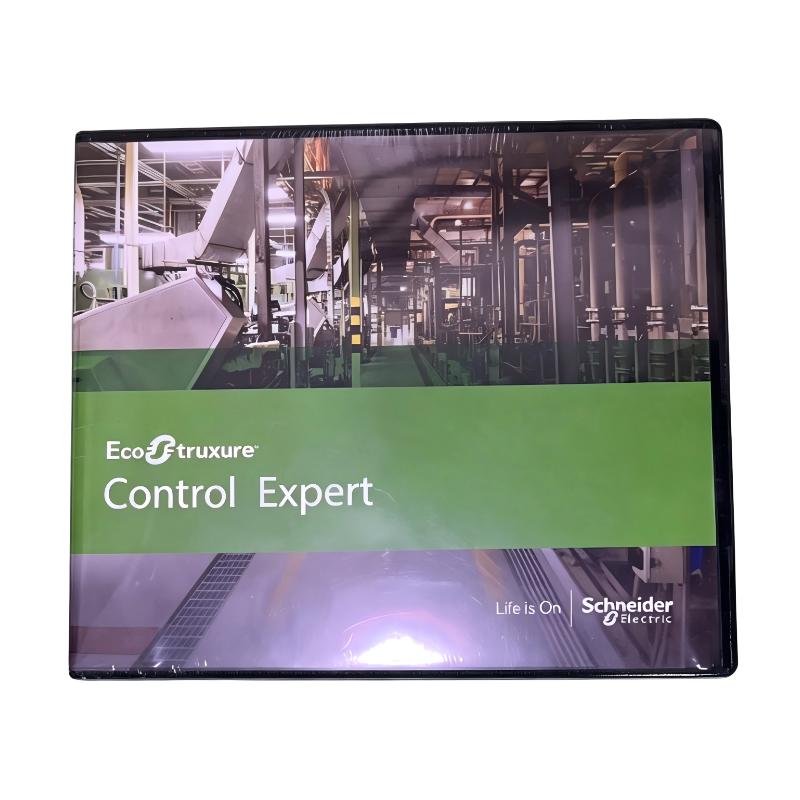
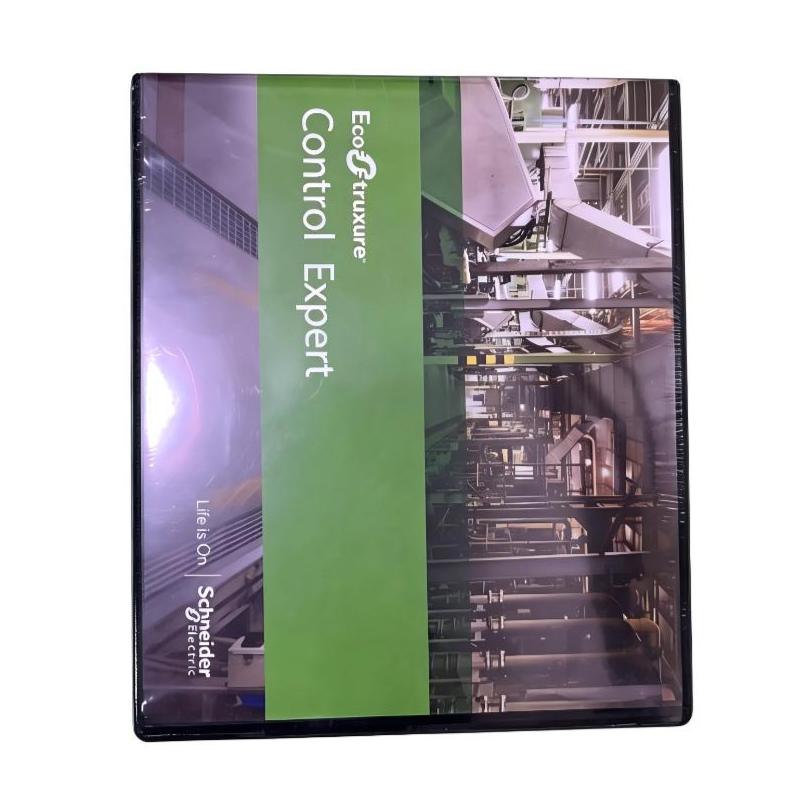
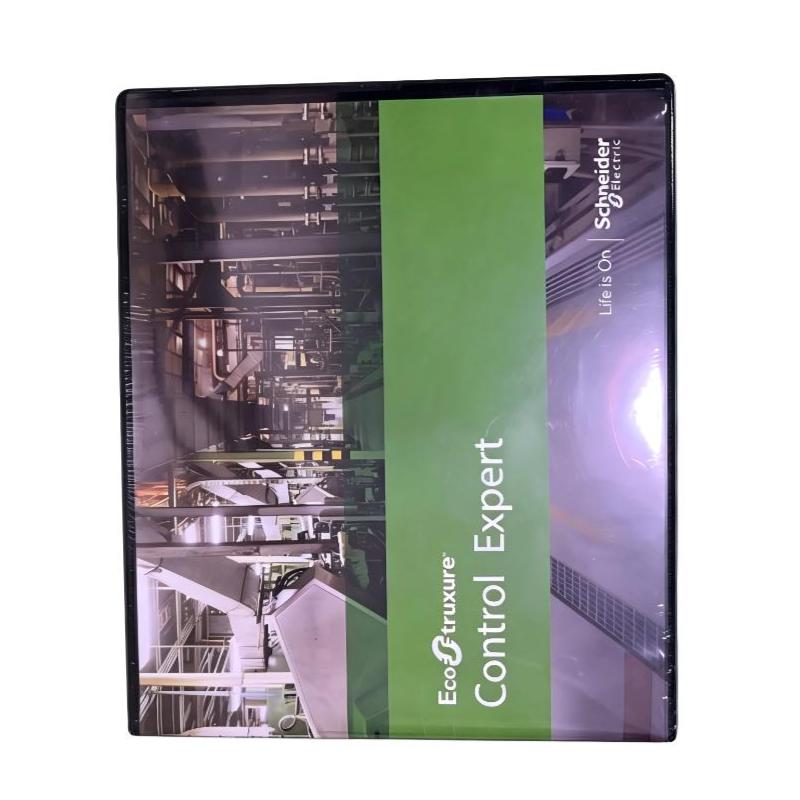
- Schneider
- CEXSPUCZXSPAZZ
- License
- France
- 100 x 20 x 80 mm
- 0.1 kg
- Xiamen, China
- New & In Stock
- T/T, PayPal, Western Union
- 1 Year
- 1-3 Working Days
- DHL, UPS, TNT, FedEx and EMS.
- 24-Hour Service
- COO
- 8
Our advantage

Global Logistics
We have a 10-year logistics and express cooperation agreement, so our products can be shipped to any place in the world.

Brand new and original
Our products are imported in bulk from the place of origin. Because of the cooperative relationship, our products are all original and 100% new.

24-hour service
We provide 7*24 hours service to our customers. We will be there whenever you need us.

Price advantage
All our products are priced very favorably because we have our own warehouse and supply.
| Company Information | |||
| [email protected] | |||
| Mobile | +8615980777398 | ||
| +8615980777398 | |||
| 15980777398 |
Product Overview
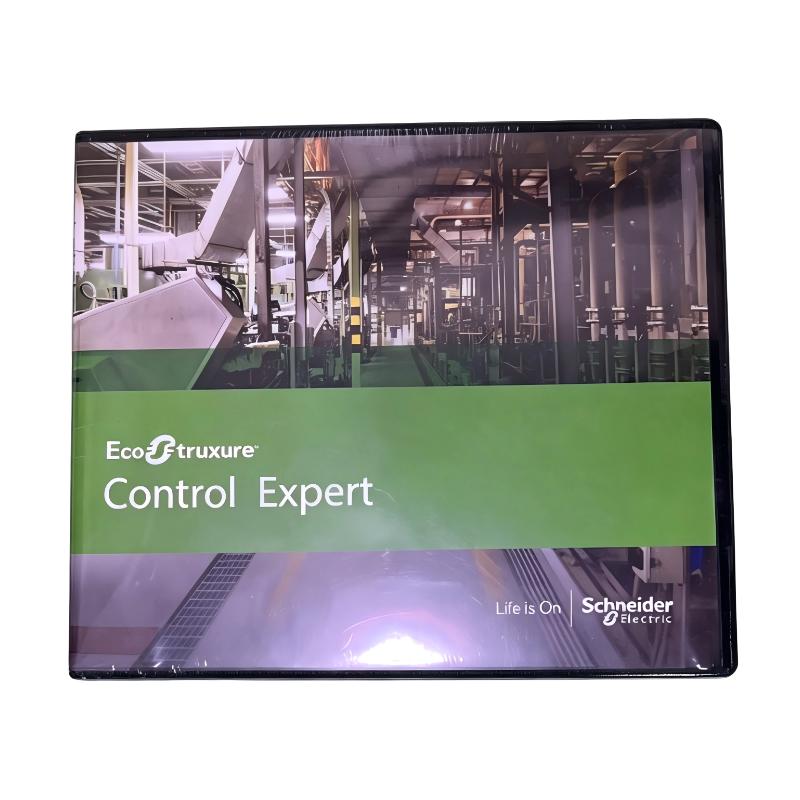
The Schneider CEXSPUCZXSPAZZ License is a software-related licensing product intended for use within a compatible Schneider Electric automation or control environment. Unlike a conventional PLC module, communication card, power supply, or field device, a license primarily represents an authorized software capability, feature, or system function associated with a Schneider Electric automation solution.
Licensing plays an important role in modern industrial automation because many control platforms provide expandable software functions that can be enabled according to the requirements of a particular installation. Instead of requiring separate hardware for every feature, software licensing can allow users to activate additional capabilities within an existing automation architecture.
The CEXSPUCZXSPAZZ is therefore best considered as part of the software and system-configuration layer rather than as a conventional electrical control component.
The supplied physical specifications for this product are 100 × 20 × 80 mm, with a listed weight of 0.1 kg. These values can be useful for inventory, packaging, identification, and logistics planning, although the functional nature of a license means that its primary value is associated with software authorization rather than physical hardware.
Because licensing functions can vary by software platform, version, and system configuration, the exact feature enabled by the CEXSPUCZXSPAZZ should be verified against the corresponding Schneider Electric commercial and technical configuration before deployment.
Technical Specifications
| Parameter | Specification |
|---|---|
| Manufacturer | Schneider Electric |
| Model | CEXSPUCZXSPAZZ |
| Product Type | License |
| Primary Function | Software feature or capability authorization |
| Application | Industrial automation and control systems |
| Dimensions | 100 × 20 × 80 mm |
| Weight | 0.1 kg |
| Installation | Software/system configuration environment |
| Product Role | Licensing and feature activation |
| Physical Classification | License product / associated packaging or identification item |
The exact software entitlement, activation method, supported software platform, license duration, user limitations, and feature scope should be confirmed for the specific CEXSPUCZXSPAZZ configuration.
What Is the Schneider CEXSPUCZXSPAZZ?
The Schneider CEXSPUCZXSPAZZ is identified as a License product. Its primary purpose is therefore associated with software authorization rather than direct electrical control.
In modern automation systems, software can provide functions such as:
- System configuration
- Controller programming
- Diagnostics
- Data management
- Visualization
- Engineering tools
- Communication functions
- Advanced process-management capabilities
- System integration features
Depending on the software architecture, some functions may require a specific license before they can be used in a production environment.
The license can therefore be viewed as an authorization layer between the user and a particular software capability.
A simplified concept is:
Automation Hardware → Software Platform → Licensed Function → Authorized System Capability
The exact relationship depends on the Schneider Electric software and automation platform associated with the license.
Role of Licensing in Industrial Automation
Industrial automation has become increasingly software-driven. PLC controllers, distributed control systems, HMIs, industrial networks, drives, and supervisory applications can all depend on engineering and runtime software.
Licensing allows software providers to manage access to specific functions while enabling customers to select capabilities appropriate to their system requirements.
A license may be associated with:
- Engineering functionality
- Runtime operation
- Advanced configuration
- Communication features
- Specialized control functions
- System expansion
- Additional software capacity
The specific function of the CEXSPUCZXSPAZZ should therefore be determined from the intended Schneider Electric software environment rather than inferred solely from the model number.
Software and Hardware Relationship
A license is different from a hardware module.
For example, an industrial automation system may contain:
PLC Controller → I/O Modules → Communication Network → HMI → Engineering Software
The hardware performs physical control and signal processing, while the software provides configuration, programming, visualization, diagnostics, and other system functions.
The CEXSPUCZXSPAZZ belongs to the software authorization side of this architecture.
This distinction is important when planning replacement parts and inventory. A license should not be treated as a direct replacement for a hardware controller or I/O component.
Industrial Automation Applications
PLC Engineering
Automation engineers frequently use software environments to configure PLC hardware, develop control programs, manage device parameters, and diagnose system conditions.
A suitable software license can enable the functions required for engineering activities.
HMI and Visualization
Industrial automation systems often rely on software for operator visualization and machine-status monitoring. Licensing may determine which visualization or runtime capabilities are available.
Process Automation
Process-control applications can contain sophisticated software environments for configuration, monitoring, diagnostics, and data management.
System Integration
Automation integrators may need licensed software capabilities when commissioning or expanding complex control systems.
Maintenance and Diagnostics
Software-based diagnostics can help maintenance personnel identify equipment faults, monitor system status, and evaluate operating conditions.
License-Based System Configuration
One of the important differences between software products and hardware products is that installation may not simply involve physical mounting.
A license-related workflow can involve:
- Identifying the required software platform.
- Confirming the license model.
- Installing or accessing the applicable software.
- Entering or importing the appropriate license information.
- Activating the licensed capability.
- Verifying that the feature is available.
- Testing the software in the intended automation environment.
The exact procedure depends on the licensing mechanism and the Schneider Electric software environment involved.
Installation and Activation Considerations
Because the CEXSPUCZXSPAZZ is identified as a license, installation requirements differ from those of a PLC module or electrical accessory.
Confirm the License
Before deployment, verify:
- Complete model number
- License type
- Intended software
- Applicable software version
- Required system platform
- License scope
- Activation requirements
Confirm Software Compatibility
A license should be associated with a compatible software environment.
Before activation, confirm that the intended software version supports the required licensing mechanism.
Record License Information
License-related information should be documented securely as part of the system’s engineering records.
Useful records may include:
- Product model
- License identification
- Associated software
- Installation environment
- Activation status
- System assignment
- Purchase documentation
Verify Activation
After activation, verify that the expected software capability is available.
The system should be tested before being placed into production service.
License Management in Industrial Systems
License management becomes increasingly important as automation systems become larger.
A single industrial installation may contain:
- Multiple PLCs
- Several engineering workstations
- Operator stations
- HMIs
- SCADA systems
- Communication gateways
- Engineering software
- Diagnostic software
- Specialized configuration tools
Keeping accurate records helps prevent unexpected software-access problems during maintenance or system expansion.
For this reason, the CEXSPUCZXSPAZZ should be managed as part of the site’s software and asset-management process.
Physical Specifications
The supplied physical dimensions of the Schneider CEXSPUCZXSPAZZ are:
100 × 20 × 80 mm
The supplied weight is:
0.1 kg
Because the product is identified as a license, these physical specifications should be interpreted carefully. They may represent the physical form, packaging, documentation, or logistics configuration associated with the license product rather than a conventional electronic module.
The physical values are nevertheless useful for:
- Inventory planning
- Storage
- Shipping
- Product identification
- Spare-parts management
System Integration
A software license can become part of a broader Schneider Electric automation architecture that includes:
- PLC controllers
- Remote I/O
- Industrial Ethernet
- HMI systems
- SCADA platforms
- Engineering workstations
- Process-control systems
- Variable speed drives
- Servo systems
- Industrial communication networks
- Automation configuration software
The license itself does not normally replace any of these hardware components.
Instead, it enables an associated software capability that can interact with or configure the automation hardware.
Troubleshooting License-Related Problems
License problems can sometimes appear as software configuration or system-function problems.
Licensed Feature Is Unavailable
If a required function cannot be accessed, check:
- License status
- Software version
- Activation state
- Installed software components
- License assignment
- User permissions where applicable
Software Reports a License Problem
Verify that the correct license is associated with the intended software environment.
The exact error message should be recorded because licensing problems can be caused by configuration, activation, software-version mismatch, or other administrative conditions.
License Cannot Be Activated
Check:
- License identification
- Activation method
- Software compatibility
- System configuration
- Network requirements where applicable
- Existing license assignments
The activation procedure should follow the applicable Schneider Electric software licensing process.
Function Stops After System Changes
Software upgrades, workstation replacement, system migration, or configuration changes can sometimes affect how licensed functions are recognized.
Before making major system changes, license information should be documented and the required software environment should be verified.
Maintenance and License Management
Unlike an electronic board, a license generally does not require mechanical maintenance.
However, good software asset management is important.
Recommended practices include:
Maintain License Records
Keep accurate records of installed and available licenses.
Document Software Versions
Record the software version associated with the license.
Track System Assignments
Identify which engineering workstation, server, controller environment, or project uses the licensed capability where applicable.
Protect License Information
License-related information should be handled as controlled system information and retained in appropriate engineering records.
Plan Before Upgrades
Software upgrades should be evaluated for licensing compatibility before implementation.
Replacement Considerations
When replacing or re-procuring a Schneider CEXSPUCZXSPAZZ License, the complete model number should be verified.
Important considerations include:
- Full product designation
- License type
- Associated software
- Software version
- Activation mechanism
- System architecture
- Existing license status
- Required functionality
The supplied physical specifications are:
100 × 20 × 80 mm
0.1 kg
For a license product, functional compatibility is more important than physical similarity. A product with similar dimensions cannot automatically be considered an equivalent software license.
Inventory and Asset Management
License products should be managed differently from conventional spare hardware.
For hardware, inventory records normally emphasize:
- Part number
- Physical dimensions
- Weight
- Electrical specifications
- Storage conditions
For software licenses, inventory management should additionally consider:
- License entitlement
- Associated software
- Activation status
- Version compatibility
- System assignment
- Renewal or lifecycle requirements where applicable
The CEXSPUCZXSPAZZ can therefore be recorded in both product inventory and software-asset documentation.
Engineering Best Practices
Several practices can help reduce software licensing problems in industrial environments.
Verify Requirements Before Purchase
Confirm which software capability is actually required before obtaining the license.
Maintain Version Compatibility
Document the software version associated with the license and check compatibility before upgrades.
Keep Records
Maintain organized records of license information, activation status, and system assignments.
Test Before Production
After activation or system migration, verify that the required software functions operate correctly.
Include Licensing in Project Documentation
Licensing should be considered during system design, commissioning, modernization, and maintenance planning.
Key Advantages
The Schneider CEXSPUCZXSPAZZ provides several practical benefits as a software licensing product:
- Supports authorized software functionality
- Can form part of a Schneider Electric automation software environment
- Helps enable required system capabilities
- Supports structured software asset management
- Suitable for automation engineering and system integration environments
- Compact listed physical dimensions of 100 × 20 × 80 mm
- Listed weight of 0.1 kg
- Can be incorporated into industrial automation project documentation
- Supports controlled management of software functionality
Technical FAQs
What is the Schneider CEXSPUCZXSPAZZ?
The Schneider CEXSPUCZXSPAZZ is identified as a License product associated with Schneider Electric automation software or system functionality.
What are the dimensions of the CEXSPUCZXSPAZZ?
The supplied dimensions are 100 × 20 × 80 mm.
How much does the CEXSPUCZXSPAZZ weigh?
The supplied weight is 0.1 kg.
Is the CEXSPUCZXSPAZZ a PLC module?
No. It is identified as a License, rather than a PLC CPU, I/O module, power supply, or communication module.
What is the purpose of an industrial automation software license?
A software license can authorize access to particular software capabilities required for engineering, configuration, runtime operation, diagnostics, visualization, communication, or other automation functions.
Does the license have to be physically installed like a PLC module?
Not necessarily. The exact installation or activation process depends on the associated Schneider Electric software and licensing mechanism.
What should be checked before using the CEXSPUCZXSPAZZ?
The complete product number, associated software, software version, license scope, activation method, and system requirements should be verified.
Can a similar license automatically replace the CEXSPUCZXSPAZZ?
No. Software licenses are function-specific. Compatibility should be confirmed based on the required software capability and system configuration rather than physical appearance.
Why are license records important?
Accurate records help maintenance and engineering teams identify which software capabilities are authorized and avoid problems during workstation replacement, system upgrades, or automation-system expansion.
Conclusion
The Schneider CEXSPUCZXSPAZZ License is a software-oriented product intended to provide authorization for functionality within a compatible Schneider Electric automation environment. Unlike conventional automation hardware, its primary role is associated with software capability and system configuration rather than physical signal processing or electrical switching.
The supplied physical specifications are 100 × 20 × 80 mm with a listed weight of 0.1 kg. These values can be useful for inventory and logistics purposes, while the more important engineering considerations are the license entitlement, associated software environment, activation requirements, and version compatibility.
For reliable deployment, the complete CEXSPUCZXSPAZZ designation should be verified together with the intended Schneider Electric software platform. License information should be properly documented, activation status should be maintained, and compatibility should be checked before software upgrades or system migrations.
When correctly managed as part of the automation software architecture, the Schneider CEXSPUCZXSPAZZ can support the controlled deployment of licensed functionality within industrial automation, engineering, configuration, and system-integration environments.