

ProductPRODUCT
Featured products
Contact Us
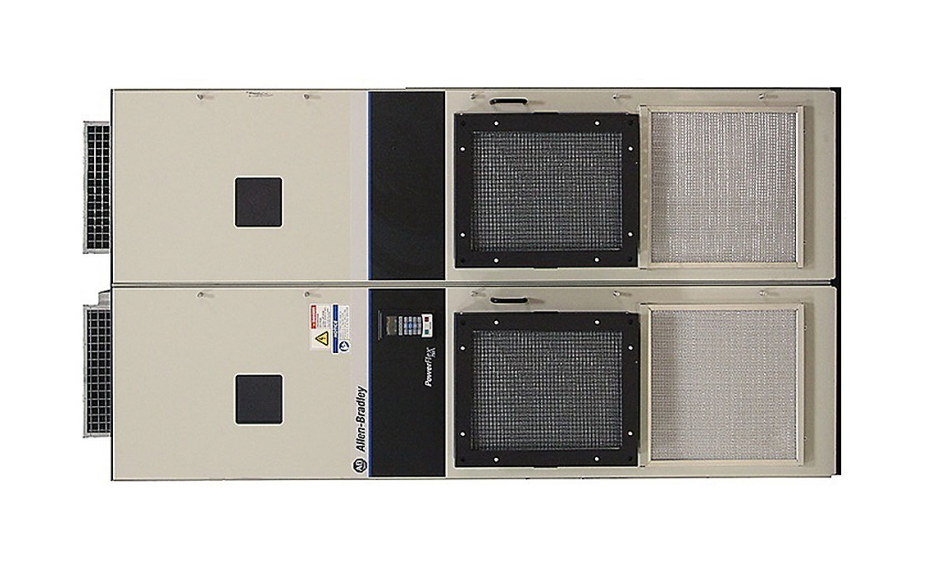
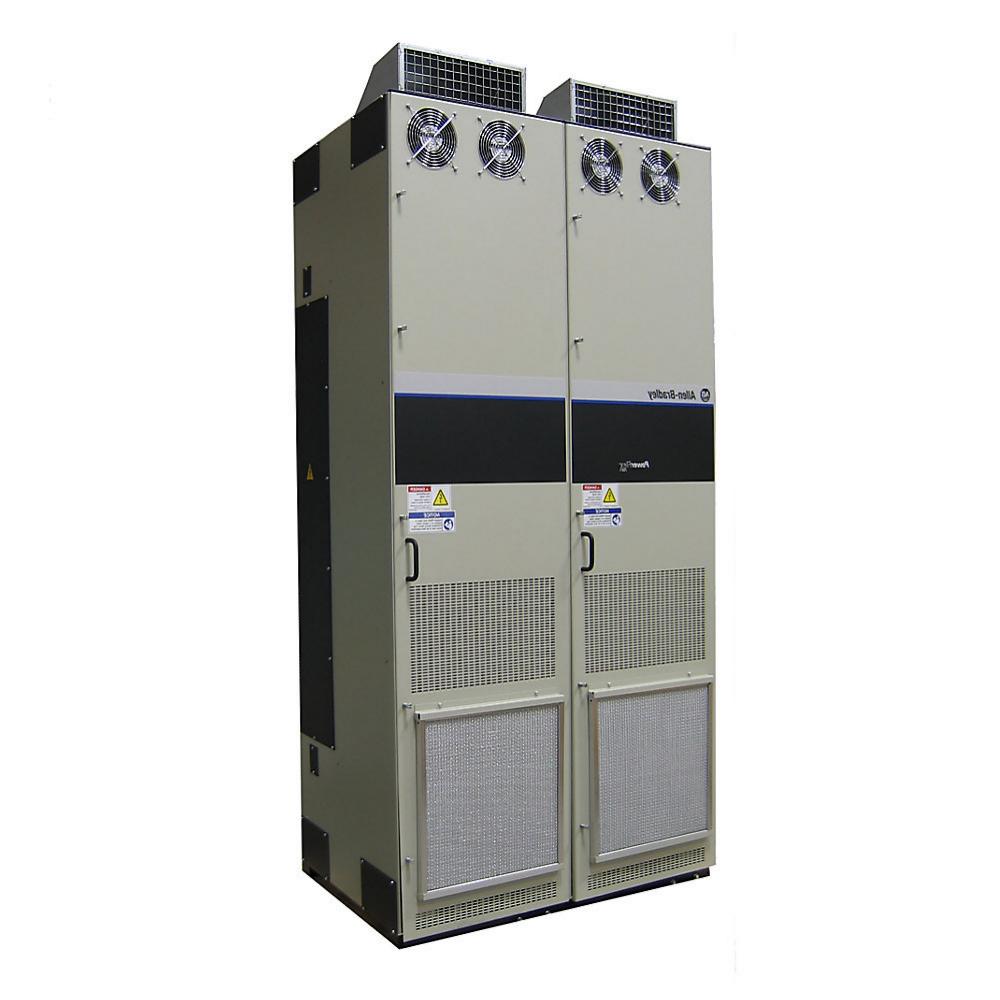
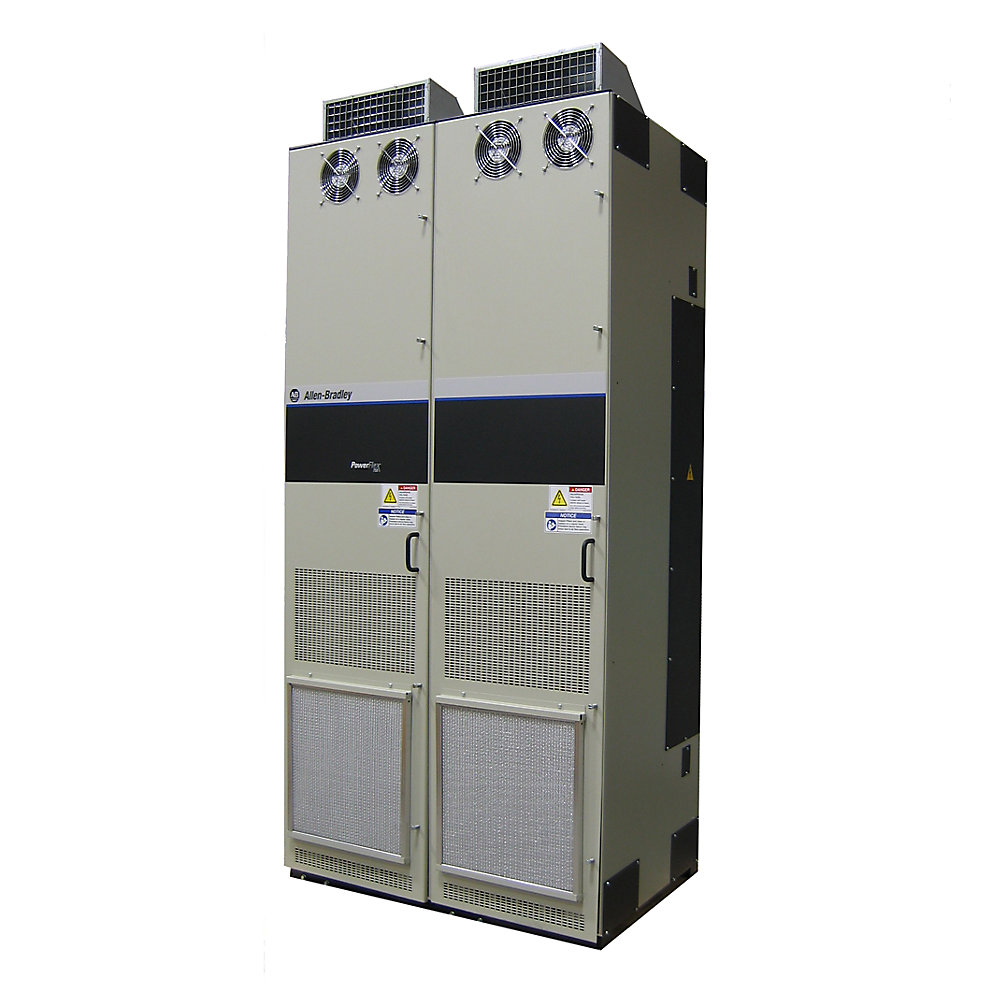
- Allen Bradley
- 20G1F3D361LNDNNNNN
- PowerFlex AC Drive
- USA
- 2477 × 1200 × 800 mm
- 1287kg
- Xiamen, China
- New & In Stock
- T/T, PayPal, Western Union
- 1 Year
- 1-3 Working Days
- DHL, UPS, TNT, FedEx and EMS.
- 24-Hour Service
- COO
- 6
Our advantage

Global Logistics
We have a 10-year logistics and express cooperation agreement, so our products can be shipped to any place in the world.

Brand new and original
Our products are imported in bulk from the place of origin. Because of the cooperative relationship, our products are all original and 100% new.

24-hour service
We provide 7*24 hours service to our customers. We will be there whenever you need us.

Price advantage
All our products are priced very favorably because we have our own warehouse and supply.
| Company Information | |||
| [email protected] | |||
| Mobile | +8615980777398 | ||
| +8615980777398 | |||
| 15980777398 |
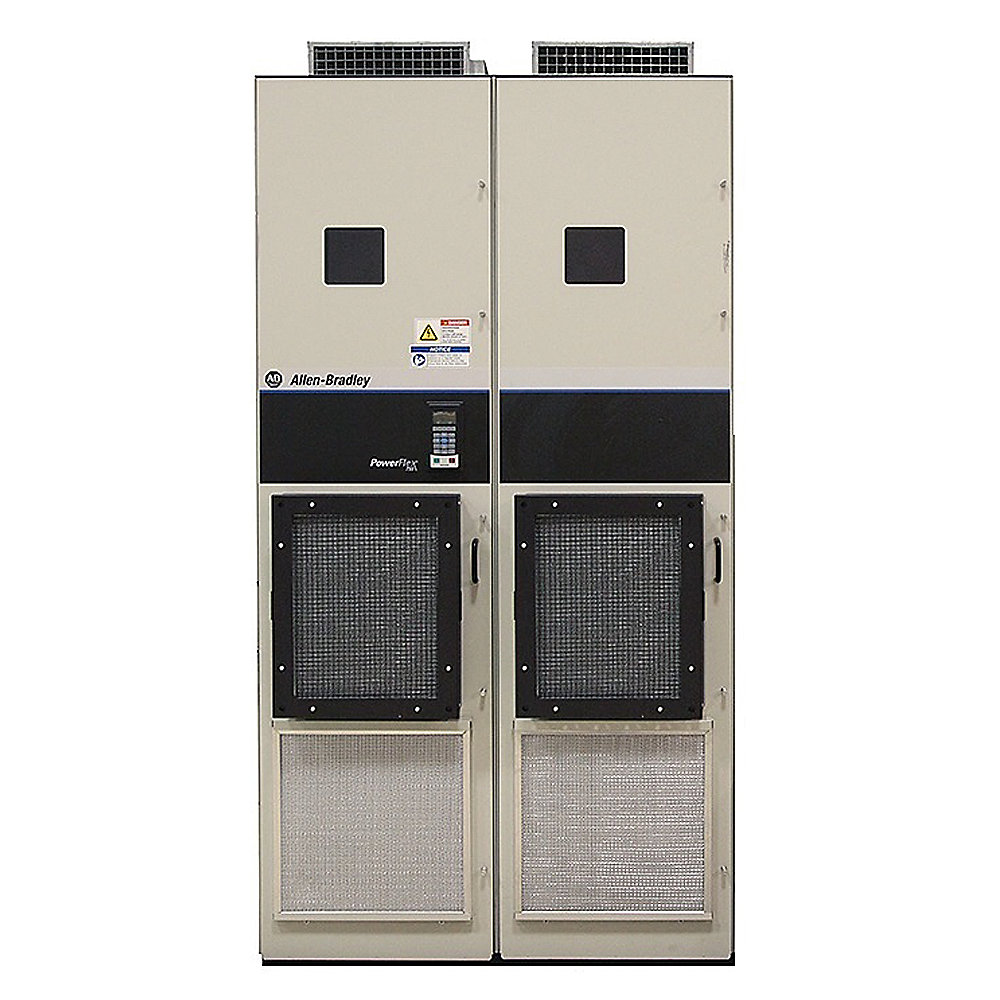
Allen-Bradley 20G1F3D361LNDNNNNN PowerFlex 755 AC Drive
1. Product Introduction
The Allen-Bradley 20G1F3D361LNDNNNNN is an industrial AC variable-frequency drive belonging to the PowerFlex 755 series.
It is designed for large and demanding motor-control applications where the motor needs controlled starting, adjustable operating speed, controlled stopping, and reliable integration into an industrial automation system.
The 20G1F3D361LNDNNNNN is part of the 361-class PowerFlex 755 catalog range. The corresponding 361 A configuration is associated with a 480 VAC, three-phase supply class, Frame 7 construction, and ratings of approximately 300 HP normal duty and 250 HP heavy duty for the applicable configuration.
This places the drive firmly in the large industrial-drive category.
It is intended for applications where the motor and driven machinery are too substantial for a small general-purpose inverter, and where accurate speed regulation and controlled motor behavior are important to the production process.
Typical applications include large conveyors, pumps, fans, blowers, crushers, mixers, compressors, material-handling machinery, mining equipment, cement machinery, water-treatment equipment, and other process-driven machines.
The main purpose of the drive is not simply to turn a motor on and off.
Its real value is in controlling how the motor accelerates, operates, changes speed, and decelerates while responding to the requirements of the mechanical system.
2. Brand
The brand of the product is Allen-Bradley.
Allen-Bradley industrial drive products are widely used in factory automation, process machinery, material handling, infrastructure and heavy industrial applications.
For this particular product, the relevant product family is PowerFlex, while the specific series is PowerFlex 755.
| Parameter | Specification |
|---|---|
| Brand | Allen-Bradley |
| Product Family | PowerFlex |
| Product Series | PowerFlex 755 |
| Product Type | AC Variable Frequency Drive |
| Exact Catalog Number | 20G1F3D361LNDNNNNN |
| Drive Category | Industrial AC Drive |
| Cooling | Air-cooled / forced-air configuration |
| Current Class | 361 A class |
| Voltage Class | 480 VAC class |
| Phase | Three-phase |
| Frame | Frame 7 class |
| Dimensions (H × W × D) | Configuration dependent; verify final mechanical drawing |
| Weight (kg) | Configuration dependent; verify final product documentation |
The exact catalog number is important because PowerFlex 755 products are available in numerous configurations. A similar current rating does not automatically mean that two catalog numbers are mechanically or electrically interchangeable.
3. Product Series
PowerFlex 755
The 20G1F3D361LNDNNNNN belongs to the PowerFlex 755 AC Drive series.
The PowerFlex 755 platform is intended for industrial motor-control applications where a high level of control flexibility is required.
The series supports a broad range of applications and is available in multiple voltage classes, current classes, frame sizes, cooling arrangements, feedback configurations, communication options and other factory configurations.
For large machinery, the series is particularly useful because the drive can become part of the overall automation architecture rather than functioning as an isolated motor starter.
The drive can receive commands from a controller, provide operating information back to the control system, and coordinate motor speed with the production process.
The 361-class version is one of the larger configurations in the conventional air-cooled PowerFlex 755 range. Related catalog listings include 302 A, 361 A, 430 A, 505 A, 545 A and higher-current configurations.
4. Basic Product Identification
| Item | Specification |
|---|---|
| Product Name | PowerFlex 755 AC Drive |
| Brand | Allen-Bradley |
| Exact Model | 20G1F3D361LNDNNNNN |
| Product Family | PowerFlex |
| Product Series | PowerFlex 755 |
| Product Type | Industrial AC Drive |
| Drive Function | Variable-speed motor control |
| Current Class | 361 A |
| Voltage Class | 480 VAC |
| Phase | 3-phase |
| Frame Size | Frame 7 class |
| Cooling | Forced air / air cooled |
| Normal-Duty Rating | Approximately 300 HP |
| Heavy-Duty Rating | Approximately 250 HP |
| Application | Large industrial motor control |
| Dimensions (H × W × D) | Configuration dependent |
| Weight (kg) | Configuration dependent |
The 361 A, 480 VAC, three-phase and Frame 7 characteristics are associated with the corresponding PowerFlex 755 361 A configuration.
5. Main Electrical Characteristics
The 20G1F3D361LNDNNNNN is designed for large three-phase AC motor applications.
Its 361 A class is the most important basic sizing reference when comparing it with other PowerFlex 755 configurations.
For a 480 VAC system, the applicable 361 A configuration is associated with approximately 300 HP normal duty and 250 HP heavy duty.
The distinction between normal duty and heavy duty is important.
A motor driving a relatively smooth load does not impose the same electrical demand as a crusher, conveyor, mixer or other machine that requires high starting torque and frequent load changes.
Therefore, drive selection should always be based on the actual motor nameplate current and application duty instead of relying only on horsepower.
6. Detailed Electrical Parameter Table
| Parameter | Specification |
|---|---|
| Brand | Allen-Bradley |
| Series | PowerFlex 755 |
| Model | 20G1F3D361LNDNNNNN |
| Drive Type | AC Variable Frequency Drive |
| Voltage Class | 480 VAC |
| Input Phase | 3-phase |
| Current Class | 361 A |
| Normal-Duty Power Class | Approximately 300 HP |
| Heavy-Duty Power Class | Approximately 250 HP |
| Frame | Frame 7 |
| Cooling | Forced air / air cooled |
| Motor Control | Variable-speed AC motor control |
| Application | Industrial motor-driven equipment |
| Dynamic Braking | Configuration dependent |
| Feedback | Configuration dependent |
| Communications | Configuration dependent |
| Enclosure / Installation | Configuration dependent |
| Dimensions (H × W × D) | Configuration dependent |
| Weight (kg) | Configuration dependent |
7. What the 361 A Rating Means
The 361 A designation is an important part of the catalog identification.
It places this drive above the 302-class configuration and below the larger 430 A, 505 A and 545 A configurations within the same broad catalog range.
This makes the 361 A model useful for applications involving relatively large motors.
For example, a motor-driven conveyor may have a large mechanical load but relatively smooth operation.
A crusher may require much more demanding torque behavior.
A pump may have a more predictable load profile.
A fan may have high rotational inertia but a comparatively smooth operating load.
The same nominal horsepower does not mean that all four applications impose the same requirements on the drive.
8. Normal-Duty and Heavy-Duty Operation
For the applicable 361 A / 480 VAC configuration, the published rating information identifies approximately:
- 300 HP normal duty
- 250 HP heavy duty
This distinction should be taken seriously during engineering selection.
A motor that operates under continuous, relatively stable load may fall into a different duty category from a motor subjected to repeated acceleration, high starting torque or rapid load changes.
Heavy-duty applications can include:
- Crushers
- Loaded conveyors
- Mixers
- Hoists
- Material-handling systems
- Certain process machines
- High-inertia machinery
The final selection must be based on the actual load profile.
9. Air-Cooled / Forced-Air Design
The 361 A PowerFlex 755 configuration is associated with forced-air cooling.
Air cooling is practical for many industrial electrical installations because it avoids the need for a separate liquid-cooling circuit.
However, large power electronics generate substantial heat.
A properly designed installation therefore needs sufficient airflow, appropriate ambient temperature, suitable clearances and regular maintenance.
The cooling system should be considered part of the drive installation rather than an afterthought.
Important factors include:
- Ambient temperature
- Airflow
- Ventilation
- Dust accumulation
- Cooling fan condition
- Cabinet layout
- Electrical-room temperature
- Installation altitude
- Clearance around ventilation openings
10. Frame 7 Configuration
The 361 A configuration is associated with Frame 7.
A larger frame is required because the drive must handle substantially more electrical power and dissipate more heat than a small drive.
Frame size affects:
- Physical dimensions
- Cabinet design
- Cooling requirements
- Cable entry
- Installation access
- Maintenance access
- Transportation
- Lifting requirements
- Replacement planning
For this reason, the exact mechanical drawing should always be checked before designing a replacement cabinet.
11. Variable-Speed Motor Control
The primary function of the 20G1F3D361LNDNNNNN is variable-speed control of industrial AC motors.
A conventional fixed-speed starter normally operates a motor at approximately the supply frequency.
A variable-frequency drive gives the control system considerably more flexibility.
The motor can be accelerated gradually.
The operating speed can be changed.
The motor can be decelerated according to a programmed profile.
The process can therefore use motor speed as another control variable.
This is particularly useful when production requirements change during operation.
12. Controlled Acceleration
Large motors can produce significant mechanical shock when started directly.
A large conveyor, for example, may have considerable belt mass and material load.
A fan may have a large rotating assembly.
A crusher may have substantial mechanical inertia.
A pump may be connected to a large fluid system.
The drive allows the acceleration process to be managed rather than simply applying full-speed operation immediately.
This can help reduce:
- Mechanical shock
- Belt stress
- Coupling stress
- Gearbox stress
- Shaft stress
- Electrical starting stress
The actual acceleration time should be selected according to the machine and motor characteristics.
13. Controlled Deceleration
The same principle applies during stopping.
A controlled deceleration profile can be useful when the machine has significant inertia.
Examples include:
- Long conveyors
- Large fans
- Centrifugal equipment
- Material-handling systems
- Mixers
- Rotating process equipment
If rapid stopping is required, the braking method must be evaluated separately.
The drive configuration should not be assumed to include every braking option simply because it belongs to the PowerFlex 755 family.
14. Product Architecture
A typical installation may include:
- Incoming electrical supply
- Protective equipment
- AC drive
- Motor
- PLC or automation controller
- HMI
- Sensors
- Feedback equipment
- Communication network
- Safety system
- Mechanical transmission
- Process machine
The drive acts as the electrical interface between the plant power system and the motor.
At the same time, it acts as a control component within the automation system.
15. Major Product Advantages
15.1 High Current Capacity
The 361 A class provides substantially greater capacity than smaller PowerFlex configurations.
This makes the model suitable for large industrial motors where a smaller drive would not provide sufficient continuous current capability.
15.2 Flexible Speed Control
Variable-speed operation allows the motor to respond to changing production requirements.
This can be especially useful in:
- Pumps
- Fans
- Conveyors
- Blowers
- Mixers
- Processing equipment
15.3 Controlled Starting
Large motors can impose significant electrical and mechanical stress during starting.
Controlled acceleration can make the starting sequence more gradual.
This is useful for heavy rotating equipment.
15.4 Controlled Stopping
The drive can provide controlled deceleration according to the configured operating strategy.
This can reduce unnecessary mechanical shock and make the machine easier to operate.
15.5 Industrial Automation Integration
The PowerFlex 755 platform is designed to function as part of an industrial automation architecture.
This makes it suitable for plants where the motor drive needs to exchange commands and operating information with a larger control system.
15.6 Broad Application Range
The same general drive platform can be used across many industries.
This is useful for plants that want a consistent drive architecture across different machine types.
16. Conveyor Applications
Large conveyors are one of the most important application areas for this type of drive.
A conveyor may have a long belt, large material load and significant mechanical inertia.
Starting the conveyor too aggressively can create mechanical stress throughout the system.
A variable-speed drive allows the acceleration process to be managed.
The operating speed can also be adjusted according to material flow.
Typical applications include:
- Mining conveyors
- Aggregate conveyors
- Cement conveyors
- Bulk-material conveyors
- Port handling
- Factory material handling
- Production lines
- Warehouse systems
17. Mining Applications
Mining operations use large electric motors throughout the production process.
The 20G1F3D361LNDNNNNN can be considered for applications such as:
- Ore conveyors
- Crushers
- Feeders
- Pumps
- Dewatering systems
- Ventilation equipment
- Material-transfer systems
- Processing machinery
Mining environments require special attention to dust, temperature, vibration and maintenance conditions.
The drive should be installed in an environment appropriate for its actual enclosure and protection configuration.
18. Cement Plant Applications
Cement plants contain many large motor-driven machines.
Typical equipment includes:
- Conveyors
- Fans
- Blowers
- Pumps
- Crushers
- Feeders
- Material-handling systems
- Process machinery
Large fans and conveyors are particularly suitable applications for variable-speed control.
A drive can also help coordinate the motor with upstream and downstream process equipment.
19. Aggregate Processing
Aggregate plants use crushers, screens, conveyors, feeders and pumps.
These machines frequently operate under changing loads.
A variable-frequency drive can be useful where the process requires adjustable speed or controlled starting.
For crushers, the mechanical duty is particularly important.
The drive must be selected according to the actual torque requirement and overload conditions.
20. Pump Applications
Large pumps are common in:
- Water treatment
- Wastewater
- Mining
- Chemical processing
- Cooling systems
- Industrial water circulation
- Process plants
Pump demand can change during operation.
Variable-speed operation allows the motor to respond to the required flow or pressure conditions rather than running continuously at one fixed speed.
The pump, motor and piping system must be evaluated together.
21. Fan Applications
Large industrial fans can have significant rotational inertia.
Examples include:
- Furnace fans
- Exhaust fans
- Dust-collection fans
- Cooling fans
- Ventilation systems
- Process-air fans
- Mine ventilation equipment
The drive can control fan speed according to process requirements.
This can also help avoid unnecessary operation at maximum speed when full airflow is not required.
22. Blower Applications
Industrial blowers are commonly used in:
- Wastewater aeration
- Process air
- Combustion systems
- Dust collection
- Pneumatic conveying
- Industrial ventilation
The drive can provide controlled acceleration and variable operating speed.
The motor current and blower operating curve should be considered during selection.
23. Compressor Applications
Compressors can impose demanding starting conditions.
The 20G1F3D361LNDNNNNN can be considered where the compressor manufacturer permits variable-speed motor operation.
Important considerations include:
- Starting torque
- Compressor load
- Motor current
- Operating speed range
- Acceleration time
- Cooling
- Duty cycle
- Process pressure
The drive should be selected together with the compressor package rather than independently.
24. Crusher Applications
Crushers can be among the more demanding applications for an AC drive.
The machine may experience:
- High starting torque
- Rapid load changes
- High mechanical inertia
- Material jams
- Repeated acceleration cycles
- Significant mechanical shock
For this reason, the distinction between normal duty and heavy duty becomes important.
A crusher should not be sized simply by matching the motor horsepower to a drive horsepower number.
The actual current and torque requirements must be reviewed.
25. Mixer Applications
Industrial mixers often require considerable torque at low speed.
Applications can include:
- Cement mixing
- Chemical mixing
- Food processing
- Mineral processing
- Industrial blending
- Slurry handling
Variable-speed control allows the mixer speed to be adjusted according to the material being processed.
The motor and mechanical transmission should be checked for the required low-speed torque.
26. Water and Wastewater Applications
Large water-treatment facilities use numerous motor-driven machines.
The drive can be used for:
- Raw-water pumps
- Transfer pumps
- Wastewater pumps
- Aeration blowers
- Sludge equipment
- Cooling-water pumps
- Process-water systems
Variable-speed control is especially useful where flow demand changes throughout the day.
27. Material Handling Applications
Material handling often involves large motors and substantial inertia.
Typical applications include:
- Belt conveyors
- Transfer conveyors
- Loading systems
- Bulk-material handling
- Production lines
- Warehouse systems
- Port machinery
Controlled acceleration can reduce mechanical shock.
Adjustable speed can also help synchronize equipment across different sections of a production process.
28. Steel and Metal Processing
Large industrial drives are frequently used in steel and metal-processing plants.
Potential applications include:
- Material handling
- Cooling systems
- Pumps
- Fans
- Conveyors
- Process machinery
- Exhaust systems
- Large auxiliary machinery
The drive must be matched to the specific process and motor duty.
29. Detailed Product Specification Table
| Parameter | 20G1F3D361LNDNNNNN |
|---|---|
| Brand | Allen-Bradley |
| Product Family | PowerFlex |
| Product Series | PowerFlex 755 |
| Product Type | AC Drive |
| Exact Catalog Number | 20G1F3D361LNDNNNNN |
| Current Class | 361 A |
| Voltage Class | 480 VAC |
| Phase | 3-phase |
| Frame | Frame 7 |
| Normal-Duty Rating | Approx. 300 HP |
| Heavy-Duty Rating | Approx. 250 HP |
| Cooling | Forced air / air cooled |
| Motor Control | Variable-speed AC motor control |
| Installation | Industrial |
| Dynamic Braking | Configuration dependent |
| Feedback | Configuration dependent |
| Communication | Configuration dependent |
| Enclosure | Configuration dependent |
| Dimensions (H × W × D) | Configuration dependent |
| Weight (kg) | Configuration dependent |
30. Dimensions and Weight
The physical dimensions and weight deserve special attention for this model.
A 361 A Frame 7 drive is physically much larger than a small machine-level inverter.
However, the exact mechanical dimensions and weight depend on the specific catalog configuration, enclosure arrangement and factory options.
For that reason, an exact dimension or exact kilogram figure should not be invented merely from the catalog number.
| Mechanical Parameter | Specification |
|---|---|
| Model | 20G1F3D361LNDNNNNN |
| Frame | Frame 7 class |
| Cooling | Forced air |
| Installation Type | Industrial |
| Height | Configuration dependent |
| Width | Configuration dependent |
| Depth | Configuration dependent |
| Dimensions (H × W × D) | Verify final mechanical drawing |
| Net Weight | Configuration dependent |
| Weight (kg) | Verify final product documentation |
| Mounting | Configuration dependent |
| Required Clearance | Verify final installation documentation |
| Lifting / Handling | Plan according to final equipment weight |
For cabinet construction, transportation and replacement planning, the final mechanical drawing should be treated as the controlling reference.
31. Installation Planning
Installation planning should begin before the drive arrives at the site.
A Frame 7 drive requires appropriate space for:
- Power connections
- Control connections
- Cooling airflow
- Inspection
- Maintenance
- Cable routing
- Component access
- Safe working clearance
The cabinet should also provide adequate ventilation.
If the drive is installed in an enclosed cabinet, the cabinet heat balance must be calculated rather than assuming that natural ventilation will be sufficient.
32. Cooling Requirements
Cooling is one of the most important aspects of large-drive installation.
The drive’s power electronics generate heat during normal operation.
High ambient temperature can increase thermal stress.
Dust can restrict airflow.
A failed cooling fan can cause the drive to overheat.
Routine maintenance should therefore include inspection of:
- Cooling fans
- Air passages
- Cabinet filters
- Ventilation openings
- Ambient temperature
- Dust accumulation
33. Motor Selection
The motor must be compatible with the drive’s electrical rating.
Important motor information includes:
| Motor Parameter | Required Check | Dimensions (H × W × D) | Weight (kg) |
|---|---|---|---|
| Motor Voltage | Match drive voltage class | Configuration dependent | Configuration dependent |
| Motor Current | Must be within drive capability | Configuration dependent | Configuration dependent |
| Motor Power | Check normal/heavy-duty application | Configuration dependent | Configuration dependent |
| Motor Frequency | Confirm system frequency | Configuration dependent | Configuration dependent |
| Motor Speed | Confirm operating range | Configuration dependent | Configuration dependent |
| Motor Duty | Continuous/intermittent duty | Configuration dependent | Configuration dependent |
| Starting Torque | Confirm machine requirement | Configuration dependent | Configuration dependent |
| Cooling | Confirm motor cooling method | Configuration dependent | Configuration dependent |
| Insulation | Suitable for VFD operation | Configuration dependent | Configuration dependent |
34. Electrical Installation Considerations
The electrical installation should consider:
- Incoming power
- Protective equipment
- Grounding
- Motor cable
- Motor protection
- Control wiring
- Communication wiring
- EMC considerations
- Short-circuit conditions
- Cable routing
- Disconnect equipment
The drive should be installed by appropriately qualified personnel.
Large industrial drives contain hazardous electrical energy even after normal operation has stopped.
The plant’s established lockout and electrical safety procedures should always be followed.
35. Environmental Conditions
The environment can have a major impact on drive reliability.
Temperature
Excessive temperature increases thermal stress.
Dust
Dust can reduce cooling effectiveness.
Moisture
Moisture can damage insulation and electronic components.
Vibration
Heavy machinery can transmit vibration through the structure.
Corrosive Atmosphere
Chemical gases can attack electrical connections and circuit boards.
Altitude
High-altitude installations may require consideration of cooling and electrical derating.
The actual allowable limits depend on the final configuration.
36. Maintenance
Routine maintenance should include:
- Checking cooling fans
- Cleaning ventilation passages
- Inspecting electrical connections
- Checking motor cables
- Inspecting control wiring
- Reviewing fault history
- Checking cabinet temperature
- Checking for abnormal vibration
- Checking for unusual noise
- Inspecting signs of overheating
Preventive maintenance is generally more effective than waiting until a large industrial drive fails.
37. Troubleshooting
Overcurrent
Possible causes include:
- Excessive mechanical load
- Motor problem
- Short acceleration time
- Incorrect motor parameters
- Mechanical jam
- Cable fault
Overtemperature
Possible causes include:
- Excessive ambient temperature
- Poor airflow
- Dirty cooling path
- Cooling fan problem
- Excessive load
Ground Fault
Possible causes include:
- Motor insulation failure
- Cable insulation damage
- Moisture
- Wiring error
Communication Fault
Possible causes include:
- Network wiring
- Configuration mismatch
- Controller problem
- Electrical interference
- Communication-module issue
The exact drive fault code and operating conditions should be reviewed before changing parameters.
38. Five Recommended Same-Series or Closely Related Models
The following five models are useful comparison points within the same PowerFlex 755 family and nearby current classes.
| Model | Series | Current Class | Voltage Class | Typical Rating / Position | Cooling | Dimensions (H × W × D) | Weight (kg) |
|---|---|---|---|---|---|---|---|
| 20G1F3D302LNDNNNNN | PowerFlex 755 | 302 A | 480 VAC class | Lower current class | Air cooled | Configuration dependent | Configuration dependent |
| 20G1F3D361LNANNNNN | PowerFlex 755 | 361 A | 480 VAC class | Closely related 361 A configuration | Air cooled | Configuration dependent | Configuration dependent |
| 20G1F3D361LNDNNNNN-C0 | PowerFlex 755 | 361 A | 480 VAC class | Same 361 A family with additional catalog option | Air cooled | Configuration dependent | Configuration dependent |
| 20G1F3D430LNDNNNNN | PowerFlex 755 | 430 A | 480 VAC class | Higher current class | Air cooled | Configuration dependent | Configuration dependent |
| 20G1F3D505LNDNNNNN | PowerFlex 755 | 505 A | 480 VAC class | Higher current class | Air cooled | Configuration dependent | Configuration dependent |
These catalog numbers are represented within the PowerFlex 755 361 A and adjacent current-class ranges.
39. Comparison: 302 A Class
The 20G1F3D302LNDNNNNN is a useful comparison because it is immediately below the 361-class configuration.
| Parameter | 20G1F3D302LNDNNNNN | 20G1F3D361LNDNNNNN |
|---|---|---|
| Series | PowerFlex 755 | PowerFlex 755 |
| Current Class | 302 A | 361 A |
| Voltage Class | 480 VAC class | 480 VAC class |
| Frame | Application/configuration dependent | Frame 7 class |
| Cooling | Air cooled | Air cooled |
| Relative Capacity | Lower | Higher |
| Application | Large industrial motor | Larger industrial motor |
| Dimensions (H × W × D) | Configuration dependent | Configuration dependent |
| Weight (kg) | Configuration dependent | Configuration dependent |
The 361 A model provides a larger current class, which is useful when the motor’s continuous current requirement exceeds the practical range of the 302-class configuration.
40. Comparison: 430 A Class
The 430 A configuration is a useful reference for applications requiring more capacity than the 361 A class.
| Parameter | 20G1F3D361LNDNNNNN | 20G1F3D430LNDNNNNN |
|---|---|---|
| Series | PowerFlex 755 | PowerFlex 755 |
| Current Class | 361 A | 430 A |
| Voltage Class | 480 VAC class | 480 VAC class |
| Cooling | Air cooled | Air cooled |
| Application | Large industrial machinery | Higher-capacity industrial machinery |
| Dimensions (H × W × D) | Configuration dependent | Configuration dependent |
| Weight (kg) | Configuration dependent | Configuration dependent |
A move to a higher current class should only be made when required by the motor and process.
Larger is not automatically better.
The correct drive is the one that matches the electrical and mechanical requirements of the actual application.
41. Five Same-Brand Reference Models
For broader Allen-Bradley product comparison, the following PowerFlex models are useful reference points.
| Model | Product Family | General Application | Relative Capacity | Dimensions (H × W × D) | Weight (kg) |
|---|---|---|---|---|---|
| 20G1F3D302LNDNNNNN | PowerFlex 755 | Large industrial motor control | 302 A class | Configuration dependent | Configuration dependent |
| 20G1F3D430LNDNNNNN | PowerFlex 755 | High-capacity motor control | 430 A class | Configuration dependent | Configuration dependent |
| 20G1F3D505LNDNNNNN | PowerFlex 755 | Heavy industrial motor control | 505 A class | Configuration dependent | Configuration dependent |
| 20G1F3D545LNDNNNNN | PowerFlex 755 | Large industrial machinery | 545 A class | Configuration dependent | Configuration dependent |
| 20G1F3D617LNDNNNNN | PowerFlex 755 | Very large industrial motor control | 617 A class | Configuration dependent | Configuration dependent |
These models belong to the same broad PowerFlex 755 catalog family and provide useful reference points across increasing current classes.
42. Reference Model: 20G1F3D430LNDNNNNN
The 20G1F3D430LNDNNNNN is a higher-current PowerFlex 755 configuration.
It can be considered when the motor requires more current than the 361 A class.
| Parameter | Specification |
|---|---|
| Model | 20G1F3D430LNDNNNNN |
| Brand | Allen-Bradley |
| Series | PowerFlex 755 |
| Current Class | 430 A |
| Voltage Class | 480 VAC class |
| Cooling | Air cooled |
| Product Type | AC Drive |
| Application | High-capacity industrial motor control |
| Dimensions (H × W × D) | Configuration dependent |
| Weight (kg) | Configuration dependent |
43. Reference Model: 20G1F3D505LNDNNNNN
The 20G1F3D505LNDNNNNN represents a higher current class within the same general family.
It is suitable as a reference when comparing larger drive requirements.
| Parameter | Specification |
|---|---|
| Model | 20G1F3D505LNDNNNNN |
| Brand | Allen-Bradley |
| Series | PowerFlex 755 |
| Current Class | 505 A |
| Voltage Class | 480 VAC class |
| Cooling | Air cooled |
| Product Type | AC Drive |
| Application | Heavy industrial motor control |
| Dimensions (H × W × D) | Configuration dependent |
| Weight (kg) | Configuration dependent |
44. Reference Model: 20G1F3D545LNDNNNNN
The 20G1F3D545LNDNNNNN is another larger-current PowerFlex 755 configuration.
It provides a useful comparison point for installations where the motor current is above the 361 A and 430 A classes.
| Parameter | Specification |
|---|---|
| Model | 20G1F3D545LNDNNNNN |
| Brand | Allen-Bradley |
| Series | PowerFlex 755 |
| Current Class | 545 A |
| Voltage Class | 480 VAC class |
| Cooling | Air cooled |
| Product Type | AC Drive |
| Application | Large industrial motor control |
| Dimensions (H × W × D) | Configuration dependent |
| Weight (kg) | Configuration dependent |
45. Reference Model: 20G1F3D617LNDNNNNN
The 20G1F3D617LNDNNNNN is a still higher-current member of the same broad PowerFlex 755 range.
It can serve as a reference when evaluating large motor installations requiring significantly more current.
| Parameter | Specification |
|---|---|
| Model | 20G1F3D617LNDNNNNN |
| Brand | Allen-Bradley |
| Series | PowerFlex 755 |
| Current Class | 617 A |
| Voltage Class | 480 VAC class |
| Cooling | Air cooled |
| Product Type | AC Drive |
| Application | Very large industrial motor control |
| Dimensions (H × W × D) | Configuration dependent |
| Weight (kg) | Configuration dependent |
46. Reference Model: 20G1F3D302LNDNNNNN
The 20G1F3D302LNDNNNNN is the lower-current reference model in this comparison.
It is useful when determining whether the 361 A class is actually required.
| Parameter | Specification |
|---|---|
| Model | 20G1F3D302LNDNNNNN |
| Brand | Allen-Bradley |
| Series | PowerFlex 755 |
| Current Class | 302 A |
| Voltage Class | 480 VAC class |
| Cooling | Air cooled |
| Product Type | AC Drive |
| Application | Large industrial motor control |
| Dimensions (H × W × D) | Configuration dependent |
| Weight (kg) | Configuration dependent |
47. Application Comparison
| Application | 20G1F3D361LNDNNNNN Application Potential | Important Consideration | Dimensions (H × W × D) | Weight (kg) |
|---|---|---|---|---|
| Large conveyor | High | Starting torque and loaded acceleration | Configuration dependent | Configuration dependent |
| Mining conveyor | High | Dust, duty cycle and load variation | Configuration dependent | Configuration dependent |
| Crusher | Application dependent | Heavy-duty torque and overload | Configuration dependent | Configuration dependent |
| Pump | High | Flow and pressure control | Configuration dependent | Configuration dependent |
| Fan | High | Inertia and airflow requirement | Configuration dependent | Configuration dependent |
| Blower | High | Continuous operation and motor current | Configuration dependent | Configuration dependent |
| Mixer | High, subject to torque | Low-speed torque | Configuration dependent | Configuration dependent |
| Compressor | Application dependent | Compressor manufacturer’s requirements | Configuration dependent | Configuration dependent |
| Water treatment | High | Pump/blower duty | Configuration dependent | Configuration dependent |
| Cement plant | High | Process duty and environment | Configuration dependent | Configuration dependent |
48. Advantages for Large Motors
Large motors require more careful control than small motors.
Starting current can be substantial.
Mechanical inertia can be significant.
Stopping can also require careful management.
The 20G1F3D361LNDNNNNN provides a suitable platform for large motor applications where variable-speed operation is required.
The major benefits are:
- Controlled acceleration
- Adjustable motor speed
- Controlled deceleration
- Industrial automation integration
- Large current capacity
- Air-cooled construction
- Broad application flexibility
49. Advantages for Continuous Production
In a continuous-production facility, unexpected motor stoppages can affect an entire production line.
A properly selected drive can provide useful diagnostic information and controlled motor operation.
This can help maintenance personnel identify problems before they develop into larger production interruptions.
The drive should nevertheless be considered one part of the complete reliability strategy.
Motor condition, mechanical condition, power quality, cooling and control-system health all contribute to overall equipment reliability.
50. Maintenance Planning
A practical maintenance program can be divided into three levels.
Routine Inspection
Check:
- Temperature
- Fan operation
- Airflow
- Visible contamination
- Abnormal noise
- Cabinet condition
Periodic Maintenance
Check:
- Electrical connections
- Cooling system
- Motor cables
- Grounding
- Control wiring
- Communication connections
Condition-Based Maintenance
Review:
- Fault history
- Temperature trends
- Motor current
- Operating hours
- Repeated trips
- Abnormal load behavior
This approach can help identify problems before a major drive failure occurs.
51. Replacement Planning
When replacing an existing drive, the complete catalog number should be recorded.
Do not rely on a shortened description such as:
“PowerFlex 755, 361 A.”
The complete model number contains configuration information.
The replacement process should verify:
- Exact voltage
- Current
- Duty
- Frame
- Enclosure
- Cooling
- Braking
- Feedback
- Communication
- Mechanical dimensions
- Control options
- Motor requirements
A drive with the same current class may still require different wiring or cabinet modifications if the configuration is different.
52. Transportation and Handling
Because this is a large Frame 7 class drive, transportation planning should not be overlooked.
Before moving the equipment, confirm:
- Actual product weight
- Center of gravity
- Lifting points
- Packaging dimensions
- Doorway clearance
- Floor loading
- Forklift capacity
- Crane capacity where applicable
- Final installation orientation
The exact weight should be obtained from the final product documentation rather than estimated from the catalog number.
53. Cabinet Design
A suitable cabinet should provide enough room for:
- Drive installation
- Power wiring
- Control wiring
- Cooling airflow
- Maintenance
- Cable routing
- Protective equipment
- Communication equipment
- Grounding
The cabinet’s thermal design should account for all heat-producing components.
If several drives are installed in the same enclosure, the combined heat load must be considered.
54. Control System Integration
A typical system may contain:
PLC → Drive → Motor → Machine
The PLC provides commands and operating references.
The drive converts those commands into controlled motor operation.
The motor drives the mechanical system.
Sensors provide process information back to the controller.
This creates a closed control architecture in which motor speed can become part of the overall production strategy.
55. Practical Selection Procedure
For a new application, the following sequence is useful.
Step 1 — Record Motor Data
Obtain:
- Voltage
- Current
- Power
- Frequency
- Speed
- Duty
Step 2 — Identify Mechanical Load
Determine whether the machine is:
- Pump
- Fan
- Conveyor
- Crusher
- Mixer
- Compressor
- Blower
- Other process machinery
Step 3 — Determine Duty
Establish whether the load is normal duty or heavy duty.
Step 4 — Determine Starting Requirements
Check whether the motor starts:
- Unloaded
- Partially loaded
- Fully loaded
- Against high torque
Step 5 — Determine Braking Requirements
Establish whether the machine requires:
- Normal coast stop
- Controlled deceleration
- Rapid stop
- Regenerative operation
Step 6 — Determine Environment
Check:
- Temperature
- Dust
- Moisture
- Altitude
- Corrosive atmosphere
Step 7 — Confirm Physical Installation
Verify:
- Dimensions
- Weight
- Mounting
- Cable entry
- Cooling
- Maintenance access
56. Comprehensive Parameter Table
| Parameter | Specification |
|---|---|
| Brand | Allen-Bradley |
| Series | PowerFlex 755 |
| Model | 20G1F3D361LNDNNNNN |
| Product Type | Industrial AC Variable Frequency Drive |
| Drive Function | Variable-speed motor control |
| Voltage Class | 480 VAC |
| Phase | Three-phase |
| Current Class | 361 A |
| Normal-Duty Rating | Approx. 300 HP |
| Heavy-Duty Rating | Approx. 250 HP |
| Frame | Frame 7 |
| Cooling | Forced air / air cooled |
| Input | AC input configuration |
| Output | Variable-frequency AC output |
| Motor Application | Large industrial AC motors |
| Conveyor Application | Suitable, subject to motor and duty verification |
| Pump Application | Suitable, subject to pump/motor verification |
| Fan Application | Suitable, subject to motor and inertia verification |
| Blower Application | Suitable, subject to motor and process verification |
| Crusher Application | Application-dependent; heavy-duty analysis required |
| Mixer Application | Suitable where torque requirements are within rating |
| Compressor Application | Application-dependent |
| Mining Application | Suitable where environmental requirements are satisfied |
| Water/Wastewater | Suitable for pumps and blowers |
| Control Integration | Industrial automation system |
| Feedback | Configuration dependent |
| Communication | Configuration dependent |
| Dynamic Braking | Configuration dependent |
| Enclosure | Configuration dependent |
| Installation | Industrial electrical equipment |
| Dimensions (H × W × D) | Configuration dependent |
| Weight (kg) | Configuration dependent |
57. Five Related Model Summary
| Model | Current Class | Series | Typical Position | Dimensions (H × W × D) | Weight (kg) |
|---|---|---|---|---|---|
| 20G1F3D302LNDNNNNN | 302 A | PowerFlex 755 | Lower adjacent class | Configuration dependent | Configuration dependent |
| 20G1F3D361LNANNNNN | 361 A | PowerFlex 755 | Same current class / related configuration | Configuration dependent | Configuration dependent |
| 20G1F3D361LNDNNNNN-C0 | 361 A | PowerFlex 755 | Related 361 A configuration | Configuration dependent | Configuration dependent |
| 20G1F3D430LNDNNNNN | 430 A | PowerFlex 755 | Higher adjacent class | Configuration dependent | Configuration dependent |
| 20G1F3D505LNDNNNNN | 505 A | PowerFlex 755 | Higher-capacity class | Configuration dependent | Configuration dependent |
58. Five Same-Brand Reference Model Summary
| Model | Series | Current Class | Application Category | Dimensions (H × W × D) | Weight (kg) |
|---|---|---|---|---|---|
| 20G1F3D302LNDNNNNN | PowerFlex 755 | 302 A | Large motor control | Configuration dependent | Configuration dependent |
| 20G1F3D430LNDNNNNN | PowerFlex 755 | 430 A | High-capacity motor control | Configuration dependent | Configuration dependent |
| 20G1F3D505LNDNNNNN | PowerFlex 755 | 505 A | Heavy industrial equipment | Configuration dependent | Configuration dependent |
| 20G1F3D545LNDNNNNN | PowerFlex 755 | 545 A | Large industrial machinery | Configuration dependent | Configuration dependent |
| 20G1F3D617LNDNNNNN | PowerFlex 755 | 617 A | Very large motor systems | Configuration dependent | Configuration dependent |
59. Product Selection Notes
The 20G1F3D361LNDNNNNN is a substantial industrial drive.
It should normally be selected after determining the motor’s actual current and the mechanical duty of the machine.
The 361 A designation provides a useful electrical sizing reference, but the final selection also depends on the motor voltage, duty, ambient conditions, installation method and required overload performance.
For a 480 VAC system, the corresponding 361 A configuration is associated with approximately 300 HP normal duty and 250 HP heavy duty.
This makes the model particularly relevant to large industrial machinery.
60. Final Product Summary
The Allen-Bradley 20G1F3D361LNDNNNNN is a PowerFlex 755 AC Drive designed for large industrial motor-control applications.
Its key characteristics include a 361 A current class, 480 VAC three-phase class, Frame 7, and forced-air cooling. The corresponding 361 A configuration is associated with approximately 300 HP normal duty and 250 HP heavy duty.
The drive is well suited to applications where motor speed needs to be actively controlled rather than simply switched on and off.
Typical applications include large conveyors, mining equipment, crushers, pumps, fans, blowers, mixers, compressors, cement machinery, aggregate-processing equipment, water-treatment systems and other heavy industrial machines.
Its principal advantages are its large current capacity, variable-speed operation, controlled acceleration, controlled deceleration, industrial automation integration and broad application flexibility.
For engineering replacement work, the complete catalog number should always be matched.
In particular, 20G1F3D361LNDNNNNN should not be replaced solely because another drive is also marked “361 A.” The voltage class, frame, cooling arrangement, braking configuration, feedback, communications, enclosure and mechanical arrangement must all be checked.
The same principle applies to the recommended related models. Models such as 20G1F3D302LNDNNNNN, 20G1F3D430LNDNNNNN, 20G1F3D505LNDNNNNN, 20G1F3D545LNDNNNNN and 20G1F3D617LNDNNNNN belong to the same broad PowerFlex 755 family but represent different current classes or configurations.
Finally, the dimensions and weight in kg should be confirmed against the exact final mechanical configuration before cabinet fabrication, transportation, lifting, or replacement work. For a large Frame 7 drive, these physical details are important enough that they should not be estimated.