

ProductPRODUCT
Featured products
Contact Us
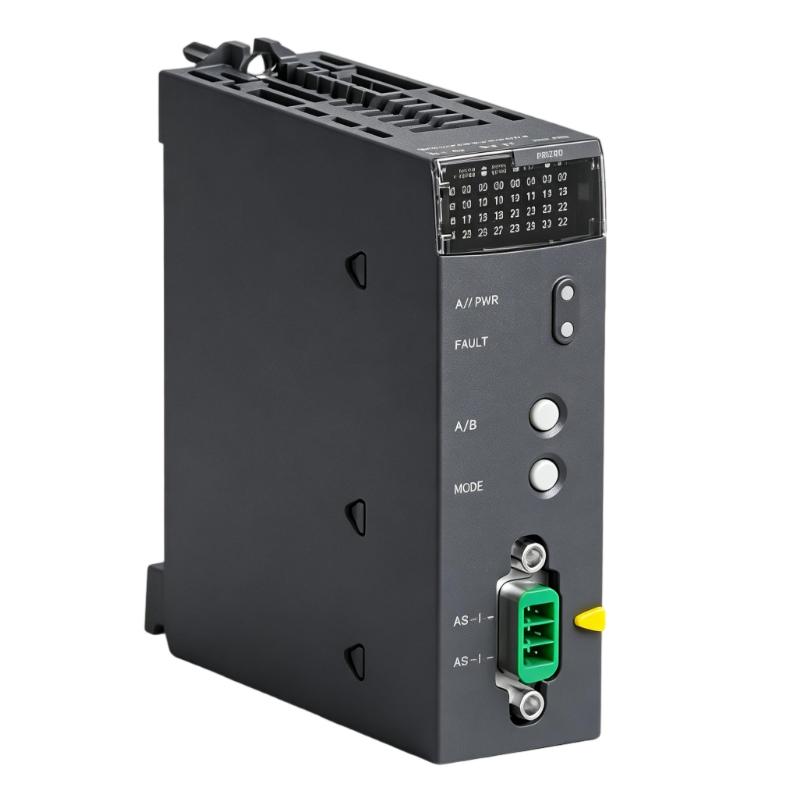
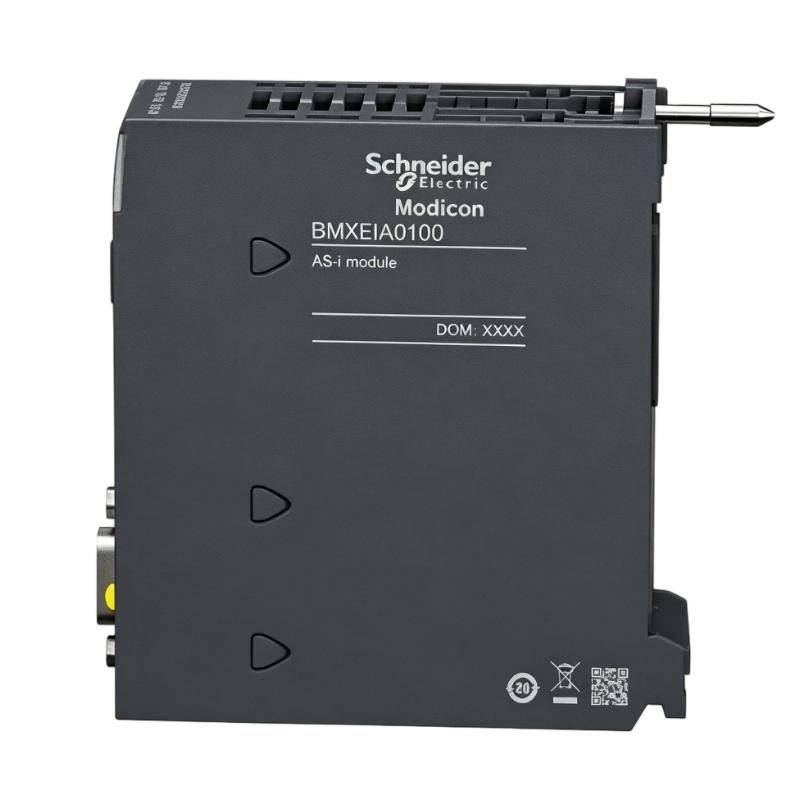
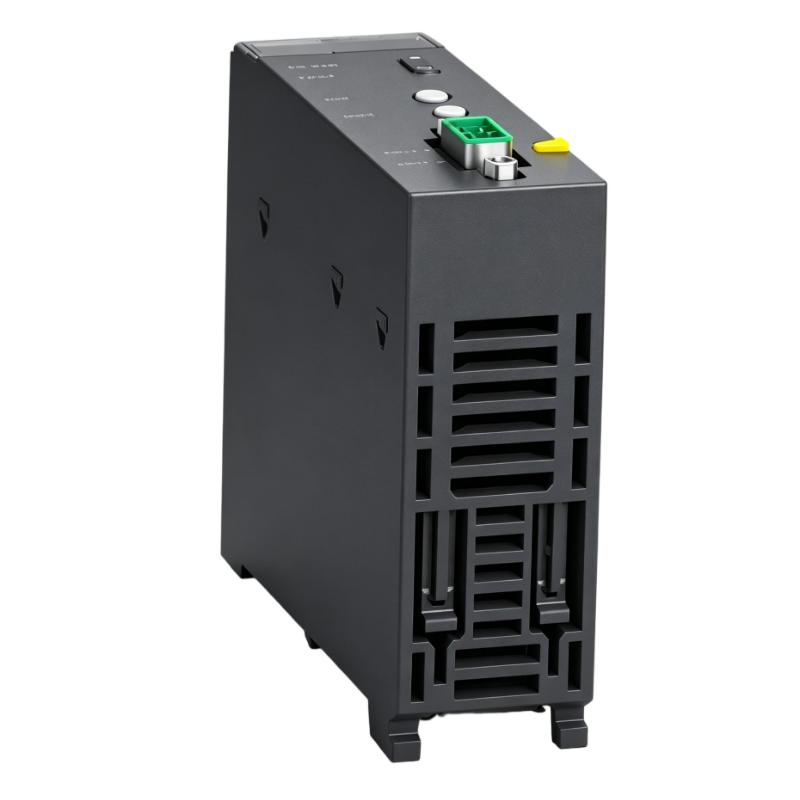
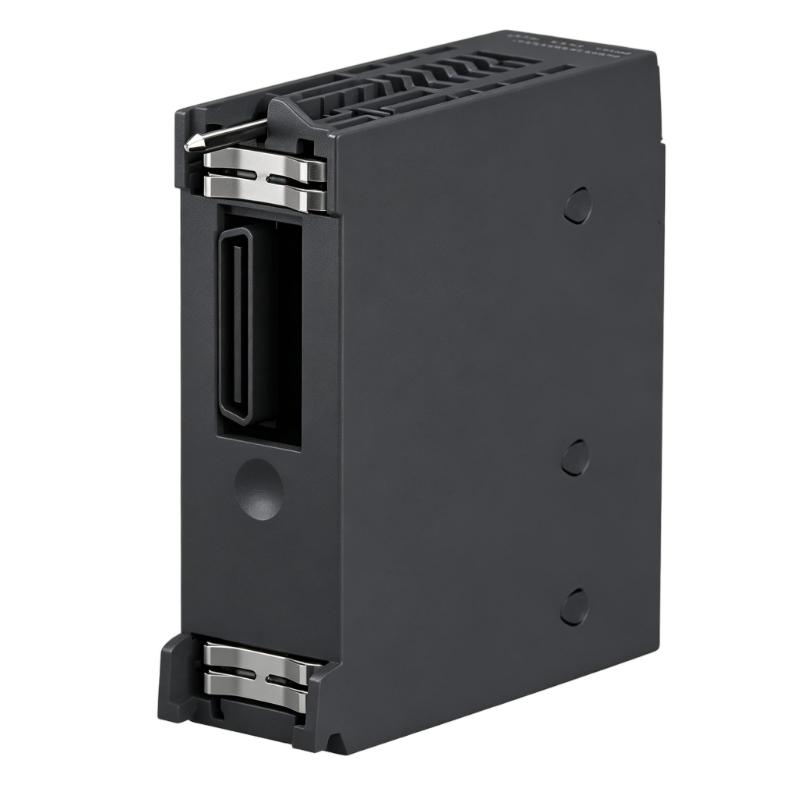
- Schneider
- BMXEIA0100
- Main Module
- France
- 32 x 103.7 x 86 mm
- 0.34 kg
- Xiamen, China
- New & In Stock
- T/T, PayPal, Western Union
- 1 Year
- 1-3 Working Days
- DHL, UPS, TNT, FedEx and EMS.
- 24-Hour Service
- COO
- 5
Our advantage

Global Logistics
We have a 10-year logistics and express cooperation agreement, so our products can be shipped to any place in the world.

Brand new and original
Our products are imported in bulk from the place of origin. Because of the cooperative relationship, our products are all original and 100% new.

24-hour service
We provide 7*24 hours service to our customers. We will be there whenever you need us.

Price advantage
All our products are priced very favorably because we have our own warehouse and supply.
| Company Information | |||
| [email protected] | |||
| Mobile | +8615980777398 | ||
| +8615980777398 | |||
| 15980777398 |
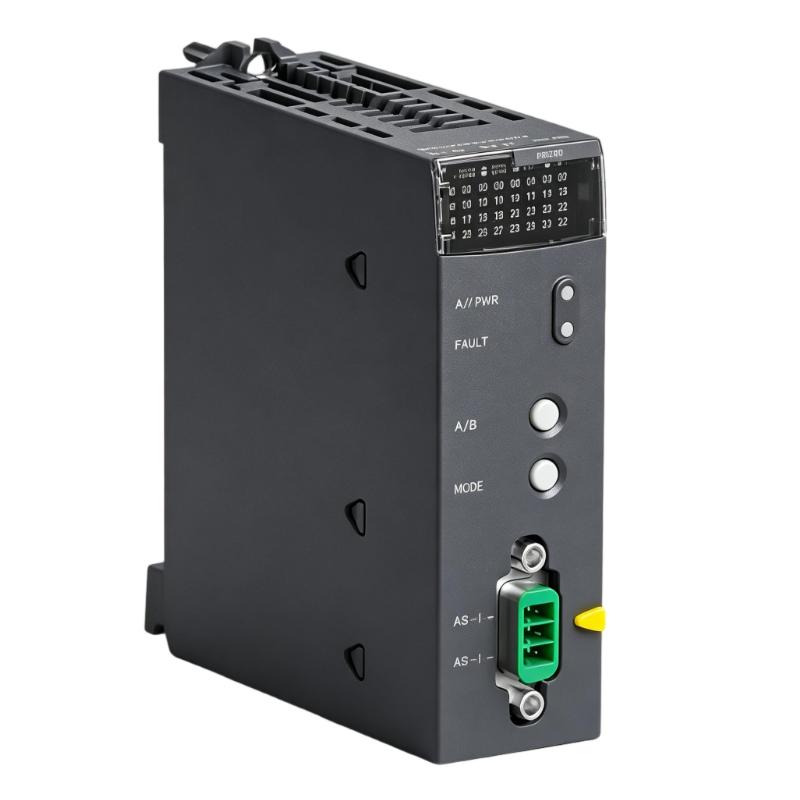
Product Overview
The Schneider BMXEIA0100 Main Module is an industrial automation component designed to form part of a modular PLC control architecture. As a main module, it can serve as an important element within a control system where different processing, I/O, communication, and field-interface functions are organized into a structured automation platform.
In modular PLC systems, individual modules work together to acquire field information, execute control logic, exchange industrial data, and operate connected equipment. A main module provides an important part of this architecture and must be correctly matched with the associated controller, rack, I/O, communication, and application configuration.
The Schneider BMXEIA0100 has supplied physical dimensions of 32 × 103.7 × 86 mm and a weight of 0.34 kg. These specifications make the module suitable for compact industrial control installations while also providing useful information for cabinet design, module replacement, inventory planning, and maintenance operations.
The exact electrical characteristics, module architecture, communication functions, supported configurations, power requirements, I/O capabilities, diagnostic features, and system compatibility should be verified against the applicable Schneider Electric technical documentation before installation.
Technical Specifications
| Parameter | Specification |
|---|---|
| Manufacturer | Schneider Electric |
| Model | BMXEIA0100 |
| Product Type | Main Module |
| Primary Function | Main Module for Industrial Automation System |
| Application | PLC and Industrial Control |
| System Role | Modular Control-System Component |
| Dimensions | 32 × 103.7 × 86 mm |
| Weight | 0.34 kg |
| Installation | Modular PLC / Industrial Automation System |
| Typical Applications | Machine Control, Process Automation, Industrial Control |
The dimensions and weight above are based on the product information supplied for this article. Exact electrical and functional specifications should be confirmed for the intended system configuration.
What Is the Schneider BMXEIA0100?
The Schneider BMXEIA0100 is identified as a Main Module for industrial automation applications.
A modular automation system typically consists of several functional layers. The main module works within this architecture together with other hardware responsible for control processing, I/O acquisition, communication, operator interaction, and field-device control.
A simplified industrial control architecture can be represented as:
Field Devices → I/O / Interface Modules → Main Control Architecture → PLC Logic → Output Devices → Machine
The exact position and function of the BMXEIA0100 depend on the Schneider Electric system in which it is installed.
The main module concept is particularly important in systems where multiple automation functions must operate together as one coordinated control platform.
Role of a Main Module in Industrial Automation
A modular PLC installation normally divides automation functions into multiple hardware components.
These can include:
- Main control modules
- CPU modules
- Digital input modules
- Digital output modules
- Analog input modules
- Analog output modules
- Communication modules
- High-speed counter modules
- Encoder interface modules
- Power modules
- Remote I/O interfaces
The main module can provide an important structural or functional element within this architecture.
A typical system can be organized as:
Sensors → Input Modules → Main Control Architecture → PLC Processing → Output Modules → Actuators
This modular approach allows industrial automation systems to be organized according to the requirements of individual machines and processes.
System Architecture
The BMXEIA0100 should be considered as part of a larger automation system rather than as an isolated device.
A representative architecture may include:
Field Layer
The field layer contains devices that interact directly with the industrial process.
Examples include:
- Proximity sensors
- Photoelectric sensors
- Pressure sensors
- Temperature sensors
- Flow sensors
- Encoders
- Limit switches
- Motor feedback devices
Control Layer
The control layer processes field information and executes the programmed automation logic.
Depending on the system design, this layer can include:
- Main modules
- PLC CPUs
- I/O modules
- Motion-control equipment
- Communication modules
Output Layer
Output devices execute the required machine actions.
Examples include:
- Contactors
- Solenoid valves
- Relays
- Motor starters
- Drives
- Actuators
- Industrial control equipment
Operator Layer
HMI and SCADA systems provide operators and engineers with process information.
They can be used to display:
- Machine status
- Alarms
- Process values
- Production information
- Diagnostic information
- Maintenance information
Function and Working Principle
The exact internal operating principle of the BMXEIA0100 depends on its intended Schneider Electric system architecture and configuration.
In general, a main module participates in the coordination of industrial automation functions by providing a defined hardware interface within the control platform.
The general information flow can be represented as:
Field Information → Input Processing → Control Architecture → Application Logic → Output Command
For example, a sensor may detect a machine condition. The associated input hardware transfers this information into the PLC system. The control application evaluates the condition and determines the required response. The corresponding output module then controls the appropriate actuator.
The BMXEIA0100 operates within this broader architecture according to its configured system role.
Exact signal processing, communication behavior, memory characteristics, electrical specifications, and module functions should be verified from the relevant hardware documentation.
Industrial Applications
Manufacturing Automation
The BMXEIA0100 can be incorporated into industrial control architectures used for manufacturing equipment.
Potential applications include:
- Assembly lines
- Production machinery
- Material handling
- Packaging equipment
- Automated inspection
- Machine sequencing
Process Automation
Modular PLC systems can be used to monitor and control industrial processes involving multiple sensors and actuators.
Applications may include:
- Pump control
- Valve control
- Process monitoring
- Utility systems
- Industrial equipment management
Packaging Machinery
Packaging systems frequently require coordinated control of:
- Conveyors
- Sensors
- Product detection
- Motors
- Actuators
- Machine sequences
A structured PLC architecture allows these functions to operate together.
Material Handling
Industrial material-handling equipment can use modular control systems to coordinate:
- Conveyors
- Transfer mechanisms
- Sorting equipment
- Lifting systems
- Positioning mechanisms
General Machine Automation
The module can form part of a broader PLC-based architecture for machines requiring organized control, monitoring, and field-device integration.
PLC and I/O Integration
A main module typically operates together with multiple I/O and automation components.
A representative control sequence is:
- Field sensors detect machine conditions.
- Input modules acquire the field signals.
- The main control architecture receives the relevant information.
- The PLC application evaluates the process conditions.
- Control logic determines the required action.
- Output modules issue control commands.
- Actuators perform the required machine operation.
- HMI or SCADA systems display the resulting machine status.
This architecture separates field-level signal acquisition from application-level control.
Such separation makes the system easier to organize, troubleshoot, and maintain.
Integration with Digital Input Modules
Digital input modules can acquire signals from devices such as:
- Limit switches
- Proximity sensors
- Push buttons
- Selector switches
- Auxiliary contacts
- Digital alarm contacts
The main control architecture can then use these signals as part of the machine-control program.
For example, a limit switch may indicate that a machine mechanism has reached its end position. The PLC application can use that signal to stop a motor or initiate the next stage of a sequence.
Integration with Digital Output Modules
Digital output modules can control devices such as:
- Relays
- Contactors
- Solenoid valves
- Indicator devices
- Machine actuators
A typical control relationship is:
Input Condition → PLC Logic → Output Command → Actuator Response
This forms the basic control loop used throughout many industrial automation systems.
Integration with Analog Modules
Industrial processes often require continuous measurements rather than simple ON/OFF information.
Analog input modules can provide values representing:
- Temperature
- Pressure
- Flow
- Level
- Speed
- Process variables
Analog output modules can provide control signals to compatible equipment.
The main module operates within the larger architecture in which these analog values are processed and converted into control decisions.
Communication and Supervisory Integration
Modern automation systems frequently connect PLC hardware with HMI and SCADA platforms.
The overall architecture may include:
PLC Control System → Industrial Network → HMI / SCADA
The supervisory system can display:
- Equipment status
- Process conditions
- Alarms
- Diagnostic information
- Production data
- Maintenance information
The exact communication interfaces and protocols associated with the BMXEIA0100 should be confirmed against the relevant system documentation.
Installation Guidelines
Confirm Product Identification
Before installation, verify the complete product designation:
Schneider BMXEIA0100
The module should be matched to the correct PLC hardware configuration.
Check Physical Dimensions
The supplied dimensions are:
32 × 103.7 × 86 mm
Cabinet design should provide additional room for connectors, wiring, ventilation, and maintenance access.
Inspect the Module
Before installation, check for:
- Physical damage
- Connector damage
- Contamination
- Mechanical deformation
- Signs of improper storage
Verify System Compatibility
Confirm that the module is intended for the selected Schneider Electric PLC architecture and that the associated hardware is correctly configured.
Check Adjacent Modules
When installed in a modular system, verify that adjacent modules are correctly positioned and securely connected.
Cabinet Installation Considerations
The physical installation environment can affect long-term reliability.
The control cabinet should provide appropriate protection against:
- Excessive dust
- Moisture
- Heat
- Vibration
- Electrical interference
Adequate ventilation should be maintained around the control equipment.
The 32 × 103.7 × 86 mm module dimensions should be considered together with cable-routing requirements and maintenance clearance.
Commissioning Procedure
Step 1: Verify the Hardware
Confirm the BMXEIA0100 model and its installation location.
Step 2: Inspect Connections
Check module connections, adjacent hardware, and field wiring.
Step 3: Confirm System Configuration
Verify that the PLC hardware configuration matches the physical installation.
Step 4: Check Associated Modules
Inspect connected I/O, communication, power, and interface modules.
Step 5: Apply Power
Energize the system under controlled commissioning conditions.
Step 6: Check System Status
Observe available status information and system diagnostics.
Step 7: Test I/O Functions
Verify that connected field devices and output equipment respond correctly.
Step 8: Test the Application
Run the control application through representative operating conditions.
Step 9: Verify Operator Monitoring
Confirm that HMI or supervisory displays correctly represent the machine status.
Troubleshooting the BMXEIA0100
Module Not Recognized
If the control system does not recognize the module, inspect:
- Module installation
- Connector condition
- PLC configuration
- Hardware compatibility
- Associated modules
- System power
A configuration mismatch can produce symptoms similar to a hardware problem.
Unexpected System Behavior
If the system behaves unexpectedly, check:
- PLC application logic
- I/O configuration
- Module connections
- Field wiring
- Communication configuration
- Associated equipment
The main module should not automatically be considered the source of the problem.
Intermittent Operation
Intermittent behavior can be associated with:
- Loose connections
- Damaged wiring
- Electrical interference
- Poor cabinet conditions
- Connector problems
- Hardware configuration issues
Monitoring the system during actual operation can help identify the fault.
Communication Problems
Where the module participates in a system involving communication functions, inspect:
- Network connections
- Communication configuration
- Associated modules
- Network hardware
- PLC application settings
The exact diagnostic procedure depends on the system architecture.
Preventive Maintenance
Inspect Module Connections
Periodically inspect connectors and module interfaces for looseness, contamination, or mechanical damage.
Check Cabinet Conditions
Maintain suitable environmental conditions and ensure that ventilation paths remain unobstructed.
Monitor System Diagnostics
Regular monitoring of PLC diagnostic information can help identify developing problems.
Maintain Configuration Records
Keep records of:
- Module identification
- Hardware configuration
- PLC program version
- Associated I/O
- Communication configuration
- Installation location
This information simplifies future maintenance and replacement.
Replacement Considerations
When replacing a Schneider BMXEIA0100 Main Module, the complete model number should be verified before installation.
Important checks include:
- Full product designation
- Hardware revision
- PLC platform
- Module position
- Associated modules
- Wiring arrangement
- Software configuration
- Communication configuration
- Application requirements
The supplied physical specifications are:
Dimensions: 32 × 103.7 × 86 mm
Weight: 0.34 kg
Physical dimensions alone should not be used to determine interchangeability. A replacement must also match the electrical, functional, mechanical, and software requirements of the host automation system.
Physical Dimensions and Weight
| Parameter | Value |
|---|---|
| Dimensions | 32 × 103.7 × 86 mm |
| Weight | 0.34 kg |
These values are useful for:
- Control cabinet planning
- Equipment layout
- Spare-parts management
- Replacement preparation
- Maintenance planning
- Transportation and handling
Additional clearance should be considered for wiring and service access.
Engineering Best Practices
Verify the Complete Model Number
Always identify the exact BMXEIA0100 model and applicable hardware revision before installation or replacement.
Maintain an Accurate Hardware Configuration
The physical PLC installation should correspond with the engineering configuration.
Document Associated Modules
Record the modules installed around the BMXEIA0100 so that replacement work can be performed accurately.
Protect the Control Environment
Keep the control cabinet clean, dry, adequately ventilated, and protected from excessive vibration.
Check Wiring Regularly
Loose or damaged wiring can cause system behavior that may initially appear to be a module fault.
Maintain Software Records
Keep PLC application and hardware configuration records available for maintenance personnel.
Perform Functional Testing After Replacement
After replacing the module, test the complete automation sequence rather than checking only whether the module powers up.
Compatible Automation Components
Depending on the system architecture, the BMXEIA0100 may operate alongside:
- Schneider PLC CPUs
- Digital Input Modules
- Digital Output Modules
- Analog Input Modules
- Analog Output Modules
- High-Speed Counter Modules
- Encoder Interface Modules
- Communication Modules
- Power Modules
- Remote I/O Interfaces
- HMI Systems
- SCADA Systems
- Industrial Sensors
- Industrial Actuators
The exact combination depends on the intended application and Schneider Electric control architecture.
Recommended Related Schneider Product Categories
| Product Category | Typical Function |
|---|---|
| Schneider PLC CPUs | Control logic execution |
| Schneider Digital Input Modules | Digital field-signal acquisition |
| Schneider Digital Output Modules | Digital equipment control |
| Schneider Analog Input Modules | Continuous process measurement |
| Schneider Analog Output Modules | Continuous control signals |
| Schneider High-Speed Counter Modules | High-frequency pulse acquisition |
| Schneider Communication Modules | Industrial data exchange |
| Schneider Power Modules | PLC system power management |
| Schneider HMI Systems | Operator interface and monitoring |
These categories may form part of the same automation platform but should not be treated as direct replacements without confirming compatibility.
Key Advantages
Modular Automation Integration
The BMXEIA0100 can form part of a structured modular industrial control architecture.
Compact Physical Design
The supplied 32 × 103.7 × 86 mm dimensions make the module suitable for compact PLC cabinet installations.
Industrial Control Applications
A main module can participate in machine-control and process-automation architectures involving multiple field and control components.
Organized System Architecture
Modular hardware allows different automation functions to be separated into dedicated components.
Lightweight Construction
With a supplied weight of 0.34 kg, the module can be handled conveniently during installation, maintenance, and replacement.
Technical FAQs
What is the Schneider BMXEIA0100?
The Schneider BMXEIA0100 is identified as a Main Module for industrial automation and PLC-based control applications.
What is the main function of the BMXEIA0100?
Its role depends on the Schneider Electric system architecture in which it is installed. As a main module, it forms part of the broader modular control system that connects processing, I/O, communication, and field-device functions.
What are the dimensions of the BMXEIA0100?
The supplied dimensions are 32 × 103.7 × 86 mm.
How much does the BMXEIA0100 weigh?
The supplied weight is 0.34 kg.
Where can the BMXEIA0100 be used?
It can be incorporated into compatible industrial automation systems used for machine control, manufacturing automation, process monitoring, material handling, packaging, and other PLC-based applications.
Can the BMXEIA0100 operate independently?
It should be considered as part of a compatible automation architecture. Its actual function and system requirements depend on the host PLC platform and associated hardware.
What should be checked before replacing the module?
Verify the complete model number, hardware revision, PLC architecture, module position, associated hardware, wiring, software configuration, and system compatibility.
Can another Schneider module replace the BMXEIA0100?
A replacement should not be selected based only on dimensions or physical appearance. Electrical, functional, mechanical, and software compatibility must be confirmed.
Conclusion
The Schneider BMXEIA0100 Main Module is a compact industrial automation component intended to form part of a modular PLC control architecture. Within a compatible Schneider Electric system, it can participate in the structured integration of control processing, I/O, communication, field devices, and operator-interface functions.
The supplied physical dimensions are 32 × 103.7 × 86 mm, with a weight of 0.34 kg. These specifications are useful for control cabinet planning, equipment layout, spare-parts management, maintenance preparation, and replacement logistics.
Reliable operation depends on the complete automation system rather than the module alone. Correct hardware configuration, secure connections, suitable environmental conditions, accurate PLC programming, and proper commissioning are important for maintaining stable industrial control performance.
Before installation or replacement, the complete BMXEIA0100 designation should be verified against the applicable Schneider Electric system documentation to confirm electrical characteristics, supported functions, compatibility, and configuration requirements.