

ProductPRODUCT
Featured products
Contact Us
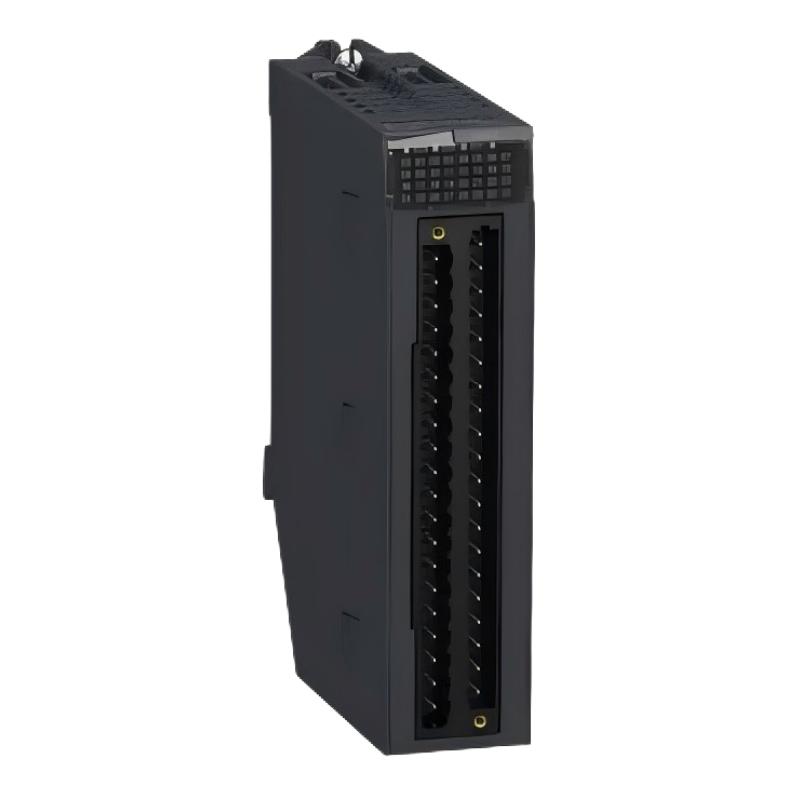
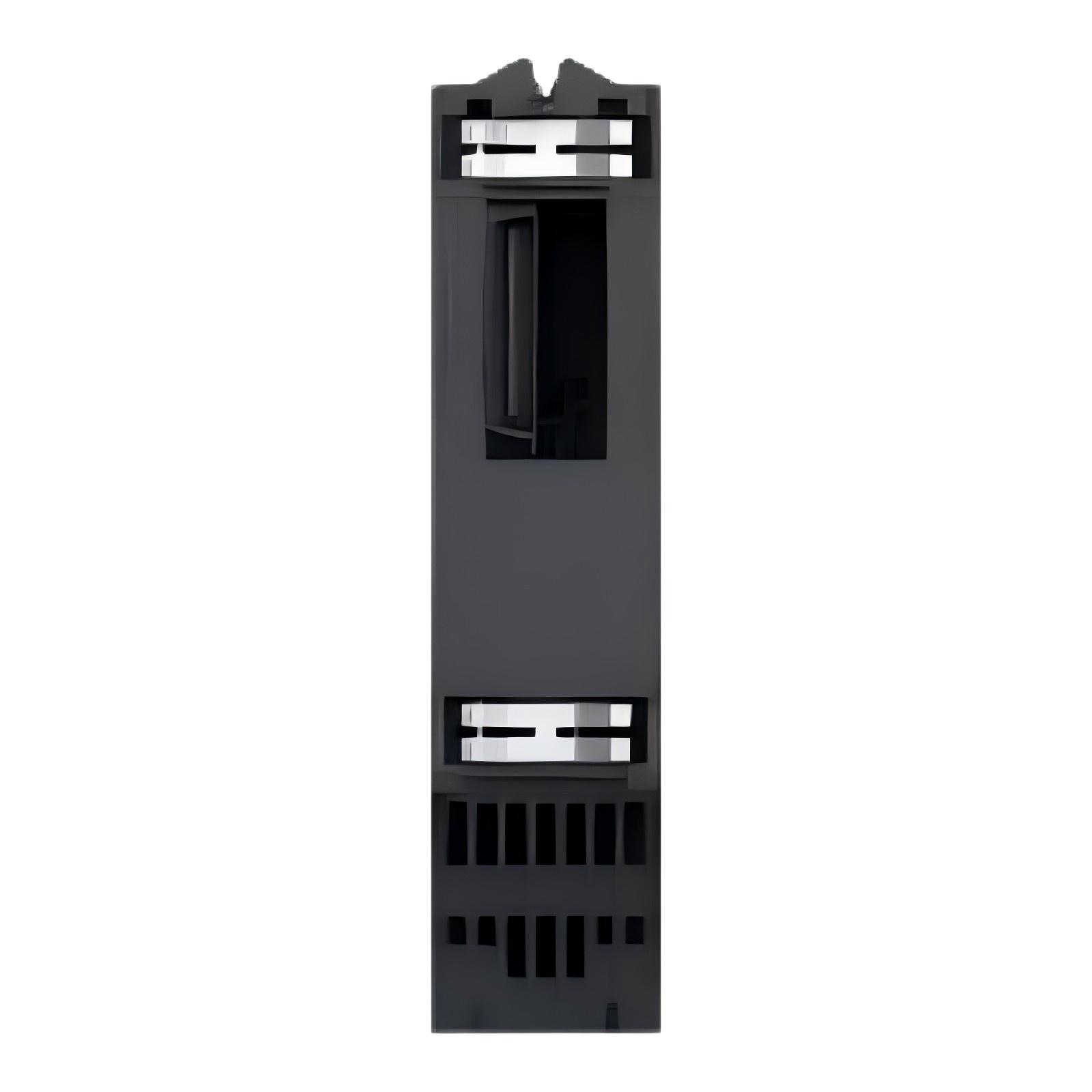
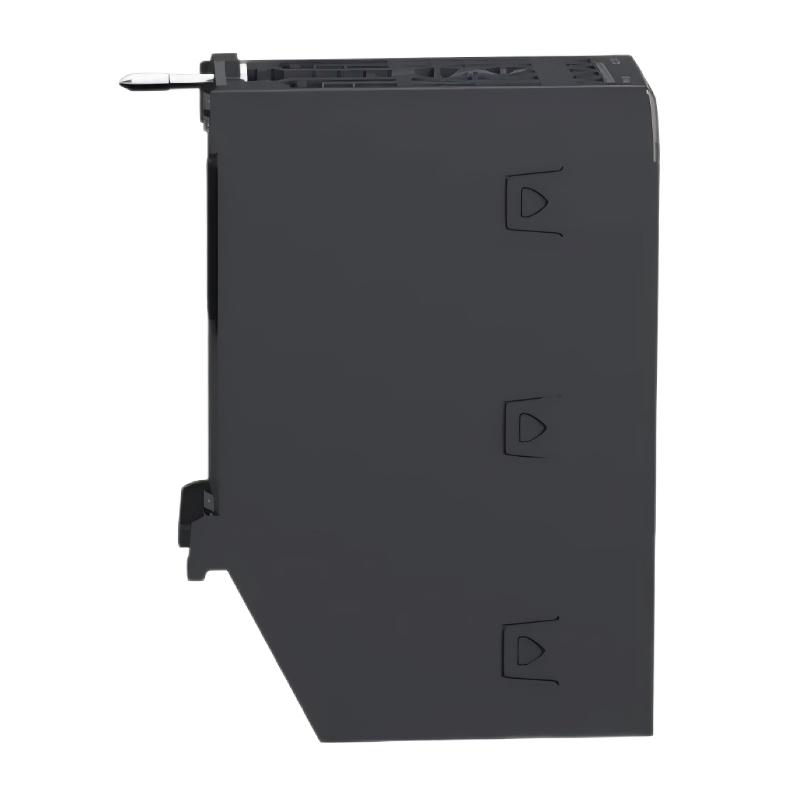
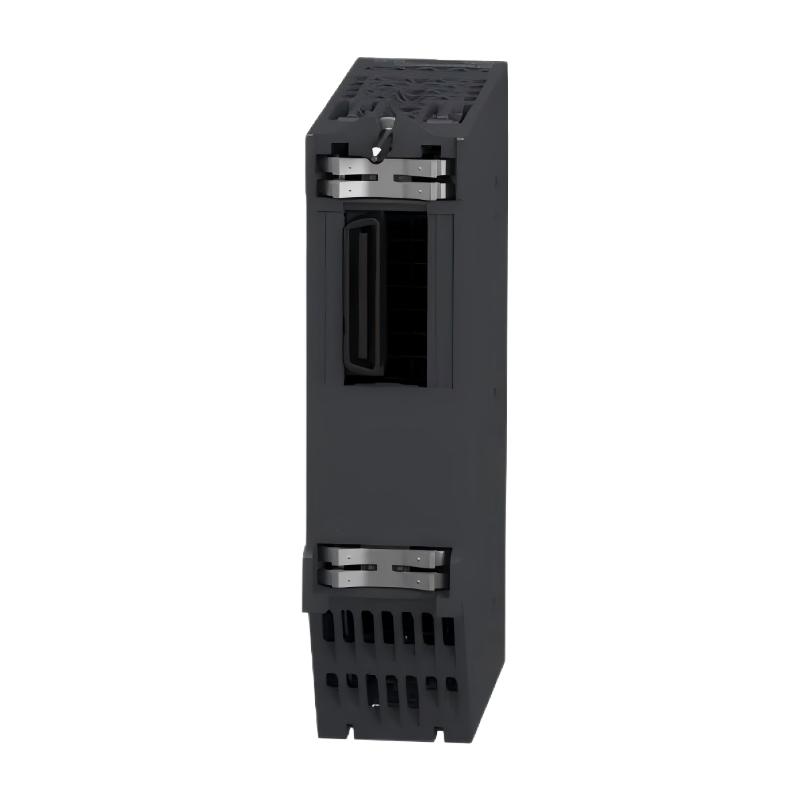
- Schneider
- BMXDAI1615
- Discrete Input Module
- France
- 134.6 x 86 x 32 mm
- 0.157 kg
- Xiamen, China
- New & In Stock
- T/T, PayPal, Western Union
- 1 Year
- 1-3 Working Days
- DHL, UPS, TNT, FedEx and EMS.
- 24-Hour Service
- COO
- 6
Our advantage

Global Logistics
We have a 10-year logistics and express cooperation agreement, so our products can be shipped to any place in the world.

Brand new and original
Our products are imported in bulk from the place of origin. Because of the cooperative relationship, our products are all original and 100% new.

24-hour service
We provide 7*24 hours service to our customers. We will be there whenever you need us.

Price advantage
All our products are priced very favorably because we have our own warehouse and supply.
| Company Information | |||
| [email protected] | |||
| Mobile | +8615980777398 | ||
| +8615980777398 | |||
| 15980777398 |
Product Overview
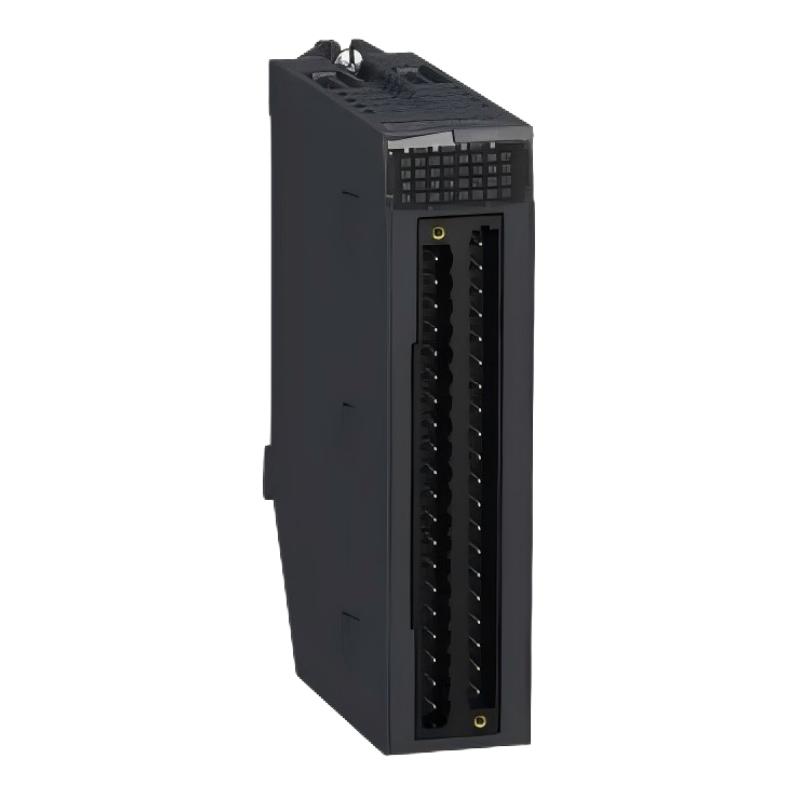
The Schneider BMXDAI1615 Discrete Input Module is an industrial automation I/O component designed to receive discrete electrical signals from field devices and transfer their operating states to a compatible PLC control system. As an important part of a modular automation architecture, a discrete input module allows the controller to monitor physical equipment conditions and use those conditions within programmed control sequences.
Industrial machines and process systems contain numerous devices that operate in clearly defined states. Push buttons, limit switches, proximity sensors, relay contacts, valve-position switches, and equipment-status contacts can all provide discrete information to a PLC. The input module serves as the interface between these field devices and the controller.
The BMXDAI1615 is therefore useful for applications where reliable detection of ON/OFF conditions is required. Its input information can be used for machine sequencing, interlocking, alarm generation, equipment-status monitoring, position detection, and process coordination.
The supplied physical specifications for the Schneider BMXDAI1615 are 134.6 × 86 × 32 mm, with a weight of 0.157 kg. This compact modular form factor is suitable for industrial control cabinets and PLC installations where efficient use of available space is important.
Exact electrical characteristics, input voltage, current requirements, channel configuration, isolation, filtering, diagnostic functions, terminal assignments, and environmental specifications should be verified against the applicable Schneider Electric documentation before installation.
Technical Specifications
| Parameter | Specification |
|---|---|
| Manufacturer | Schneider Electric |
| Model | BMXDAI1615 |
| Product Type | Discrete Input Module |
| Primary Function | Discrete / Digital Signal Acquisition |
| System Role | PLC Input Interface |
| Signal Type | ON/OFF Discrete Signals |
| Application | Industrial Automation and Process Control |
| Dimensions | 134.6 × 86 × 32 mm |
| Weight | 0.157 kg |
| Installation | Modular PLC / Industrial Automation System |
| Typical Applications | Machine Control, Factory Automation, Process Monitoring, Equipment Status Detection |
The dimensions and weight above are based on the product information supplied for this article. Exact electrical characteristics should be confirmed for the intended installation.
What Is the Schneider BMXDAI1615?
The Schneider BMXDAI1615 is a Discrete Input Module used to connect compatible field devices to a PLC-based automation system.
Its fundamental purpose is to detect discrete electrical states and make those states available to the controller.
A simplified control path can be represented as:
Field Device → BMXDAI1615 → PLC System → Control Logic → Output / Process Action
A field device may indicate:
- Product detected
- Motor running
- Valve open
- Valve closed
- Machine position reached
- Operator command received
- Equipment fault
- Interlock condition
The PLC processes these signals according to its programmed logic.
Discrete Input Working Principle
Field Signal Generation
A sensor, switch, relay contact, or other field device changes its electrical state according to the physical condition being monitored.
For example, a limit switch may change state when a moving mechanism reaches the end of its travel.
Signal Acquisition
The resulting electrical signal enters the corresponding input circuit of the BMXDAI1615.
The input circuit detects the electrical condition and determines the corresponding logical state.
Signal Conditioning
The input interface processes the incoming signal so that it can be reliably interpreted by the control system.
Industrial signal conditioning is important because field wiring can be exposed to electrical noise and other disturbances.
PLC Processing
The detected state is transferred to the PLC control system.
The PLC program can then use the information for:
- Sequence control
- Interlocking
- Alarm handling
- Equipment monitoring
- Position detection
- Machine coordination
Role in Industrial Control Systems
The BMXDAI1615 forms part of the input layer of a PLC automation architecture.
A typical system can be represented as:
Sensors / Switches → BMXDAI1615 → PLC CPU → Control Program → Output Module → Actuator
This architecture allows physical conditions to be converted into digital information that can be processed by the controller.
For example, a machine may use a proximity sensor to detect whether a workpiece is correctly positioned. The sensor signal enters the BMXDAI1615, the PLC recognizes the input state, and the control program determines whether the next machine operation can begin.
Industrial Applications
Factory Automation
Discrete input signals are essential for production equipment and automated manufacturing lines.
Applications include:
- Assembly systems
- Packaging machines
- Conveyor systems
- Robotic work cells
- Material handling
- Production machinery
Machine Control
Machines commonly use discrete inputs for:
- Start and stop commands
- Position confirmation
- Limit detection
- Equipment interlocks
- Fault status
- Operating-mode selection
Process Automation
Process-control systems can use discrete inputs to monitor the status of:
- Pumps
- Motors
- Valves
- Level switches
- Pressure switches
- Equipment alarms
Water and Wastewater
Water-treatment systems contain many discrete field signals associated with pumps, valves, tanks, and treatment equipment.
The PLC can use these signals together with analog measurements to control process sequences.
Material Handling
Material-handling systems use discrete sensors to detect:
- Product presence
- Conveyor position
- Jam conditions
- End-of-travel conditions
- Motor status
- Safety or equipment interlocks
PLC Integration
The BMXDAI1615 can be integrated into a modular PLC architecture containing a controller, I/O modules, communication equipment, and field devices.
A simplified architecture is:
Field Sensors → BMXDAI1615 → PLC CPU → Automation Logic → Output Devices
The PLC continuously evaluates input states according to the programmed control strategy.
Typical uses include:
- Machine sequencing
- Equipment interlocking
- Start/stop control
- Alarm generation
- Equipment status monitoring
- Position detection
- Process coordination
The exact system configuration depends on the Schneider Electric automation platform.
Common Field Devices
The input interface can be associated with many types of industrial discrete devices.
| Field Device | Typical Function |
|---|---|
| Push Button | Operator command |
| Selector Switch | Mode selection |
| Limit Switch | Mechanical position |
| Proximity Sensor | Object detection |
| Photoelectric Sensor | Product detection |
| Pressure Switch | Pressure status |
| Float Switch | Level status |
| Relay Contact | Equipment status |
| Motor Auxiliary Contact | Running feedback |
| Valve Limit Switch | Valve-position feedback |
The actual connection must be based on the electrical characteristics of the specific field device and input module.
Installation Guidelines
Confirm the Product
Verify the complete product designation:
Schneider BMXDAI1615
The module identification should be checked against the system’s approved hardware configuration.
Verify System Compatibility
Before installation, confirm compatibility with the intended Schneider Electric PLC platform and rack architecture.
Consider:
- PLC platform
- Rack configuration
- Hardware revision
- Input characteristics
- Associated I/O modules
Check Cabinet Space
The supplied dimensions are:
134.6 × 86 × 32 mm
Allow additional space for:
- Field wiring
- Connectors
- Cable routing
- Ventilation
- Maintenance access
Inspect Field Connections
Before applying power, check that each field signal is connected to the intended input.
Manage Electrical Noise
Where practical, separate discrete signal wiring from high-current motor circuits, contactors, variable-speed drives, and other significant sources of electromagnetic interference.
Discrete Input Wiring Considerations
Correct wiring is critical for stable input detection.
Engineers should verify:
- Signal voltage
- Signal current
- Source arrangement
- Common connections
- Polarity
- Cable length
- Shielding
- Grounding
- Electrical noise
The exact electrical specifications of the BMXDAI1615 should be confirmed against the applicable Schneider Electric documentation.
A field device should never be connected simply because its connector appears physically compatible.
Commissioning Procedure
Step 1: Inspect the Module
Check the BMXDAI1615 for physical damage and verify its model identification.
Step 2: Verify the PLC Configuration
Confirm that the input module is correctly configured within the PLC project.
Step 3: Check Wiring
Compare field wiring with the approved electrical drawings.
Step 4: Verify Signal Compatibility
Confirm that connected devices provide electrical signals suitable for the module.
Step 5: Energize the System
Apply power under controlled conditions and observe available status information.
Step 6: Test Each Input
Activate field sensors or switches individually and verify the corresponding PLC input state.
Step 7: Check PLC Logic
Confirm that the application program correctly interprets each input.
Step 8: Perform Functional Testing
Run the machine or process under controlled conditions and verify that the expected control actions occur.
Troubleshooting the BMXDAI1615
Input Does Not Change State
If an activated field device does not produce the expected PLC input, inspect:
- Field device
- Sensor power
- Signal wiring
- Common connection
- Module installation
- PLC configuration
- Input assignment
Testing the field signal directly can help identify whether the problem originates before or inside the input module.
Input Remains ON
Possible causes include:
- Incorrect wiring
- Short circuit
- Incorrect field-device operation
- Configuration error
- Input circuit fault
Check the actual field signal before replacing the module.
Input Remains OFF
Inspect:
- Field-device output
- Sensor power
- Wiring continuity
- Common connection
- Input configuration
- Module connections
Intermittent Input
Unstable input behavior can result from:
- Loose terminals
- Damaged cables
- Electrical interference
- Sensor degradation
- Mechanical vibration
- Poor connector contact
Both the field device and electrical installation should be inspected.
Multiple Inputs Fail
If several inputs fail simultaneously, investigate shared causes first.
Possible areas include:
- Module power
- Common wiring
- Connector condition
- Rack configuration
- Controller communication
- Module-level fault
Preventive Maintenance
Inspect Field Devices
Check sensors and switches for contamination, mechanical wear, misalignment, and damage.
Check Signal Wiring
Inspect for:
- Damaged insulation
- Loose terminals
- Moisture
- Corrosion
- Mechanical stress
- Excessive bending
Maintain Module Connections
Ensure that the module and associated connectors remain securely installed.
Monitor Input Behavior
Unexpected input changes can indicate sensor degradation, wiring problems, or electrical interference.
Maintain Cabinet Conditions
The control cabinet should be kept clean and protected from excessive dust, moisture, vibration, and temperature.
Replacement Considerations
When replacing a Schneider BMXDAI1615 Discrete Input Module, verify the complete model number and system requirements.
Important factors include:
- Full model designation
- Hardware revision
- PLC platform
- Rack compatibility
- Input electrical characteristics
- Channel configuration
- Wiring arrangement
- Environmental requirements
The supplied physical specifications are:
134.6 × 86 × 32 mm
0.157 kg
Physical dimensions alone do not establish interchangeability. The replacement must have compatible electrical characteristics and be supported by the intended PLC architecture.
Physical Dimensions and Weight
| Physical Parameter | Value |
|---|---|
| Dimensions | 134.6 × 86 × 32 mm |
| Weight | 0.157 kg |
These physical specifications are useful for:
- Control cabinet design
- PLC rack planning
- Spare-parts inventory
- Replacement preparation
- Equipment handling
- Maintenance planning
Additional clearance should be provided for wiring and connectors.
Engineering Best Practices
Maintain an Accurate I/O List
Document each BMXDAI1615 input and the field device associated with it.
Label Field Wiring
Clear labels make commissioning, troubleshooting, and future maintenance easier.
Separate Signal and Power Cables
Where possible, route discrete input wiring away from high-current conductors and switching equipment.
Test Inputs Individually
Individual testing helps identify incorrect wiring and configuration problems before full system operation.
Investigate Shared Faults First
If multiple input channels fail simultaneously, inspect common power, wiring, connectors, and configuration before replacing the module.
Keep a Correctly Identified Spare
Critical automation systems can benefit from having a properly identified spare module available for maintenance.
Compatible Automation Components
Depending on the specific Schneider Electric architecture, the BMXDAI1615 may operate together with:
- Schneider PLC CPUs
- Discrete Output Modules
- Analog Input Modules
- Analog Output Modules
- Remote I/O Adapters
- Communication Modules
- HMI Systems
- SCADA Systems
- Proximity Sensors
- Limit Switches
- Relay Contacts
- Industrial Actuators
Exact compatibility should be confirmed against the intended Schneider Electric automation platform.
Recommended Related Schneider Product Categories
| Product Category | Typical Function |
|---|---|
| Schneider Discrete Input Modules | Digital field-signal acquisition |
| Schneider Discrete Output Modules | Digital actuator control |
| Schneider Analog Input Modules | Process measurement |
| Schneider Analog Output Modules | Analog control |
| Schneider PLC CPUs | Control logic execution |
| Schneider Remote I/O Modules | Distributed field interfaces |
| Schneider Communication Modules | Industrial networking |
| Schneider HMI Systems | Operator monitoring and control |
These categories are related to the BMXDAI1615 but should not be considered direct replacement products without verifying compatibility.
Key Advantages
Discrete Signal Acquisition
The BMXDAI1615 provides an interface for bringing field-level ON/OFF information into a compatible PLC system.
Suitable for Industrial Automation
Discrete input signals are widely used in machine control, process automation, equipment monitoring, and industrial sequencing.
Compact Modular Construction
The supplied dimensions of 134.6 × 86 × 32 mm support organized installation within modular control cabinets.
Lightweight Design
With a supplied weight of 0.157 kg, the module is convenient for installation, replacement, and spare-parts handling.
Wide Range of Field Applications
Compatible discrete field devices can include sensors, switches, relay contacts, and equipment-status devices.
Supports PLC-Based Control
The acquired input states can be used by PLC programs for sequencing, alarms, interlocks, monitoring, and process coordination.
Technical FAQs
What is the Schneider BMXDAI1615?
The Schneider BMXDAI1615 is a Discrete Input Module designed to receive compatible discrete electrical signals from industrial field devices and provide those states to a PLC control system.
What is the purpose of a discrete input module?
It detects discrete electrical conditions, such as ON/OFF states, and transfers the corresponding information to the PLC.
What are the dimensions of the BMXDAI1615?
The supplied dimensions are 134.6 × 86 × 32 mm.
How much does the BMXDAI1615 weigh?
The supplied weight is 0.157 kg.
What devices can be connected to a discrete input system?
Typical devices include proximity sensors, limit switches, push buttons, selector switches, photoelectric sensors, pressure switches, float switches, relay contacts, and motor-status contacts.
Why are discrete inputs important in PLC systems?
They allow the PLC to detect physical equipment conditions and use those conditions for machine sequencing, interlocks, alarms, and equipment monitoring.
What should be checked if an input does not respond?
Check the field device, sensor power, signal wiring, common connections, module installation, PLC configuration, and available diagnostics.
Why might several inputs fail at the same time?
Possible causes include common power or wiring faults, connector problems, configuration errors, rack-level problems, or a module-level fault.
Can another Schneider discrete input module replace the BMXDAI1615?
A replacement should not be selected based only on physical dimensions. Electrical characteristics, channel configuration, PLC compatibility, wiring requirements, and system architecture must be verified.
Conclusion
The Schneider BMXDAI1615 Discrete Input Module provides a dedicated interface between industrial field devices and PLC control logic. By receiving discrete signals from sensors, switches, relay contacts, and equipment-status devices, it enables the controller to monitor real-world operating conditions and incorporate those conditions into automated sequences and control decisions.
The supplied physical specifications are 134.6 × 86 × 32 mm, with a weight of 0.157 kg. These parameters are useful for cabinet planning, PLC rack layout, spare-parts management, replacement preparation, and equipment handling.
Reliable operation depends on correct system configuration, suitable field-device wiring, secure electrical connections, appropriate signal routing, and systematic commissioning. When diagnosing an input problem, engineers should evaluate the complete signal path from the field device through the wiring and input module to the PLC configuration and application logic.
For installation, replacement, or system expansion, the complete BMXDAI1615 model designation should be verified together with the applicable Schneider Electric PLC platform, electrical input requirements, hardware configuration, and installation documentation.