

ProductPRODUCT
Featured products
Contact Us
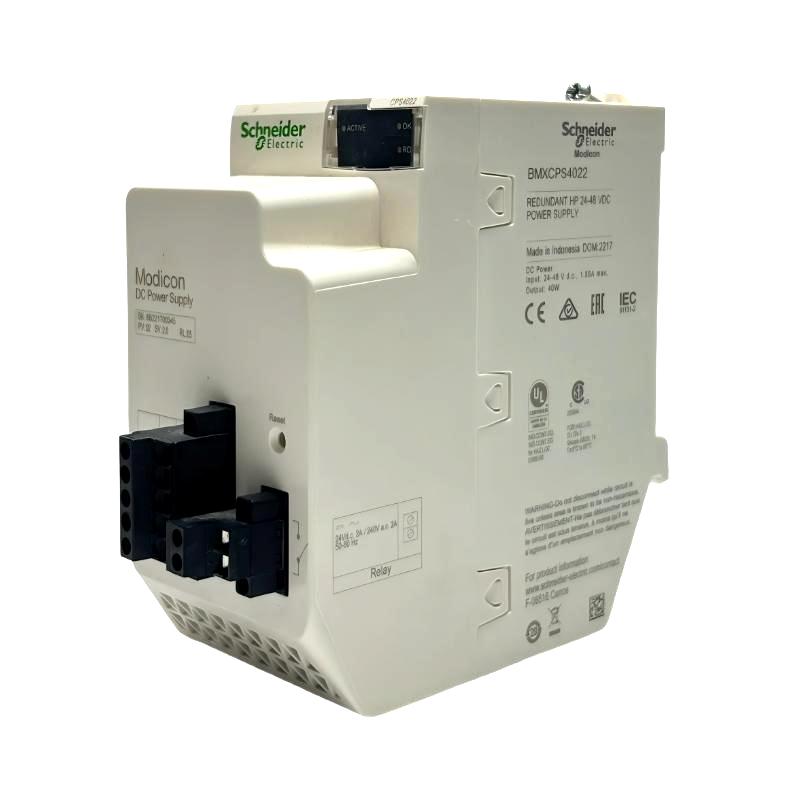
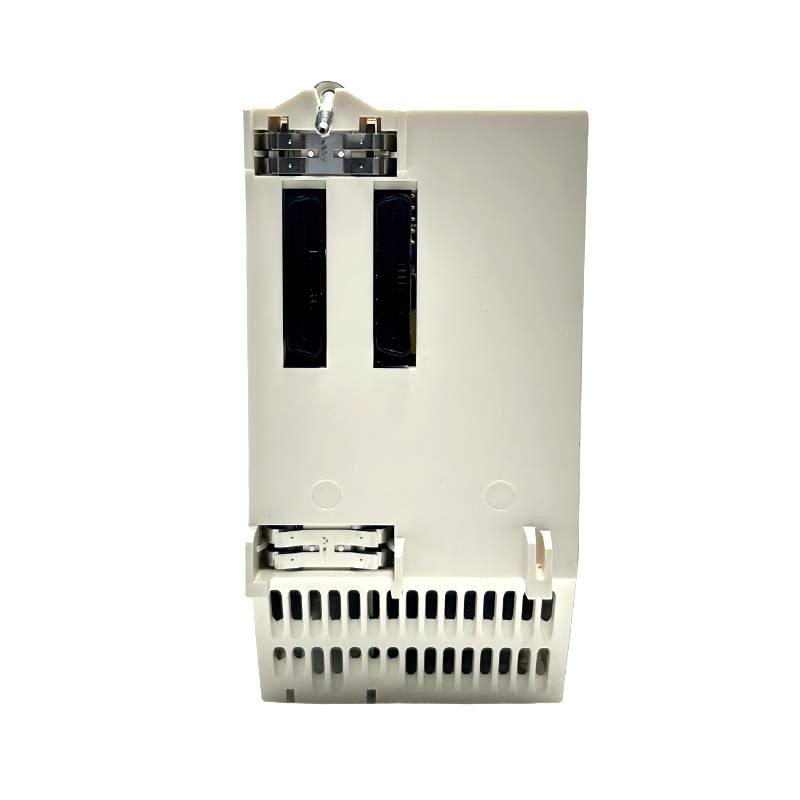
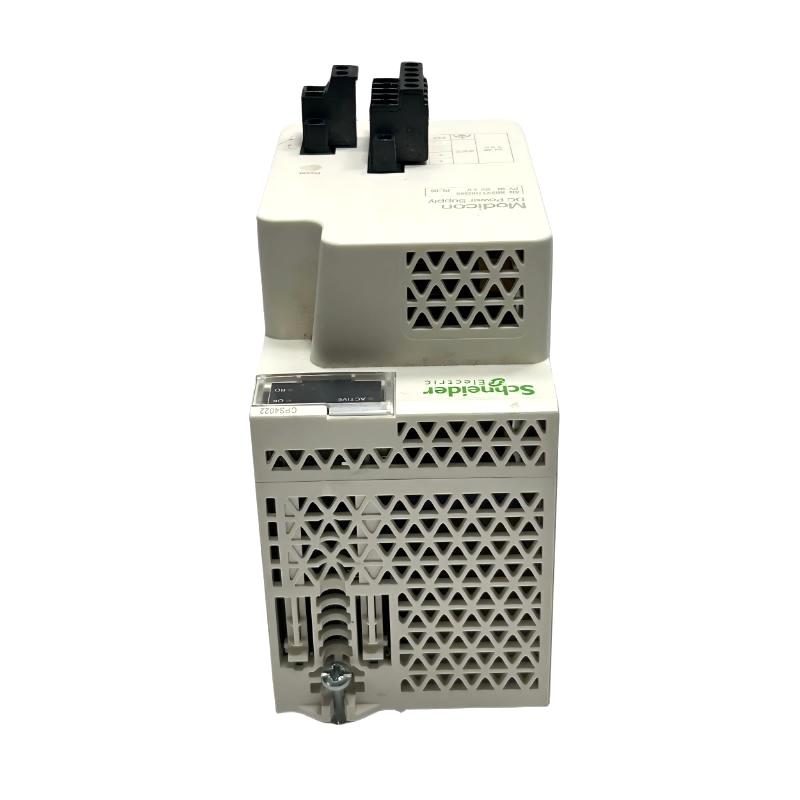
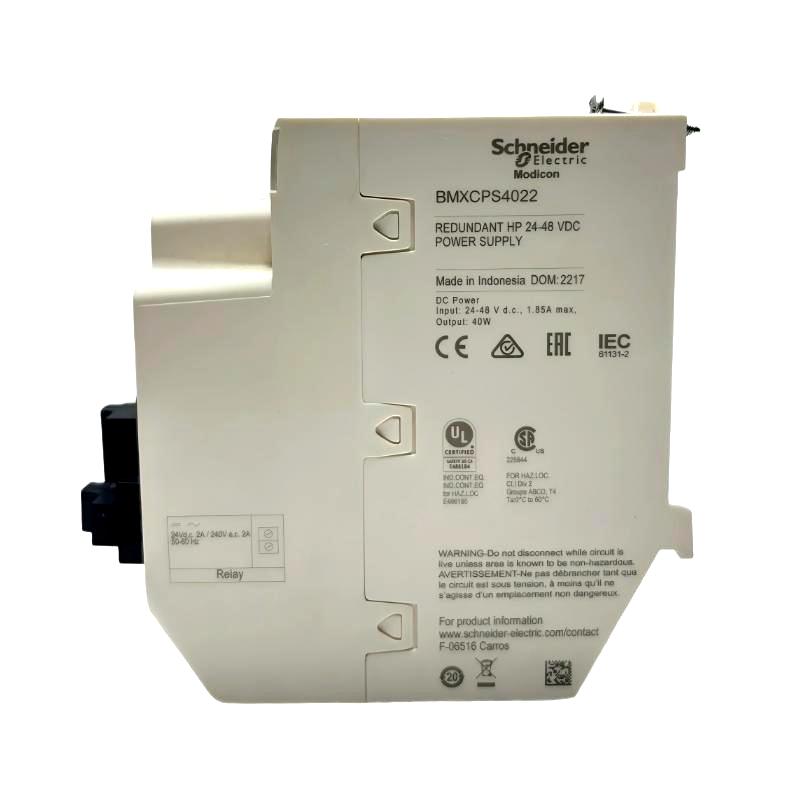
- Schneider
- BMXCPS4022H
- Power Module
- France
- 250 x 178 x 90 mm
- 0.81 kg
- Xiamen, China
- New & In Stock
- T/T, PayPal, Western Union
- 1 Year
- 1-3 Working Days
- DHL, UPS, TNT, FedEx and EMS.
- 24-Hour Service
- COO
- 7
Our advantage

Global Logistics
We have a 10-year logistics and express cooperation agreement, so our products can be shipped to any place in the world.

Brand new and original
Our products are imported in bulk from the place of origin. Because of the cooperative relationship, our products are all original and 100% new.

24-hour service
We provide 7*24 hours service to our customers. We will be there whenever you need us.

Price advantage
All our products are priced very favorably because we have our own warehouse and supply.
| Company Information | |||
| [email protected] | |||
| Mobile | +8615980777398 | ||
| +8615980777398 | |||
| 15980777398 |
Product Overview
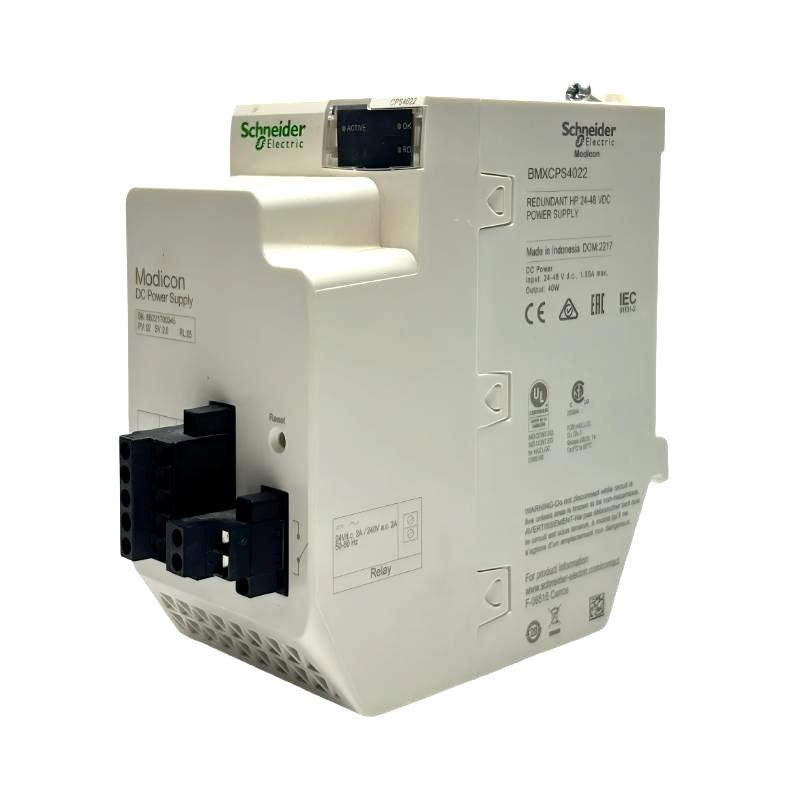
The Schneider BMXCPS4022H Power Module is an industrial automation power component designed to provide the required power interface for a compatible modular control system. In PLC and process automation architectures, the power module is responsible for supplying the electrical power required by the controller rack and associated automation modules.
A stable power source is essential for reliable operation of industrial control equipment. The power module works as part of the overall automation architecture, supporting the operation of CPUs, I/O modules, communication modules, and other system components installed within the compatible rack or platform.
The BMXCPS4022H is therefore an important infrastructure component rather than a field-level measurement or control device. A correctly selected power module helps ensure that the control system receives the required power under normal operating conditions.
The supplied physical specifications for the Schneider BMXCPS4022H are 250 × 178 × 90 mm, with a weight of 0.81 kg. These dimensions and weight are useful for control cabinet design, rack planning, replacement preparation, equipment handling, and spare-parts management.
Exact input voltage, output power, current capacity, protection functions, redundancy characteristics, diagnostic features, and environmental ratings should be confirmed against the applicable Schneider Electric documentation for the specific BMXCPS4022H configuration.
Technical Specifications
| Parameter | Specification |
|---|---|
| Manufacturer | Schneider Electric |
| Model | BMXCPS4022H |
| Product Type | Power Module |
| Primary Function | Automation System Power Supply |
| System Role | PLC / Rack Power |
| Application | Industrial Automation and Process Control |
| Dimensions | 250 × 178 × 90 mm |
| Weight | 0.81 kg |
| Installation | Modular Industrial Control System |
| Typical Applications | PLC Systems, Process Automation, Machine Control, Distributed Automation |
The physical dimensions and weight above are based on the product information supplied for this article. Electrical ratings and system-specific power characteristics should be confirmed before installation.
What Is the Schneider BMXCPS4022H?
The Schneider BMXCPS4022H is identified as a Power Module used within a modular industrial automation system.
A PLC system normally contains multiple electronic modules that require a stable power source. These may include:
- CPU modules
- Analog input modules
- Analog output modules
- Digital I/O modules
- Communication modules
- Specialized control modules
The power module provides the necessary electrical supply to the compatible automation architecture.
A simplified system structure is:
AC / DC Supply → BMXCPS4022H → PLC Rack / Control System → I/O and Communication Modules
The exact power distribution arrangement depends on the Schneider Electric platform and system design.
Power Module Working Principle
The operation of an industrial automation power module can be understood through several basic functions.
Input Power Reception
The power module receives electrical power from the plant’s control-system power source.
The incoming supply must comply with the requirements of the specific power module and installation.
Power Conversion
The module converts the incoming electrical energy into the required internal power used by the compatible automation system.
The exact conversion architecture and electrical ratings depend on the product design.
Rack Power Distribution
The resulting power is made available to the compatible control-system components.
These components may include the main controller, I/O modules, and communication equipment.
System Monitoring
Industrial power systems may also provide diagnostic information associated with power status or abnormal operating conditions.
The exact diagnostic functionality should be confirmed for the installed hardware.
Role in Industrial Automation
The BMXCPS4022H provides the power infrastructure required for the operation of an automation system.
A typical architecture can be represented as:
Plant Power → Power Module → PLC / I/O Rack → Control Processing → Field Devices
Without a reliable power source, even correctly configured controllers and I/O modules cannot operate normally.
The power module therefore forms a fundamental part of system availability and reliability.
Industrial Applications
Process Automation
Industrial process-control systems depend on stable power for controllers, I/O modules, communication equipment, and instrumentation interfaces.
Applications may include:
- Water treatment
- Chemical processing
- Oil and gas facilities
- Utilities
- Energy systems
- Manufacturing
Factory Automation
Manufacturing systems often contain large numbers of PLC and I/O modules.
A suitable power module provides the required electrical infrastructure for the control rack.
Machine Control
Automated machines require stable power for:
- Controllers
- I/O modules
- Communication equipment
- Operator interfaces
- Machine-control components
Distributed Automation
Large facilities may use multiple automation racks distributed throughout the plant.
Each compatible rack or control-system section requires an appropriately selected power architecture.
Utility Systems
Power modules can also form part of automation systems controlling pumps, fans, compressors, valves, and other utility equipment.
PLC Rack Integration
The BMXCPS4022H is designed to operate as part of a modular control-system architecture.
A simplified rack structure can be represented as:
Power Module → Controller → I/O Modules → Communication Modules
The power module supports the electrical requirements of the compatible rack.
Correct module selection is important because the power requirements of a rack depend on the number and type of installed modules.
When designing a system, engineers should consider:
- Total module power consumption
- Power distribution
- Environmental conditions
- Cabinet ventilation
- Required availability
- Protection requirements
- Future expansion
Exact rack compatibility should be confirmed against the applicable Schneider Electric system documentation.
Power Supply Planning
Correct power planning is an important part of PLC system design.
Before selecting or installing a power module, engineers should evaluate the complete rack load.
Factors may include:
- Number of installed modules
- CPU requirements
- I/O module consumption
- Communication module consumption
- Expansion requirements
- Startup conditions
- Environmental derating
The selected power module should have suitable capacity for the intended configuration.
The exact electrical capacity of the BMXCPS4022H should be verified from the applicable technical documentation rather than inferred from its physical size.
Installation Guidelines
Verify Product Identification
Confirm the complete model:
Schneider BMXCPS4022H
Check the product label and installation documentation before mounting.
Confirm Physical Space
The supplied dimensions are:
250 × 178 × 90 mm
The cabinet should provide adequate space for:
- Module installation
- Electrical connections
- Cable routing
- Ventilation
- Maintenance access
Check Incoming Power
Before energizing the system, verify that the incoming supply matches the requirements of the installed power module.
Inspect Connections
Power connections should be checked for:
- Correct wiring
- Secure terminals
- Proper cable sizing
- Appropriate protection
- Correct grounding
Maintain Ventilation
Power modules generate heat during operation. Adequate cabinet ventilation and thermal management are important for reliable operation.
Electrical Protection Considerations
The power module should be installed within a properly designed control-panel power system.
Depending on the application, the installation may require appropriate:
- Circuit protection
- Disconnect devices
- Grounding
- Surge protection
- Power filtering
- Cabinet-level protection
The exact protection arrangement should be determined according to the applicable electrical standards and Schneider Electric installation requirements.
Commissioning Procedure
A systematic commissioning process can reduce power-related faults.
Step 1: Inspect the Power Module
Check the BMXCPS4022H for physical damage and confirm the model identification.
Step 2: Verify System Compatibility
Confirm that the module is compatible with the intended PLC rack and automation platform.
Step 3: Calculate Rack Load
Verify that the total installed module load is appropriate for the selected power architecture.
Step 4: Check Incoming Power
Measure and verify the incoming supply before connecting the automation system.
Step 5: Check Wiring
Inspect power, grounding, and associated connections.
Step 6: Energize the System
Apply power under controlled conditions and monitor the module and rack status.
Step 7: Check Diagnostics
Review available controller and system diagnostic information.
Step 8: Test the Automation System
Confirm that the controller, I/O modules, and communication equipment start correctly and operate normally.
Troubleshooting the BMXCPS4022H
Power-system faults should be investigated carefully because a single power problem can affect multiple automation modules simultaneously.
PLC Rack Does Not Power Up
Possible causes include:
- Incorrect incoming power
- Incorrect wiring
- Circuit protection trip
- Power-module fault
- Rack configuration problem
- Connection problem
Check the incoming supply before assuming that the power module has failed.
Intermittent Power Problems
Possible causes include:
- Loose terminals
- Unstable incoming supply
- Poor grounding
- Overloaded power architecture
- Thermal conditions
- Electrical connection problems
Inspect the complete power path.
Power Fault After Adding Modules
If a problem occurs after adding I/O or communication modules, check the total rack power requirements.
An expanded rack may exceed the available power capacity of the existing configuration.
Excessive Heat
Unusual temperature increases may result from:
- High system load
- Poor cabinet ventilation
- Blocked airflow
- High ambient temperature
- Installation problems
Thermal conditions should be investigated before continued operation.
Controller or I/O Modules Reset Unexpectedly
Unexpected resets can be associated with:
- Power instability
- Insufficient power capacity
- Loose connections
- Electrical interference
- Thermal problems
- Power-module faults
Monitor the complete system rather than replacing individual I/O modules without evidence.
Preventive Maintenance
Regular power-system maintenance helps reduce unexpected automation downtime.
Inspect Power Connections
Check terminals and connectors for looseness, discoloration, overheating, or mechanical damage.
Monitor Cabinet Temperature
Maintain suitable operating conditions around the power module and associated PLC hardware.
Check Circuit Protection
Inspect upstream protective devices and investigate repeated trips.
Review System Load
When adding new modules, verify that the power requirements remain within the appropriate system capacity.
Keep the Cabinet Clean
Dust accumulation can reduce cooling efficiency and increase thermal stress.
Maintain Spare Parts
For critical production systems, an appropriately identified spare power module can reduce recovery time after a hardware failure.
Replacement Considerations
When replacing a Schneider BMXCPS4022H Power Module, the complete model number should be verified.
Important considerations include:
- Full product designation
- Hardware revision
- PLC platform
- Rack compatibility
- Input power requirements
- Power capacity
- System load
- Protection requirements
- Installation arrangement
- Environmental conditions
The supplied physical specifications are:
Dimensions: 250 × 178 × 90 mm
Weight: 0.81 kg
A power module with similar dimensions should not automatically be considered interchangeable. Electrical ratings, rack compatibility, output capacity, and system architecture must be confirmed before replacement.
Physical Dimensions and Weight
The supplied physical information for the BMXCPS4022H is:
| Physical Parameter | Value |
|---|---|
| Dimensions | 250 × 178 × 90 mm |
| Weight | 0.81 kg |
These specifications are useful for:
- Control cabinet design
- PLC rack planning
- Spare-parts management
- Replacement preparation
- Equipment handling
- Transportation planning
Additional mounting and clearance requirements should be confirmed before final cabinet design.
Engineering Best Practices
Calculate Total Rack Power
Before commissioning or expanding a PLC rack, calculate the expected power demand of all installed modules.
Allow for Future Expansion
Where practical, consider future I/O and communication-module additions during system design.
Maintain Adequate Cooling
Cabinet thermal design should account for heat generated by the power module and other electronic equipment.
Protect Incoming Power
Use an appropriately designed control-panel power distribution and protection system.
Monitor Repeated Power Faults
Repeated trips, resets, or power alarms should be investigated rather than continuously reset.
Document Power Architecture
Maintain clear documentation of power sources, protection devices, rack configuration, and module locations.
Compatible Automation Components
Depending on the specific Schneider Electric automation architecture, the BMXCPS4022H may operate alongside:
- Schneider PLC CPUs
- Analog Input Modules
- Analog Output Modules
- Digital Input Modules
- Digital Output Modules
- Communication Modules
- Remote I/O Systems
- HMI Systems
- Industrial Network Equipment
- Process-Control Modules
- Engineering Stations
Exact compatibility and rack loading should be verified against the intended Schneider Electric platform.
Recommended Related Schneider Product Categories
| Product Category | Typical Function |
|---|---|
| Schneider Power Modules | PLC and rack power supply |
| Schneider PLC CPUs | Control logic processing |
| Schneider Analog Input Modules | Process measurement |
| Schneider Analog Output Modules | Analog process control |
| Schneider Digital I/O Modules | Discrete signal handling |
| Schneider Communication Modules | Industrial networking |
| Schneider HMI Systems | Operator interface |
| Schneider Remote I/O | Distributed field control |
These categories are related to the BMXCPS4022H but should not automatically be considered direct replacement products.
Key Advantages
Centralized Rack Power
The BMXCPS4022H provides the power infrastructure required by the compatible modular automation system.
Industrial Automation Integration
The module can form part of PLC and process-control architectures containing controllers, I/O, communication, and other automation equipment.
Support for Modular Systems
A dedicated power module allows the automation rack to support multiple electronic modules within an organized architecture.
Important System Infrastructure
Stable power is fundamental to reliable controller, I/O, and communication operation.
Compact Industrial Form Factor
The supplied dimensions of 250 × 178 × 90 mm provide useful information for cabinet and rack planning.
Lightweight Relative to Installation Size
With a supplied weight of 0.81 kg, the module can be handled during installation and replacement using standard industrial maintenance procedures.
Technical FAQs
What is the Schneider BMXCPS4022H?
The Schneider BMXCPS4022H is a Power Module intended to provide the required power interface for a compatible modular industrial automation system.
What is the purpose of a PLC power module?
A power module supplies the electrical power required by the compatible PLC rack and associated automation modules.
What are the dimensions of the BMXCPS4022H?
The supplied dimensions are 250 × 178 × 90 mm.
How much does the BMXCPS4022H weigh?
The supplied weight is 0.81 kg.
Why is power capacity important in a PLC rack?
Every installed electronic module consumes power. The total rack load must remain within the capacity of the selected power architecture.
What can cause a PLC rack to lose power?
Possible causes include incoming power problems, protective-device trips, wiring faults, overloaded power architecture, loose terminals, thermal conditions, or power-module faults.
Should a power module be replaced immediately after a PLC reset?
No. The incoming supply, wiring, rack load, protection devices, environmental conditions, and system diagnostics should be checked first.
Can another Schneider power module replace the BMXCPS4022H?
Compatibility should not be assumed based on physical appearance. Input requirements, power capacity, rack compatibility, and system architecture must be verified.
Why is thermal management important for power modules?
Power modules generate heat during operation. Excessive temperature can affect electronic reliability and may contribute to unexpected system faults.
Conclusion
The Schneider BMXCPS4022H Power Module is an important infrastructure component for a compatible modular industrial automation system. By providing the required power interface for the control rack and associated modules, it supports the stable operation of PLC CPUs, I/O modules, communication equipment, and other automation components.
The supplied physical specifications are 250 × 178 × 90 mm, with a weight of 0.81 kg. These values are useful for control cabinet design, rack planning, replacement preparation, spare-parts management, and equipment handling.
Reliable operation depends on correct power-system design, appropriate rack loading, secure electrical connections, suitable protection, effective cabinet cooling, and systematic commissioning. When troubleshooting power-related problems, engineers should evaluate the complete power path and total system load rather than assuming that the power module itself is defective.
For installation or replacement, the complete BMXCPS4022H model designation should be verified together with the intended Schneider Electric automation platform, rack configuration, power requirements, protection arrangement, and applicable system documentation.