

ProductPRODUCT
Featured products
Contact Us
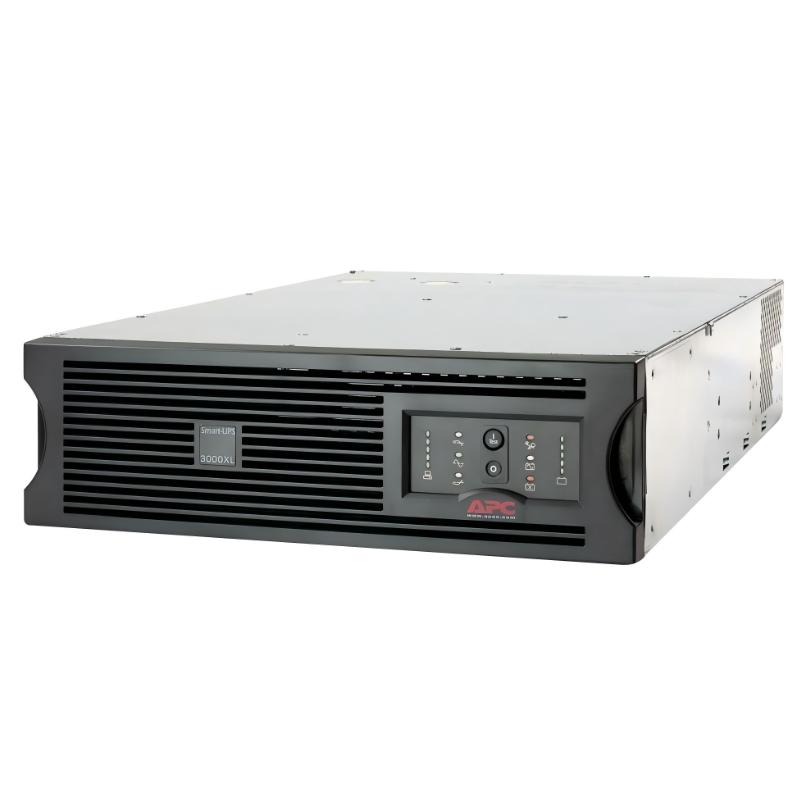
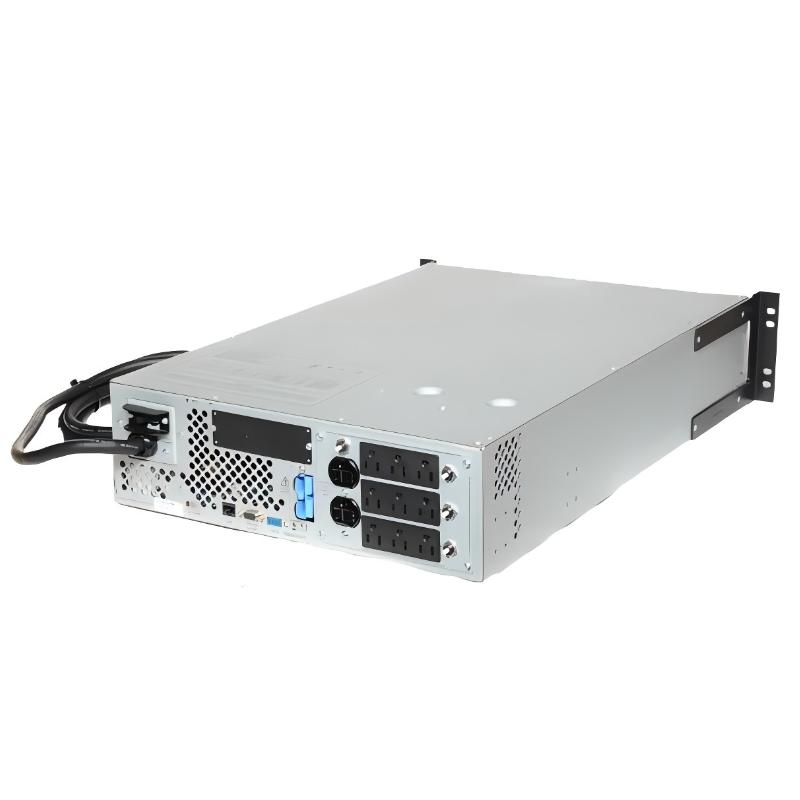
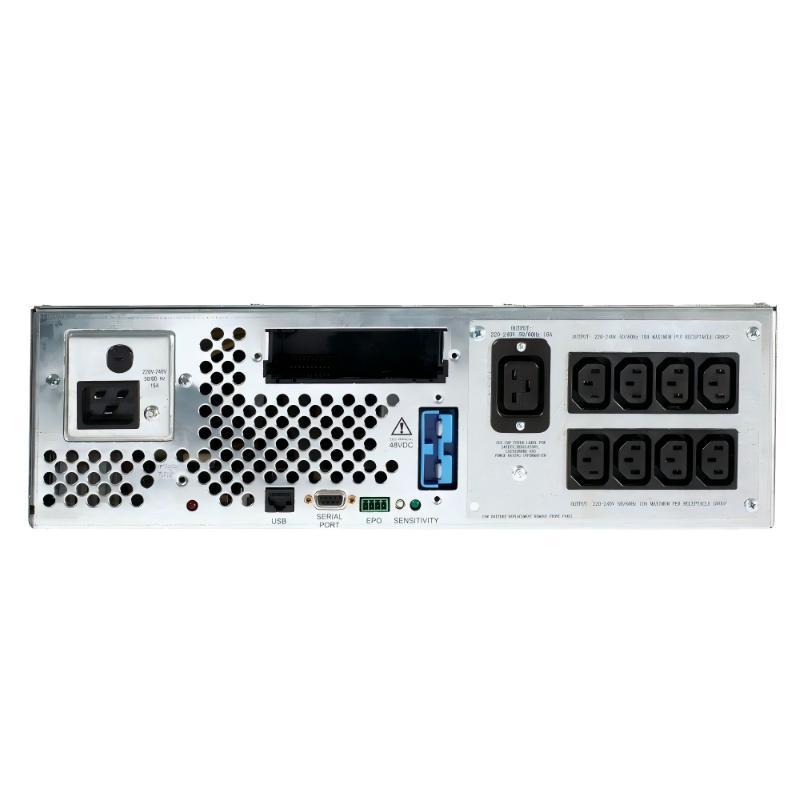
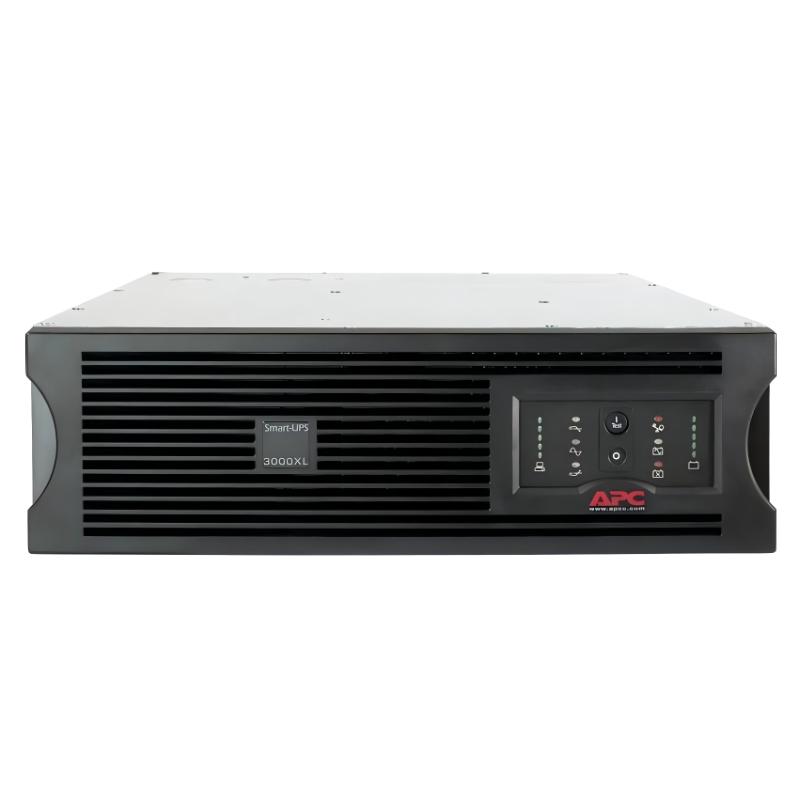
- Schneider
- SUA3000RMXLI3U
- Uninterruptible Power Supply
- France
- 660 × 133 × 483 mm
- 62.73 kg
- Xiamen, China
- New & In Stock
- T/T, PayPal, Western Union
- 1 Year
- 1-3 Working Days
- DHL, UPS, TNT, FedEx and EMS.
- 24-Hour Service
- COO
- 5
Our advantage

Global Logistics
We have a 10-year logistics and express cooperation agreement, so our products can be shipped to any place in the world.

Brand new and original
Our products are imported in bulk from the place of origin. Because of the cooperative relationship, our products are all original and 100% new.

24-hour service
We provide 7*24 hours service to our customers. We will be there whenever you need us.

Price advantage
All our products are priced very favorably because we have our own warehouse and supply.
| Company Information | |||
| [email protected] | |||
| Mobile | +8615980777398 | ||
| +8615980777398 | |||
| 15980777398 |
Product Overview
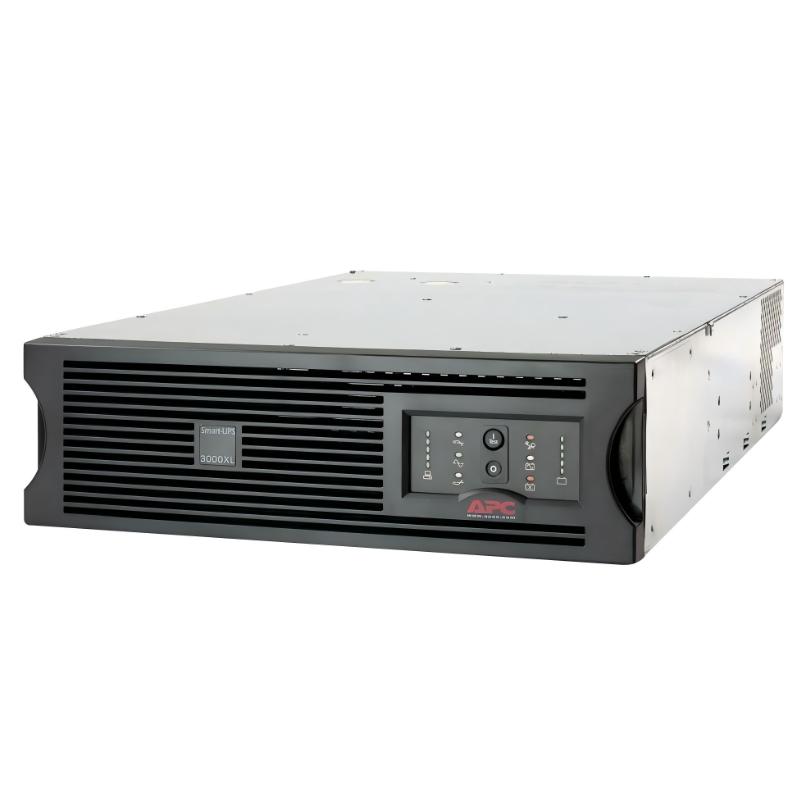
The Schneider SUA3000RMXLI3U APC Smart-UPS XL Uninterruptible Power Supply is a rack-mounted UPS system used to maintain power continuity for servers, networking equipment, industrial computers, communication hardware, and other critical electronic loads. It provides backup power when the normal AC supply is interrupted and helps keep connected equipment operating through short-duration power disturbances.
The Smart-UPS XL configuration is suited to installations where equipment is concentrated in a rack or equipment cabinet. Typical environments include data rooms, network cabinets, industrial control rooms, telecommunications installations, and infrastructure systems where an unexpected power interruption could stop computing, communication, or monitoring equipment.
During a utility failure, the UPS changes the connected load from normal utility power to its battery-backed power path. This transition allows supported equipment to continue operating while the incoming supply is unavailable. Depending on the installation, the UPS can also work with additional battery capacity to extend the available backup period.
The unit also serves as a power-management point between the incoming electrical supply and connected equipment. Maintenance personnel can therefore use the UPS as part of a structured power-protection strategy, separating utility-power problems from faults occurring in downstream servers, controllers, network devices, or other loads.
Technical Specifications
| Parameter | Specification |
|---|---|
| Manufacturer | Schneider Electric |
| Model | SUA3000RMXLI3U |
| Product Family | APC Smart-UPS XL |
| Product Type | Uninterruptible Power Supply |
| Primary Function | Backup power and power protection |
| System Role | Critical-load power protection |
| Application | Server, network, industrial and infrastructure use |
| Dimensions | 660 × 133 × 483 mm |
| Weight | 62.73 kg |
Product Features
- APC Smart-UPS XL uninterruptible power supply configuration
- Supports continuity of power for critical electronic equipment
- Suitable for rack-based installation environments
- Provides battery-backed operation during utility power interruptions
- Suitable for servers, network equipment, industrial computers, and communication systems
- Helps protect connected equipment from power-related interruptions
- Can be incorporated into centralized equipment-room power protection
- Suitable for applications where controlled shutdown and power continuity are required
Working Principle
The SUA3000RMXLI3U normally passes incoming utility power through the UPS power path to the connected load while monitoring the condition of the supply. The internal control system continuously evaluates the incoming power and the UPS operating state.
When the utility supply falls outside the supported operating condition or becomes unavailable, the UPS transfers the load to its battery-backed inverter path. Stored battery energy is converted into usable output power for the connected equipment, allowing critical loads to continue operating during the interruption.
Utility AC Supply → SUA3000RMXLI3U UPS → Protected Output → Critical Equipment
During normal operation, the UPS also manages battery charging so that stored energy is available for a subsequent outage. After utility power returns, the system can transition the load back to the normal supply path while restoring battery capacity.
The UPS therefore sits between the facility power source and the protected equipment. A problem affecting the utility supply, battery system, inverter path, or UPS output can have a direct effect on the equipment connected downstream.
Role in an APC Smart-UPS XL Power Protection Architecture
The SUA3000RMXLI3U occupies the power protection layer between facility electrical distribution and critical electronic equipment. It does not execute PLC or application-control logic; its responsibility is to maintain the electrical supply available to the protected load.
Utility Power → Electrical Distribution → SUA3000RMXLI3U → Protected Load → Server / Network / Control Equipment
| System Element | Function |
|---|---|
| Utility Power | Provides the normal incoming electrical supply |
| Electrical Distribution | Routes and protects the incoming power circuit |
| SUA3000RMXLI3U | Provides UPS power protection and battery backup |
| Battery System | Stores energy for backup operation |
| Protected Output | Supplies power to connected critical equipment |
| Server / Network Equipment | Performs computing and communication functions |
| Industrial Control Equipment | Supports monitoring, automation, or supervisory tasks |
| Management System | Monitors UPS and protected-load operating conditions |
This architecture allows power-related disturbances to be handled at the UPS layer rather than directly exposing critical electronic equipment to every interruption in the incoming supply.
Industrial Applications
| Application | Typical Use |
|---|---|
| Data Center Infrastructure | Backup power for servers and network equipment |
| Industrial Control Rooms | Power continuity for computers and control hardware |
| Network Cabinets | Protection of communication and networking equipment |
| Telecommunications | Maintaining power to communication infrastructure |
| Manufacturing Facilities | Backup supply for industrial computing equipment |
| Security Systems | Power continuity for monitoring and security hardware |
| Building Management Systems | Backup power for supervisory and control equipment |
| Process Monitoring Facilities | Maintaining operation of critical monitoring hardware |
| IT Equipment Rooms | Protection of servers, storage, and network devices |
Installation and Maintenance
- Verify that the SUA3000RMXLI3U is suitable for the intended power-protection architecture before installation.
- Confirm the incoming electrical supply and distribution arrangement against the approved installation design.
- Provide appropriate rack or cabinet support for the UPS before positioning the unit.
- Verify the protected-load circuit and identify all equipment that will be supplied through the UPS.
- Inspect power cables, connectors, and associated protective devices before energizing the system.
- Ensure that the UPS has suitable ventilation and that airflow around the equipment is not obstructed.
- Connect the input and output circuits according to the approved electrical configuration.
- Check the battery system and associated connections before placing the UPS into service.
- Apply power under controlled commissioning conditions and verify normal UPS operating status.
- Test the transition to battery operation using an approved commissioning procedure rather than interrupting power without preparation.
- Monitor battery condition, alarms, and operating status during scheduled maintenance.
- After replacement or major maintenance, verify UPS operation, protected-load continuity, alarm functions, and controlled shutdown behavior before returning the installation to normal service.
Compatible System Components
| Component | Function |
|---|---|
| APC Smart-UPS XL Battery System | Provides stored energy for backup operation |
| UPS Power Distribution | Routes protected power to connected loads |
| Rack / Equipment Cabinet | Supports installation of the UPS and protected loads |
| Server Equipment | Provides computing and application services |
| Network Switches | Maintains industrial or IT communication |
| Industrial Computers | Runs supervisory and control applications |
| Communication Equipment | Supports data and system communication |
| UPS Management Interface | Provides UPS monitoring and status information |
| Circuit Protection | Protects incoming and downstream electrical circuits |
Recommended Related Models
| Model / Product Family | Product Type | Typical Application |
|---|---|---|
| APC Smart-UPS XL | Uninterruptible Power Supply | Extended backup for critical equipment |
| APC Smart-UPS Rack-Mount Series | Rack-Mount UPS | Server and network equipment protection |
| APC Smart-UPS | Uninterruptible Power Supply | General critical-load backup |
| APC Smart-UPS Battery Packs | External Battery System | Extended UPS runtime |
| APC UPS Network Management | UPS Management System | Remote UPS monitoring and management |
| Schneider Electric UPS Systems | Power Protection System | Industrial and infrastructure power |
| APC Smart-UPS Accessories | UPS Accessories | Installation and system expansion |
Key Advantages
- Maintains power continuity for critical electronic equipment during utility interruptions.
- Suitable for rack-based server, network, industrial computing, and communication installations.
- Places battery-backed power protection between facility power and sensitive downstream loads.
- Supports centralized protection of multiple connected equipment loads.
- Helps reduce the operational impact of unexpected power interruptions.
- Can be incorporated into managed power-protection and equipment-room infrastructure.
Technical FAQs
How should the SUA3000RMXLI3U be integrated with critical industrial equipment?
The UPS should be installed upstream of the equipment that requires uninterrupted power, with the protected output routed to the designated critical loads. The complete electrical distribution arrangement should be reviewed so that non-critical or unsuitable loads are not placed on the protected circuit unintentionally.
What happens to connected equipment when the utility supply is interrupted?
The UPS transfers the protected load to its battery-backed power path, allowing connected equipment to continue operating while stored battery energy is available. The actual available runtime depends on the battery condition, connected load, and system configuration.
What should be checked if the UPS reports an alarm even though the connected equipment is still operating?
Check the UPS operating status, battery condition, incoming supply, output condition, and any associated management or diagnostic indications. An alarm does not necessarily mean that the downstream load has already lost power, but it should be investigated before the UPS is relied upon for another power interruption.
When should the battery system be inspected during maintenance?
Battery condition should be checked as part of scheduled UPS maintenance and whenever the system reports a battery-related alarm or reduced backup performance. Battery inspection should be coordinated with the UPS operating requirements and the applicable maintenance procedure rather than relying only on the fact that the UPS remains powered during normal utility operation.