
NewsNEWCENTER
Featured products
Contact Us
Schneider Electric Expands Sustainable Automation Solutions to Drive the Future of Smart Manufacturing
2026-09-09Open Automation, Intelligent Energy Management and AI Integration Help Industries Improve Efficiency and Sustainability
As manufacturers continue to modernize production facilities, sustainability has become a core objective alongside productivity and profitability. Schneider Electric is accelerating the development of intelligent automation technologies that combine software-defined control, digital energy management and Industrial AI to help companies create more efficient, flexible and environmentally responsible manufacturing operations.
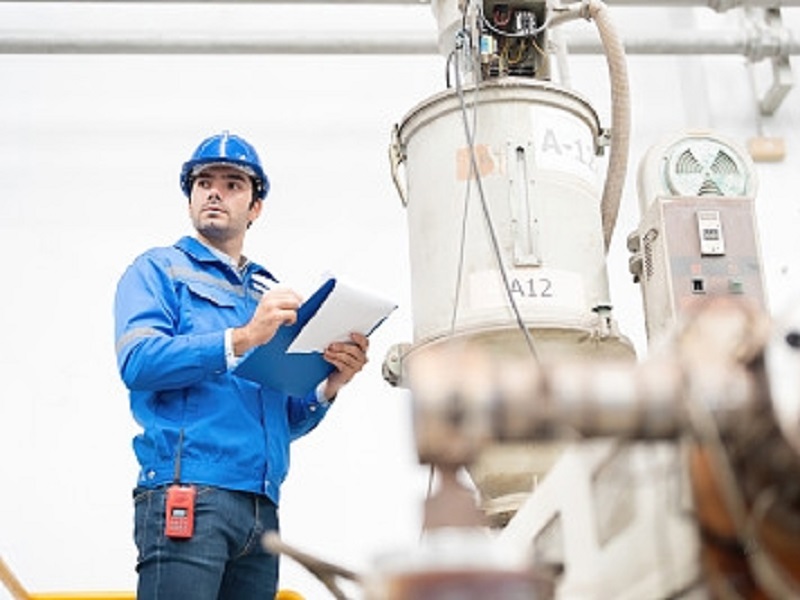
Industrial organizations across sectors including food and beverage, pharmaceuticals, automotive, chemicals and electronics are investing heavily in digital technologies to reduce operating costs while meeting increasingly ambitious sustainability targets. Modern automation systems are now expected not only to control production equipment but also to optimize energy consumption, improve resource utilization and provide real-time operational insights.
One of the most important developments is the adoption of open, software-defined automation. Traditional automation systems often rely on hardware-specific engineering, making future upgrades more complex. Open automation architectures allow manufacturers to separate software applications from dedicated hardware, providing greater flexibility when expanding production lines or integrating new digital technologies. Schneider Electric continues to position software-defined automation as a key foundation for future industrial operations, enabling greater interoperability and simplified system modernization.
Energy management is becoming increasingly integrated with industrial automation. Instead of treating production control and electrical infrastructure as separate systems, manufacturers are combining machine control, power distribution and energy analytics into unified digital platforms. Real-time monitoring of electricity consumption enables engineers to identify inefficiencies, optimize equipment performance and reduce unnecessary energy usage without affecting production output.
Artificial intelligence is also reshaping factory operations. AI-powered software continuously analyzes production information collected from PLCs, sensors, drives and field devices to identify process deviations and recommend operational improvements. By transforming operational data into actionable intelligence, manufacturers can improve production quality, reduce waste and increase equipment availability.
Digital twin technology continues to support more efficient engineering workflows. Virtual models of production systems allow engineers to simulate equipment behavior, verify control logic and evaluate process improvements before implementing physical changes. This approach shortens project timelines, minimizes commissioning risks and improves overall engineering efficiency.
Predictive maintenance remains a major focus for industrial facilities. Intelligent monitoring systems continuously evaluate the condition of motors, pumps, compressors, conveyors and electrical equipment. Early detection of abnormal operating conditions allows maintenance teams to schedule repairs proactively, reducing unexpected downtime while extending equipment service life.
Industrial connectivity is another key trend shaping smart manufacturing. Modern factories require seamless communication between controllers, industrial robots, machine vision systems, manufacturing execution systems and enterprise software. Open communication standards and secure industrial networks enable production data to move efficiently across the organization, improving collaboration between engineering, operations and management teams.
Cybersecurity continues to grow in importance as automation systems become more connected. Manufacturers are strengthening network security, access management and secure communication protocols to protect critical industrial infrastructure from evolving cyber threats. Secure digital operations are becoming an essential requirement for successful smart manufacturing initiatives.
Flexible manufacturing is also driving automation investments. Companies need production systems that can quickly adapt to new products, changing customer demands and shorter production cycles. Modular automation architectures allow production lines to be reconfigured with minimal disruption, supporting long-term operational agility while protecting existing investments.
Another emerging trend is the convergence of automation and electrification. Intelligent power management systems are increasingly integrated with production control platforms, allowing manufacturers to balance production performance with energy efficiency. This unified approach supports sustainability objectives while helping organizations improve operational resilience and reduce overall operating costs.
Looking ahead, software-defined automation, Industrial AI, digital twins and intelligent energy management will continue to shape the future of manufacturing. Companies investing in these technologies will be better positioned to improve productivity, strengthen operational resilience and achieve long-term sustainability goals.
As industrial digitalization continues to evolve, Schneider Electric’s focus on open automation, intelligent energy management and integrated digital technologies demonstrates how the next generation of manufacturing will combine productivity, flexibility and sustainability within a unified smart factory ecosystem.