

ProductPRODUCT
Featured products
Contact Us
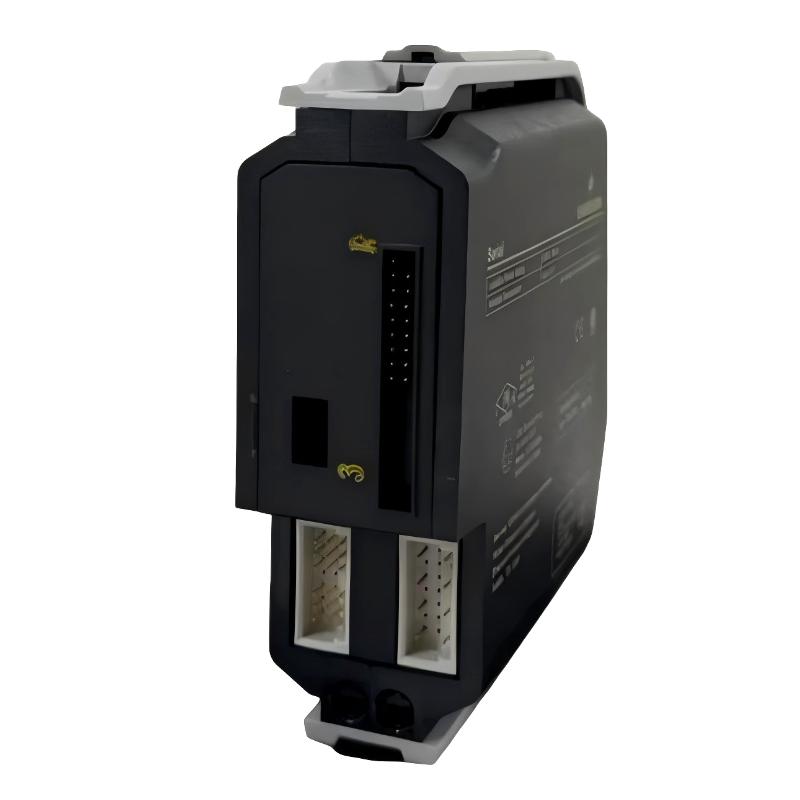
- Emerson
- SE4001S3T1B1
- Discrete Input Card
- USA
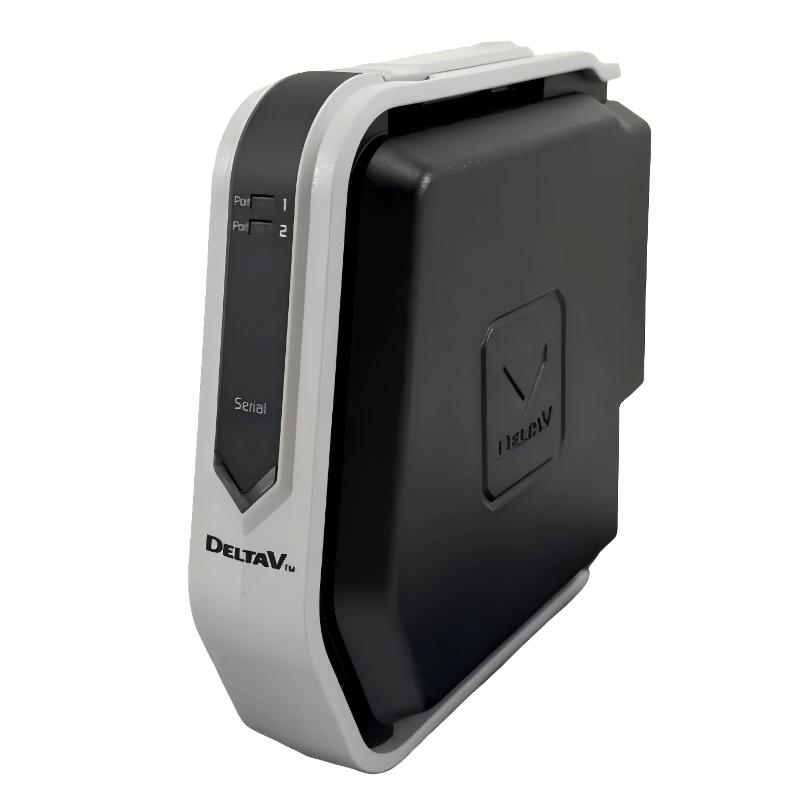
- 131 × 41.8 × 130.8 mm
- 0.4 kg
- Xiamen, China
- New & In Stock
- T/T, PayPal, Western Union
- 1 Year
- 1-3 Working Days
- DHL, UPS, TNT, FedEx and EMS.
- 24-Hour Service
- COO
- 64
Our advantage

Global Logistics
We have a 10-year logistics and express cooperation agreement, so our products can be shipped to any place in the world.

Brand new and original
Our products are imported in bulk from the place of origin. Because of the cooperative relationship, our products are all original and 100% new.

24-hour service
We provide 7*24 hours service to our customers. We will be there whenever you need us.

Price advantage
All our products are priced very favorably because we have our own warehouse and supply.
| Company Information | |||
| [email protected] | |||
| Mobile | +8615980777398 | ||
| +8615980777398 | |||
| 15980777398 |
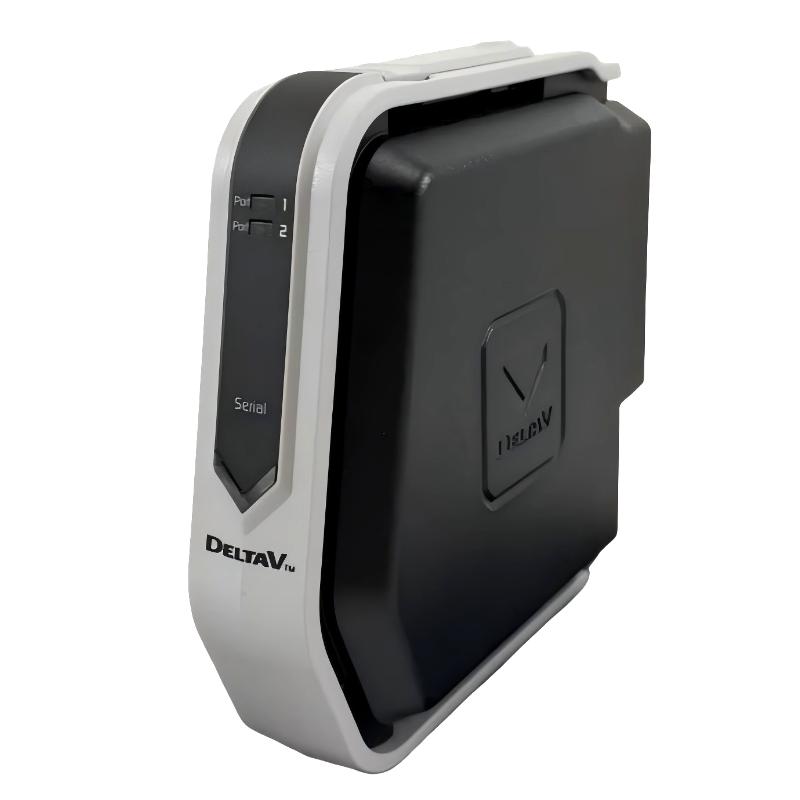
Product Overview
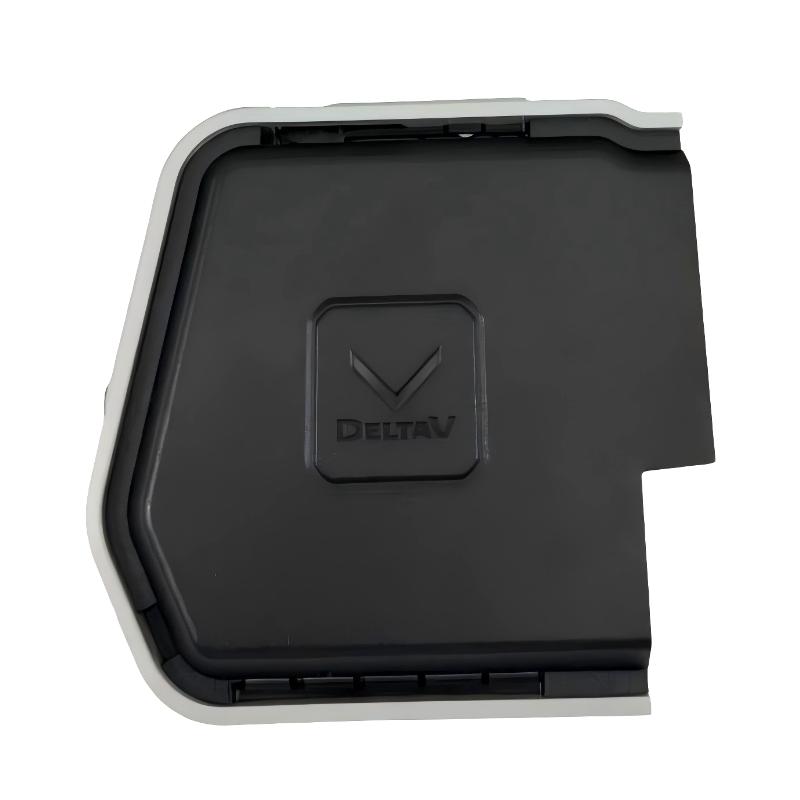
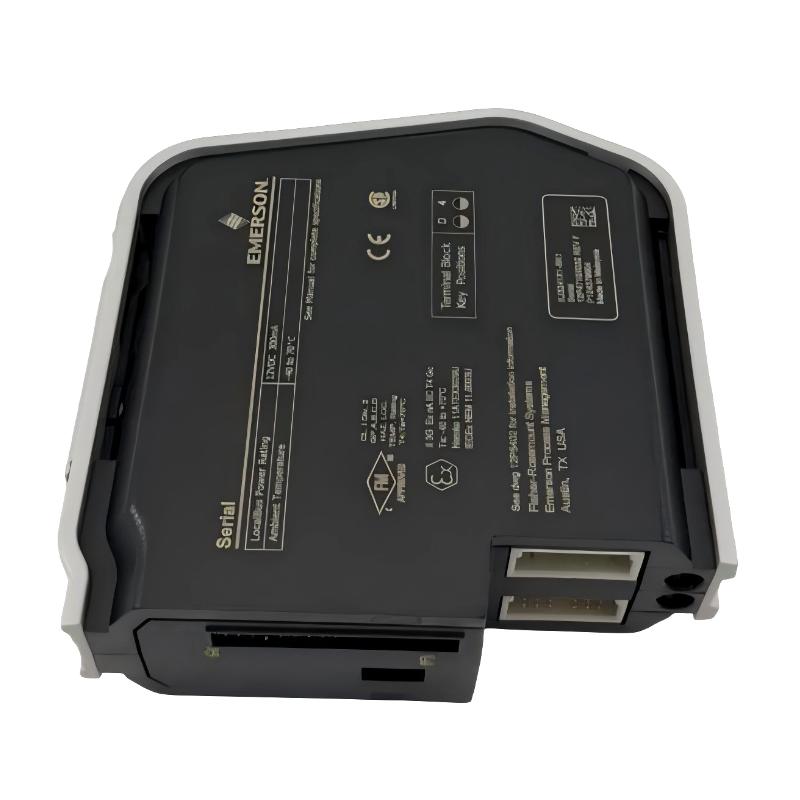
The Emerson SE4001S3T1B1 DeltaV S-series Discrete Input Card handles discrete field-state acquisition within the Emerson DeltaV S-series control platform. It connects binary field conditions to the controller so that equipment status, switching events, permissive conditions, and process alarms can become part of the control application.
In a typical DeltaV installation, the card sits between field termination hardware and the controller-side I/O architecture. Signals generated by switches, contacts, relays, and other discrete devices are brought into the card and then made available to the configured control strategy.
The SE4001S3T1B1 should not be treated as interchangeable with every DeltaV discrete input card simply because the cards belong to the same product family. The complete model designation, installed architecture, signal requirements, and application configuration should be checked before selecting a replacement.
For maintenance teams, this module is particularly relevant when a specific field-status point is unavailable, remains in an unexpected state, or produces an intermittent indication. Troubleshooting should follow the complete path from field device to DeltaV application.
Technical Specifications
| Parameter | Specification |
|---|---|
| Manufacturer | Emerson |
| Model | SE4001S3T1B1 |
| Product Family | DeltaV S-series |
| Product Type | Discrete Input Card |
| Primary Function | Discrete Field Signal Acquisition |
| System Role | Input Interface |
| Application | Industrial Automation / Process Control |
| Installation | Emerson DeltaV Control System |
| Dimensions | 131 × 41.8 × 130.8 mm |
| Weight | 0.4 kg |
Product Features
The SE4001S3T1B1 forms part of the discrete input layer of a DeltaV S-series control installation.
Key characteristics include:
- Emerson DeltaV S-series Discrete Input Card
- Model SE4001S3T1B1
- Intended for discrete field-state acquisition
- Interfaces binary field conditions with the DeltaV control system
- Suitable for equipment-status monitoring
- Useful for switch and contact-based process signals
- Can be incorporated into alarm and interlock logic
- Integrates with the DeltaV S-series I/O architecture
- Suitable for process and manufacturing environments
- Useful for maintenance and replacement applications
The practical value of the card lies in converting physical field states into usable controller information while maintaining the separation between field instrumentation and application logic.
Working Principle
The SE4001S3T1B1 receives discrete electrical conditions from connected field equipment and makes the resulting state available to the DeltaV control application.
A simplified signal route is:
Field Device → Field Wiring → Termination → SE4001S3T1B1 → DeltaV Controller → Application Logic
The operating sequence generally involves:
-
Equipment State Generation
A field switch, relay, contact, or other discrete device changes state according to the process or machine condition.
-
Signal Transmission
The electrical state travels through the field wiring toward the DeltaV I/O interface.
-
Input Detection
The SE4001S3T1B1 receives the applicable discrete signal and identifies the corresponding input condition.
-
Controller-Level Processing
The input information becomes available to the DeltaV control application.
-
Logic Evaluation
Configured application logic determines how the state should affect the process.
-
Operational Response
The input may result in a status indication, alarm, permissive, interlock, sequence transition, or other programmed response.
In practical terms:
Physical Equipment State → Discrete Input → Application Logic → Control Response
Role in a DeltaV S-series Control Architecture
The SE4001S3T1B1 occupies the discrete field-input layer of the DeltaV S-series architecture.
A typical relationship is:
Field Equipment → I/O Interface → SE4001S3T1B1 → DeltaV Controller → Operator Interface
The surrounding hardware has different responsibilities:
| System Element | Function |
|---|---|
| SE4001S3T1B1 | Acquires discrete field conditions |
| DeltaV Controller | Executes configured control logic |
| S-series I/O Infrastructure | Provides the I/O system architecture |
| Termination Hardware | Provides field wiring connections |
| Field Switches | Generate binary status signals |
| Relay Contacts | Provide equipment-state information |
| HMI | Displays process and equipment conditions |
| Alarm / Interlock Functions | Respond to configured input states |
This arrangement allows a physical equipment condition to be incorporated into higher-level control decisions.
Industrial Applications
| Application | Typical Use |
|---|---|
| Oil and Gas | Equipment and valve status monitoring |
| Chemical Processing | Discrete process conditions |
| Manufacturing | Machine-state acquisition |
| Water Treatment | Pump and valve status |
| Power Generation | Equipment condition inputs |
| Process Plants | Alarms and permissive signals |
| Packaging | Sequence and machine-status inputs |
| Material Handling | Conveyor and device monitoring |
The actual use of each input channel depends on the connected field device and the DeltaV application configuration.
Installation and Maintenance
Before replacing the SE4001S3T1B1, technicians should document the existing installation so that channel assignments and field connections can be restored correctly.
Recommended practices include:
- Confirm the complete SE4001S3T1B1 model.
- Verify the installed I/O position.
- Record channel assignments.
- Identify connected field devices.
- Document terminal and cable relationships.
- Determine the normal state of monitored equipment.
- Inspect field wiring and terminations.
- Check for loose or damaged conductors.
- Verify the field device independently where practical.
- Inspect the card and associated connectors.
- Confirm the DeltaV configuration.
- Follow the approved replacement procedure.
- Verify module diagnostics after installation.
- Test representative input channels.
- Confirm the corresponding DeltaV status.
- Check related alarms and interlocks.
- Monitor system operation during commissioning.
- Record the final configuration.
When an input remains stuck in one state, testing the field signal at successive points along the path can help determine whether the fault originates from the field device, wiring, termination, input channel, or configuration.
Related Components
| Component | Function |
|---|---|
| Emerson SE4001S3T1B1 | DeltaV S-series Discrete Input Card |
| DeltaV Controller | Executes application logic |
| S-series I/O Infrastructure | Provides system-level I/O connectivity |
| Termination Assembly | Interfaces field wiring |
| Field Switches | Generate discrete signals |
| Relay Contacts | Provide equipment status |
| HMI | Displays equipment conditions |
| Alarm Logic | Processes configured abnormal states |
| Interlock Logic | Uses discrete conditions for protective functions |
Recommended Related Models
| Model / Product Family | Product Type | Typical Application |
|---|---|---|
| Emerson SE4001S3T1B1 | DeltaV S-series Discrete Input Card | Discrete field-state acquisition |
| Emerson SE4001S2T2B4 | DeltaV S-series Discrete Input Card | Discrete field inputs |
| Emerson SE4001S2T2B5 | DeltaV S-series Discrete Input Plus Card | Discrete input applications |
| Emerson SE4001S2T2B6 | DeltaV S-series Discrete Input Plus Card | Enhanced discrete input applications |
| Emerson SE4001S2B3 | DeltaV M-series Discrete Input Card | Discrete field signal acquisition |
Key Advantages
- Emerson DeltaV S-series Discrete Input Card.
- Model SE4001S3T1B1.
- Interfaces discrete field conditions with DeltaV control logic.
- Suitable for equipment-status acquisition.
- Supports binary process and machine signals.
- Useful for alarm and interlock-related inputs.
- Integrates into the DeltaV S-series I/O architecture.
- Suitable for process and manufacturing automation.
- Practical for maintenance and replacement work.
- Supports structured field-to-controller signal paths.
Technical FAQs
What is the difference between a discrete input point and an analog input point?
A discrete input represents a defined state or event, while an analog input represents a continuously varying process value. The SE4001S3T1B1 belongs to the discrete-input category and is therefore intended for state-based field information rather than continuously variable measurements.
Why can a loose terminal produce intermittent DeltaV equipment-status changes?
A poor electrical connection can interrupt or destabilize the signal reaching the input channel. The DeltaV application may then see repeated state changes even though the physical equipment has remained unchanged. Terminal condition and field wiring should therefore be included when investigating intermittent input transitions.
How should a suspected bad input channel be separated from a field-device fault?
Compare the actual field-device state with the electrical condition reaching the corresponding input path. If the field device changes correctly but the expected signal is lost before or at the I/O channel, the investigation can be narrowed toward wiring, termination, or the input hardware.
What should be included in functional testing after card replacement?
Testing should cover more than module power or diagnostic status. Representative field devices should be operated through their expected states, and the corresponding DeltaV indications should be checked. Any application functions dependent on those inputs, such as alarms, permissives, or interlocks, should also be verified.