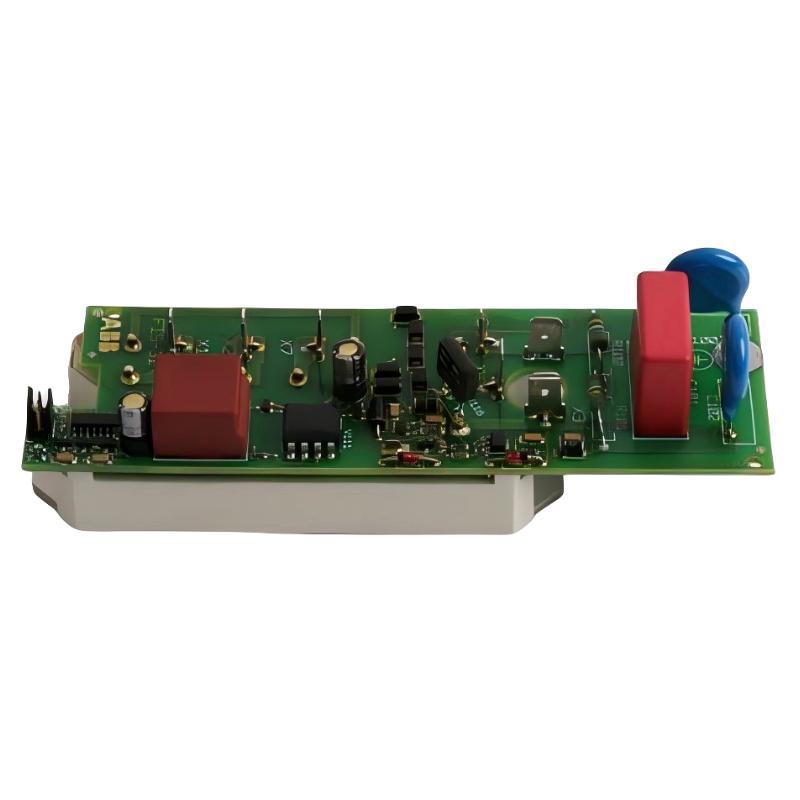
Product Overview
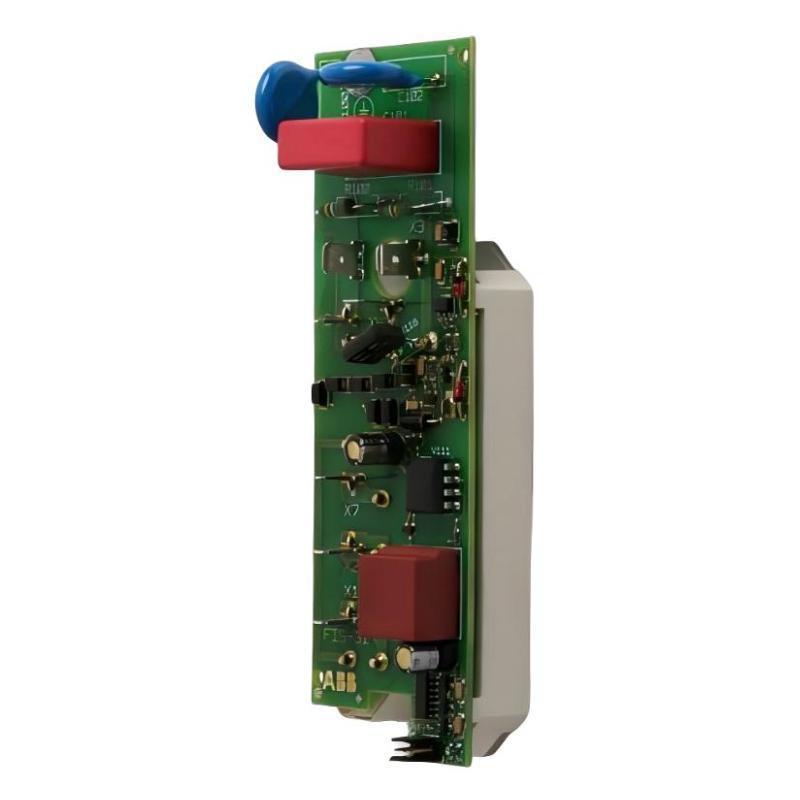
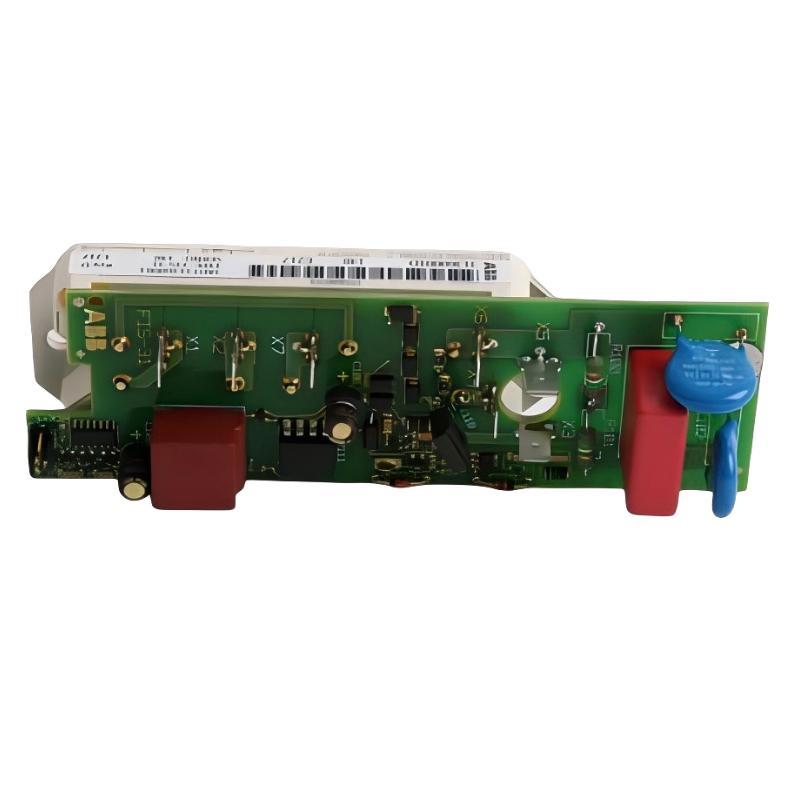
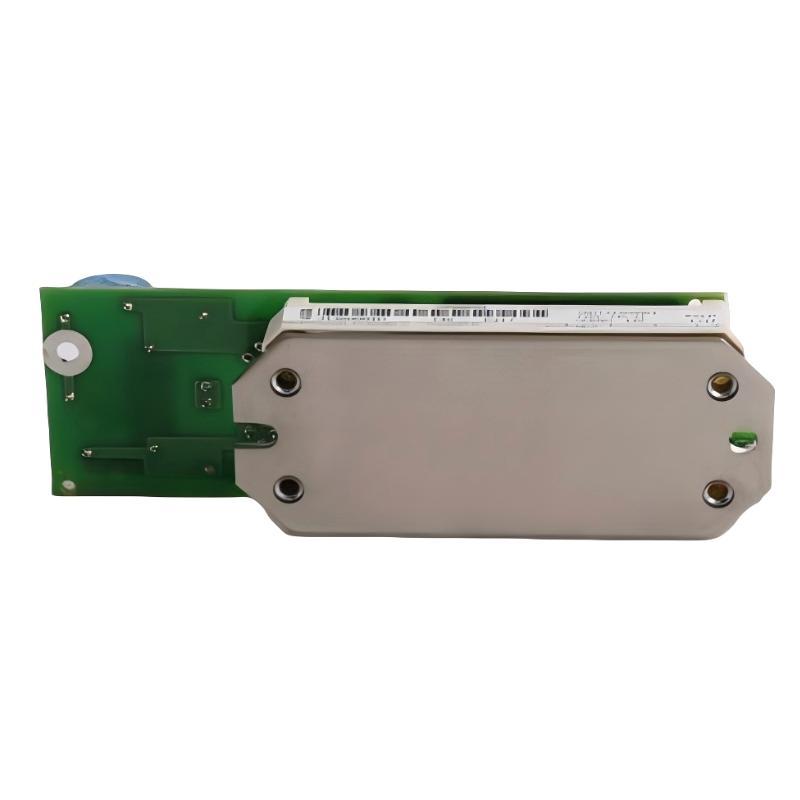
In industrial power control systems, accurate excitation control is essential for maintaining generator stability, voltage regulation, and reliable electrical performance. The ABB FIS-31 (3ADT313611P2102) Excitation Module is an industrial power control component designed to support excitation system operation and provide reliable control functions in ABB electrical drive and power applications.
The FIS-31 Excitation Module plays an important role in excitation circuits by managing electrical control signals and supporting stable operation of excitation equipment. It helps regulate excitation-related functions, ensuring that connected electrical systems can maintain proper performance under different operating conditions.
This module is designed for industrial environments where high reliability, accurate control, and continuous operation are required. Its compact structure allows integration into industrial control cabinets and electrical equipment assemblies.
With stable control performance and efficient system integration capability, the ABB FIS-31 helps improve excitation system reliability and supports long-term operation of industrial power equipment.
Technical Specifications
| Parameter |
Details |
| Manufacturer |
ABB |
| Model |
FIS-31 |
| Part Number |
3ADT313611P2102 |
| Product Type |
Excitation Module |
| Function |
Excitation control and signal management |
| Application |
Industrial power control systems |
| Main Function |
Excitation circuit regulation support |
| Control Function |
Electrical signal processing and control coordination |
| Installation Type |
Internal equipment installation |
| System Role |
Excitation system interface module |
| Dimensions |
185 × 35 × 100 mm |
| Weight |
0.65 kg |
| Product Category |
Industrial control module |
| Operating Environment |
Industrial automation applications |
Function and Working Principle
The ABB FIS-31 Excitation Module operates as a control interface component within excitation systems.
During operation, the module receives control signals from the automation system, processes excitation-related information, and provides coordinated control signals for maintaining stable electrical performance.
The working process includes:
- Receiving control signals from the main control system
- Processing excitation-related data
- Managing control signals for excitation circuits
- Supporting stable voltage and current regulation
- Coordinating operation with other power control components
Main functions include:
- Excitation signal management
- Electrical control coordination
- System regulation support
- Control circuit interface
- Industrial power system integration
Through these functions, the FIS-31 contributes to stable excitation operation and improves the reliability of industrial electrical systems.
Role in Industrial Control Systems
The ABB FIS-31 plays an important role in electrical control architectures by supporting communication and control between excitation equipment and automation systems.
The Excitation Module commonly works together with:
| System Component |
Function |
| Generator Systems |
Provide electrical power generation |
| Excitation Controllers |
Manage excitation regulation |
| Power Converter Units |
Control electrical energy conversion |
| PLC Controllers |
Provide automation control commands |
| Monitoring Systems |
Display system status and operating data |
| Feedback Devices |
Provide electrical measurement signals |
These components work together to create a complete excitation control solution.
Industrial Applications
The ABB FIS-31 Excitation Module is suitable for industrial applications requiring stable electrical control and reliable excitation management.
| Industry |
Application |
| Power Generation |
Generator excitation control systems |
| Energy Industry |
Electrical regulation equipment |
| Industrial Plants |
Power management systems |
| Manufacturing |
Large motor and electrical control applications |
| Marine Industry |
Power generation equipment |
| Process Industry |
Continuous electrical operation systems |
| Heavy Industry |
High-power equipment control |
| Automation Systems |
Integrated electrical control solutions |
Its reliable control capability makes it suitable for demanding industrial environments.
Installation and System Integration
Proper installation of the ABB FIS-31 Excitation Module is important for ensuring stable system operation.
Recommended installation procedures include:
- Install the module inside the designated control cabinet
- Verify correct connection with excitation system components
- Check power supply requirements
- Confirm signal wiring accuracy
- Configure related system parameters
- Perform functional testing after installation
During commissioning, engineers should verify:
- Module operating status
- Signal transmission performance
- Excitation control response
- Communication condition
- System protection functions
Correct installation helps improve system stability and reduces unexpected equipment downtime.
Compatible System Components
The ABB FIS-31 can be integrated with various industrial electrical and automation components.
| Compatible Component |
Function |
| ABB Excitation Systems |
Provide generator excitation control |
| ABB Power Control Units |
Manage electrical power regulation |
| PLC Control Systems |
Execute automation logic |
| Communication Modules |
Support system data exchange |
| Measurement Devices |
Provide voltage and current feedback |
| Industrial Control Cabinets |
Provide installation environment |
Together, these components create a reliable industrial excitation control platform.
Recommended Alternative Models
| Model |
Type |
Key Feature |
Application |
| ABB FIS-31 (3ADT313611P2102) |
Excitation Module |
Excitation control support |
Industrial power systems |
| ABB Excitation Interface Modules |
Control Module |
Electrical regulation support |
Generator systems |
| ABB Power Control Modules |
Power Module |
Industrial energy management |
Power applications |
| ABB Control Interface Boards |
Communication Module |
Signal coordination |
Automation systems |
| ABB Drive Control Modules |
Control Component |
Electrical control functions |
Industrial equipment |
Key Advantages
- Supports reliable excitation system operation
- Provides stable electrical control signal processing
- Improves power system control reliability
- Compact 185 × 35 × 100 mm structure
- Lightweight 0.65 kg design
- Suitable for industrial cabinet installation
- Supports continuous operation in demanding environments
- Enhances industrial power equipment performance
Technical FAQs
What is the ABB FIS-31 (3ADT313611P2102) used for?
The ABB FIS-31 is an excitation module used to support excitation control functions and electrical signal management in industrial power systems.
Is the ABB FIS-31 a PLC module?
No. It is an excitation control component designed to work together with power control systems, automation controllers, and electrical equipment.
What is the main function of the FIS-31?
Its main function is to support excitation signal processing and help maintain stable operation of excitation systems.
Where is the ABB FIS-31 installed?
It is typically installed inside industrial control cabinets, electrical equipment assemblies, or excitation system units.
What components work with the ABB FIS-31?
It can work with excitation controllers, generator systems, PLC controllers, feedback devices, and industrial power control equipment.
Conclusion
The ABB FIS-31 (3ADT313611P2102) Excitation Module is a reliable industrial control component designed to support excitation management, electrical signal processing, and stable operation of power control systems.
With its compact structure, dependable performance, and flexible integration capability, the FIS-31 helps improve electrical system stability and supports continuous industrial operation.
For automation engineers, system integrators, and maintenance professionals, the ABB FIS-31 provides a dependable excitation control solution for applications requiring accurate regulation, reliable performance, and efficient industrial power management.