
NewsNEWCENTER
Featured products
Contact Us
Allen-Bradley 1440-TB-H Direct Vibration Terminal Fault Troubleshooting Guide
2026-07-08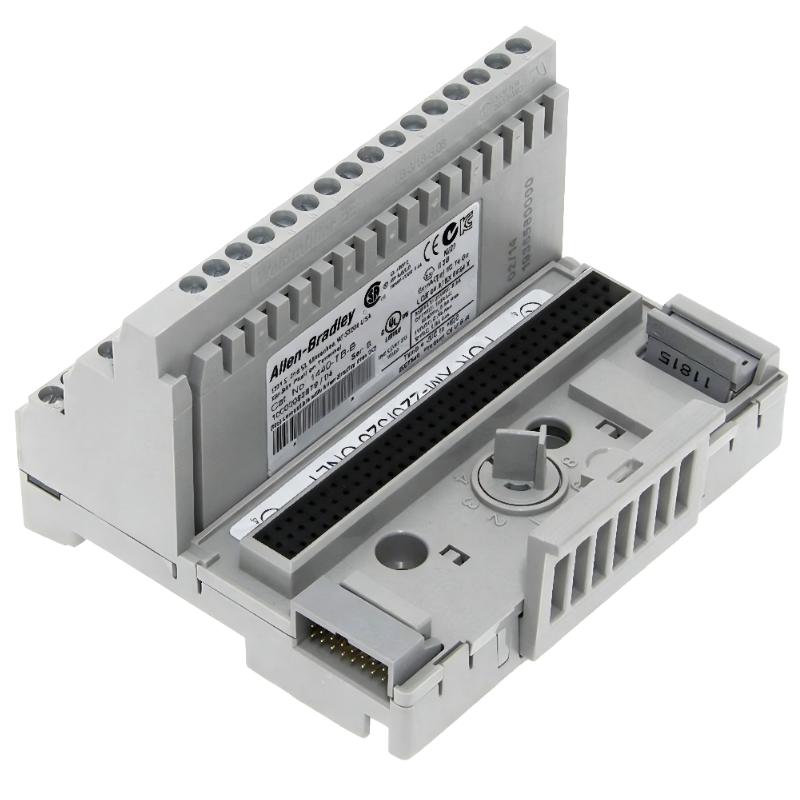
Table of Contents
- Field Case: False Vibration Alarm Caused by Terminal Signal Instability
- 1440-TB-H Direct Vibration Terminal Fault Symptoms
- Fault Diagnosis Thinking Process for Vibration Signals
- Common Causes of 1440-TB-H Signal Faults
- 1440-TB-H Troubleshooting and Testing Procedure
- Repair Actions for Signal Recovery
- Post-Repair Verification and Monitoring
- FAQs on 1440-TB-H Fault Diagnosis
- Engineering Summary
Field Case: False Vibration Alarm Caused by Terminal Signal Instability
The Allen-Bradley 1440-TB-H direct vibration terminal troubleshooting process requires engineers to analyze the complete signal path instead of replacing components immediately. In one rotating equipment monitoring project, an XM system generated repeated high vibration alarms, but mechanical inspection showed the machine was operating normally.
After checking the PLC Controller and vibration sensor, the investigation moved toward the terminal connection point. The final Fault Diagnosis identified an unstable connection at the 1440-TB-H interface.
1440-TB-H Direct Vibration Terminal Fault Symptoms
Common field symptoms include:
- Sudden vibration signal jumps without mechanical changes
- Intermittent loss of vibration measurement
- Unstable waveform or trend data
- False alarm generation from XM monitoring software
- Signal recovery after cable movement or cabinet inspection
Fault Diagnosis Thinking Process for Vibration Signals
Experienced engineers normally follow the signal chain:
- Confirm actual machine vibration condition
- Verify sensor output signal
- Inspect field cable integrity
- Check 1440-TB-H terminal connection quality
- Confirm XM module input response
This method avoids unnecessary replacement of expensive monitoring equipment and identifies the real failure point faster.
Common Causes of 1440-TB-H Signal Faults
Typical causes found during field Troubleshooting include:
- Loose terminal connection causing intermittent contact
- Damaged vibration sensor cable
- Incorrect shield grounding method
- Electromagnetic interference from nearby drives
- Improper sensor wiring polarity
- Moisture or contamination affecting terminal contact
Unlike electronic module failures, direct vibration terminal problems are usually related to wiring quality and installation conditions.
1440-TB-H Troubleshooting and Testing Procedure
A practical Fault Diagnosis process includes:
- Review vibration trend history from XM monitoring software
- Compare abnormal channel with normal channels
- Perform continuity test from sensor cable to terminal point
- Inspect terminal contact condition
- Check shielding and grounding configuration
- Verify sensor signal stability during operation
TB_H_FAULT_DIAG /MODEL=1440-TB-H /SENSOR_SIGNAL_TEST /CABLE_CHECK /GROUND_ANALYSIS
In one troubleshooting case, engineers observed vibration data changing from a stable 3.1 mm/s RMS to unstable peaks above 8 mm/s. After correcting the terminal connection, the reading returned to approximately 3 mm/s.
Repair Actions for Signal Recovery
- Removed and inspected affected sensor wiring
- Re-secured loose terminal connections
- Repaired damaged cable shielding
- Corrected grounding arrangement
- Verified sensor polarity and channel assignment
After repair, the XM monitoring system returned to stable operation without replacing the vibration sensor or controller module.
Post-Repair Verification and Monitoring
- Monitor vibration trend during startup and load changes
- Confirm alarm conditions are cleared
- Compare new data with previous baseline values
- Record maintenance findings for future reference
Successful repair should restore measurement reliability rather than only remove temporary alarms.
FAQs on 1440-TB-H Fault Diagnosis
Can a direct vibration terminal cause false machine alarms?
Yes. Unstable signal connections can create abnormal readings that appear similar to real mechanical problems.
Why should the sensor not be replaced immediately?
Because many vibration faults originate from wiring, grounding, or terminal connections rather than sensor failure.
What is the most common 1440-TB-H troubleshooting issue?
Loose connections, shield problems, and cable damage are among the most frequently observed field issues.
Engineering Summary
The Allen-Bradley 1440-TB-H direct vibration terminal plays an important role in XM condition monitoring reliability. Effective Troubleshooting requires signal path analysis, practical field inspection, and systematic Fault Diagnosis. Real industrial cases show that terminal wiring quality and grounding design often determine vibration measurement stability.