

ProductPRODUCT
Featured products

Contact Us
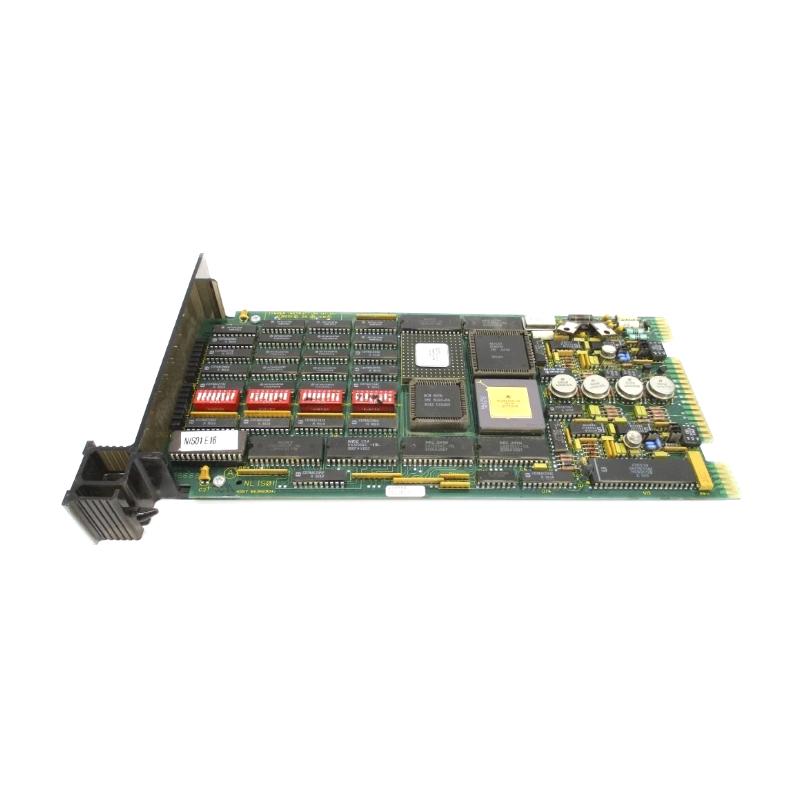
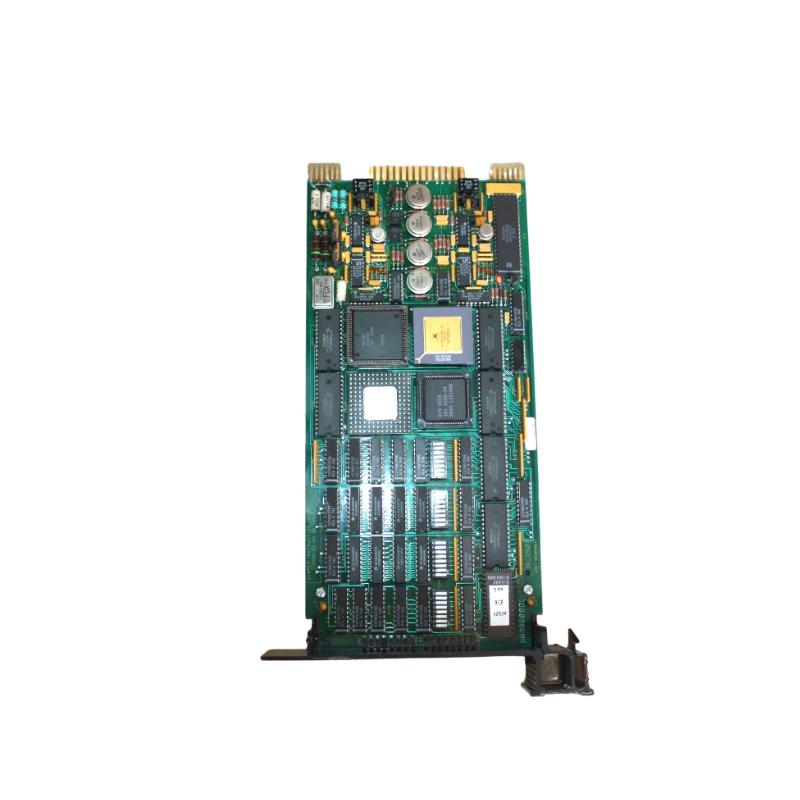
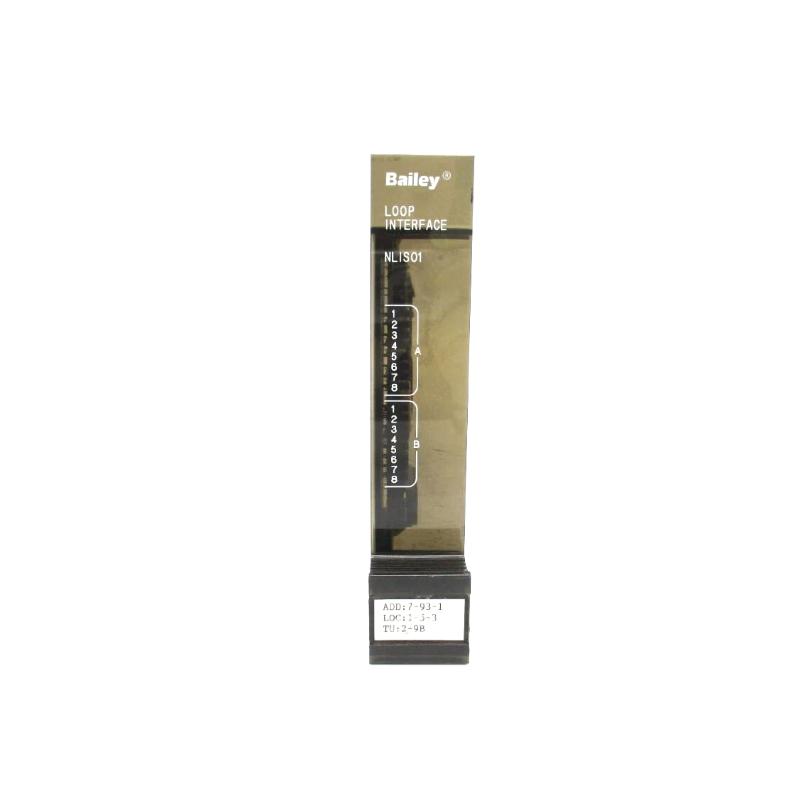
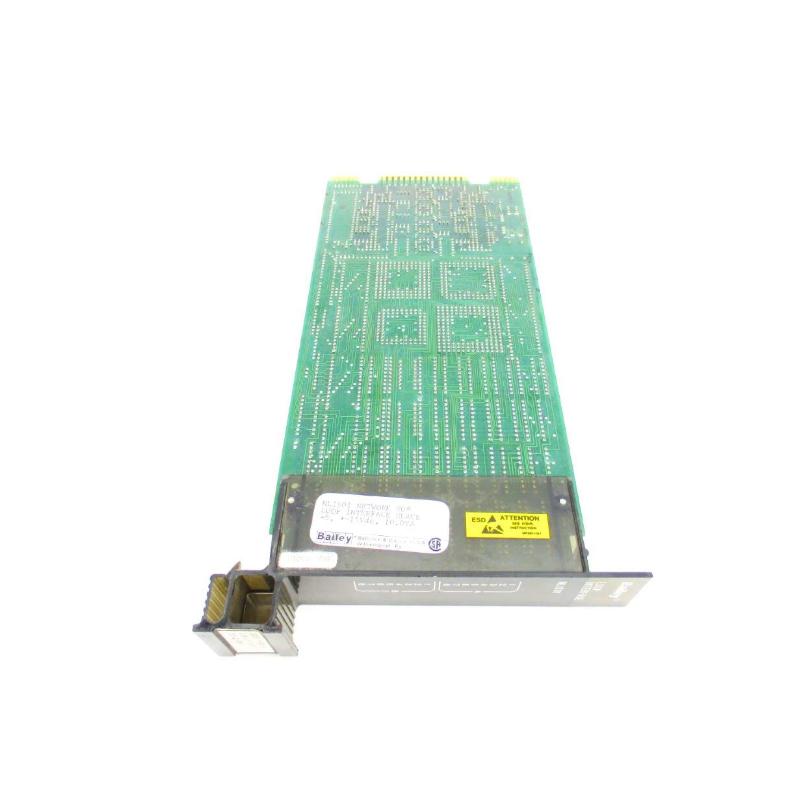
- ABB Bailey
- NLIS01 6636690AI
- Loop Interface Slave Module
- Sweden (SE)
- 130 x 30 x 200 mm
- 0.771 kg
- Xiamen, China
- New & In Stock
- T/T, PayPal, Western Union
- 1 Year
- 1-3 Working Days
- DHL, UPS, TNT, FedEx and EMS.
- 24-Hour Service
- COO
- 75
Our advantage

Global Logistics
We have a 10-year logistics and express cooperation agreement, so our products can be shipped to any place in the world.

Brand new and original
Our products are imported in bulk from the place of origin. Because of the cooperative relationship, our products are all original and 100% new.

24-hour service
We provide 7*24 hours service to our customers. We will be there whenever you need us.

Price advantage
All our products are priced very favorably because we have our own warehouse and supply.
| Company Information | |||
| [email protected] | |||
| Mobile | +8615980777398 | ||
| +8615980777398 | |||
| 15980777398 |
Product Overview
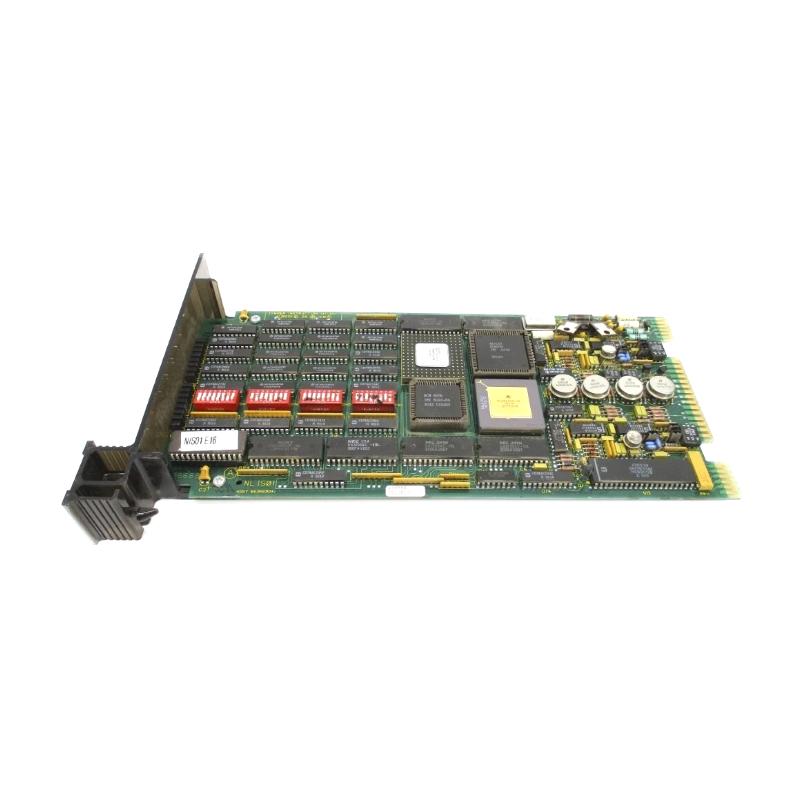
The ABB Bailey NLIS01 Loop Interface Slave Module (6636690A1) is an industrial communication module used in ABB Bailey INFI 90 / Net 90 Distributed Control Systems (DCS). It functions as a slave interface node within the system loop, enabling communication between controllers, processors, and network-level components.
This module is designed to support stable data exchange across the INFI-Net or Plant Loop architecture, ensuring reliable synchronization between distributed control units in large-scale industrial automation systems.
It is widely used in legacy ABB Bailey DCS installations, especially where loop-based communication architecture is implemented.
Technical Specifications
| Parameter | Details |
|---|---|
| Manufacturer | ABB (Bailey) |
| Model | NLIS01 |
| Part Number | 6636690A1 |
| Product Type | Loop Interface Slave Module |
| System Compatibility | ABB Bailey INFI 90 / Net 90 DCS |
| Function | Loop communication slave interface |
| Dimensions | 130 × 30 × 200 mm |
| Weight | 0.771 kg |
| Signal Type | Industrial loop communication signals |
| Network Role | Slave node in control loop architecture |
| Installation Type | Rack-mounted module |
| Operating Temperature | -20°C to +70°C |
| Storage Temperature | -40°C to +85°C |
| Humidity Range | 5%–95% non-condensing |
Function and Working Principle
The NLIS01 module operates as a slave communication node within the ABB Bailey system loop.
In operation, the module receives communication commands from master interface modules and participates in the exchange of process and control data across the system loop. It ensures that data transmitted between controllers and network components is properly synchronized and routed.
Working together with loop interface master modules, it supports continuous communication flow across distributed nodes, allowing multiple control units to operate as part of a unified system.
Role in Industrial Control Systems
Within ABB Bailey INFI 90 / Net 90 architectures, the NLIS01 plays a supporting communication role:
- Acts as a slave node in the system loop
- Supports data exchange between controllers and network modules
- Maintains synchronization across distributed system components
- Enables stable loop communication in DCS architecture
- Supports redundant and scalable control system design
It is an important part of the loop communication structure in ABB Bailey distributed control systems.
Industrial Applications
The ABB NLIS01 is widely used in:
- Power generation control systems
- Oil and gas production facilities
- Petrochemical processing plants
- Water treatment systems
- Industrial automation networks
- ABB Bailey legacy DCS installations
- Large-scale distributed process control systems
Installation and System Integration
- Installed in ABB Bailey INFI 90 module racks
- Works within loop-based communication architecture
- Requires correct rack slot alignment
- Must be installed by qualified control system engineers
- Shielded for electromagnetic interference protection
- Integrated into Plant Loop or INFI-Net network structure
Compatible System Components
- ABB Bailey NLIM series (Loop Interface Master Modules)
- INFI 90 / Net 90 controller processors
- Network communication modules
- System loop backplane architecture
- Redundant control system configurations
- Distributed I/O and interface modules
Recommended Alternative Models
| Model | Type | Key Feature | Application |
|---|---|---|---|
| NLIS01 | Loop interface slave | Standard slave communication node | DCS loop systems |
| INNIS01 | Network interface slave | Enhanced network communication | INFI-Net systems |
| NLIM01 | Loop interface master | Master control role | Loop management |
| NLIM02 | Loop interface module | Advanced routing capability | Distributed systems |
| INLIM series | Interface modules | System integration support | Large-scale DCS networks |
Key Advantages
- Stable loop-based communication support
- Reliable slave node operation in DCS networks
- Strong compatibility with ABB Bailey systems
- Supports distributed system architecture
- Enables synchronized control communication
- Designed for continuous industrial operation
- Suitable for legacy system maintenance and upgrades
Technical FAQs
Q1: What is the main function of NLIS01?
It operates as a slave interface module within the ABB Bailey system loop.
Q2: Does it control field devices directly?
No. It only supports communication within the control network.
Q3: What systems use NLIS01?
It is used in ABB Bailey INFI 90 and Net 90 distributed control systems.
Q4: Why is loop communication important?
It ensures stable and synchronized data exchange between distributed controllers.
Conclusion
The ABB Bailey NLIS01 Loop Interface Slave Module is a key communication component in ABB Bailey distributed control systems. It ensures reliable slave-node operation within the system loop, supporting stable data exchange and synchronized control across industrial automation networks.
It is widely used in critical industries such as power generation, petrochemical processing, and large-scale industrial control systems where communication reliability and system coordination are essential.