

ProductPRODUCT
Featured products

Contact Us
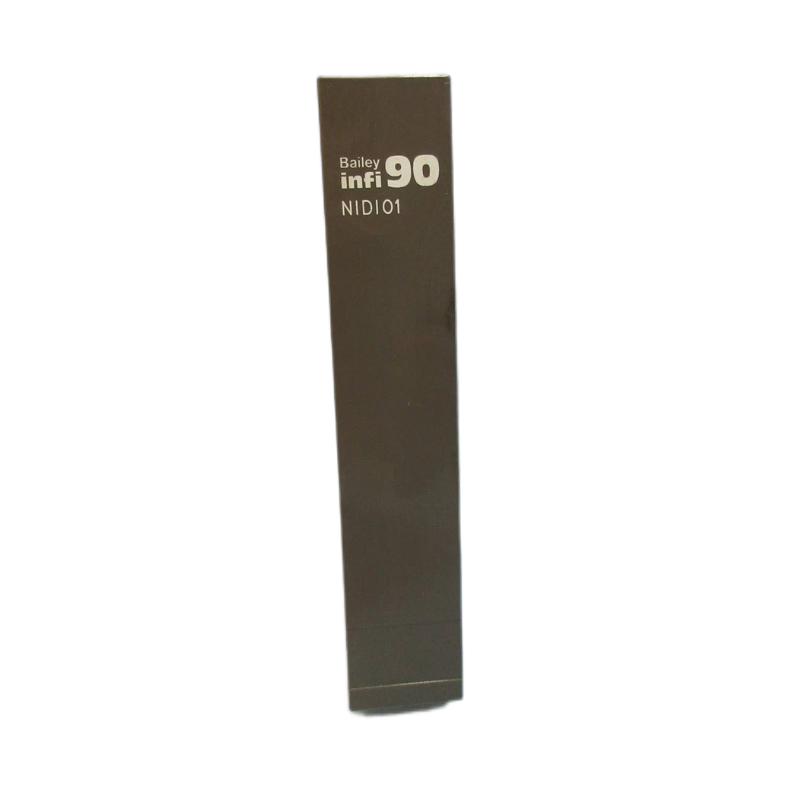
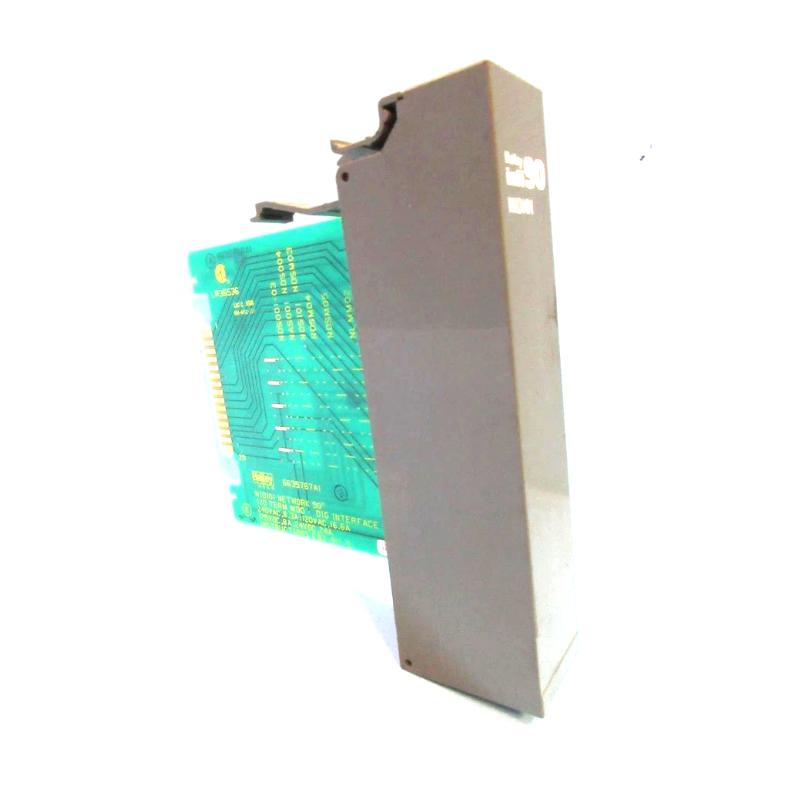
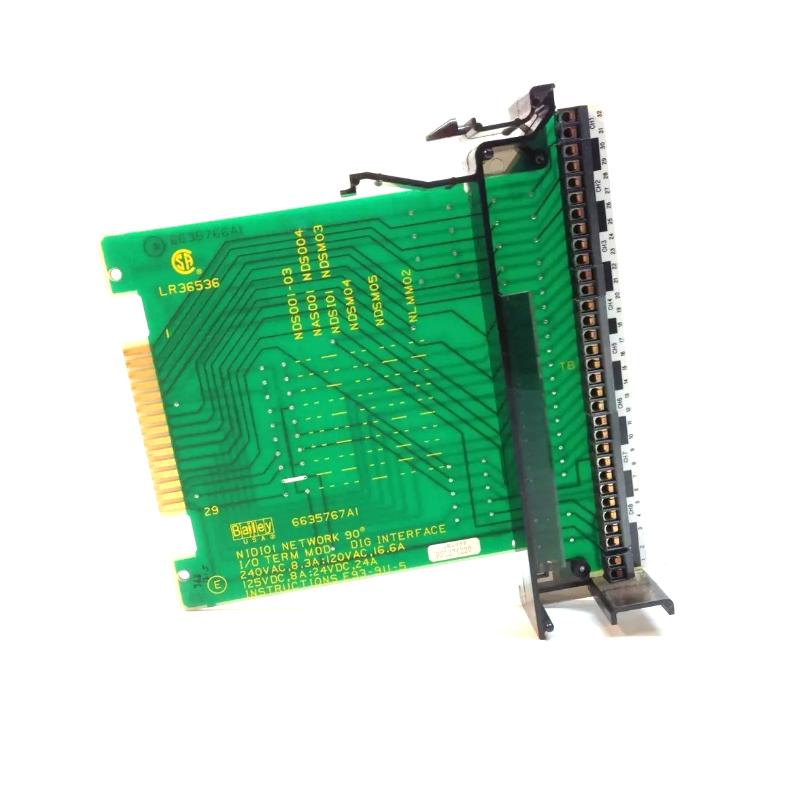
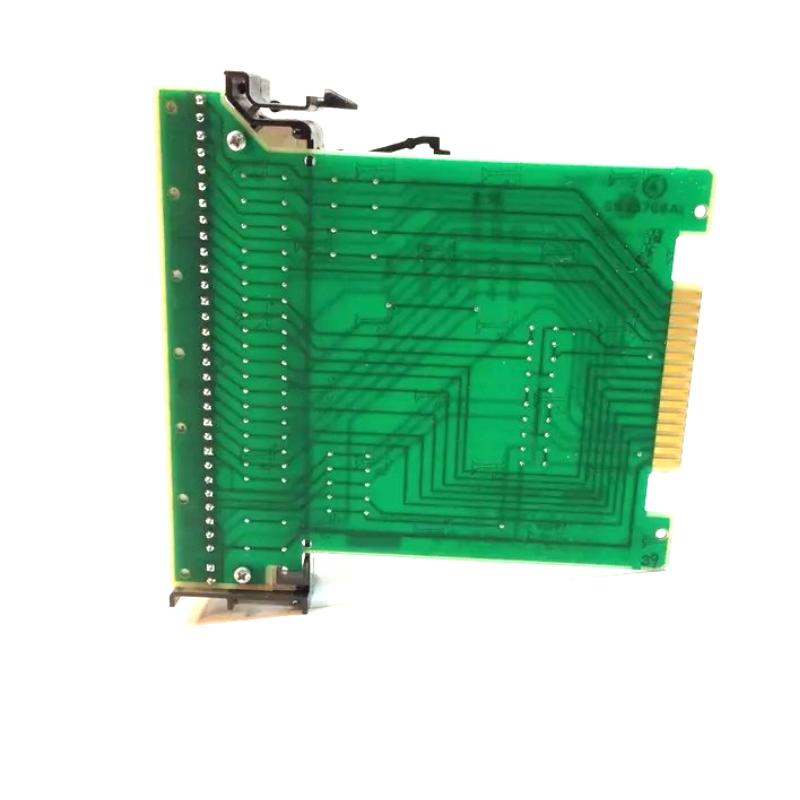
- ABB Bailey
- NIDI01
- Digital Input Terminal Module
- Sweden (SE)
- 78.74 x 215.9 x 233.68 mm
- 0.7 kg
- Xiamen, China
- New & In Stock
- T/T, PayPal, Western Union
- 1 Year
- 1-3 Working Days
- DHL, UPS, TNT, FedEx and EMS.
- 24-Hour Service
- COO
- 105
Our advantage

Global Logistics
We have a 10-year logistics and express cooperation agreement, so our products can be shipped to any place in the world.

Brand new and original
Our products are imported in bulk from the place of origin. Because of the cooperative relationship, our products are all original and 100% new.

24-hour service
We provide 7*24 hours service to our customers. We will be there whenever you need us.

Price advantage
All our products are priced very favorably because we have our own warehouse and supply.
| Company Information | |||
| [email protected] | |||
| Mobile | +8615980777398 | ||
| +8615980777398 | |||
| 15980777398 |
Product Overview
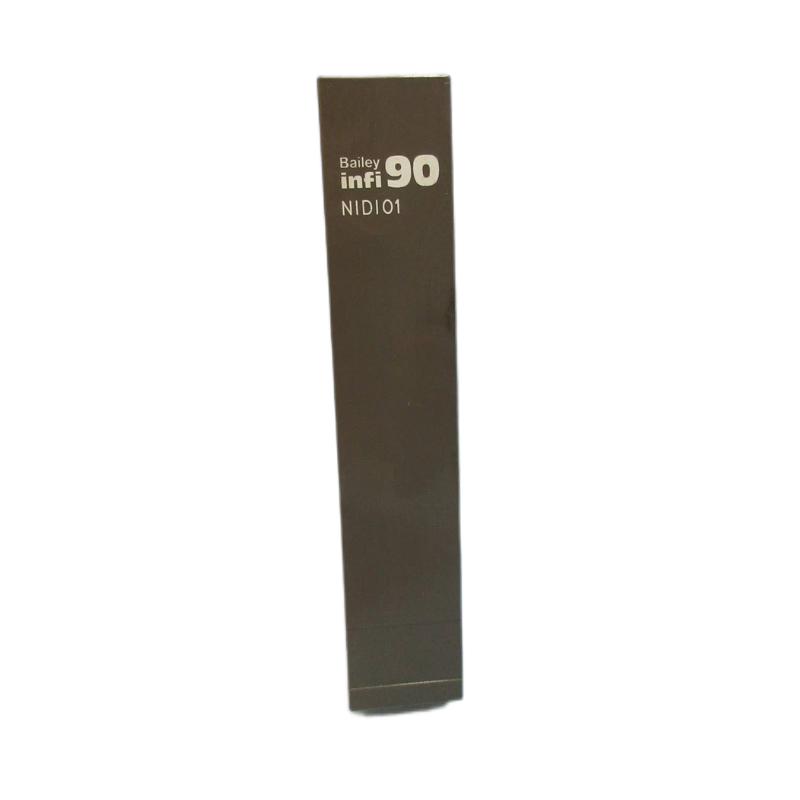
The ABB Bailey NIDI01 Digital Input Terminal Module is an industrial field termination interface module used in ABB Bailey INFI 90 / Net 90 Distributed Control Systems (DCS). It is designed to provide a structured connection point between field digital devices and digital input processing modules.
The NIDI01 functions as a passive termination unit, meaning it does not process or interpret signals. Instead, it organizes and routes digital input signals such as ON/OFF contacts, limit switches, relay outputs, and discrete field signals into the control system for processing by digital input modules.
It is widely used in industrial automation systems where reliable discrete signal collection, wiring organization, and system stability are required.
Technical Specifications
| Parameter | Details |
|---|---|
| Manufacturer | ABB (Bailey) |
| Model | NIDI01 |
| Product Type | Digital Input Terminal Module |
| System Compatibility | ABB Bailey INFI 90 / Net 90 DCS |
| Function | Field digital signal termination and routing |
| Signal Types | Discrete ON/OFF, dry contact, relay signals (system dependent) |
| Channel Capacity | Typically 16–32 channels (configuration dependent) |
| Interface Type | Rack-mounted termination assembly |
| Electrical Role | Passive signal interface (no processing) |
| Power Requirement | None |
| Signal Processing | None |
| Installation Type | Termination mounting unit (rack system) |
| Operating Temperature | 0°C to +60°C |
| Storage Temperature | -40°C to +85°C |
| Humidity Range | 5%–95% non-condensing |
| Dimensions | 78.74 × 215.9 × 233.68 mm |
| Weight | 0.7 kg |
Function and Working Principle
The ABB NIDI01 operates as a structured interface for digital input signals.
Working principle:
- Field devices (switches, relays, sensors) generate digital ON/OFF signals
- Signals are wired into the NIDI01 terminal points
- The module organizes signals into structured input channels
- Signals are routed to digital input processing modules
- Input modules convert signals into system-readable logic states
- The DCS uses processed states for monitoring and control actions
This ensures stable signal acquisition, reduced wiring complexity, and improved reliability in discrete control systems.
Role in Industrial Control Systems
Within ABB Bailey INFI 90 / Net 90 systems, the NIDI01 plays a key structural role:
- Provides termination for digital field wiring
- Connects discrete field devices to I/O modules
- Supports ON/OFF and relay-based signal inputs
- Reduces cabinet wiring complexity
- Improves maintenance and troubleshooting efficiency
It is a passive but essential interface component in digital input architectures.
Industrial Applications
The ABB NIDI01 is widely used in:
- Power generation control systems
- Oil and gas processing facilities
- Petrochemical and refinery automation
- Water treatment plants
- Industrial manufacturing systems
- Conveyor and machine control systems
- ABB Bailey legacy DCS installations
- Large-scale discrete control systems
It is especially suitable for environments requiring high-reliability digital signal acquisition and structured wiring systems.
Installation and System Integration
Proper installation ensures stable operation:
- Installed in ABB Bailey INFI 90 / Net 90 rack systems
- Connected directly to field digital devices
- Interfaces with digital input slave modules (IMDIS series)
- Requires proper grounding and shielding practices
- Must follow structured wiring and cabinet layout standards
- Installed by qualified instrumentation or control engineers
- Used alongside DCS input processing modules
Compatible System Components
The NIDI01 typically works with:
- ABB Bailey digital input modules (IMDIS series)
- Field devices (switches, limit switches, relay contacts)
- Signal conditioning modules (if required)
- System backplane communication infrastructure
- Power supply modules for I/O racks
- Control processors and DCS controllers
- Operator interface systems
Together, these form a complete ABB Bailey digital input system architecture.
Recommended Alternative Models
| Model | Type | Key Feature | Application |
|---|---|---|---|
| NIDI01 | Digital Input Terminal Module | Standard ABB Bailey digital input termination | INFI 90 / Net 90 systems |
| NIDI02 | Enhanced digital input module | Improved wiring organization | High-density systems |
| NIDI03 | Advanced input terminal module | Expanded channel support | Complex discrete systems |
| NICS01 | Control terminal I/O module | Mixed signal control interface | General I/O systems |
| IMDIS01 | Digital input slave module | Active signal processing | Direct field acquisition |
Key Advantages
- Provides structured digital signal termination
- Improves wiring organization and system layout
- Reduces installation complexity and errors
- Enhances maintainability and troubleshooting efficiency
- Compatible with ABB Bailey DCS systems
- Supports stable discrete signal acquisition
- Industrial-grade reliability for harsh environments
Technical FAQs
Q1: What is the main function of ABB NIDI01?
It provides termination and routing for digital input signals into DCS processing modules.
Q2: Does it process signals?
No. It is a passive interface module only.
Q3: What systems use NIDI01?
It is used in ABB Bailey INFI 90 and Net 90 distributed control systems.
Q4: What type of signals does it handle?
It handles discrete ON/OFF signals such as switches, relays, and contact inputs.
Conclusion
The ABB Bailey NIDI01 Digital Input Terminal Module is a fundamental infrastructure component in ABB Bailey distributed control systems. It provides reliable field signal termination, structured wiring organization, and stable connection between digital field devices and control system input modules.
Its passive but essential role ensures long-term signal integrity, maintainability, and scalability in industrial automation environments such as power plants, petrochemical facilities, and manufacturing systems.